A buyer from Copenhagen once sent me a frustrated email that I will never forget. She had launched a small collection of scarves marketed specifically to women with eczema and sensitive skin. The scarves looked beautiful online and sold out within a week. Then the reviews started coming in. Customers complained of itching, redness, and irritation after wearing the scarves for just a few hours. The fabric had a chemical finish that was never disclosed to her. Her entire brand, built on a sensitive-skin promise, was threatened by a hidden textile auxiliary. She asked me if we could make scarves that would never hurt her customers. I told her yes, and I meant it.
Yes, our factory can produce both cotton and bamboo fiber scarves specifically designed and tested for sensitive skin. We use certified organic cotton and mechanically processed bamboo fiber, free from harsh chemical softeners, formaldehyde-based finishes, and azo dyes. Every scarf is manufactured under strict OEKO-TEX Standard 100 certification, and we control the entire production process from yarn selection to final washing to ensure zero skin irritants remain in the finished product.
Our Zhejiang facility has developed a dedicated sensitive-skin accessory production protocol after years of working with European brands that serve dermatological and allergic customer segments. Let me walk you through the material science of why cotton and bamboo are the right choices, how we ensure chemical safety at every stage, and what specific certifications and tests you should demand from any factory claiming to produce hypoallergenic scarves.
What Makes Cotton and Bamboo Fibers Naturally Suitable for Sensitive Skin?
The suitability of a fabric for sensitive skin starts at the fiber level, long before any dye or finish is applied. The shape, surface texture, and natural properties of the raw fiber determine how it will interact with delicate, reactive skin. Both cotton and bamboo have intrinsic characteristics that make them excellent candidates, but they are excellent for different reasons. Understanding this distinction helps you choose the right fiber for your specific customer's needs.
Why Is Long-Staple Organic Cotton the Safest Choice for Reactive Skin?
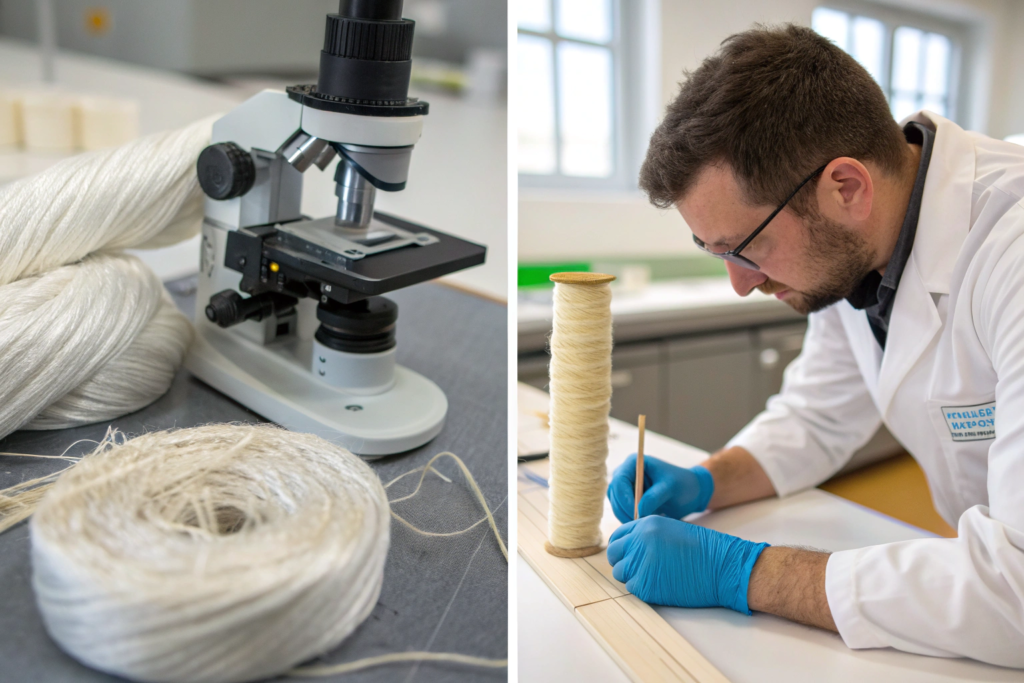
Cotton is not automatically hypoallergenic just because it is natural. Conventional cotton farming uses pesticides and defoliants that can leave trace chemical residues on the harvested fiber. These residues can survive the ginning and spinning process and end up in the finished scarf. For a person with sensitive skin, these microscopic chemical remnants can trigger contact dermatitis. The solution is certified organic cotton with a long staple length. Long-staple cotton fibers, such as those from GOTS-certified organic cotton, are longer and can be spun into a smoother, stronger yarn with fewer protruding fiber ends. Short, coarse fibers create a fuzzy yarn with thousands of tiny fiber tips that can mechanically irritate the skin. A scarf made from long-staple organic cotton feels smoother and silkier against the neck and has none of the agricultural chemical residues that plague conventional cotton. When we source organic cotton yarn for sensitive-skin orders, we require the GOTS transaction certificate from the spinner, which traces the fiber all the way back to the certified organic farm. This is the only way to be certain the purity claim is real.
How Does Bamboo Fiber's Round Cross-Section Reduce Skin Friction?
Bamboo fiber, specifically mechanically processed bamboo linen rather than chemically intensive bamboo viscose, has a fundamentally different physical structure from cotton. Under a microscope, cotton fiber looks like a flat, twisted ribbon with irregular edges. Bamboo fiber is naturally round and smooth, with a hollow core. This round cross-section means that when bamboo yarn is woven into a scarf, the surface that touches the skin has far fewer microscopic sharp edges. The friction between the fabric and sensitive skin is significantly reduced. This is the same principle that makes silk comfortable for sensitive skin, but bamboo offers it at a fraction of the cost and with machine-washable durability. Bamboo also has a natural property called "bamboo kun," an antimicrobial bio-agent that resists bacteria and fungi. For a scarf worn close to the face and neck, where skin oils and moisture accumulate, this natural resistance to microbial growth can reduce the likelihood of skin irritation caused by bacterial byproducts. It is important to distinguish mechanically processed bamboo from bamboo viscose. Viscose production uses carbon disulfide and sodium hydroxide, which can leave chemical residues if not properly washed. We specify mechanically processed bamboo fiber for sensitive-skin orders to avoid this chemical exposure risk entirely. For more detailed information on textile fiber properties, you can explore resources from the Textile Exchange.
How Is Chemical Safety Controlled During the Dyeing and Finishing Process?
A scarf can start with the purest organic fiber in the world and still arrive at the customer's door full of irritants. The dyeing and finishing stages are where most skin-unfriendly chemicals are introduced. Harsh dyes, formaldehyde-based wrinkle-resistant treatments, and chemical softeners that make the fabric feel smooth in the store can all trigger skin reactions weeks later. Controlling this stage requires a restricted substance list, approved chemical inventories, and a factory that is willing to say no to shortcuts.
What Dye Types Are Safe for Hypoallergenic Scarves?
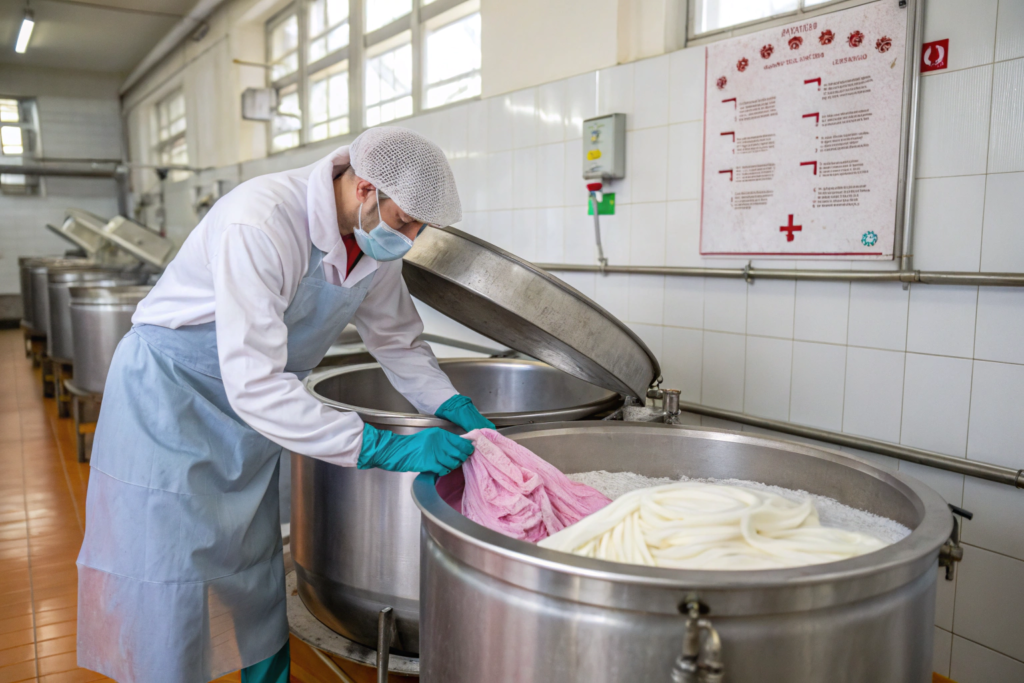
The safest dyes for sensitive skin are fiber-reactive dyes for cotton and natural or low-impact dyes for bamboo. Fiber-reactive dyes form a covalent bond with the cellulose molecules in the cotton fiber. This means the dye molecule actually becomes part of the fiber, rather than sitting on the surface where it can rub off onto skin. The dyeing process includes a thorough washing and soaping stage to remove any unreacted, unfixed dye molecules. A properly executed reactive dye cycle leaves virtually no free dye on the fabric surface. We test every dyed batch for color fastness to perspiration and saliva, which are the most relevant tests for a scarf that will be worn against the neck. Azo dyes that can break down into carcinogenic aromatic amines are completely banned from our sensitive-skin production line. We maintain an approved dye list that our suppliers must certify against. For bamboo, we prefer natural dyes or low-impact fiber-reactive dyes that do not require heavy metal mordants. The color palette for sensitive-skin scarves tends toward soft, natural, undyed, or lightly dyed tones, which further reduces chemical load.
How Do You Finish Scarves Without Using Formaldehyde or Irritating Softeners?
Conventional textile finishing often uses formaldehyde-based resins to make fabric wrinkle-resistant and dimensional stabilizers to prevent shrinkage. These chemicals are among the most common causes of textile-related skin irritation. For our sensitive-skin scarf production, we use a strictly formaldehyde-free finishing protocol. Wrinkle resistance is achieved through mechanical finishing, specifically a process called calendaring where the fabric passes through heated rollers under pressure to create a smooth surface, rather than by applying a chemical resin. Softness is achieved through enzyme washing. We use a cellulase enzyme bath that gently removes the micro-fuzz and protruding fiber ends from the fabric surface without leaving any chemical residue. The enzyme is a protein that is completely rinsed away and deactivated in the final hot wash. The result is a scarf that feels soft and smooth to the touch, with no chemical coating sitting between the fabric and the customer's skin. We never use silicone-based softeners or cationic softeners on sensitive-skin orders, even though they are cheap and common in the industry, because they can build up on the fabric and trap bacteria against the skin.
What Certifications Should You Require for Sensitive Skin Scarves?
Certifications are not just marketing badges. They are the only independent, third-party verification that a scarf is safe for sensitive skin. Any factory can claim their product is hypoallergenic. Very few can produce a certificate from an accredited testing laboratory that proves it. When you are sourcing scarves for a sensitive-skin customer base, these certifications are your legal defense and your marketing foundation. You should require them in your purchase order specification and verify them before production begins.
Is OEKO-TEX Standard 100 Enough to Guarantee Skin Safety?
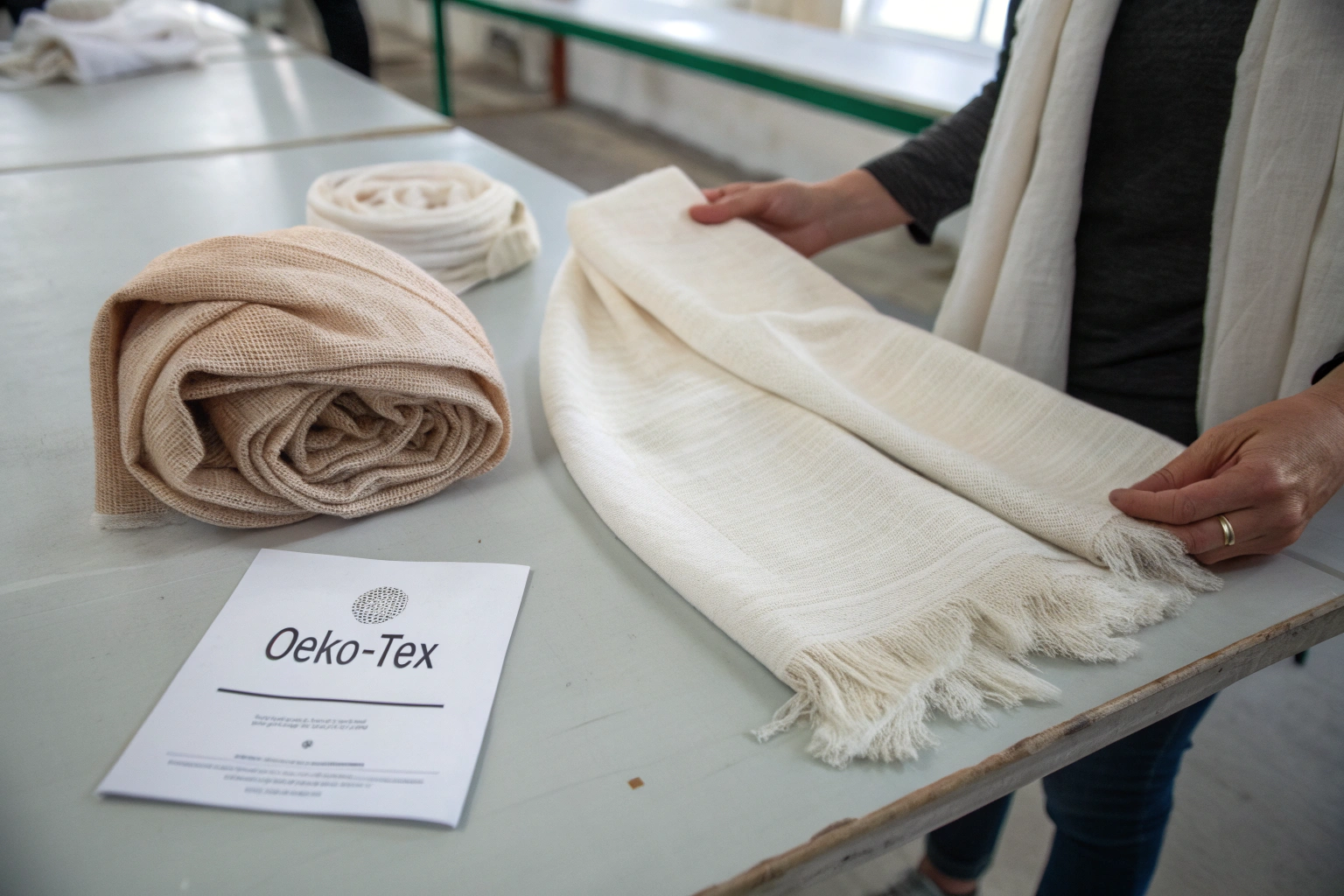
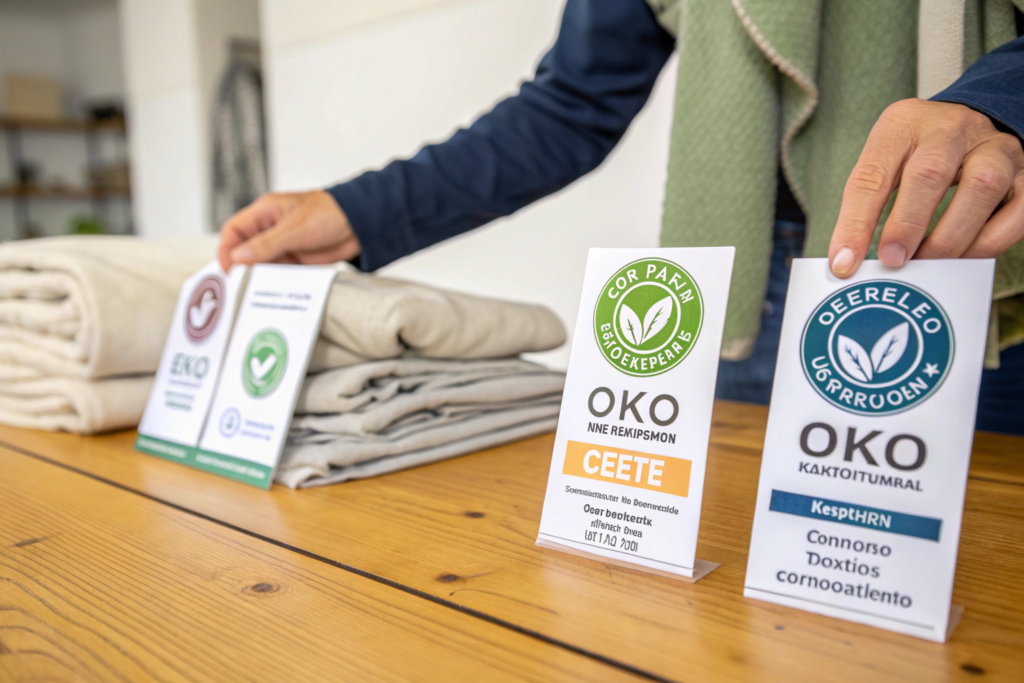
OEKO-TEX Standard 100 is the global baseline certification for textile chemical safety. It tests for over 100 harmful substances, including formaldehyde, heavy metals, pesticides, and allergenic dyes. A scarf with an OEKO-TEX certificate has passed these tests at an independent laboratory. For sensitive-skin products, you must specify the product class. OEKO-TEX has four product classes based on skin contact intensity. Class I is for baby products and has the strictest limits. Class II is for products with direct and prolonged skin contact, which is the minimum you should accept for a sensitive-skin scarf. A standard Class II certificate is good, but if your brand specifically markets to people with eczema or diagnosed skin conditions, you should push for Class I certification. The difference is that Class I has even lower limits for formaldehyde and requires testing for additional substances. Our sensitive-skin scarf production is certified to OEKO-TEX Standard 100 Class I. We provide the certificate number and the testing laboratory details so the buyer can verify it independently on the OEKO-TEX website.
Why Should You Also Request a GOTS Certificate for Organic Cotton Scarves?
OEKO-TEX tests the final product for harmful substances. It does not certify that the raw cotton was grown organically. A scarf can pass OEKO-TEX testing while being made from conventionally grown, pesticide-intensive cotton. If your brand promise includes organic farming, you need a separate certification for that claim. The Global Organic Textile Standard, or GOTS, certifies the entire supply chain from farm to finished product. It verifies that the cotton was grown without synthetic pesticides and that the processing stages, including spinning, dyeing, and finishing, meet strict environmental and social criteria. A GOTS-certified organic cotton scarf gives you the dual assurance of organic agriculture and chemical safety in processing. For bamboo, a similar chain of custody certification from the Forest Stewardship Council or an organic certification for the bamboo source can support your sustainability claims. The combination of an OEKO-TEX Class I certificate for product safety and a GOTS certificate for organic origin provides the most complete documentation package for a sensitive-skin scarf brand.
How Do You Test the Final Product to Ensure It Is Truly Hypoallergenic?
The final step before shipping is verification that the production batch matches the certified sample. A pre-production sample might pass all the tests, but the bulk production could change if a dye bath is reused too many times or a finishing step is rushed. Batch-level testing closes this gap. It is an extra step that adds a few days to the timeline, but for a sensitive-skin product, it is the difference between a safe shipment and a recall-worthy disaster.
What Specific Lab Tests Simulate Wearing Conditions Against Skin?
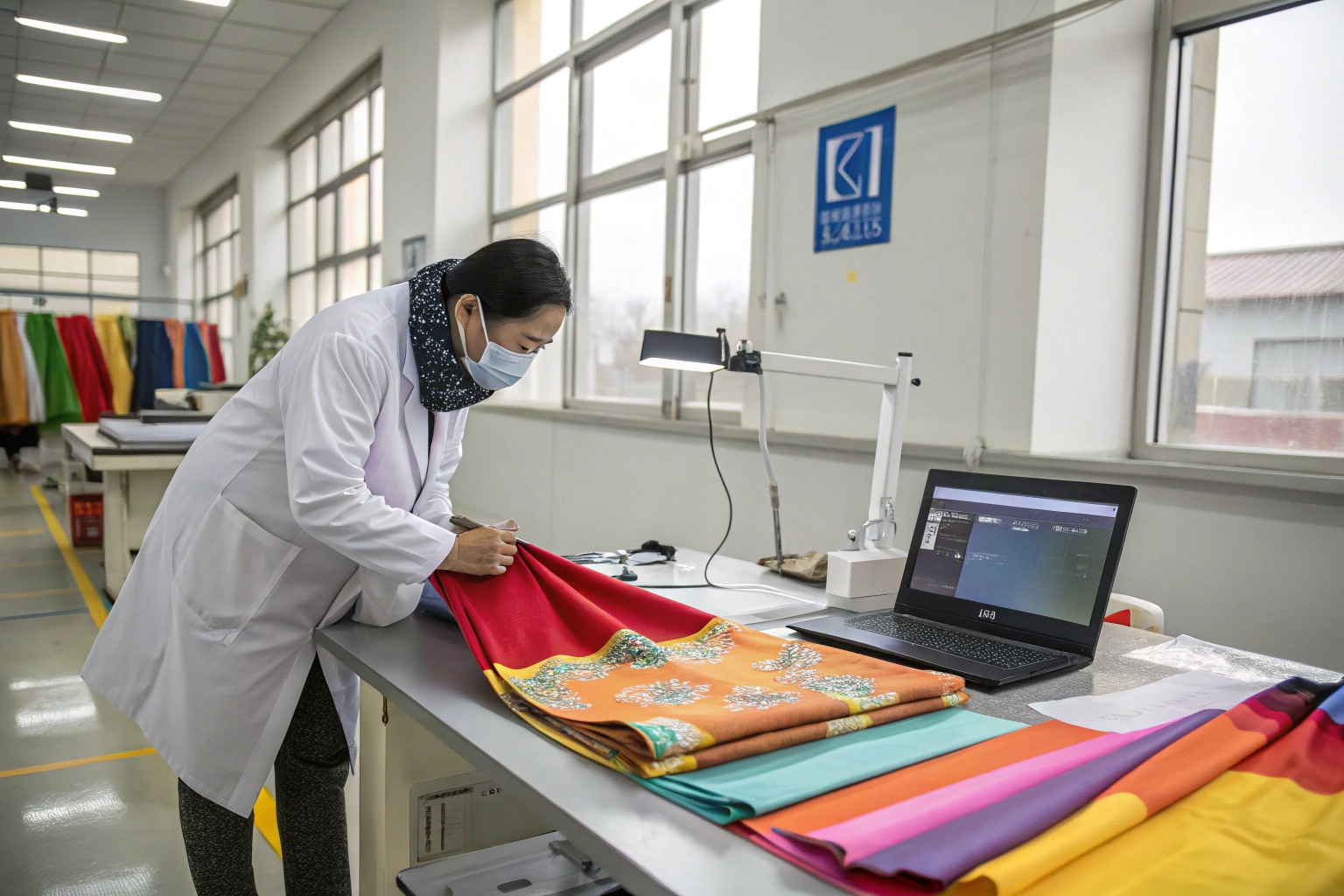
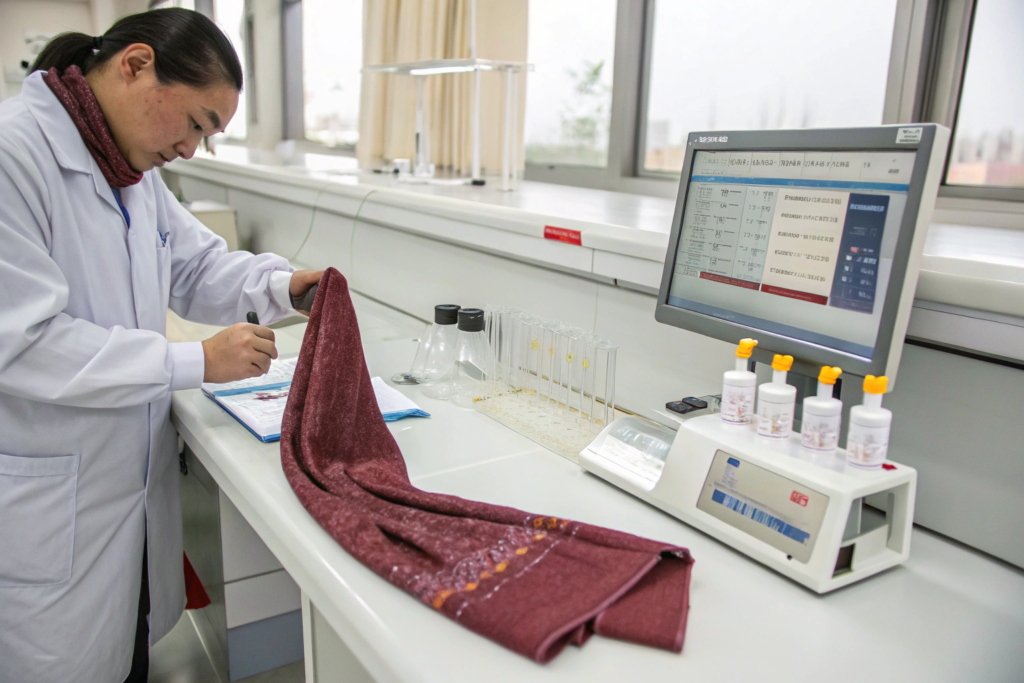
The most relevant test for a scarf is the skin irritation test, often performed as a patch test using human skin models or, for the highest standard, dermatological testing on human volunteers under medical supervision. This test simulates the scarf being worn against the skin for an extended period and measures any inflammatory response. In parallel, we perform chemical migration tests that simulate sweat breaking down and absorbing any surface chemicals from the fabric. An acidic artificial sweat solution is applied to the scarf sample, and the extract is analyzed for any leachable irritants. We also test for pH value. Human skin is naturally slightly acidic, around 5.5 pH. A fabric with a highly alkaline pH, which can result from improper washing after dyeing, will disrupt the skin's acid mantle and cause dryness and irritation. Our finished scarves are tested to ensure a pH between 5.0 and 7.0, which is compatible with healthy skin. These testing protocols align with international standards that are available from organizations like ASTM International.
How Do You Ensure Consistency Across Multiple Production Batches?
Sensitive-skin customers are the most loyal customers when the product works, and the most vocal detractors when it does not. Consistency batch after batch is non-negotiable. We maintain a retained sample from every production batch for at least two years. This retained sample is sealed and stored in a controlled environment. If a customer ever questions a batch, we can retrieve the retained sample and re-test it. We also use a batch-specific dye recipe and finishing process log. Every chemical used in the process is recorded by batch number, supplier, and concentration. This means that if a test result shows a deviation, we can trace it back to the exact chemical lot and supplier that was used. This traceability is the foundation of quality consistency. It is also a requirement for maintaining GOTS and OEKO-TEX certifications, which involve annual audits and random sample testing.
Conclusion
Producing cotton and bamboo fiber scarves for sensitive skin is not a marketing claim. It is a manufacturing discipline. It starts with fiber selection, using GOTS-certified long-staple organic cotton for its smooth yarn structure and zero pesticide residue, and mechanically processed bamboo for its round, low-friction fiber cross-section and natural antimicrobial properties. It continues through the dyeing and finishing stages, where only fiber-reactive or natural dyes are used, formaldehyde-based finishes are banned, and softness is achieved through enzyme washing rather than chemical coatings. It is verified by independent certifications like OEKO-TEX Standard 100 Class I and GOTS, and it is confirmed by batch-level skin irritation testing and pH analysis before shipping.
The brand that gets this right earns a customer for life. People with sensitive skin struggle to find accessories that do not hurt them. When they find a scarf that is genuinely comfortable, they tell their friends, they leave glowing reviews, and they come back season after season. The brand that gets this wrong, by cutting corners on a dye or skipping a certification, faces returns, bad reviews, and a damaged reputation that is very hard to repair.
At AceAccessory, our sensitive-skin production protocol was built in response to real buyer pain, just like the one from Copenhagen. We treat every sensitive-skin order as a special handling category with dedicated yarn sourcing, approved chemical inventories, and batch-level testing. Our project managers can provide full certification documentation and test reports before your order ships.
If you are developing a scarf line for customers with sensitive skin, eczema, or allergies, please reach out to us with your specifications. We can send you a sample pack of our organic cotton and bamboo scarf fabrics so you can feel the difference yourself.
To start a conversation about your sensitive-skin scarf project, please contact our Business Director, Elaine. You can reach her directly at elaine@fumaoclothing.com. Let us make scarves that your customers will love to wear, without any fear of irritation.