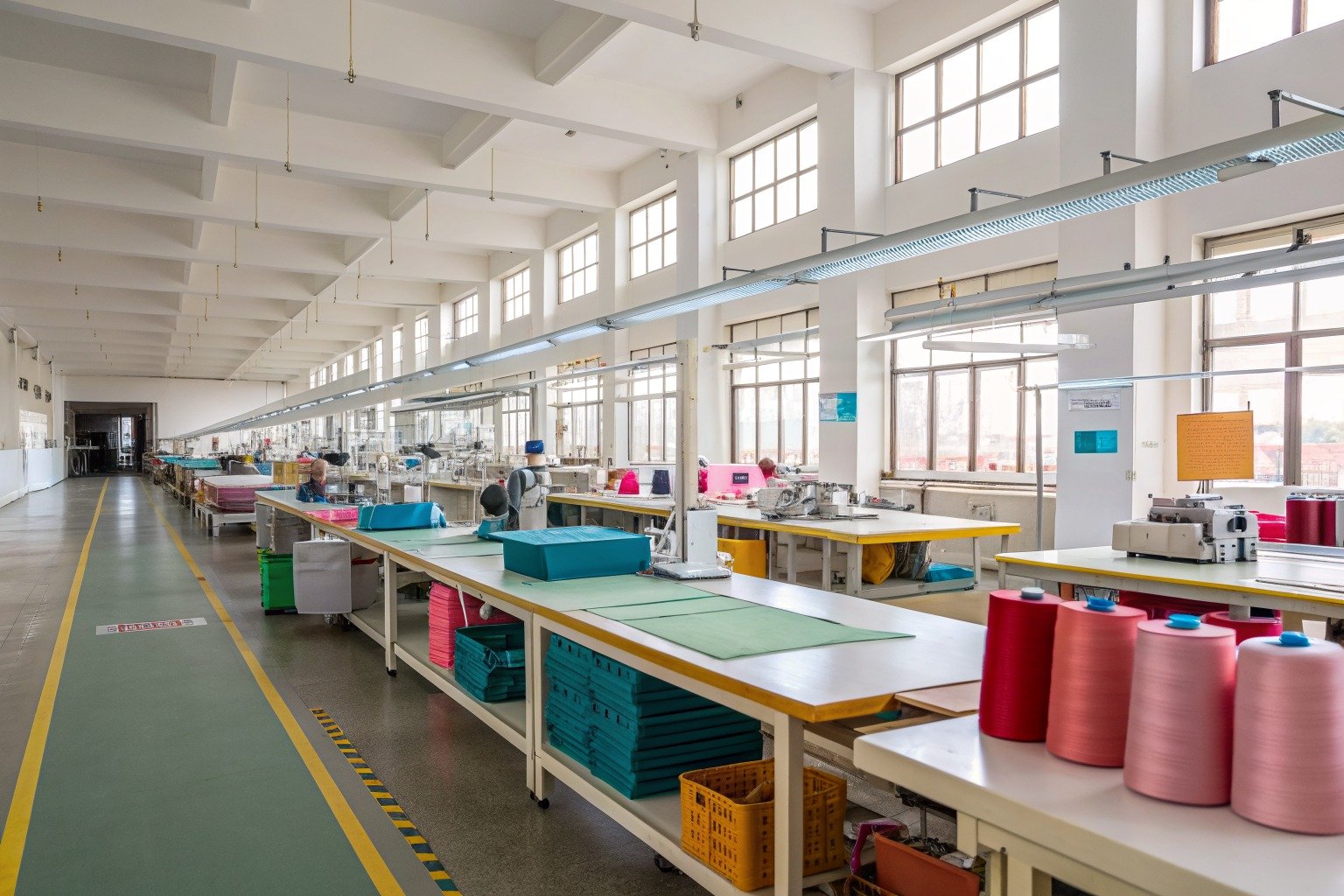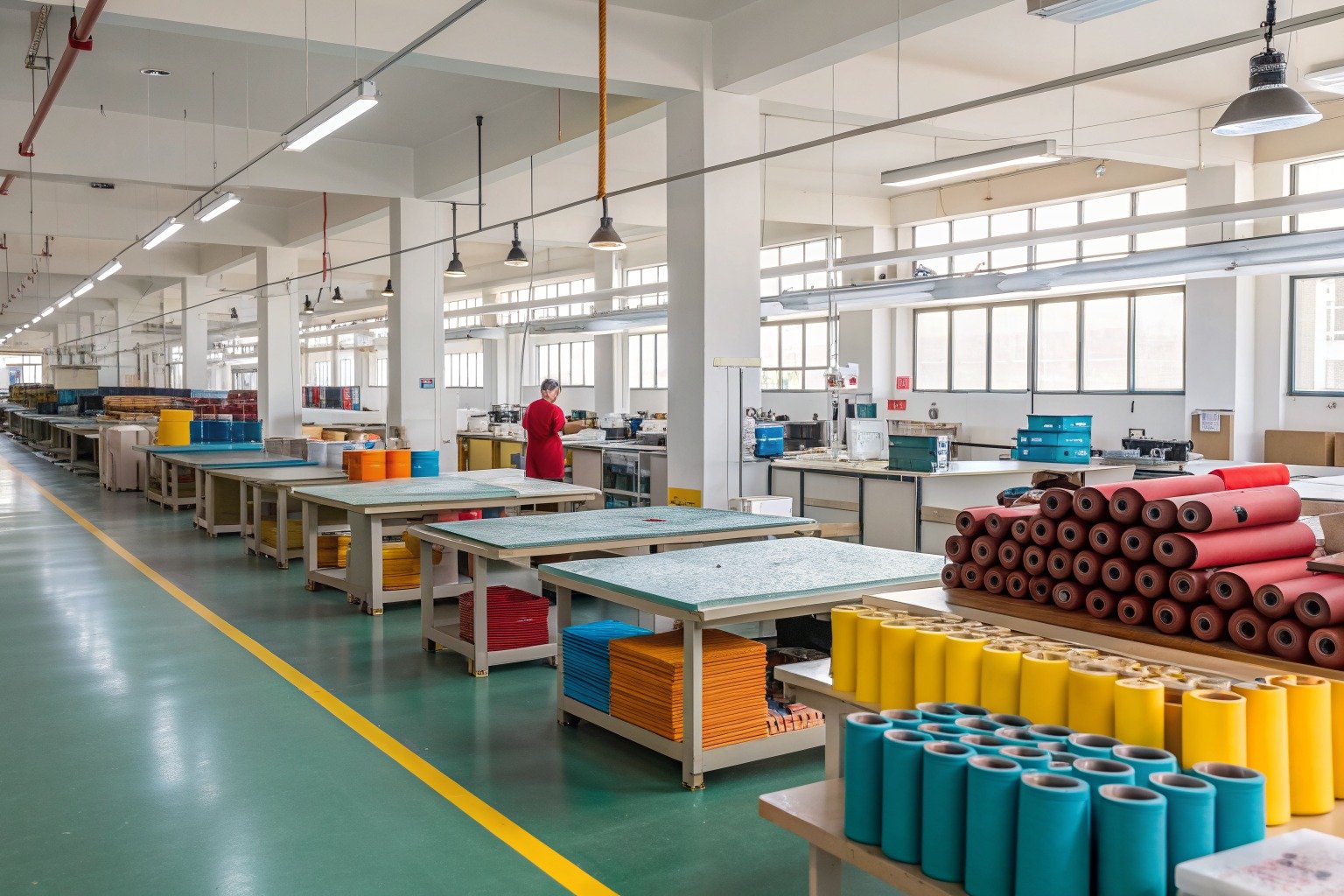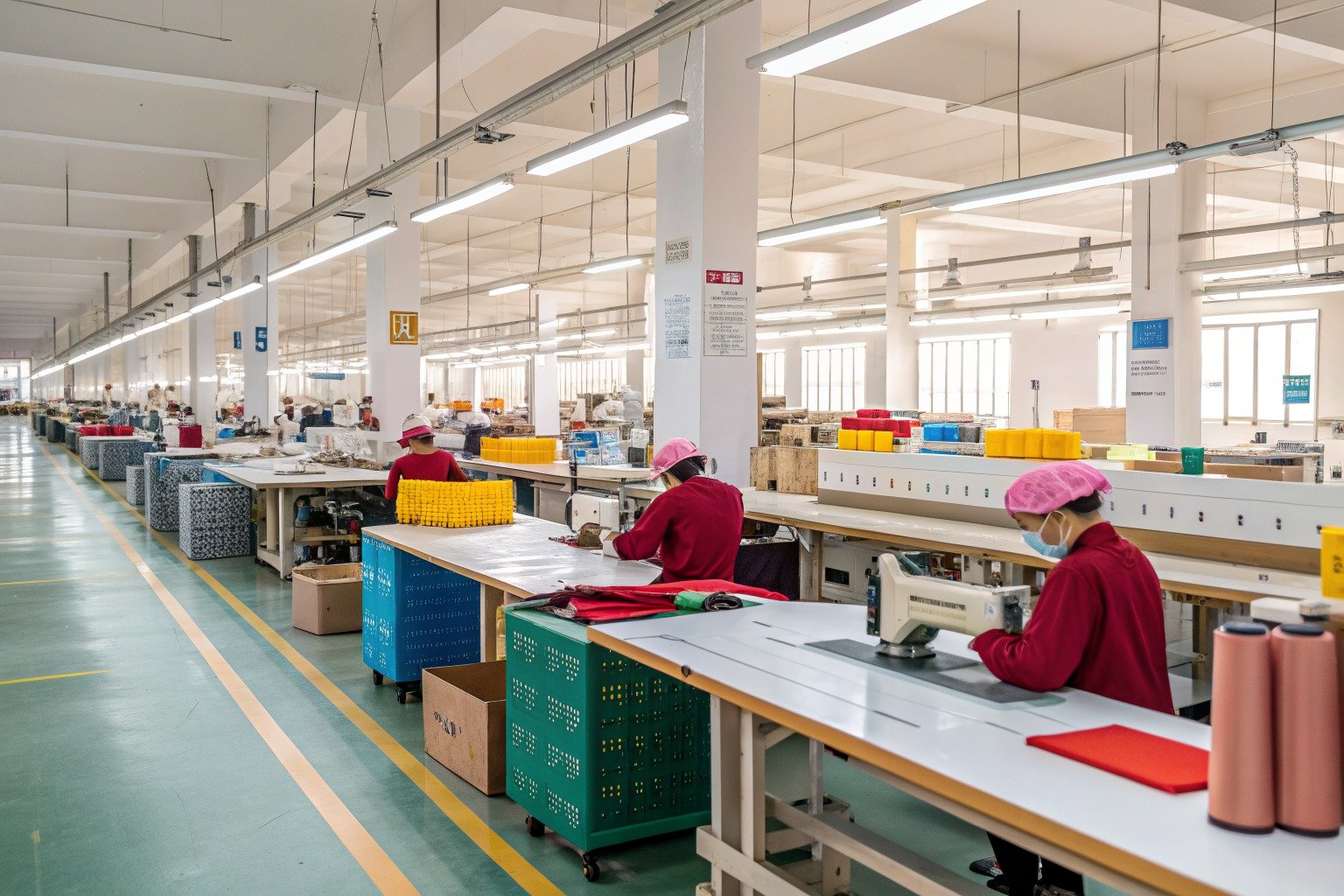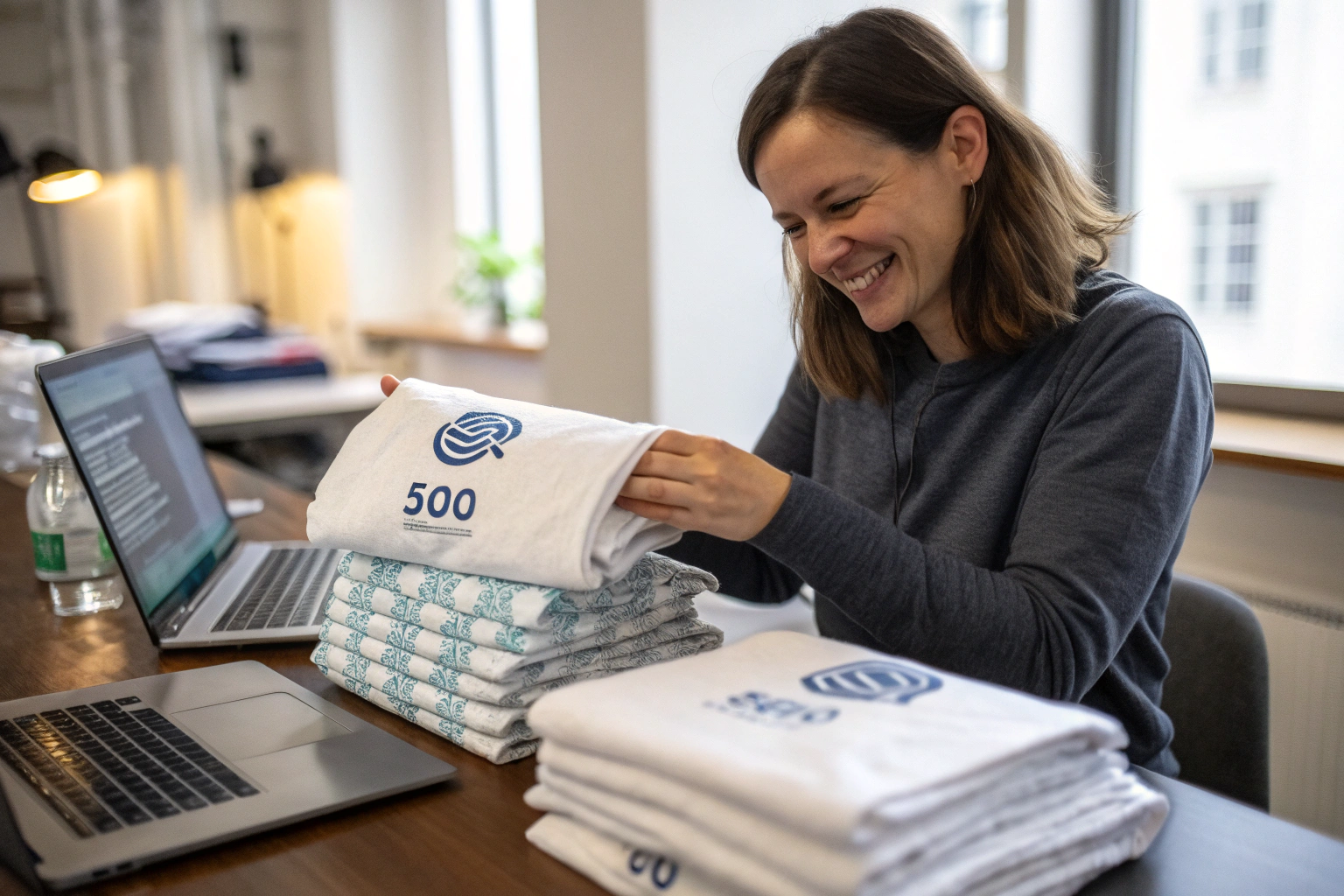
A startup founder from Berlin called me last November. She had built a small eyewear brand and wanted to include a custom-printed microfiber cloth in every case, something with her logo that customers would actually use. She needed 500 pieces. She had already talked to five suppliers who all told her the same thing. "Minimum order is 5,000 units, take it or leave it." She was frustrated and ready to give up on the idea entirely. I told her to send me her logo file. Two weeks later, she had 500 beautifully printed microfiber cloths on her desk, within her budget, and her unboxing experience was transformed. That moment reminded me why I push our factory to be flexible. Small brands, corporate gift buyers, and promotional product distributors all need custom microfiber cloths in quantities that make sense for their actual needs, not some arbitrary factory minimum designed for mass production convenience.
The minimum order quantity for custom printed microfiber cleaning cloths as gifts starts from as low as 100 pieces per design at our factory, with tiered pricing that becomes more economical at 500, 1,000, and 5,000 units. The exact MOQ depends on the printing method chosen. Sublimation printing allows for the lowest MOQs because the setup cost is minimal, while screen printing typically requires at least 500 units to justify the screen preparation cost. For corporate gift orders seeking premium presentation, we can also accommodate low quantities with custom packaging and individual wrapping.
Microfiber cloths are one of the smartest promotional products a brand can invest in. They are useful, lightweight, easy to ship, and they carry a logo into a customer’s daily life for months or years. At AceAccessory, we produce custom microfiber products alongside our main fashion accessory lines, and we have structured our production to serve everyone from Fortune 500 companies ordering 100,000 units for a global campaign to boutique opticians ordering 200 pieces for their grand opening. Let me walk you through exactly how the MOQ works and what factors influence it.
What Are the MOQ Options for Promotional Microfiber Cloths
The MOQ for custom microfiber cloths is not a single fixed number. It is a sliding scale that depends on several factors. The printing technique is the biggest variable. Dye sublimation printing has a very low setup cost because the design is printed digitally onto transfer paper and then heat-pressed onto the fabric. There is no screen to prepare, no plate to etch. This makes sublimation ideal for low-quantity orders. Screen printing, on the other hand, requires a separate screen for each color in the design, and each screen costs money to prepare. That setup cost is amortized across the total quantity, so screen printing only makes financial sense above a certain volume.
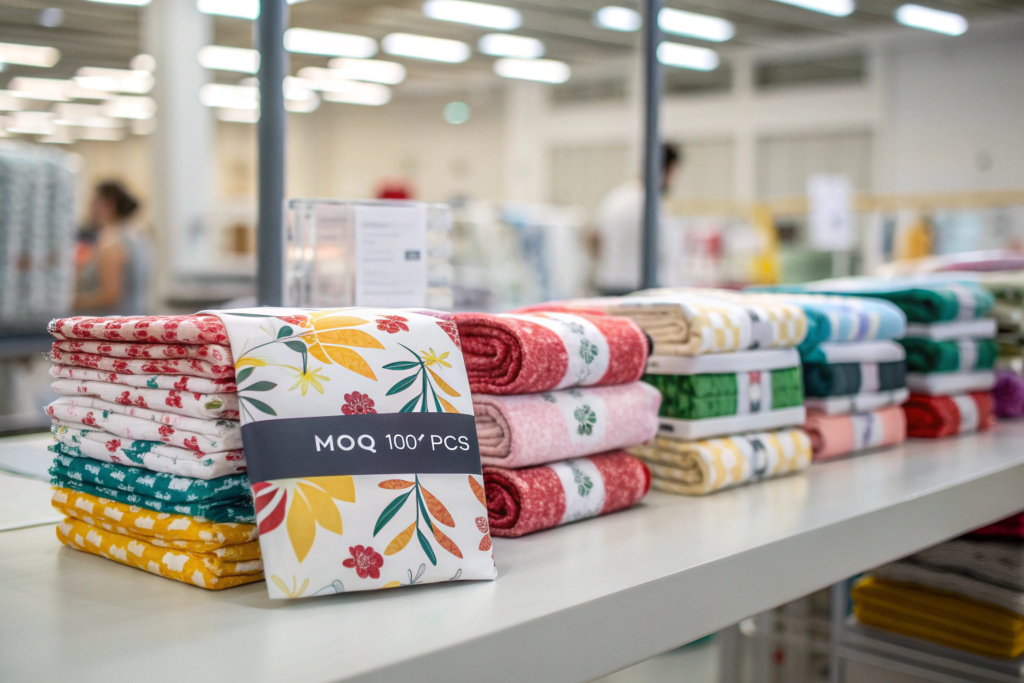
Our factory offers flexible MOQ options for promotional microfiber cloths, starting at 100 pieces for full-color sublimation printing, 500 pieces for single-color screen printing, and 1,000 pieces for multi-color screen printing or specialty finishes like metallic foil or embossed logos. These low minimums are designed to serve small businesses, event organizers, and corporate gift coordinators who need professional-quality custom products without ordering excessive inventory.
I always recommend that first-time buyers start with a smaller quantity to test the product and the print quality. You can check how the colors look on the actual microfiber fabric, feel the cloth thickness, and get customer feedback before committing to a large volume. We have had clients start with 200 pieces for a local trade show and come back two months later for 10,000 pieces after seeing how popular the cloths were. Here is what you need to know about the two main printing methods and how they impact your order size.
How Does Sublimation Printing Keep MOQs Low?
Sublimation printing is a digital process. Your logo or design file is printed onto a special transfer paper using sublimation inks. The paper is then placed against the microfiber cloth, and a heat press applies high temperature and pressure. The heat turns the solid ink directly into a gas, which penetrates the polyester fibers of the microfiber cloth and bonds at a molecular level. The result is a vibrant, full-color, photographic-quality print that will never crack, peel, or fade because the ink becomes part of the fiber itself. The key advantage for low MOQs is that there is no physical screen or plate to prepare. The digital printer simply prints the transfer paper directly from your design file. This means the setup cost is essentially just the time to prepare the digital file and run a test print. We can produce an order of 100 custom microfiber cloths with sublimation printing at a unit cost that is higher than a 5,000-unit order, but still very reasonable for a small business or event budget. The per-unit cost drops as the quantity increases because the fixed costs of file preparation and machine setup are spread across more units. Sublimation does have one technical limitation. It works best on white or light-colored microfiber cloths because the ink is transparent and relies on the white background to make colors visible. If you want a dark-colored cloth, like a black microfiber with a white logo, sublimation is not the right method. For those situations, we use screen printing or a combination of techniques, which brings different MOQ requirements.
What Is the Cost Break for Screen Printing Larger Orders?
Screen printing becomes the more cost-effective option when your order quantity crosses a certain threshold. In screen printing, each color in your design requires a separate mesh screen. The screen is coated with a light-sensitive emulsion, exposed to your design, and washed out to create a stencil. Ink is then pushed through the screen onto the microfiber cloth. The screens themselves cost money to prepare, typically between $30 and $60 per screen depending on the complexity and size. If your logo has three colors, you need three screens, and the setup cost is three times the single-screen cost. This fixed setup cost makes screen printing expensive for small quantities. If you order 100 cloths with a three-color logo, the screen setup cost alone could be $1.50 per cloth, before you even account for the fabric, ink, and labor. The same three-color logo on a 5,000-unit order spreads that $150 screen cost across 5,000 pieces, making it just $0.03 per cloth. Screen printing really starts to make financial sense at around 500 units for a one-color design and 1,000 units for multi-color designs. Above these quantities, the per-unit cost of screen printing is significantly lower than sublimation. The print quality is also excellent for solid colors and sharp vector graphics. The ink sits on top of the fabric, creating a slightly textured feel that some brands prefer for a premium, tactile logo. We help every client evaluate the trade-off between sublimation and screen printing based on their design, quantity, and budget. There is no single right answer, but there is always a right answer for your specific project.
How to Design Custom Microfiber Cloths for Corporate Gifts
Designing a microfiber cloth for corporate gifting is different from designing a retail product. The recipient is not buying it. They are receiving it as a gift or a promotional item, often at an event, in a welcome kit, or as part of a product purchase. The design must communicate the brand clearly and elegantly, but it must also be useful enough that the recipient actually wants to keep it and use it. A microfiber cloth that looks like a loud, ugly advertisement will end up in the trash. A microfiber cloth that looks like a premium, stylish accessory will live on a desk, in a glasses case, or in a camera bag for years, generating thousands of brand impressions.
Designing effective custom microfiber cloths for corporate gifts requires balancing brand visibility with aesthetic restraint. The most successful designs use the cloth as a canvas for a tasteful, often reduced brand expression, such as a centered logo in a single corner, a subtle all-over monogram pattern, or a decorative border that frames the cloth. The design should respect the cloth’s primary function as a cleaning tool and enhance the user’s perception of the brand as thoughtful, premium, and detail-oriented.
I have seen the difference a good design makes. One of our corporate clients, a luxury hotel chain, ordered microfiber cloths for their guest welcome kits. The design was a simple, elegant line-drawing of the hotel’s iconic building in a single soft gold color on a white cloth. Guests loved them. They took them home. They used them to clean their sunglasses and phone screens. Every time they pulled out that cloth, they thought of their stay. That is the power of thoughtful promotional design.
What Are the Best Practices for Logo Placement on Cloths?
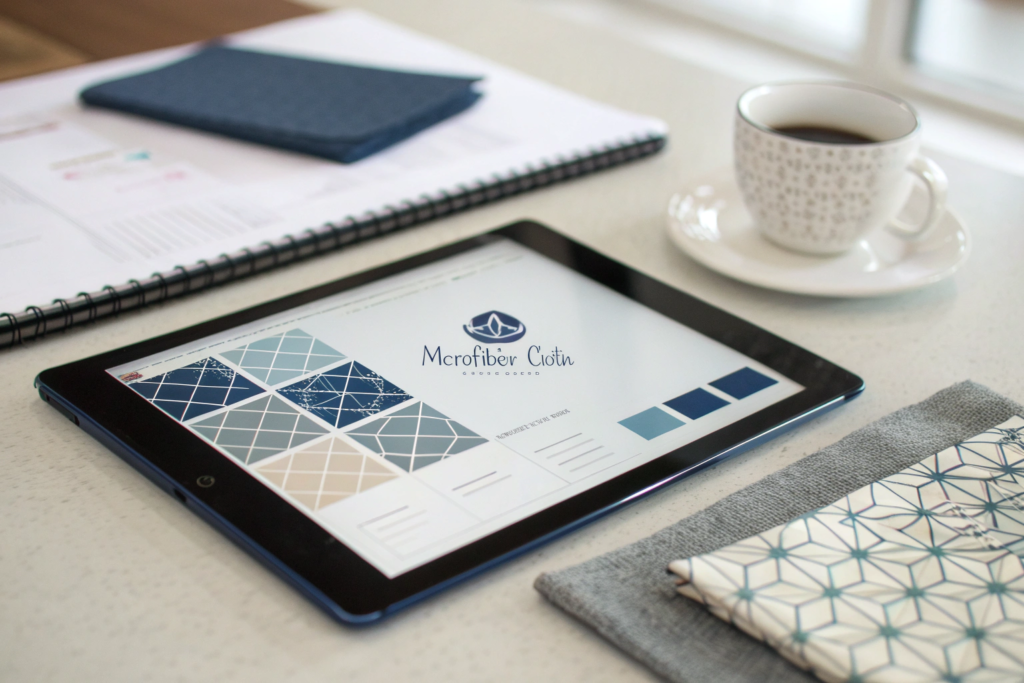
Logo placement on a microfiber cloth is not like placing a logo on a T-shirt or a cap. The cloth is folded, unfolded, used, and stored in different orientations. There is no "front" and "back" in the traditional sense. The most versatile approach is a corner placement. Placing the logo in one corner, occupying roughly 15 to 25 percent of the total cloth area, creates a design that looks intentional and elegant when the cloth is fully opened, and remains visible when the cloth is folded or casually draped. The corner placement also leaves the majority of the cloth surface clean and unprinted, which preserves its cleaning functionality. Another effective approach is a centered, small-scale logo, similar to a monogram on a handkerchief. This works beautifully for luxury brands and creates a classic, heritage feel. The logo should be sized to occupy no more than 10 to 15 percent of the cloth surface. All-over patterns are a third option, especially for brands that have a recognizable pattern as part of their visual identity, like a distinctive stripe or a geometric motif. All-over patterns work best when they are subtle and tonal, using a color very close to the cloth base color. A dark navy pattern on a black cloth, for example, creates a sophisticated, understated branding that is visible upon close inspection but does not scream for attention. The one approach I advise against is a large, centered, high-contrast logo that fills the entire cloth. This turns the cloth into a disposable advertisement that nobody wants to use or be seen using. The goal is to make the recipient feel like they received a premium accessory, not a flyer printed on fabric.
How Do Color Choices Affect the Perceived Value of Gift Cloths?
Color is the silent communicator of quality. A microfiber cloth in a rich, deep color like charcoal gray, navy blue, or chocolate brown immediately feels more premium than a bright white or a neon color. This is partly psychological and partly practical. Darker colors hide stains and dirt, so the cloth looks newer for longer. The recipient feels good about using it because it stays presentable. The print color also plays a huge role. Metallic foil prints, like gold, silver, or rose gold, instantly elevate the perceived value. A gold foil logo on a dark gray microfiber cloth looks like a luxury item. It feels substantial and expensive. Metallic foil printing does have a higher setup cost and a slightly higher MOQ, usually starting around 500 units, but for corporate gifts where brand perception is paramount, it is worth the investment. For sublimation printing, I recommend using the cloth’s base color strategically. Since sublimation works best on white or light-colored cloths, you can achieve beautiful, vibrant full-color designs. A light heather gray or a soft pastel base with a full-color brand illustration creates a completely different aesthetic, one that feels creative, artistic, and approachable rather than purely corporate. The color of the packaging also matters. A custom printed cloth that comes in a simple clear polybag has one level of perceived value. The same cloth in a custom-printed paper band, a small organza pouch, or a mini envelope with a thank-you note feels like a gift. We work with clients to coordinate the cloth color, the print color, and the packaging color into a cohesive brand experience. The total presentation is what the recipient judges, not just the cloth in isolation.
What Fabric Quality Should You Choose for Gift Microfiber Cloths
Not all microfiber is created equal. The term "microfiber" simply means that the fibers are less than one denier in diameter, which is finer than silk. But within that definition, there is a wide range of quality. The fiber composition, the weave structure, the cloth weight measured in GSM (grams per square meter), and the edge finishing all determine how the cloth looks, feels, and performs. For a promotional gift that you want the recipient to keep and use, you cannot afford to choose the lowest quality cloth. A cheap, thin microfiber cloth with a rough edge will feel disappointing and will not clean effectively. The recipient will toss it. The brand impression will be negative.
The ideal fabric quality for gift microfiber cleaning cloths is a 200 to 250 GSM cloth made from an 80/20 blend of polyester and polyamide, with a soft suede-like finish on the printing side and a gentle, laser-cut edge that will not fray. This weight and composition provide the perfect balance of absorbency, cleaning effectiveness, and a luxurious hand-feel that communicates quality to the recipient. The cloth should be thick enough to feel substantial but thin enough to fold neatly and fit into a glasses case or a small pouch.
At AceAccessory, we stock several grades of microfiber fabric, and we guide every client toward the right choice for their specific application. A cloth destined for cleaning eyeglasses has slightly different requirements than a cloth destined for cleaning smartphone screens or camera lenses. But the common thread for all gift applications is that the cloth must feel good in the hand. It must make the recipient think, "This is a nice cloth," the moment they touch it.
Why Does GSM Weight Matter for Promotional Cloths?
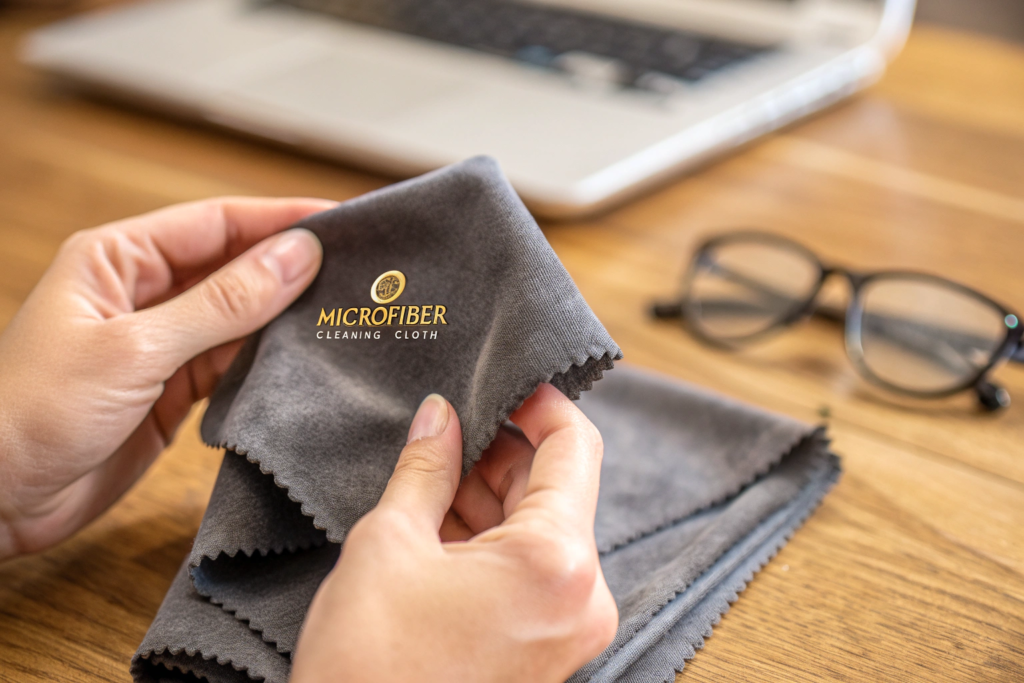
GSM stands for grams per square meter, and it is the standard measurement of fabric weight and density. A higher GSM means a thicker, denser, more substantial cloth. A lower GSM means a thinner, lighter, more flimsy cloth. For promotional microfiber cloths, I recommend a minimum of 200 GSM. Anything below 180 GSM starts to feel insubstantial. It will not have the plush, cushiony feel that makes a microfiber cloth pleasant to use. It will also be less effective at cleaning because there are simply fewer fibers per square inch to trap dirt and oil. At 200 to 220 GSM, the cloth has a nice weight and a soft, velvety surface that glides smoothly across a lens or a screen. This is the sweet spot for most corporate gift applications. It is premium enough to impress without being so thick and expensive that it breaks the promotional budget. At 250 to 300 GSM, the cloth becomes noticeably plush and luxurious. This weight is often used for high-end retail packaging, like the cloth included with luxury eyewear or premium electronics. The cloth feels almost like a small towel. It is extremely effective at cleaning and has a very high perceived value. The cost is higher, and the MOQ for custom printing at this weight is sometimes slightly elevated because the thicker fabric requires adjustments to the printing process. I recommend 250 GSM and above for luxury brands, premium corporate gifts, and any application where the cloth is a key part of the unboxing experience. For large-volume trade show giveaways where the cloth is one of many items in a bag, 200 GSM is the practical, cost-effective choice that still delivers a quality experience.
What Edge Finishing Prevents Fraying After Washing?
The edge of a microfiber cloth is a detail that most people never think about until it fails. A poorly finished edge will fray after a few washes, leaving strings hanging off the cloth and eventually causing it to unravel. A frayed cloth looks terrible and gets thrown away, ending the brand exposure prematurely. There are several edge finishing methods, and they are not equal. The cheapest method is a simple hot-cut edge. The fabric is cut with a heated blade that melts the polyester fibers and seals the edge. This is fast and inexpensive, but the resulting edge can be slightly hard or sharp, and it may not hold up to repeated washing as well as other methods. For gift cloths, I recommend laser-cut edges. A laser cutter uses a precise, high-temperature beam to cut the fabric and seal the edge simultaneously. The result is an incredibly clean, smooth edge with no hard ridge. Laser-cut edges are soft to the touch and extremely durable. They will not fray even after dozens of washes. The laser can also cut intricate shapes, so if a brand wants a cloth cut into a specific shape, like a logo silhouette or a custom contour, laser cutting makes that possible. Another premium option is a stitched or overlocked edge. This involves sewing a thread border around the perimeter of the cloth. It looks similar to the edge of a high-quality handkerchief and adds a traditional, crafted feel. Stitched edges are more expensive and are typically used for premium retail cloths or for brands that want to emphasize a handcrafted, artisanal aesthetic. For most corporate gift applications, the laser-cut edge is the best balance of quality, durability, and cost. It looks modern, it feels smooth, and it lasts.
How Are Gift Microfiber Cloths Packaged for Events
The packaging transforms a microfiber cloth from a commodity into a gift. The same cloth, presented in two different ways, will be perceived as having two completely different values. A cloth tossed loosely into a shipping carton feels like a freebie. A cloth carefully rolled, secured with a branded paper band, and placed in a small gift envelope feels like a thoughtful present. For corporate events, trade shows, and brand activations, the packaging is often the first point of physical contact between the brand and the recipient. It sets the tone for the entire interaction.
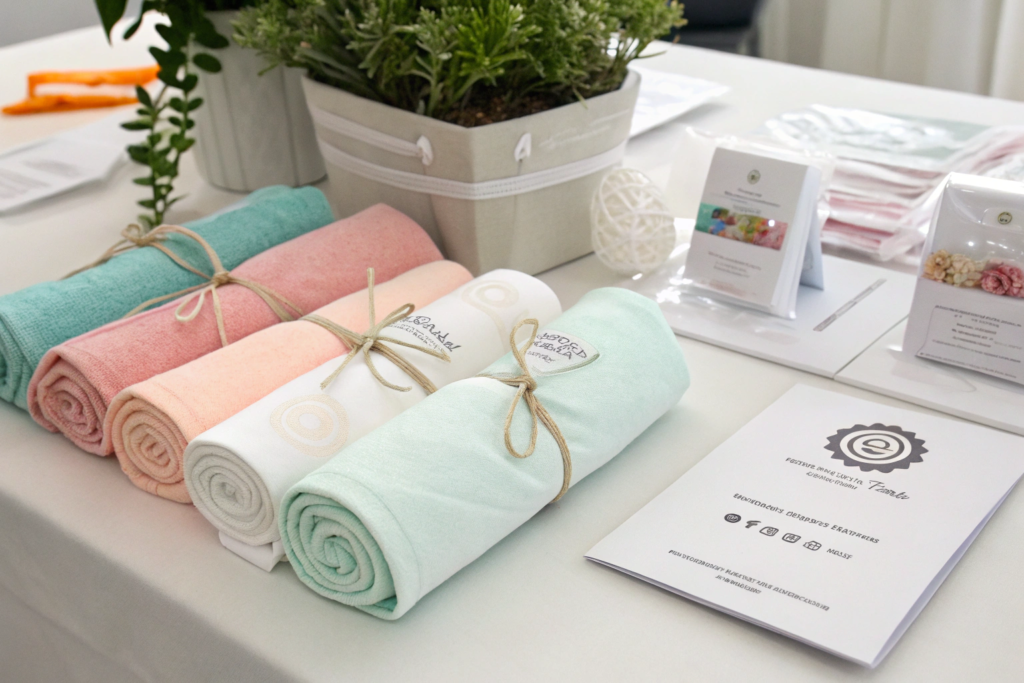
Gift microfiber cloths for events are typically packaged using one of three presentation styles, individually polybagged with a custom-printed header card for a professional retail look, rolled and banded with a branded paper wrap for a sustainable, minimalist aesthetic, or placed inside a small drawstring pouch or envelope for a premium unboxing experience. The packaging choice should align with the event context, the brand’s sustainability values, and the overall budget for the promotional campaign.
We handle the packaging in-house, which means the cloth printing and the packaging assembly happen under the same quality control system. This reduces lead time and ensures that the final presentation matches the approved sample exactly. You do not have to coordinate between a cloth supplier and a separate packaging company.
What Are the Most Popular Gift Packaging Formats?
The individual polybag with a header card is the most common format for retail and trade show giveaways. The folded cloth is inserted into a clear polybag, and a printed cardboard header is folded over the top and stapled. The header card carries the brand logo, a short message, and care instructions. This format is cost-effective, protects the cloth from dirt and handling, and can be hung on a display rack. The header card also provides a larger printable surface than the cloth itself, which is useful for brands that want to include a website URL, a QR code, or social media handles. The rolled and banded format has become very popular with eco-conscious brands. The cloth is rolled into a tight cylinder and secured with a narrow paper band that wraps around the middle. The band is printed with the brand logo and a short message. There is no plastic involved. The entire package is recyclable. This format looks elegant and natural, and it communicates a commitment to sustainability. It works especially well for brands in the wellness, beauty, and organic product spaces. The third popular format is the drawstring pouch or envelope. The cloth is folded and tucked inside a small fabric pouch made of cotton, linen, or non-woven material, or inside a mini paper envelope with a seal. This format feels the most like a personal gift. It takes a little more time to open, which creates a moment of anticipation. The pouch itself can be reused, extending the brand’s presence even further.
Can You Add Custom Inserts or Thank-You Cards?
Yes, and I highly recommend it. A custom insert or a thank-you card inside the packaging adds a layer of personal connection that generic packaging cannot achieve. The insert can be a simple business-card-sized piece of cardstock printed with a thank-you message from the brand founder, care instructions for the cloth, or a discount code for a future purchase. The cost to add an insert is minimal, usually a few cents per unit, but the impact on the recipient’s perception is significant. It turns a promotional item into a relationship-building tool. For event-specific packaging, we can also print inserts with event details, such as the event name, date, and a memorable quote or hashtag. Attendees who pick up the cloth at a conference or a brand activation will keep the insert as a memento, reinforcing the memory of the experience. We coordinate the insert design with the overall packaging design to ensure consistency. The insert cardstock color, the font, and the tone of the message all align with the brand’s visual identity. For premium corporate gifts, we have even done hand-signed thank-you cards, where the brand founder or CEO signs a small card that we insert into each package. This level of detail is what separates a forgettable promotional product from a memorable brand experience that generates word-of-mouth and repeat business.
Conclusion
Custom printed microfiber cleaning cloths are one of the most versatile and effective promotional products a brand can invest in. They are practical, portable, and long-lasting, carrying a logo into the daily routines of customers for months or years after the initial interaction. We have explored how the minimum order quantity is not a barrier but a sliding scale, starting as low as 100 pieces with sublimation printing for small businesses and startups, and scaling up to thousands of units with cost-effective screen printing for large campaigns. You now understand the design principles that make a microfiber cloth feel like a premium gift rather than a disposable advertisement, including thoughtful logo placement, restrained color choices, and the importance of selecting the right fabric weight and edge finishing. The packaging elevates the product further, transforming a simple cleaning cloth into a branded experience with custom bands, pouches, inserts, and thank-you cards.
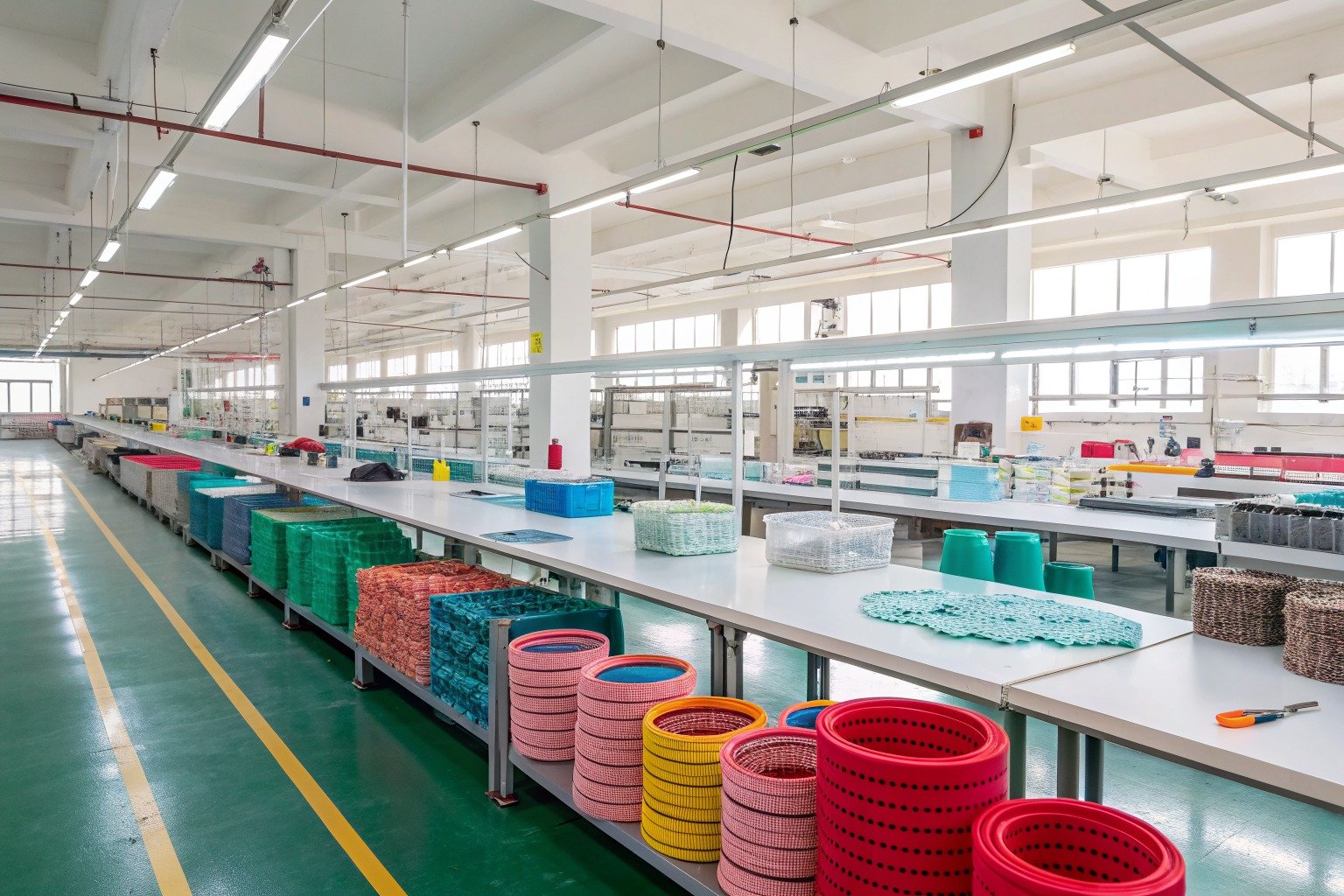
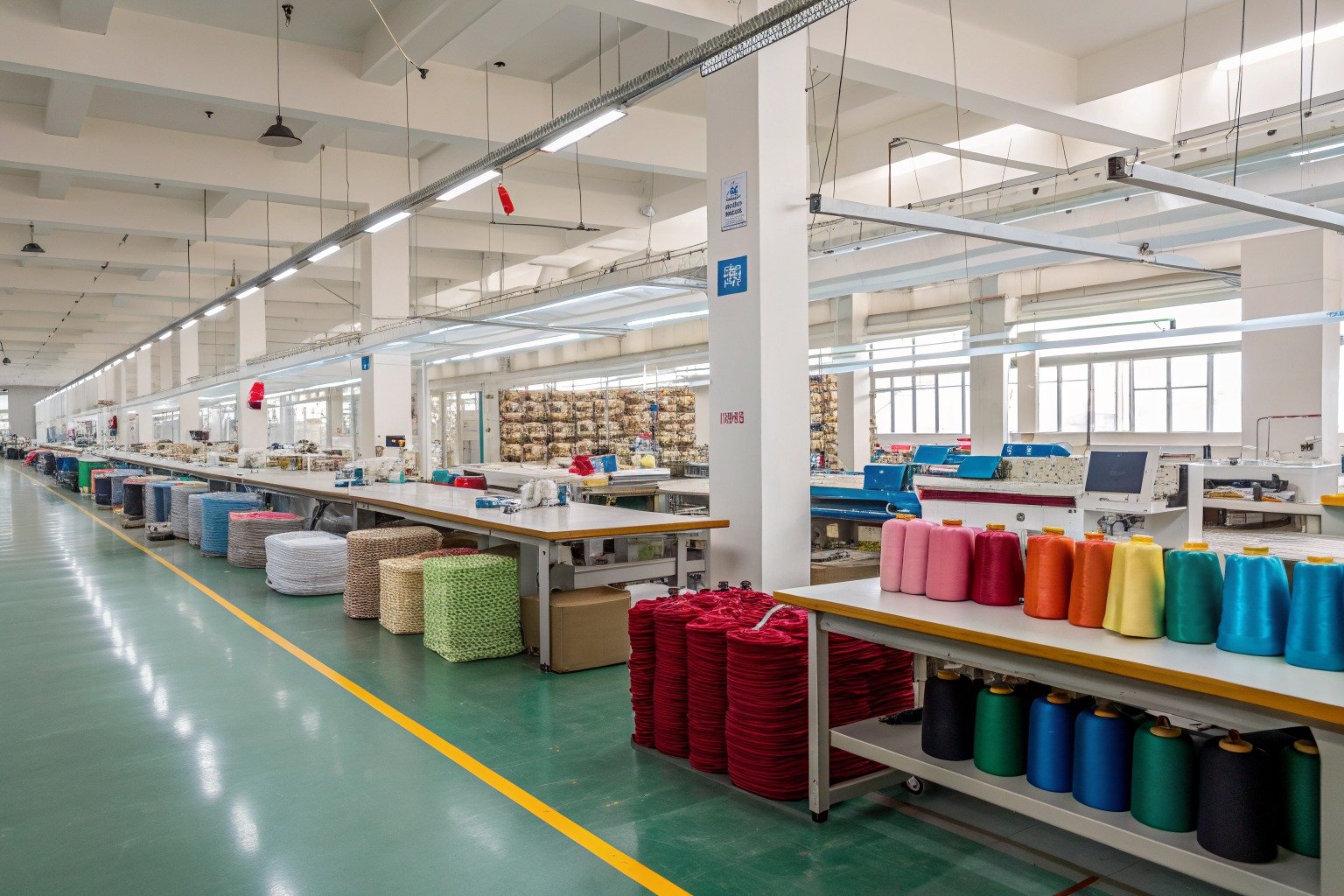
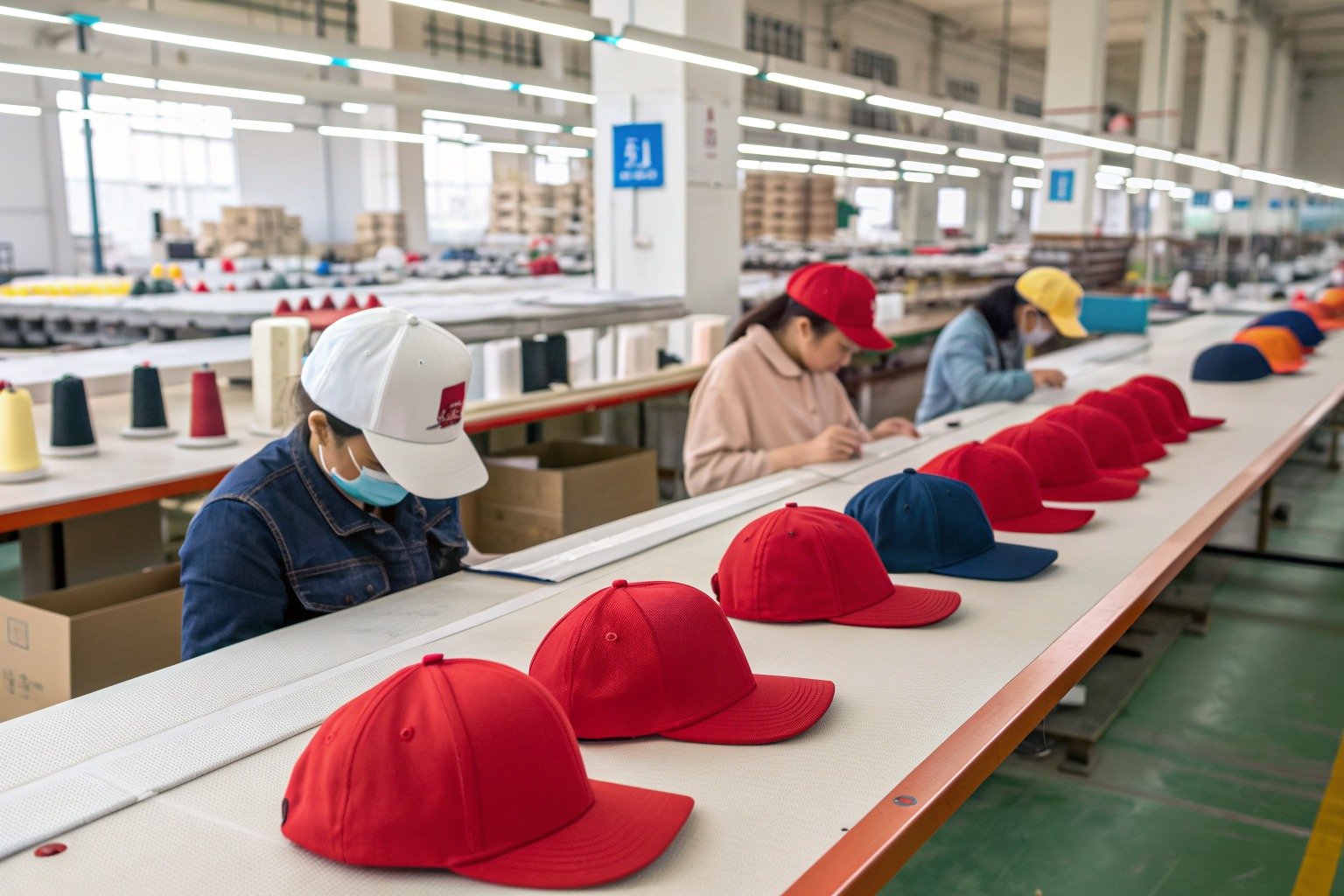
At AceAccessory, we have made low-MOQ custom microfiber production a core part of our service offering. Our factory in Zhejiang is equipped with both sublimation and screen printing capabilities, laser cutting machines, and an in-house packaging assembly line. Our project managers can walk you through the design specifications, fabric choices, and packaging options to create a gift cloth that perfectly represents your brand. We ship globally to corporate clients, promotional product distributors, and brands of all sizes who trust us to deliver quality and consistency.
If you are ready to create custom microfiber cleaning cloths for your next corporate event, brand activation, or retail packaging, I invite you to reach out. Contact our Business Director, Elaine, directly at elaine@fumaoclothing.com. Tell her about your project, your desired quantity, and your vision for the design. She will provide a quotation, share fabric and packaging samples, and guide your order from concept to delivery. Let us create a promotional gift that your customers will actually love to use.