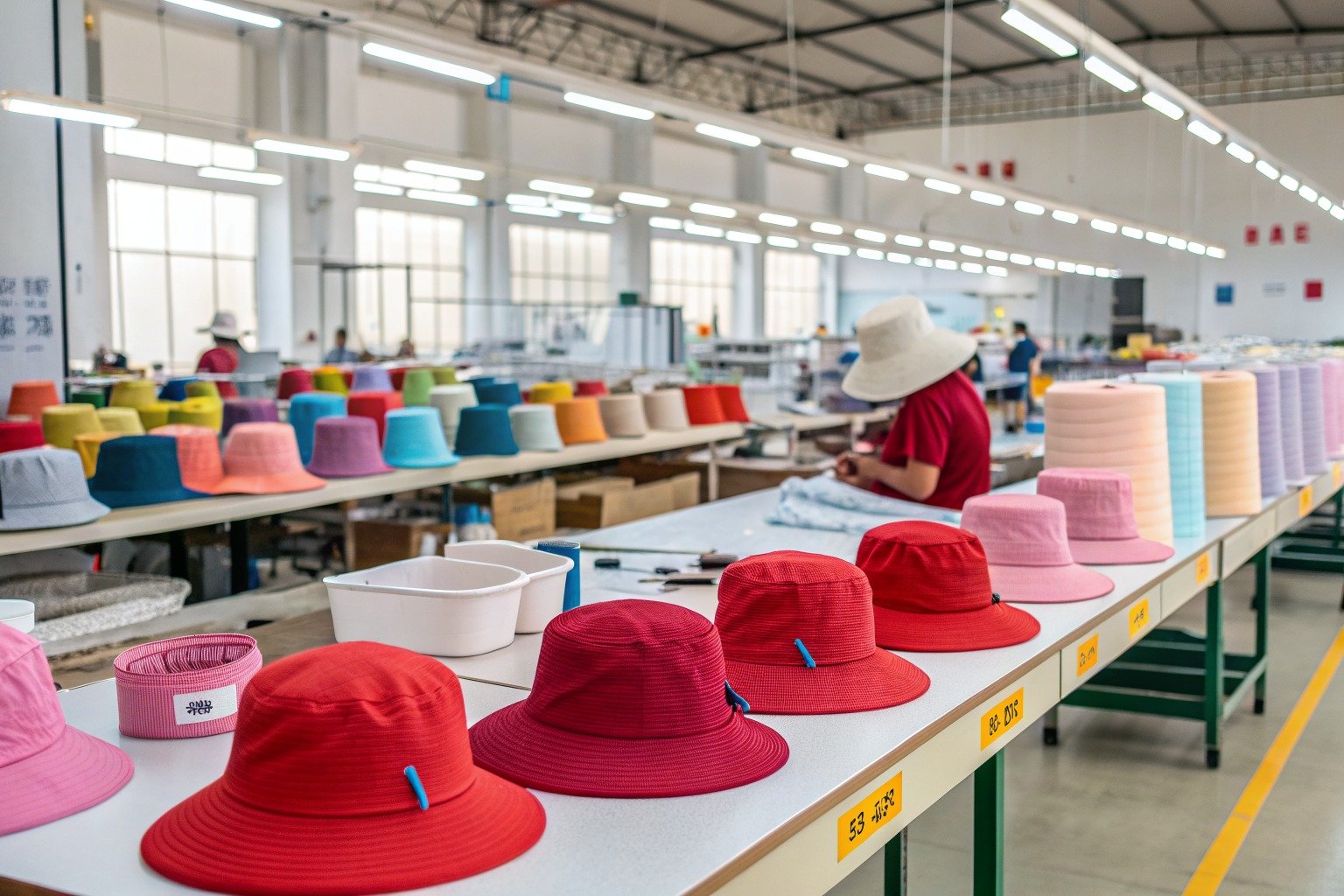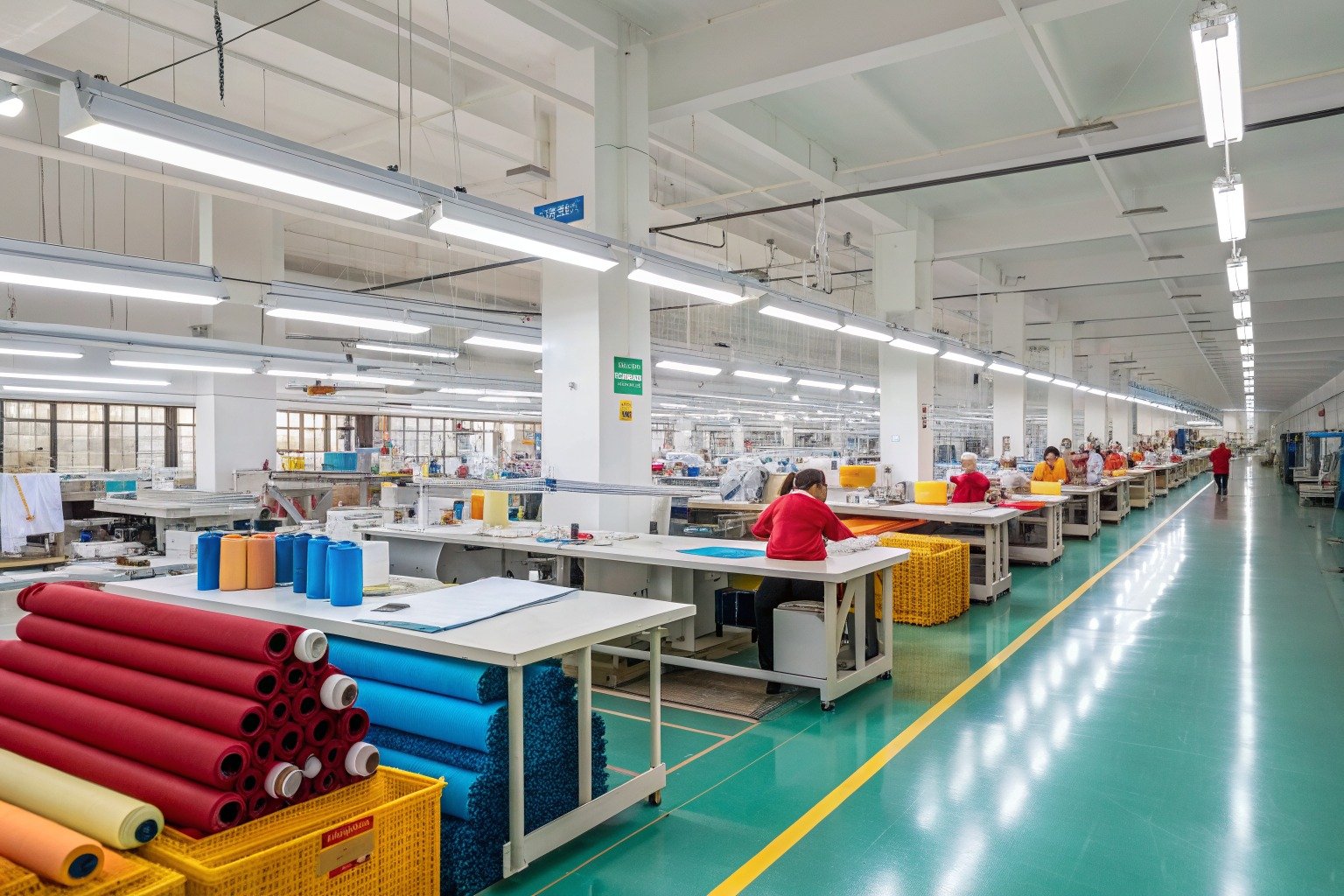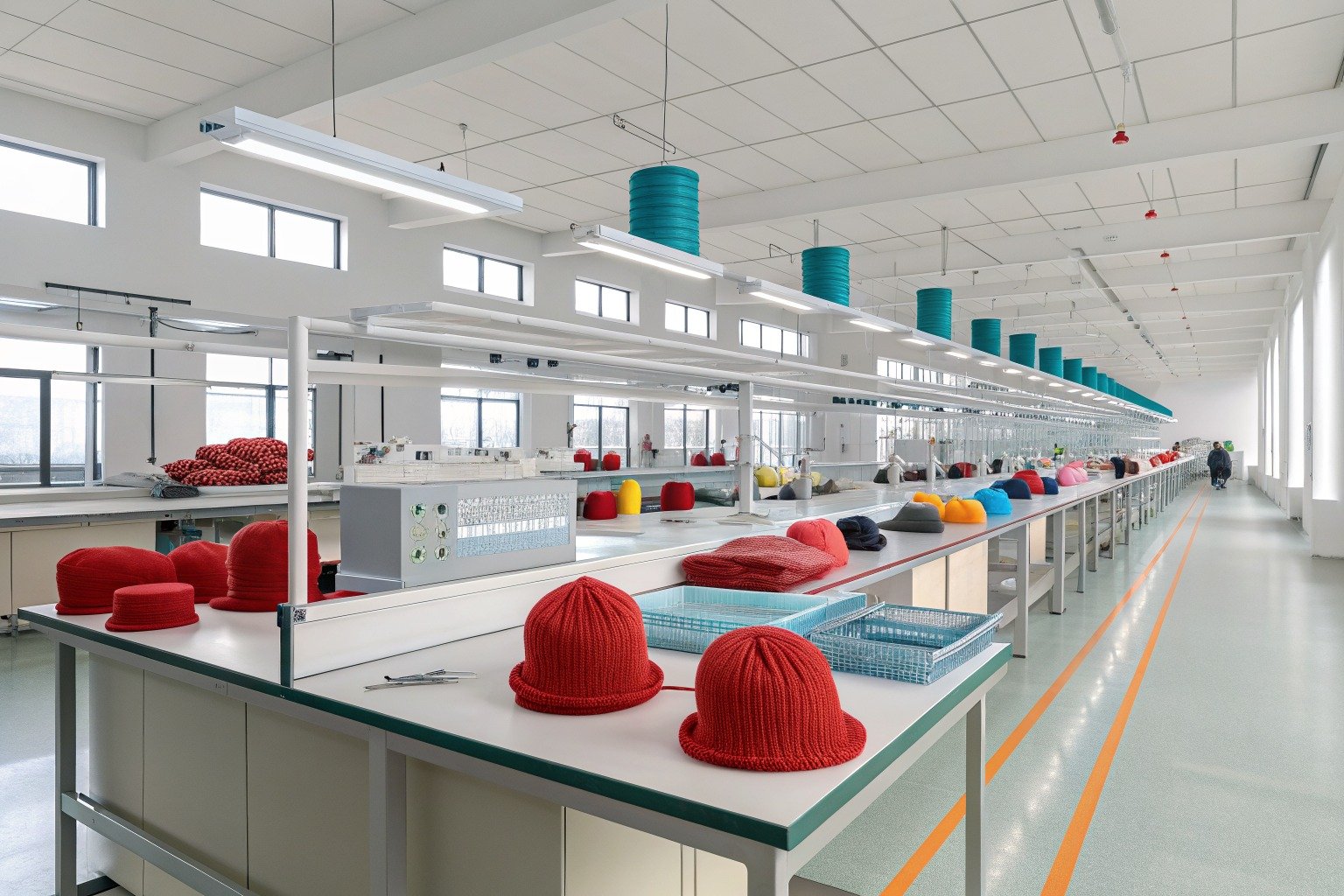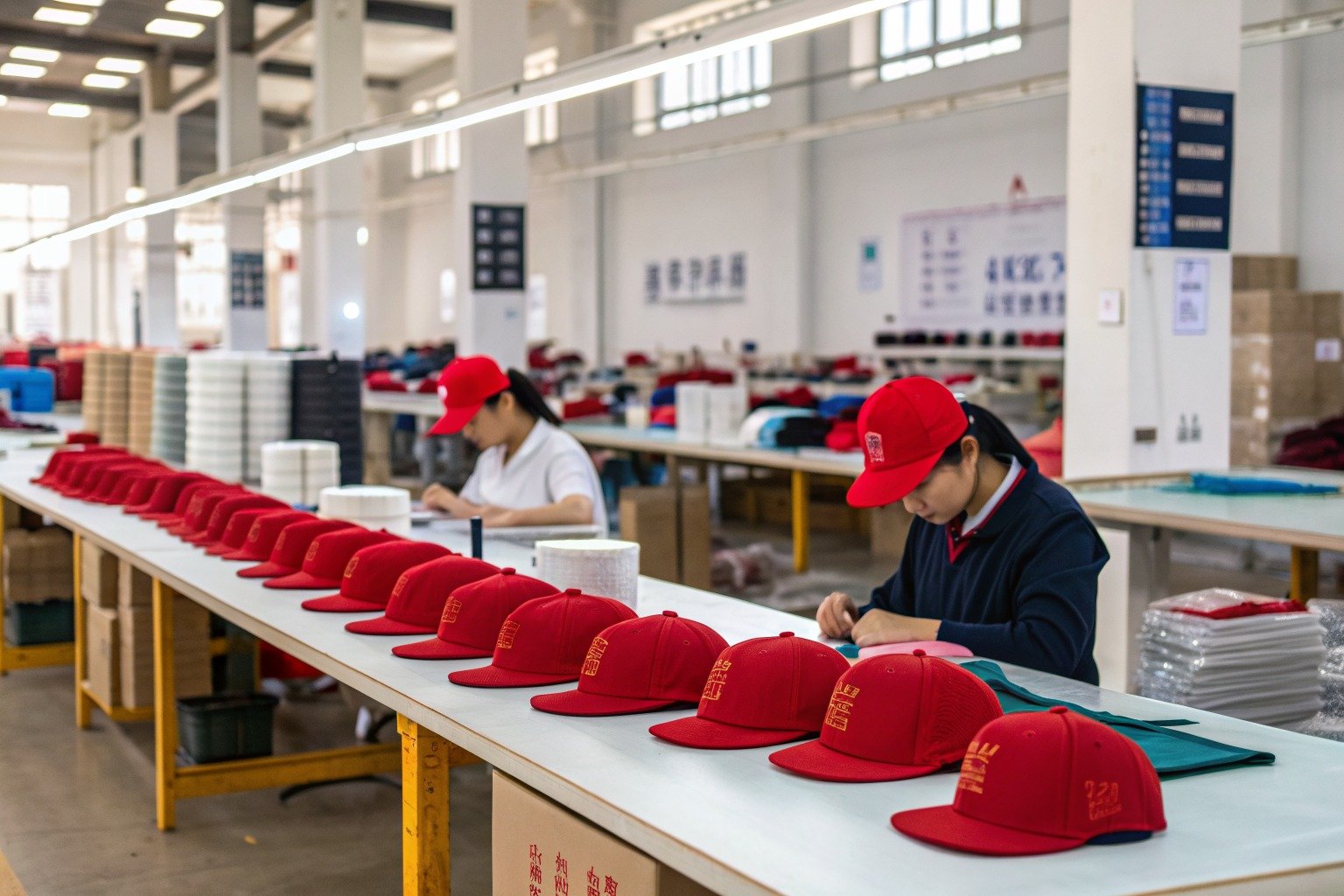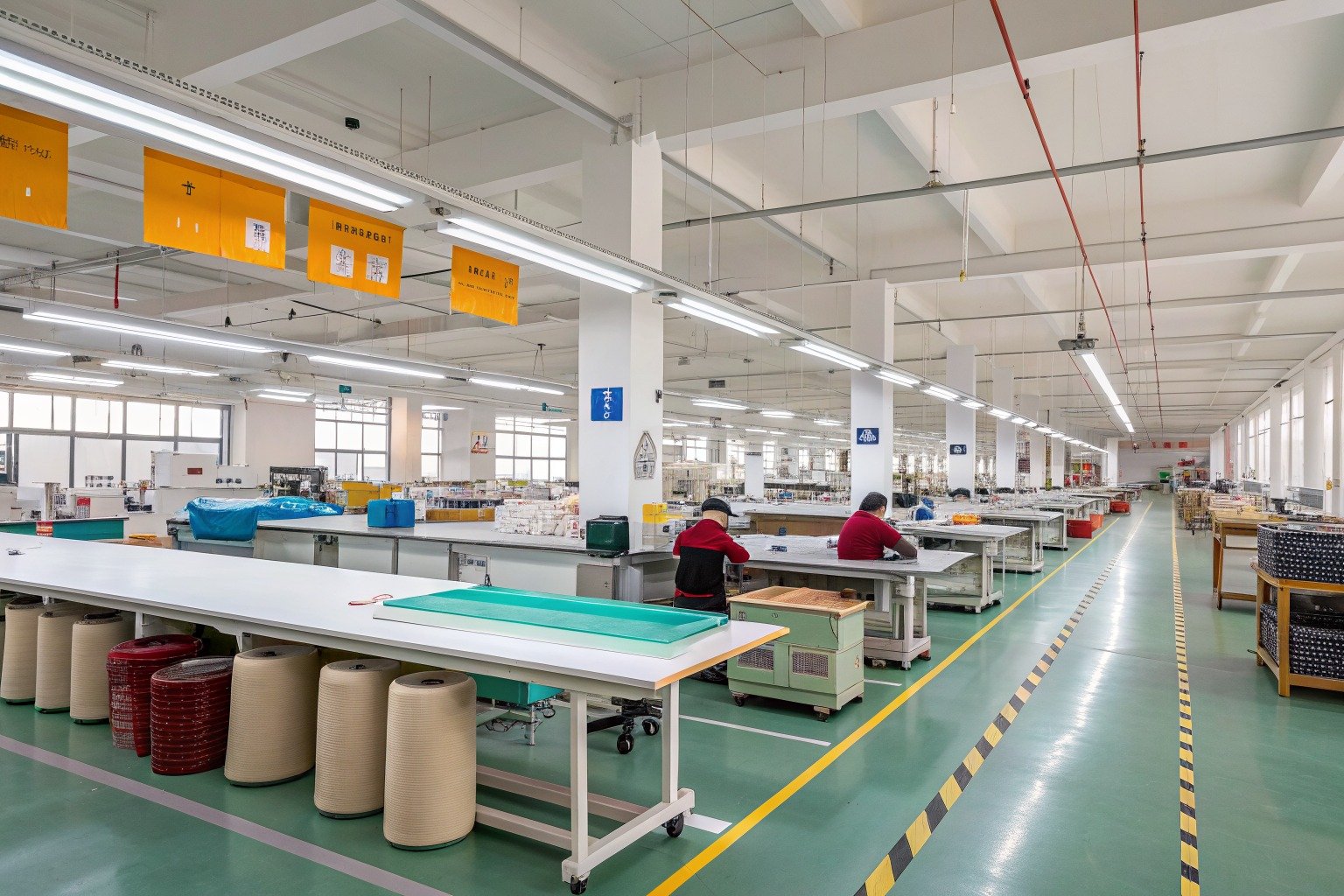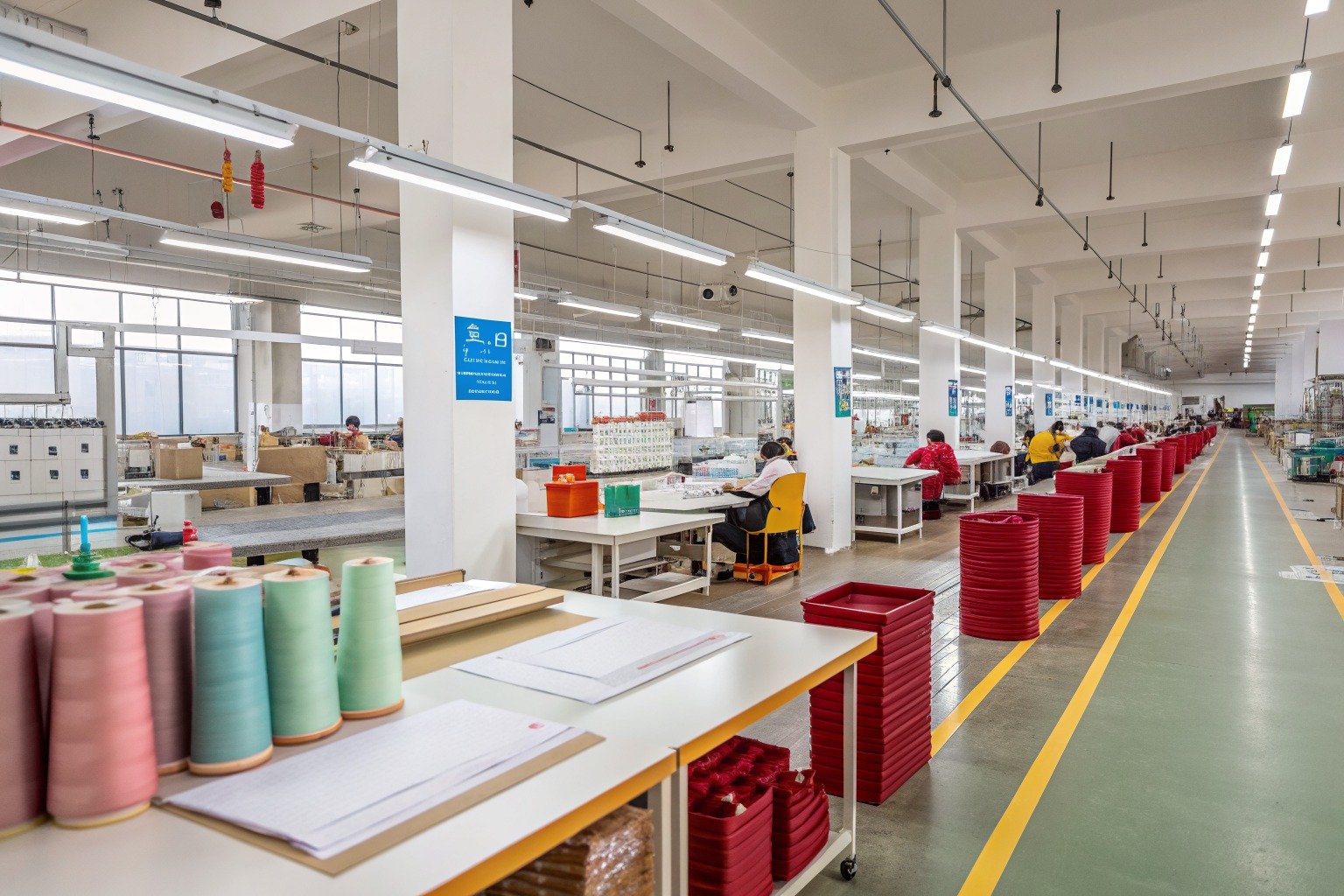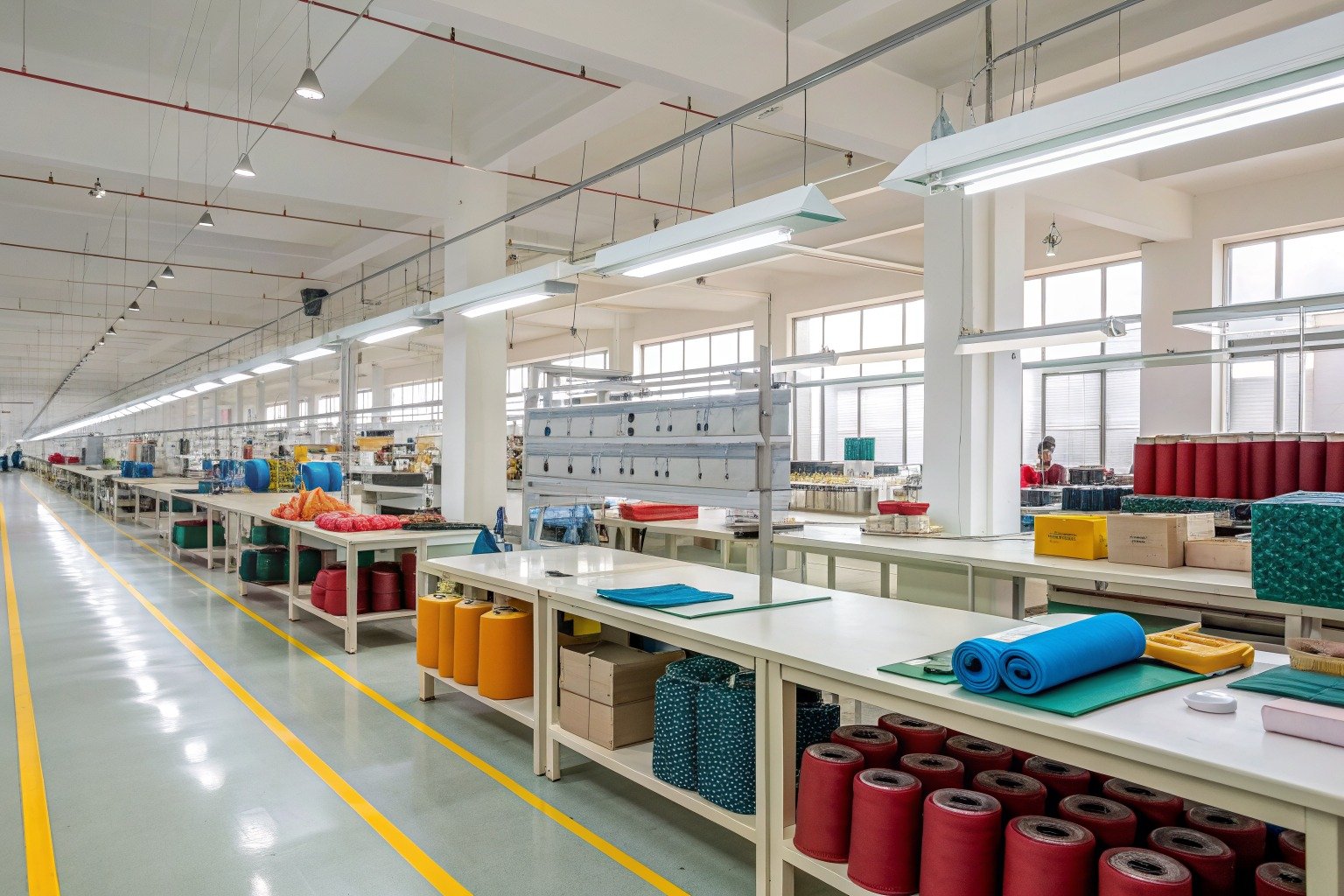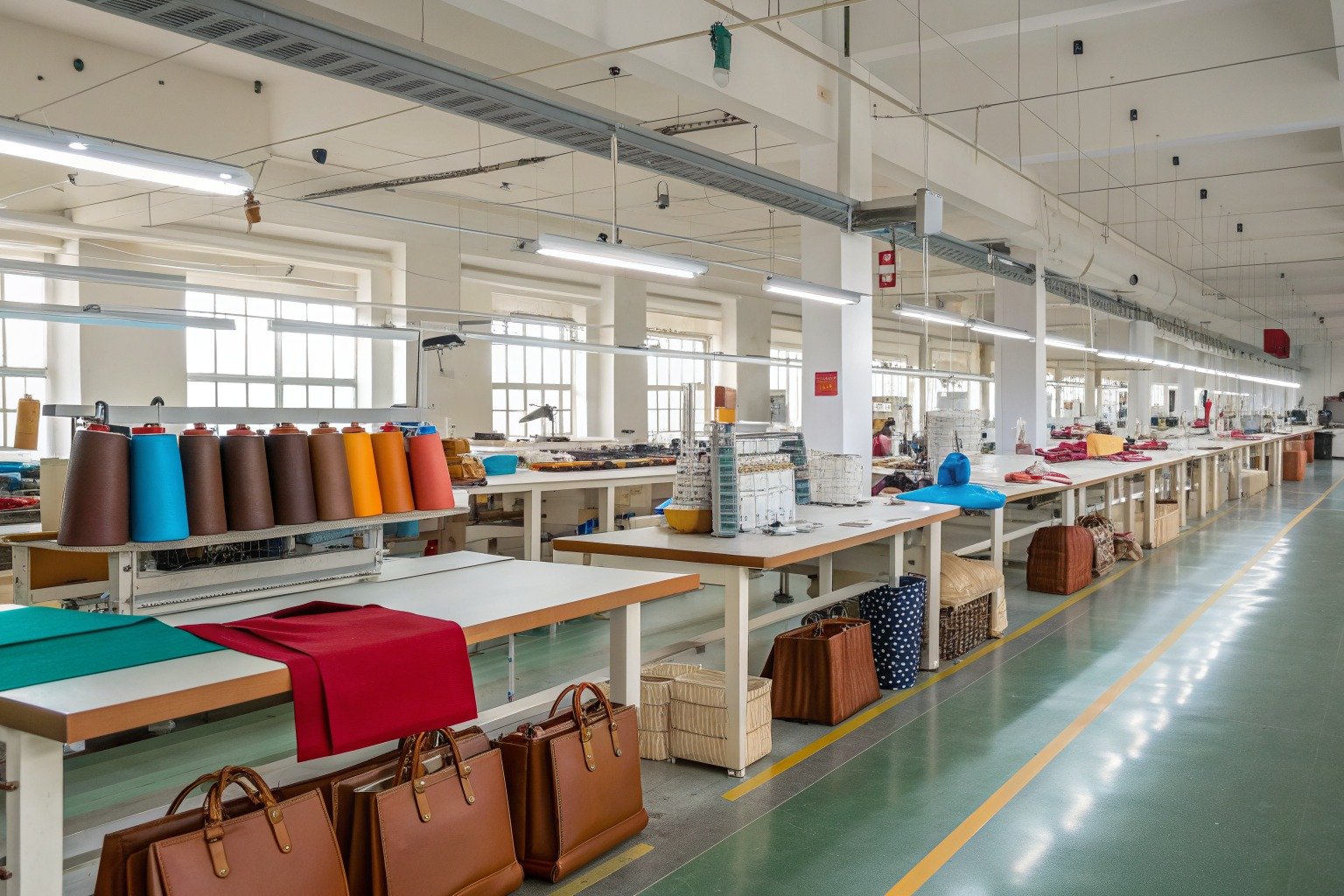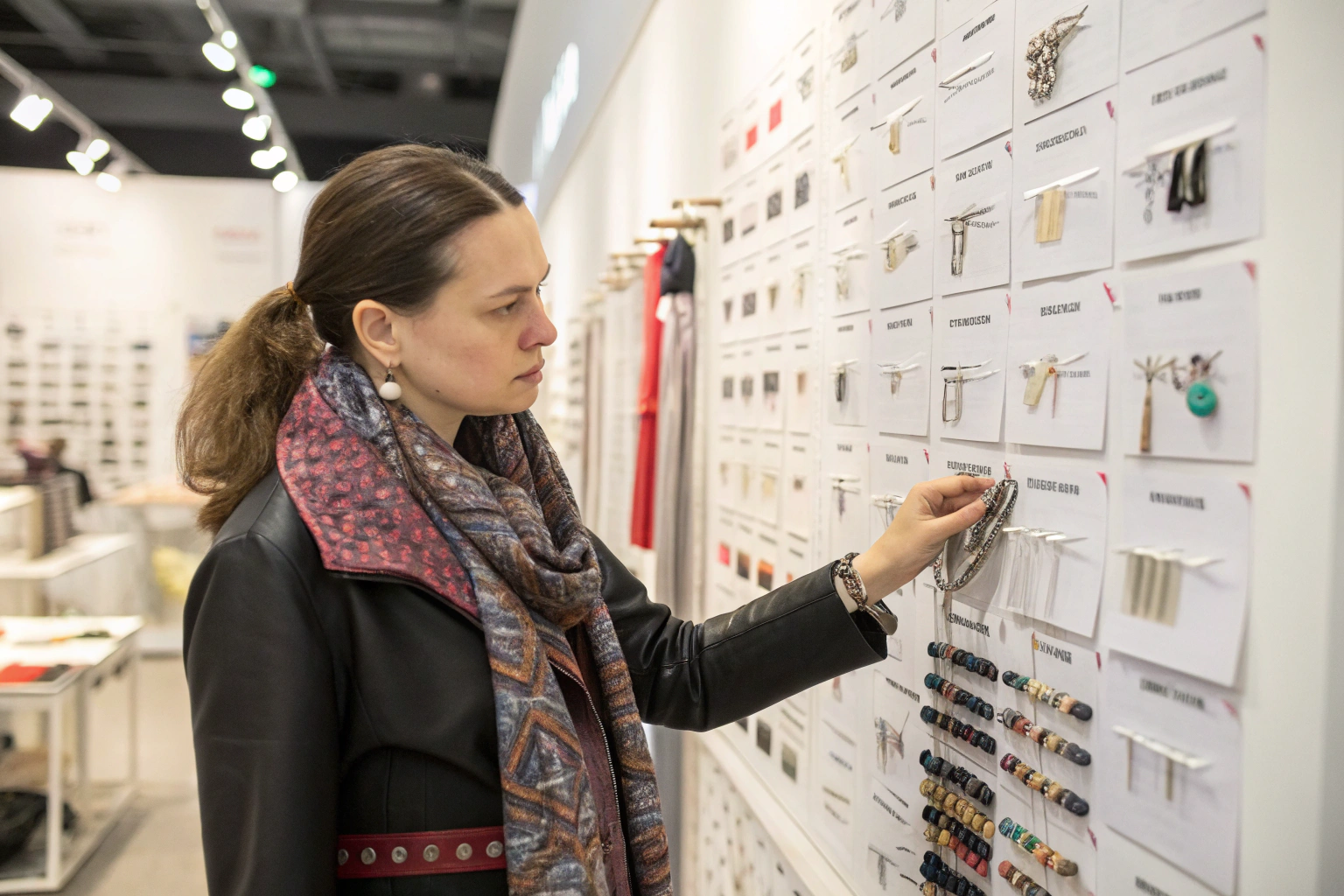
A buyer from a major European fast fashion chain visited our Zhejiang factory last spring. She walked into our showroom, looked at the wall of hair clips, belts, and scarves, and said something that stuck with me. "I don’t need 500 SKUs that look random. I need 50 pieces that look like a family. My customer wants to buy a headband, a scarf, and a pair of gloves that feel like they were designed to be worn together, but also work separately with what she already owns." She was frustrated because most suppliers just throw a pile of trend-driven samples at her and hope something sticks. She needed a partner who thought in systems, not just individual products. I sat down with our design director that same afternoon, and we mapped out what a true modular accessory collection looks like. That meeting changed how we present every collection to our fast fashion clients.
Our design team creates modular accessory collections for fast fashion by starting with a unified color story and a set of three to five core design elements, such as a specific metal trim finish, a signature print motif, or a recurring texture, and then systematically applying those elements across multiple product categories, including hair bands, belts, scarves, gloves, and caps. This approach allows retailers to offer coordinated head-to-toe accessory looks while giving the end customer the flexibility to mix and match pieces. We use a digital asset library and a cross-category design review process to ensure every piece in the collection shares a common design DNA without looking repetitive.
Modular design is not about making everything match perfectly. That would look dated and costumey. It is about creating a visual language that connects the pieces, so a customer instinctively feels that the beret and the gloves belong together, even if she buys them on separate shopping trips. At AceAccessory, we have built our entire development process around this concept because fast fashion brands live and die by their ability to tell a cohesive style story quickly. Let me show you exactly how we do it.
What Is Modular Design in Fashion Accessory Production
Modular design is a concept that comes from architecture and furniture, but it translates perfectly to fashion accessories. The idea is simple. Instead of designing each hair clip or belt as a standalone work of art, you design a system of interchangeable components. The components can be colors, materials, hardware finishes, print motifs, or silhouette shapes. When you apply the same components across different product types, the results look coordinated by nature, not by force. This is fundamentally different from the old way of designing, where a scarf designer, a belt designer, and a hat designer worked in separate rooms and hoped their work looked good together at the end.
Modular design in fashion accessory production is a systematic approach where a collection is built from a shared toolkit of design elements, including a defined color palette, a set of approved materials, a library of trims and hardware, and a core group of patterns or textures. These elements are combined in different ways across hair accessories, belts, scarves, hats, and gloves to create a cohesive collection where every piece feels connected but distinct. This method reduces development time, minimizes material waste, and gives retail buyers a merchandising story that is easy to communicate to consumers.
I have seen this approach cut our sampling time by nearly 40 percent. Once the design toolkit is locked, our team can generate new product variations quickly without starting from zero each time. It is like having a recipe book instead of cooking from memory every meal.
How Do Color Palettes Unify a Cross-Category Collection?
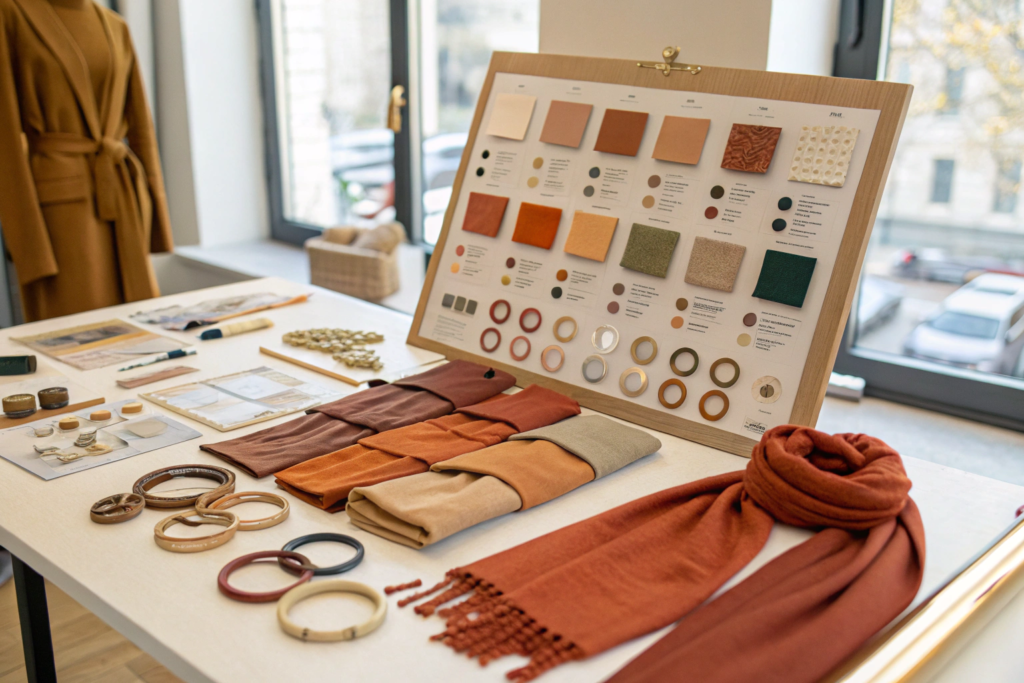
Color is the strongest and fastest connector in modular design. A customer walking into a store will see the color before she sees the shape, the texture, or the detail. When our design team starts a new fast fashion collection, the first thing we lock is the color palette. We usually work with six to eight colors, broken into three groups. The base colors are neutrals like black, cream, camel, and soft gray. These go across every product category and provide the commercial backbone of the collection. The fashion colors are the seasonal trend shades, like a bright poppy red, a digital lavender, or a sage green. These add excitement and freshness. The accent colors are the smallest group, maybe just one or two metallics or a bold contrast shade used sparingly on trims and linings. Once the palette is set, every designer, whether they are working on hair bands, belts, or scarves, pulls from the same color chips. We use Pantone textile codes to ensure exact matching across different materials. A poppy red on a polyester satin hair ribbon must be the exact same poppy red on a wool blend beret. If the red shifts even slightly toward orange on one material, the modular connection breaks. We create physical color standard swatches that travel between our fabric sourcers, our dye house, and our QC team. Every incoming material batch is checked against the standard under a D65 lightbox. This color discipline is what makes a display table look intentionally curated rather than randomly assembled.
Why Is Hardware Consistency Important for Modular Accessories?
Hardware is the silent signature of a modular collection. Think about the metal buckle on a belt, the snap button on a glove, the metal barrette clip on a hair accessory, and the D-ring on a scarf slide. If these small metal parts all share the same finish, shape language, and tone, the collection feels premium and considered. If they do not, the collection feels like a jumble of unrelated products. We define the hardware story at the start of every modular collection. Will the metal finish be shiny gold, matte gold, antique brass, silver, or gunmetal? We choose one, maybe two, and apply that finish across every piece of metal that appears in the collection. We also define the shape language. Is the hardware rounded and soft, or angular and geometric? A soft, rounded buckle on a belt pairs beautifully with a rounded hair clip and a rounded cord stopper on a scarf tie. The customer does not consciously notice these details, but she feels the harmony. Sourcing hardware consistently across categories is a supply chain challenge. A belt buckle factory and a hair clip factory are usually different suppliers. We bring them together by providing a master hardware finish sample, a small metal plaque with the exact approved finish. Every hardware supplier must match their production to that master sample. Our QC team then checks the incoming hardware batches side by side on a neutral gray inspection tray. Any variation in tone or gloss is rejected. This level of control is why our fast fashion clients trust us to produce complete collections, not just individual items. They know the gold on the belt will match the gold on the headband, every single time.
How to Speed Up Sample Development for Fast Fashion
Speed is the currency of fast fashion. A trend spotted on a runway in February must be on a retail shelf in August. That leaves very little room for slow, iterative sampling processes. Traditional sampling, where a sketch is sent to a pattern maker, a physical sample is cut and sewn, shipped to the buyer, reviewed, revised, and shipped again, can take months. For a modular collection with multiple product categories, that timeline is a business killer. We have invested heavily in technology and workflow redesign to compress the sampling timeline without sacrificing quality or design integrity.
Our factory accelerates sample development for fast fashion modular collections by using 3D digital prototyping to create virtual samples that can be reviewed and modified in real time with the buyer, combined with a parallel sampling workflow where hair accessories, belts, scarves, and gloves are developed simultaneously by separate specialized teams working from the same digital design brief. This approach eliminates the traditional sequential process and can cut the total sampling timeline by 50 to 60 percent compared to conventional methods.
The key to speed is parallel processing and digital decision-making. You cannot afford to wait for the belt sample to be approved before starting the glove sample. Everything must move forward at once, coordinated by a shared digital hub. Here is how we make that happen.
How Does 3D Prototyping Cut Development Time for Collections?
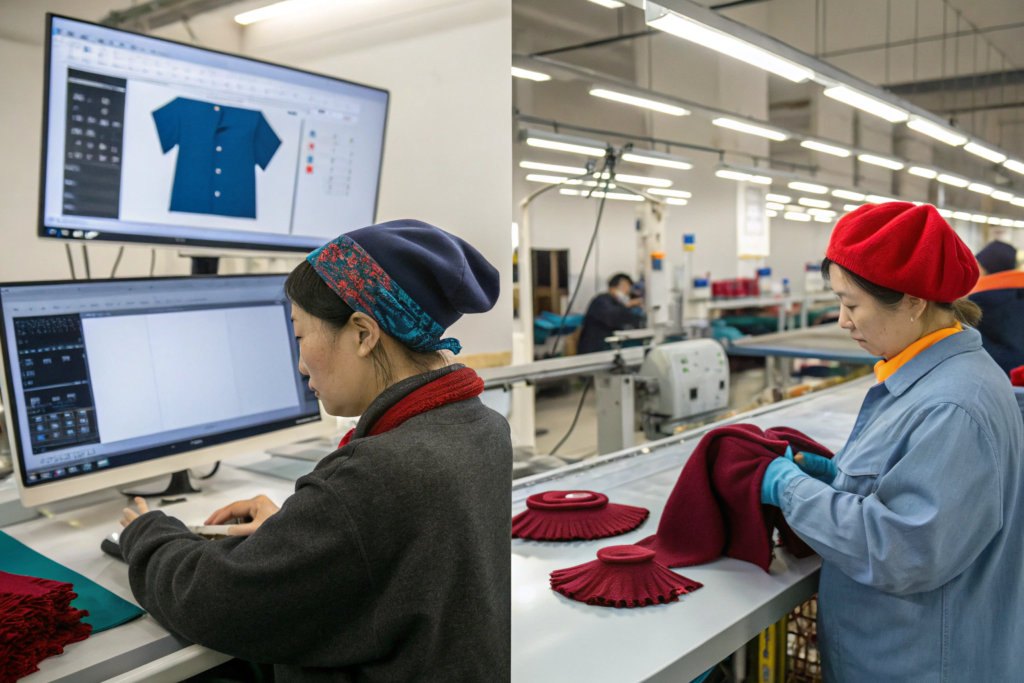
3D prototyping has transformed how we develop modular collections. Instead of cutting and sewing a physical sample for every initial idea, we create a photorealistic 3D model of each accessory. The digital model shows the exact fabric drape, the color, the hardware finish, and the proportions. We can render the entire collection, a beret, a scarf, a belt, a pair of gloves, and a hair clip, all on a single virtual display board. The buyer can see how the colors work together, how the textures relate, and how the hardware looks across categories, all before we cut a single piece of fabric. This is revolutionary for modular design because coordination errors become visible instantly. If the digital beret in poppy red looks slightly warmer than the digital gloves in the same color, we adjust the fabric dye specification in the system immediately, before any physical material is ordered. The buyer can also request changes in real time. I have been on video calls where a client said, "I like the scarf, but can we see it with the contrast binding from the hat?" Our 3D designer makes the change in minutes and renders a new image. The revised scarf is now visibly coordinated with the hat, and the decision is made. That interaction, if done with physical samples, would have required shipping a revised scarf sample by international courier, taking five to seven days. With 3D, it is done in an hour. Once the 3D models are fully approved, we move to physical strike-off samples. Because every dimension, color, and detail is already locked in the digital file, the physical sample is usually approved on the first attempt. This eliminates the multiple rounds of physical sampling that used to consume weeks.
What Is the Role of a Digital Asset Library in Modular Design?
A digital asset library is our memory bank. It stores every component that goes into a modular collection, organized and searchable. When a new fast fashion project starts, our designers do not start with a blank page. They open the digital asset library and browse existing components that could be reused or adapted. The library contains digitized color palettes with Pantone references, 3D models of approved buckle and clip hardware, scanned fabric textures with physical properties like drape and weight, pattern vector files for prints, and even sewing construction specifications for standard product types. This library saves enormous time. If a buyer wants a new belt that uses the same buckle as a previous collection but with a new strap material and a color from the current seasonal palette, we can assemble a complete 3D prototype in under an hour by pulling the buckle model, the new material scan, and the color data from the library. We do not need to photograph the buckle again, redraw the technical sketch from scratch, or re-spec the stitching. The library also enforces consistency across product categories. The hair accessories designer and the belt designer are both pulling from the same library of approved metal finishes and colors. They cannot accidentally use an unapproved gold tone because the library only contains the approved ones. This prevents the dreaded situation where the belt buckle arrives in a different gold than the hair clip. The library is a living resource. After every collection, we add the new, approved components. Over time, our asset library has grown to thousands of validated, production-ready elements. This accumulated knowledge is a competitive advantage that our fast fashion clients benefit from directly.
What Trend Forecasting Methods Guide Your Design Team
Trend forecasting for modular accessories is different from forecasting for individual products. You are not just predicting that a particular color or shape will be popular. You are predicting how those trends will translate across multiple product categories, and how they will interact with each other when worn together. A trend that works beautifully on a scarf, like a large abstract floral print, may look overwhelming on a newsboy cap. A trend that works on a belt, like a heavy industrial chain, may be too aggressive for a delicate hair clip. Our design team has to filter every trend through the lens of modular cohesion.
Our design team guides modular accessory collection development using a three-layer trend forecasting method. The first layer is data-driven, using AI trend analysis tools that scan social media, search engine data, and e-commerce bestseller lists to identify emerging color and product trends quantitatively. The second layer is creative observation, with our designers attending international trade shows and analyzing street style in key fashion cities. The third layer is commercial translation, where we adapt macro trends into commercially viable, modular-friendly designs that work across hair accessories, belts, scarves, gloves, and caps.
This three-layer approach prevents us from chasing fads that look good on Instagram but do not sell in stores. It also ensures that the trends we do select can be scaled across a full modular collection. A trend that only works on one product type is not a useful trend for our fast fashion clients. They need trends they can build a full story around.
How Do You Translate Runway Trends into Commercial Accessories?
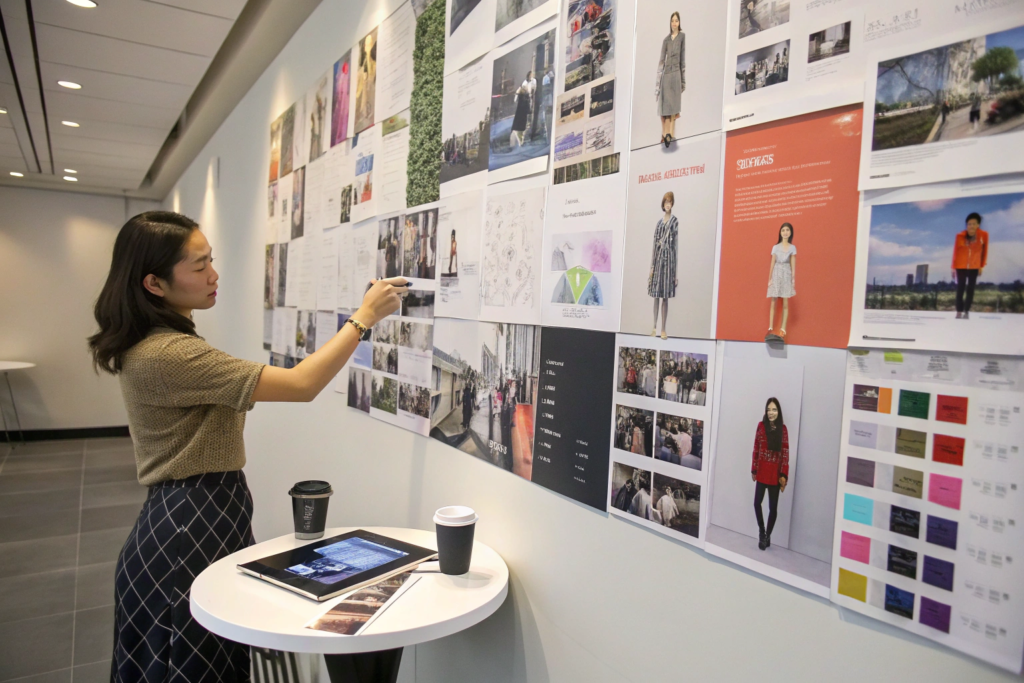
The runway is a source of inspiration, not a blueprint for production. A high-fashion runway show might feature a single dramatic accessory, like a crystal-encrusted headpiece or an oversized sculptural belt, that generates thousands of social media impressions. Our job is to extract the commercial essence from that drama and make it wearable and affordable. We start by identifying the core theme. Is the runway moment about a particular color, like a specific shade of butter yellow? Is it about a material, like sheer organza or patent leather? Is it about a silhouette, like oversized bows or extra-long fringe? Once we identify the core theme, we brainstorm how that theme can be modularly applied. A runway bow trend can become a satin hair bow, a bow detail on a glove cuff, a printed bow motif on a scarf, and a bow-shaped belt buckle. Each application is appropriate to the product category and commercially viable. The runway version might be two feet wide and made of stiff taffeta. Our version is sized for everyday wear and made of a soft, affordable polyester blend. We also translate runway colors into our modular palette. A runway color might be a custom-dyed silk chiffon that costs hundreds of dollars per yard. We work with our dye house to match the color on our standard polyester and cotton-blend base fabrics. The match must be visually identical under retail lighting, even if the fabric content is different. Our QC team uses a spectrophotometer to measure the color difference between the runway reference and our production sample. A Delta E value under 1.5 is our internal standard for a commercially acceptable match. This scientific approach to color translation ensures that the retail product captures the spirit of the trend without the luxury price tag.
Can AI Trend Tools Predict the Next Big Accessory Color?
AI trend tools are powerful, but they are not crystal balls. I use them as a directional guide, not a final decision-maker. These tools work by analyzing massive datasets. They scan social media posts for color frequency, track which colors are appearing more often in influencer content, analyze e-commerce search queries for color-related terms, and even monitor fabric mill order data to see which dye colors are being ordered in large volumes. The output is a predictive color trend report that says something like, "Soft sage green is showing a 40% month-over-month increase in fashion-related search queries and is appearing in 25% more influencer posts compared to last quarter." This is useful information. It tells us that sage green is gaining momentum and is worth including in our next modular collection palette. But the AI cannot tell us if sage green will look good on a hair clip, or if it pairs well with the neutral base colors our buyers need for commercial volume. That requires human judgment. I combine AI trend data with our own historical sales data. We track which colors in our own product line are selling well to which markets. If AI says sage green is trending and our own data shows that green tones historically sell well in Northern Europe but not in Southern Europe, we might recommend sage green as a fashion color for our European fast fashion clients but suggest a different accent color for clients in other regions. The AI also helps with speed. In the past, trend forecasting meant waiting for trade show reports and fashion week coverage. Now, we can see a color emerging on social media in near real-time and begin developing samples before the traditional trend cycle would have even noticed it. This speed advantage is critical for fast fashion, where being first to market with a new color can mean capturing a wave of consumer demand before competitors arrive.
How to Merchandise Modular Collections for Retail Buyers
Merchandising is the final and most crucial step in the modular design process. You can design the most beautiful, cohesive collection in the world, but if you present it to a retail buyer as a pile of individual products, the modular concept is lost. The buyer needs to see the story. They need to visualize how the pieces work together on a mannequin, on a display table, and in the customer’s wardrobe. Our job as a factory partner is not just to manufacture the products. It is to present them in a way that makes the buyer’s job easy. When a buyer can instantly see the merchandising story, they are far more likely to place a larger, cross-category order.
Merchandising modular accessory collections effectively for retail buyers requires presenting the products in coordinated color groups, using professional lifestyle photography that shows the accessories worn together in complete looks, and providing a clear, visual line sheet that maps the connections between product categories. The goal is to make the modular relationships between pieces immediately obvious, so the buyer can envision the in-store or online presentation and is encouraged to order across multiple categories rather than cherry-picking individual items.
We have invested in our showroom presentation and our digital selling tools specifically to support modular merchandising. The way you tell the story directly impacts the order volume. Here are the two most effective methods we use.
How Does Lifestyle Photography Sell a Full Collection?
Lifestyle photography transforms a list of SKUs into an aspirational story. A flat-lay photo of a hair clip on a white background is functional. It shows the product. But a lifestyle photo of a model wearing the hair clip, along with the matching scarf, the coordinating beret, and the coordinated gloves, shows the dream. It shows the customer how she could look and feel. We produce a full lifestyle photoshoot for every major modular collection we develop. The model is styled in a simple, neutral outfit that does not compete with the accessories. Then, we shoot multiple looks, each featuring a different color story from the modular palette. One look might be the camel and cream group, with a camel wool beret, a cream printed scarf, and cream leather gloves with camel stitching. Another look might be the poppy red and navy group. These images are provided to our buyers in a digital lookbook that they can use directly in their own retail marketing, on their websites, in their email campaigns, and in their social media. This saves the buyer the time and expense of doing their own photoshoot. It also ensures that the modular story we designed is the story that reaches the end consumer. The lifestyle photography also helps the buyer during internal meetings. A buyer who needs to convince their merchandising manager to invest in a full accessory collection can show the lifestyle images. The visual impact of a complete, coordinated look is far more persuasive than a spreadsheet of individual item codes. I have had buyers tell me that our lookbook images were the deciding factor in getting their budget approved for a cross-category purchase.
What Is the Best Way to Present Coordinated Product Groups?
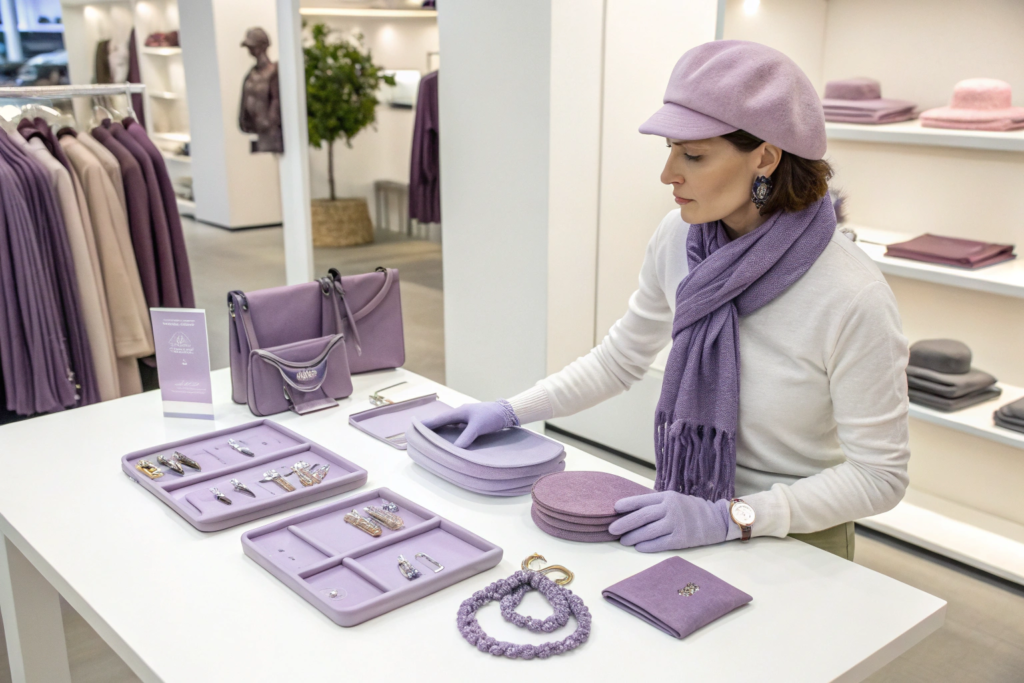
Physical presentation matters just as much as digital presentation. When a buyer visits our showroom, they walk into a space organized by modular story, not by product type. The traditional showroom layout has a wall of hair clips, a wall of belts, a wall of scarves, and a wall of hats. This layout forces the buyer to do the mental work of imagining how the pieces might go together. Our showroom is arranged by color and theme. One display table might be the "Modern Rustic" story. On that table, a mannequin bust wears the beret, the scarf, and the gloves together. Trays next to it show the hair clips, the belt, and a small coordinating pouch, all in the same palette of rust, olive, and cream. The buyer can walk around the table and see the complete story from every angle. They can touch the beret, hold it next to the scarf, and try the hair clip against the glove. This sensory, interactive experience builds confidence. The buyer is not just ordering products. They are buying into a merchandising concept. We also provide a printed modular line sheet that visually maps the connections. The line sheet uses arrows or color-coded borders to show which items are designed to be displayed together in-store. For example, a camel border around the product images indicates the camel color story group. A buyer can scan the line sheet and instantly see that the camel beret, the camel gloves, and the scarf with the camel border print belong together on a retail display. This clarity makes it easy for the buyer to write a cross-category order. They do not have to cross-reference SKU numbers or remember color names. The visual system does the work for them.
Conclusion
Creating modular accessory collections for fast fashion is a discipline that combines creative design with systematic thinking. It is about building a visual language that connects hair clips to belts, scarves to gloves, and caps to bags, so that every piece feels like part of a family. We have explored how it starts with a locked color palette and consistent hardware choices, the foundational elements that create instant visual harmony across categories. You have seen how 3D prototyping and digital asset libraries compress development timelines and eliminate coordination errors, allowing fast fashion brands to move at the speed the market demands. Our trend forecasting method, blending AI data with human creative judgment, ensures that the trends we build into modular collections are both forward-looking and commercially grounded. And finally, the way we merchandise these collections, through lifestyle photography and story-driven showroom displays, makes it effortless for retail buyers to see the vision and order across categories with confidence.
At AceAccessory, modular design is not a buzzword. It is how we work every day. Our factory in Zhejiang houses dedicated design, sampling, and production teams for each accessory category, all connected by a shared digital hub that ensures every piece in your collection is pulling in the same direction. Our project managers are experienced in coordinating complex, multi-category orders and delivering them on time and on budget. We serve fast fashion brands and major retailers across Europe and North America who trust us to be more than a supplier. They trust us to be a design and development partner.
If you are planning your next fast fashion accessory collection and you want a manufacturing partner who understands modular design from concept to delivery, I invite you to reach out. Contact our Business Director, Elaine, directly at elaine@fumaoclothing.com. Tell her about your brand, your target customer, and the types of accessories you want to develop. She will arrange a consultation with our design team, share examples of our modular collection work, and get your first samples into development. Let us build a collection that tells a story your customers will want to wear from head to toe.