
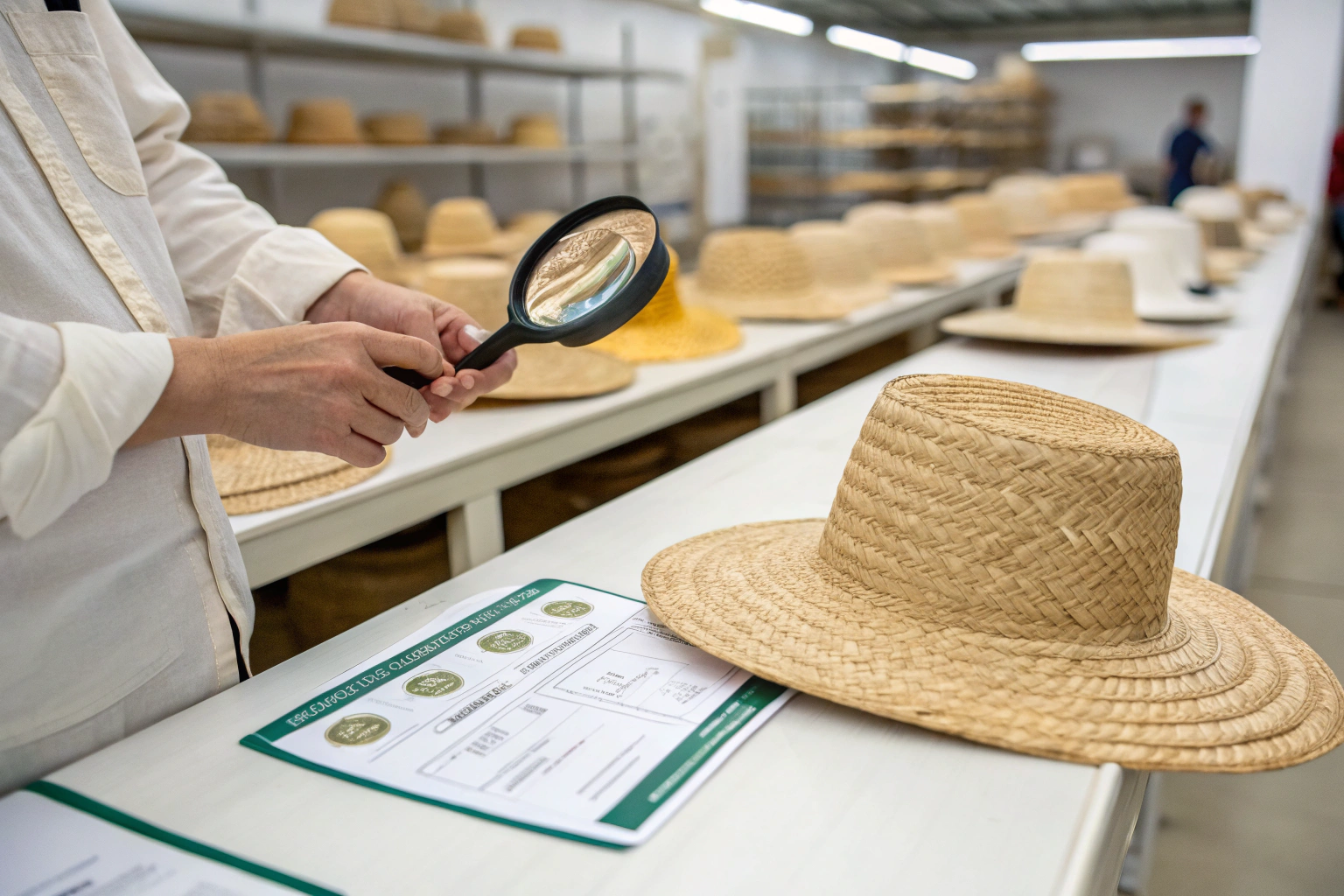
Have you ever marketed a "green" product, only to have a customer ask for proof you could not provide? I felt that sting early in my career. A European buyer asked for my straw certification. I handed him a generic supplier letter. He shook his head and walked away. The deal died. I lost his trust. The lesson was harsh: claiming sustainability is easy. Proving it with a paper trail is hard. If you are importing straw hats, you face a market flooded with greenwashing. A factory can show you pictures of a sunny wheat field. But those pictures do not prove fair wages. They do not prove the straw was not bleached with toxic chlorine. You need hard evidence.
AceAccessory is a professional manufacturer and exporter of accessories. You verify a factory’s sustainable sourcing by requesting third-party certifications like GOTS or FSC, reviewing the full chain of custody documents from the raw straw field to the factory floor, and inspecting the chemical safety test reports for the dyes and stiffeners used in the hat bodies.
Straw feels natural. It grows from the earth. But a straw hat is not just dried grass. It is shaped with steam. It is stiffened with chemicals. It is bleached to a uniform color. These hidden steps carry the real environmental risk. As the owner of a factory in Zhejiang that handles large volumes of straw hats for European supermarkets, I have built a verification system you can copy. Let me walk you through the paperwork, the physical tests, and the red flags to watch for. This will make you an expert auditor before you even board a plane.
What Certifications Prove a Straw Hat Is Truly Sustainable?
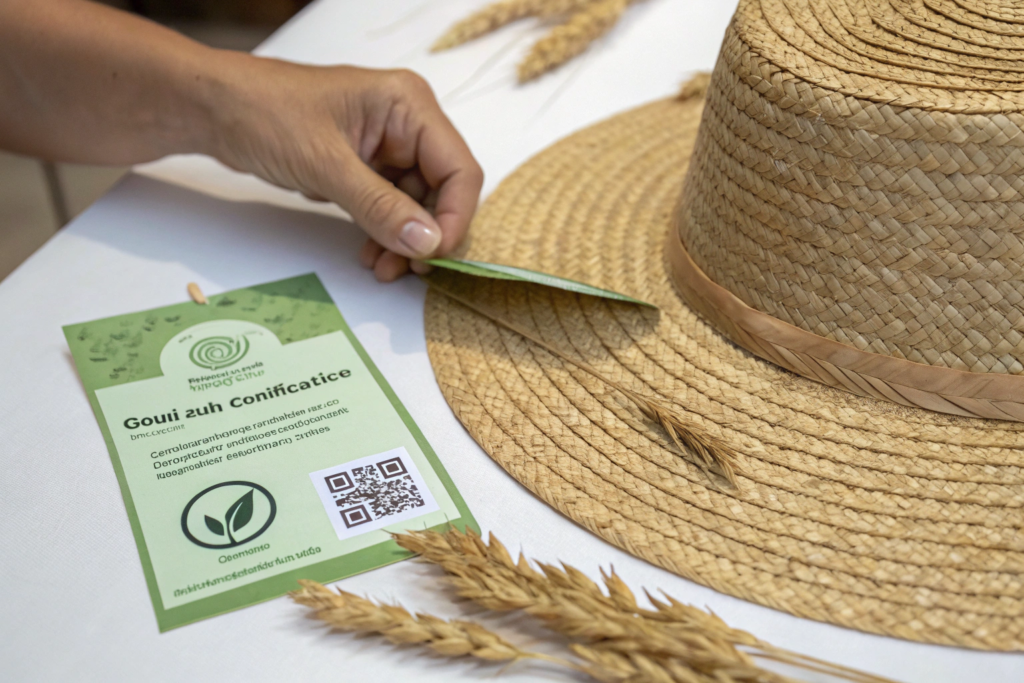
Certifications are the first filter. They are not perfect, but they separate serious factories from pretenders. For straw hats, the most relevant standard is the Global Organic Textile Standard. People think GOTS is just for cotton. But it also covers natural bast fibers like raffia and straw. A GOTS certification guarantees the raw material was grown without synthetic pesticides. It also guarantees the factory workers have safe conditions and the wastewater from processing is treated. This last point is critical. Bleaching straw creates toxic sludge. A GOTS-certified factory has a closed-loop water system. We purify our water before it leaves the factory.
Another standard is the Forest Stewardship Council certification. This applies specifically to paper straw and viscose-based straws. FSC proves the cellulose fibers came from a responsibly managed forest, not an ancient rainforest. If your hat uses "paper braid," insist on an FSC chain of custody number. I provide both certificates directly on our website download page.
How Does GOTS Certification Apply to Straw Fibers?
The key is the "organic" claim. Straw for hats is often a byproduct of grain farming. If the wheat was sprayed with pesticides, those chemicals stay in the stalk. They touch the wearer’s forehead. They off-gas in the retail store.
GOTS tests the final product for chemical residues. We send our hats to a certified lab. They chop up the straw and dissolve it. They look for organochlorine pesticides. The limit is almost zero. We also must prove our social compliance through yearly audits. You can check a factory’s GOTS validity online. Just ask for their license number. It is a transparent way to verify organic textile claims.
Why Is FSC Certification Critical for Paper Straw Hats?
Paper straw is booming. It is light. It is cheap to ship. But paper comes from trees. The fashion industry is under fire for contributing to deforestation. Viscose from endangered forests is a major scandal.
FSC certification traces the pulp from the forest to the paper mill to our hat factory. Each link holds a certificate. We cannot buy from an uncertified mill. This ensures the paper we twist into elegant summer hats did not destroy a habitat. It is a concrete step against illegal logging. For a buyer, it is a powerful marketing story. You can tell your customers the hat is forest-friendly.
How Can You Trace the Raw Material Supply Chain?
A certificate is a piece of paper. The supply chain is the physical truth. You need to check the bill of materials. A genuine sustainable factory knows the exact village or region the straw came from. Generic statements like "Straw from China" or "Natural fibers from Madagascar" are red flags. They suggest a middleman who hides the origin.
I keep a "straw map" for our clients. It lists the specific provinces we source from. We use Jiangxi bamboo paper and Henan wheat straw. The reason is simple: these regions have established cooperatives. The farmers are trained. The drying process is solar-powered, not wood-fired. You can ask for the purchase receipts from the raw material dealers. These receipts might be in Chinese, but they have a date and a quantity. They prove the factory buys straw from a specific legal entity. Combine this with an on-site visit to the braiding workshop. Look for consistent color, no plastic waste mixed in, and clean storage.
What Is a Chain of Custody Document?
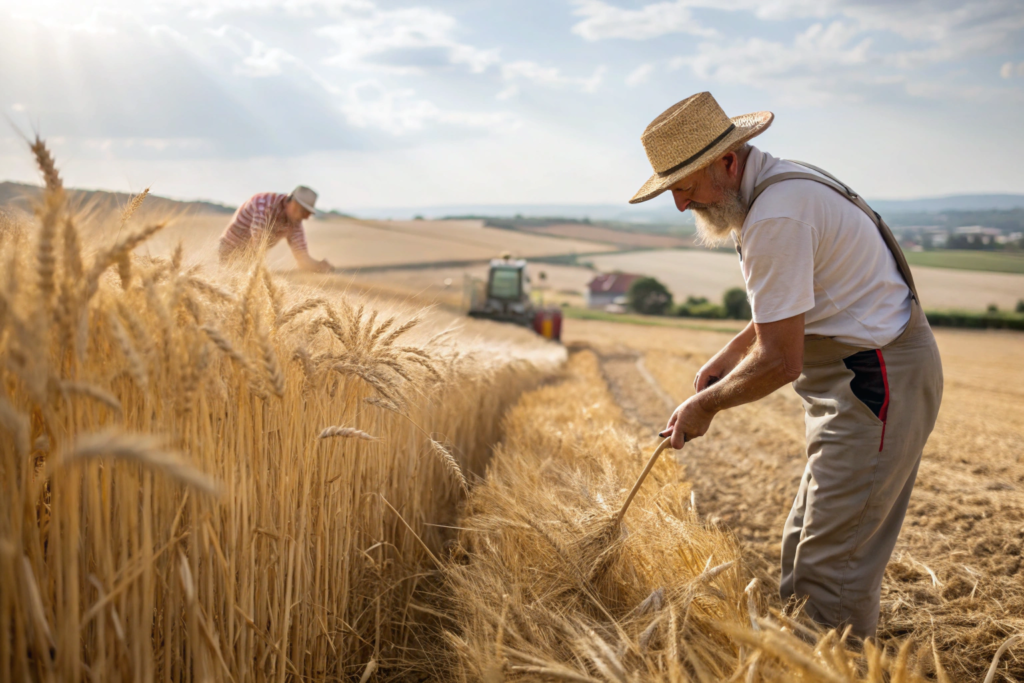
It is a shipping manifest for the raw straw bales. It follows the raw material from the farm gate, onto the truck, and into the factory warehouse. It stops anyone from mixing in cheaper, dirty straw.
We stamp these documents with a unique batch code. That code goes into our Enterprise Resource Planning system. When a customer asks where a specific hat came from, I type in the batch code. I can tell them the day it was harvested. This digital traceability is advanced for the accessory industry. It is usually only required for food. But high-end fashion brands are starting to demand it now. It is the future of supply chain visibility.
How Can a Buyer Check for Fair Labor Practices?
Sustainable sourcing includes the farmer’s wage. Cheap straw often means exploitation. Someone, usually a woman, is paid pennies a day to braid the straw at home.
For true sustainability, the factory must audit the homeworkers. We partner with local NGOs to ensure our braiding subcontractors pay a living wage. We ask buyers to accept a slight price increase to cover these welfare checks. You can also look for the WFTO label, although this is rare for straw hats. More commonly, we use a Sedex Members Ethical Trade Audit report. You can ask to see the audit findings and corrective actions. A factory that hides the audit report has a problem. A factory that shares it, even with small issues, is committed to ethical trade.
What Chemical Tests Should You Request for Bleached Straw?
The classic "Panama hat" look is pale white or cream. Natural straw is golden brown. To get that bleached look, the straw must be fumigated or bleached. The traditional method uses sulfur smoke. This is acceptable if the hat is aired out properly. The cheap method uses chlorine bleach or optical brighteners. These chemicals are harsh.
You must request a chemical safety test report. This is not the same as a material certificate. It is a lab analysis of the finished hat. We test for "extractable formaldehyde." Some factories use formaldehyde-based stiffeners to keep the brim flat. This is a common shortcut. Formaldehyde is a known carcinogen. It smells like a hospital. Your customers will smell it on a hot day. The EU REACH regulation has a strict limit on formaldehyde. We use a polyvinyl alcohol stiffener instead. It is non-toxic and biodegradable. Ask for the specific test result for formaldehyde, chlorinated phenols, and banned azo dyes.
Why Is Formaldehyde Detection Critical for Straw Hats?
Straw is porous. It absorbs stiffeners like a sponge. If the stiffener contains formaldehyde, the chemical outgasses slowly. It releases a toxic gas into the air.
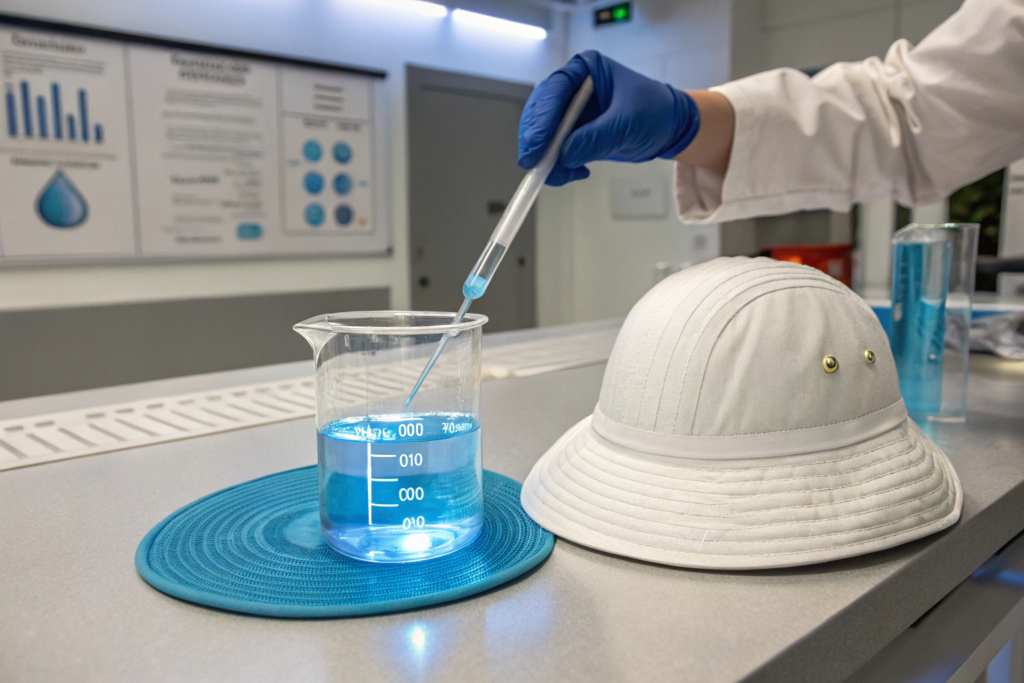
We bake our hats in a curing oven to lock the shape. If there is formaldehyde, the factory air smells sharp and burning. Our workers would suffer first. That is why we banned it. We test the finished hat in a "jar test." We seal a hat in a glass jar with water at the bottom for 24 hours at 40 degrees Celsius. We then test the water with a formaldehyde probe. The reading must be zero. You can trust a factory that does proactive chemical safety testing.
How Do You Spot Illegal Optical Brighteners?
Optical brighteners are dyes that absorb UV light and re-emit blue light. They trick the eye into seeing a whiter white. They are banned in many sustainable textile standards.
You can spot them yourself. Bring a small UV flashlight. Shine it on the hat. If the hat glows a bright, fluorescent blue, it is loaded with brighteners. A natural, bleached hat glows a dull violet or not at all. This is a quick field test. We prefer to use a spectrophotometer in our lab. It measures the exact reflectance. This ensures our "natural white" hats are not chemically whitened. It is a promise of purity. The UV light detection method is a simple trick for any buyer to use at a trade show.
How Does Modern Factory Infrastructure Support Sustainability?
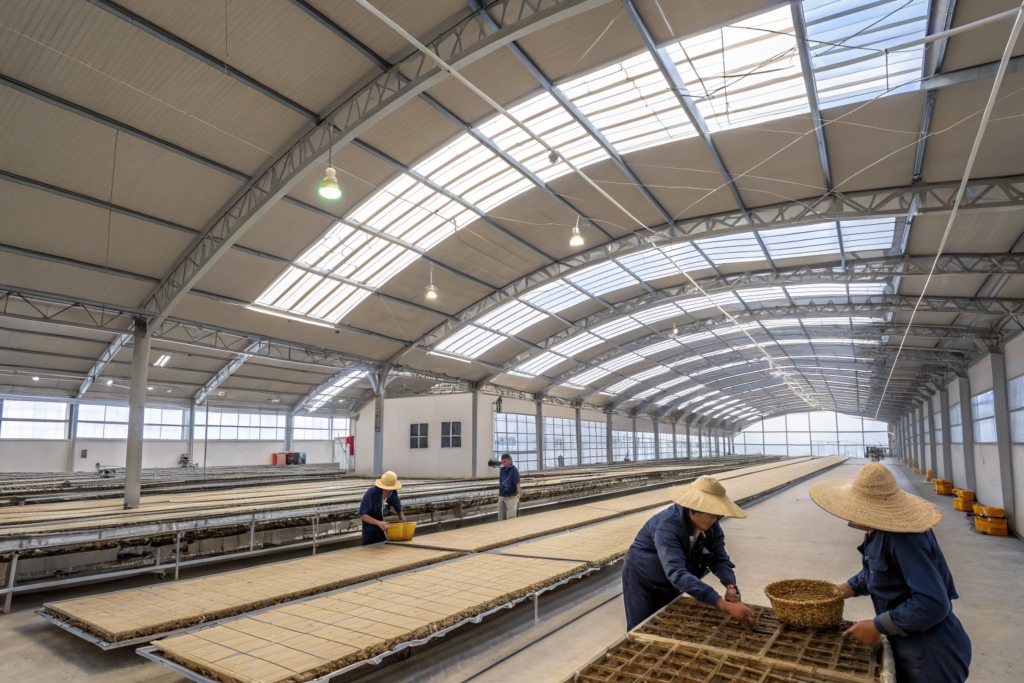
You cannot make a sustainable hat in a dirty, dark factory. The factory building itself is part of the verification. When you visit a factory, look at the roof and the floor. Are the chemicals stored in a locked, concrete-bunded area? Is the floor dry and swept? A factory that leaks dye into the river will also leak dyes onto the floor.
We recently upgraded our roof with solar panels. It generates 30% of our pressing energy. We collect rainwater to wash the raw straw. This reduces our municipal water use. Crucially, we separate the "wet" bleaching area from the "dry" finishing area with a concrete wall. This prevents cross-contamination. Workers wear masks in the bleaching area. The air is extracted and filtered. These visible engineering controls prove the factory is serious. If a factory is too dark to see, or the windows are sealed shut, it is a warning sign. A sustainable factory is open to the light.
Why Is Wastewater Treatment a Key Verification Point?
Straw processing makes water dirty. It contains lignin, which is the woody glue in the plant. It contains bleaching agents. If that water goes straight into a ditch, it kills the fish.
A responsible factory has a treatment tank. We neutralize the pH with citric acid. We let the solids settle. We then filter the water through a carbon and sand bed. The water comes out looking clear enough to drink. We send quarterly samples to a third-party environmental lab. The results are public for our customers. This is a key indicator of genuine environmental care. It is expensive, but it is the right thing to do. It prevents the kind of pollution that gives the fashion industry a bad name.
Can a Factory’s Social Audit Confirm True Sustainability?
Sustainability is not just green. It is human. A sustainable hat factory cannot use child labor. Straw braiding has a high risk for this because it is easy to do at home. Children can be hidden in the supply chain.
Our social audit checks ID cards. It interviews workers privately. It checks the payroll for fake overtime records. We display the audit results in the canteen. We want our workers to know their rights. A high score on a SEDEX or BSCI audit is a verification tool that the price you pay is not coming from exploited labor. It is a balance between social and environmental criteria, which is the core definition of ESG in manufacturing.
Conclusion
Verifying a factory’s sustainable sourcing is like an investigation. You start with the certificates. Check the GOTS number online. You trace the chain of custody. Follow the receipt trail back to the field. You test the chemistry. Use a UV light to spot brighteners. Request the formaldehyde lab report. Finally, you look at the factory itself. See the solar panels and the water treatment plant. Meet the workers. A truly sustainable factory is transparent. It opens its doors. It opens its books.
In our Zhejiang factory, we handle the sourcing, the bleaching, the stiffening, and the testing all under one roof. We control the chemical inputs. We trace the raw straw to the farmer cooperative. We have the documentation ready for your compliance team before you even ask. This is the professional, reliable service our project managers deliver.
If you have a straw hat project that needs to meet strict European or American sustainability standards, I invite you to reach out to our Business Director, Elaine. She can send you our latest GOTS certificate, sample reports, and the chemical test results for our stiffeners. She can arrange a video walk-through of our solar-powered facility. Send her an email at elaine@fumaoclothing.com. Let’s build a supply chain that makes a beautiful hat without leaving an ugly mark on the planet.




