A procurement manager from a major UK supermarket chain once told me about a crisis that reshaped their entire supplier policy. A national newspaper had published an undercover investigation showing workers in one of their supplier factories working 80-hour weeks, earning below minimum wage, and living in unsafe dormitories. The factory was not ours. But the fallout affected every factory in their supply chain. The supermarket’s reputation was damaged. Sales dropped. Shareholders demanded answers. The CEO announced a new policy. Every factory supplying the chain must submit a valid Sedex SMETA audit report, updated annually, or face delisting. Overnight, Sedex compliance became a condition of market access for thousands of factories. That was over a decade ago, and the requirement has only become more entrenched.
European supermarkets require Sedex reports from factories because the Sedex SMETA audit is the most widely recognised ethical trade audit methodology in the European retail sector. It provides a standardised framework for assessing labour standards, health and safety, environmental performance, and business ethics in a factory. The audit report allows the supermarket to verify that the factory meets their ethical sourcing commitments, complies with EU due diligence legislation, and protects the supermarket’s brand from the reputational damage of labour rights violations.
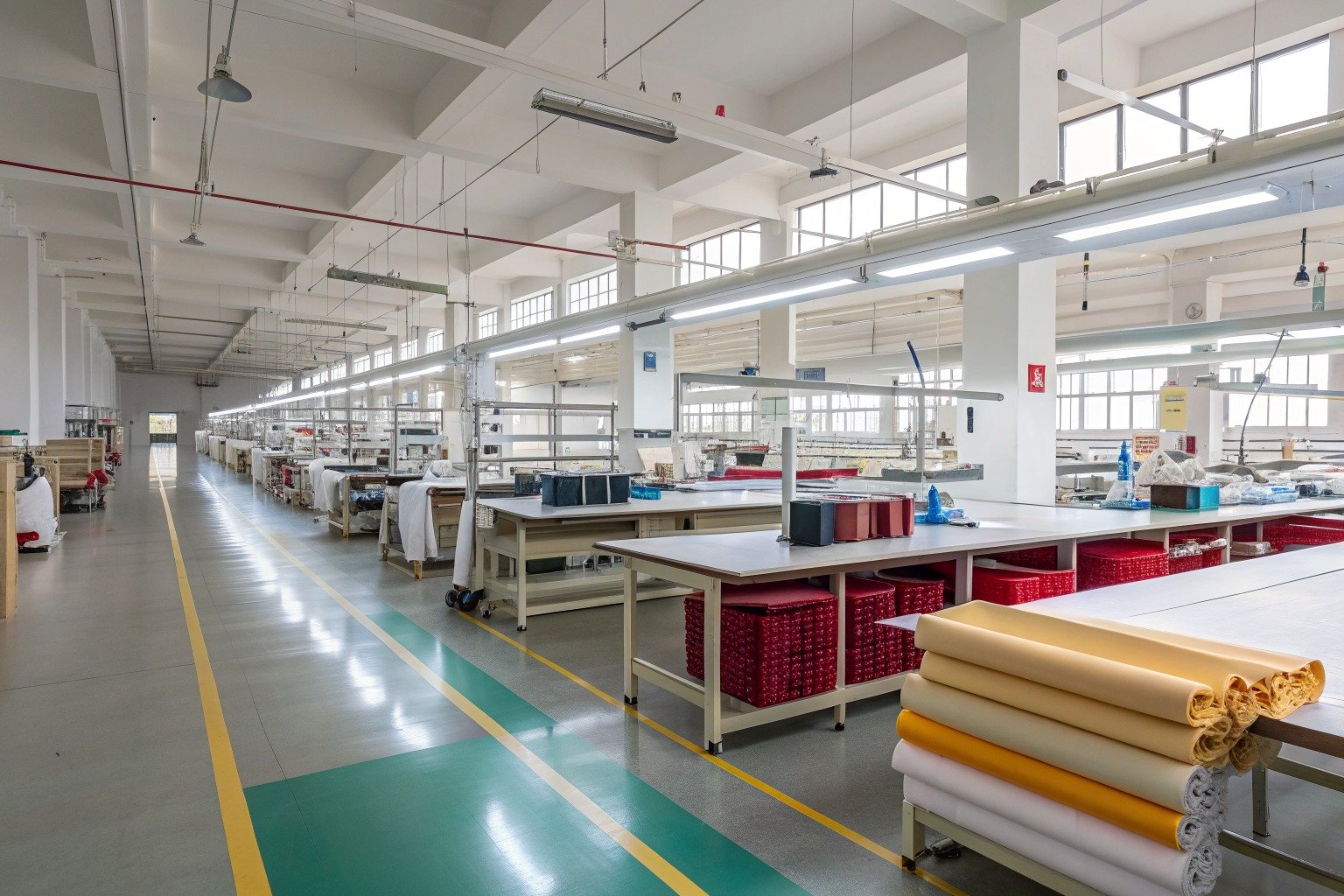
At Shanghai Fumao, we have undergone Sedex SMETA audits for over a decade. Our factory has been audited by multiple European supermarket compliance teams. We understand exactly what the auditors look for, what the reports contain, and why European buyers trust this system. Let me explain the role Sedex plays in the European retail supply chain.
What Is Sedex and How Does the SMETA Audit Work?
Sedex stands for Supplier Ethical Data Exchange. It is a membership organisation that provides a platform for sharing ethical supply chain data. The factory becomes a Sedex member, completes a self-assessment questionnaire about its labour practices, health and safety, environmental management, and business ethics, and then undergoes an independent SMETA audit.
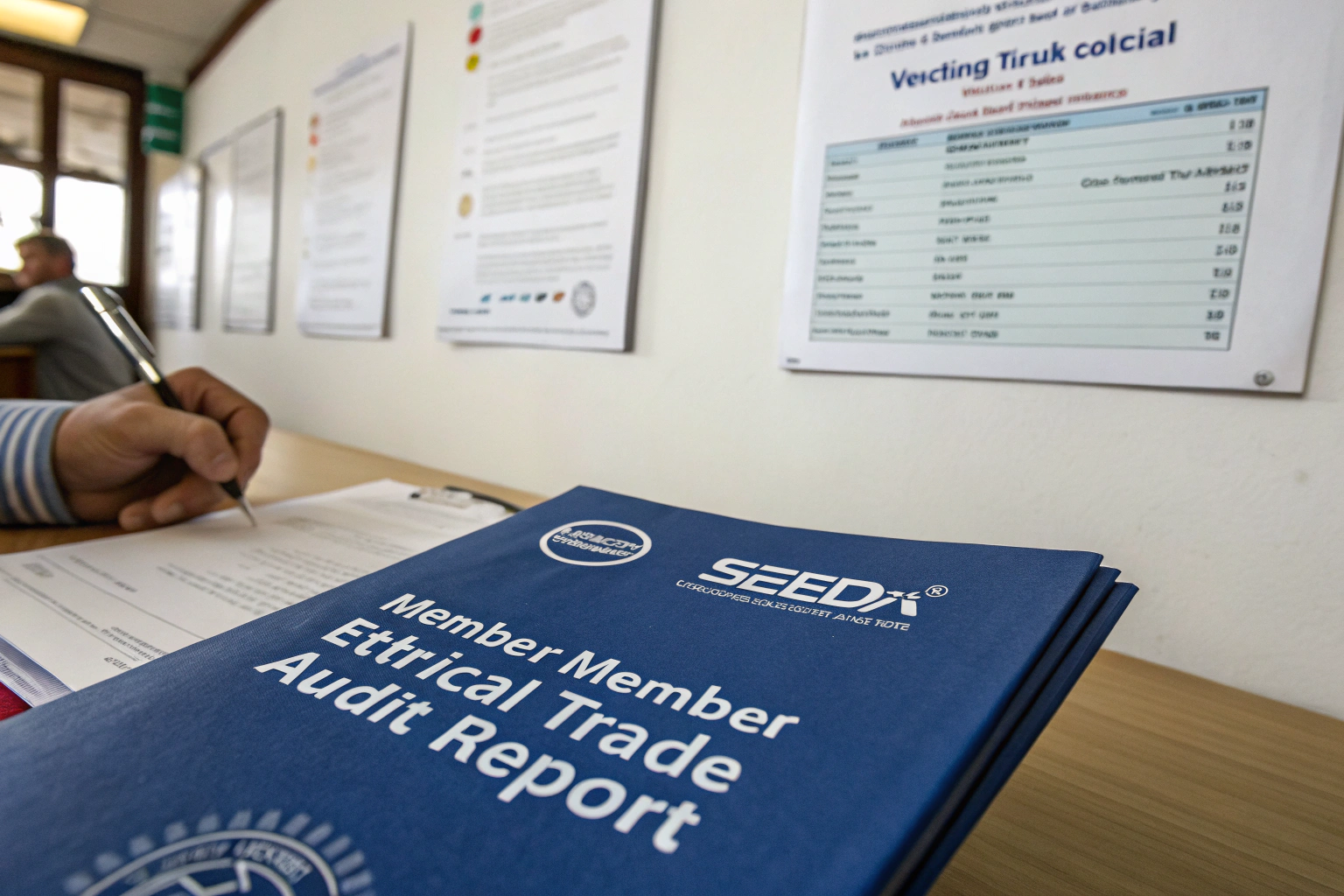
SMETA stands for Sedex Members Ethical Trade Audit. It is the audit methodology developed by Sedex and its members. The audit is conducted by an independent, accredited auditing firm. The auditor spends one to three days at the factory, depending on the factory size and the audit scope. The auditor reviews documents, interviews workers privately, inspects the production floor, the dormitories if provided, and the environmental management systems. The auditor produces a detailed report with findings, non-compliances, and corrective actions. The report is uploaded to the Sedex platform, where it can be accessed by the factory’s Sedex member customers. Understanding the Sedex SMETA audit methodology is essential for any factory or brand participating in the European retail supply chain.

What Are the Four Pillars of a SMETA Audit?
The SMETA audit assesses a factory against four pillars. Labour Standards is the first and most heavily weighted pillar. The auditor checks for freely chosen employment, meaning no forced or bonded labour. Freedom of association and the right to collective bargaining. Health and safety conditions. Child labour and young worker protections. Wages and benefits that meet legal minimums. Working hours that do not exceed legal limits. Non-discrimination. Regular employment, meaning no excessive use of casual or temporary contracts to avoid benefits. Harsh or inhumane treatment is prohibited.
Health and Safety is the second pillar. The auditor checks the factory’s health and safety management system. Fire safety, including extinguishers, alarms, and evacuation drills. Machine guarding. Chemical safety. Personal protective equipment. Worker housing conditions if the factory provides dormitories. Sanitary facilities. First aid provision. Environment is the third pillar, assessed in a 2-Pillar or 4-Pillar audit. The auditor checks the factory’s environmental management system. Waste management. Water and energy use. Emissions and pollution control. Legal compliance with environmental regulations. Business Ethics is the fourth pillar, also in a 4-Pillar audit. The auditor checks for bribery and corruption risks. Ethical business practices. Fair competition. Understanding ethical trade audit standards helps you prepare your factory for the scrutiny it will face.
How Does a SMETA Audit Differ from a Generic Social Compliance Audit?
A generic social compliance audit may be based on the auditor’s own checklist or a retailer’s proprietary standard. The quality and consistency of these audits vary widely. A SMETA audit is based on a standardised methodology and a common set of requirements developed collaboratively by Sedex members, which include the world’s largest retailers and brands. The audit report format is standardised. The non-compliance classification system is standardised. The corrective action plan format is standardised.
This standardisation is the value proposition of SMETA. A European supermarket can accept a SMETA audit conducted for another retailer, reducing audit fatigue for the factory and audit costs for the supply chain. The Sedex platform allows the factory to share its audit report with multiple customers. The factory does not need to undergo a separate audit for every retailer it supplies. This shared audit model is more efficient and more collaborative than a model where every retailer sends their own auditor. Professional supply chain audit standardisation benefits both the factory and the buyer.
Why Is Sedex the Preferred Platform for European Supermarkets?
European supermarkets operate in a regulatory and consumer environment that demands rigorous supply chain due diligence. The UK Modern Slavery Act, the French Duty of Vigilance Law, the German Supply Chain Due Diligence Act, and the proposed EU Corporate Sustainability Due Diligence Directive all require companies to identify, prevent, and mitigate human rights and environmental risks in their supply chains. Sedex and the SMETA audit provide a recognised framework for complying with these legal obligations.
Beyond legal compliance, European consumers care deeply about the ethics of the products they buy. A supermarket’s brand is its most valuable asset. A scandal involving labour exploitation in the supply chain can cause immediate and lasting reputational damage. The Sedex report is the supermarket’s evidence that it has taken reasonable steps to verify the ethical conditions in the factories that make its products. It is a due diligence defence against both legal liability and reputational attack.
How Does Sedex Support EU Due Diligence Legislation?
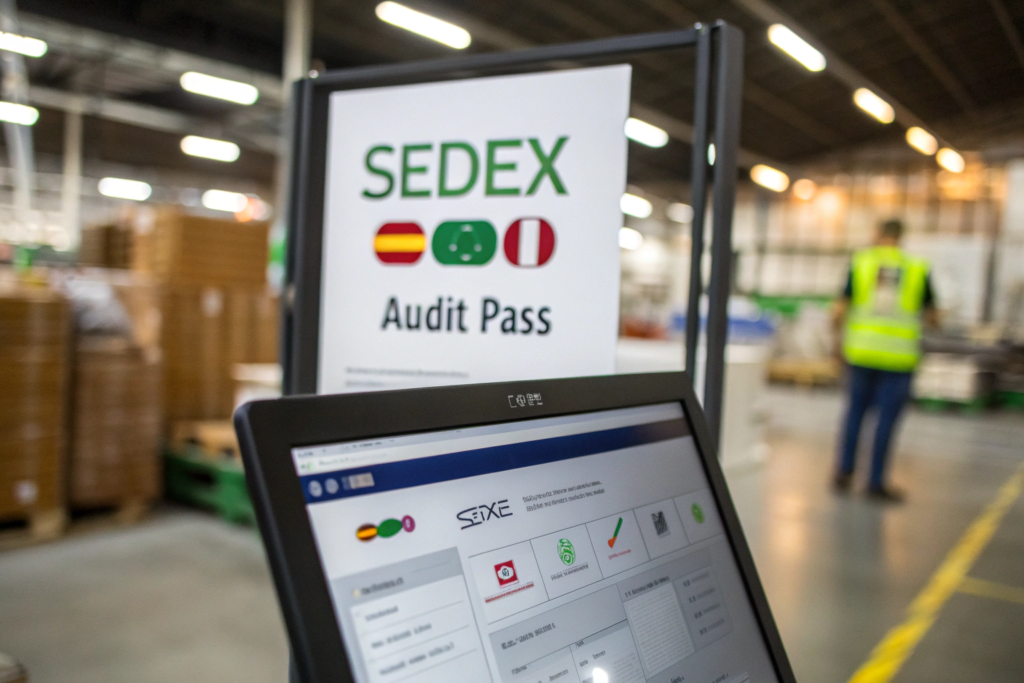
The emerging EU due diligence legislation requires companies to map their supply chains, identify risks, conduct audits where risks are high, and implement corrective action plans. Sedex provides the tools to do all of this. The Sedex platform allows the supermarket to map its entire supply chain, linking every product to the factory that made it. The platform’s risk assessment tool identifies factories in high-risk countries or sectors. The SMETA audit provides the on-the-ground verification. The corrective action plan report provides the evidence of remediation.
A supermarket facing a regulatory inquiry or a legal challenge can demonstrate that it used a recognised, systematic approach to supply chain due diligence. It can show the Sedex membership, the risk assessment, the audit reports, and the corrective actions. This is a defensible position. A supermarket that cannot demonstrate this level of due diligence is legally exposed. Professional EU supply chain due diligence compliance is now a board-level concern for European retailers.
Why Do Supermarkets Share Audit Reports Through the Sedex Platform?
The Sedex platform is designed for sharing. A factory uploads its SMETA audit report to the platform. The factory then links its Sedex profile to its customer members. The customer can view the audit report, the non-compliances, and the corrective action plan. The customer does not need to commission a new audit unless the existing audit is expired or the scope is insufficient.
This sharing model reduces the audit burden on factories. A factory that supplies five European supermarkets does not need to host five separate audits per year. One SMETA audit, shared through Sedex, satisfies all five customers, provided they are all Sedex members and accept the audit scope. This is a more sustainable and collaborative approach to supply chain compliance. It reduces costs, reduces disruption, and allows the factory and the buyers to focus on remediation and improvement rather than repetitive auditing. Understanding Sedex audit sharing and mutual recognition helps factories and brands navigate the audit landscape efficiently.
How Does a Factory Prepare for a Successful SMETA Audit?
A successful SMETA audit is not something a factory achieves in the week before the auditor arrives. It is the result of a sustained commitment to ethical labour practices, health and safety management, environmental responsibility, and transparent record-keeping. The auditor’s job is to verify the reality, not to coach the factory to pass.
At Shanghai Fumao, our preparation for a SMETA audit is continuous. Our HR department maintains accurate, complete, and legal employment records for every worker. Our health and safety officer conducts monthly internal inspections and maintains a log of findings and corrections. Our environmental management system tracks waste, water, and energy. We treat every day as if an auditor could arrive tomorrow, because in a sense, they could. Our Sedex customers can request an audit at any time.
What Documentation Must Be Ready for the Auditor?
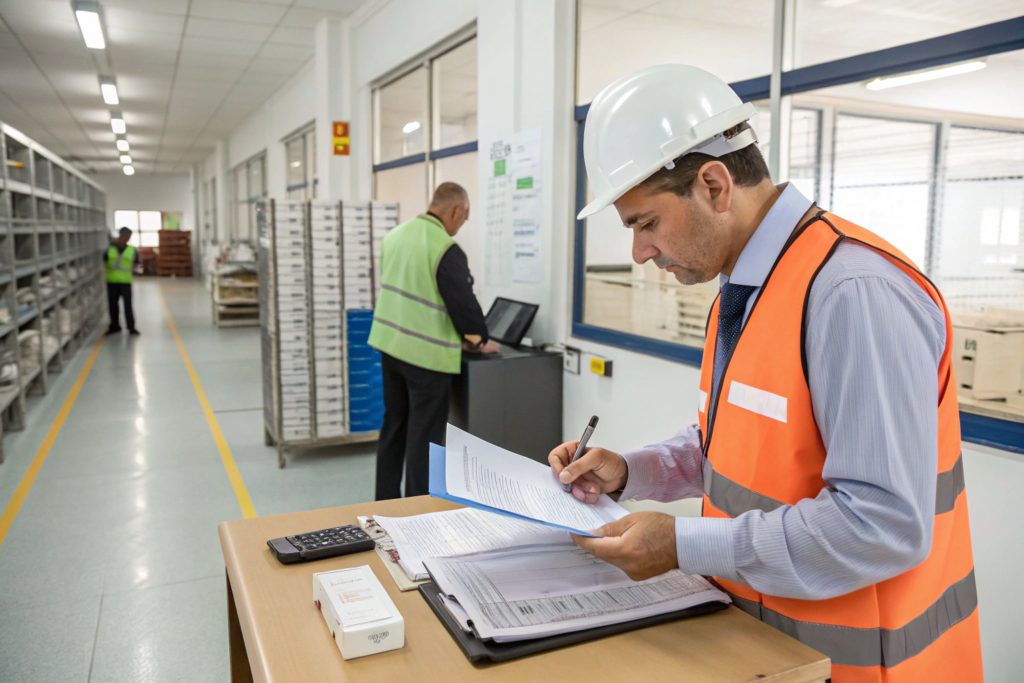
The auditor will request a comprehensive set of documents. Employee personnel files including contracts, identification, and age verification. Time records for the past 12 months, showing daily clock-in and clock-out times. Payroll records for the past 12 months, showing wages paid, overtime rates, and deductions. Health and safety records including risk assessments, fire drill logs, accident reports, and chemical safety data sheets. Environmental records including waste disposal receipts and emissions permits. Business licences and permits.
All documents must be complete, accurate, and consistent. The auditor will cross-check time records against payroll records to verify that overtime is paid correctly. The auditor will interview workers privately and ask about their wages, hours, and conditions. The worker interviews must be consistent with the documented records. Any discrepancy is a red flag that will be investigated further. A factory that maintains meticulous, honest records has nothing to fear from the audit. Professional SMETA audit document preparation is a discipline that must be embedded in the factory’s daily operations.
How Does Worker Interview Privacy Affect Audit Outcomes?
The worker interview is the most critical part of the SMETA audit. The auditor will select workers at random and interview them privately, without managers present. The auditor will ask about their wages, their working hours, their living conditions, and whether they feel safe and respected at work. The auditor is trained to detect signs of coaching or intimidation.
A factory that treats its workers well will have workers who say so. A factory that exploits its workers may be able to falsify documents, but it cannot control what workers say in a private, confidential conversation. The worker interview is the ultimate verification of the factory’s ethical culture. This is why worker wellbeing is not just a compliance issue. It is the foundation of a successful audit and a sustainable business. Understanding worker voice in ethical audits is essential for any factory that wants to build a genuine ethical culture, not just pass an audit.
Conclusion
European supermarkets require Sedex reports from factories because the SMETA audit methodology is the most widely recognised and standardised ethical trade audit in the European retail sector. It provides the supermarket with verified assurance that the factory meets fundamental labour standards, health and safety requirements, environmental obligations, and business ethics expectations. The Sedex platform allows the audit report to be shared efficiently across multiple customers, reducing audit fatigue and cost.
The requirement is driven by a combination of legal obligation and brand protection. EU due diligence legislation requires supply chain transparency and risk mitigation. Consumer expectations demand ethical production. The supermarket’s brand value depends on avoiding labour rights scandals. The Sedex SMETA audit is the tool that addresses all three pressures.
At Shanghai Fumao, we have been Sedex members and SMETA-audited for over a decade. Our audits have been conducted by multiple accredited firms for multiple European supermarket customers. Our reports are current and available for sharing through the Sedex platform. Our factory operates to the standard that the audit verifies, every day of the year, not just on audit day.
If you are a European supermarket buyer or a brand supplying European retail, and you require a Sedex-audited factory for your accessories production, please contact our Business Director Elaine at elaine@fumaoclothing.com. She can provide our Sedex membership details, our most recent SMETA audit report, and arrange a factory visit or video tour. Your due diligence deserves a factory that has already passed the audit.