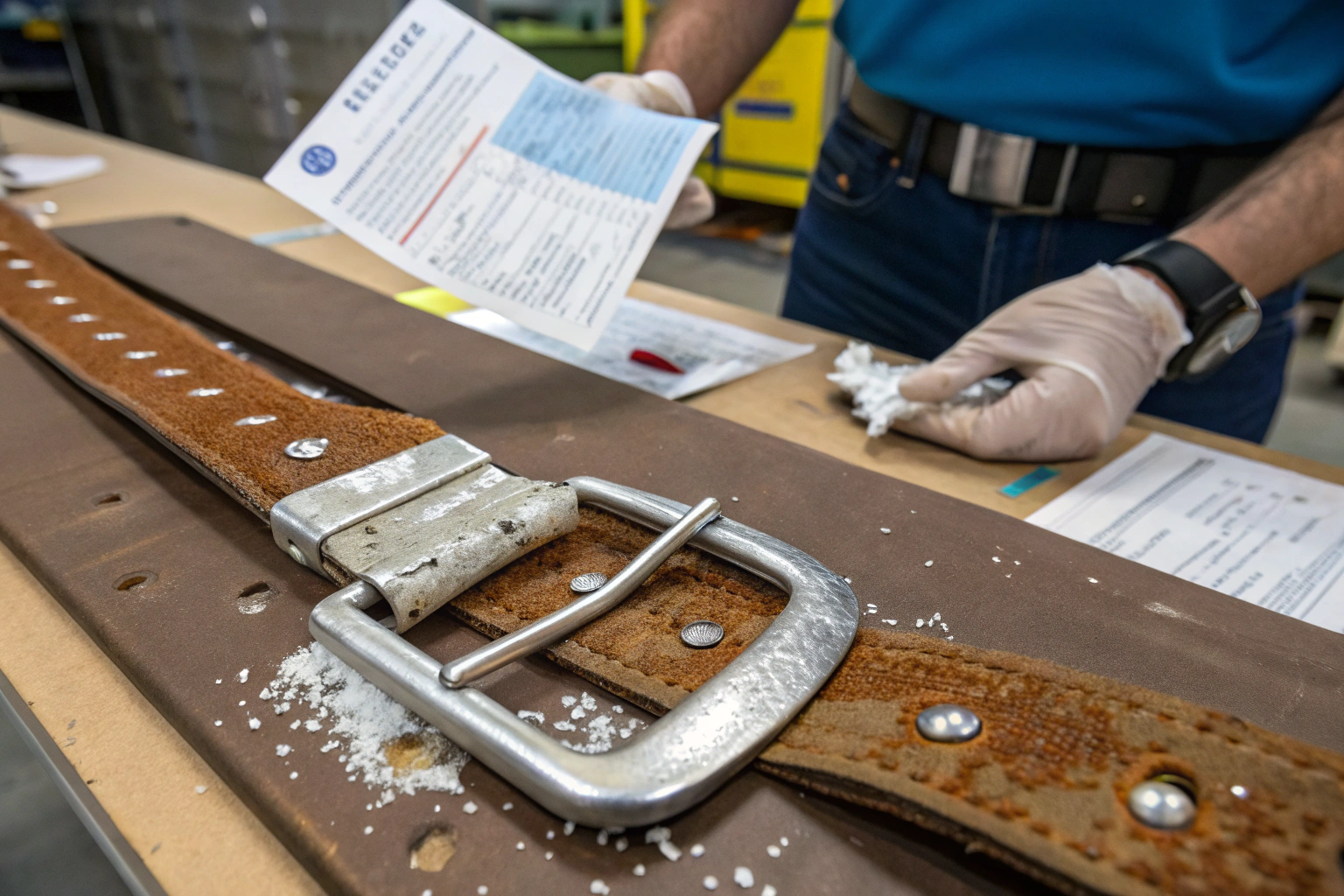
A menswear brand owner from Hamburg once sent me a photograph that made my stomach turn. It showed 2,000 belt buckles he had imported from another factory. They had spent 28 days in a container from Shanghai to Hamburg. When the container was opened, nearly 40% of the buckles were spotted with white corrosion and reddish rust. The factory had packed them in standard cardboard boxes with no anti-corrosion protection. No VCI paper. No silica gel. No protective coating. The sea air, the humidity, and the salty container atmosphere had eaten the metal. The brand owner filed an insurance claim. It was denied because the damage was ruled preventable through proper packing. He was out $15,000 and had no inventory for his launch.
To avoid salt damage on metal belt buckles during sea freight, you must use a combination of protective barriers: apply an anti-tarnish coating to the metal surface, wrap each buckle in VCI anti-rust paper, pack with silica gel desiccants inside sealed poly bags, and ensure the outer carton is moisture-resistant. The goal is to prevent salt-laden humid air from ever reaching the metal surface.
At Shanghai Fumao, we ship millions of metal belt buckles across oceans every year. Salt damage is a known enemy, and we have developed a systematic defense against it. Let me explain exactly how we protect your buckles from the moment they leave our polishing station to the moment they arrive at your warehouse.
Why Does Sea Freight Cause Salt Damage to Metal Buckles?
The ocean is a hostile environment for metal. The combination of salt, humidity, and temperature fluctuation inside a shipping container creates ideal conditions for corrosion. Understanding the science of what happens inside that metal box helps you appreciate why proper packing is not optional. It is essential.
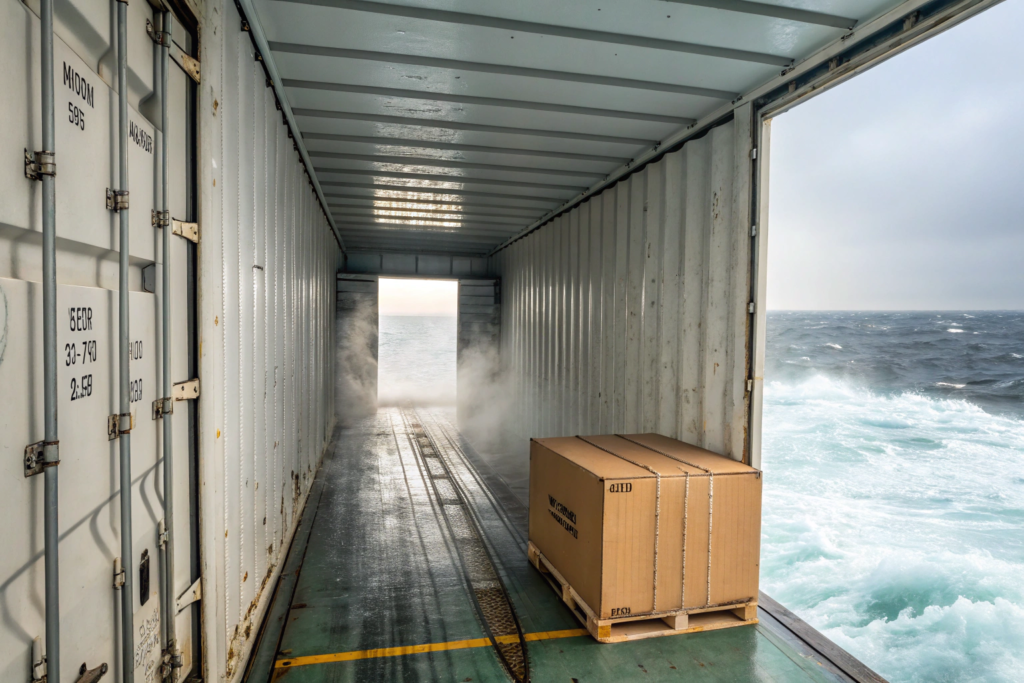
A shipping container is not a sealed, climate-controlled environment. It breathes. As the container moves from warm equatorial waters to cooler latitudes, the air inside expands and contracts. Moist, salt-laden air is drawn in through the ventilation openings. The salt particles in the air are highly hygroscopic, meaning they attract and hold water molecules. When salt particles land on a metal buckle, they create a localized environment where corrosion accelerates dramatically.
How Does Salt-Laden Humidity Corrode Metal During Transit?
The corrosion process on metal buckles during sea freight is electrochemical. Salt acts as an electrolyte. When salt particles settle on the metal surface and humidity provides the water, a tiny corrosion cell forms. Electrons flow between different points on the metal surface. The metal oxidizes. On zinc alloy buckles, this appears as white rust or pitting. On iron or steel components, it appears as red rust. On brass, it appears as a greenish tarnish.
The process is invisible during the early stages. A buckle that looks fine when unpacked may develop visible corrosion spots days or weeks later because the corrosion reaction began during transit and continued after arrival. This delayed appearance is particularly dangerous for brands because the damage may not be discovered until the product is on the retail shelf or, worse, in the customer’s hand. Understanding metal corrosion in marine environments is the first step to preventing it.
Why Is Standard Cardboard Packaging Insufficient Protection?
Standard cardboard is not a barrier. It is a sponge. Cardboard absorbs moisture from the container air and holds it against the product. The cardboard itself may contain acids from the manufacturing process that accelerate corrosion. When the cardboard becomes damp from the container humidity, those acids can leach onto the metal surface.
I have seen buckles packed in plain cardboard boxes with no inner protection arrive with corrosion patterns that perfectly match the cardboard’s contact points. The metal where the buckle touched the cardboard was corroded. The metal that faced away from the cardboard was less damaged. The cardboard had acted as a moisture reservoir pressed directly against the product. A proper packing strategy isolates the metal from direct contact with cardboard and creates a moisture-resistant micro-environment around the product. Professional sea freight packaging standards treat the shipping container as a hostile environment that the packaging must actively defend against.
What Surface Treatments Prevent Corrosion Before Packing?
The first line of defense against salt damage is applied before the buckle ever goes into a box. A surface treatment creates a physical barrier between the metal and the environment. This barrier must be invisible to the customer, durable enough to survive handling and transit, and effective against salt and humidity.
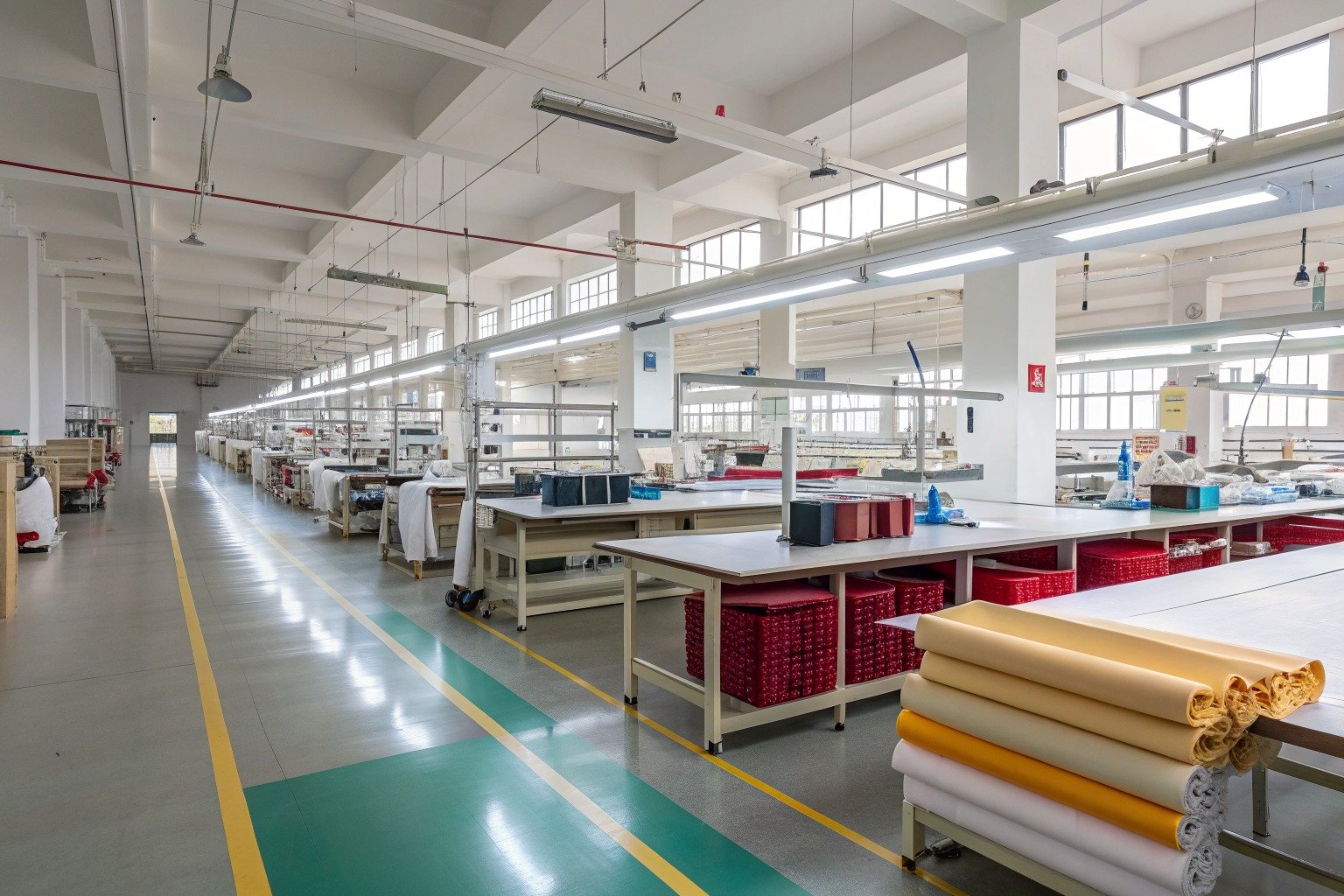
At our factory, every metal buckle receives a surface treatment appropriate to its material and finish. This is not a step we skip or rush. It is baked into our standard production process for all export orders, regardless of the shipping method. The small cost of the treatment is insurance against the much larger cost of a rejected shipment.
How Does a Clear Lacquer or E-Coating Protect the Metal Surface?
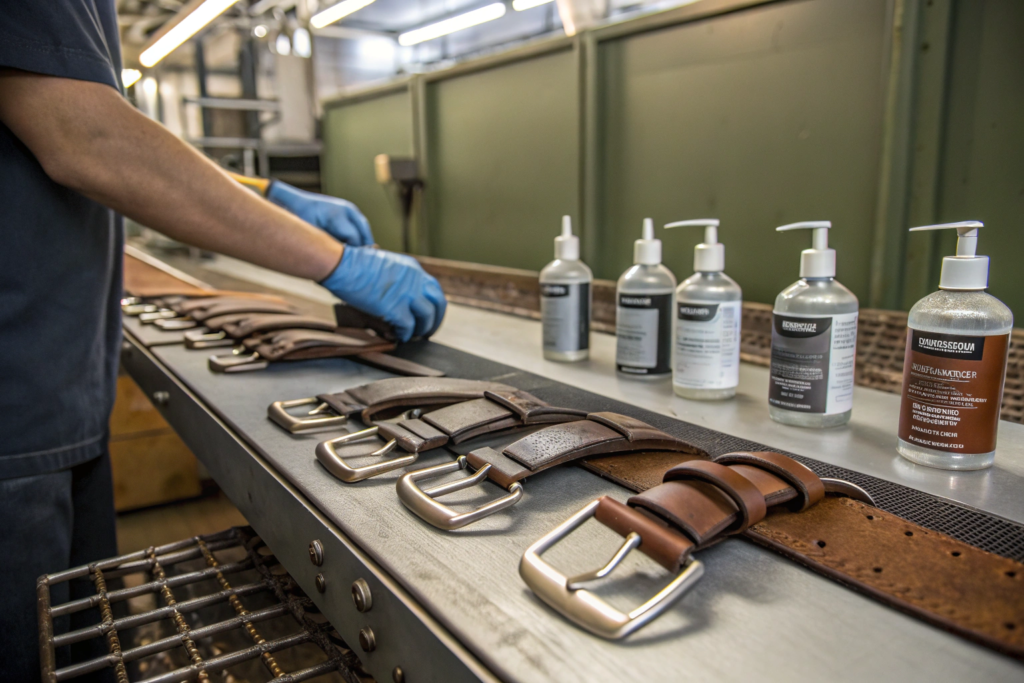
A clear anti-tarnish lacquer is the most common protective coating for fashion belt buckles. The lacquer is applied as a liquid, either by dipping or spraying, and dries to a transparent, hard film. The film blocks moisture and salt particles from reaching the metal. It also protects against fingerprint corrosion from handling during packing and retail display.
Electrophoretic coating, or e-coating, is a more robust option. The buckle is immersed in a bath of coating particles suspended in water. An electric current causes the particles to bond uniformly to the metal surface. The coated buckle is then baked to cure the finish. E-coating provides a thicker, more durable barrier than spray lacquer and reaches into crevices that spraying might miss. It is especially valuable for buckles with intricate engravings or complex shapes where corrosion can hide. For belt buckles destined for sea freight, we recommend a minimum of a clear lacquer finish and offer e-coating as a premium option for high-value or long-transit shipments. Understanding industrial metal coating technologies helps you specify the right protection level for your product.
What Anti-Tarnish Treatments Work for Different Metal Finishes?
The metal finish dictates the treatment choice. A polished brass buckle needs a lacquer that will not yellow over time. A nickel-plated buckle needs a coating that bonds well to the plating. A gold-toned buckle needs a treatment that will not alter the warm color of the gold.
For plated finishes, we use a water-based clear lacquer specifically formulated for electroplated surfaces. It is thin enough to preserve the reflective quality of the plating, but dense enough to form an effective moisture barrier. For antique or oxidized finishes, where the dark patina in recessed areas is part of the design, we use a matte lacquer that does not add unwanted shine. The lacquer is applied after the antiquing process to seal both the highlighted and recessed areas. For raw brass or copper buckles that are designed to develop a natural patina over time, we still apply a temporary protective coating that the customer can remove with a polish cloth. The coating protects during transit while preserving the option for natural aging. Professional metal finishing for fashion accessories requires matching the protection to both the base metal and the intended aesthetic.
What Packing Materials Create a Protective Micro-Environment?
Surface treatment is the first layer. Packing materials are the second and third layers. Together, they create a protective micro-environment around each buckle that keeps salt, humidity, and corrosive gases at bay for the entire duration of the sea voyage.
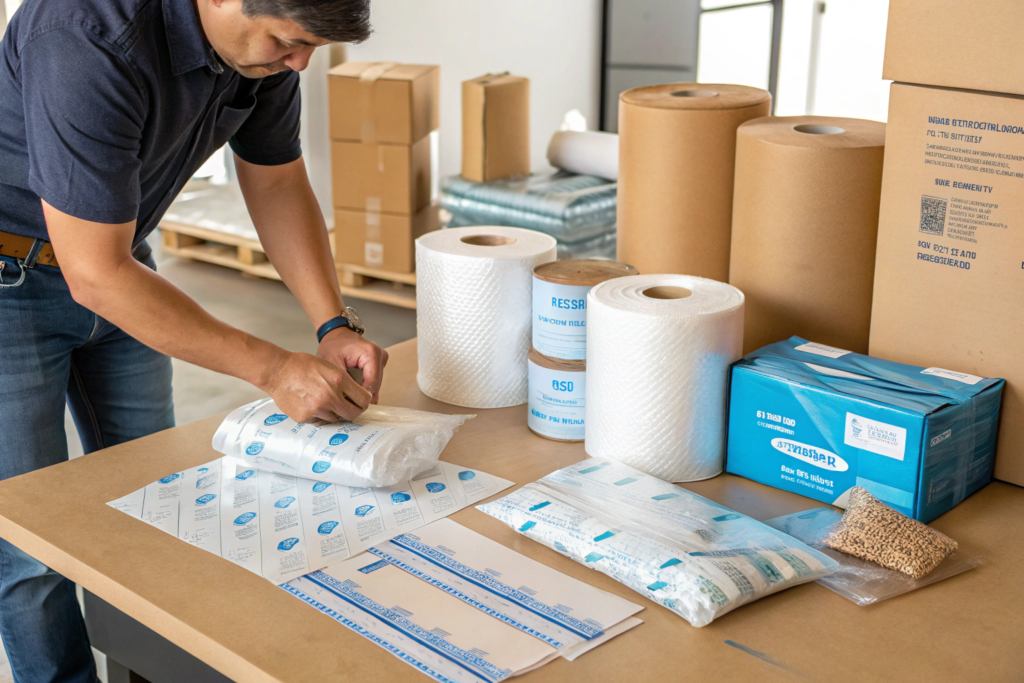
At Shanghai Fumao, we use a three-layer packing protocol for all metal accessories shipped by sea. The buckle receives a surface treatment. It is then wrapped in VCI paper and sealed in a poly bag with a silica gel packet. The poly bagged buckles are then packed in moisture-resistant export cartons. Each layer has a specific protective function, and none of the layers is optional.
How Does VCI Paper Chemically Inhibit Rust Formation?
Volatile Corrosion Inhibitor paper, commonly called VCI paper or anti-rust paper, is a chemically treated paper that actively prevents corrosion. It does not just block moisture. It emits invisible, odorless molecules that settle on the metal surface and form a molecular barrier that interrupts the electrochemical corrosion reaction.
When you wrap a buckle in VCI paper and seal it in a poly bag, the VCI molecules saturate the air inside the bag and protect every exposed metal surface, including the inside of buckle loops, the hinge mechanism, and any engraved recesses. The protection is active and continuous. As long as the bag remains sealed, the VCI continues to work. VCI paper is metal-specific. Some formulations are designed for ferrous metals like steel. Others are designed for non-ferrous metals like brass, zinc, and copper. We use a multi-metal VCI paper that protects all the metals commonly found in belt buckles, including the steel pin in the buckle mechanism. Using the correct VCI packaging technology is essential. The wrong formulation provides no protection or, in rare cases, can react negatively with certain metal finishes.
Why Are Silica Gel Desiccants and Sealed Poly Bags Necessary?
VCI paper protects the metal surface. Silica gel desiccants protect the environment inside the bag. Desiccants absorb moisture that enters the bag through imperfect seals or temperature-driven condensation. They keep the relative humidity inside the bag below the level at which corrosion can occur.
We use a specific gram weight of silica gel per bag based on the bag volume and the expected transit duration. A standard buckle bag gets a 5-gram desiccant packet. Larger bags with multiple buckles get proportionally more. The desiccant packet is always placed inside the sealed poly bag, not loose in the carton. A desiccant in the carton but outside the poly bag absorbs carton moisture but does not protect the buckles. The poly bag is heat-sealed, not taped or folded. A heat seal creates an airtight barrier. Tape and folds create leak paths for humid air. We also include a humidity indicator card in a sample of bags so the recipient can verify that the internal environment remained dry during transit. A blue indicator means the bag stayed dry. A pink indicator means moisture breached the seal. This simple check provides peace of mind or early warning of a packing failure. Understanding desiccant usage for export packaging ensures you are using the right amount in the right way.
What Outer Carton Choices Reduce Moisture Ingress During Transit?
The inner packing protects each buckle individually. The outer carton protects the entire shipment from the container environment. A weak outer carton undermines even the best inner packing. If the carton absorbs moisture and collapses, the poly bags may be crushed or torn, and the protective seal is broken.
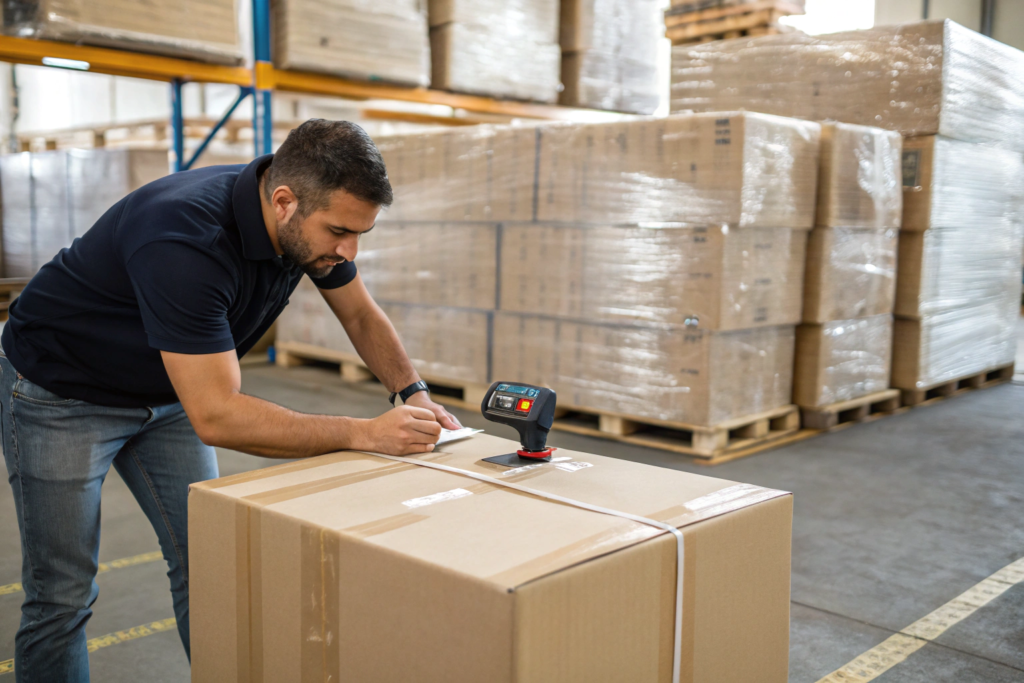
We use double-wall corrugated cartons for all sea freight shipments. Single-wall cartons are cheaper but provide less structural strength and less moisture resistance. The double-wall construction adds an extra layer of fluting and liner board, making the carton more rigid and more resistant to humidity-induced softening. The carton is sealed with reinforced water-resistant tape, not standard packing tape. The carton seams are taped both inside and outside to create a continuous moisture barrier.
Why Is Double-Wall Corrugated Carton Worth the Extra Cost?
The incremental cost of a double-wall carton over a single-wall carton is small, typically 20% to 30% more per carton. For a shipment of belt buckles, that might mean a few cents per unit. The cost of a single-wall carton collapsing in the container, spilling buckles, tearing poly bags, and exposing product to salt air is the total value of the carton’s contents plus the logistics cost of the mess.
Double-wall cartons resist the vertical compression of being stacked at the bottom of a container pallet. They resist the humidity that softens and warps single-wall board. They survive the handling at multiple transshipment points where cartons are unloaded, sorted, and reloaded. For high-value fashion accessories where presentation matters, a crushed carton that reaches the destination is a brand embarrassment, even if the product inside is undamaged. Professional export carton specifications should match the value and fragility of the product and the rigors of the shipping method.
How Do Container Loading and Dunnage Affect Moisture Exposure?
How the cartons are loaded into the container matters. Cartons should not be loaded directly against the container walls. The container walls are where condensation forms as temperatures change. A carton pressed against the wall absorbs that condensation directly. We leave an air gap between the cartons and the container walls, typically using pallets or dunnage to create a buffer zone.
Container desiccants, which are large desiccant packs hung on the container walls, absorb ambient moisture inside the container. They are a supplementary protection, not a replacement for individual product packing. We recommend container desiccants for long sea voyages, especially those passing through equatorial waters. We also place a humidity data logger inside the container to record temperature and humidity throughout the voyage. If a client reports moisture damage, the data logger tells us whether the container environment exceeded normal parameters. This data is valuable for insurance claims and for continuous improvement of our packing protocols. Professional container loading and moisture control practices protect your goods from the moment the container doors close.
Conclusion
Avoiding salt damage on metal belt buckles during sea freight requires a layered defense. It starts with a surface treatment, either a clear anti-tarnish lacquer or an e-coating, applied to the clean metal before packing. It continues with VCI anti-rust paper wrapped around each buckle to chemically inhibit corrosion. It adds silica gel desiccants sealed inside airtight poly bags to control the internal humidity. It finishes with moisture-resistant double-wall export cartons loaded correctly into the container with air gaps from the walls and container desiccants for ambient moisture control.
No single layer is sufficient alone. The combination works because each layer addresses a different point in the corrosion chain. Skip one layer, and the defense weakens. The surface coating protects the metal. The VCI paper protects the surface. The desiccant protects the environment. The carton protects the package. Together, they virtually eliminate the risk of salt damage, even on 35-day ocean voyages through equatorial waters.
At Shanghai Fumao, this packing protocol is standard for all metal accessory shipments by sea. We do not ask our clients to specify it. We do not charge extra for it. It is built into our production and packing process because we have learned, through decades of exporting, that preventing corrosion is infinitely cheaper and easier than compensating for corroded goods.
If you have experienced salt damage on imported belt buckles and you are looking for a factory that takes corrosion prevention as seriously as you do, please contact our Business Director Elaine at elaine@fumaoclothing.com. She can explain our full protective packing protocol, provide photos of our packing process, and ensure your next shipment of metal accessories arrives in the same pristine condition it left our factory.