
You feel the first biting wind sweep across a frozen Lake Michigan parking lot in late November. You pull your old synthetic trapper hat down over your ears. The faux fur trim feels crunchy from years of dryer heat. The ear flaps press awkwardly against your jaw because the cheap wire inside bent out of shape. Your head stays warm, barely, but you look like a relic from a 2014 ice fishing trip. The 2026 Midwestern winter consumer walks into a Fleet Farm, a Scheels, or a downtown Chicago boutique expecting something completely different: a trapper hat that performs like technical winter gear while looking sharp enough for a dinner out on a snow-covered Milwaukee street.
The 2026 trapper hat trends for US Midwest winters revolve around three core upgrades: genuine shearling shearling-lined ear flaps and forehead bands sourced from regenerative ranches for extreme cold down to minus 30 Fahrenheit, waxed cotton and recycled canvas outer shells that shed sleet without crinkling loudly, and integrated tech-compatible features such as a hidden Bluetooth headphone pocket and a moisture-wicking merino liner that prevents sweat-induced forehead acne during long commutes.
The trapper hat is no longer just a novelty souvenir from a Minnesota gas station. It is a serious piece of winter survival gear that competes directly with high-end ski beanies and technical balaclavas. I want to break down the materials, the fit engineering, and the specific features that Midwestern retail buyers are demanding from our Zhejiang production line for the 2026-2027 winter season.
Why Is Genuine Shearling Lining Making a Comeback Over Synthetic Fur?
Synthetic faux fur served a purpose when price was the only driver. It looks fuzzy on a retail shelf but fails catastrophically in the specific conditions of a Midwest winter. Synthetic fibers do not breathe. The wearer’s forehead sweats during a brisk walk from the parking ramp to the office. The moisture condenses inside the fur layer, freezes into tiny ice crystals against the skin, and creates a cold, clammy microclimate that accelerates heat loss.
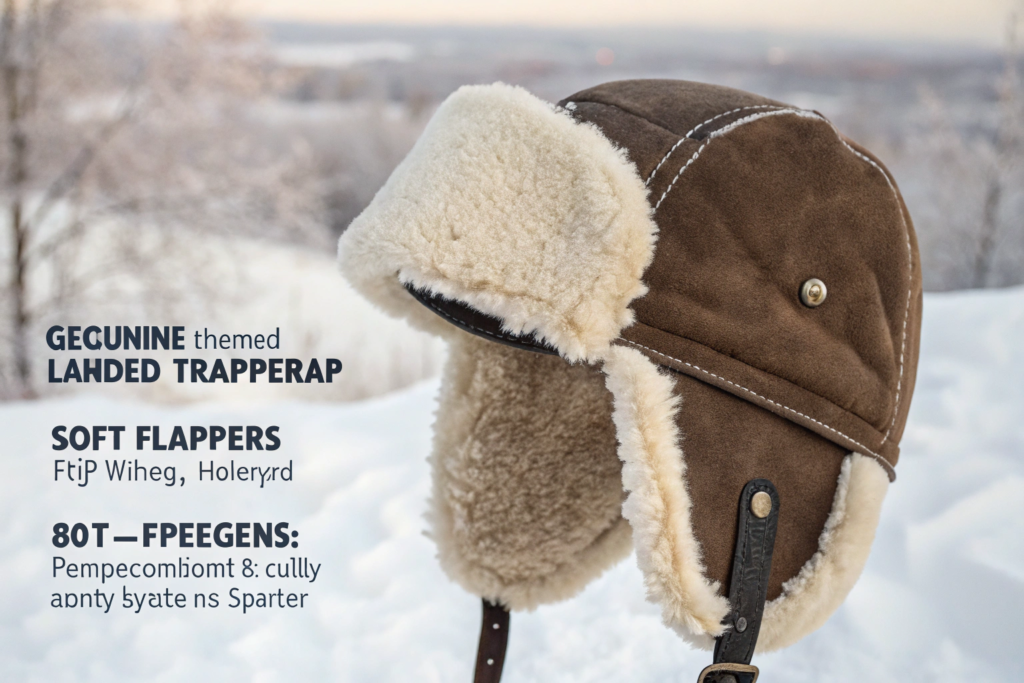
Genuine shearling is making a comeback because it is a natural hollow-core fiber that wicks moisture vapor away from the skin and retains its insulating loft even when absorbing up to 30 percent of its weight in water. A shearling-lined trapper hat ear flap stays soft and pliable at minus 30 Fahrenheit, while synthetic fur stiffens into a frozen, crunchy board that no longer compresses against the ear to form a wind seal.
We source our shearling from a tannery in New Zealand that processes hides from regenerative farms. The wool length is trimmed to a consistent 18 millimeters for the ear flap lining, dense enough to trap warm air without creating excessive bulk that prevents the wearer from hearing traffic noise. This material choice also aligns with the growing "buy it for life" consumer movement in the Midwest, where a $90 shearling-lined trapper hat is viewed as a once-per-decade purchase.
How does shearling naturally resist odor compared to polyester faux fur?
Shearling contains lanolin, a natural wax produced by sheep sebaceous glands. Lanolin is mildly antimicrobial and prevents the bacteria that cause the sour, musty smell in synthetic hat linings after a winter of daily wear. A shearling-lined trapper hat can go an entire season without washing and smell neutral. The consumer simply airs it out overnight, and the lanolin continues working.
Does real shearling still regulate temperature when worn indoors?
Yes, and this is a crucial advantage. A Midwestern commuter walks into a heated train car wearing the trapper hat. The shearling’s natural crimp structure opens up when warm, releasing excess heat and preventing the sudden head sweat that soaking a beanie liner. When the wearer steps back onto a frozen platform, the fibers crimp back and trap heat. This adaptive insulation cycle is physically impossible for a solid polyester pile.
What Waxed Canvas Shell Materials Are Replacing Nylon Ripstop?
Nylon ripstop dominated winter hats for two decades. It is lightweight and cheap to produce. But it makes a loud crinkling noise every time the wearer turns their head, which is a sensory annoyance during a quiet ice fishing sit or a night at a high school football game. The 2026 market is shifting toward quieter, more tactile shell materials that look better with age.
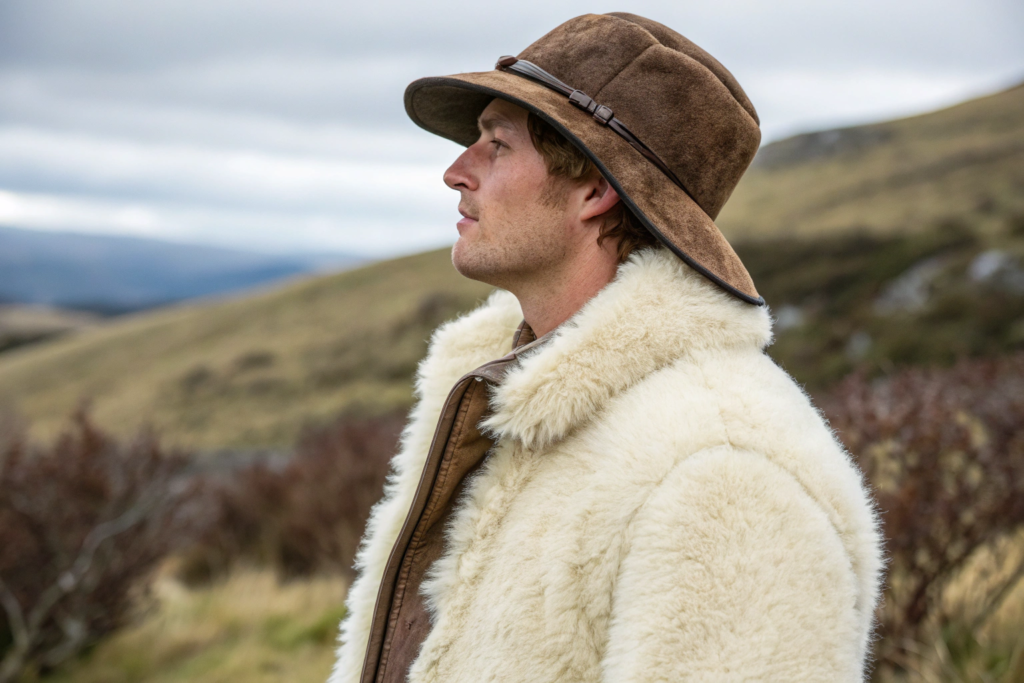
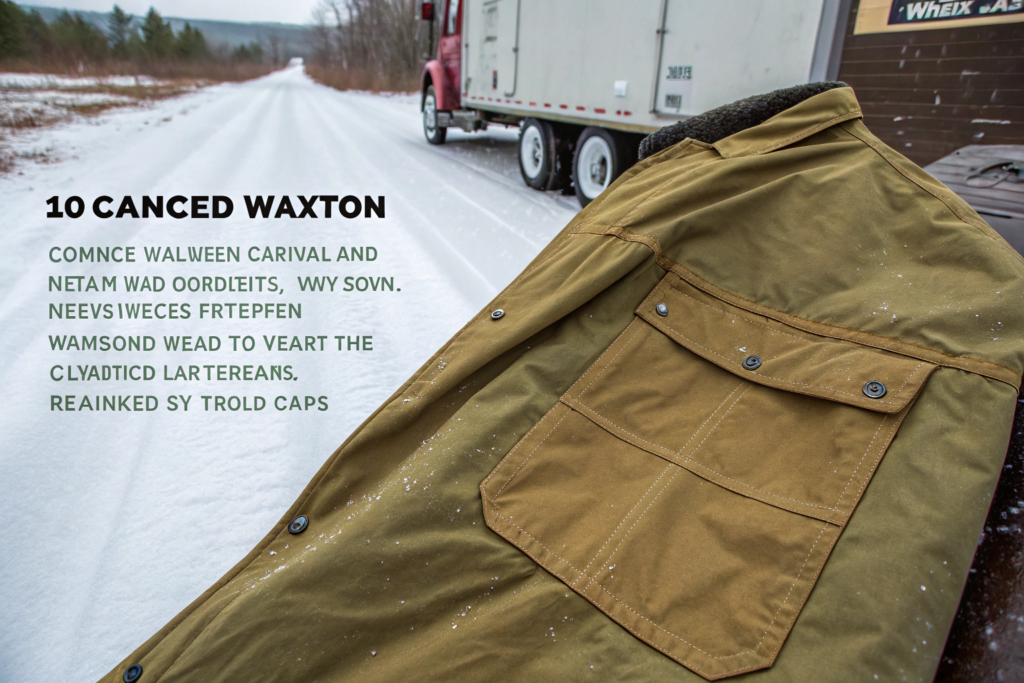
Waxed cotton canvas in 10-ounce weight is replacing nylon ripstop as the preferred outer shell because it is completely windproof, dead silent when flexing, and develops a unique patina over years of wear that tells a personal story. The wax coating sheds sleet and wet snow instantly, and the fabric breathes enough to prevent internal condensation when the wearer transitions between cold outdoors and heated truck cabs.
We use a dry-finish waxed cotton from British Millerain, applied via a hot-roll process that forces the wax into the cotton fiber core, not just coating the surface. This deep impregnation means the waxed shell withstands dozens of freeze-thaw cycles without the wax cracking or turning white. The shell is cut on the bias for the crown panels, giving the winter hats a slight natural stretch that hugs the head without relying entirely on the elastic adjustment band.
How does the waxed cotton shell perform in a wet, heavy lake-effect snow?
Lake-effect snow off Lake Superior or Lake Michigan is dense and wet, almost like falling slush. Nylon ripstop eventually saturates at the seams. The waxed cotton seams are double-stitched and sealed with a wax-based seam tape that melts slightly under the heat of a home iron during re-proofing, fully regenerating the waterproof barrier. The consumer can rewax the hat at home with a tin of reproofer, extending its life to a decade or more.
What sustainability story does recycled canvas bring to the retail floor?
We offer a recycled cotton canvas shell option for sporting goods chains with strict sustainability mandates. The canvas is woven from pre-consumer cotton waste collected from cutting-room floors in denim factories. The fiber is respun and woven into a 12-ounce canvas, then waxed with a plant-based candelilla wax. The hangtag attached to the hat tells the waste-reduction story, which significantly boosts the conversion rate at the retail shelf.
What Integrated Tech Features Are Midwest Buyers Requesting for 2026?
The Midwest winter consumer lives a connected life. They walk the dog before sunrise while listening to a podcast. They plow the driveway while taking a work call. Fumbling with wired earbuds under a trapper hat is a frozen-finger nightmare. The 2026 trapper hat must accommodate wireless technology without visual clutter.
Midwest buyers are requesting a hidden, zippered mesh pocket integrated into the right ear flap lining that holds a single wireless earbud or a flat Bluetooth headphone module. The pocket is invisible from the outside, lined with fleece to prevent battery drain from cold, and placed precisely behind the ear canal position so the user can tap the earbud’s touch control through the fabric without removing the hat.
We prototyped this pocket with a major Midwest sporting goods chain’s private label team. The pocket opening uses a water-resistant YKK AquaGuard zipper with a small rubber pull tab that can be operated with thick ski gloves. The interior cable passthrough channel routes a charging cable discretely to the back neckline.
How does the merino liner wick away sweat during long commutes?
The internal forehead band receives the most sweat contact. We replaced the standard polyester fleece forehead liner with a 200GSM merino wool terry loop knit. Merino pulls sweat into the fiber core via capillary action before it pools on the skin, keeping the forehead dry and preventing the blocked pores that cause "hat acne." The merino liner is removable via a hidden snap tape for easy washing.
Are there heating element versions for extreme sub-zero conditions?
Yes, we have developed a battery-heated ear flap version for the extreme cold segment serving ice fishers and snowmobile riders. A thin carbon fiber heating pad stitched between the shearling and the outer shell in each ear flap connects to a small USB-C power bank stored in a zippered pocket at the back of the neck. Three heat settings are controlled by a button sewn under the crown fabric. The entire system weighs 80 grams and provides active heat for 4 hours on a single charge.
What Fit Adjustments Prevent the "Mushroom Head" Silhouette in 2026?
The classic trapper hat suffers from a proportion problem. The crown is too tall and too wide, creating a mushroom-like, comical silhouette that younger consumers reject. The 2026 trapper hat must fit closer to the skull, more like a fitted baseball cap or a sleek beanie, while still accommodating the ear flap bulk.
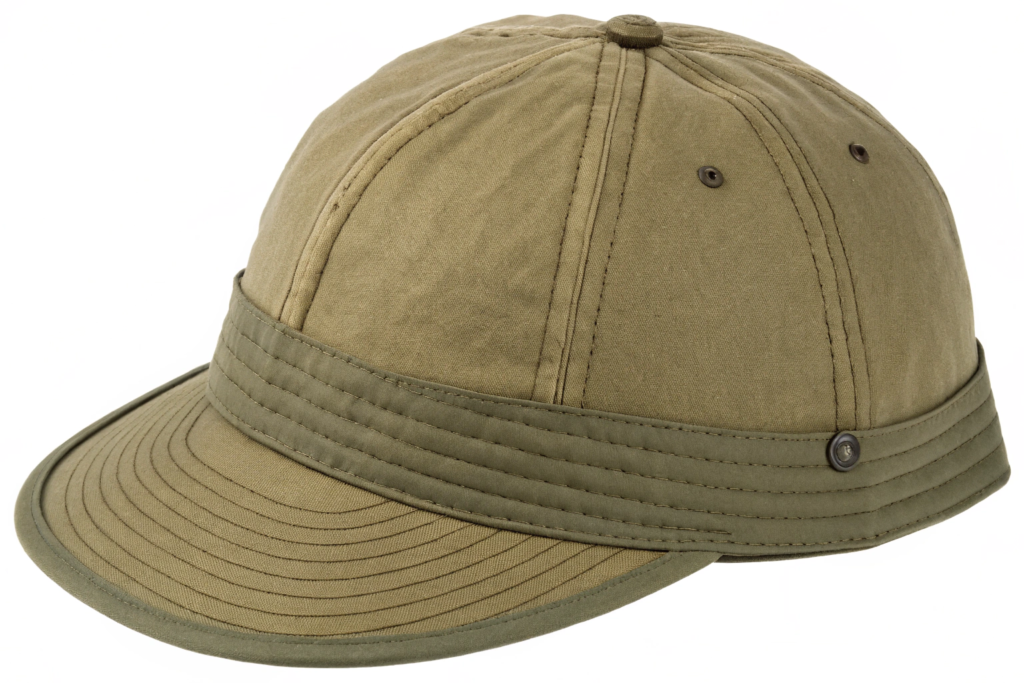
We prevent the mushroom head silhouette by lowering the crown height to 11 centimeters from the traditional 14 centimeters, tapering the side panels inward at a 5-degree angle, and using a lightweight Thinsulate insulation layer that provides equivalent warmth to bulky polyester batting at half the loft. The overall fit reads more like a structured military cap than an oversized novelty hat.
The ear flaps themselves are engineered to lie flat against the cheek when tied up, not flare outward like wings. We use a thin, flexible aluminum wire insert sewn into the tie channels that can be shaped precisely to the jawline and holds its curve. The tie closure uses a paracord-style flat woven cord with a leather-look vegan toggle, not a dangling pompom.
How does the reduced crown volume affect the insulation rating?
Thinsulate Platinum Insulation rated at 100 grams provides a CLO value of 2.5, equivalent to 200-gram polyester batting. By switching to a higher-efficiency insulation, we maintain the minus 30 Fahrenheit rating while slashing the crown loft by 50%. The hat is warmer in a smaller package, which is the holy grail of modern winter gear design.
What sizing options accommodate a range of head shapes?
We offer a regular size fitting 56 to 58 centimeters and an XL size fitting 59 to 61 centimeters, measured at the brow circumference. An adjustable elastic shock cord hidden inside the back neck seam provides micro-adjustment within each size. The ear flap connection point is reinforced with flat-lock stitching to prevent tearing when a large head stretches the flaps to their maximum length.
Conclusion
The 2026 trapper hat for Midwest winters is a fusion of heritage materials, modern insulation technology, and integrated smart features. It trades the crinkly nylon and synthetic fluff of the past for quiet waxed canvas, skin-friendly merino, temperature-regulating shearling, and a Bluetooth pocket that actually works through thick gloves. The silhouette is refined and close-fitting, shedding the novelty gift shop look for a serious winter tool that looks appropriate from the deer stand to the bar seat.
Our Zhejiang factory sources the shearling directly from certified tanneries, cuts the waxed canvas on the bias, and installs the Thinsulate and merino liners in a dedicated winter headwear assembly line. We understand the specific demands of the Midwest consumer because we ship to their retailers every season.
If you are a brand or a retail chain planning a 2026-2027 trapper hat program for the US Midwest, do not settle for a generic catalog option. Contact our Business Director, Elaine. She will send you a sample trapper hat with the shearling lining, the waxed shell, and the hidden earbud pocket, ready for your wear testing. Write to her at elaine@fumaoclothing.com. Let’s keep the Midwest warm and connected all winter long.