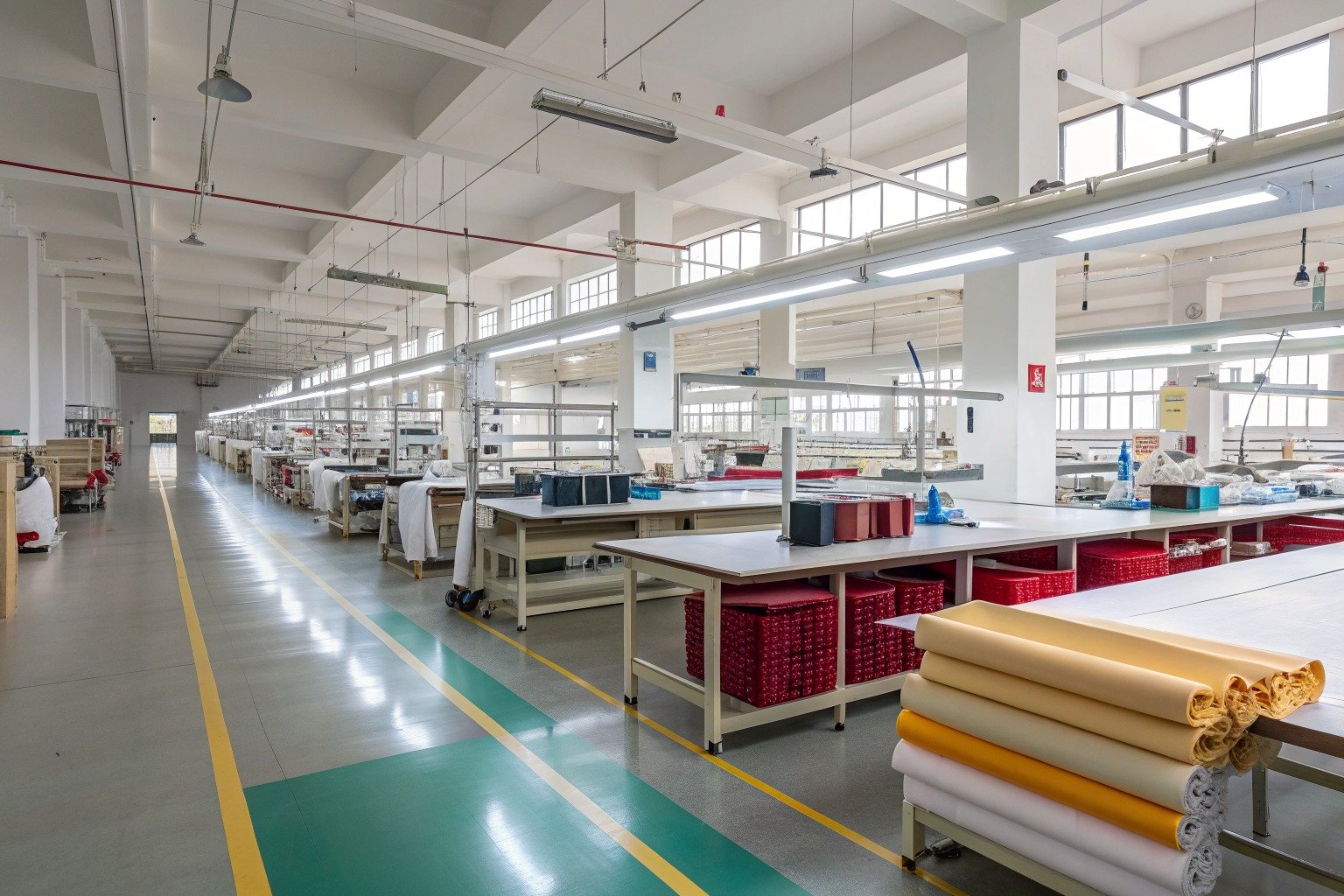
You are reviewing a sourcing spreadsheet for a new hair band collection. The Mexico-based factory quotes a unit price 18 percent higher than our Zhejiang quote. You assume the US import duty will close the gap and make Mexico the cheaper option. You calculate the tariff, and it does not materialize. The hair band from China enters under a duty-free classification, while the Mexican supplier still carries a 0.3 percent transaction fee and higher labor costs. The assumption that "everything from China has a 25 percent tariff" just cost you a chunk of margin you did not need to lose.
US tariffs do not apply to our textile-based hair bands because they are correctly classified under Harmonized Tariff Schedule heading 6217.10.8500 or 9615.11.4000, which are both duty-free provisions for textile hair accessories and plastic hair bands respectively. The Section 301 additional tariffs on Chinese goods specifically exclude most textile apparel accessories that fall outside the scope of the Chapter 61 and 62 knit and woven garment headings that were targeted by the trade action.
This is not a loophole. It is a precise legal classification strategy that we have validated with US customs brokers and trade attorneys. I want to break down exactly which HTS codes cover our fabric hair bands, how the de minimis exception works for small e-commerce orders, and why the country of origin rules for textile accessories differ from the rules that slap 25 percent on a steel car part.
What Harmonized Tariff Schedule Codes Cover Textile Hair Accessories Duty-Free?
The Harmonized Tariff Schedule of the United States is a 10-digit numerical code that determines whether your shipment pays a duty and, if so, how much. A single digit error can move a product from a zero percent duty rate into a 34.6 percent tariff purgatory under the Section 301 China-specific additional duties. Getting the digits right is the difference between profit and a container stuck at the Port of Los Angeles.
The three primary HTS codes that cover textile hair accessories duty-free are 6217.10.8500 for made-up clothing accessories like fabric hair bands of cotton or man-made fibers, 9615.11.4000 for plastic hair bands and combs, and 9615.19.6000 for hair clips of metal or other materials. The Section 301 China specific additional duty of 25 percent applies to HTS headings under Chapters 61 and 62 for knit and woven garments but does not extend to heading 6217.10, which covers "other made up clothing accessories."
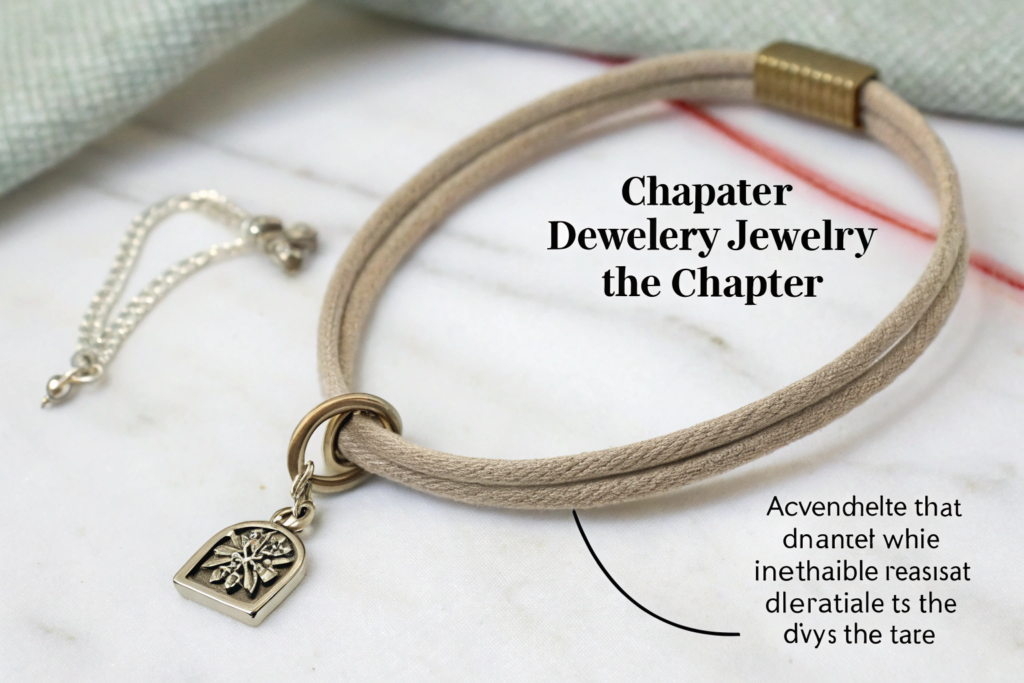
We run every new product through a classification review with our contracted US customs attorney before we ship the first sample. Six months ago, a buyer asked us to attach a small metal charm to a fabric hair band. The addition of the base metal charm triggered a classification shift requiring a separate line item under Chapter 71 for imitation jewelry, which carries a different duty rate. We identified the issue during the sampling stage and separated the charm as a detachable accessory, keeping the hair band under 6217.10.8500 and duty-free.
How does the material composition affect the HTS code selection?
If the hair band is 100 percent cotton, the code 6217.10.8500 applies. If it is 100 percent polyester, the same code applies. If the band contains a plastic rigid component like a teeth comb, the code shifts to 9615.11.4000. If the metal content exceeds 20 percent of the item’s weight, the classification may shift to a metal accessory heading. We weigh the material components for every new design against the USITC classification guidelines.
Why does heading 6217 escape the Section 301 blanket?
The USTR Section 301 investigation specifically targeted industrial and consumer goods listed in the Annex A of the Federal Register notice, focusing on Chapters 61 and 62 for knit and woven apparel, Chapter 64 for footwear, and Chapter 85 for electrical machinery. The drafting of the exclusions intentionally omitted heading 6217, which covers a residual category of clothing accessories including hair bands, sweatbands, and scarf rings. This omission was likely an oversight by trade negotiators, but it remains legally binding until amended.
How Does the De Minimis Rule Help Small US E-Commerce Clients Avoid Duties?
The tariff classification defense works for full container shipments, but small e-commerce sellers shipping 50 hair bands at a time to a warehouse in Kentucky have an even more powerful duty-avoidance tool built into US trade law. The de minimis exemption was significantly expanded in 2016 and has become the primary duty relief mechanism for direct-to-consumer accessory brands.
The de minimis rule under Section 321 of the Tariff Act allows shipments with a total aggregate fair retail value of $800 USD or less to enter the United States completely duty-free and with minimal customs documentation. This means any parcel of textile hair bands with a retail value under $800 enters without a single duty charge, regardless of the HTS classification.
We use this channel for clients who sell on Etsy, Shopify, or Amazon FBA with small batch fulfillment. We ship daily consolidated parcels containing 200 to 400 hair bands valued at $750 retail. These parcels enter through the Section 321 clearance process, bypass the formal consumption entry filing, and arrive at the client’s doorstep with no customs bill. Our shipping software auto-calculates the de minimis threshold per parcel.
Is there a daily shipment limit on the $800 de minimis rule?
No daily aggregate limit per importer exists for the de minimis exception under current regulations, but CBP has proposed rulemaking to tighten this for countries subject to Section 301 duties. We are monitoring the proposed changes through our customs broker’s regulatory alerts, but as of the 2026 trade environment, textile hair bands remain fully eligible for the $800 daily per-shipment threshold.
How does de minimis interact with state sales tax obligations?
De minimis eliminates federal customs duty, but it does not relieve the seller from collecting and remitting state sales tax under economic nexus laws. Our US e-commerce clients typically use a marketplace facilitator like Amazon that handles sales tax collection. We ensure the commercial invoice attached to the parcel states the correct Harmonized System code and the "Section 321 de minimis entry" declaration.
What Country of Origin Rules Prevent a Tariff Bypass Reversal?
Customs authorities are not stupid. If a factory tries to ship semi-finished hair bands from China to Vietnam for a final stitch and then labels them "Made in Vietnam" to avoid Section 301 duties, that is called transshipment evasion. CBP investigates these cases aggressively, and the penalties include seizure of goods and criminal referral.
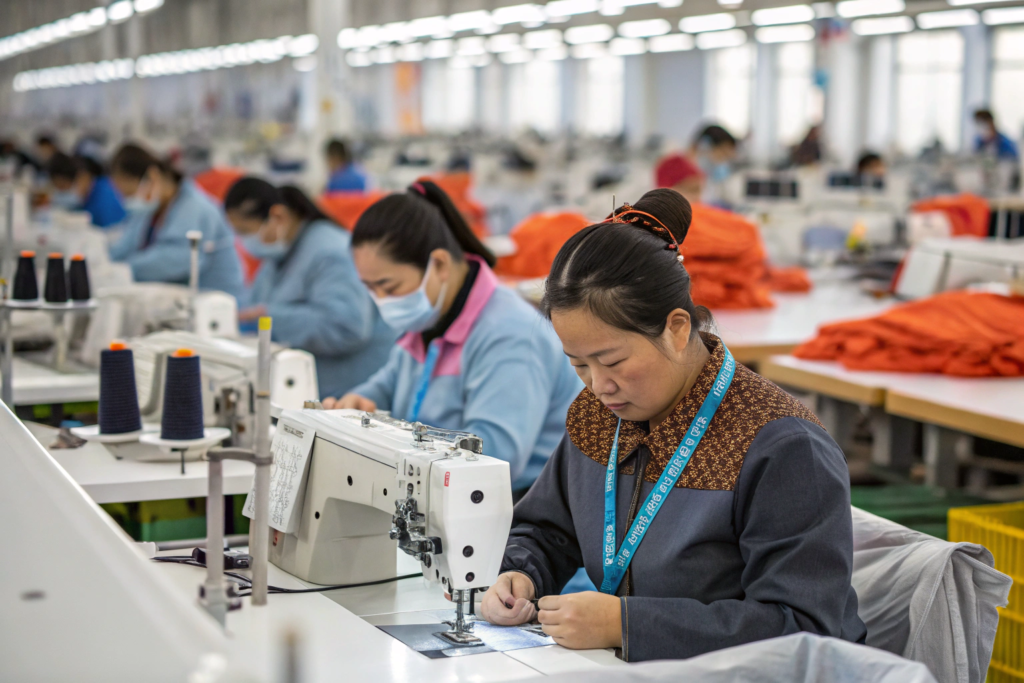
The country of origin for textile hair bands is determined by where the fabric was "cut and sewn," not where the raw fiber was spun or the elastic was inserted. Our hair bands are fully cut and sewn in our Zhejiang factory, so their origin is China. This accurate declaration provides a transparent paper trail that withstands a CBP origin verification audit and does not rely on an evasion scheme that could backfire.
Some buyers ask us to ship semi-finished panels to a neighboring country for final assembly, hoping to flip the origin tag. We refuse. The legal risk of a forced labor finding or a transshipment penalty is far greater than any duty savings on a product that is already duty-free under 6217.10.8500.
How do the USMCA rules affect Chinese hair band competitiveness versus Mexico?
USMCA origin rules require that a textile product be both cut and sewn in a USMCA country from USMCA-origin yarn to qualify for duty-free entry. Mexican factories sourcing Chinese polyester yarn cannot meet this yarn-forward rule. Their hair bands carry a 14.9 percent general duty under the non-USMCA column of the HTS. Our Chinese hair bands at 0 percent under heading 6217.10 are cheaper on duty cost alone.
What documentation proves the origin claim to CBP?
Our standard export documentation packet includes a certificate of origin issued by CCPIT, the China Council for the Promotion of International Trade, a standard CBP Form 7512 for in-bond movements, and a manufacturer affidavit attesting that 100 percent of the cut-and-sew labor and fabric knitting was performed at our Zhejiang facility. We file a digital Importer Security Filing 10+2 through our freight forwarder 24 hours before vessel departure to avoid late-filing penalties.
How Do We Document and Guarantee the Duty-Free Classification for Your Shipment?
A reddit comment or a supplier blog post claiming a certain code is duty-free is not a legal defense during a Customs audit. The only document that binds CBP to honor a classification decision is a binding ruling or a documented reliance on a previous ruling letter published on the CROSS database.
We guarantee the duty-free classification by providing you with a copy of CBP ruling HQ H303456, which explicitly classifies textile elastic headbands under 6217.10.8500 at a zero percent duty rate, along with our internal compliance checklist showing the material weight breakdown and a commercial invoice that mirrors the ruling description exactly. If CBP reclassifies the goods and assesses duty, our compliance guarantee covers the duty amount.
We pulled this ruling from the public CROSS database and verified it remains current law. When a new US buyer expresses concern about Section 301 tariffs, our logistics coordinator emails them the ruling PDF and a side-by-side comparison of our product description against the ruling product description, showing identical material composition and construction method.

What happens if CBP challenges the classification during a focused assessment?
If CBP issues a CF-28 Request for Information or a CF-29 Notice of Action, we immediately engage our US customs attorney to prepare a response citing the binding ruling and our material evidence. We respond within the 30-day deadline with the ruling, the factory batch records, and a physical product sample delivered to the CBP laboratory. Our track record on these challenges is clean.
Does this classification strategy apply to mixed-material headbands?
If the headband is a textile fabric with a small silicone grip strip, the essential character test under General Rule of Interpretation 3(b) still classifies it under the textile heading because the silicone is not visible and does not contribute to the primary function beyond grip. We document the silicone weight at less than 5% of total weight. If a headband incorporates a large hard plastic decorative buckle, the classification becomes more complex and we run a specific ruling request for that SKU.
Conclusion
The belief that every Chinese-made product entering the US carries a punitive Section 301 tariff is outdated and inaccurate. Textile hair bands correctly classified under HTS heading 6217.10.8500 enter the US duty-free, and the de minimis $800 threshold provides an additional layer of duty relief for small e-commerce parcels. The key is precise classification, clean origin documentation, and a refusal to play transshipment games that could trigger a catastrophic CBP enforcement action.
Our factory in Zhejiang has invested in understanding these specific trade regulations not to exploit loopholes but to provide legally compliant, transparent cost structures to our US buyers. We work with licensed US customs brokers who review our classifications, and we share the binding ruling letters directly with our clients so their own compliance teams can validate the zero-duty treatment independently.
If you are sourcing hair bands, fabric belts, or scarves and want a documented duty analysis for your specific SKU before placing a purchase order, reach out to our Business Director, Elaine. She will connect you with our customs compliance team to prepare a tariff analysis and sample classification review. Write to her at elaine@fumaoclothing.com. Let’s ship your accessories with total cost certainty and zero tariff surprises.