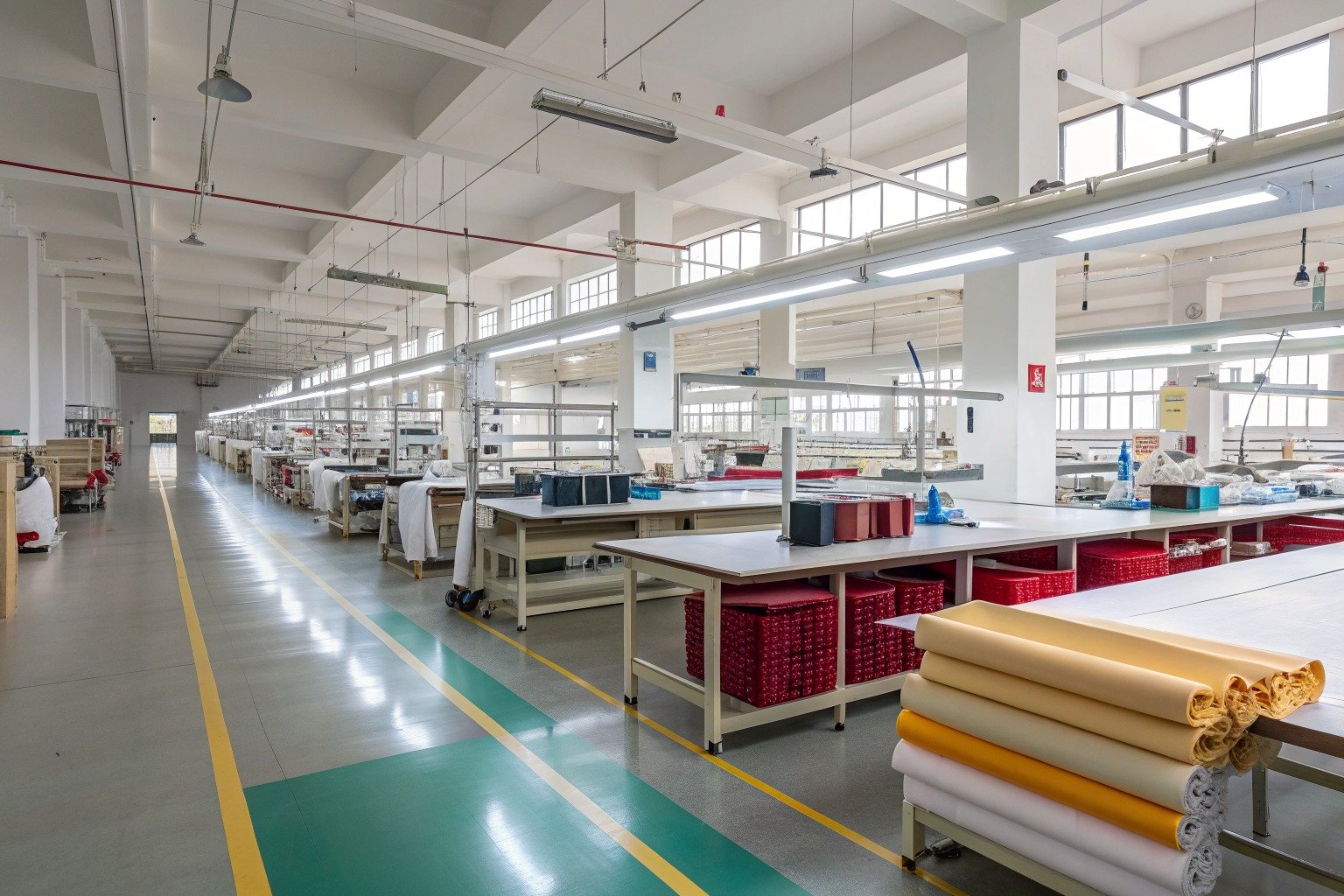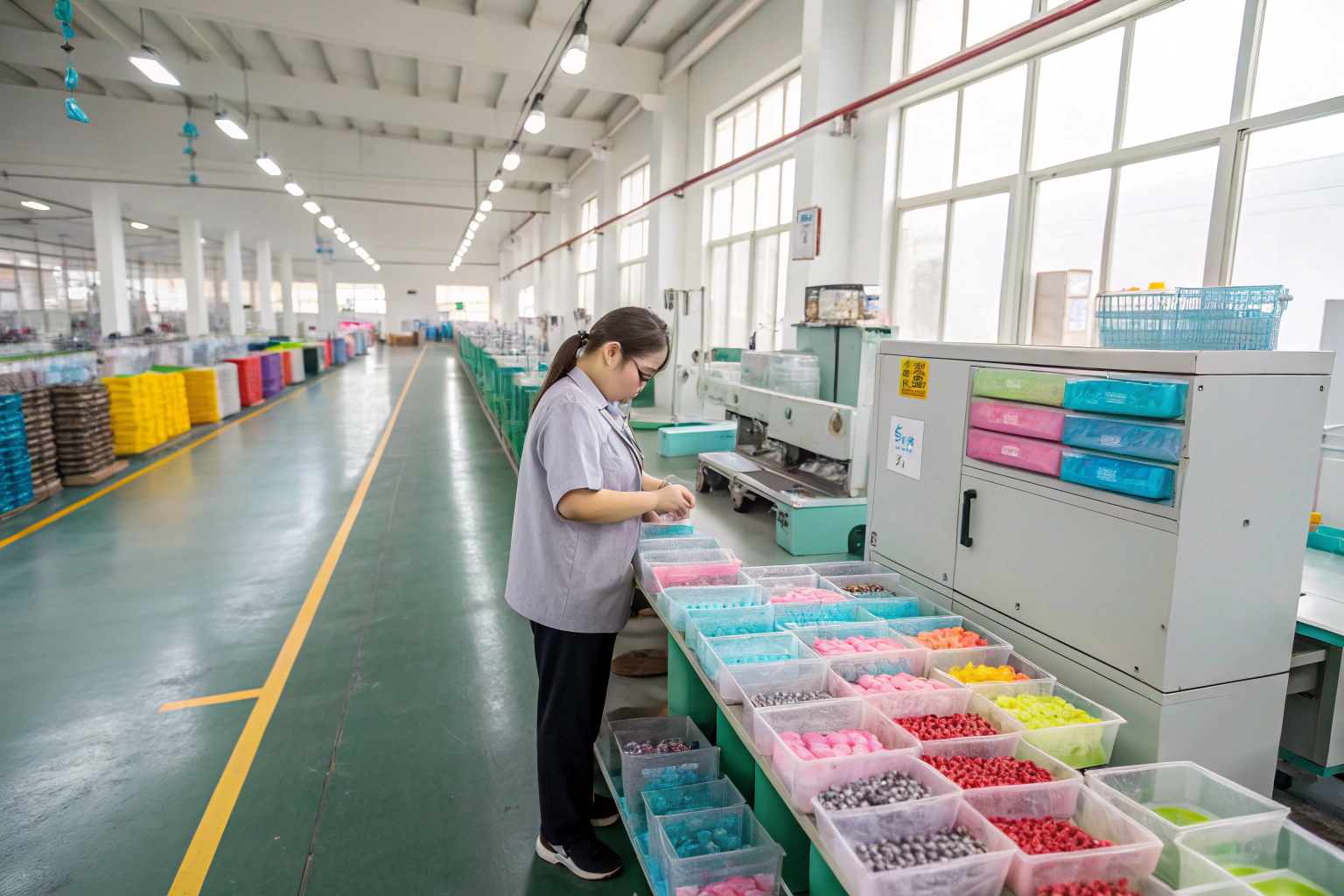
You type "hair accessories manufacturer" into Google. A hundred results pop up. You click through ten websites. Every factory claims to be the best. They show photos of hair clips, belts, umbrellas, socks, and Christmas decorations all on the same homepage. You call one. The salesperson sounds smooth but cannot answer a simple question about acetate spring tension. You realize you are talking to a general trading company that buys hair clips from a random subcontractor and sells them to you with a 15% markup and zero technical knowledge.
The best way to find a factory that specializes in hair accessories only is to bypass general search engines and go directly to verified industry-specific platforms, physical trade show directories, and professional sourcing networks where you can filter by verified product category specialization and audit a factory’s actual production line footage showing exclusively hair clips, hair bands, and hair claws running on the floor, not mixed in with socks and plastic cups.
A specialist factory has a completely different machine park, material inventory, and technical skill set from a generalist. I want to show you exactly where these specialists hide online, what questions to ask in the first five minutes of a call to expose a fake specialist, and how to physically verify that hair accessories are the core business, not a side hustle.
Why Is a Dedicated Hair Accessory Specialist Better Than a General Factory?
A factory that makes belts in the morning, umbrellas in the afternoon, and hair clips as a third-line filler will never master the invisible technical details that separate a comfortable hair claw from one that snags and snaps. The metal spring temper, the acetate curing time, and the polishing grit for a seamless resin edge are all hair-accessory-specific knowledge that accumulates over decades of doing one thing.
A dedicated hair accessory specialist is better because they have invested their entire machine park in narrow-purpose equipment like automatic spring coil inserters, acetate compression molds, and multi-cavity injection machines optimized for the small, precise tolerances of hair clips, not the wide tolerances of bag buckles. Their design team has a library of 500-plus hair clip molds and understands the grip geometry for fine hair versus thick curly hair.
I saw the difference firsthand visiting a specialist hair clip factory in Yiwu fifteen years ago. The owner had a dedicated climate-controlled room just for acetate sheet storage. Acetate absorbs moisture. If it sits in a humid warehouse, it warps during cutting, and the clip teeth never align perfectly. A general belt-and-bag factory would store acetate next to the cowhide rolls and wonder why the hair clips keep warping after shipping. The specialist knows.
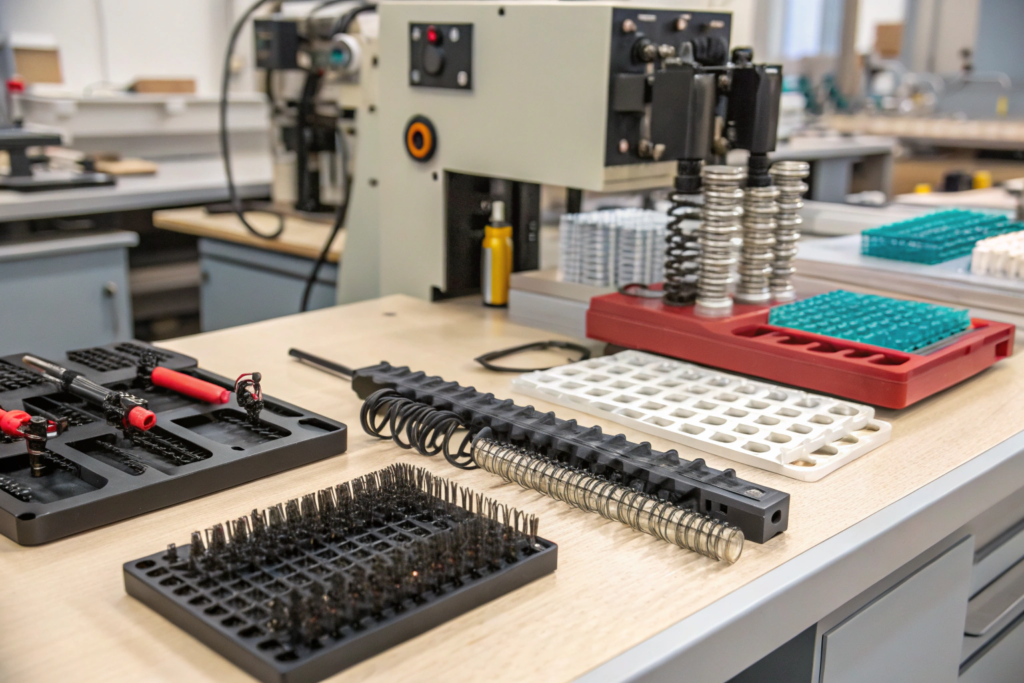
What specific machinery does a dedicated hair clip factory own?
A specialist runs an automatic spring assembly machine that feeds tiny torsion springs into the clip hinge at a rate of 60 pieces per minute, with a vision sensor that ejects any clip where the spring sits crooked by 0.1 millimeters. A general factory assembles springs by hand with pliers. The hand-assembled clip has inconsistent tension. Some clips are too loose and slide out of fine hair. Others are too tight and hurt the scalp. The automatic machine solves that variation.
How does their raw material inventory reveal specialization?
A specialist warehouse primarily stores cellulose acetate sheets in 40-plus colors and patterns, spring steel wire in three diameters, and electroplating chemicals for zinc alloy clips. A generalist warehouse has leather hides, umbrella ribs, and knitted beanie panels mixed in. Walk the raw material rack on a video call. If hair accessory raw materials occupy less than 70% of the shelf space, the factory is likely not a specialist.
What Industry Certifications Prove a Factory Is a Legitimate Hair Accessories Producer?
A generic ISO 9001 certificate is available to any factory that pays a consultant and passes a surface audit. It does not prove hair accessory specialization. You need certifications that are specific to the materials and safety requirements of products that sit directly against the scalp and skin for hours.
The certifications that prove a hair accessories factory is legitimate are CPSIA compliance certificates for lead and phthalate content specifically tested on hair clip components, OEKO-TEX Standard 100 certification for fabric hair band textiles, and REACH Annex XVII compliance reports for nickel release from metal hair clip springs. These certifications require actual lab testing on hair accessory-specific components, not a generic factory audit.
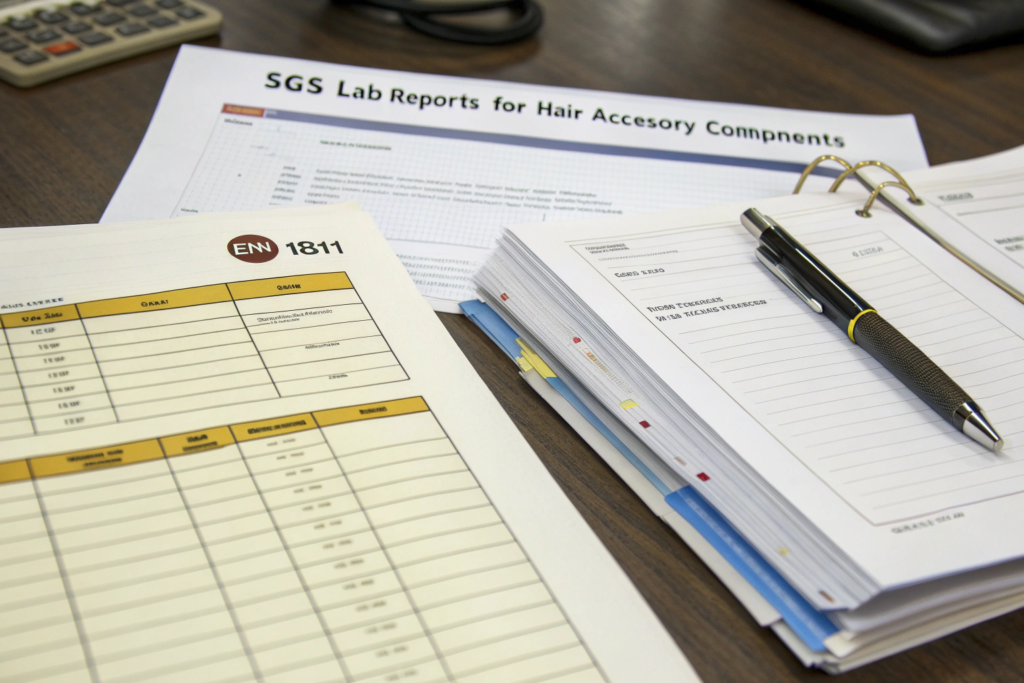
We keep our SGS lab reports for hair accessory components filed and current within six months. When a buyer asks if our clips are nickel-free, we send the exact EN 1811 test report for the spring batch used in their order. A generalist factory sends a "material safety data sheet" for the raw brass wire, which tells you nothing about the finished plated clip.
Is a BSCI or SEDEX audit substitute for a product safety cert?
No. A BSCI or SEDEX audit checks social compliance, worker hours, fire exits, and wage records. It is essential for ethical sourcing, but it does not test your hair clip for lead. You need both the social audit report and the product-level chemical safety certs. A legitimate specialist provides both without hesitation.
How can we verify that a CPSIA cert is not a generic template?
A legitimate CPSIA compliance certificate lists the specific product SKU, the test lab name and accreditation number, the test date, and the measured lead and phthalate result in parts per million. A fake template lists "children’s accessories" as the product and omits the test date. We always share the raw PDF with the lab’s digital signature, not a scanned photo of a printout.
How to Use Alibaba and Trade Show Directories to Filter for Specialists?
Alibaba is a double-edged sword. It lists 50,000 suppliers for "hair accessories," but 40,000 of them are trading companies reselling goods from the same cluster of factories. The search bar is not a specialist-filtering tool unless you know how to read the signals hidden in the supplier profile.
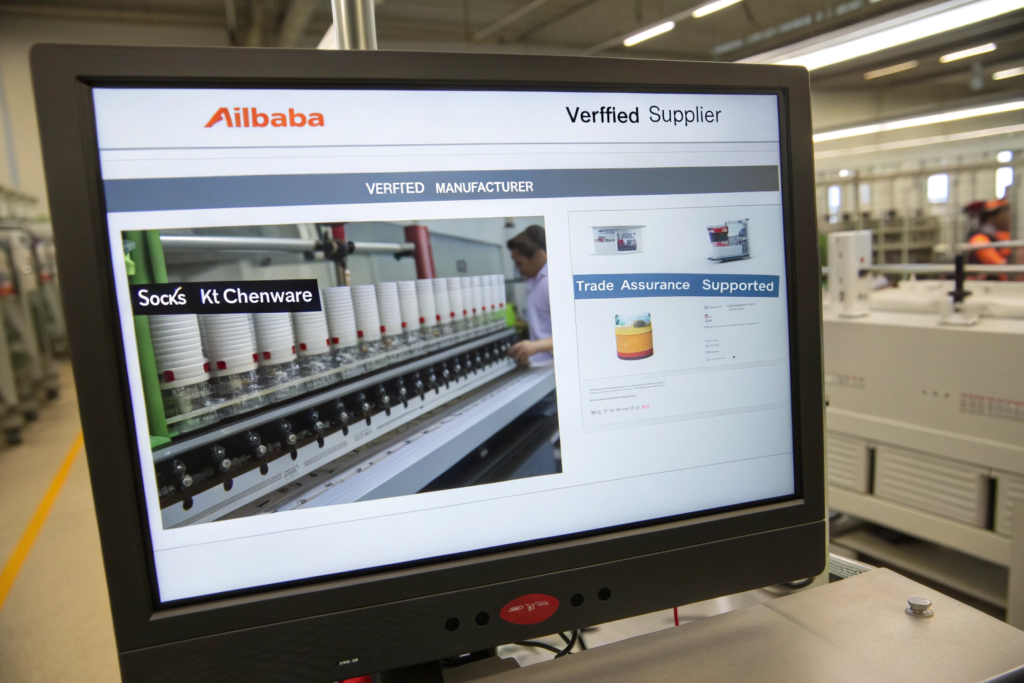
To filter for specialists on Alibaba, you check the "Verified Supplier" video tab for production line footage showing only hair accessory machines running, review the product categories listed on the left sidebar to see if they sell socks or kitchenware as mixed goods, and apply the "Trade Assurance Supported" filter combined with the "Verified Manufacturer" badge, not "Trading Company" status.
If the factory’s Alibaba page shows 300 products and 50 of them are stainless steel water bottles, they are not a hair accessory specialist. A true specialist has 98% of their product catalog in hair claws, snap clips, headbands, and hair ties. Their promotional video shows rows of acetate cutting machines, not a generic factory tour with stock photos.
How do trade show exhibitor lists help verify specialization?
A visit to the Canton Fair or the Global Sources Fashion Show in Hong Kong is still a powerful verification method. The official fair directory lists each exhibitor’s main product category. Filter the directory by "Fashion Accessories" and then drill down to "Hair Accessories" only. If a booth in the hair section also shows belts and bags, they may be a generalist. Walk the booth and look at what fills 80% of the display wall.
What questions expose a trading company posing as a factory?
Ask: "Can you walk me live on video to the acetate curing room right now?" A trading company will say the factory manager is not available or the wifi is down. A real specialist will grab a smartphone, walk to the curing room, and show you the climate monitor screen reading 23 degrees Celsius and 45% humidity. Ask: "Show me the spring coil production machine." A trading company does not own that machine. A specialist stands next to it.
What Video Verification Questions Uncover a True Specialist During a Call?
A live video call is the single most powerful truth-telling tool in modern sourcing. You cannot fake a busy, organized production floor running exclusively hair clips in real time unless you own one. The questions you ask during that call determine whether you see a genuine specialist operation or a staged room.
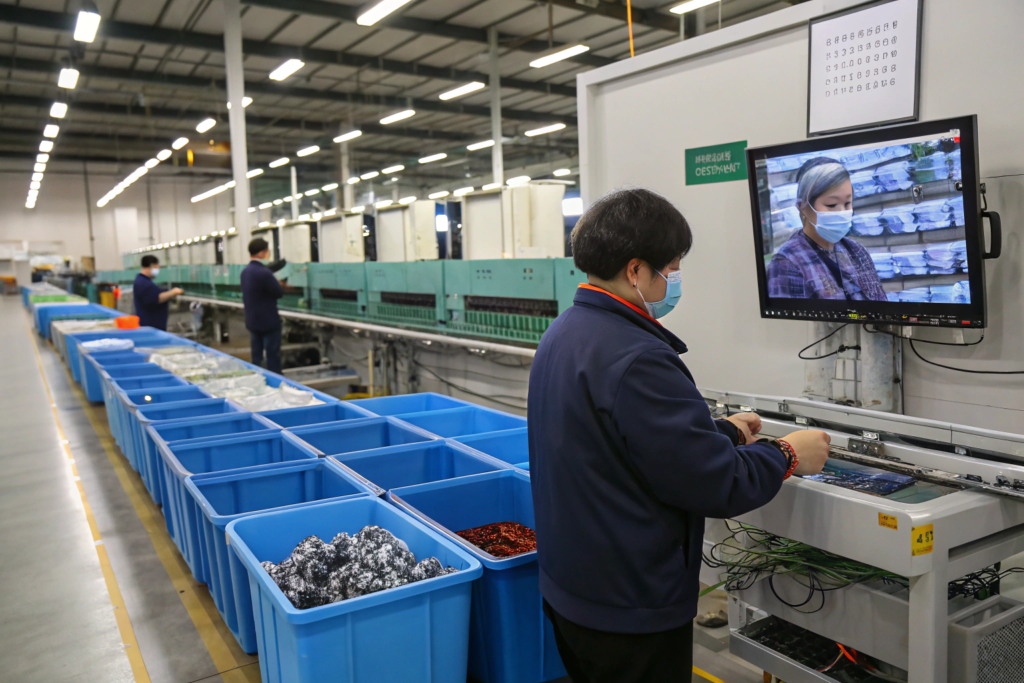
During a live video verification call, ask the factory to show you the WIP bins on the sewing line, the acetate pattern library wall, and the finished goods QC station with the hair-specific testing jigs. A specialist will have bins filled with semi-finished hair claws in various assembly stages, a library of 300-plus acetate pattern swatches organized by season, and a QC station equipped with a spring cycle tester and an elastic tension meter.
I invite serious buyers to video call us and ask to see the "acetate graveyard." This is a shelf of failed experiments, acetate colors that never made it to production, clip shapes that broke during cycle testing. A specialist has a graveyard. A generalist does not. The graveyard proves years of trial and error dedicated to one product category.
What does the injection mold storage library reveal?
An injection mold for a hair claw costs $3,000 to $12,000 to machine. A specialist factory owns hundreds of these molds, stored on heavy-duty steel shelving with engraved metal tags showing the SKU number and the cavity count. Ask the factory to walk the mold storage room. If the shelves hold 200-plus molds, the factory has been investing in hair accessories for a long time.
How does the QC testing station confirm hair-specific focus?
A hair clip QC station has specialized test equipment: a spring cycle counter that opens and closes a clip 10,000 times automatically, a tension meter that measures the clamping force in Newtons at the clip teeth tips, and a polishing gauge that checks for sharp burrs along the part line. A general factory QC station has a tape measure and a weight scale. Ask the QC manager to demonstrate the spring cycle test live.
Conclusion
Finding a genuine hair accessory specialist factory requires skepticism, live video verification, and a willingness to dig past the marketing claims on an Alibaba profile. The specialist reveals themselves through their acetate curing room, their spring assembly machine, their 300-mold library, and their hair-specific QC testing equipment. Generalist factories hide behind stock photos and vague "we can make anything" promises.
Our Zhejiang factory is a dedicated hair accessories manufacturer. Our production floor runs hair clips, hair bands, and hair claws exclusively. We do not dilute our focus with umbrellas, socks, or plastic cups. Our acetate library spans two decades of pattern development, and our spring cycle testers run 24 hours a day on random production samples.
If you want to video-audit a real hair accessory specialist, contact our Business Director, Elaine. She will schedule a live walk-through of our acetate room, our spring machine, and our QC station at the time that works for you. Write to her at elaine@fumaoclothing.com. Let’s verify the truth together on a live call.