You finalize the design. The deposit clears. You mark the launch date on your calendar and start teasing the collection to your email list. Then the silence hits. The factory goes quiet. Two weeks pass without a shipping update. You refresh your inbox obsessively, imagining your trendy hair clips stuck in some purgatory while a retail window slams shut. The root cause is almost never laziness. It is a failure to set a realistic production schedule that accounts for raw material curing, tooling validation, and queue positioning.
A typical 20000-piece hair clip order takes between 25 and 40 days to produce, from the moment the deposit is confirmed to the moment the cartons leave our loading dock. The exact duration depends heavily on the complexity of the metal springs, the type of plating finish required, and whether custom acetate coloring is involved.
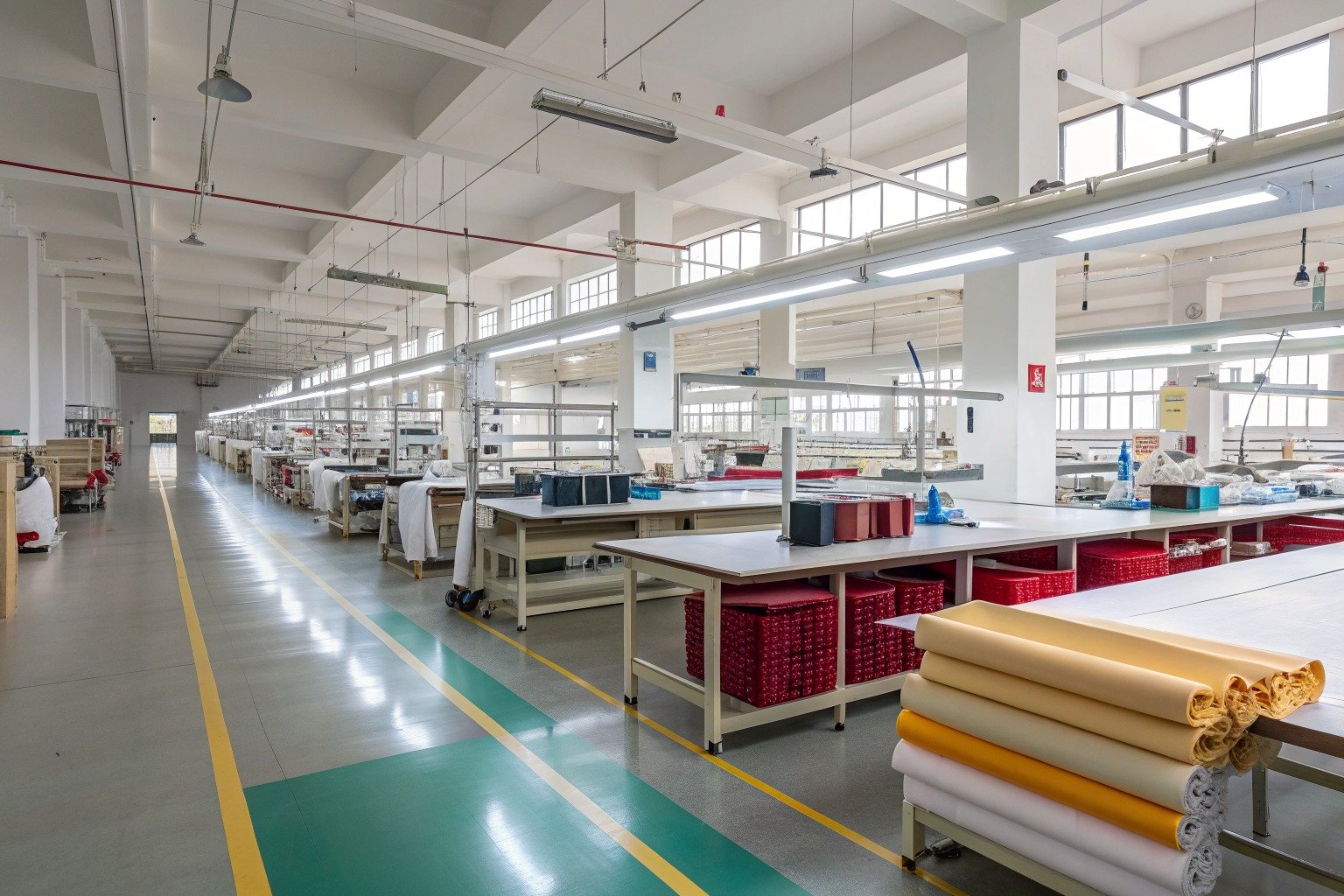
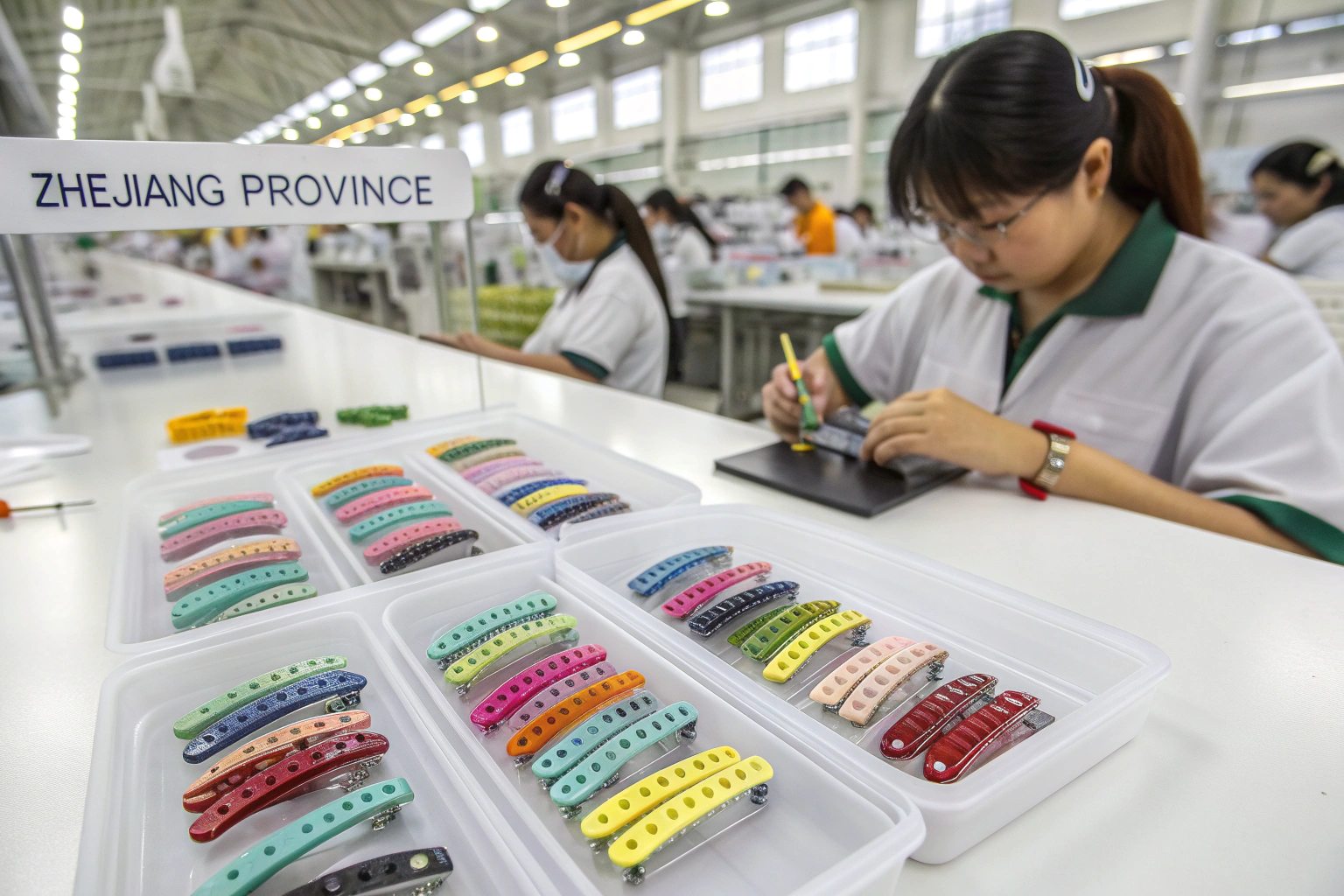
This timeline is not a guess pulled from thin air. It comes from watching hundreds of batches move through our Zhejiang facility, from the raw brass wire cutting to the final carding and polybag sealing. I want to walk you through the exact stages that consume the most hours so you can plan your inventory seasons without the last-minute heart attacks.
What Factors Add the Most Time to a Bulk Hair Clip Order?
I once almost lost a major supermarket deal over a two-week delay on a 20,000-unit hair clip order. The buyer assumed the product was standard and ready to go. He did not realize that the specific matte gold plating he approved had a 10-day drying and curing cycle before we could even touch the pieces for assembly. The tension was brutal, but it taught me that time does not disappear. It hides in the pre-production stages where many importers never think to look.
The factors that add the most time to a bulk hair clip order are custom color matching on acetate or resin, the multi-step electroplating process for metal components, and the mandatory stress-testing of the spring mechanism. Rushing any of these stages causes the metal to tarnish in six months or the clip to snap on first use.
You can cut time on sewing fabric for scarves because it is a soft assembly. Hair clips are hard goods. They involve chemistry, metallurgy, and injection molding. If a plastic tooth inside the clip mold is slightly off, we spend two days polishing the die. You cannot Amazon Prime a precision hair accessory. The raw materials need to settle and stabilize, or the clip loses its grip strength within a few months of sitting on a retail shelf.
How does the plating finish schedule actually work?
Plating is the biggest hidden timeline eater. A shiny 18K gold hair clip goes through a multi-layer bath process. First, the base metal is cleaned in an ultrasonic tank. Then it receives a copper strike layer, followed by a nickel underlayer for smoothness, and finally the gold flash layer. Each bath requires precise voltage and temperature control to ensure adhesion on the hair bands metal parts. Between these baths, the pieces must be rinsed in deionized water and fully dried. If we rush the drying and trap moisture, the clip tarnishes in the sealed polybag, leading to a devastating unboxing experience and a chargeback from your customer.
What quality tests must be passed before shipping?
We cannot skip the lifecycle testing. A standard hair clip must survive 10,000 open-and-close cycles without the metal spring failing. We mount random samples from the 20,000-piece batch onto a mechanical testing arm that mimics a woman pulling her hair back. If a single sample breaks before 10,000 cycles, we quarantine the whole batch and check the spring temper. This test on our belts and clips takes 48 hours of continuous machine time, but it ensures your online store does not get crushed with one-star reviews about snapping hinges. The table below shows how different testing stages consume time:
| Testing Stage | Duration Required | Reason for Delay |
|---|---|---|
| Spring Lifecycle Test | 48 hours | Requires machine run-time to simulate thousands of physical uses |
| Plating Adhesion Test | 24 hours | Heat and humidity chamber exposure to check for blistering |
| Lead & Cadmium Screening | 3 hours | Chemical wipe tests to comply with CPSIA standards for imports to America |
| Assembly Pull Test | 8 hours | Destructive testing of the clasp hook holding strength |
When US buyers demand fast delivery, we never cut corners from this table. A failed shipment of gloves or clips that poisons a child with lead would destroy a brand and our factory’s reputation permanently.
How to Accelerate Production Without Sacrificing Quality?
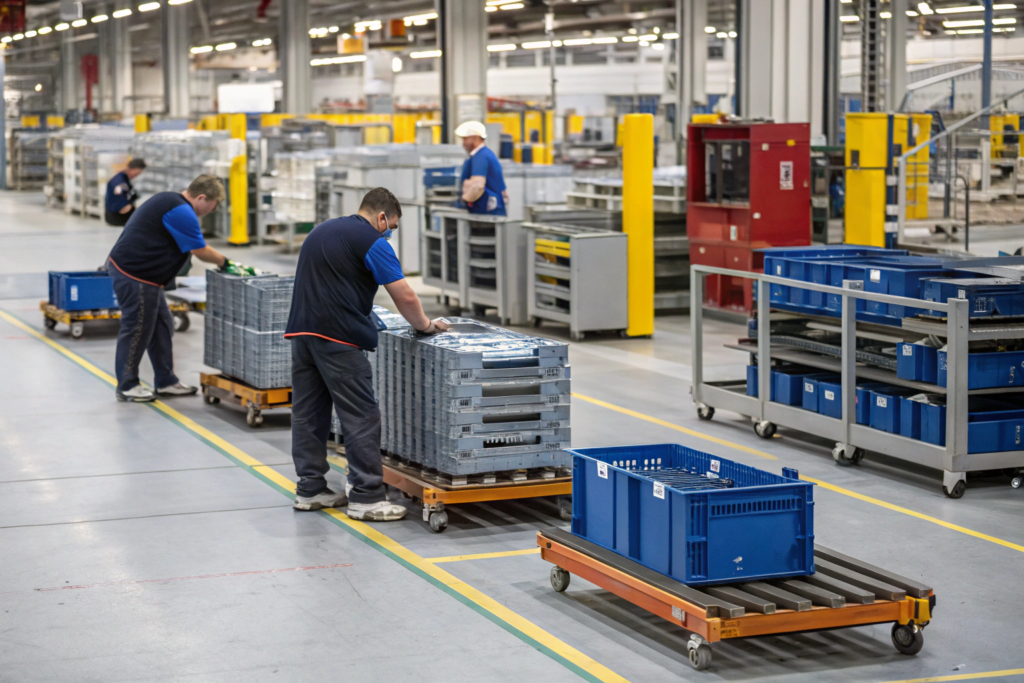
Speed feels like a magic request. "I need it yesterday." I hear this almost weekly from online store owners who just sold out a flash sale and panic-ordered a restock. You cannot change the chemical cure time of spray paint, but you can absolutely change the organizational speed, which is the time raw materials sit idle on a trolley waiting for a worker to pick them up. In our factory, idle time is the real enemy, not machine speed.
You accelerate production by maintaining a strategic raw material buffer stock, using interchangeable mold bases for acetate shapes, and assigning a dedicated project manager who physically walks the rush order through every department instead of letting it sit in standard queue lines.
We keep thousands of kilos of virgin cellulose acetate and spring steel in stock. When a summer rush for straw hats and hair clips hits, we do not wait for the steel mill to ship. We pull from our safety stock. This immediately shaves 7 days off the lead time.
Can we use pre-existing molds to save weeks?
Yes, and this is the single biggest secret. Creating a brand new custom injection mold from tool steel takes 15 to 20 days of precision CNC cutting in a mold shop. If you are a new brand and cannot wait, I show our clients our existing mold library. We have hundreds of shapes for hair clips. We can take a standard base mold for a claw clip and use a custom silk-screen print or spray ombre finish to make it look completely unique without changing the steel. This is how we produce a custom-looking batch in 20 days instead of 40. Only the packaging reveals it is a rush run, and your consumer only sees the beautiful color.
Does a dedicated project manager really make a speed difference?
Absolutely. Our experienced project managers act as human expeditors. They do not just send an email and wait. They stand on the production floor with a tablet, checking off stages. They take a photo of the first 50 finished pieces from the injection machine and send it to you within the hour for approval. They coordinate the printing of paperboard inserts so they are ready exactly when the clips cool down. Without this person, the job sits in an inbox. With them, it moves.
Why Do Metal Prongs and Springs Extend the Timeline?
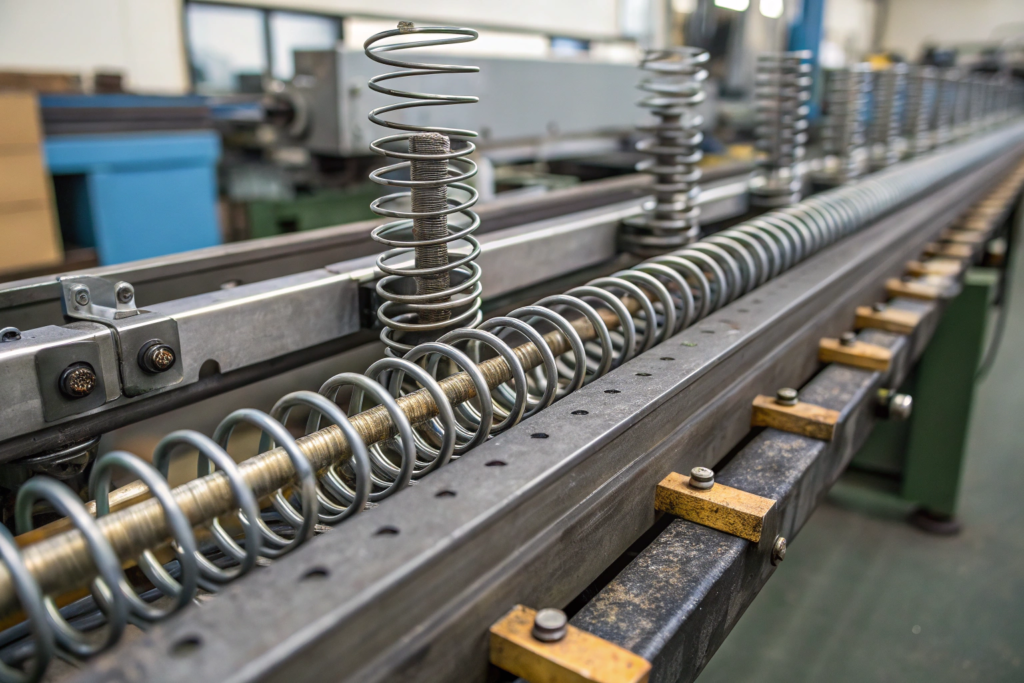
Plastic frames are fast. They come out of a mold hot, get cooled with water, and get tossed into a bin. Metal components are a different beast. They require tempering and precision fitting that cannot be done by hand in thirty seconds. A metal prong that does not flex properly will either not hold the hair tight enough or will snap because it is too brittle.
Metal prongs and springs extend the timeline because they require a secondary tempering heat treatment process to achieve the perfect balance between flexibility and memory, followed by a hand-assembly stage where those steel springs are manually inserted and tensioned into the acetate frames.
This manual insertion is the slowest point in the chain. Even a highly skilled worker can only assemble and calibrate roughly 800 to 1,000 spring-loaded hair bands per day. For a 20,000-piece order, that means 20 working days of pure assembly labor by a team of dedicated technicians. Automation can place the spring, but a human hand must still check the tension "snap" sound to ensure the quality meets fashion accessory standards.
What is the annealing and tempering process for hair clip springs?
Spring steel wire arrives from the mill in a brittle state. We first heat it to a cherry-red color in a controlled atmosphere furnace to soften it for coiling. After coiling, the springs are quenched. If we skip this annealing step to save time, the spring will crack when we compress it into the clip hinge. This heat treat cycle for fabric belts and metal shanks lasts about 8 hours, plus cooling time. The spring must then be electroplated to prevent rust, which adds another production day.
Why can’t assembly be fully automated easily?
The final assembly relies heavily on human sensitivity. Each acetate comb tooth varies slightly in thickness due to the sheet casting process. A robot arm might slam a spring into a slightly thicker slot and crack the resin. A human finger feels the resistance and adjusts the angle. We run a semi-automatic line where machines feed the components, but a skilled operator does the final push and click. This is especially critical for hair clips designed for thick, curly hair, where torque is higher.
How Should You Time Your Orders to Hit Summer or Holiday Retail Windows?
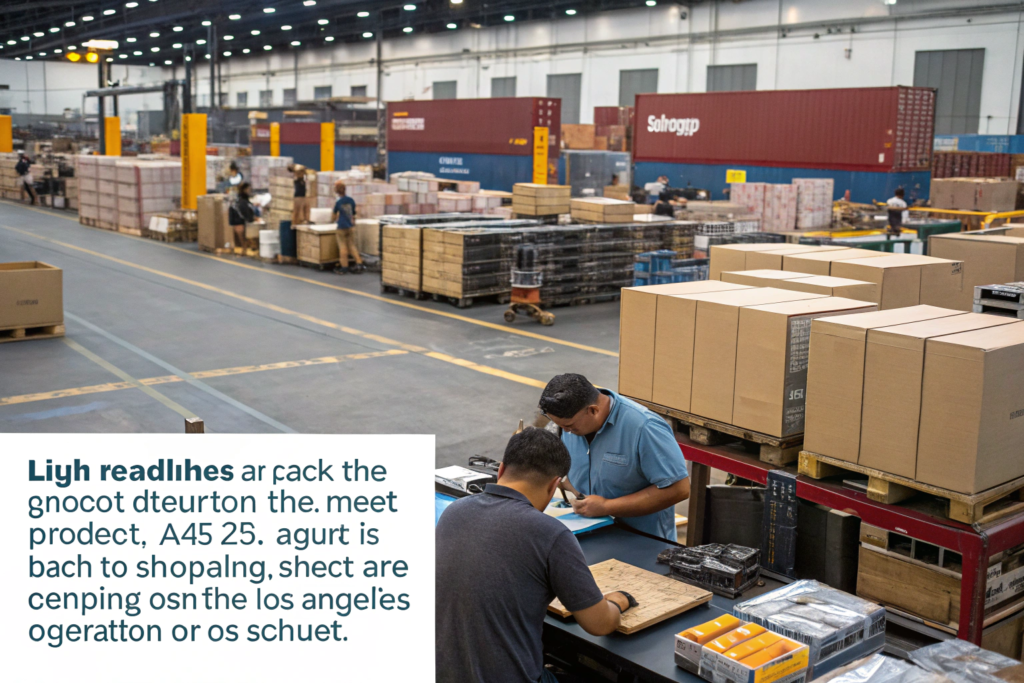
Every season, retailers complain about the same thing. They approve samples in late July and demand delivery by early August for back-to-school. They forget that August is the peak congestion period for the entire consumer goods industry, not just accessories. Factories run holiday production in September for Christmas, and the shipping lines from China to Los Angeles or Vancouver are packed.
You should place your official bulk purchase order at least 90 days before your absolute "in-store" deadline. For a 20,000-piece hair clip order targeting the summer season, finalizing the PO in January or February ensures you miss the Chinese New Year shutdown and the spring freight rate surge.
I map out the calendar backward for every customer. If you need the clips in your New Jersey warehouse by May 15th, the sea freight takes 28 days. That means the cargo must be on the vessel by April 17th. Production takes 35 days. That means we must start production by March 13th. Raw materials must arrive by March 1st. That is your decision deadline for baseball caps and accessories.
How does Chinese New Year impact a 20,000-unit clip order?
Chinese New Year is a non-negotiable factory reset. Workers go home for two to four weeks. If you send a deposit on January 10th, and we start sourcing the special glitter acrylic for your straw hats and clips on January 12th, the material supplier might close on January 15th. Your raw material simply does not arrive until mid-February. This turns a 30-day lead time into a 60-day nightmare. We always warn our American buyers. Lock in materials before January 1st, or plan to start smoothly in late February.
What about air freight as a last resort for clips?
Air freight is the panic button. It costs roughly 5 to 8 times more than sea freight, but it cuts transit from 28 days to 5 days. For a box of lightweight hair clips, the dimensional weight makes it expensive, but not prohibitive. We use air freight for shawls when a high-fashion boutique needs 200 pieces for a launch event. For 20,000 pieces, the economics rarely make sense. I advise shipping 500 units by air to fill the shelf immediately while the remaining 19,500 units travel by ocean, saving your profit margin and landing the goods just as the initial stock sells through.
Conclusion
A 20,000-piece hair clip order is a test of organizational discipline, not just production speed. You cannot compress the chemically necessary cure times or the physical manual assembly hours beyond their natural limits. What you can do is eliminate the dead time through raw material readiness, mold library usage, and a project manager who treats your order like a baton in a relay race, passed instantly to the next station with zero lag.
I have watched our team turn these orders around within tight deadlines while competitors fumble because they promise 15 days, stall at 30 days, and ship a brittle, peeling mess at 45 days. Consistency beats miracle timelines. Our factory in Zhejiang is built for this rhythm, combining clean facilities, rigorous quality checks, and a deep inventory of core materials.
If you need a realistic production calendar for hair clips, belts, scarves, or any other accessory, do not rely on a generic template. Reach out to our Business Director, Elaine. She can walk you through the exact current lead times and reserve a production slot for you. Write to her at elaine@fumaoclothing.com. Let’s map out your delivery dates so you sleep better at night.