You approve a beautiful sample, wire a deposit, and then wake up at 3 AM in a cold sweat. You check your email frantically, wondering if the factory started cutting the wrong fabric, if the logo stamp is off-center, or if your shipment of scarves will miss the holiday shelf date. The communication black hole between China and the West is real. Emails vanish. Assumptions explode. I have watched buyers age visibly during a messy production cycle, not because the product was bad, but because no one told them what was happening in real time.
Our clients say our project management saves them headaches because we assign a single dedicated English-fluent project manager who acts as their eyes, ears, and boots on the ground inside our factory. This person sends daily photo reports, catches defects before they multiply into a full batch, and proactively solves timeline conflicts so the buyer never has to chase, beg, or panic.
You do not need to be a logistics expert or a quality control chemist to run a profitable accessory line. You just need a partner who treats your order like it is their own inventory investment. I want to show you exactly how our project managers kill the three biggest headaches before they even reach your inbox.
How Does a Dedicated Project Manager Stop a Mistake Before It Multiplies?
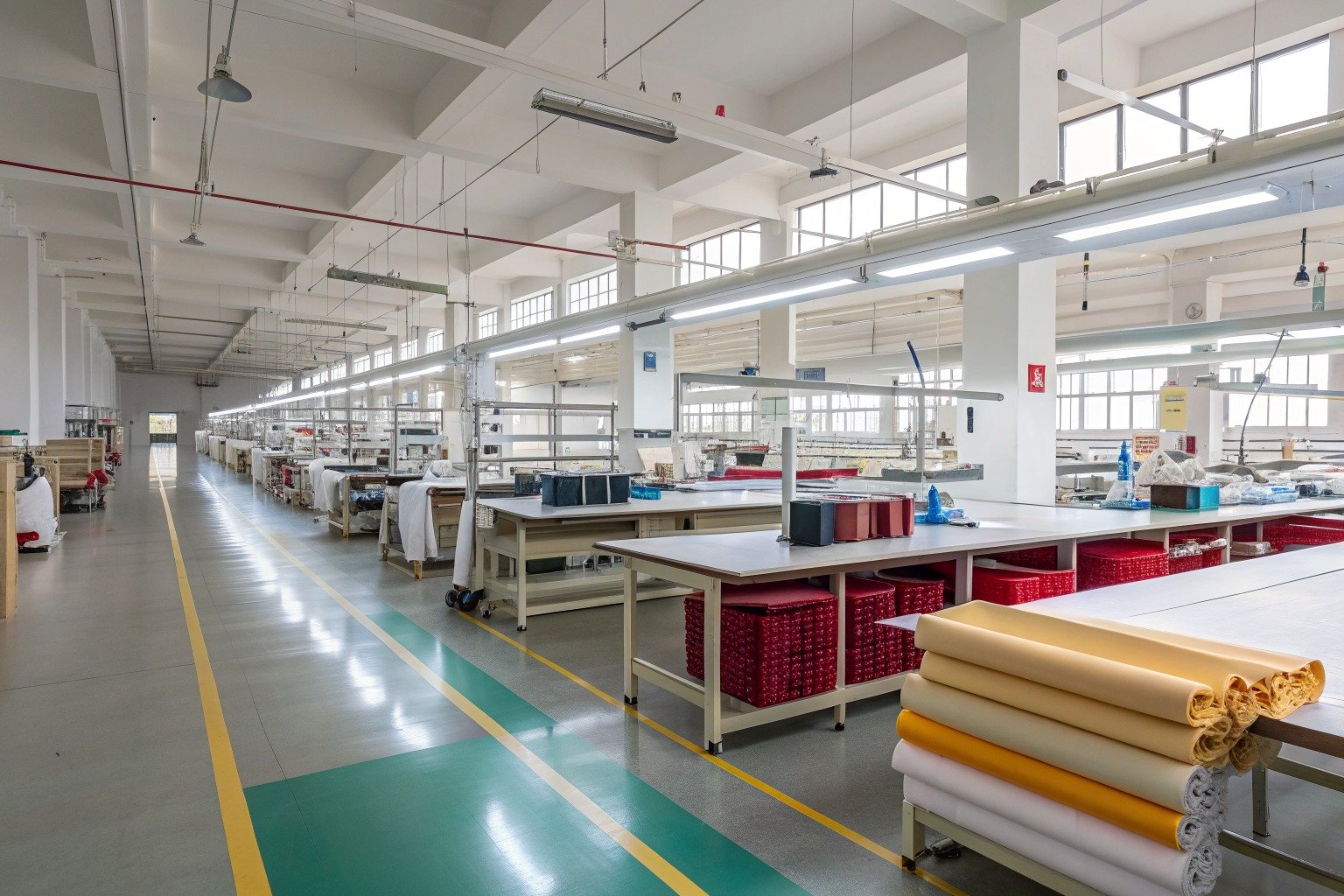
A factory floor is loud, fast, and chaotic by nature. Fifty workers stitch hair bands while another line cuts fabric belts. A sewing machine needle breaks, and the tension drifts slightly on the bobbin thread. The operator does not notice, and suddenly you have 200 pieces with a loose seam that unravels after one wear. In a standard trading company model, no one checks this until the final audit, which is too late.
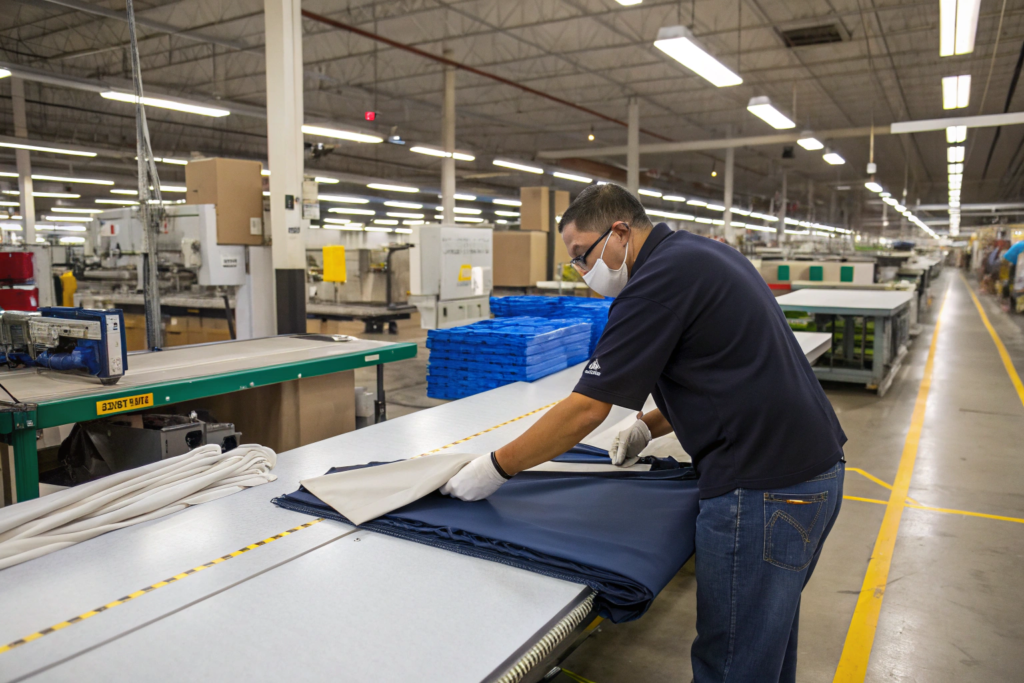
A dedicated project manager stops a mistake from multiplying by standing physically at the production line during the critical first hour of a batch run. They pull the first five finished pieces, measure the stitch count, check the elastic tension, and compare it to the sealed approval sample. If a single needle is dull or a seam puckers, they stop the line and fix it before piece number six exists.
I cannot stress enough how much money this saves. Ripping out 200 bad seams takes longer than sewing 200 new pieces from scratch. Our project managers carry a physical "Production Traveler" document with your specific comments attached. If you noted during sampling that a scarf edge should roll exactly 2mm, they measure that 2mm with a metal gauge on the factory floor, not on a computer screen.
What does a "first article inspection" actually look like inside the factory?
The line supervisor sets up the machine and produces one fully finished headband or cap. The project manager takes this single piece to a bright inspection table under a 5000K white light. They turn it inside out. They check that the label is sewn flat and the content matches the purchase order exactly. They stretch a hair tie ten times to check the rubber core does not snap. Only when this single piece is perfect do they sign off the "Line Start" approval card. This takes 15 extra minutes but prevents 48 hours of rework.
How do daily photo reports prevent timeline drift?
A supplier who goes silent is the biggest stress trigger for a buyer. You imagine the worst. Our project managers send a daily email between 5 PM and 6 PM China time. It contains three photos: a wide shot of your goods moving on the line, a close-up of a critical detail like a metal clasp, and a photo of the whiteboard production schedule updated with today’s completion checkmark. You go to bed in New York knowing where your order stands, and you wake up without that knot in your stomach. This daily check-in is the most effective headache prevention tool we have ever implemented.
What Systems Track a 10,000-Unit Order Across Multiple Departments?
An accessory order might travel through four departments in seven days. The raw fabric sits in cutting. The panels move to screen printing or embroidery. The components bounce to the metal plating subcontractor for the buckle. Then everything meets at the assembly line for final sewing. If one department loses a bag of cut panels, the whole order grinds to a halt, and no one tells the client until the shipping date has already passed.
We track a 10,000-unit order across multiple departments using a digital Enterprise Resource Planning platform combined with a physical bin-tag system. Every bundle of cut goods receives a barcoded traveler ticket that moves with the pieces. The project manager scans the ticket at each handover point, logging exactly when the goods enter and exit each work station.
This digital trail eliminates the "lost in the factory" nightmare. The system shows exactly which shelf holds the semi-finished shawls waiting for fringing. If a bottleneck builds up, the data reveals it immediately.

How does a physical Kanban board complement the digital tools?
We keep a large magnetic whiteboard in the project management office. It has columns for "Raw Material," "Printing," "Sewing," "QC Hold," and "Packing." Each major order has a magnetic card with the client’s name and PO number. The project manager moves the card physically as the digital system updates. This visual system allows our entire management team to see, in a single glance, that Ron’s baseball caps have moved to packing but Elaine’s belts are stuck on hold pending a color re-check. It prevents jobs from falling through the cracks.
Can a buyer access the tracking system themselves?
Yes, and this transparency changes the relationship. We provide a guest login link to our tracking portal for our major accounts. You can see a simplified dashboard showing your straw hats and bags moving from Cutting to Shipment without sending an email. You do not need to ask "where is my stuff." You see it. This level of openness converts a once-skeptical buyer into a lifetime partner after just one successful cycle.
How Do You Stop a Logistical Delay from Causing a Stockout Crisis?
You can produce the most beautiful product on earth, but if it sits in a Shanghai warehouse for ten days because of a paperwork typo, your store shelves sit empty. The headache here is a double strike: lost revenue from the missing product and a panicked logistics scramble that burns cash on premium expedited freight.
We stop logistical delays by appointing a dedicated shipping coordinator who pre-files the customs documentation and Booking Request Form two weeks before the goods are finished. They triple-check that the Commercial Invoice matches the packing list down to the last gram, ensuring the container clears Chinese export customs and loads onto the scheduled vessel without a single hold.
A single digit error in the harmonized code for a gloves shipment can bounce the container. Our coordinator has a checklist of 21 points they verify on every document packet, from the bank details to the wooden pallet fumigation stamp.
How is a trucking delay at origin communicated instantly?
The moment our project manager gets a call that the container truck is stuck in Ningbo morning traffic, they send a WeChat or WhatsApp voice note directly to the client. No formal email bull. Just "Mike, the trucker hit a jam. We are delayed by an estimated four hours. The cut-off time is extended. Stand by." This immediate, human update allows you to adjust your downstream warehouse receiving schedule before your team waits at an empty dock.
What contingency plans exist if a vessel rolls its booking?
Vessel rolling happens when a ship is overbooked, and our container gets bumped to the next vessel, which is a week later. We immediately check the next two alternative vessels and present you with options within the hour. We also absorb the cost of storing the container at the terminal for those extra days. Your contract with us includes a logistics guarantee where we accept full financial responsibility for delays caused by our late delivery to the port. This focuses our team intensely on booking confirmed space slots rather than cheap, unreliable waitlist slots for your hats and accessories.
What Happens When a Client Changes Their Mind Mid-Production About a Color?
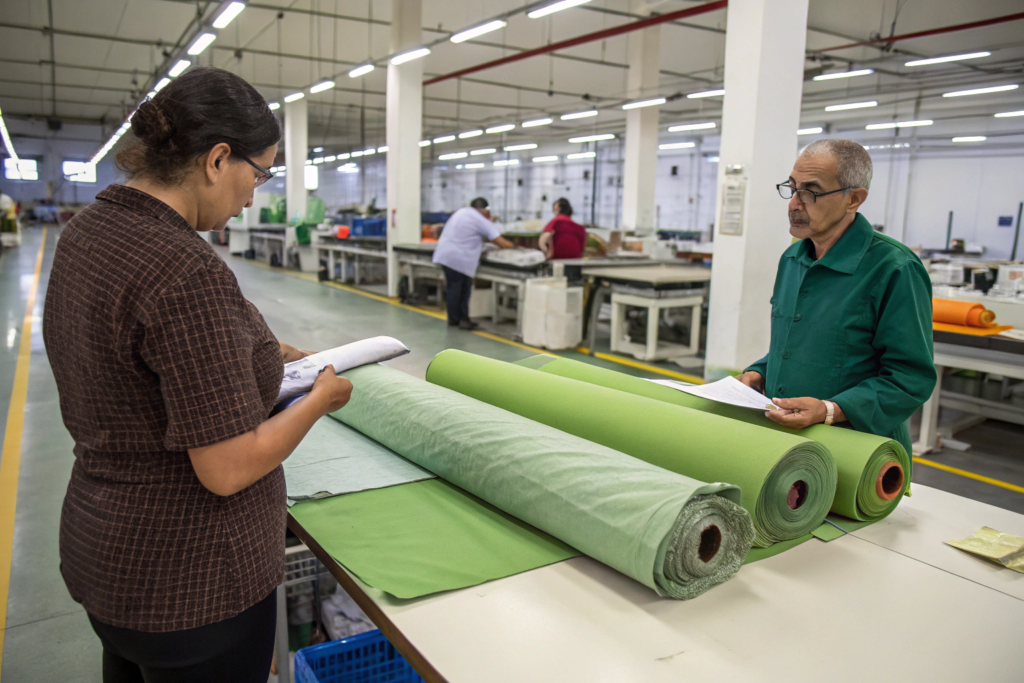
This is the reality of fashion. A buyer sees a fabric in a different light during a showroom visit and panics. They want to switch from "sage green" to "sea foam" while the rolls are already on the cutting table. Most factories refuse outright or demand a massive change fee. We handle this differently because we understand that getting the final retail color right determines sell-through.
When a client changes their mind about a color mid-production, our project manager immediately pauses the line, calculates the exact raw material wastage, and presents two transparent options: an air-shipped dye house re-run cost with a new timeline, or a discounted price to proceed with the original approved color. There is no guilt-tripping. We simply lay out the numbers and let the business decision drive the outcome.
The ability to pivot without a relationship-destroying argument comes down to our raw material buffer stock. If we have 500 meters of the same greige fabric base in our warehouse, we can rush a new dye batch for your scarves and save the project. If the fabric was custom-milled and unique, we are honest that the change will add 21 days.

How is a mid-stream design change costed fairly?
We open the formula sheet to you. The costs include: the wasted cut panels (shown to you via a photo of the piled fabric), the chemical cost for the new dye, and the overtime labor if the line needs to work a Saturday to catch up. There is no hidden "hassle fee." We treat you as the asset owner. The project manager lays out both paths, waits for your formal email approval, and then flashes the green or red signal to the weaving floor. This clarity converts a stressful change request into a structured business transaction that builds deep trust for future fabric belt orders.
Does this flexibility apply to custom printed packaging too?
Yes. If a box spec changes, we pull the old boxes from the line and set them aside for recycling. The packaging stock is not considered a catastrophic loss because we work with a local carton supplier who can reprint within 3 days. Our project manager confirms the new die line immediately, sends a digital proof for sign-off, and integrates the new packaging without shifting the sea freight booking. This agility is why our long-term customers never leave.
Conclusion
Headaches in the accessory supply chain come from the unknown. Darkness. Silence. When your phone buzzes and it is a factory asking for more money because of an "unexpected problem," that is a failure of proactive management. Our dedicated project managers step into that void. They hold a light up to every corner of the production floor, from the first thread snip to the final carton seal.
We combine digital tracking, floor-level physical inspections, and honest, immediate communication to ensure you never feel alone or exposed. Our clients tell us they finally sleep through the night, even when a 20,000-piece hair clip order is in mid-production.
You should not have to become a supply chain expert just to sell beautiful belts, hats, and shawls. Let us handle the timelines, the quality gates, and the paperwork. If you want to experience accessory production without the constant stress, reach out to our Business Director, Elaine. She personifies this headache-free approach and will personally ensure your next order runs with total transparency. Write to her at elaine@fumaoclothing.com. Let’s make your next production cycle the smoothest one yet.