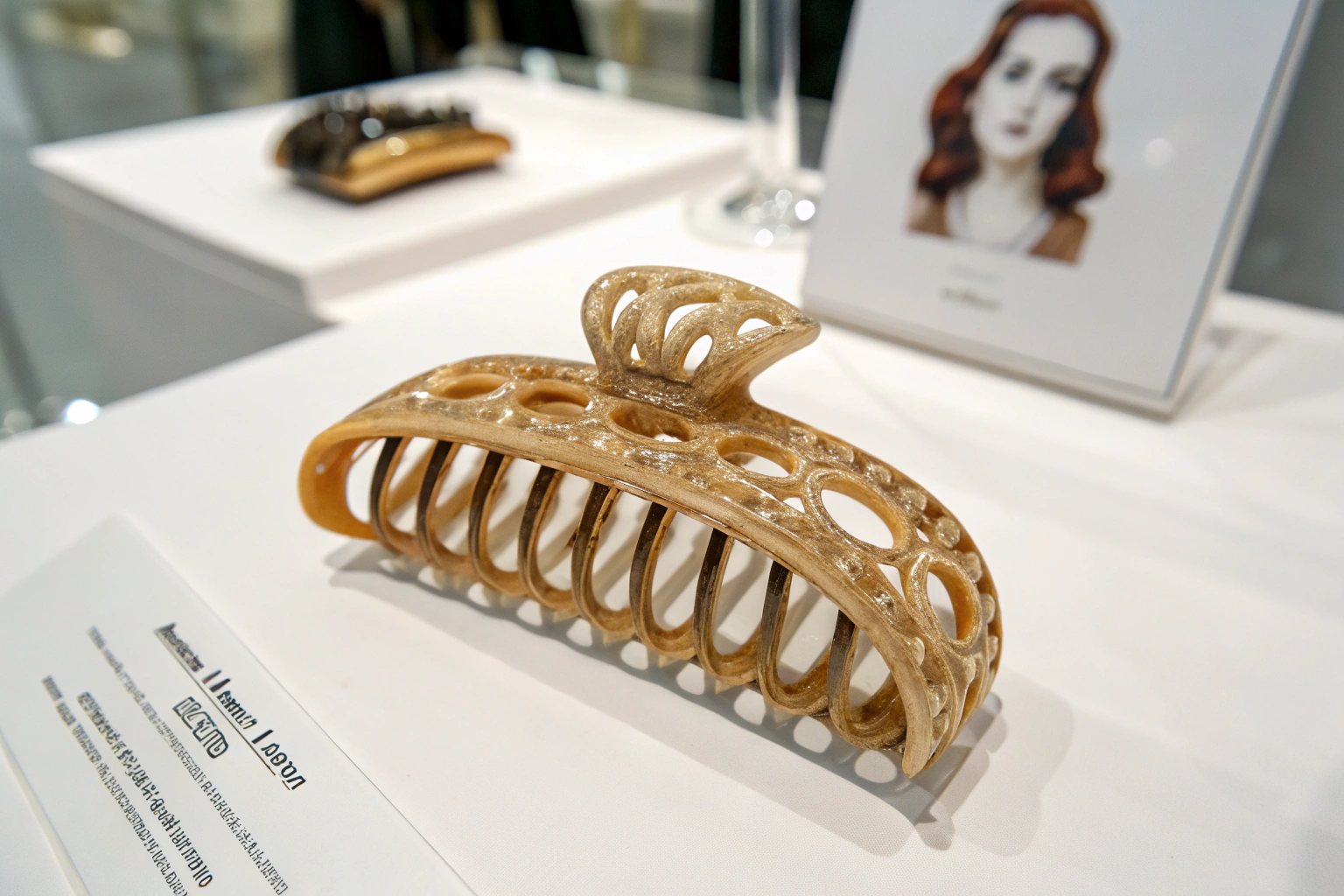
A few years ago, I had a client named Lisa who designed a beautiful, sculptural hair claw. It was her signature piece. She sold it on her website, and it was a hit. Then, three months later, she found the exact same design on Amazon, sold by a competitor she had never heard of, for half the price. She was devastated. She came to me asking, "How did they get my mold?" The answer was painful but simple: the factory she used in another province had kept a copy of her CAD file and sold the same mold to another buyer. Lisa had no legal protection because she had never discussed intellectual property (IP) rights upfront. If you are like Ron, you invest in unique designs to differentiate your brand. The fear of having your creativity stolen and sold back to you at a lower price is a constant threat in this industry.
Finding a factory that offers design patent support involves seeking out manufacturers who have an in-house design team, a documented history of filing for patents in China and internationally, and a willingness to sign a Non-Disclosure and Mold Ownership Agreement before the first sample is made. You must verify that the factory has experience with Chinese Design Patents and understands the process of transferring those rights to you, the buyer, not just retaining them for their own catalog.
I run AceAccessory in Zhejiang Province. We have walked this path with many clients. Protecting your design is not just about a piece of paper; it is about the factory’s culture and integrity. A factory that respects IP will have clear internal protocols separating Client A’s mold storage from Client B’s. They will not show your samples to other buyers during tours. They will actively help you file the paperwork in China to establish a legal record of your ownership. Let me explain exactly how this process works, what questions to ask, and how to avoid the factories that see your designs as their property.
Why Should You Secure Design Patents for Fashion Accessories in China?
Most buyers from the US and Europe do not realize how powerful and affordable a Chinese Design Patent is. They think, "I have a US Design Patent. That protects me." It does, but only in the US market. It does not stop the factory in China from running your mold at night and shipping those goods to a different buyer in Europe or Australia. It also does not stop them from listing the item on Alibaba for the world to see. If you want to stop the leak at the source, you need protection at the source.
A Chinese Design Patent gives you legal standing within China to take action against the factory or any other Chinese entity that copies your registered design. It is significantly faster and cheaper to enforce than an international patent. We are talking about a process that can cost a few hundred dollars and take 6-8 months, versus a US patent that costs thousands and takes years. For a fast-moving category like fashion accessories , where the lifecycle of a hair clip design might be 12-18 months, the Chinese patent is often the only practical shield.
At AceAccessory, we encourage clients to file for a Chinese Design Patent through our recommended IP agent. We provide the necessary technical drawings and statements. This creates a formal record that the design belongs to you, not the factory.
How Does a Chinese Design Patent Differ from a US Design Patent?
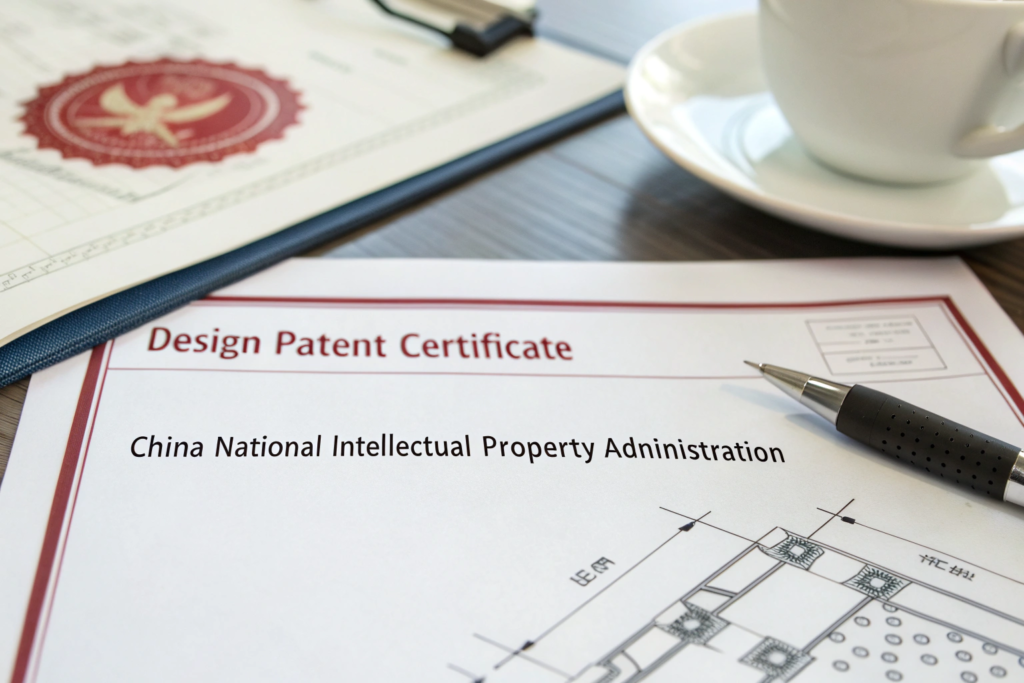
This is a crucial distinction that many buyers misunderstand. A US Design Patent protects the ornamental design of a functional item in the United States. It gives you the right to block imports at US Customs. However, to enforce it against a Chinese factory, you would need to sue them in a US court, which is impractical and expensive for a small batch of hair bands . A Chinese Design Patent is a grant from the China National Intellectual Property Administration (CNIPA). It gives you the right to file a complaint with Chinese local IP offices or on e-commerce platforms like Alibaba and Tmall. If you find a copycat listing on Alibaba, having a Chinese Design Patent number allows you to file a takedown notice that actually gets respected. Without that Chinese registration, Alibaba will often ignore your complaint because they only enforce Chinese IP rights on their domestic platform. The two patents work best together. The US patent protects your market access. The Chinese patent protects your supply chain. For clients ordering custom belts or shawls with unique surface patterns, I always recommend at least the Chinese filing.
What Are the Costs and Timelines for Filing a Design Patent?
Let’s be realistic about the budget. Filing a patent is an investment, but it doesn’t have to break the bank. Here is a rough breakdown of what you should expect when working with a factory like AceAccessory that assists with the process:
| Stage | Action | Estimated Cost (USD) | Timeline |
|---|---|---|---|
| 1. Preparation | Factory provides 3D drawings (6 views + perspective). | $0 (Included in mold fee) | 2-3 Days |
| 2. Filing | IP Agent files application with CNIPA. | $300 – $600 (Agent fee + Gov. Fee) | 1 Week |
| 3. Examination | CNIPA reviews for novelty and clarity. | N/A | 3-6 Months |
| 4. Grant | Certificate issued. Annual maintenance fees apply. | $100 – $200 per year | 6-8 Months Total |
This is incredibly affordable compared to the $2,000+ cost of a US patent attorney. The key is that the factory must be willing to provide the precise technical drawings in the required format. A factory that does "off the books" work with hand sketches cannot support this. You need a partner with proper product development CAD capabilities. Also, note the timeline. You cannot file the patent after the copycat appears. You must file before you launch the product publicly. Once it’s on Instagram or Amazon, it is considered "prior art" and the patent office may reject it for lack of novelty.
How to Verify a Chinese Factory’s Intellectual Property Practices?
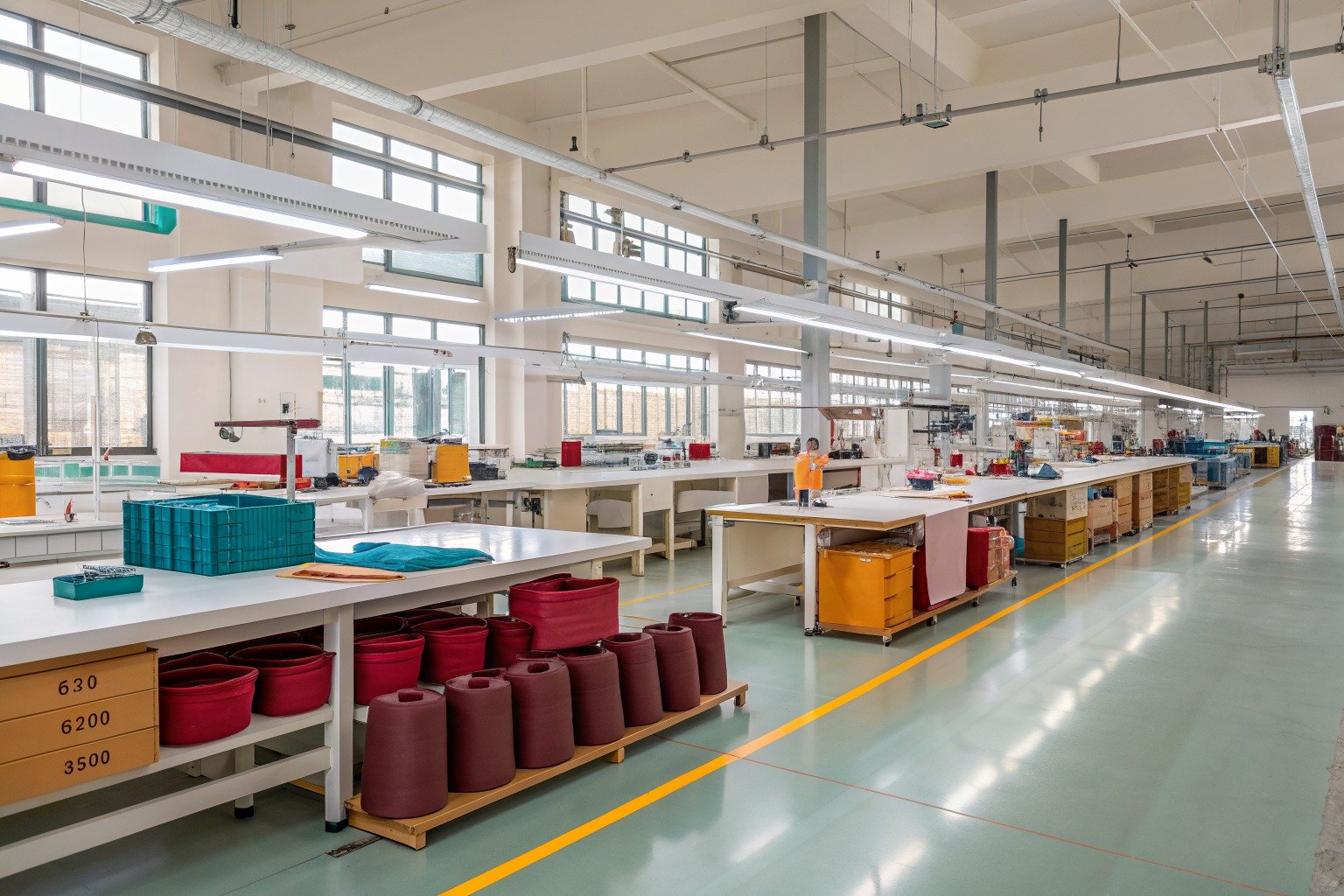
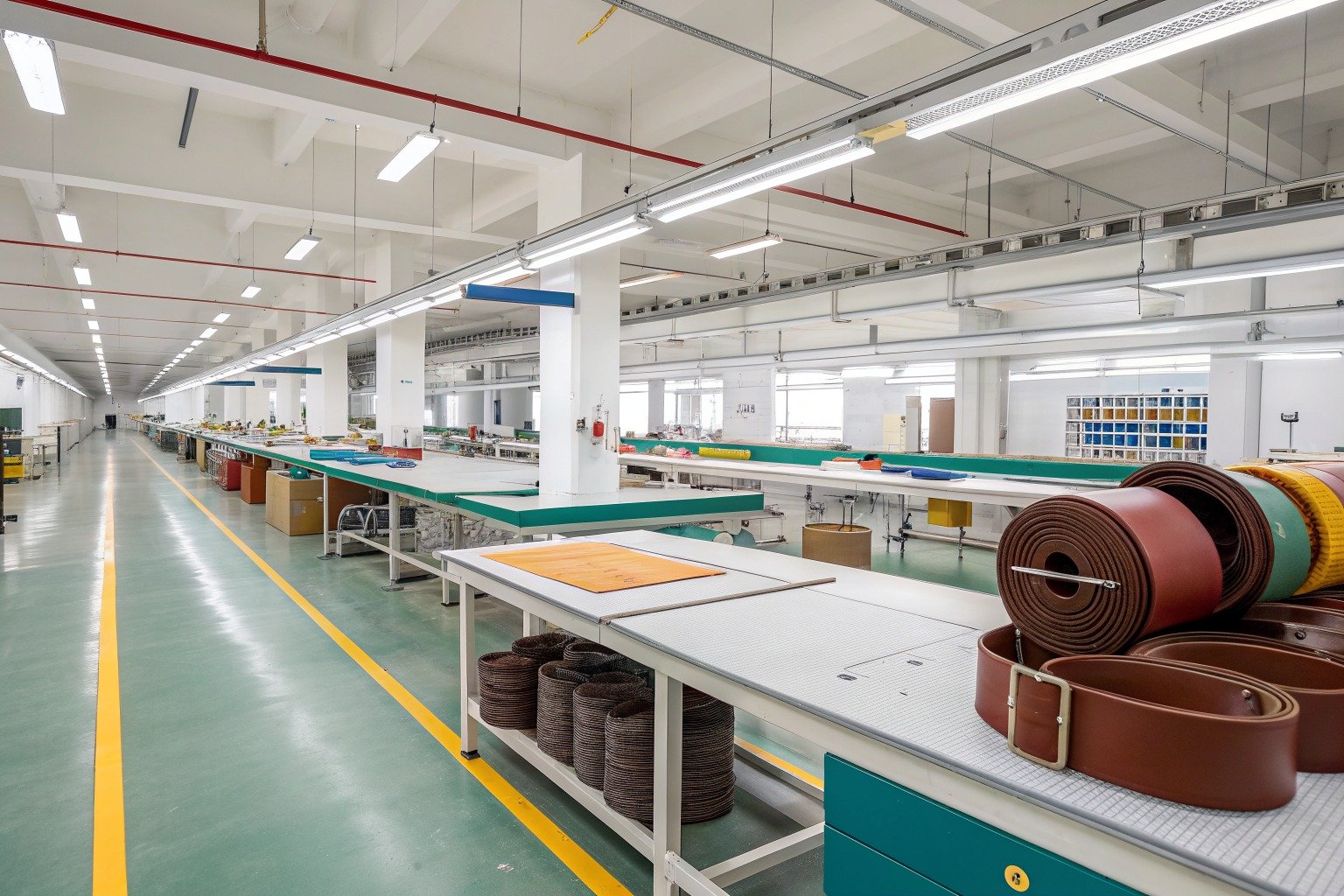
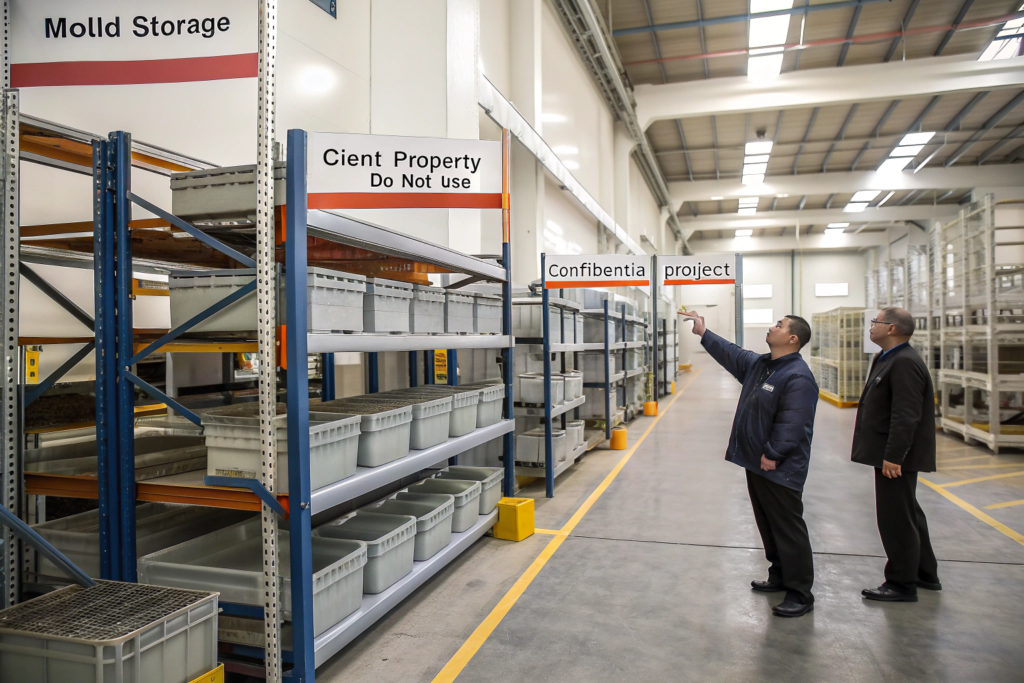
Finding a factory that talks about IP protection is easy. Finding one that practices it is hard. You need to look for specific, verifiable behaviors and physical infrastructure. When I give a video tour of AceAccessory to a new client, I make a point of showing them our Mold Storage Room. This is where the steel molds for every custom project live. If a factory is sloppy with IP, this room is a mess of unlabeled tools that anyone can grab.
You should also test the factory’s response to a Non-Disclosure Agreement (NDA) . A legitimate factory will sign a standard mutual NDA without hesitation. A shady factory will push back with excuses like "Our boss needs to review it" (and then never does) or "We don’t sign foreign contracts." This is a red flag. They don’t want a paper trail of their obligations to you.
Another critical test is the Sample Showroom Visit. Ask to see the factory’s showroom on video. If you see samples that are clearly from other Western brands—with their logos or unique packaging—displayed openly on the shelf, that factory is showing your competitors’ designs to you. They will show your designs to the next buyer who calls. A professional factory has a Private Showroom or at least a policy of removing identifiable client work from public view.
What Questions Should You Ask About Mold Ownership and File Security?
You need to be direct. Do not assume anything. Here are the exact questions I would ask if I were a buyer calling a new factory for custom accessories :
- "Who owns the steel mold after the project is complete?" The correct answer is: "You do. It is your property. We store it for you free of charge for 2 years and will not use it for any other client." Get this in writing on the Proforma Invoice.
- "Where are the CAD files and 3D drawings stored?" The correct answer is: "On a secure server with access restricted to the project manager and engineering lead. We do not share files via personal WeChat accounts."
- "What is your policy if one of your employees takes a photo of a sample and shares it?" The correct answer is a clear, serious policy: "Immediate termination and potential legal action. We have a strict no-phone policy in the sampling room."
If the factory representative stumbles, laughs, or says "Don’t worry, we are honest," they are not professional. They are relying on luck and geography to protect you. At AceAccessory, we have these answers ready because we have built our reputation on them. Our clients’ fashion accessories designs are their brand equity. We treat them like gold.
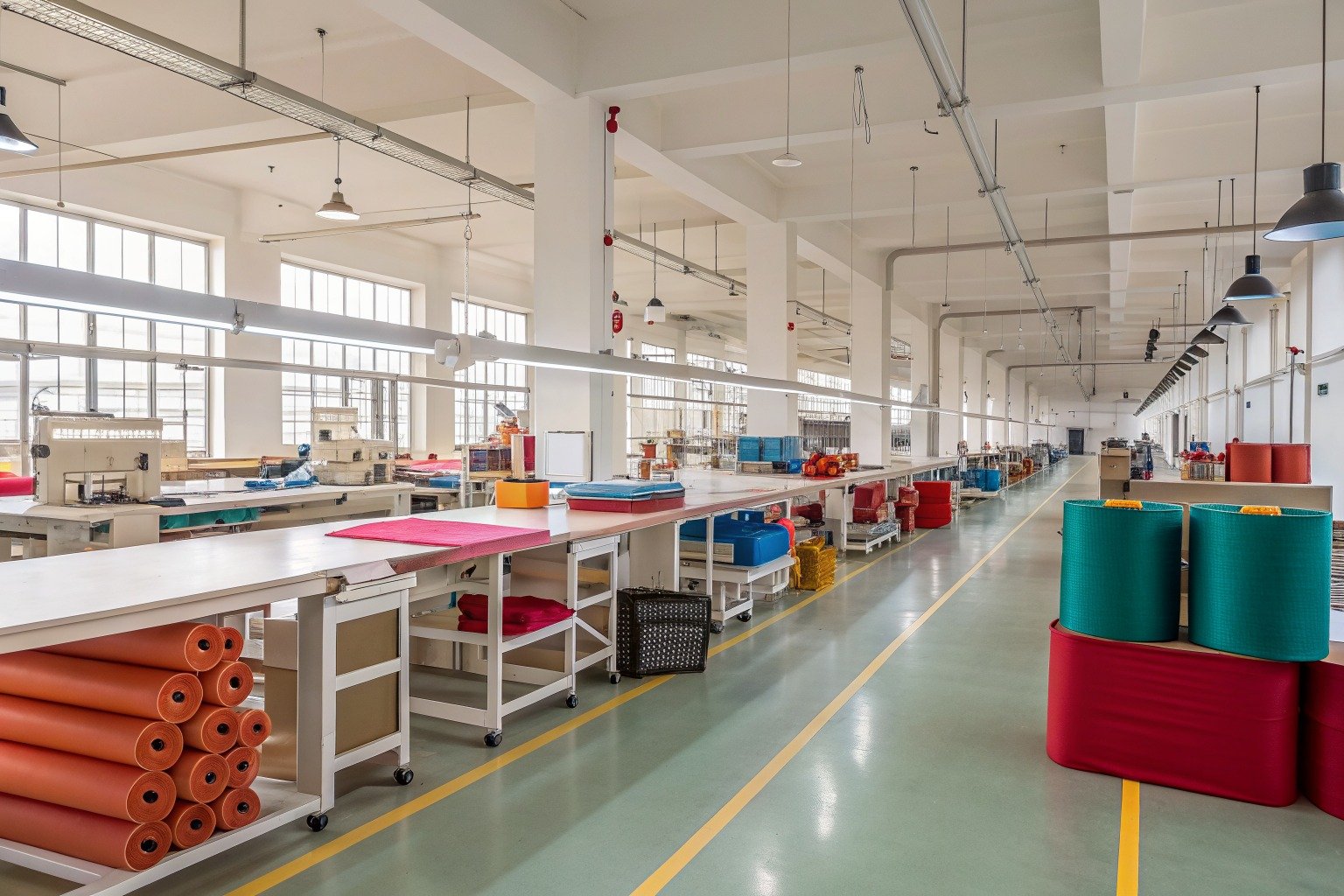
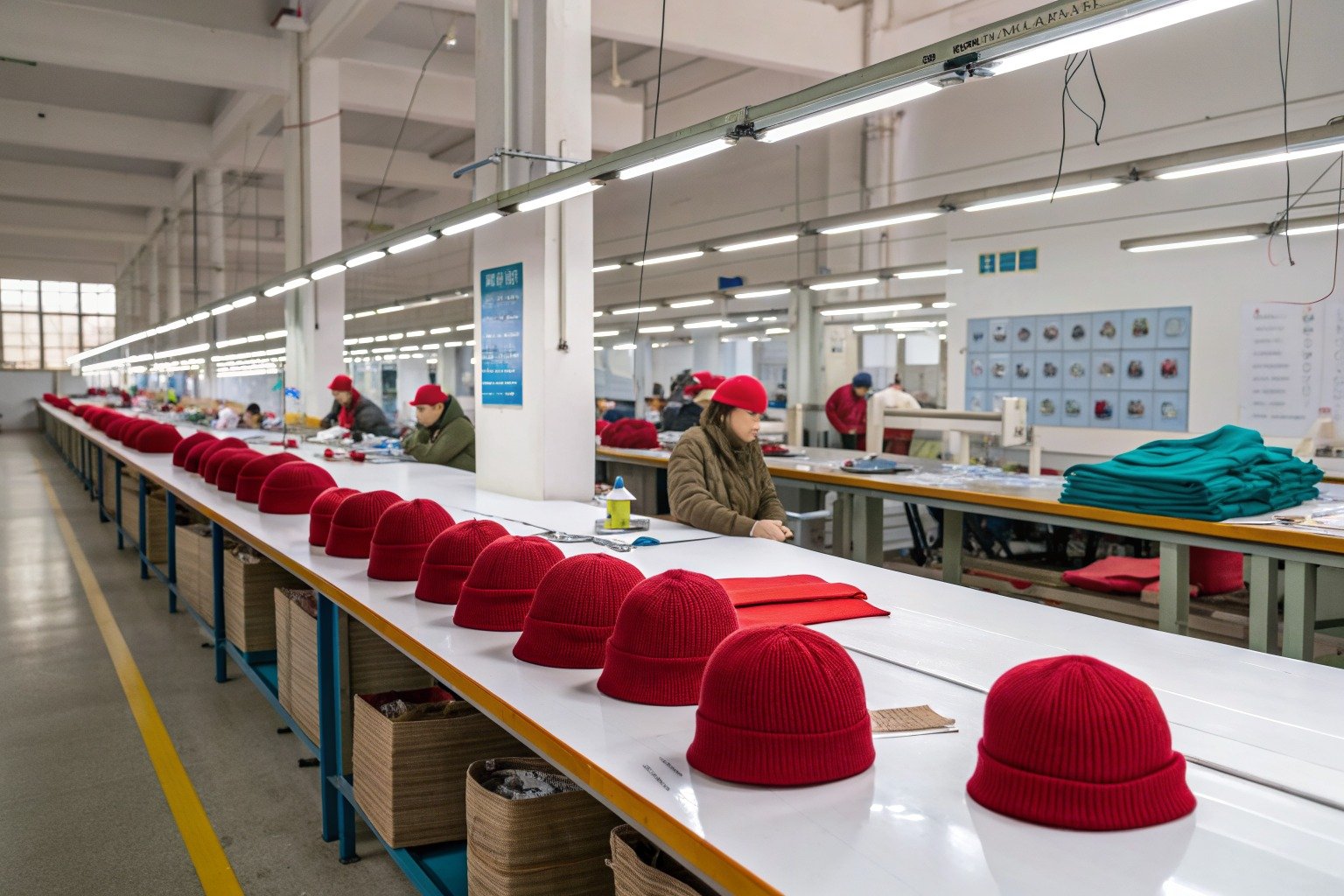
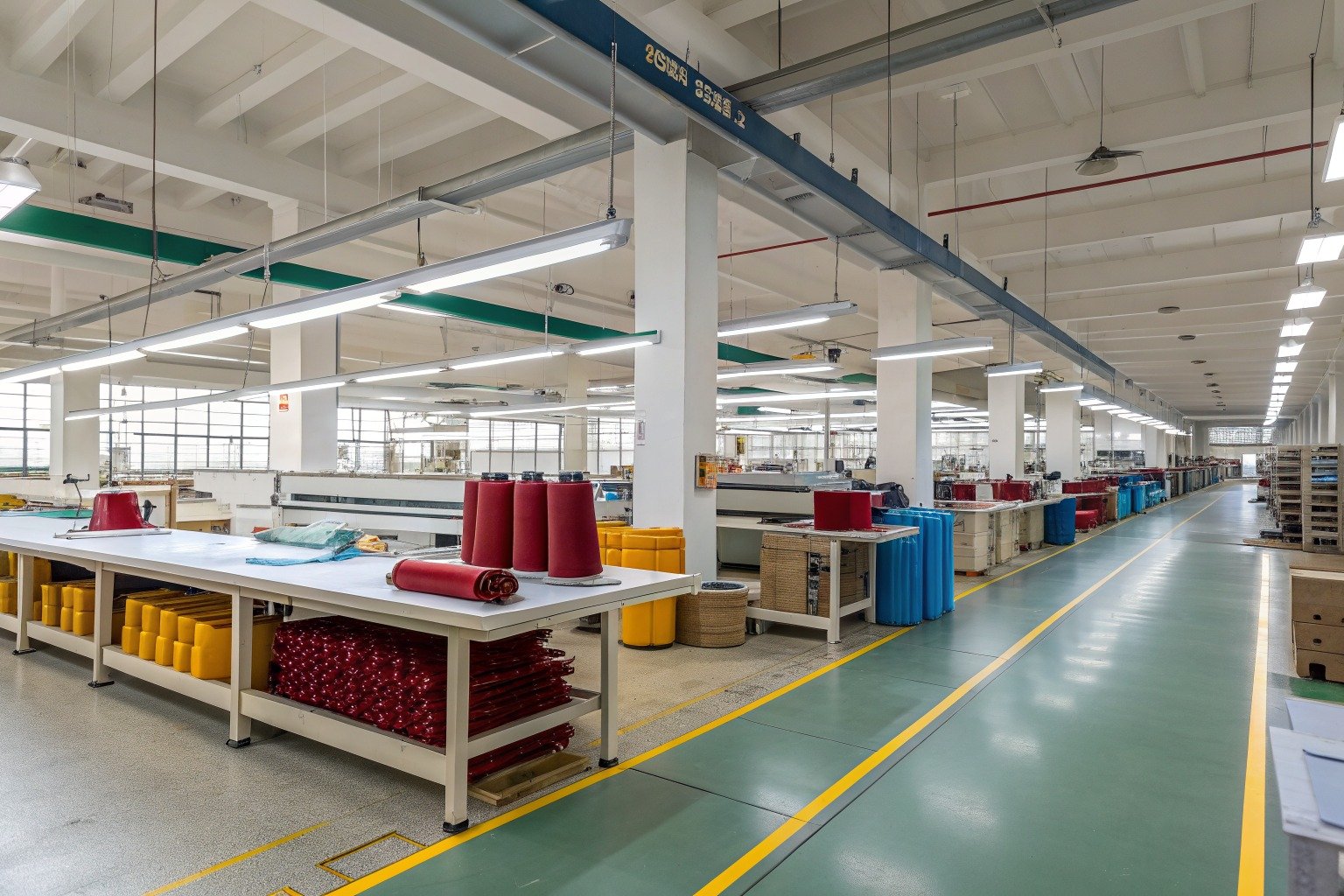
How Does Factory Layout and Storage Indicate IP Protection Commitment?
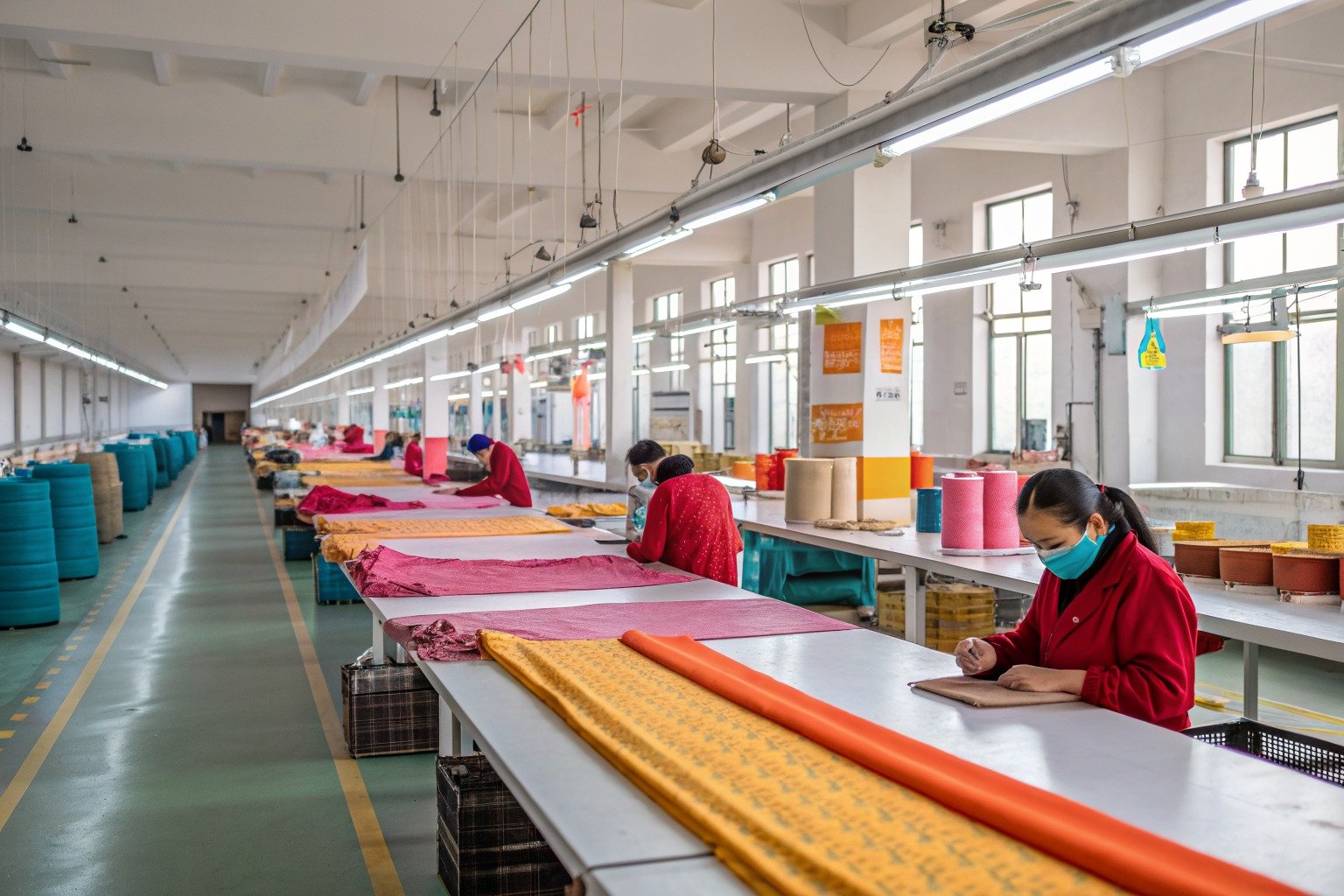
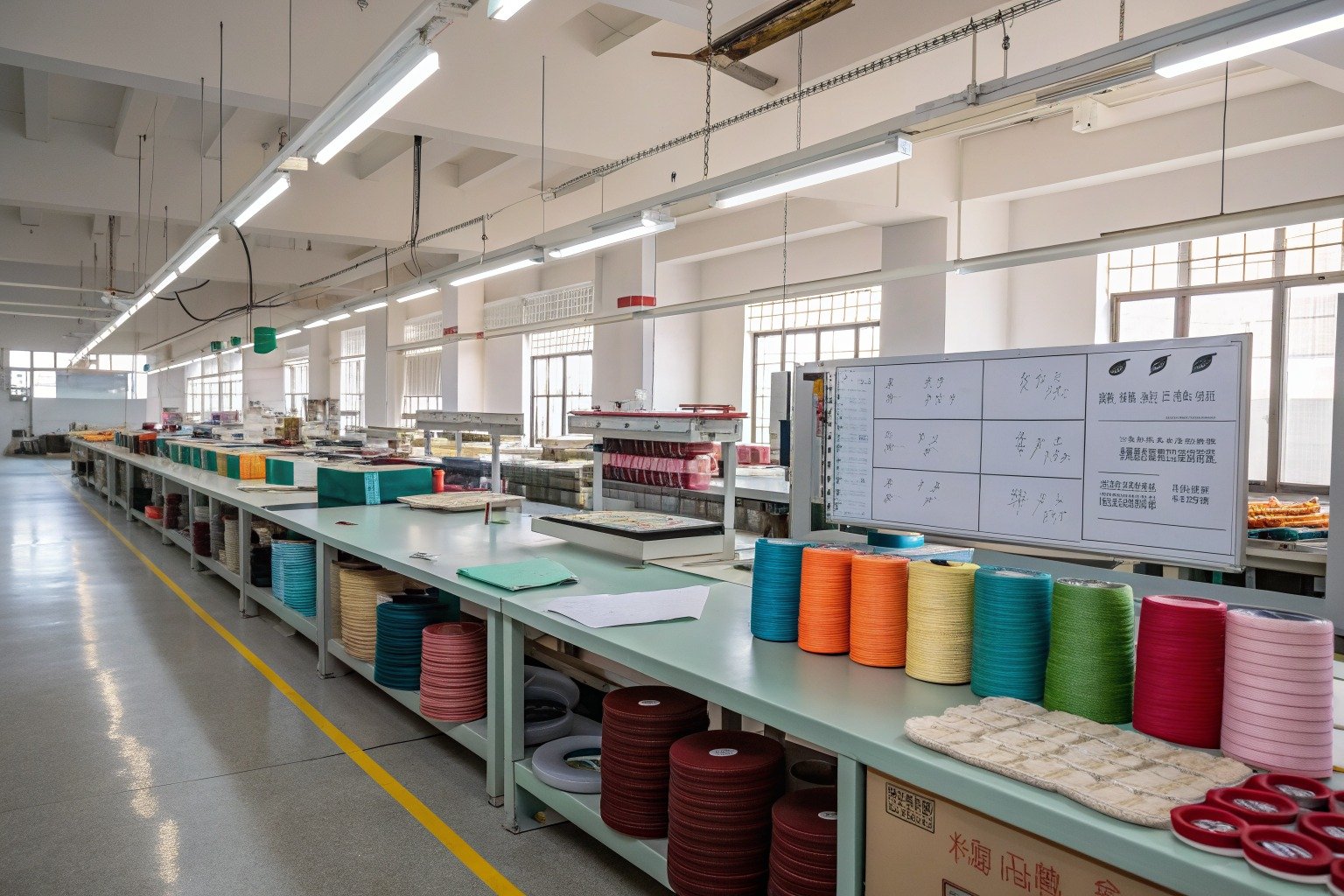
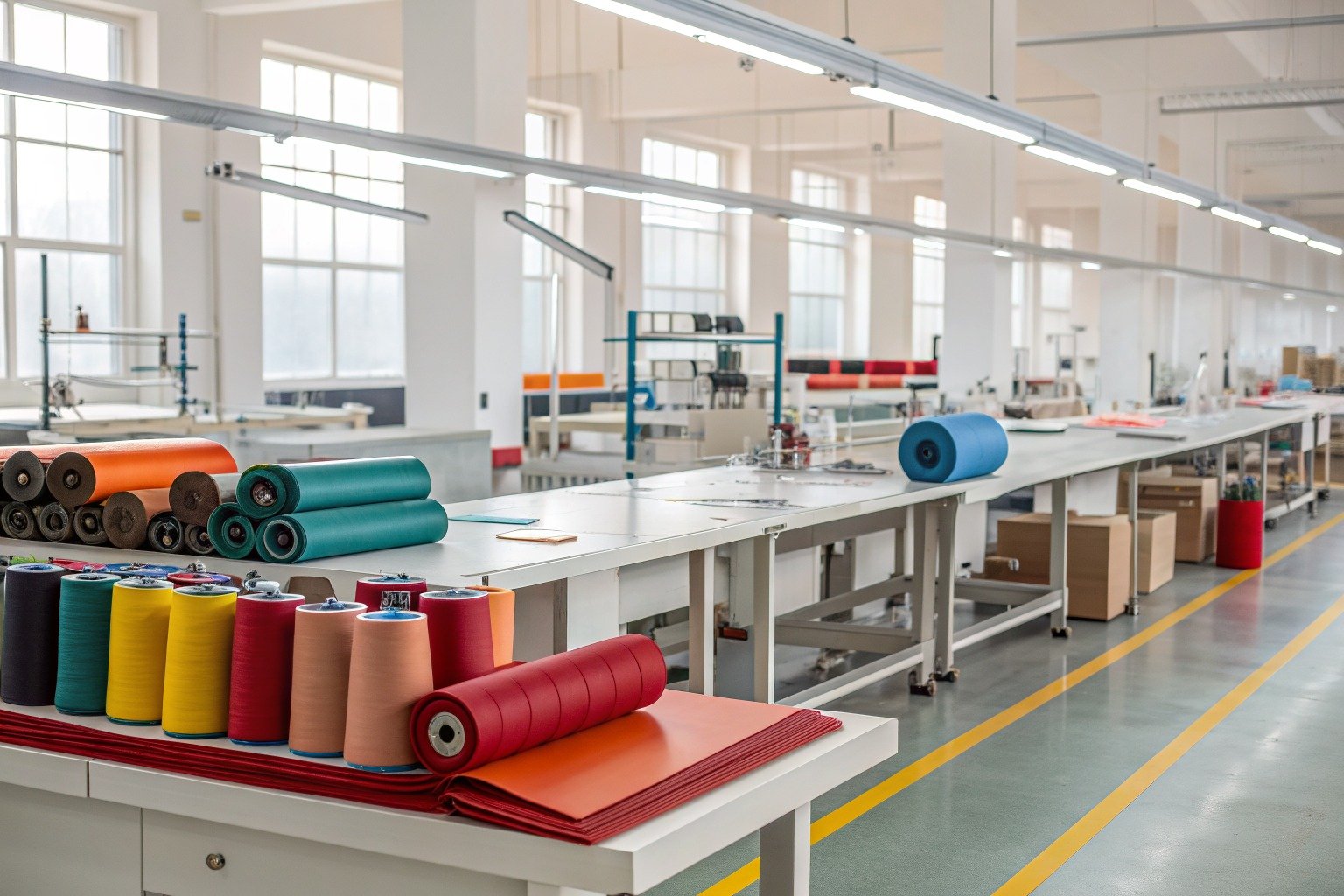
You can learn a lot just by looking at the physical space during a video call. Watch for these three things:
- Segregated Storage: Are the raw materials for Client A’s special acetate color stored separately from general stock? We keep custom-colored materials in a locked cage area. This prevents them from being accidentally used for another order or shown to a visiting buyer.
- Assembly Line Privacy: When you look at the production line, are workers assembling a unique combination of hair bands and shawls that clearly belongs to one brand? If so, can you see other brands’ work in the same frame? A good factory batches client work by week or by line to minimize cross-visibility.
- Sample Room Access: Is the sample room door open to the factory floor, or is it a controlled access room? At AceAccessory, our sample room requires a keycard. Only designers and senior managers can enter. This prevents a visiting salesperson from another company from wandering in and snapping a photo of next season’s baseball caps .
What Legal Agreements Protect Your Accessory Designs During Sourcing?
Paperwork is not the most exciting part of this business, but it is the foundation of trust. Before I take a single dollar for a custom mold at AceAccessory, I expect to sign an agreement. This protects both of us. It protects you from me stealing your design. It protects me from you canceling the order after I have spent money on steel and then claiming I stole the design when I try to sell the inventory to recover my loss.
The two most important documents in this process are the Non-Disclosure Agreement (NDA) and the Mold Ownership Agreement. The NDA is the shield that prevents disclosure of your designs before launch. The Mold Ownership Agreement is the sword that proves you own the tooling.
A third, often overlooked, document is the OEM Agreement. This contract specifies that the factory is manufacturing goods for you as the brand owner. It clarifies that we do not have the right to sell your branded goods to anyone else, even if you fail to pay for a portion of an order (in which case, we have the right to remove the logo and sell as unbranded stock, but not to infringe on your trademark).
Why Is a Detailed Mold Ownership Agreement Non-Negotiable?
I cannot stress this enough. The Mold Ownership Agreement is the single most important piece of paper in custom accessory manufacturing. Here is what it must state clearly:
- Legal Ownership: "The steel mold(s) described in Appendix A are the sole and exclusive property of [Buyer Name]."
- Usage Rights: "Factory shall not use said mold(s) to produce goods for any party other than [Buyer Name] without express written permission."
- Storage: "Factory shall store mold(s) in a secure environment and maintain them in working condition."
- Transfer Rights: "Upon request, Factory shall release the mold(s) to [Buyer Name] or their designated agent, subject to payment of any outstanding balance related to the mold production."
Without this agreement, Chinese contract law generally assumes the factory owns the mold. You paid for the development service, but the steel asset stays with the manufacturer. If you try to move the mold to another factory later, the first factory can legally hold it hostage until you pay an arbitrary "storage fee" or "release fee." I have seen this happen. It is ugly. At AceAccessory, we provide this agreement upfront. We want our clients to feel secure. If they ever want to move production, we release the mold promptly after final invoices are settled. That is how a professional manufacturer operates.
How Do NDAs and Non-Compete Clauses Work in Cross-Border Sourcing?
Enforcing an NDA across international borders is difficult and expensive. You are unlikely to sue a Chinese factory in a US court over a $5,000 mold. So why bother? Because the NDA serves as a powerful psychological and evidentiary tool. It establishes a clear paper trail. If the factory does breach the NDA and you find your design on Alibaba, that signed NDA is your evidence when you file a complaint with Alibaba’s IP protection platform or the local Chinese Market Supervision Bureau. It shifts the burden of proof.
A Non-Compete Clause in the supply agreement is also valuable. It might state: "Factory agrees not to produce a substantially similar design for any other brand for a period of 18 months from the date of first shipment." While this is hard to police, it gives you grounds to terminate the relationship and demand the return of molds if you find a suspiciously similar item in the market. Most importantly, the act of asking for these documents and watching the factory’s reaction is your best due diligence. A factory that embraces legal clarity is a factory that values long-term relationships over short-term theft. At AceAccessory, we welcome NDAs and clear ownership terms. It means we are dealing with serious fashion accessories professionals like Ron.
What Is the Step-by-Step Process to Patent a Hair Clip or Belt Design?
Let’s get practical. You have a sketch for a new belt buckle or a hair claw shape. How do you actually get it patented through a Chinese factory? The process is not as complicated as you might think, but it requires the factory to be a willing and capable partner. They cannot just be a metal bender or plastic injector. They need a design department that understands patent drawings.
At AceAccessory, we follow a standardized workflow for clients who want IP protection. The process runs parallel to the mold-making and sampling timeline so that by the time your production is ready to ship, the patent application is already filed and pending. This gives you "Patent Pending" status, which is a deterrent in itself.
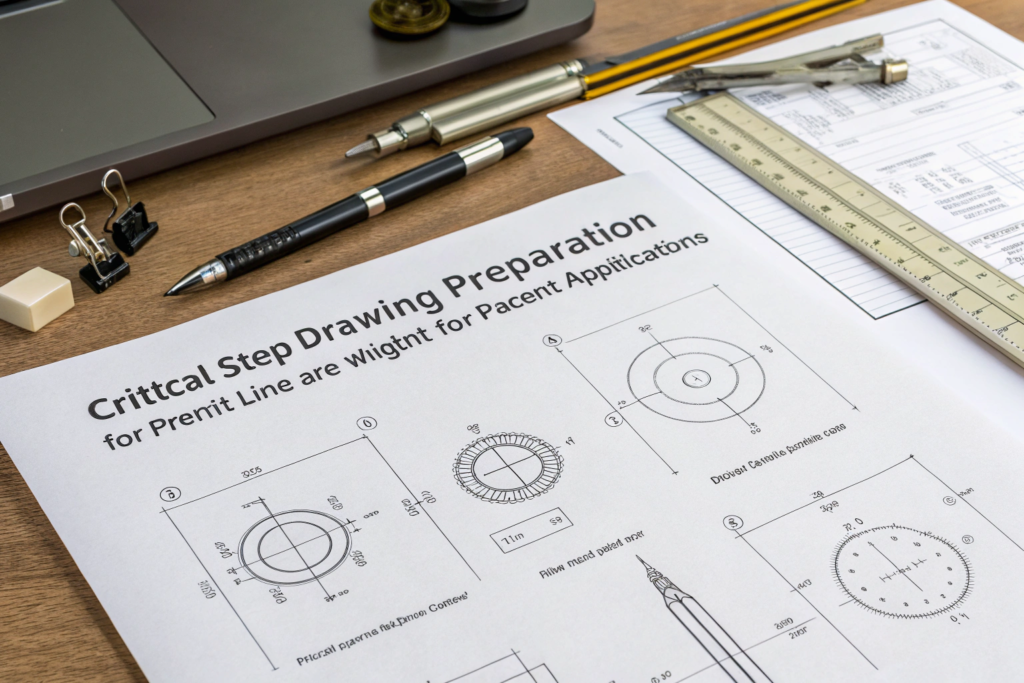
The most critical step is the drawing preparation. Patent drawings are not the same as production CAD files. They must follow strict formatting rules: specific line weights, no shading in certain areas, and six specific views (Front, Back, Left, Right, Top, Bottom, and Isometric). If the drawings are wrong, the patent office issues a "Notice of Correction," which adds months to the timeline.
What Are the Exact Drawing and Documentation Requirements?
To file a Chinese Design Patent for a fashion accessory , we need to provide the IP agent with the following package. I always advise clients to review this list before we submit:
| Requirement | Specification | Why It Matters |
|---|---|---|
| Views (6+1) | Front, Rear, Left, Right, Top, Bottom, Perspective (Isometric). | Defines the exact 3D shape. Missing a view leaves a loophole for copycats. |
| Background | Plain white or neutral. No shadows. | Ensures the design is the only thing being claimed. |
| Lines | Solid lines for claimed features. Broken lines for unclaimed/functional parts. | Allows you to protect the ornamentation, not just the utility. |
| Title | Generic description (e.g., "Hair Claw Clip"). | Avoids limiting the scope of the design. |
| Applicant Info | Your company name and address in English and Chinese. | Establishes legal ownership. |
Our in-house design team prepares these drawings based on the final approved 3D model. We do not charge extra for this service if you are proceeding with mold making. It is part of the development package. We then send the drawings to our trusted IP agent in Hangzhou, who reviews them for compliance and submits them electronically to CNIPA. You receive an official filing receipt with a patent application number within a week. That number is your first line of defense.
How Long Does It Take to Receive a Patent Pending Number?
Speed matters. You want to launch your product with some form of protection in place. The good news is that the Patent Pending Number is issued very quickly. Once the CNIPA receives the application and the filing fee is paid, they issue an Official Filing Receipt. This document contains your application number. This process takes approximately 5 to 10 business days from the date of submission.
This "Patent Pending" status is what you put on your website, your packaging, and your marketing materials. It warns competitors that you are in the process of securing rights. While it does not give you the full power to sue for damages until the patent is granted (6-8 months later), it does allow you to send cease-and-desist letters and file takedown notices with e-commerce platforms. Alibaba and Amazon respect a pending Chinese patent number much more than just a copyright claim. The full grant takes longer because the examiner needs to search for prior art. But for most hair accessories and shawls , unless it is a direct copy of a Chanel logo or a famous shape, the examination is smooth and the patent is granted within that 6-8 month window.
Conclusion
Securing a design patent for your fashion accessories through a Chinese factory is not a luxury reserved for big corporations. It is a practical, affordable, and increasingly necessary step for any brand investing in custom molds and unique designs. The key is not just finding a factory that allows you to file a patent, but one that actively facilitates the process with accurate drawings, transparent mold ownership terms, and a corporate culture that respects intellectual property boundaries.
You should never have to worry that the factory making your hair clips is also supplying your competitor with the same shape. By asking the right questions about mold storage, signing clear agreements, and leveraging the Chinese patent system, you can build a protective wall around your creative work. The cost is minimal compared to the loss of brand equity and sales revenue that comes from being undercut by a copycat.
At AceAccessory, we view IP protection as part of our service. We want our clients to succeed and grow, which means we need to protect their assets as if they were our own. We provide the technical files, the secure storage, and the legal clarity you need to sleep soundly.
If you have a design you want to bring to life and you want to ensure it stays yours, let’s talk about the process. We can walk you through the patent timeline specific to your product category. Contact our Business Director, Elaine. She can coordinate with our design team to get you the information you need for your IP filing. Email Elaine at: elaine@fumaoclothing.com