You’re a brand manager or a marketing coordinator. You’ve been tasked with ordering 5,000 reusable shopping bags for an upcoming promotional campaign or as a retail give-away. The logo is ready. The budget is set. Now you’re staring at a list of fabric options: non-woven polypropylene, cotton canvas, recycled PET, nylon ripstop. The prices vary wildly. You want a bag that looks great, feels substantial in the customer’s hand, and actually gets used, keeping your brand visible for months or years. But you can’t afford a bag that blows your entire budget. You are not just buying a bag. You are buying a mobile billboard for your brand, and the fabric is the foundation of its effectiveness and longevity.
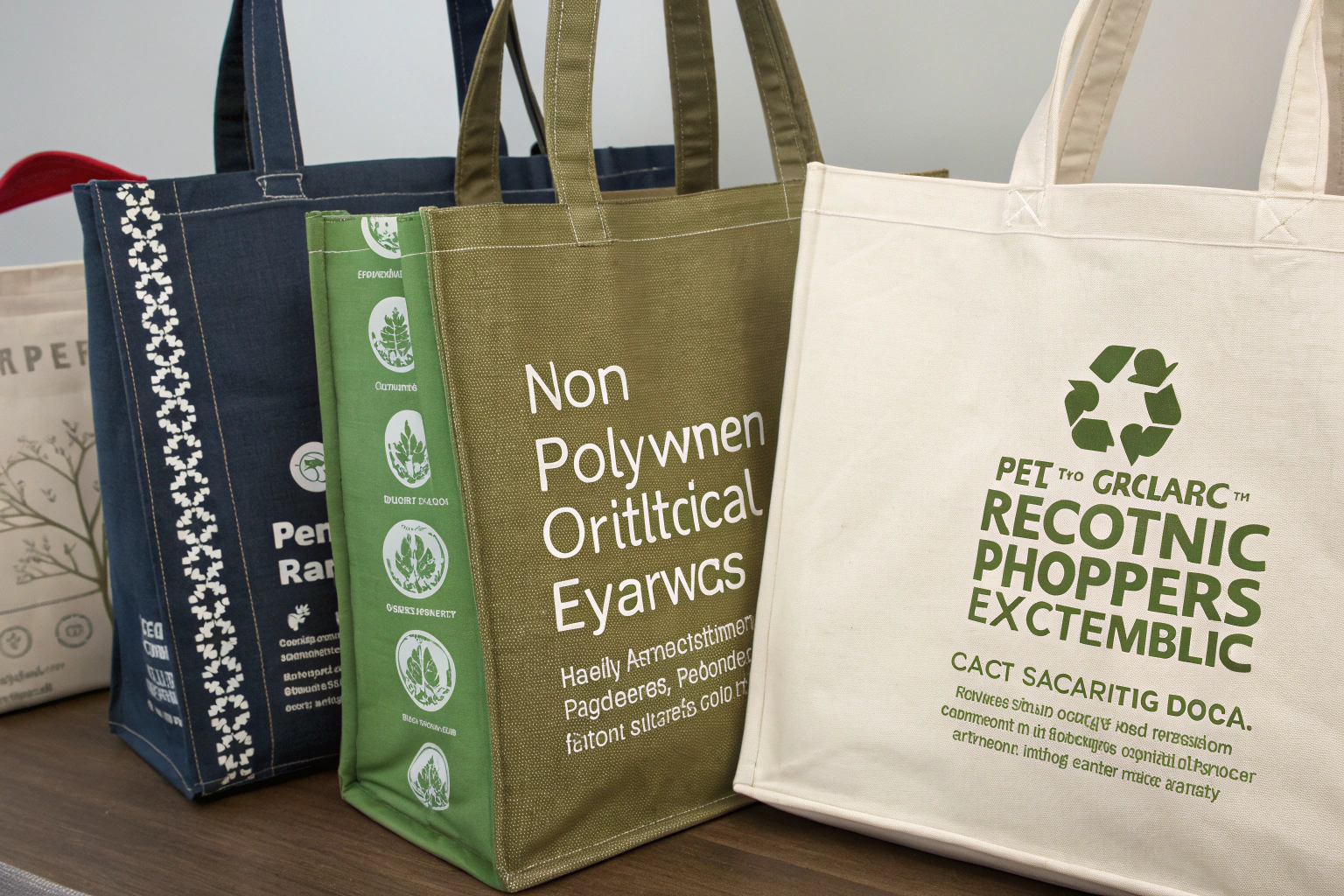
The best fabric for reusable shopping bags as promotional accessories is not a single material, but a strategic choice based on budget, brand positioning, and intended use. For maximum cost-effectiveness and printability, non-woven polypropylene is the industry standard. For a premium, durable, and eco-conscious brand statement, 10-12oz certified organic cotton canvas is the gold standard. And for the optimal balance of sustainability, durability, and modern aesthetic, RPET (recycled polyester) is the rapidly growing star for 2026.
I manage AceAccessory in Zhejiang, and we produce hundreds of thousands of reusable bags for promotional campaigns and retail brands every year. The fabric you choose dictates the bag’s cost, its look, its feel, and how long it will last. Let me walk you through the three primary contenders and help you make the right strategic choice for your brand.
Non-Woven Polypropylene: The Cost-Effective, High-Volume Workhorse
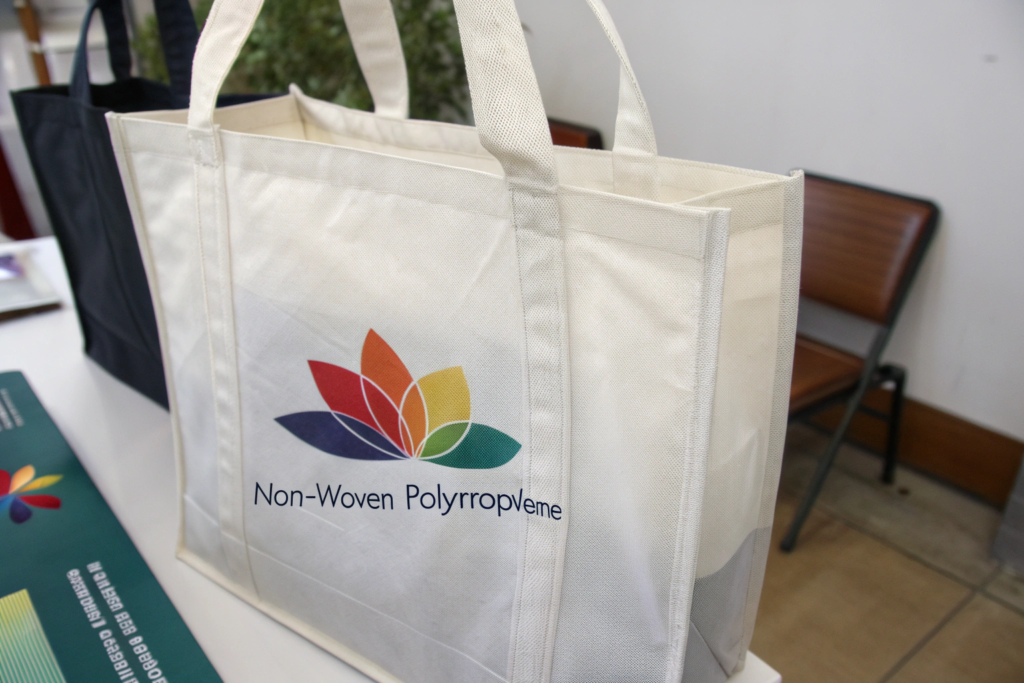
If you’ve ever received a free reusable bag at a conference, trade show, or grocery store promotion, it was almost certainly made from non-woven polypropylene, or NWPP. This material is the undisputed workhorse of the promotional bag industry for one primary reason: it offers the absolute best cost-per-impression ratio. It is incredibly inexpensive to produce in large volumes. The manufacturing process is efficient, and the raw material is a byproduct of petroleum refining. The fabric itself is created by bonding polypropylene fibers together using heat and pressure, creating a material that is lightweight, surprisingly strong, and water-resistant. It has a slightly textured, fabric-like feel that is a significant step up from a single-use plastic bag. It also provides an excellent surface for screen printing, allowing for vibrant, high-impact logos and designs. For a brand looking to maximize reach with a limited budget, the NWPP bag is a proven, reliable, and effective choice. This non-woven polypropylene properties and cost effectiveness for promotional bags makes it the volume leader.
What Are the Different "GSM" Weights for Non-Woven Bags?
The weight and perceived quality of an NWPP bag are determined by its GSM, which stands for Grams per Square Meter. A higher GSM means a thicker, heavier, and more durable fabric. You will commonly see options ranging from 60 GSM to 120 GSM. A 60-70 GSM bag is a very lightweight, entry-level option. It is suitable for very light items but feels quite thin. An 80-90 GSM bag is the industry sweet spot. It offers a good balance of cost, durability, and a decent hand feel. A 100-120 GSM bag feels significantly more substantial and premium. It is more durable and is often chosen for higher-end retail or for a bag that is intended to be reused many times. We always specify the GSM in our quotes and recommend an 80 or 90 GSM as the best value for most promotional applications. This understanding GSM weight for non-woven polypropylene bags is key to specifying the right quality.
What Are the Print Limitations and Best Practices for NWPP?
Screen printing is the most common and cost-effective method for decorating NWPP bags. It works beautifully for bold logos and text with a limited number of solid colors. The ink sits on the surface of the fabric and cures to a durable, slightly raised finish. Full-color photographic or complex gradient prints are not well-suited for screen printing on this material. For those, we would recommend a laminated NWPP bag, which has a smooth, plastic-like surface and is printed using a different process, or moving to a different fabric like RPET. The key to a great print on standard NWPP is a simple, bold design. This screen printing best practices and limitations for non-woven polypropylene ensures a crisp, professional result.
Organic Cotton Canvas: The Premium, Sustainable Statement
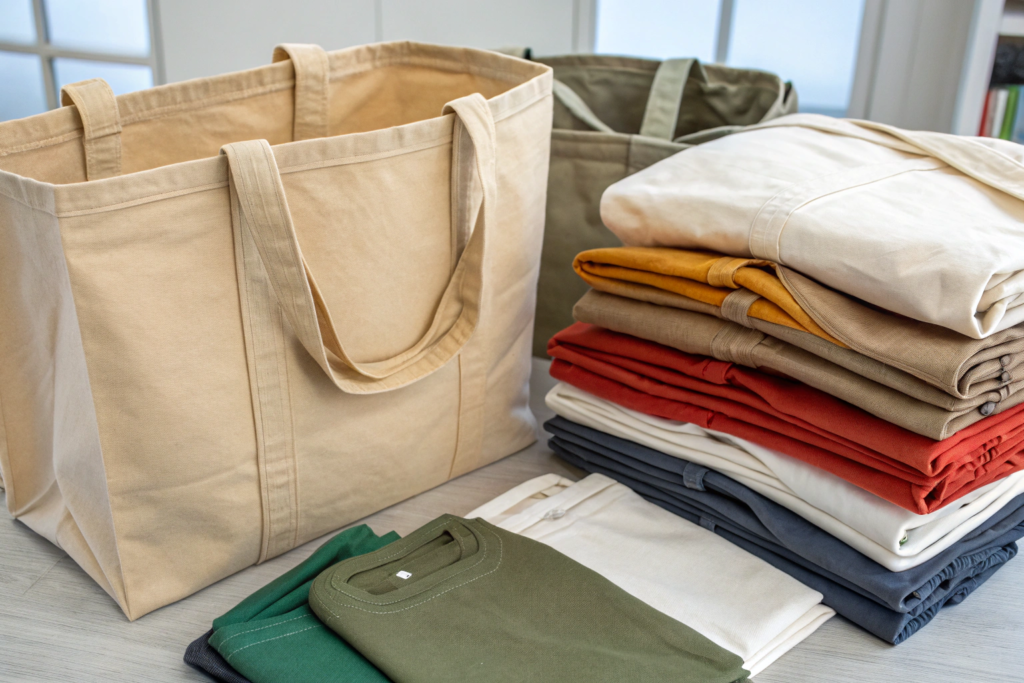
For a brand that wants to make a statement about quality, sustainability, and timeless style, there is no substitute for a heavy cotton canvas bag. This is not a disposable promotional item. It is a product that a customer will keep and use for years, even decades. The fabric is a heavy, plain-weave cotton, typically weighing between 10 and 16 ounces per square yard. It is incredibly strong, durable, and develops a beautiful, soft patina with age and washing. Crucially, for the 2026 market, the cotton must be certified organic. The European and increasingly the North American consumer expects this. A GOTS (Global Organic Textile Standard) or OCS (Organic Content Standard) certification provides credible, third-party verification that the cotton was grown without harmful pesticides and synthetic fertilizers. This bag is a powerful, tangible symbol of a brand’s commitment to the environment and to quality. This organic cotton canvas properties and sustainability credentials for premium bags defines the top tier of the market.
What Is the Ideal Weight and Weave for a Durable Cotton Tote?
The weight of the canvas is the primary driver of its durability and feel. A 10oz canvas is a good, medium-weight option. It’s sturdy and durable but still has some drape. A 12oz canvas is the sweet spot for a premium tote. It feels substantial and heavy-duty. A 14oz or 16oz canvas is extremely heavy and rugged, often used for workwear and bags designed for very heavy loads. The weave also matters. A tight, plain weave is the most common and durable. We guide our clients toward the 12oz weight for the best balance of premium feel, durability, and cost. This optimal canvas weight and weave for durable reusable shopping totes is a key specification.
How Does the Cost of a Cotton Canvas Bag Compare to NWPP?
There is a significant cost difference. A high-quality, 12oz certified organic cotton canvas bag will typically cost 4 to 6 times more than a standard 80 GSM non-woven polypropylene bag. This is due to the higher cost of the raw organic cotton, the more complex manufacturing, and the certifications. Therefore, this bag is not for mass, untargeted giveaways. It is a strategic choice for premium retail packaging, high-value corporate gifts, or as a merchandise item sold for a profit. It is an investment in a long-lasting brand ambassador. This cost comparison of organic cotton canvas versus non-woven polypropylene bags is essential for budget planning.
RPET (Recycled Polyester): The Modern, Sustainable All-Rounder
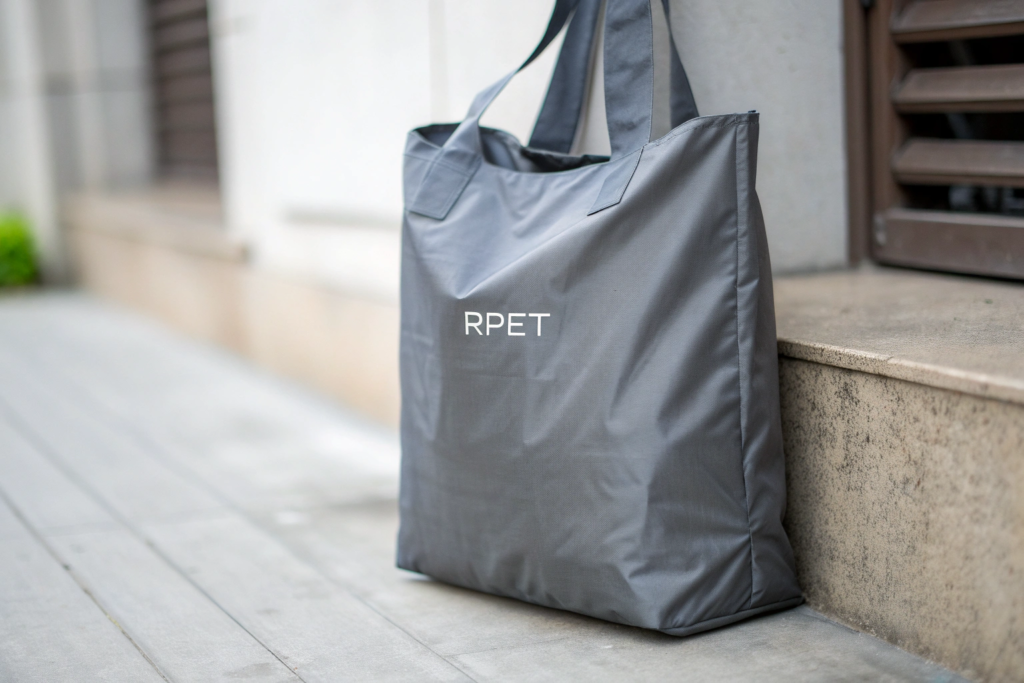
If you want a bag that perfectly bridges the gap between the low cost of NWPP and the premium sustainability of organic cotton, RPET is your answer. RPET stands for Recycled Polyethylene Terephthalate, which is polyester made from recycled post-consumer plastic bottles. This fabric has exploded in popularity for 2026 for several compelling reasons. It has a fantastic sustainability story—turning waste plastic into a durable, useful product. It has a much more premium look and feel than standard NWPP. The fabric is smooth, soft, and often has a subtle, attractive heather appearance. It is incredibly strong and tear-resistant for its weight. It can be printed with vibrant, high-resolution graphics using a process called dye-sublimation, which embeds the ink into the fibers for a permanent, non-peeling finish. And it is often water-resistant and easily foldable. For a modern brand that wants a practical, stylish, and demonstrably sustainable bag at a mid-range price point, RPET is an exceptional choice. This RPET recycled polyester fabric properties and benefits for reusable bags makes it the rising star of 2026.
How Is the "Recycled" Claim Verified for RPET Fabric?
As with organic cotton, the claim of "recycled" must be verifiable. The Global Recycled Standard (GRS) is the most credible and widely recognized certification for recycled textiles. It verifies the chain of custody from the collection of the plastic bottles, through the production of the polyester chip and yarn, to the final fabric. It also includes environmental and social criteria for the manufacturing facilities. We source our RPET fabrics from GRS-certified mills and can provide the necessary transaction certificates to our clients. This allows you to confidently and legally market your bags as being made from recycled materials. This GRS certification for verifying recycled content in RPET bags is essential for credibility.
What Are the Best Printing Methods for RPET Bags?
RPET’s smooth surface is compatible with a wide range of printing methods. Dye-sublimation is a premium option. The design is printed onto a special paper and then heat-pressed onto the fabric. The ink turns into a gas and bonds permanently with the polyester fibers. The result is a vibrant, full-color, photographic-quality print that will never crack, peel, or fade. It is the ideal choice for complex logos and designs. Screen printing also works well for simpler, bold designs. This dye-sublimation and screen printing options for RPET reusable bags offers great design flexibility.
How Do You Choose the Right Fabric for Your Specific Campaign?
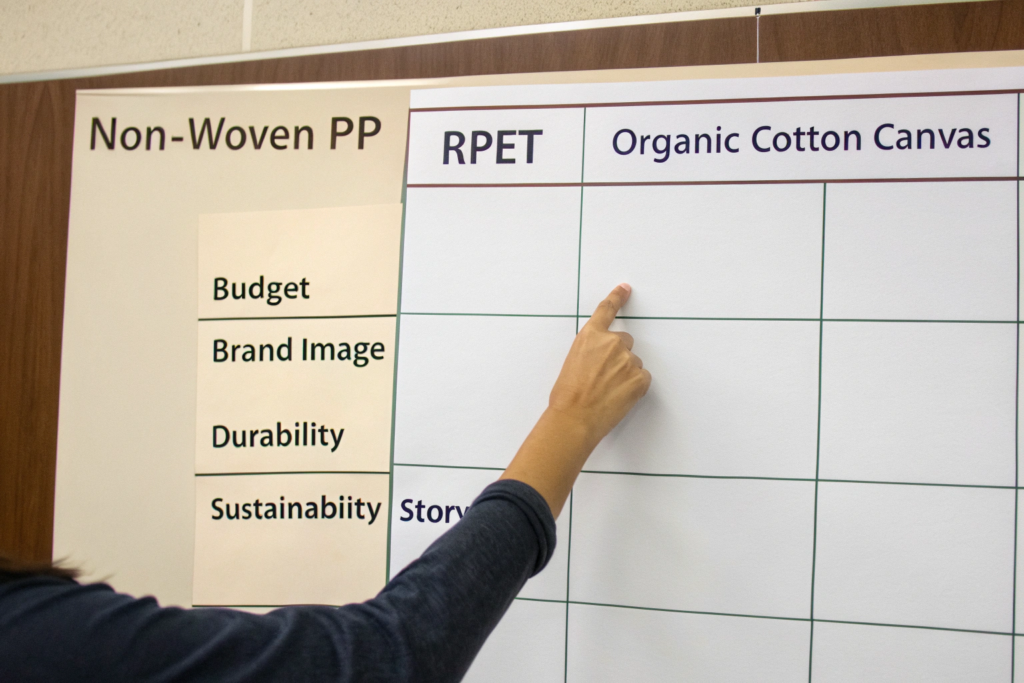
There is no single "best" fabric. The right choice is the one that best aligns with your specific campaign goals, your budget, and your brand’s identity. Here is a simple framework to guide your decision. Choose Non-Woven Polypropylene if your primary goal is maximum volume and reach for a limited budget. It is perfect for broad, untargeted giveaways and event swag bags. Choose RPET (Recycled Polyester) if you want a modern, durable, and demonstrably sustainable bag that offers a premium look and feel at a mid-range price. It is ideal for retail shopping bags, corporate gifts, and any brand that wants to showcase its commitment to innovation and the circular economy. Choose Organic Cotton Canvas if you want to make an uncompromising statement of quality, luxury, and deep environmental commitment. It is a strategic investment for premium brands, high-end retail, and creating a lasting brand heirloom. This decision framework for selecting promotional bag fabric based on goals and budget helps you make the strategic choice.
How Does Fabric Choice Impact the Overall Design and Functionality?
The fabric influences more than just cost. It dictates the possible features. A heavy cotton canvas bag requires sturdy webbing or rope handles. A lightweight RPET or NWPP bag can use self-fabric handles. A canvas bag has a natural structure. An RPET bag can be easily folded into a small pouch. The printing method and the achievable level of detail are directly tied to the fabric choice. We work with our clients to ensure the chosen fabric aligns with all aspects of the design vision. This impact of fabric choice on bag design features and functionality is an important part of our consultation.
What Are the Minimum Order Quantities for Each Fabric Type?
MOQs vary by fabric and the complexity of the customization. For a standard stock bag with a simple one-color screen print, MOQs are generally as follows: Non-Woven PP: 500-1000 units. RPET: 1000 units. Organic Cotton Canvas: 500-1000 units. For fully custom bag dimensions, materials, or complex multi-color prints, MOQs are higher. We provide transparent MOQs for every project. This typical MOQs for custom printed non-woven RPET and canvas bags is part of our clear quoting process.
Conclusion
The humble reusable shopping bag is one of the most powerful and cost-effective promotional tools available. It’s a walking billboard that provides genuine utility. But its effectiveness is entirely dependent on choosing the right fabric. The choice between the cost-effective volume of non-woven polypropylene, the modern sustainable appeal of RPET, and the premium eco-luxury of organic cotton canvas is a strategic decision that defines your brand’s message. It tells your customer whether you prioritize reach, innovation, or uncompromising quality. Understanding the properties, the costs, and the stories behind each fabric empowers you to make a choice that perfectly aligns with your brand and maximizes the return on your promotional investment.
At AceAccessory, we are experts in all three of these key fabric categories. We don’t just sell bags. We help you navigate the options, understand the trade-offs, and select the perfect material to carry your brand forward.
If you are planning a promotional bag program and want to discuss fabric options, printing methods, and pricing, I encourage you to contact our Business Director, Elaine. She can provide samples and a detailed quotation based on your specific needs. You can email Elaine at: elaine@fumaoclothing.com. Let us help you put your brand in their hands.