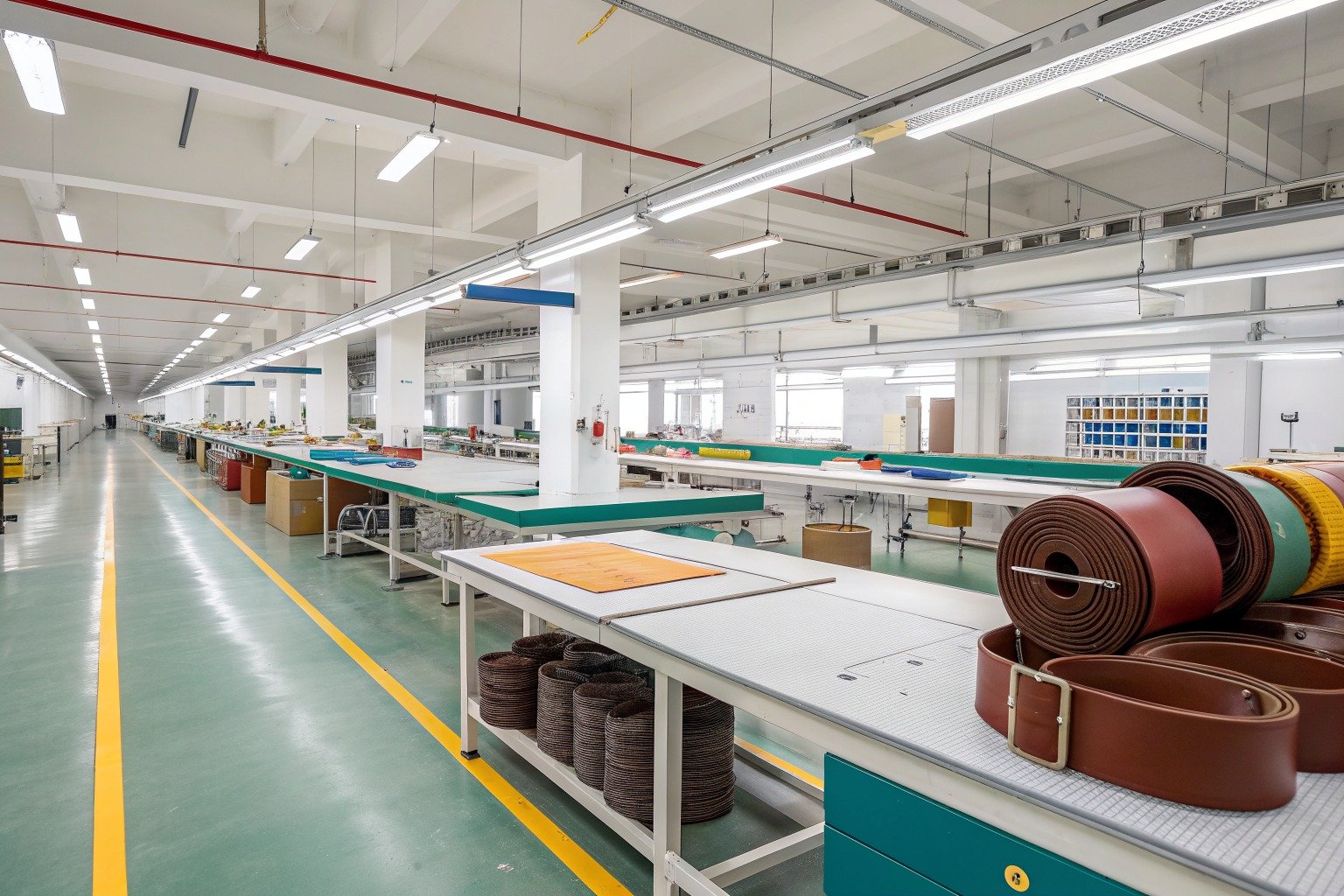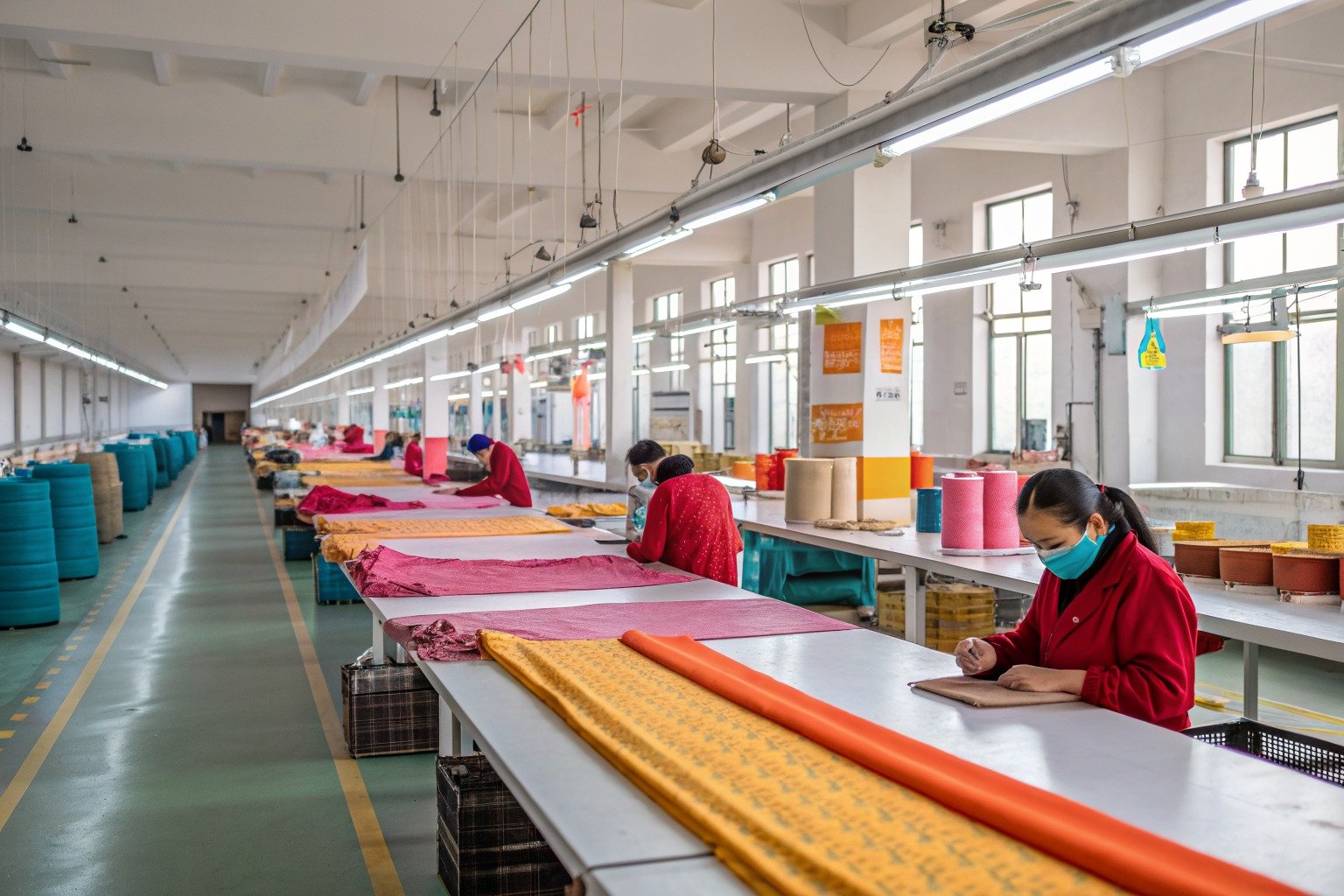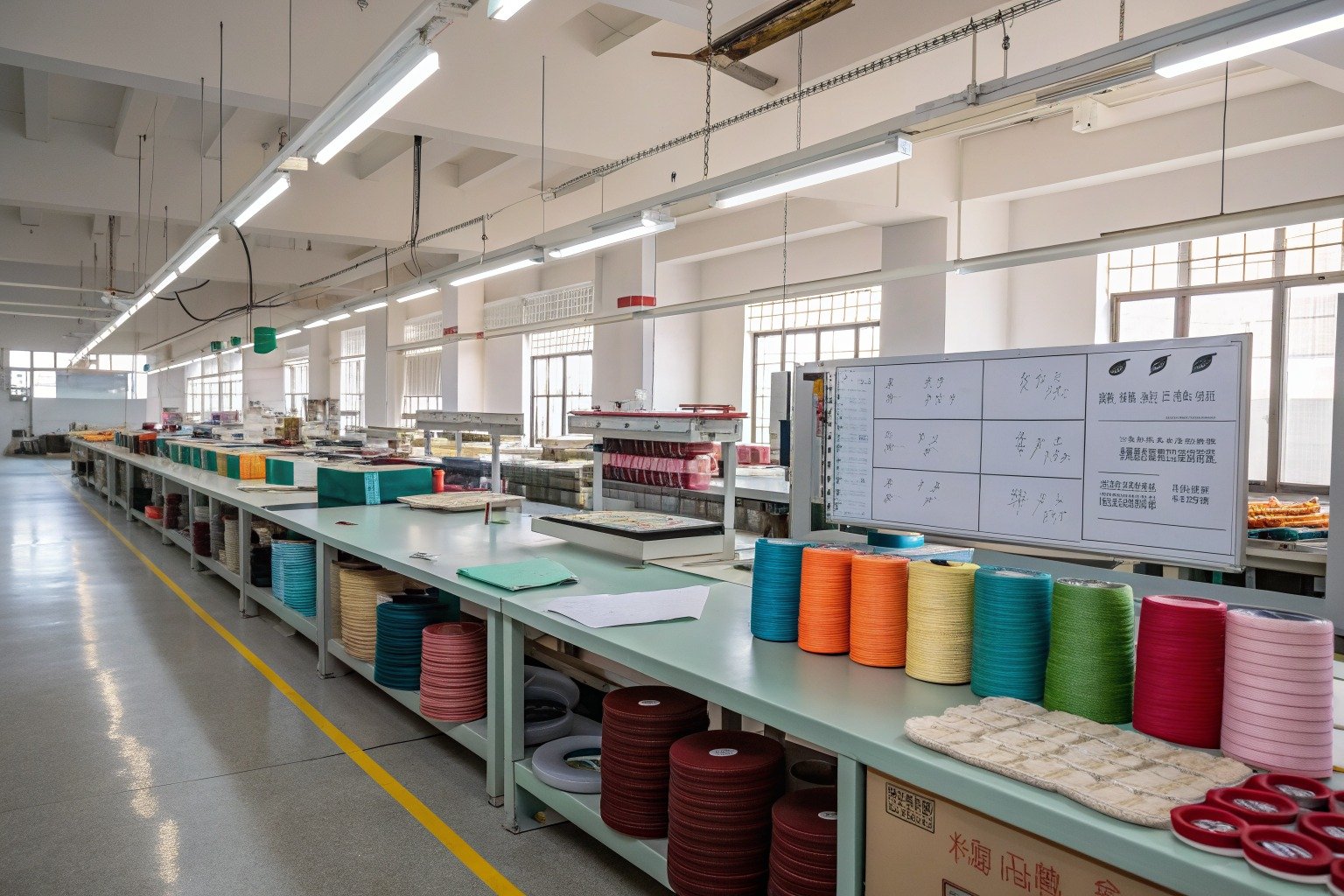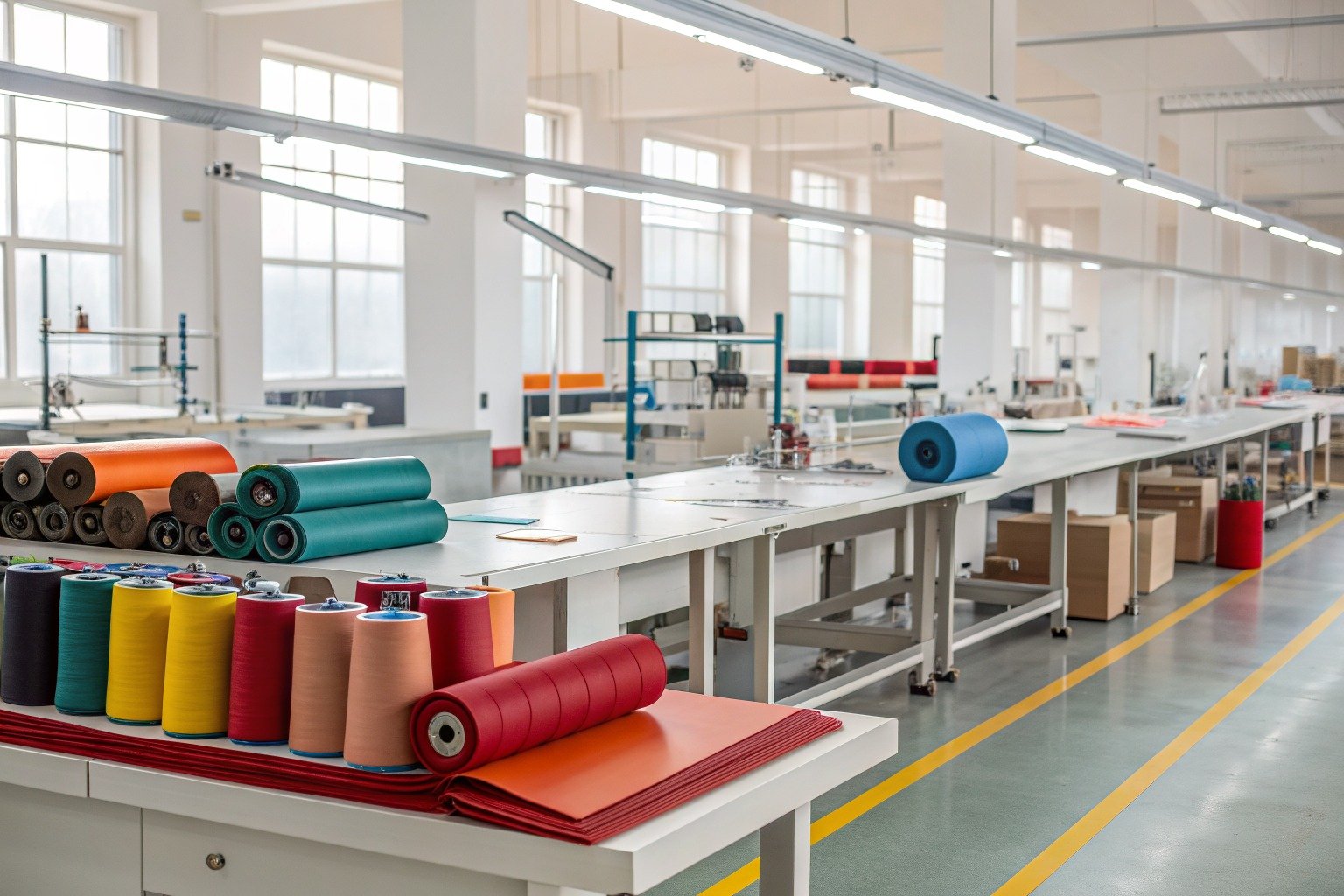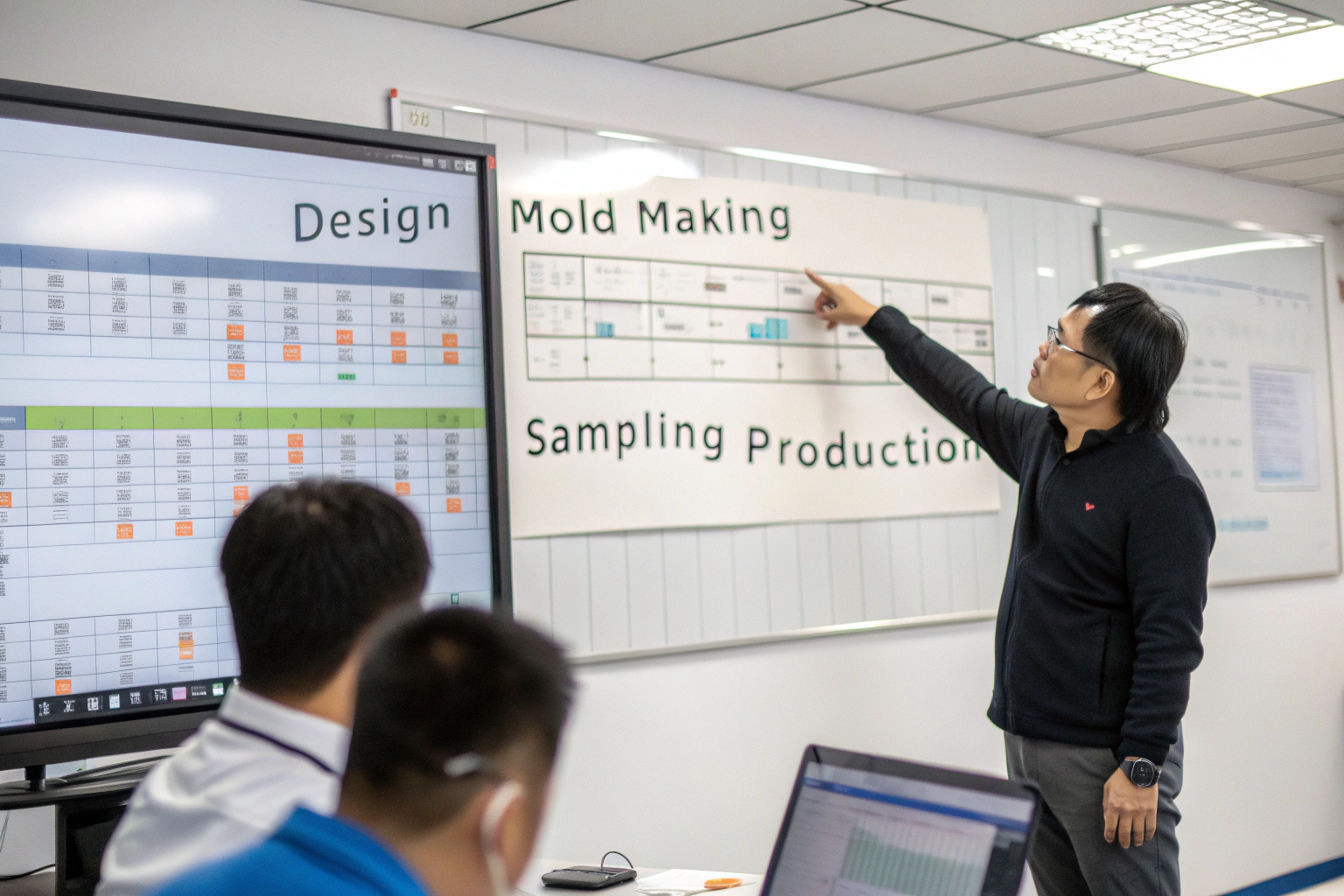
Every buyer wants their custom design on the shelf yesterday. I get it. But I have seen too many orders crash and burn because a factory promised a "super fast mold" and delivered a tool that produced clips with sharp burrs or weak springs. You push for speed, and you end up with a container full of hair accessories that you cannot sell because they damage hair or snap on first use. The real question is not just "how long," but "how long to do it right so my brand doesn’t suffer."
A typical custom injection mold for plastic hair clips takes 25 to 35 days from final drawing approval to production-ready sample in a professional Chinese factory. This timeline includes CNC machining, hand polishing, and functional testing. Simple color changes on existing molds take just 5 to 7 days, while complex metal alloy molds for decorative claws may require up to 40 days due to die-casting and plating requirements.
I have been running a fashion accessories factory in Zhejiang for over fifteen years. We have made thousands of molds for clients ranging from small online boutiques to major American supermarket chains. I know the pressure you feel when a buyer meeting is scheduled and you need samples fast. But I also know that cutting corners on mold making is the fastest way to destroy a long-term sourcing relationship. Let me walk you through the exact process we use at AceAccessory so you can plan your launch calendar with confidence and avoid the "rush fee trap."
Why Does Custom Hair Clip Mold Making Take 25 to 35 Days?
When a buyer hears "25 days," the immediate reaction is often frustration. Couldn’t we do it faster? Theoretically, yes. But practically, no—not if you want a clip that opens smoothly and doesn’t snag fine hair. A hair accessory mold is not like a mold for a simple industrial washer. It has curves, undercuts, and a spring mechanism cavity that must align with micron-level precision. If the steel is cut too fast, it leaves tool marks inside the cavity. Those marks transfer to every single plastic clip you produce. You end up with a hair accessory that looks cheap and feels rough.
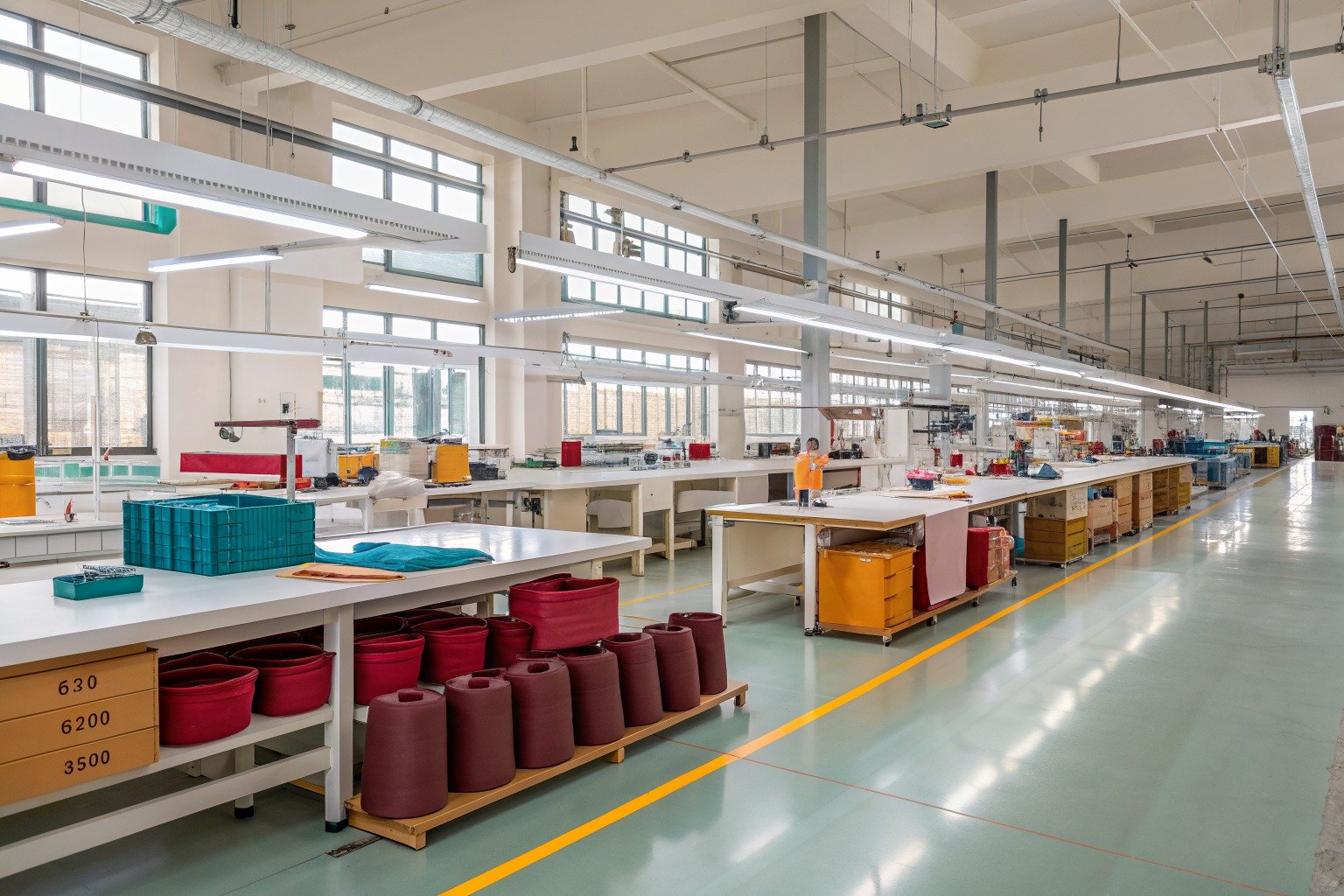
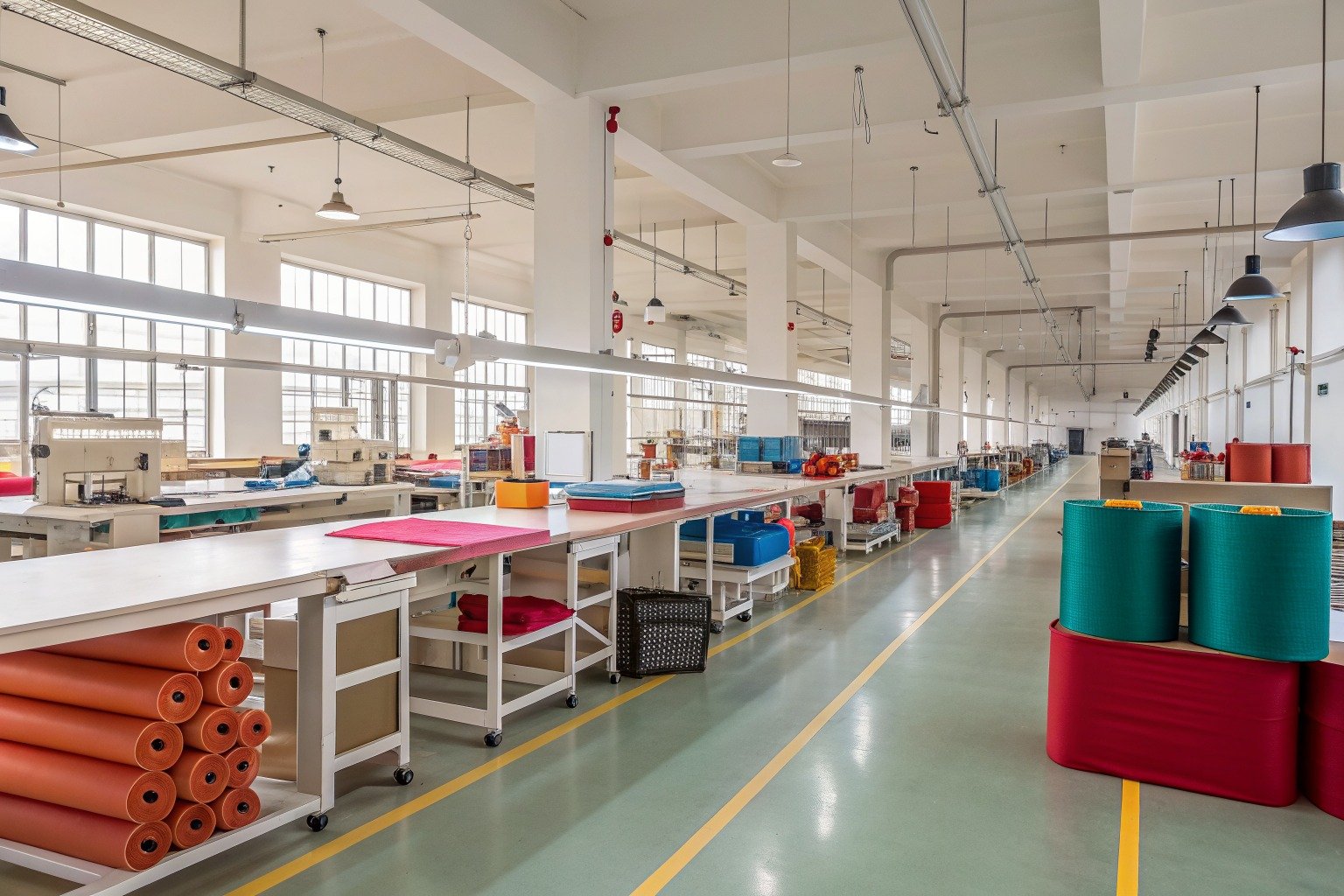
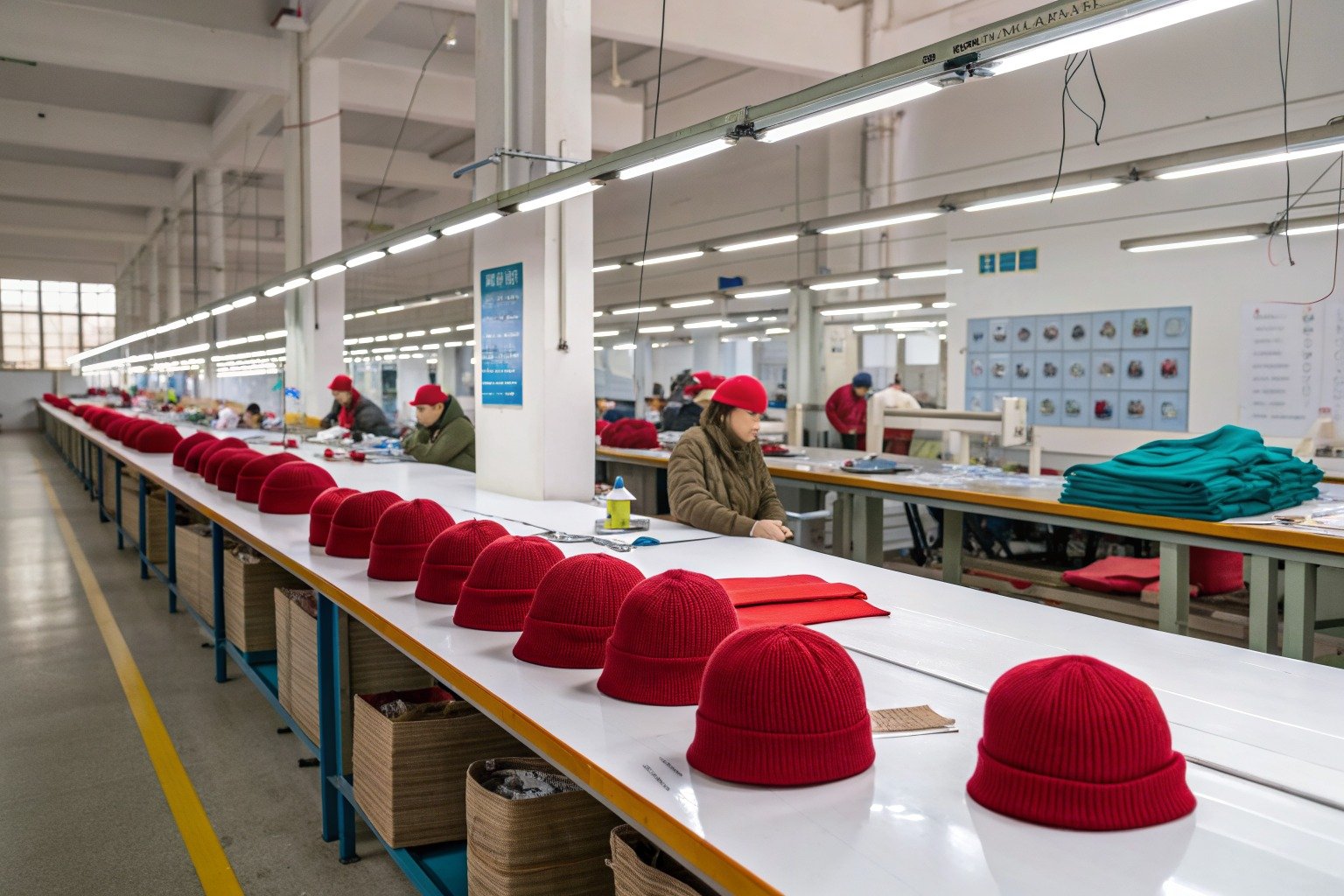
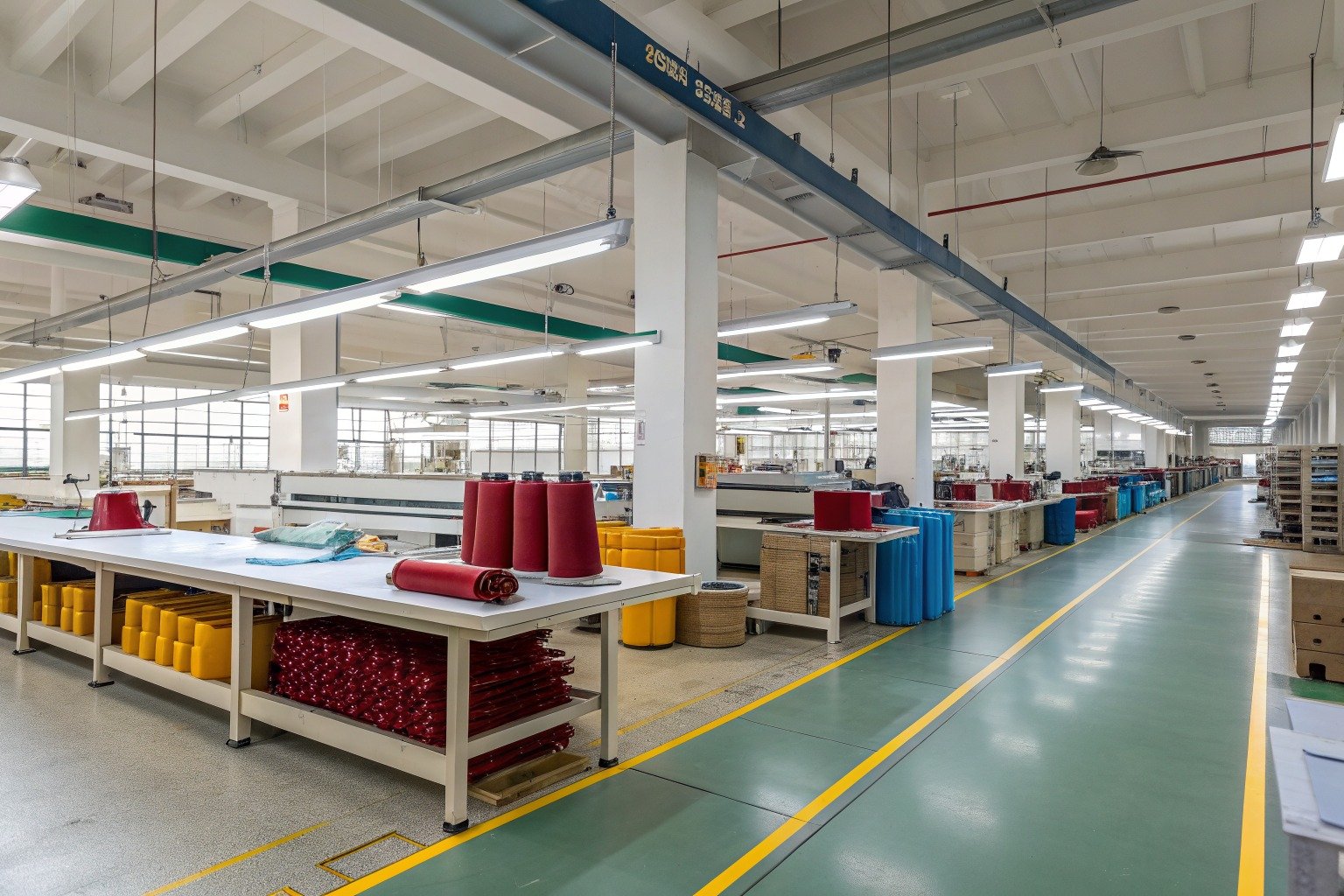
At AceAccessory, our in-house tooling department follows a strict sequence. We don’t outsource mold making to a third-party workshop where we lose control of the quality. We keep it under our roof so our project managers can walk over and check the progress hourly if needed. This visibility allows us to give you accurate updates rather than vague promises.
The real value of a 25-day mold is not just the shape; it is the durability of the tool. A well-made steel mold can produce over 500,000 shots. A rushed aluminum mold might fail after 50,000. That difference matters when you plan to reorder this style year after year. You are investing in an asset, not just paying for a one-time service.
What Happens During the CNC Machining Phase for Hair Clips?
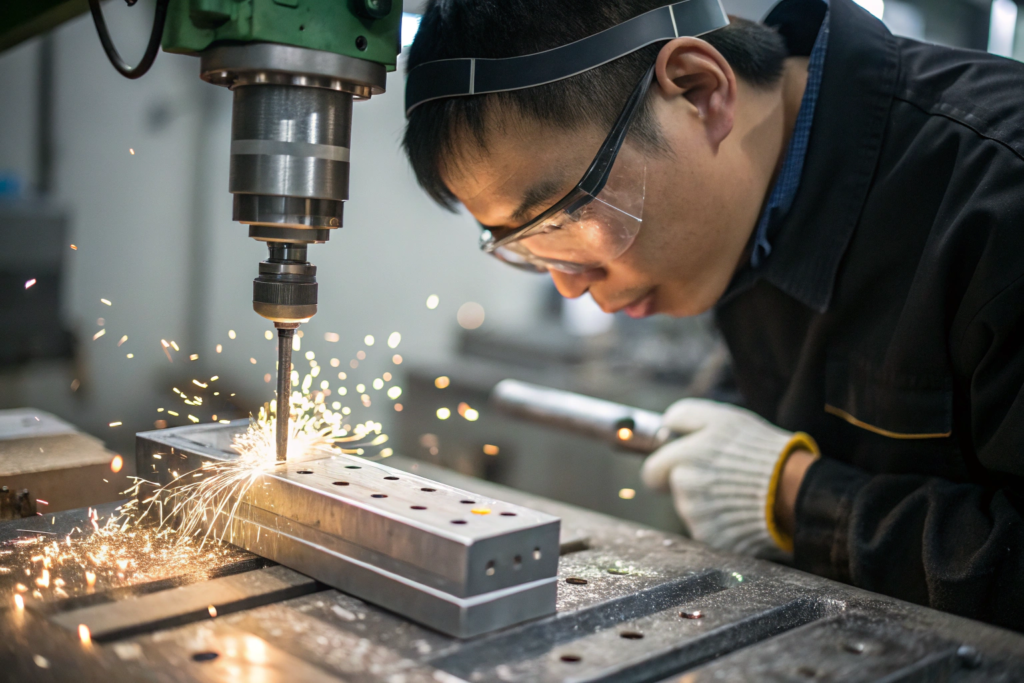
The first physical step in creating your custom hair clip is the CNC machining. We take the 3D drawing file you approved and load it into the computer. A block of hardened steel—usually P20 or 718 grade—is placed on the machine bed. The computer-controlled cutting tools then carve out the negative space of your design. This phase typically takes 7 to 10 days depending on the complexity of the claw teeth or decorative pattern. If you want a textured surface on the clip, like a tortoiseshell pattern, that requires a secondary process called EDM (Electrical Discharge Machining). EDM uses sparks to etch the texture into the steel. This is a slow, precise burn that can add 3 to 4 days to the schedule. We cannot skip this step for fashion accessories that rely on surface texture for their premium feel.
Why Is Hand Polishing Critical for Snag-Free Hair Accessories?
This is where the magic happens and where most rushed factories fail. Once the CNC machine stops, the steel cavity is technically the right shape, but it is covered in microscopic grooves. If we injected plastic into that cavity right now, the resulting hair clip would have razor-sharp seam lines and a matte, rough finish. Our polishers spend 3 to 5 days using diamond paste and fine stones to mirror-polish the cavity. For hair bands and clips that touch the scalp, this step is non-negotiable. A single burr can catch a strand of hair and cause breakage. I have seen returns happen because of this exact issue. The polisher’s skill determines whether the clip has a shiny, high-end gloss or a dull, industrial look. This is why we never let an apprentice touch a new mold. Our senior polishers have been doing this specific job for over a decade.
What Are the Different Timelines for Plastic Molds vs Metal Molds?
Not all custom accessories are created equal. The timeline I just gave you—25 to 35 days—applies specifically to plastic injection molds. These are for acetate, acrylic, or polycarbonate clips. But many of our clients, especially those looking for a heavier, more luxurious feel, request metal hair accessories. These might be alloy claw clips, zinc barrettes with rhinestones, or gold-plated hair slides. The manufacturing process for metal is fundamentally different from plastic, and the mold-making timeline reflects that.
You need to know this distinction because it affects your product development calendar. If you are planning a holiday launch and you need gold-toned metal clips, you must budget an extra two weeks compared to a simple plastic design. The material flow and the plating process add layers of complexity that cannot be compressed without risking quality issues like peeling or tarnishing.
At AceAccessory, we handle both types of molds in-house. We have separate departments for injection molding and die-casting. This allows us to give you a realistic schedule based on the material you choose. I always advise clients to consider the end-use before deciding on the material. Plastic is faster and more cost-effective for large volume basics. Metal is slower but commands a higher retail price point and feels more substantial in the hand.
How Does Die-Casting Mold Fabrication Differ for Metal Hair Slides?
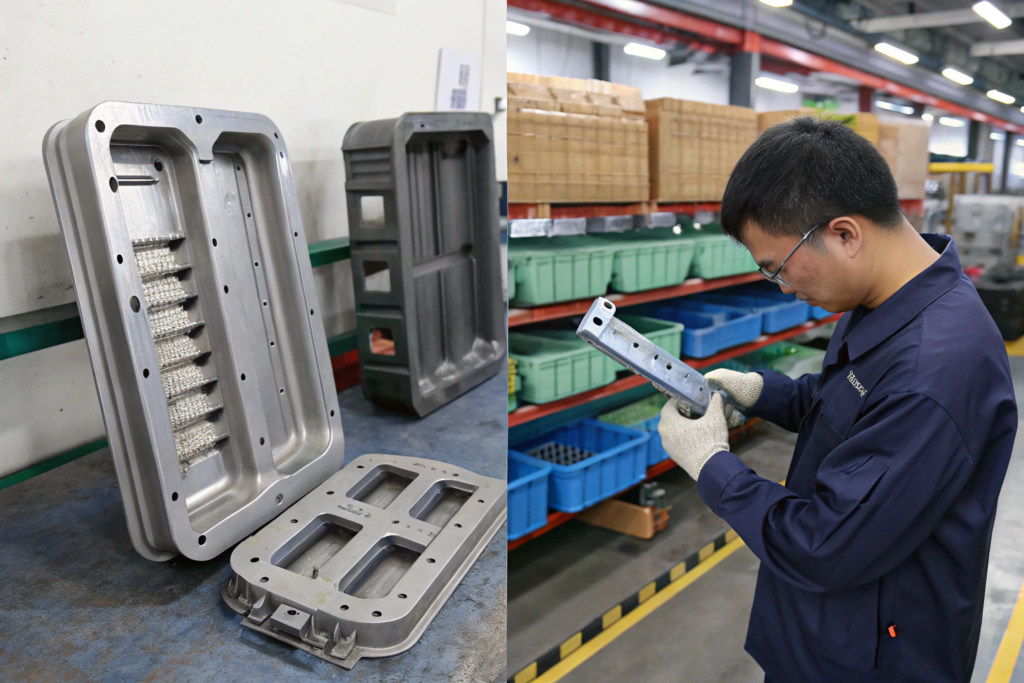
For metal accessories, we use a process called die-casting. The mold is designed to withstand the high pressure and temperature of molten zinc alloy being forced into the cavity. Making a die-cast mold for a belt buckle or a hair slide usually takes 15 to 20 days for the steel fabrication. The steel used is often H13 hot work steel, which is harder to machine than plastic mold steel. However, the mold is only half the story. Once we cast the raw metal part, it is dull gray. It needs to go to the plating line. This is where we add the gold, silver, or matte black finish. Plating requires a separate 5 to 7 days for the samples because we have to test the plating adhesion . We do a thermal shock test—heating the part and cooling it rapidly—to ensure the plating won’t flake off in cold weather or a hot car. If the plating fails, we adjust the chemical bath and test again. This iteration loop is why metal molds effectively take closer to 30 to 40 days from start to a fully finished, sellable sample.
What Is the Fastest Way to Get Custom Hair Clips Using Existing Molds?
If you need custom accessories fast and don’t want to pay the mold fee or wait the 25 days, there is a smarter way. At AceAccessory, we maintain a library of over 500 proven hair clip shapes. These are molds we own and have tested over years of production. You can choose a shape you like and customize it in three ways without cutting a new steel tool. First, color matching: we inject the plastic in any Pantone color you specify. This takes 5 to 7 days for a color chip sample. Second, surface finish: we can apply a matte spray, a high-gloss polish, or a soft-touch rubberized coating to the existing shape. Third, decoration: we can add pre-made rhinestones or a small metal logo plate to an existing clip body. This approach allows you to create a private label collection with a unique look in under two weeks. It is the strategy I recommend for buyers testing a new market or needing quick replenishment for a trending color.
How to Avoid Hidden Delays and Rush Fee Scams on Hair Accessory Molds?
The timeline I have laid out assumes everything goes right the first time. But in manufacturing, things go wrong. The difference between a good supplier and a bad one is how they handle those problems and whether they warned you about them upfront. I have seen buyers lured in by a factory promising a 10-day mold. They pay a premium "rush fee" of 30% or more. Then the sample arrives. It is rough. It doesn’t close. The spring cavity is off by half a millimeter. They go back and forth for three weeks fixing it. The total time ends up being 35 days anyway, and they paid extra for the privilege of being stressed out.
You need to know what can go wrong so you can ask the right questions before you commit. At AceAccessory, our project managers use a shared digital tracker so you can see the exact stage of your mold every single day. If there is a delay due to a machine breakdown or a holiday, you know about it immediately. We don’t hide behind the "factory closed for holiday" excuse that suddenly appears in week three.
Transparency is the only way to build trust across an ocean. When you understand the potential friction points, you can plan your inventory and marketing calendar with a realistic buffer. This is how professional importers like Ron maintain their reputation with retail buyers.
What Functional Tests Should Be Done Before Mold Approval?
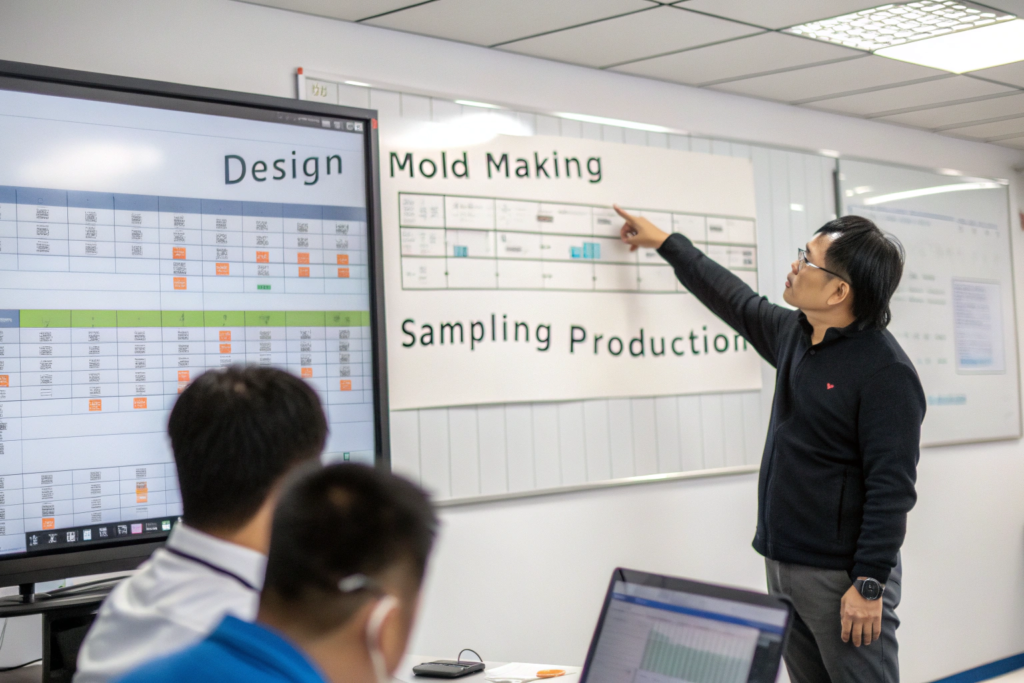
This is the step that cheap factories skip to save time, and it is the most dangerous corner to cut. Before I sign off on a mold for hair bands or clips, our QC team runs three specific tests on the T1 sample. The table below shows what we check and why it adds a crucial 2 to 3 days to the timeline:
| Test Name | Description | Why It Matters | Time Required |
|---|---|---|---|
| Spring Cycle Test | Open and close the clip 1,000 times mechanically. | Ensures the hinge won’t loosen and the clip won’t fall out of hair after a week of use. | 6 Hours |
| Drop Test | Drop the assembled clip from 1 meter onto concrete floor 10 times. | Confirms the plastic or alloy does not crack or shatter on impact. Critical for fashion accessories . | 30 Minutes |
| Hair Snag Test | Run a swatch of fine denier nylon hair through the closed clip and teeth. | Verifies the hand polishing was effective and there are no hidden burrs. | 15 Minutes |
If the sample fails any of these tests, we modify the mold cavity. This might mean adjusting the gate location where the plastic enters or adding more steel in a weak spot. This mold adjustment (T2) phase takes 3 to 5 days. You cannot skip it. If you approve a mold that hasn’t passed these tests, you are approving a defective product line. The time you "save" now you will pay back tenfold in customer returns and bad reviews later.
Why Does Factory Location in Zhejiang Matter for Mold Logistics?
This is an inside detail that most buyers don’t consider, but it directly impacts the final timeline. Zhejiang Province, where our factory is located, is the epicenter of the mold making industry in China. Specifically, we are close to the city of Huangyan, known globally as the "Mold Capital." This means our supply chain for mold steel, cutting tools, and specialty components like hot runner systems is literally within a 2-hour drive. If a CNC machine breaks down, the technician is here the same day. If we need a specific grade of steel that we don’t have in stock, it arrives tomorrow morning, not next week from another province. For buyers in the US and Europe, this dense industrial ecosystem translates to a more reliable timeline. We don’t lose days waiting for spare parts or raw materials to travel halfway across China. It is a logistical advantage that keeps our 25-day promise achievable, whereas a factory in a remote area might need 35 days for the exact same work simply due to transit delays.
Can You Shorten the Hair Clip Mold Timeline Without Sacrificing Quality?
I know that sometimes 25 days feels impossible. Maybe you have a trade show in three weeks and you desperately need a new sample to show buyers. Or maybe a competitor just launched a similar item and you need to counter fast. While we cannot change the laws of physics for steel cutting, we can compress the pre-production phase significantly using modern technology. The trick is to eliminate the back-and-forth of drawing revisions and physical sample shipping.
At AceAccessory, we have invested in digital tools that give our clients confidence to approve designs faster. The biggest time-waster in custom development is the "I need to see it to believe it" phase. A 2D drawing on a spec sheet doesn’t tell you how a hair claw will feel in your hand. By using 3D rendering and rapid prototyping, we bridge that gap before we ever cut steel. This allows us to compress the design confirmation stage from a typical 7-10 days down to just 48-72 hours. That is where you find your time savings—not in rushing the machining of the steel cavity.
Let me explain exactly how we use these tools to give you a competitive advantage without compromising the final quality of the product .
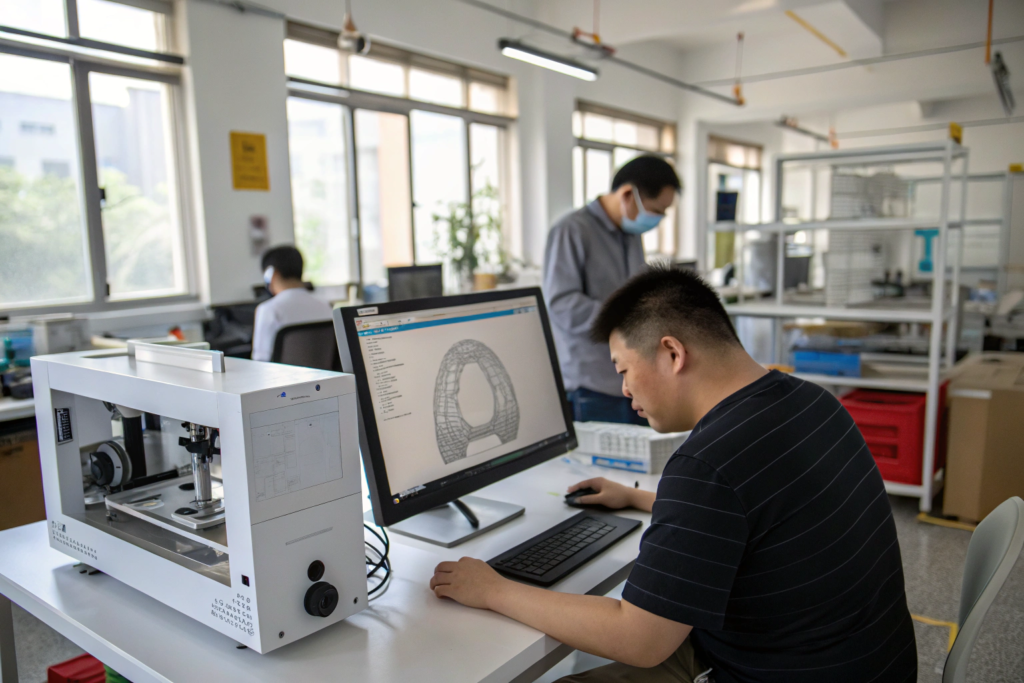
How Does 3D Printing Prototypes Speed Up Design Approval?
Before we spend the money and time to cut steel, we want you to be 100% sure about the size and shape. We used to ship physical plastic mockups back and forth, which added a week or more due to international courier delays. Now, we use in-house 3D printing. We print a physical model of your hair clip in resin overnight. In the morning, our project manager takes a video of the clip being held in a hand and being opened and closed. We send that video to you via WhatsApp or email. You can see the exact scale. Is it too bulky? Is the curve of the claw too shallow? You can give us immediate feedback. We can adjust the 3D file and print a revised version within 24 hours. This process used to take two weeks of international shipping and customs clearance. Now it takes two days. This is how we can sometimes shave a full week off the total development timeline without touching the mold-making schedule itself. It ensures that when we do start the 25-day steel cutting, the design is locked and perfect.
What Is the Realistic Lead Time for Complex Multi-Component Hair Accessories?
Not all hair accessories are a single piece of plastic. What if you are designing a fancy barrette with a fabric-covered pad and a metal clasp? Or a hair band with a detachable bow? These multi-component items have parallel mold tracks. For example, the plastic base mold takes 25 days. The metal clasp die-cast mold takes 20 days. The fabric cutting die takes 5 days. We run these development tracks simultaneously. However, the final assembly cannot happen until the slowest component is ready. In a multi-component design, the plastic injection mold is almost always the bottleneck. Therefore, even if the metal clasp is ready in 3 weeks, the overall project timeline remains tied to the 25-35 day window for the main plastic body. Then we need an additional 3 to 5 days for assembly line setup and final packaging approval. For complex, assembled accessories, you should realistically budget 5 to 6 weeks from drawing approval to a pre-production sample that represents the exact final product you will receive in bulk.
Conclusion
The timeline for a custom hair clip mold is not arbitrary. It is dictated by the physical process of precision machining, hand finishing, and rigorous testing required to produce a tool that will make millions of flawless pieces over its lifetime. A 25 to 35 day window is the industry standard for a quality plastic injection mold. Rushing this process saves a week on the calendar but risks months of customer service headaches from broken clips, snagged hair, and peeling finishes. As a factory owner, I would rather lose an order because we told the truth about the timeline than win an order by lying and destroying a buyer’s trust.
Metal molds take longer due to die-casting and plating complexities, while simple color changes on existing shapes can be turned around in under a week. The smartest buyers leverage 3D printing and digital renders to lock in designs before the steel cutting begins. This is where the real efficiency gains are found. It is also why working with a factory that has its own in-house tooling department and design team, like AceAccessory, provides a more predictable outcome than working with a trading company that must rely on third-party workshops.
Understanding these timelines allows you to plan your purchasing calendar effectively. It helps you avoid the hidden costs of rush fees and the hidden delays of poorly executed mold adjustments. When you partner with a manufacturer that values transparency and quality over empty promises, the 30 days pass quickly, and you are rewarded with a product that builds your brand rather than damaging it.
If you have a sketch or a reference photo for a custom hair accessory and you want a realistic, no-nonsense timeline for development, reach out to us. We can walk you through the specific steps for your design and give you a date you can actually count on.
You can contact our Business Director, Elaine, directly. She handles the scheduling for all custom mold projects and will give you an honest assessment of what is possible. Email Elaine at: elaine@fumaoclothing.com