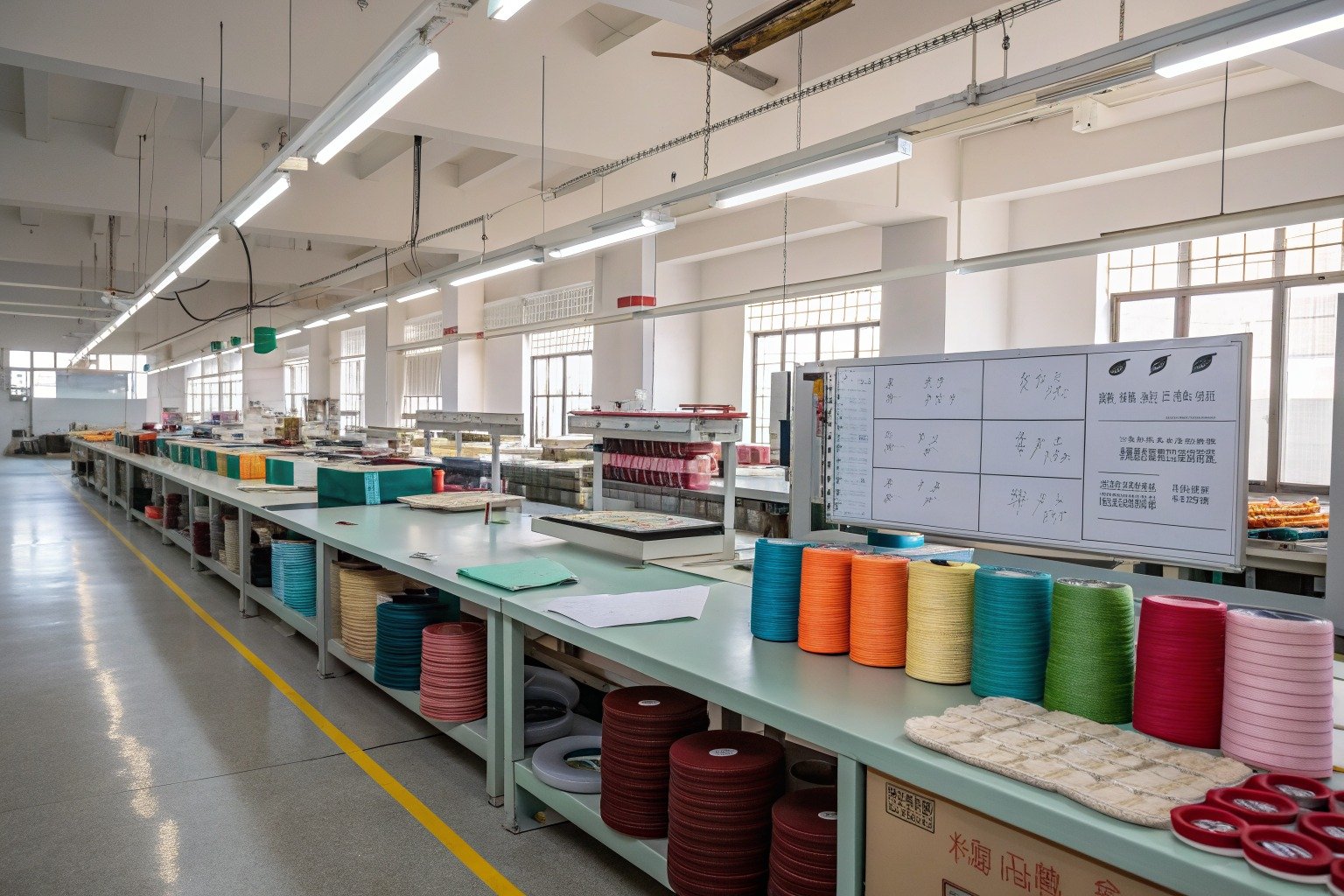
I remember a Wednesday afternoon last October. A client of mine, a mid-sized brand selling baseball caps on Amazon, called me in a panic. Their shipment of 5,000 hats was scheduled to load into a container on Friday morning. But they had just received a violation notice from Amazon regarding their previous shipment. The polybag suffocation warning label was the wrong size. It was 0.5 inches too small. If this new shipment arrived with the same packaging, the entire inventory would be stranded in a warehouse, un-sellable during peak Q4. They needed 5,000 hats re-bagged and re-labeled in less than 48 hours. If you are like Ron, you know this feeling. The rules change overnight. A retail buyer changes their mind. A compliance law gets updated. The fear of having a container full of perfect product trapped in non-compliant packaging is a very specific kind of logistics terror.
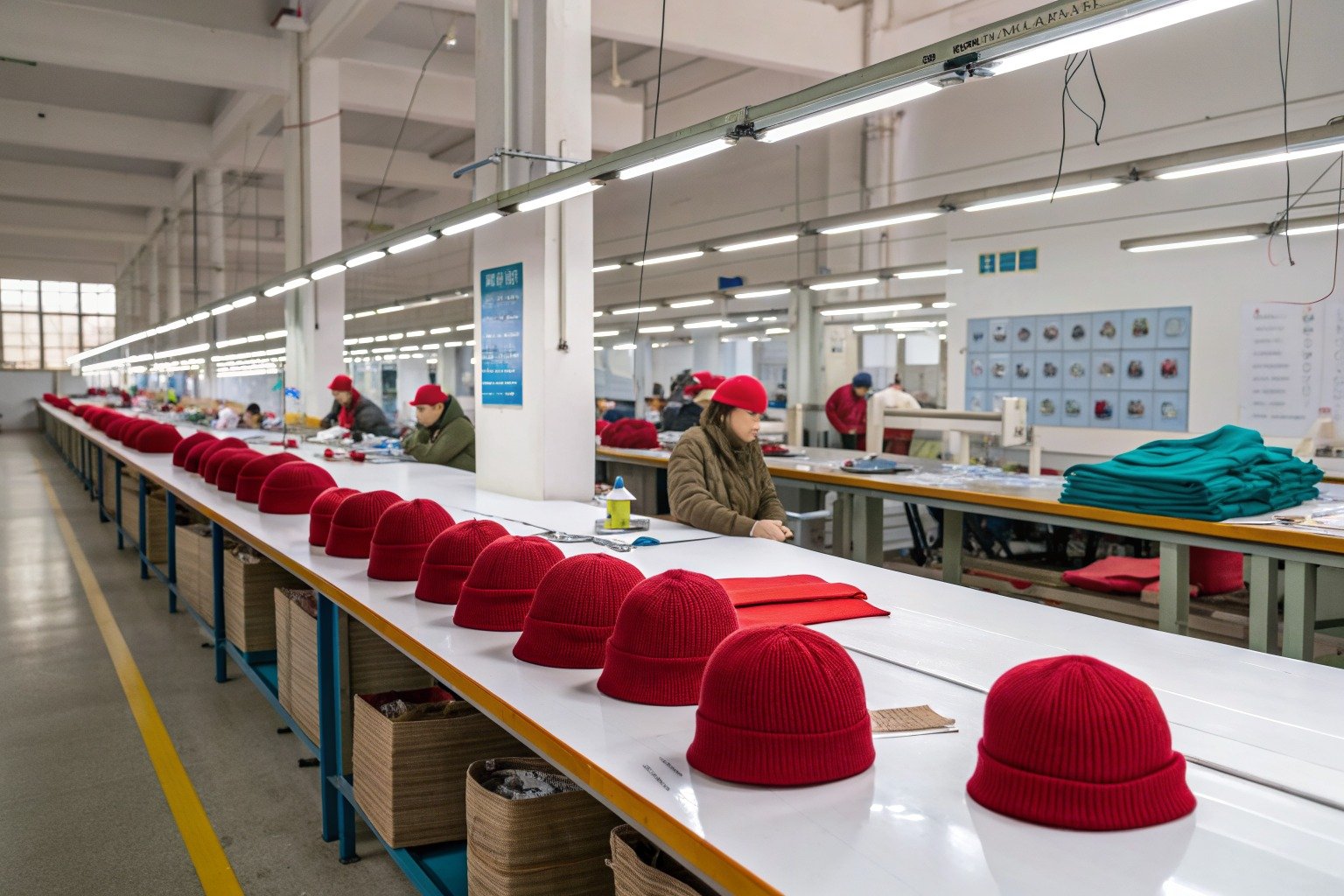
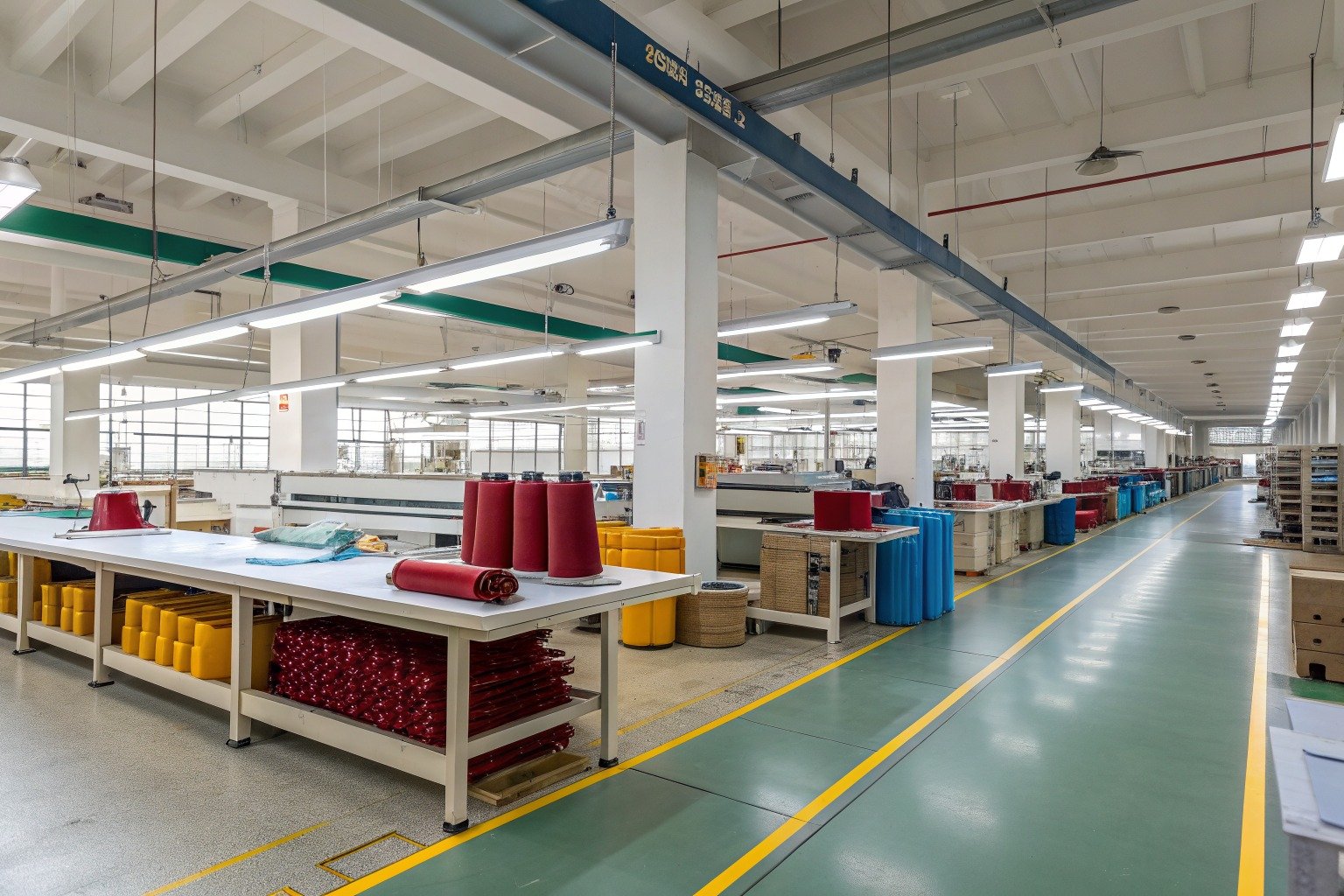
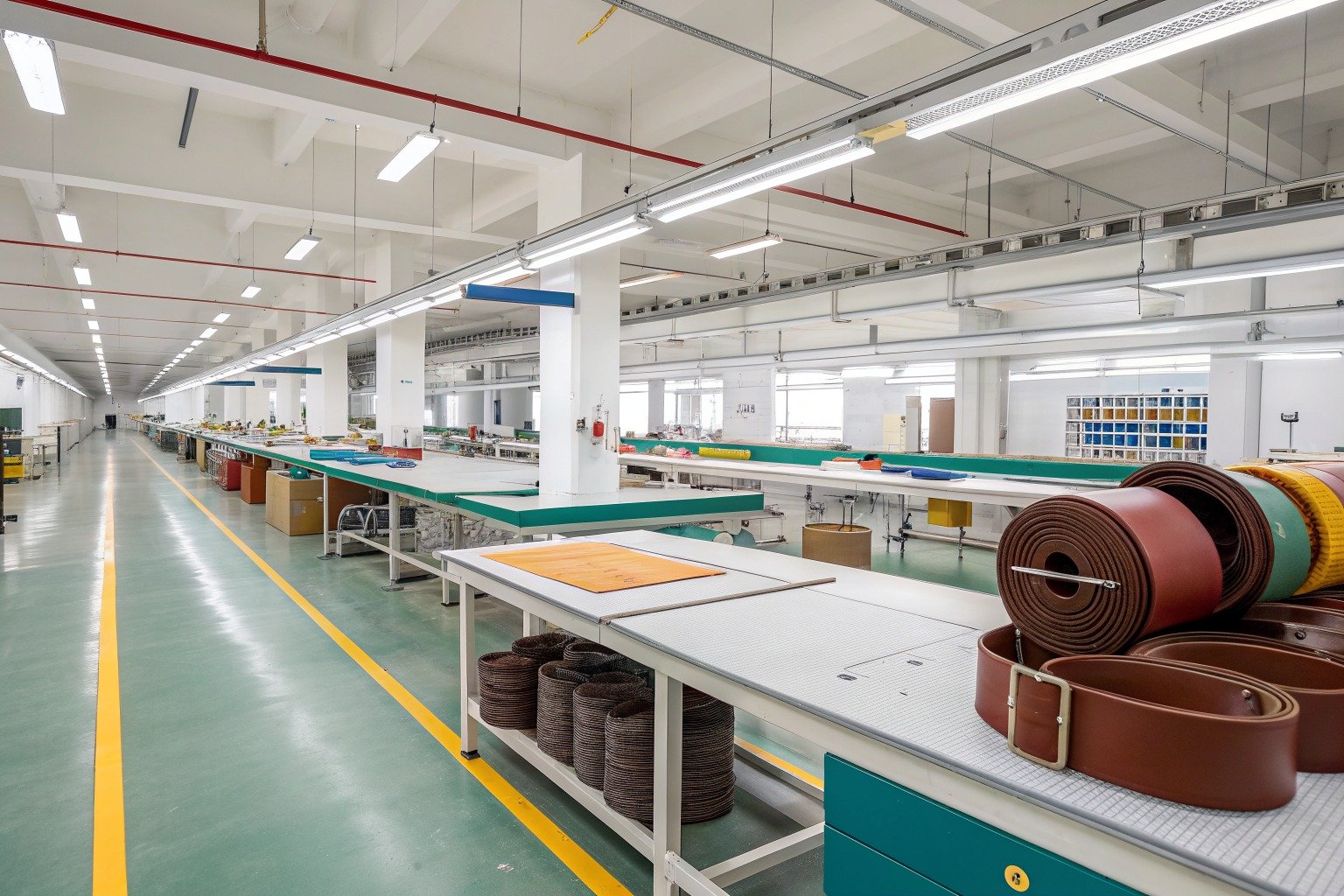
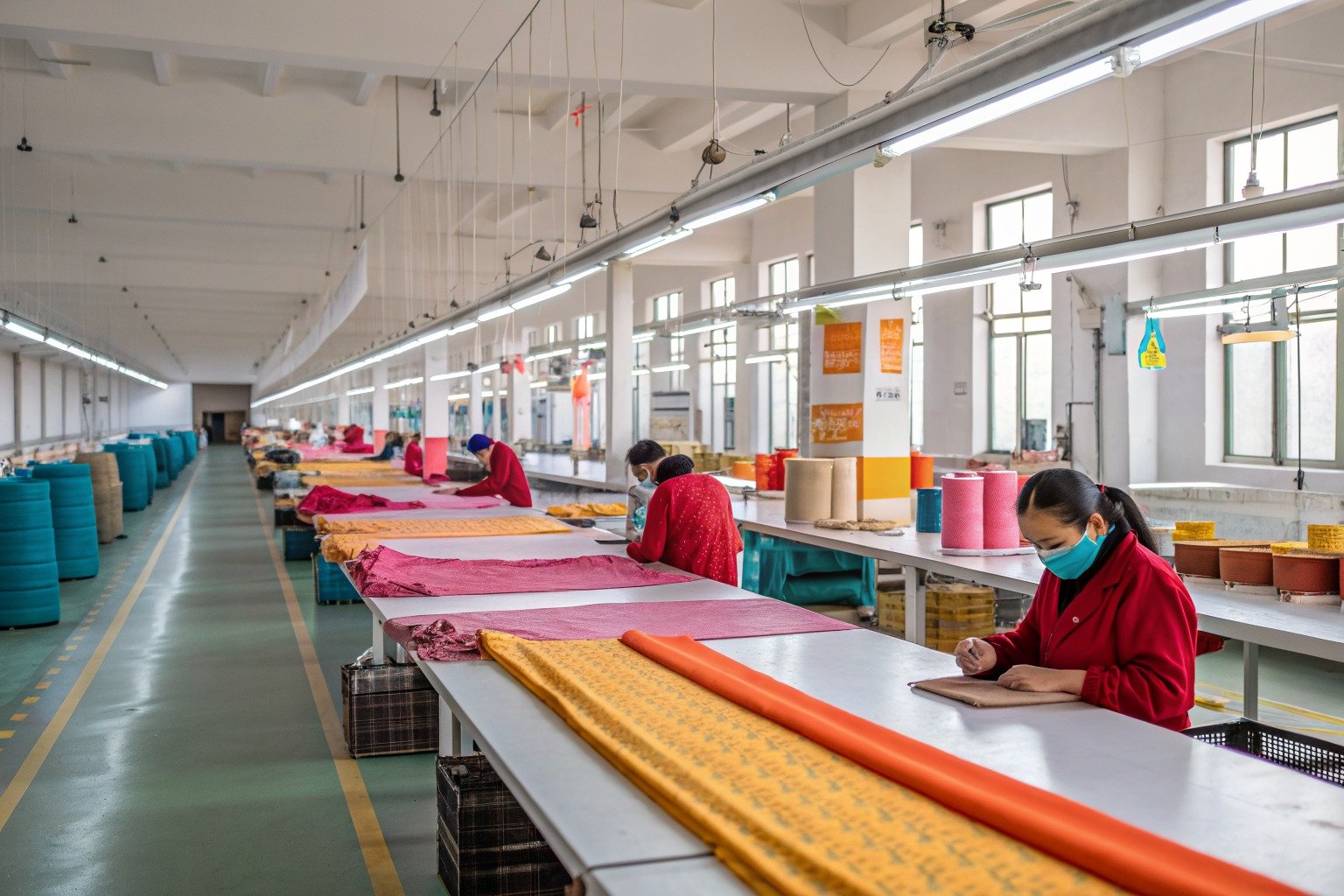
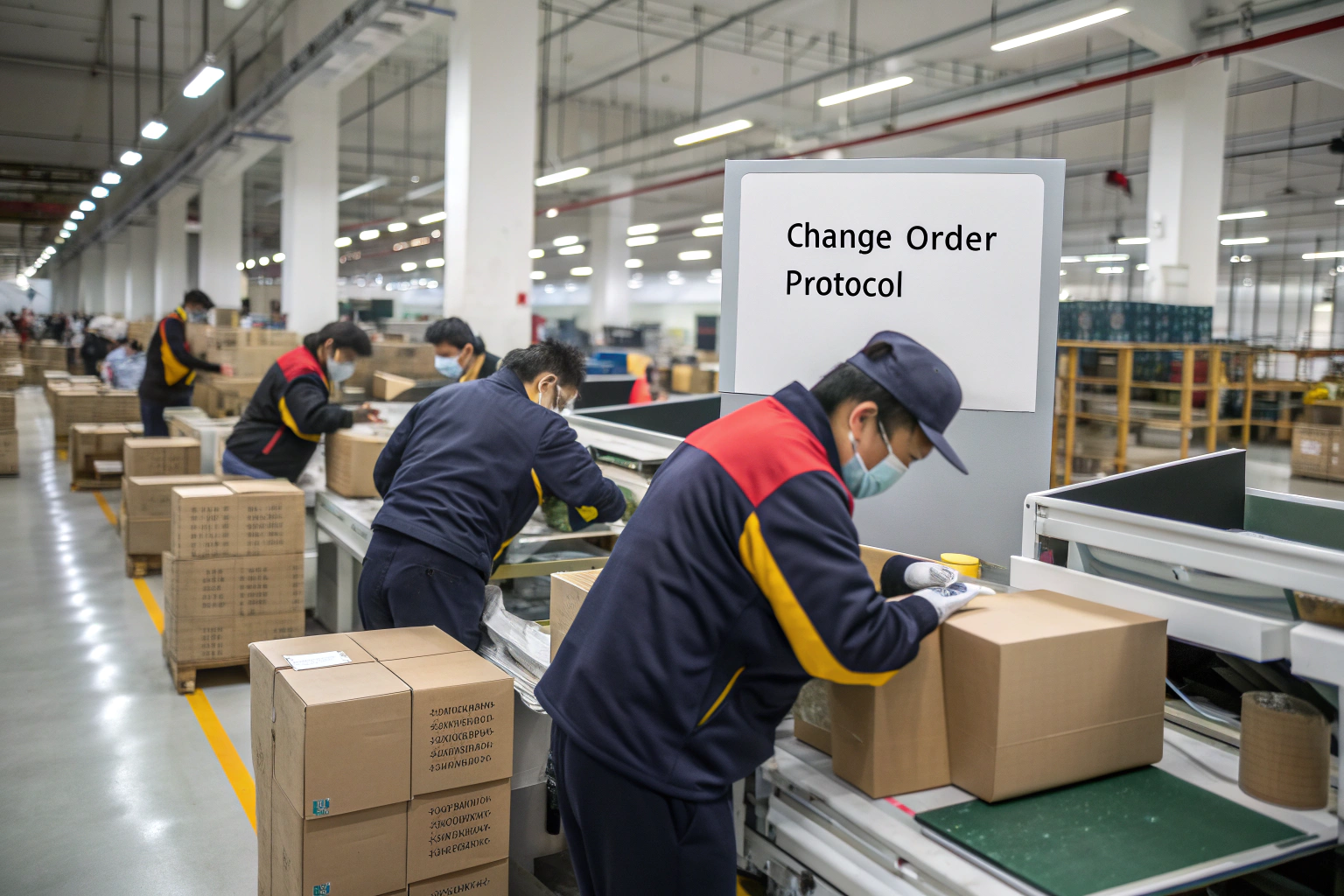
Our team handles last-minute packaging changes for hats through a combination of in-house printing capabilities, a flexible piece-rate labor pool, and a strict "Change Order Protocol" that freezes all other activity to prioritize the revision. Because we own our entire facility in Zhejiang and do not outsource packing to third-party villages, we can redeploy 20 to 30 trained workers within hours to open, rework, and reseal cartons. This agility prevents demurrage fees at the port and keeps your launch timeline intact.
I run AceAccessory. I have been in this exact situation more times than I can count. A last-minute packaging change is stressful, but it is not a crisis if you have the right factory infrastructure. A factory that relies on outside packing services or has a rigid, unionized production line cannot pivot quickly. They will tell you, "Sorry, it’s too late." That is when you lose money. We built our operations specifically to handle these curveballs because we know that in the world of fashion accessories , compliance and branding requirements are moving targets. Let me walk you through exactly what happens behind the loading dock doors when a packaging emergency hits.
What Is the Factory Protocol for a Last-Minute Packaging Revision?
When you send that urgent email or WhatsApp message saying "STOP! Change the hangtag!", here is what happens on our end. It is not chaos. It is a drilled procedure. The first thing we do is Freeze the Carton. Our warehouse management system allows us to isolate specific pallet IDs. The project manager immediately walks to the floor and physically puts a Red Hold Tag on the affected pallets. This prevents even one wrong unit from accidentally slipping onto the truck.
Next, we assess the Stage of Completion. There is a massive difference between changing packaging on hats that are already in the master carton versus hats that are still on the finishing table. If they are in the carton but not yet loaded into the container, the fix is labor-intensive but manageable. If they are already loaded and the container is sealed, the fix requires pulling the container back to the warehouse, which incurs a fee. We always communicate the exact status to the client with a photo of the pallet label and location.
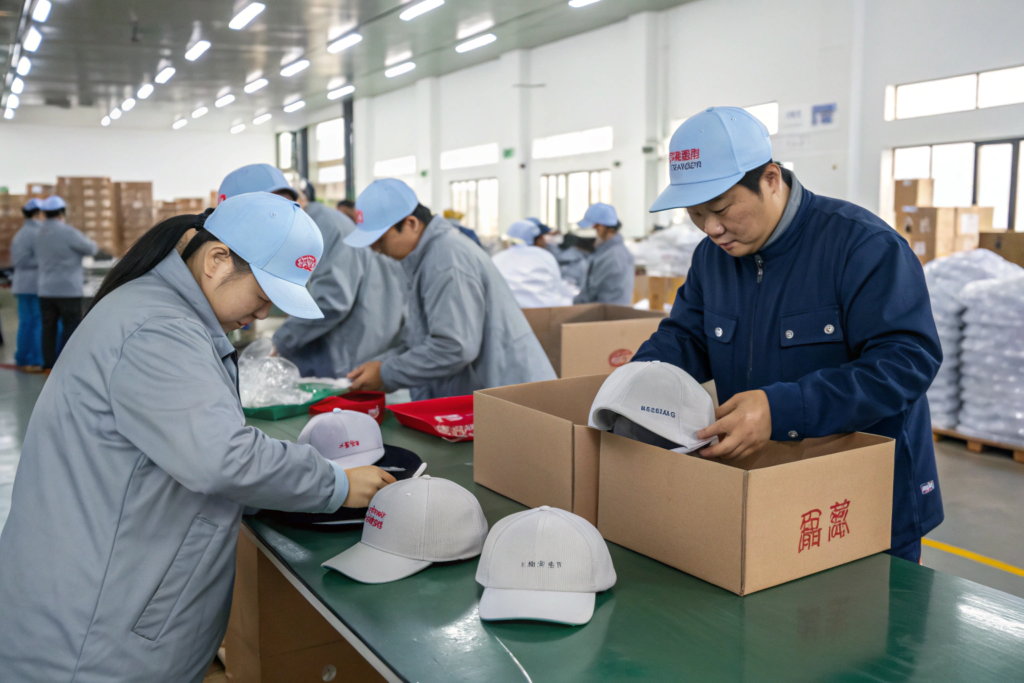
Then we calculate the Labor Hours. We know from experience that one skilled worker can re-bag and re-tag approximately 60 to 80 hats per hour. For a 5,000-piece order, that is roughly 70 labor hours. We can either add a night shift or pull workers from a less urgent production line. Because we control the schedule, we can make that call instantly. A trading company would have to call their sub-contractor, who might say "maybe next week." That is the difference between in-house manufacturing and outsourcing.
How Does In-House Printing Capability Reduce Downtime for Hangtag Errors?
The biggest bottleneck in a packaging change is usually the printed materials. If you need a new hangtag with a corrected barcode or a new care label with updated fiber content, you are at the mercy of the print shop. Unless the print shop is inside the factory.
At AceAccessory, we have a digital print room on the second floor. We have industrial-grade laser printers and a small-format offset machine. When that client needed a new suffocation warning label, we didn’t have to call an outside vendor and wait 3 days. Our in-house designer adjusted the PDF file. We ran a test print on the exact polybag material. The project manager approved it. And within 2 hours, we were printing rolls of the new labels.
This is critical for Hangtag Errors. A missing "Made in China" declaration or a wrong RN number can get your shipment rejected by US Customs or a retailer’s distribution center. We keep a stock of blank cardstock and strings. We can print, cut, drill, and string a new hangtag run of 5,000 pieces in less than 8 hours. This capability has saved our clients from missing vessel cut-offs dozens of times. It is one of the invisible benefits of working with a full-service accessories manufacturer .
What Is the Cost Implication of Unpacking and Repacking Cartons?
Let’s be transparent about the cost. A last-minute change is not free. It involves unbudgeted labor. However, it is always cheaper than the alternative (returned goods, Amazon storage fees, or lost sales). Here is a typical cost breakdown for a 5,000-piece hat rework involving a hangtag change:
| Action | Estimated Time | Cost Factor |
|---|---|---|
| Locate & Move Pallets | 1 Hour | Forklift operator time. |
| Open Cartons | 2 Hours | Careful cutting to avoid damaging boxes. |
| Replace Hangtag/Rebag | 70-80 Hours | Piece-rate labor ($0.03 – $0.05 per unit). |
| Reseal & Restack | 3 Hours | Tape and labor. |
| Total Estimated Cost | N/A | $250 – $400 USD |
Compare that $400 cost to a Demurrage Fee of $150 per day for missing the vessel cut-off, or a Non-Compliance Charge from a big-box retailer of $5,000. The math is simple. We do not charge a punitive "emergency fee." We charge for the actual labor hours incurred. We provide a transparent Change Order Addendum that outlines these costs so you can make an informed decision. Our goal is to get your hats on the water correctly, not to profit from your misfortune.
How to Avoid US Customs Holds Due to Incorrect Hat Labeling?
Last-minute changes often stem from customs compliance issues. A buyer realizes the Country of Origin marking is on a sticker that can fall off, rather than a permanent sewn-in label. Or the Fiber Content is listed incorrectly as "Cotton" when it is a "Cotton/Poly Blend." US Customs and Border Protection (CBP) has become increasingly strict about textile labeling.
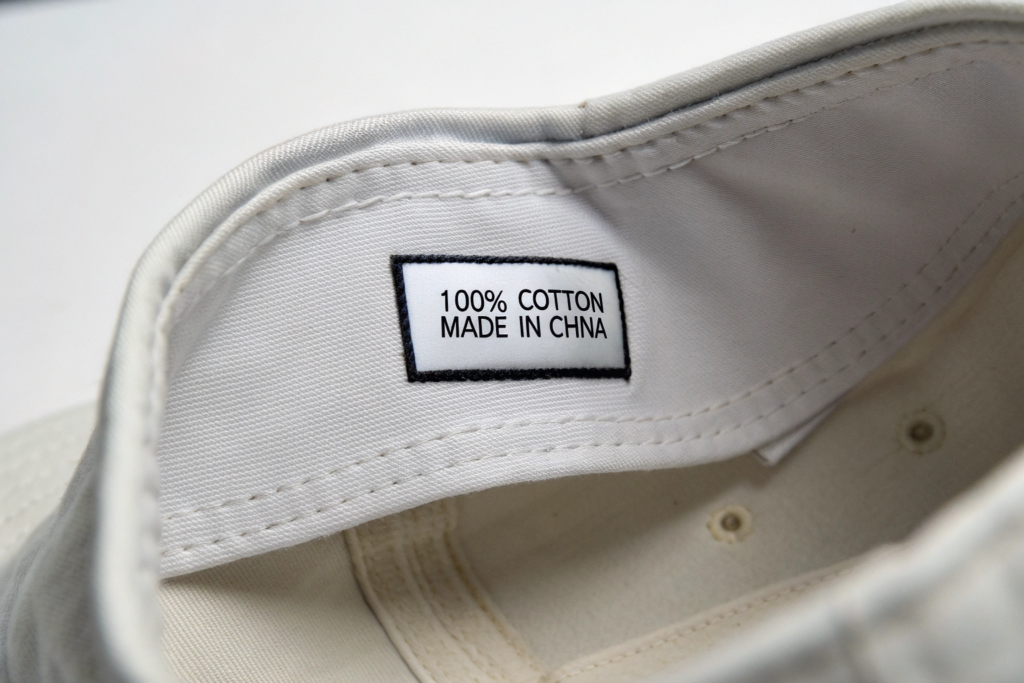
The two most common triggers for a packaging change on hats are Country of Origin Marking and Suffocation Warning Labels. For Country of Origin, the rule is clear: it must be permanently affixed and conspicuous. For a baseball cap, a sticker on the brim is not permanent (it peels off). A sewn-in label inside the sweatband is permanent. A heat-transfer print on the inside crown is permanent.
We have a Compliance Checklist that our QC team uses for every single hat order before it is packed. We check the label placement, the font size of "Made in China" (must be at least 5/64 inch or 2mm in height), and the accuracy of the fiber content against the mill certificate. We catch these errors at the factory so you don’t have to make that panicked "last-minute change" call from the port.
What Are the Exact FTC Requirements for Care Labels on Baseball Caps?
The Federal Trade Commission (FTC) enforces the Care Labeling Rule. For baseball caps, this is often overlooked because they are small items. But they are still apparel. If you are selling to a major US retailer, they will enforce this.
A compliant care label on a baseball cap must include:
- Fiber Content: Listed in descending order of weight (e.g., "Shell: 100% Polyester; Lining: 100% Cotton").
- Country of Origin: "Made in China" or "Assembled in China of Imported Materials."
- Care Instructions: At least one safe cleaning method (e.g., "Spot Clean Only" or "Hand Wash Cold").
- RN Number or Company Name: The Registered Identification Number or the full legal name of the manufacturer or distributor.
We have seen shipments held because the label said "Cotton" but the hat had a polyester mesh back. That is a misbranding violation. At AceAccessory, we keep a library of standard care symbols and text blocks approved for US import. If you don’t provide a label spec, we provide a default compliant label to keep you legal. This proactive approach prevents the need for last-minute packaging changes .
Why Are Suffocation Warning Labels a Common Reason for Last-Minute Rework?
This is the number one reason for the emergency phone call. The humble polybag warning label. It is small, but it is regulated by multiple states (California, New York) and online platforms (Amazon).
The rules are specific:
- Size: The print size must be a certain point size relative to the bag dimensions.
- Placement: It must be prominently displayed, not hidden under a barcode sticker.
- Wording: Must include specific phrases like "WARNING: SUFFOCATION HAZARD" and "Keep away from children."
A common mistake is using a bag with a pre-printed warning that is too small or in the wrong language. Another is using a plain clear bag with a sticker that easily peels off. Amazon rejects stickers; they require the warning to be printed directly on the bag.
If a shipment arrives at Amazon FBA with the wrong polybag, it is a massive headache. They will not receive the inventory. We have re-bagged thousands of units for Amazon sellers at the last minute. We keep a large inventory of compliant polybags in various sizes with the correct suffocation warning already printed on them. This allows us to swap out non-compliant bags immediately without waiting for a print run.
What Is the Standard Lead Time for Custom Hat Packaging Development?
To avoid last-minute emergencies, you need to understand the normal timeline for packaging development. The best way to avoid a panic change is to start the packaging conversation early. Most buyers focus on the hat sample and forget about the box or the hangtag until the week before shipping. That is a recipe for disaster.
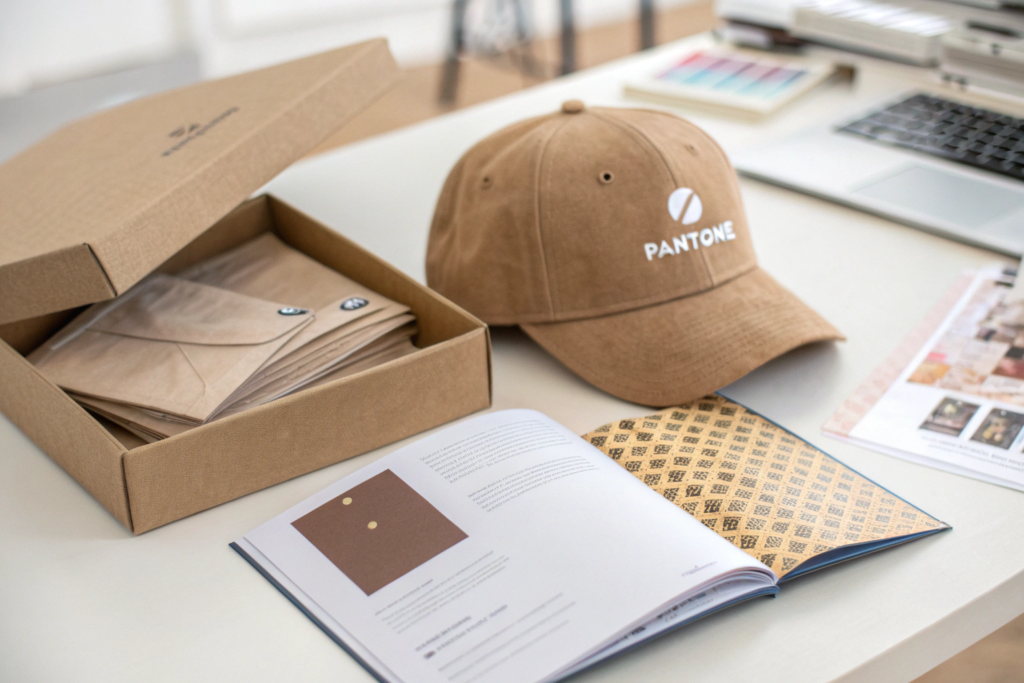
At AceAccessory, we treat packaging as a separate SKU with its own lead time. Custom printed hangtags, woven labels, and printed polybags all have a production timeline that runs parallel to hat production, not after it.
Here is a realistic timeline for custom packaging components:
- Woven Labels (Sew-in): 10-14 days. This requires a loom setup.
- Printed Hangtags (Offset): 7-10 days after artwork approval.
- Custom Printed Polybags: 12-15 days. This requires cylinder making for gravure printing.
- Custom Hat Boxes (Rigid): 25-30 days. These are made by hand and take time.
If you need custom packaging for your custom hats , we need the final artwork before we cut the fabric for the hats. If you wait until the hats are sewn, the packaging will not be ready in time, and you will be forced to use generic packaging or pay for expensive air freight for the empty boxes.
How Far in Advance Should Packaging Artwork Be Finalized?
To ensure a smooth production flow and avoid that last-minute panic, I recommend this schedule to all my clients:
| Milestone | Timeline Before Ship Date | Notes |
|---|---|---|
| Artwork Submission | 60 Days | Finalized AI or PDF files for all printed components. |
| Packaging Proof Approval | 50 Days | Factory provides digital or physical proof of hangtag/label. |
| Packaging Production Complete | 30 Days | All boxes, bags, and tags are in our warehouse. |
| Bulk Hat Production Start | 25 Days | Hats are cut and sewn. |
| Packing | 5 Days | Hats are paired with the waiting packaging. |
By having the packaging ready before the hats are finished, we eliminate the risk of a delay. The packing team can work continuously. There is no "waiting for boxes" downtime. This is the professional, stress-free way to manage a fashion accessories launch. We guide our clients through this timeline to ensure they hit their market dates.
Can You Mix and Match Stock Packaging to Save Time on New Orders?
Yes, and this is a strategy I highly recommend for first-time buyers or for testing a new market. You do not have to develop fully custom packaging for every order. At AceAccessory, we maintain a Stock Packaging Library.
We have:
- Stock Polybags: Clear bags with standard suffocation warnings.
- Stock Hat Boxes: Kraft brown boxes with a generic thank-you message.
- Stock Insert Cards: Cardboard head forms to keep the cap shape.
You can use these stock options for your initial run. This cuts 2-3 weeks off the development timeline. Then, if the hat style is a winner, you can invest in custom foil-stamped boxes for the reorder. We can even use a stock box and just add a custom belly band (a strip of printed paper wrapped around the box). The belly band is cheap and fast to print (5 days), but it gives a high-end branded feel. This is a smart, agile approach to packaging that many successful online brands use to manage cash flow and speed to market.
How Do You Manage Split Shipments with Different Packaging Requirements?
Modern retail is complex. You might be selling the exact same knit hat to two different stores. Store A is a boutique that wants a beautiful gift box with a ribbon. Store B is a discount chain that wants a bulk polybag with a price ticket. The hats are identical. The packaging is completely different. This is called a Split Shipment with Differential Packaging.
Managing this requires a rock-solid warehouse management system. If we mix up the packaging, Store A gets a cheap polybag and refuses the shipment. Store B gets an expensive box and complains about the waste. Both scenarios cost you money and damage relationships.
At AceAccessory, we handle this by creating Sub-Work Orders within the main Production Order. In our system, PO#12345-A is for "Boutique Packaging." PO#12345-B is for "Bulk Packaging." The hats are cut and sewn together. But at the Finishing Station, they are split into two distinct flows. The workers on Line A pick up a hat, place it in a box, add tissue paper, and close the magnetic lid. The workers on Line B pick up a hat, insert a cardboard form, and slide it into a polybag. The cartons are labeled with distinct SKU numbers and store codes.

What Systems Are in Place to Prevent Mixing Up Store-Specific Labels?
This is where technology and simple physical barriers meet. We use a combination of Barcode Scanning and Kanban Cards.
- Kanban Trolleys: The carts used for packing are color-coded. A blue cart means "Store A Packaging." A green cart means "Store B Packaging."
- Barcode Verification: Every carton receives a unique barcode label. Before the carton is sealed, a QC checker scans the barcode. The computer screen displays a photo of the correct packaging style for that specific PO. The checker visually confirms the box contents match the screen.
- Batch Processing: We complete all of Store A’s order before we even bring the Store B packaging materials to the floor. This "clearing the deck" approach prevents cross-contamination of labels and boxes.
This system is 99.9% effective. It requires discipline, but it prevents the costly errors that come from managing complex retail compliance .
How Does This Flexibility Support Dropshipping and FBA Prep?
The split shipment capability is essential for the modern e-commerce seller. Many of our clients use a hybrid model. They send 70% of the inventory to Amazon FBA (which requires strict, minimal packaging) and keep 30% at their own 3PL for direct-to-consumer orders (which requires branded, gift-ready packaging).
We can pack the FBA portion in compliant polybags with FNSKU labels. We can pack the DTC portion in custom mailer boxes. We then palletize them separately and provide two different Bills of Lading.
We can even apply the Amazon FBA box labels directly to the master cartons here in China. This saves you the cost of paying a US-based prep center to open, label, and repack. It is a value-added service that streamlines your supply chain. For dropshipping, we can polybag each unit individually with a generic barcode, ready for your 3PL to slap on a shipping label. This flexibility is what makes a factory like AceAccessory a true partner for modern brands .
Conclusion
Handling last-minute packaging changes is a reality of the fashion and accessories business. Retail requirements shift, compliance laws update, and branding strategies evolve. The key to surviving these changes without losing your profit margin or your sanity is to partner with a factory that has the infrastructure, the in-house capabilities, and the operational discipline to pivot quickly. A factory that controls its own printing, its own labor pool, and its own warehouse floor can absorb these shocks seamlessly. A factory that outsources these functions will leave you stranded.
The best strategy, however, is to minimize the need for last-minute heroics through proactive planning. By finalizing packaging artwork early, leveraging stock packaging options for speed, and understanding the compliance landscape for labels and polybags, you can avoid the majority of emergencies. When a change is unavoidable, transparent communication and a clear Change Order Protocol ensure that the fix is executed efficiently and at a fair cost.
You should never feel like a burden for asking for a packaging change. It is part of the job. At AceAccessory, we are set up to handle these requests with speed and accuracy. We want your hats to arrive on the shelf looking exactly as you envisioned, with every hangtag, label, and box meeting the requirements of your sales channel.
If you have a complex packaging requirement or are facing an urgent change with your current supplier, reach out to us. We can assess the situation and provide a realistic timeline and cost for the rework. Contact our Business Director, Elaine. She coordinates all packaging revisions with our production and warehouse teams. Email Elaine at: elaine@fumaoclothing.com