I still remember the sinking feeling in my stomach when a buyer named Mark called me in a panic. He had wired a 50% deposit—over $40,000—to a "factory" he found on Alibaba for a large order of knit hats. The communication had been great. The price was unbeatable. But two weeks after the wire cleared, the emails bounced back. The phone number was disconnected. The "factory address" turned out to be a virtual office in a shared building. Mark lost his money and his season’s inventory. If you are like Ron, a confident buyer who values control, this is your worst nightmare. The fear of sending a large sum of money to a foreign bank account and having zero recourse is real and valid.
The primary payment risks of large deposits to Chinese suppliers include outright fraud from non-existent companies, the "bait and switch" of quality after deposit is paid, and the loss of leverage to enforce production deadlines or quality standards. Mitigating these risks requires structured payment terms like 30% deposit with 70% against shipping documents, using secure trade assurance platforms, and conducting thorough due diligence on the factory’s physical location and export history.
I run AceAccessory in Zhejiang Province. I have been on the other side of this table for over fifteen years. I understand why we ask for deposits. Raw materials for your custom hair bands and shawls cost real money upfront. We cannot start production without some financial commitment from you. But I also believe that a legitimate factory should never demand 100% payment before shipping or pressure you into risky wire transfers to personal accounts. A trustworthy partnership balances the factory’s need for material security with the buyer’s need for quality assurance. Let me walk you through exactly how to protect your capital and how to spot the red flags before you click "send payment."
Why Do Chinese Accessories Factories Require Large Upfront Deposits?
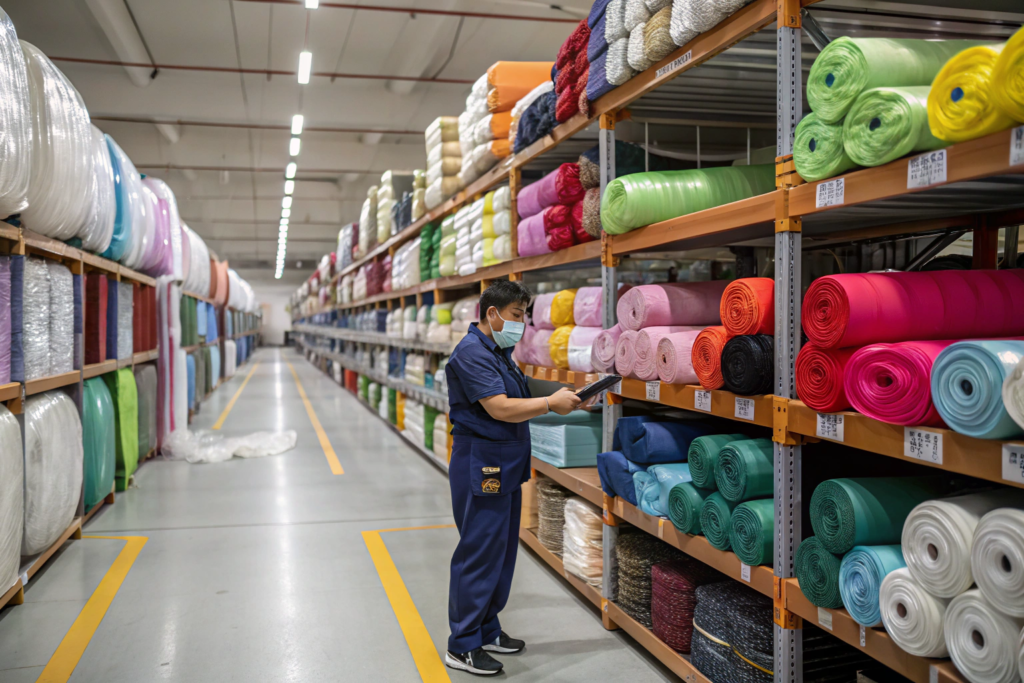
Before we talk about the risks, let me explain why the deposit exists in the first place. I am not defending the scammers out there—they give honest factories a bad name. But there is a legitimate business reason for the 30% upfront payment. Unlike trading companies that just buy finished goods off a shelf, a real factory like AceAccessory has to purchase specific raw materials for your order. If you want 10,000 hair clips in a custom Pantone color, we have to order that exact color of acetate sheet. If you want 5,000 knit hats with a specific yarn blend, we buy those spools just for you.
If we produce these goods and then you cancel the order, we are stuck with inventory that is hard to resell. Your logo or your specific color might not work for another client. The deposit covers our material exposure. It also ensures that you, the buyer, are serious. I have had situations where a buyer placed a large order, we bought the raw materials , and then they went silent because their own retail buyer canceled on them. Without a deposit, the factory absorbs 100% of that loss. With a reasonable deposit, the risk is shared fairly.
The problem arises when the deposit amount is disproportionate to the actual material cost or when the factory has no verifiable history. A deposit should align with the cost of goods, not the factory’s entire operating budget.
How Much Deposit Is Normal for Custom Fashion Accessories Orders?
In my experience running AceAccessory, the industry standard for a first-time order with a new client is 30% deposit, with 70% balance paid against the copy of shipping documents (Bill of Lading) . This is fair. For a $50,000 order of baseball caps , you pay $15,000 to start production. We use that to buy the fabric, the brim inserts, and the sweatbands. We absorb the labor cost and overhead during production. When the goods are finished and loaded into the container at Ningbo port, we send you the scanned Bill of Lading. You then wire the remaining $35,000. This gives you leverage. You know the goods exist and are on the water before you release the majority of the funds. If a factory asks for 50% or more, you should ask a hard question: "Why do you need so much cash upfront?" Sometimes it is legitimate if the order involves expensive components like genuine leather or precious metal plating. But more often, it signals a factory with poor cash flow or a middleman who needs to pay the actual factory. Both are red flags for sourcing .
What Are the Red Flags of a "Deposit Scam" on Alibaba or Google?
Scammers are clever. They set up professional-looking websites and buy "Gold Supplier" status on Alibaba using stolen identities. But they almost always slip up in the payment details. Here is a checklist I give to friends who are new to importing fashion accessories :
| Red Flag | What It Looks Like | Why It Is Dangerous |
|---|---|---|
| Personal Bank Account | They ask you to wire money to a personal savings account in Hong Kong or a different Chinese city. | Real factories use corporate accounts. Personal accounts are untraceable. |
| Company Name Mismatch | The Alibaba page says "Zhejiang ABC Factory" but the bank account is "Shenzhen XYZ Trading Ltd." | You are paying a middleman, not the factory. If the middleman disappears, the factory won’t help you. |
| Pressure for Full Payment | "Special discount if you pay 100% now." or "We need 100% to reserve production slot." | They want all your money before you realize there is no production slot. |
| No Video Call Capability | They make excuses about "broken camera" or "factory policy" when you ask to walk the floor on video. | The factory either does not exist or is in terrible condition. |
If you see any of these signs, stop the transaction. A legitimate factory like AceAccessory will happily show you the production floor on a live video call and provide a corporate bank account that matches the company registration exactly.
How Does Trade Assurance on Alibaba Protect Against Payment Loss?
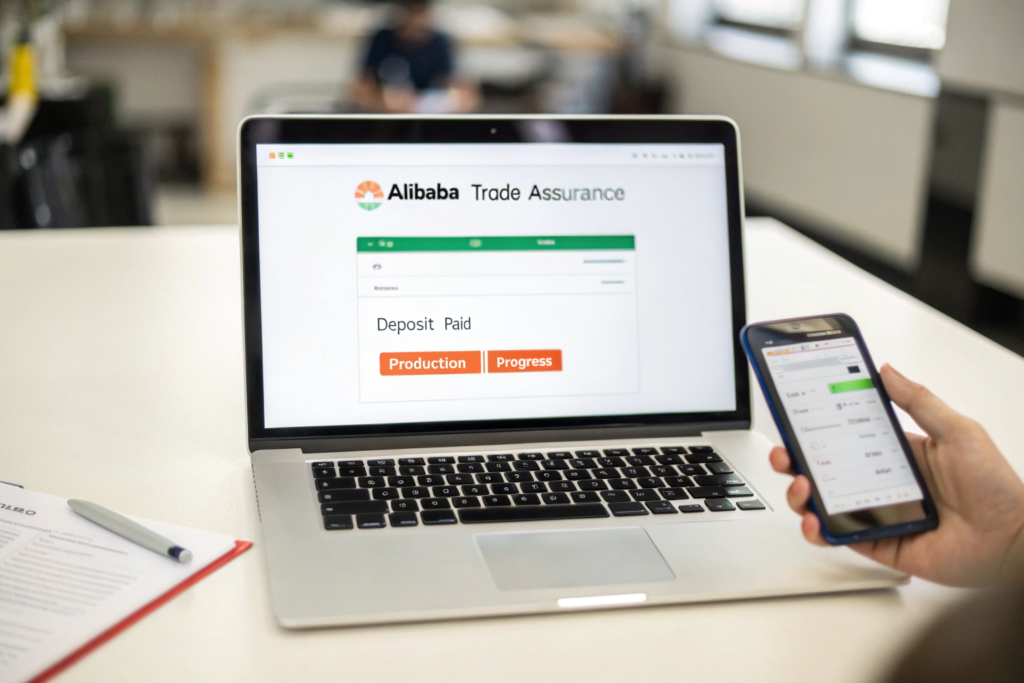
Alibaba has become the default search engine for many buyers, and for good reason. But it is not a guarantee of safety. The platform offers a service called Trade Assurance which acts as a kind of escrow and insurance policy. If you pay through the Alibaba platform and the supplier fails to ship on time or the quality differs from the contract, Alibaba will investigate and may refund your money. This is a powerful tool, but it has limitations that many buyers do not understand until it is too late.
I want to be clear: AceAccessory accepts Trade Assurance orders because we have nothing to hide. Our production timelines and quality standards are consistent. But I have seen buyers misuse the system or misunderstand its coverage. Trade Assurance protects against non-delivery and material quality deviations documented in the contract. It does not protect against "I just don’t like the shade of blue as much as I thought I would." The contract details on the Alibaba order page are the legal foundation for any dispute. If the contract is vague—for example, it just says "Red Hair Clip " without a Pantone number—you have no case. The supplier can ship a neon pink clip and Alibaba might rule in their favor because "red" is subjective.
You must use the system correctly. Detail every specification in the order terms. Link to an approved sample photo. State the exact AQL standard required.
What Are the Specific Coverage Limits of Alibaba Trade Assurance?
Trade Assurance is not unlimited insurance. The coverage amount is tied to the supplier’s "Coverage Amount" displayed on their storefront. For a new supplier with little history, this might only be $20,000 or $50,000. If you place a $100,000 order for belts and straw hats with a supplier who only has $30,000 coverage, you are only protected up to $30,000. The remaining $70,000 is at risk if you paid it through the platform as "Initial Payment" but the supplier’s limit is capped. This is a critical detail often buried in the fine print. Furthermore, the dispute process takes time. You must provide evidence of the defect. This usually requires a third-party inspection report from a company like SGS or Bureau Veritas. These inspections cost $300 to $500 per day. If you did not budget for an inspection and you just rely on your own photos, Alibaba may find the evidence insufficient. My advice: always check the supplier’s Trade Assurance coverage limit and ensure it matches or exceeds your order value. If it doesn’t, negotiate a lower deposit and a higher balance payment against the Bill of Lading instead of relying solely on platform protection.
How Does a Letter of Credit Offer Stronger Protection for Large Orders?
For large orders exceeding $50,000, I often recommend my clients consider a Letter of Credit (L/C) . This is an old-school banking instrument, but it is the gold standard for security. The buyer’s bank guarantees payment to the factory only when specific documents are presented. These documents usually include the Bill of Lading (proving shipment), a commercial invoice, a packing list, and sometimes a third-party inspection certificate. The bank checks the documents, not the goods. This means if the factory ships a container of bricks instead of gloves , but the paperwork is correct, the bank might still pay. That is why you must include an "Inspection Certificate" as a required document in the L/C terms. This ensures the bank will not release funds until an independent inspector confirms the goods match the order. The downside of an L/C is the cost and complexity. Bank fees can range from $200 to $500 per transaction. It also requires the factory to have an export license and a relationship with a bank that understands international trade. At AceAccessory, we accept L/Cs from established buyers because we understand it provides peace of mind. If a factory refuses an L/C outright and demands a T/T wire transfer only, it often means they are not confident they can meet the documentary requirements or they lack the financial stability to wait for payment. For high-value fashion accessories orders, the L/C is the safest route.
What Due Diligence Steps Verify a Chinese Accessory Factory Is Legitimate?
You cannot fly to China for every order. But you can still perform due diligence from your desk in America or Europe. The key is to look for verifiable, third-party evidence of existence and activity. A nice website means nothing. A cheap website means nothing. You need to see the physical world behind the screen. I encourage all potential clients to test our claims. Ask for a live video tour. Ask for export records. A legitimate factory is proud of its operations and has nothing to hide. A scammer has a dark room and a broken camera.
The most effective verification methods combine digital sleuthing with a simple understanding of Chinese corporate structure. For example, every legitimate factory in China has a Unified Social Credit Code. This is like a tax ID number. You can look up this code on free government databases to see if the company is real and if it has any legal judgments against it for fraud. This is a step that 90% of small buyers skip, and it is the step that would have saved Mark his $40,000.
Beyond the legal registration, you need to confirm that the factory actually makes what they claim. Many trading companies pose as factories. They take you to a showroom full of samples, but the actual production happens in a dirty, unlicensed workshop three towns over. This is where the video walkthrough becomes essential.
How to Use a Live Video Call to Confirm Factory Ownership and Production?
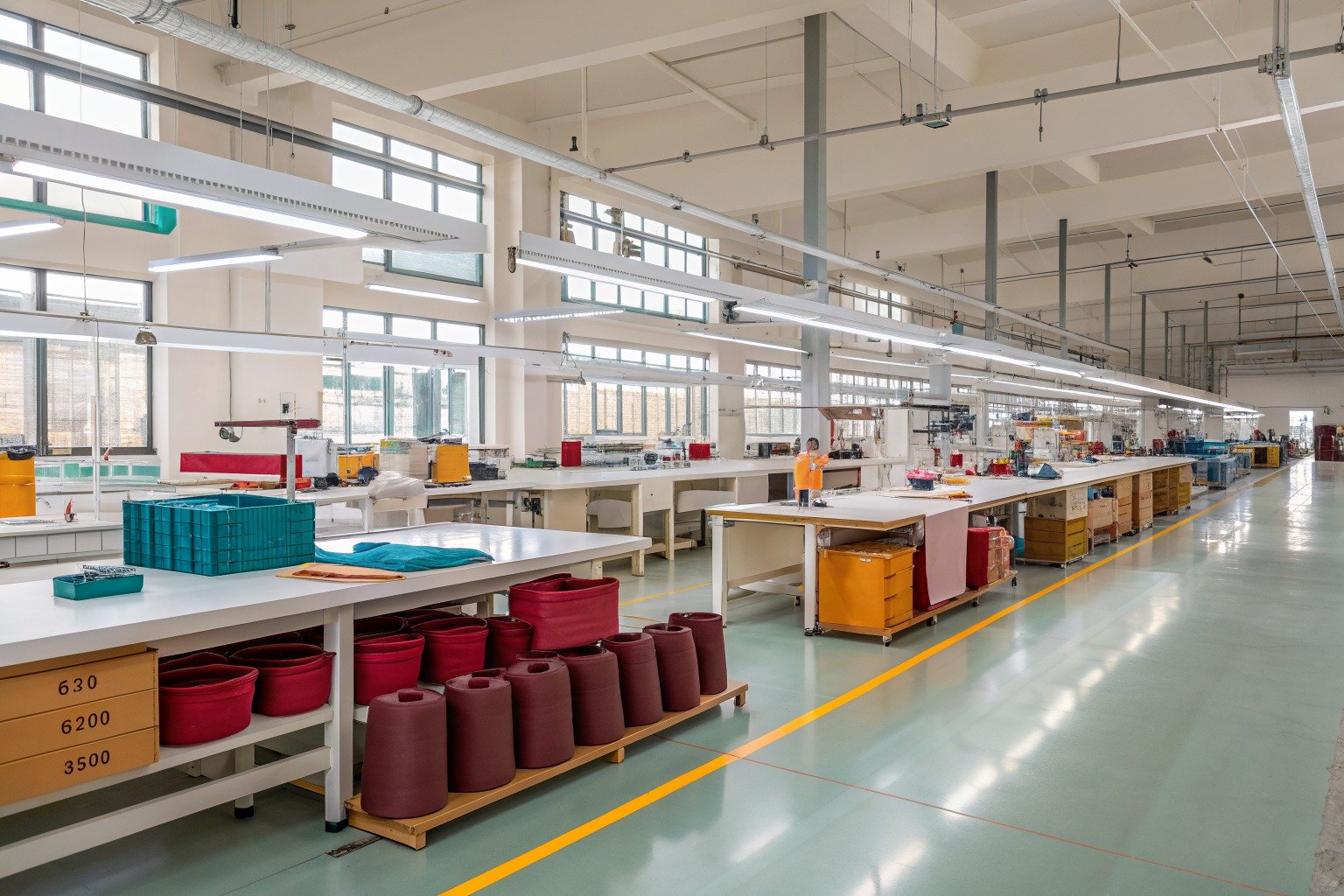
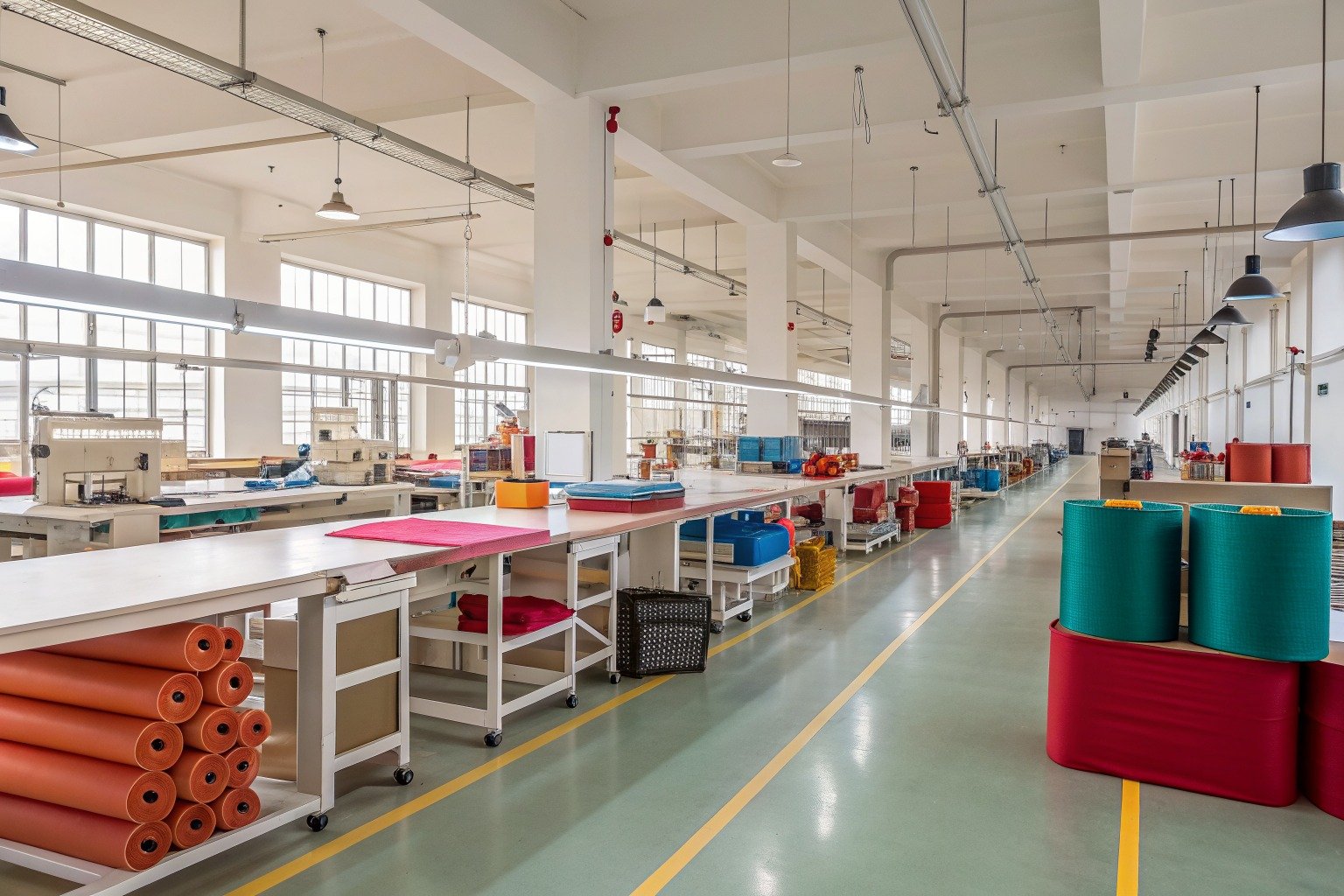
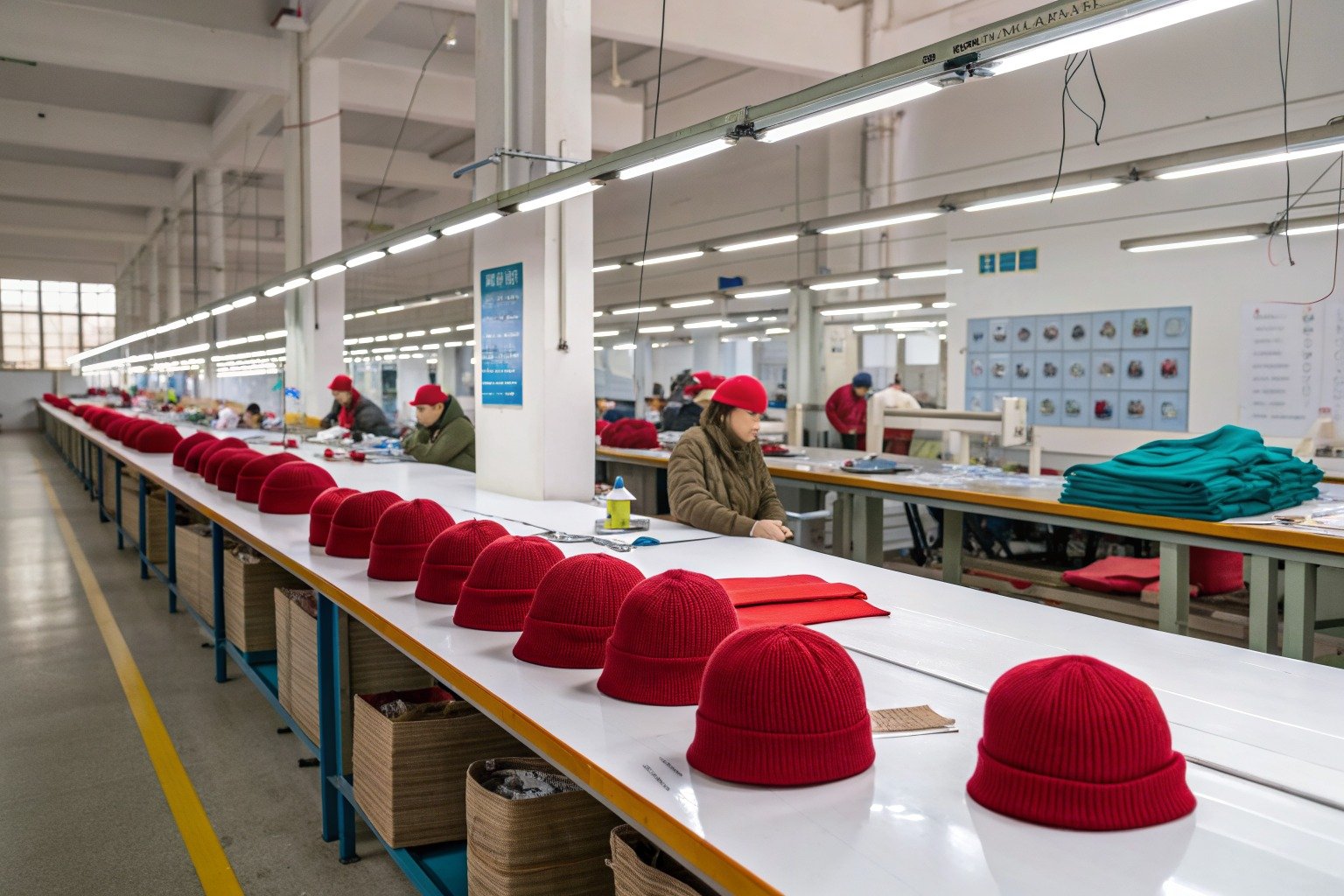
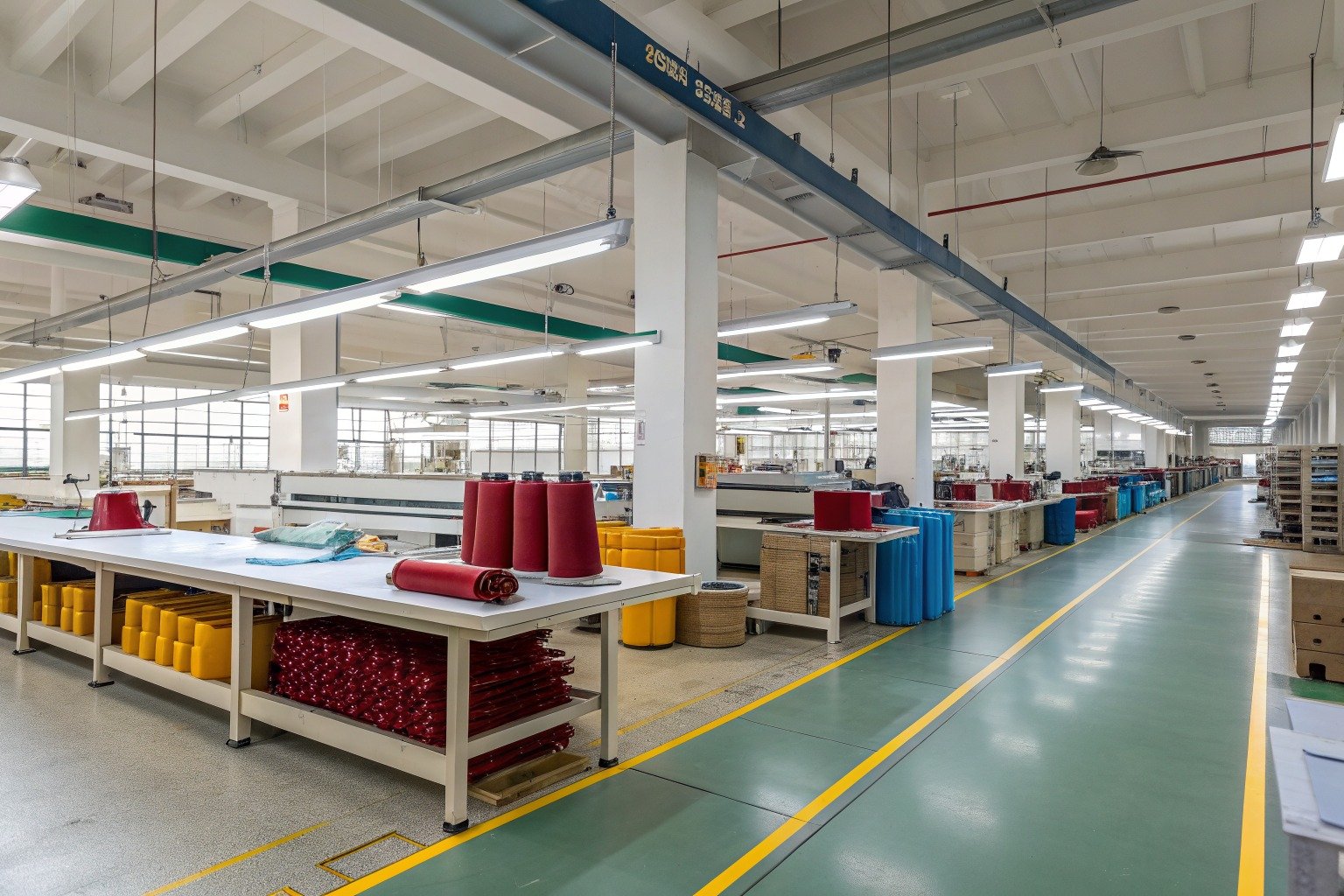
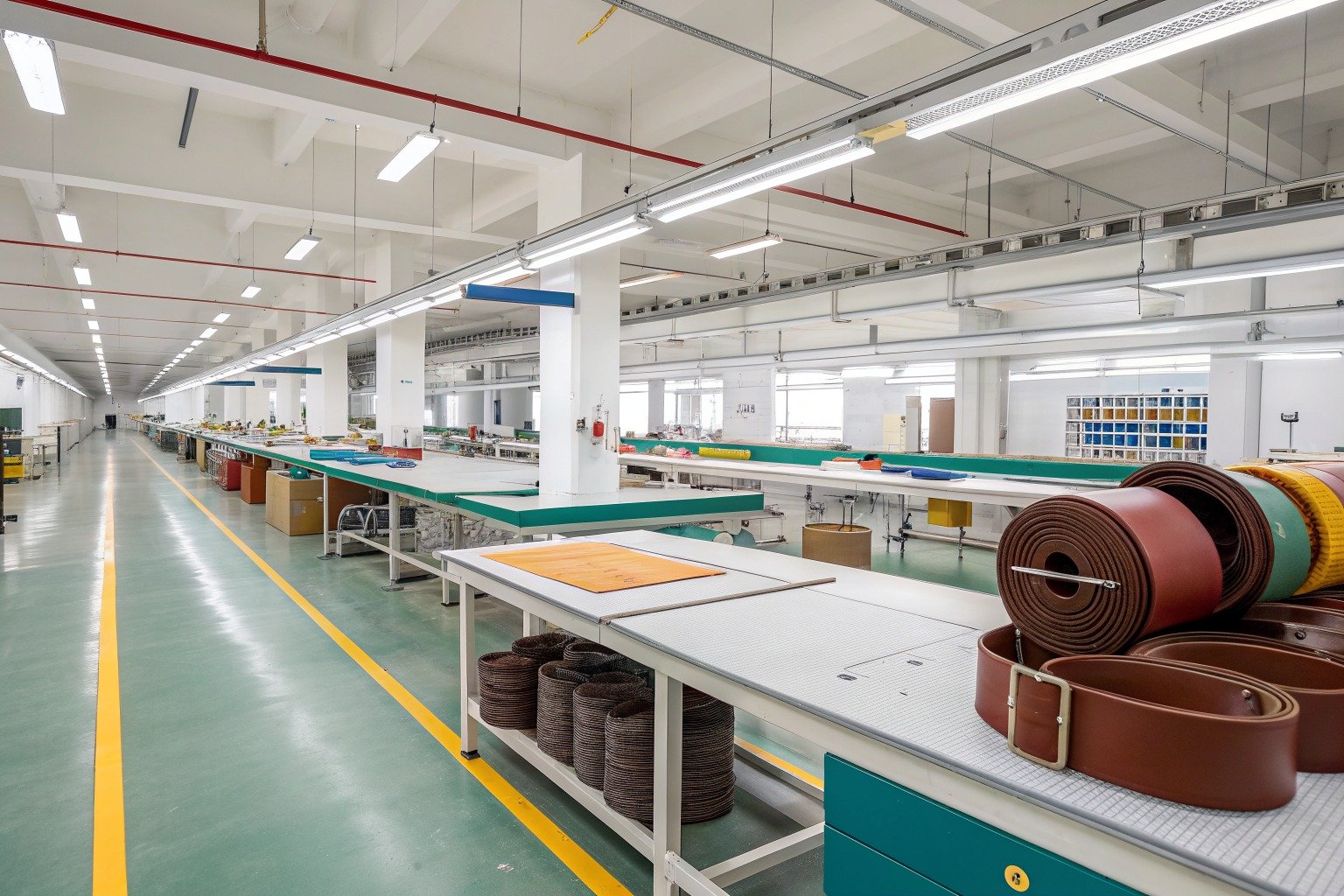
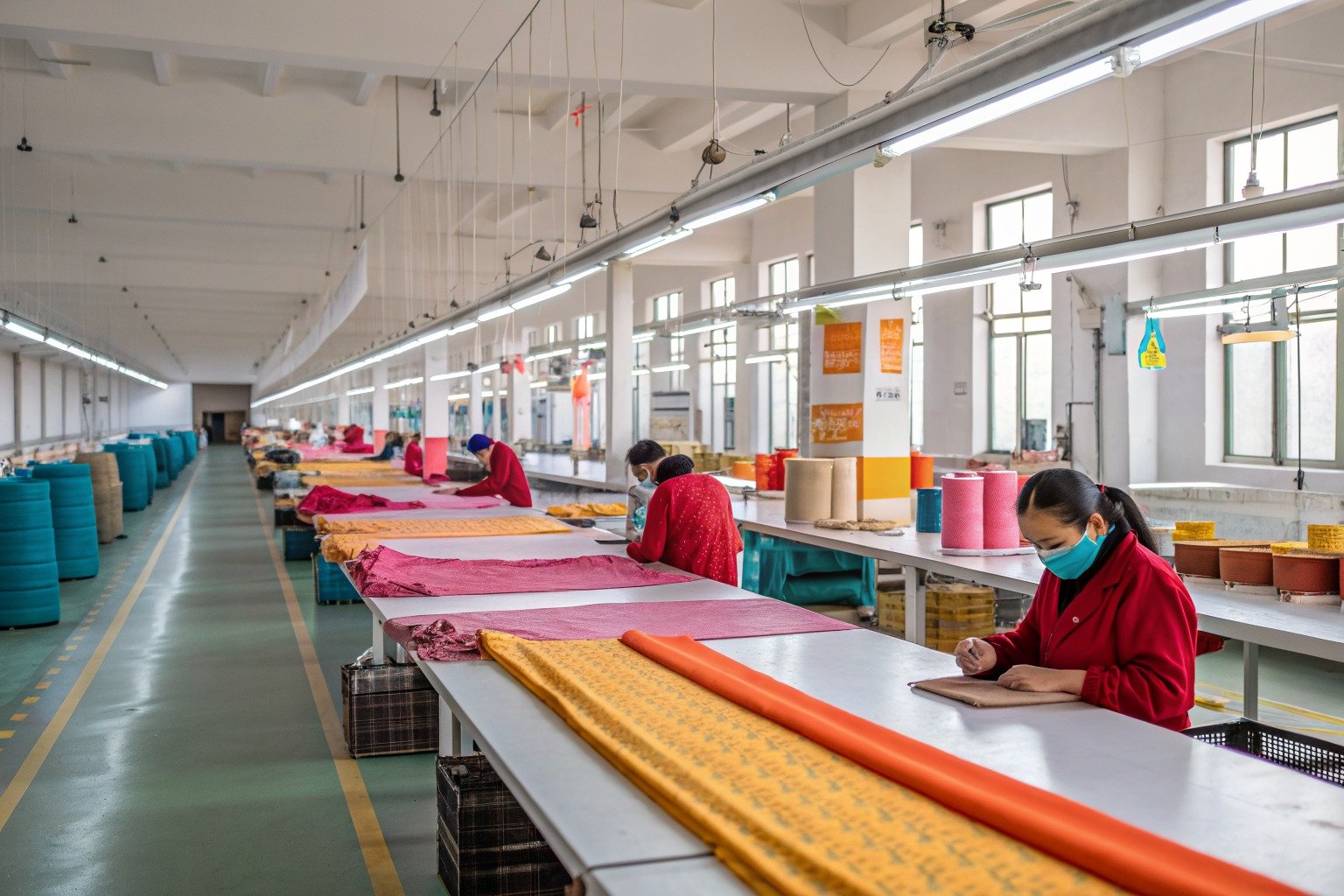
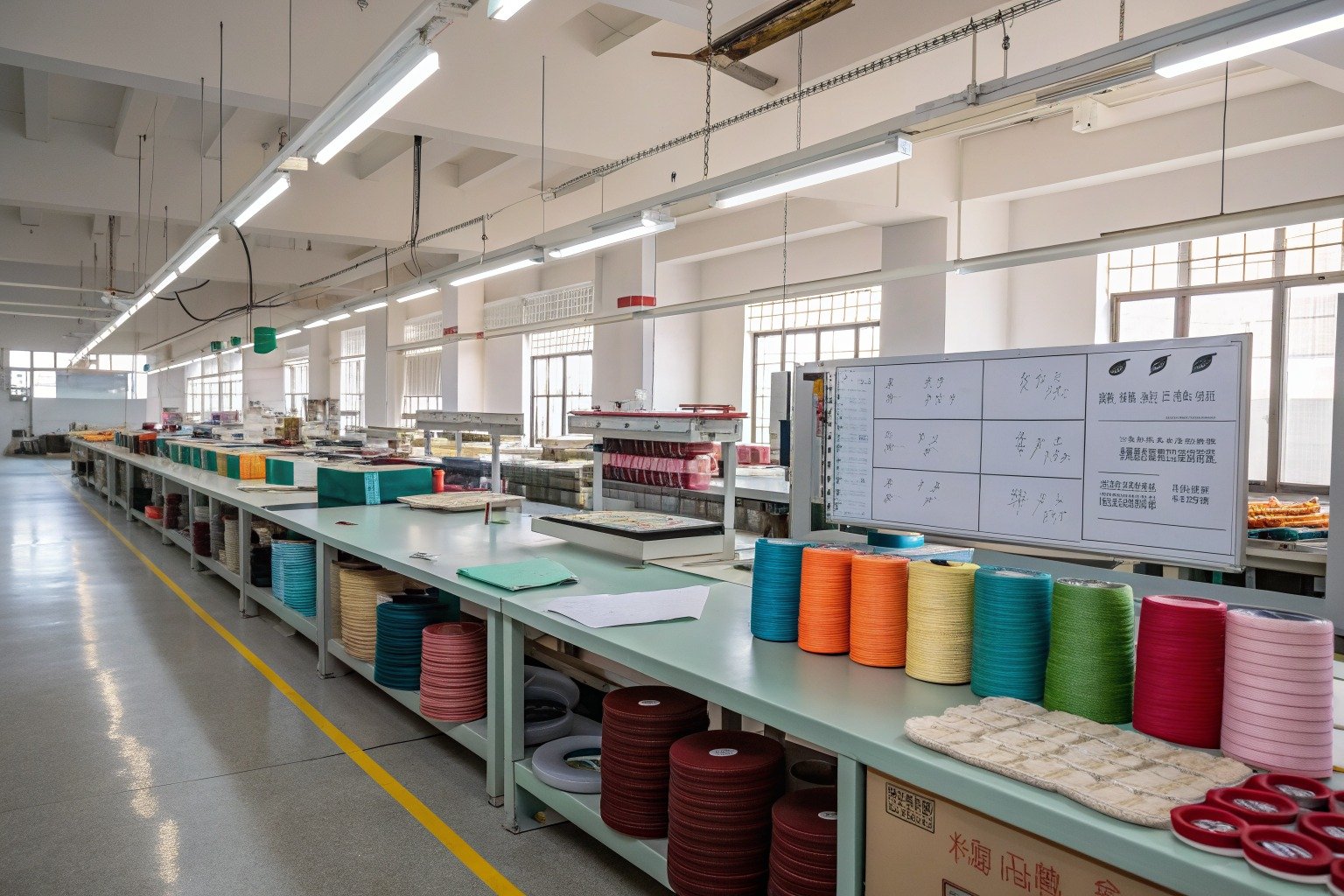
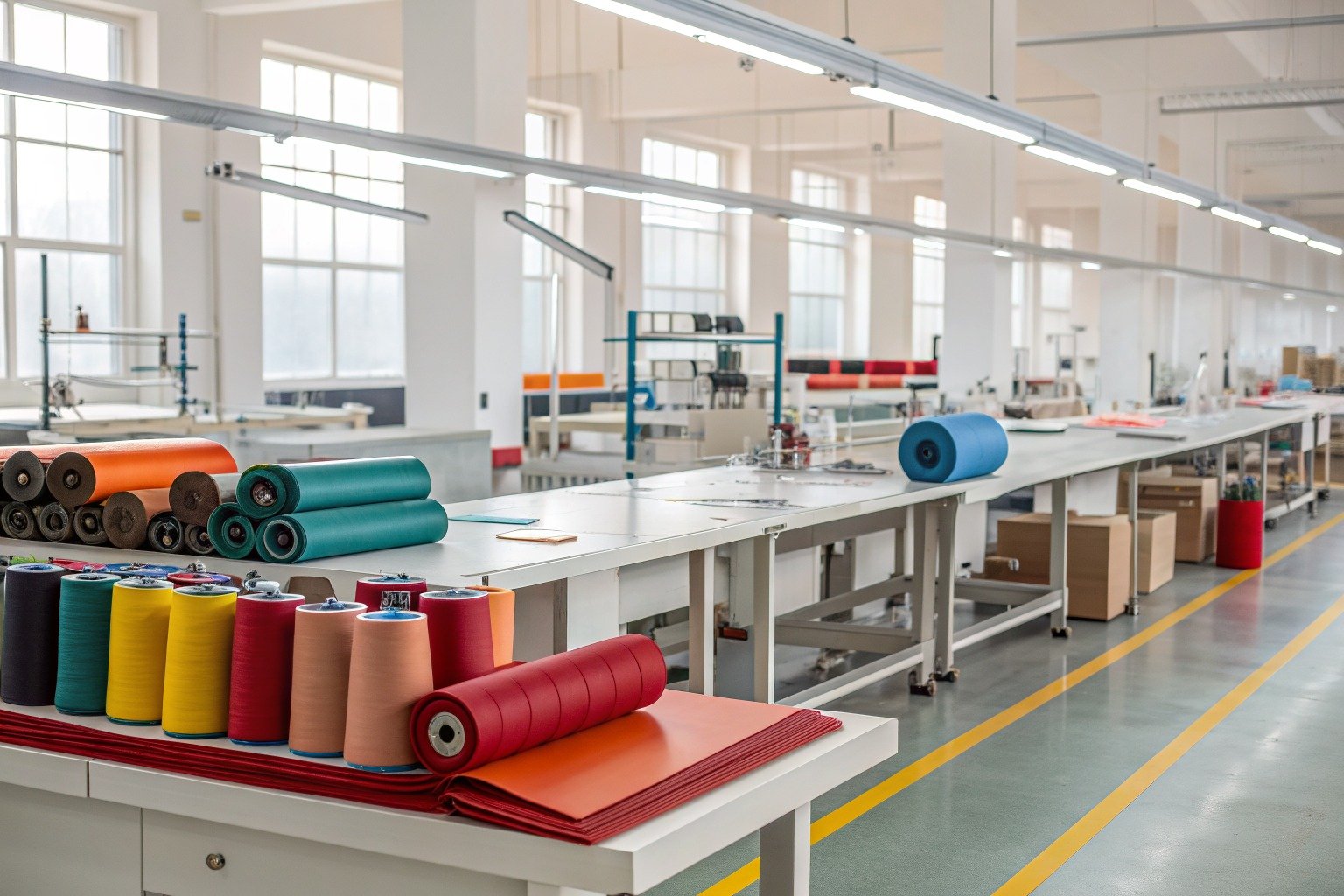
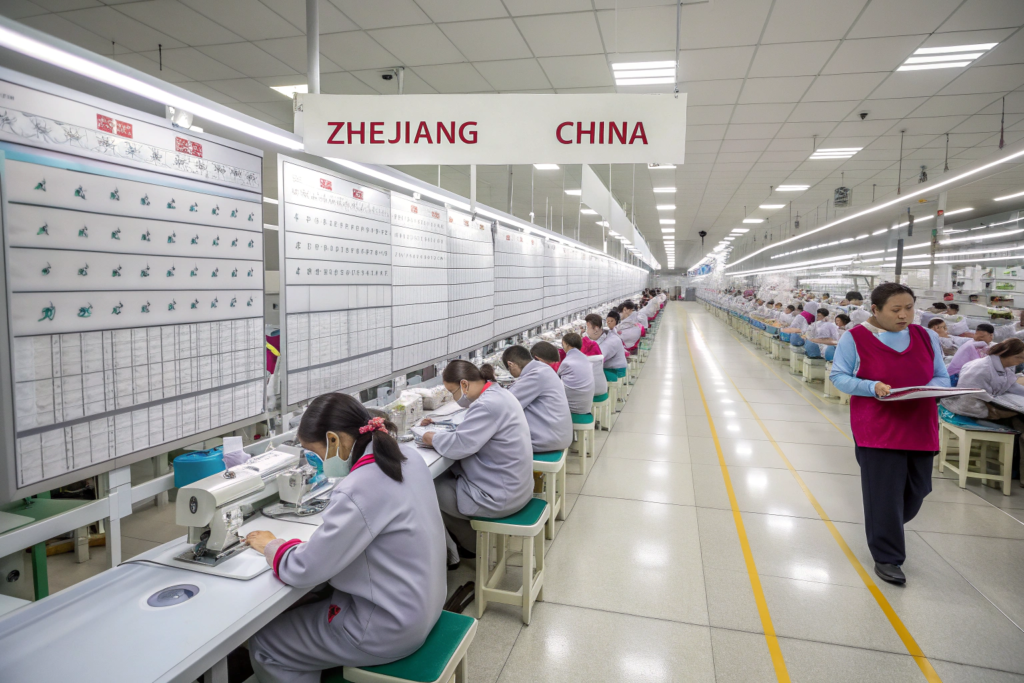
I tell all new buyers: Ask for a spontaneous video call. Do not schedule it for "tomorrow afternoon." That gives a scammer time to rent a space or stage a set. Call them right now on WhatsApp or WeChat. Say, "I want to see the molding department for hair accessories ." Watch for these specific details during the call. First, look at the floor. A real injection molding shop has oil stains, material pellets on the ground near the hopper, and the sound of machines running. A fake tour is quiet and spotless like a museum. Second, ask the person to show you the mold rack. Ask them to point to a specific mold number. A real factory knows where the molds are. Third, ask to see the QC inspection table. Look for the AQL charts and measuring tools. If the call is shaky and they walk past rows of empty tables or the lights are off, that is a trading company office, not a factory . At AceAccessory, we do these tours weekly. We show clients the exact machine that will run their hair bands . This level of transparency builds the trust that justifies a deposit.
Why Should You Check Export Records and Bill of Lading History?
A factory that has been exporting for years has a paper trail. Ask the supplier to show you a redacted copy of a recent Bill of Lading. They can black out the buyer’s name and the pricing, but you should see the Shipper name (the factory), the Consignee country, and the Port of Loading (Ningbo or Shanghai for Zhejiang factories). You can cross-reference the vessel name and voyage number on a public tracking site like MarineTraffic to see if the ship exists and sailed on that date. This proves the factory has successfully shipped goods overseas recently. You can also use the US Customs Import Records database (available through services like ImportGenius or Panjiva). Type in the factory’s English name. If they claim to ship 50 containers a month to the US, you should see records of those shipments. If the name returns zero results, they are either lying about their volume or they are shipping under a different company’s license, which is a sign of a trading company. A quick search of AceAccessory’s records would show a consistent history of fashion accessories arriving at ports like Los Angeles and New York. This public data is your best friend for verifying claims.
How Can Structured Payment Terms Reduce Financial Exposure?
The best way to manage payment risk is not just to find a good supplier. It is to structure the payment schedule in a way that keeps you in the driver’s seat. You should never be in a position where the factory has 100% of your money and 0% of your goods. The payment schedule is your primary leverage to enforce quality and on-time delivery. If the factory knows they only get the final 70% when the goods are on the boat, they are motivated to fix any problems you find during the inline inspection.
I have been doing this long enough to know that problems happen. A batch of gloves might have a loose thread. A shipment of straw hats might get crushed if packed wrong. When you still hold the balance payment, the factory jumps to fix the issue. If you have already paid in full, your email goes to the bottom of the priority list. You lose your negotiating power. This is not about being adversarial; it is about aligning incentives. A fair payment structure aligns the factory’s financial interest with your quality standards.
Here are the specific, actionable terms you should negotiate before signing any contract. Do not accept the first terms a supplier offers if they seem one-sided.

What Is a Safe Payment Schedule for First-Time Custom Accessory Orders?
For a new relationship, I recommend a 30/70 split with a twist. Here is the exact formula we offer at AceAccessory and that I advise buyers to seek elsewhere:
| Payment Stage | Percentage | Trigger | Buyer Protection |
|---|---|---|---|
| Deposit | 30% | Signing of Proforma Invoice | Covers raw material cost. Paid via Trade Assurance or Corporate T/T. |
| Pre-Shipment Inspection Hold | 0% (Hold) | N/A | Buyer arranges third-party inspection (SGS/BV) before balance is due. |
| Balance Payment | 70% | Receipt of Inspection PASS Report and Copy of Bill of Lading | Goods are verified and on the vessel before funds are released. |
This structure ensures you never have more than 30% at risk before you see proof of quality. If the inspection fails, the factory must rework the goods or re-negotiate before they see the 70% balance. This motivates them to fix hair clips or belts immediately. Some buyers push for 30% deposit, 40% against B/L, and 30% 30 days after arrival. While this is great for the buyer’s cash flow, very few factories in China will accept post-arrival payment terms on a first order. We simply don’t know you yet. The 30/70 against B/L is the industry sweet spot for trust and security on both sides.
How Do Escrow Services Offer an Alternative to Direct Bank Transfers?
There is a middle ground between the complexity of a Letter of Credit and the risk of a direct T/T wire. Escrow services hold the buyer’s money and release it to the factory only when agreed conditions are met. Alibaba Trade Assurance is the most common form of escrow for this industry. But there are independent escrow companies as well. The benefit is clear: you don’t pay the factory until you confirm the goods are shipped. However, the limitation is the dispute resolution process. If the goods are "shipped" but they are 10% defective, the escrow service does not automatically give you a 10% refund. You have to enter arbitration. This can take weeks. My advice is to use escrow combined with a pre-shipment inspection. Write into the escrow agreement that "Payment release requires a copy of the Bill of Lading AND a passing inspection report from [Inspector Name]." This turns the escrow service from a simple shipping trigger into a quality enforcement tool. For orders under $20,000, this is often more practical than a bank L/C. For fashion accessories sourcing, this hybrid approach using Trade Assurance plus independent inspection offers a strong balance of security and simplicity.
Conclusion
The fear of losing a large deposit to an unknown Chinese factory is not paranoia; it is prudent business caution. The landscape is filled with both world-class manufacturers and opportunistic scammers. The difference lies not in the website design or the slick sales pitch, but in the transparency of the financial terms and the verifiability of the physical operation. You have the power to protect your capital by demanding reasonable payment structures, verifying the factory’s existence through live video and public records, and leveraging secure payment platforms correctly.
A 30% deposit is a fair request for a factory that needs to buy materials. A 100% prepayment demand is a warning siren. You should never feel pressured to wire money to an account that does not match the company name or to skip an independent quality inspection. The strongest relationships in this business are built on a balance of power. When you retain the balance payment until shipping, you retain the leverage to ensure your shawls are the right weight and your hair bands are the right tension.
At AceAccessory, we operate on a simple principle: we want to get paid for good work, and we want you to receive goods that sell. We don’t hide behind excuses. We provide video tours, corporate banking details, and a clear 30/70 payment schedule because we have confidence in what we build here in Zhejiang. You don’t need to gamble with your deposit. You just need to ask the right questions and look for a partner who answers them directly.
If you are evaluating suppliers and want to discuss a secure payment plan for your next collection of accessories, reach out to us. We can walk you through our standard terms and show you exactly how we protect our clients’ investments. Contact our Business Director, Elaine, for a transparent conversation about pricing and payment. Email Elaine at: elaine@fumaoclothing.com