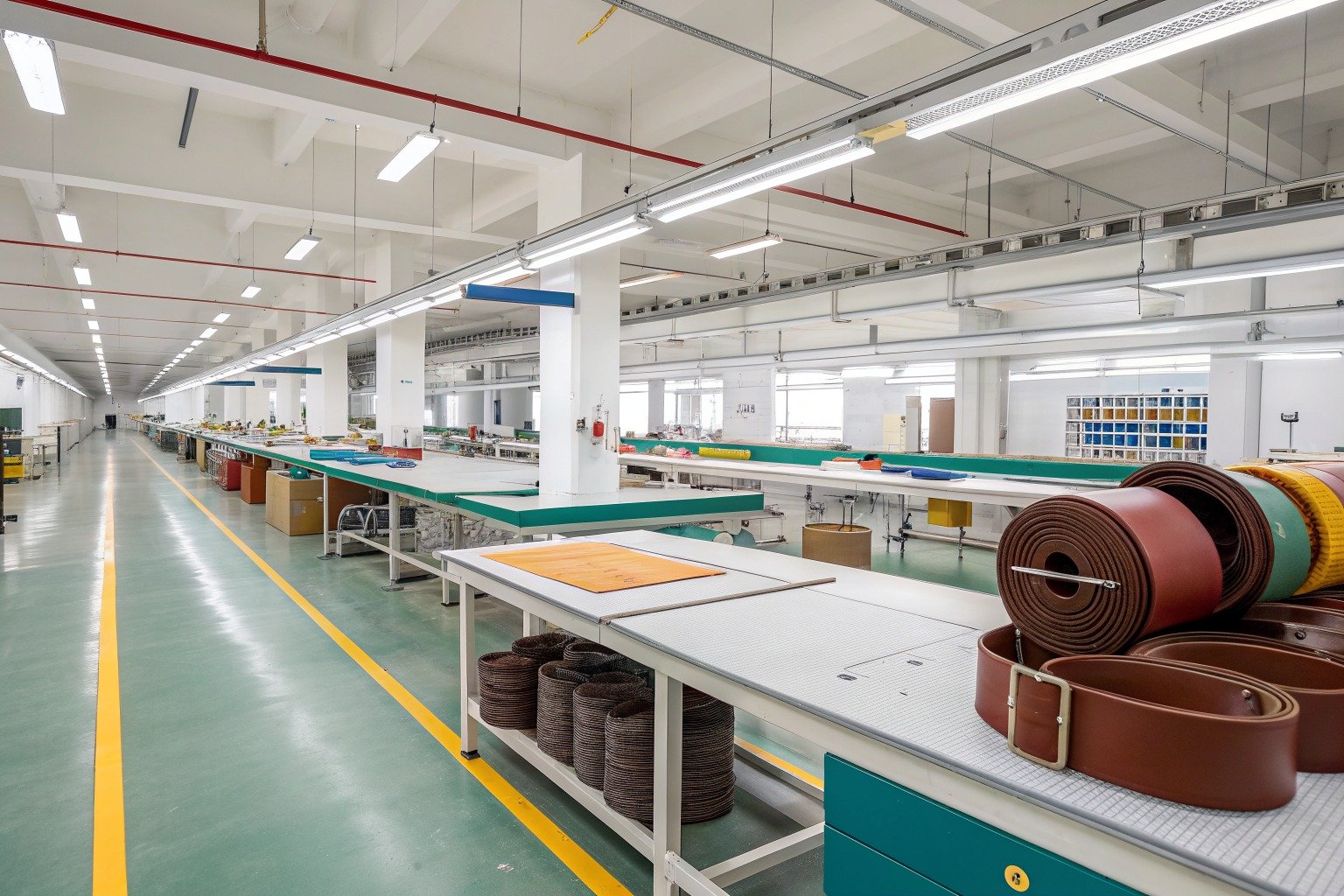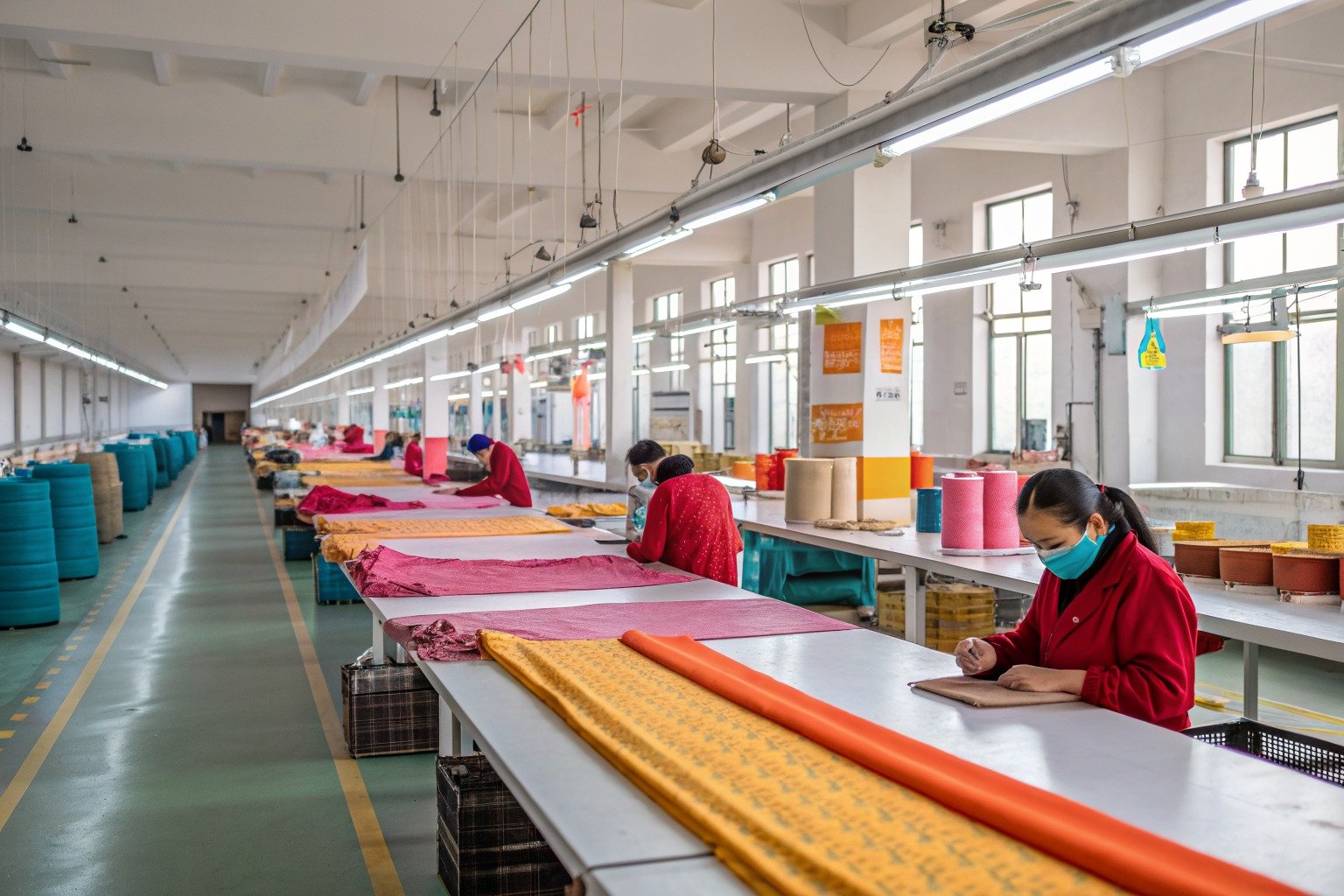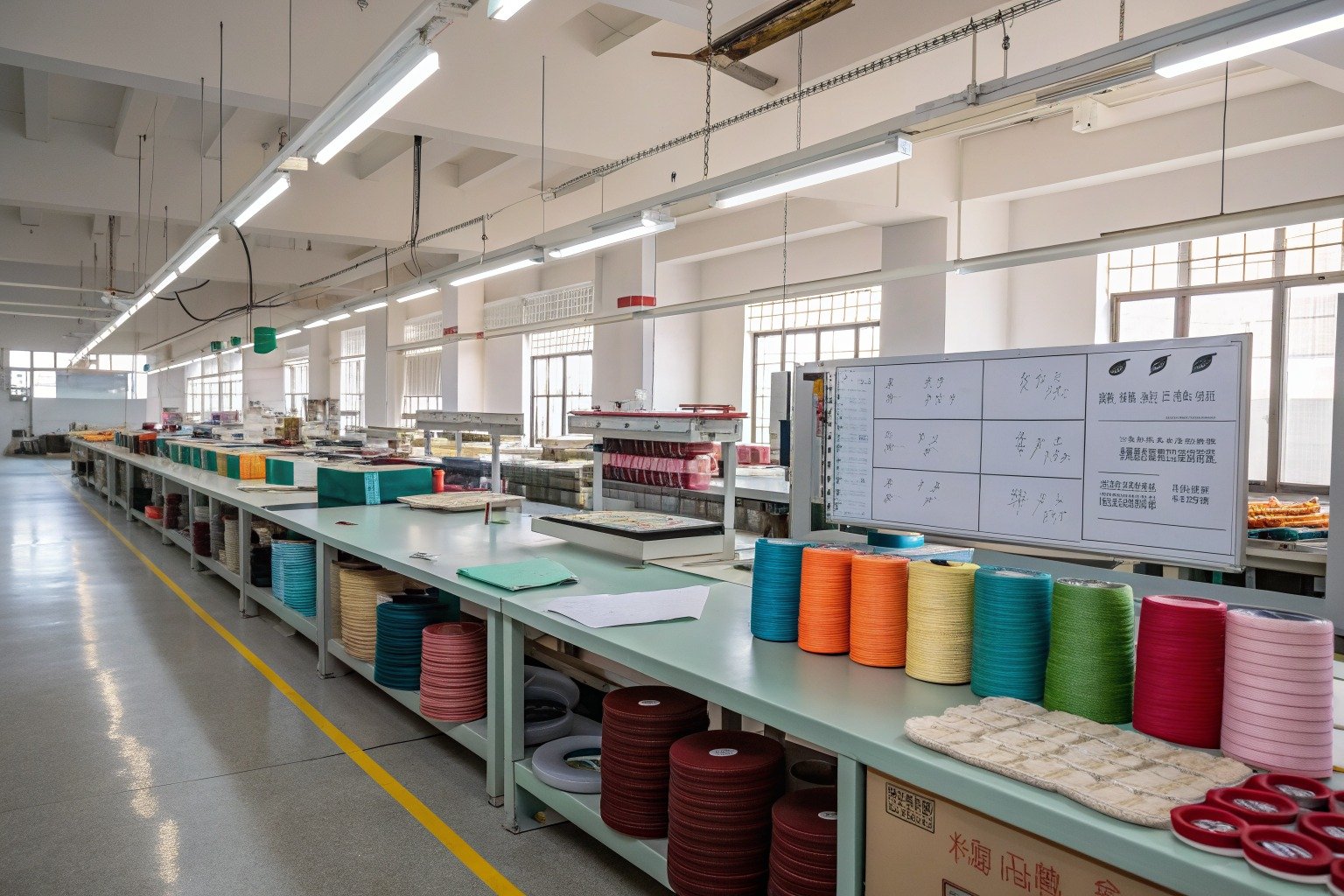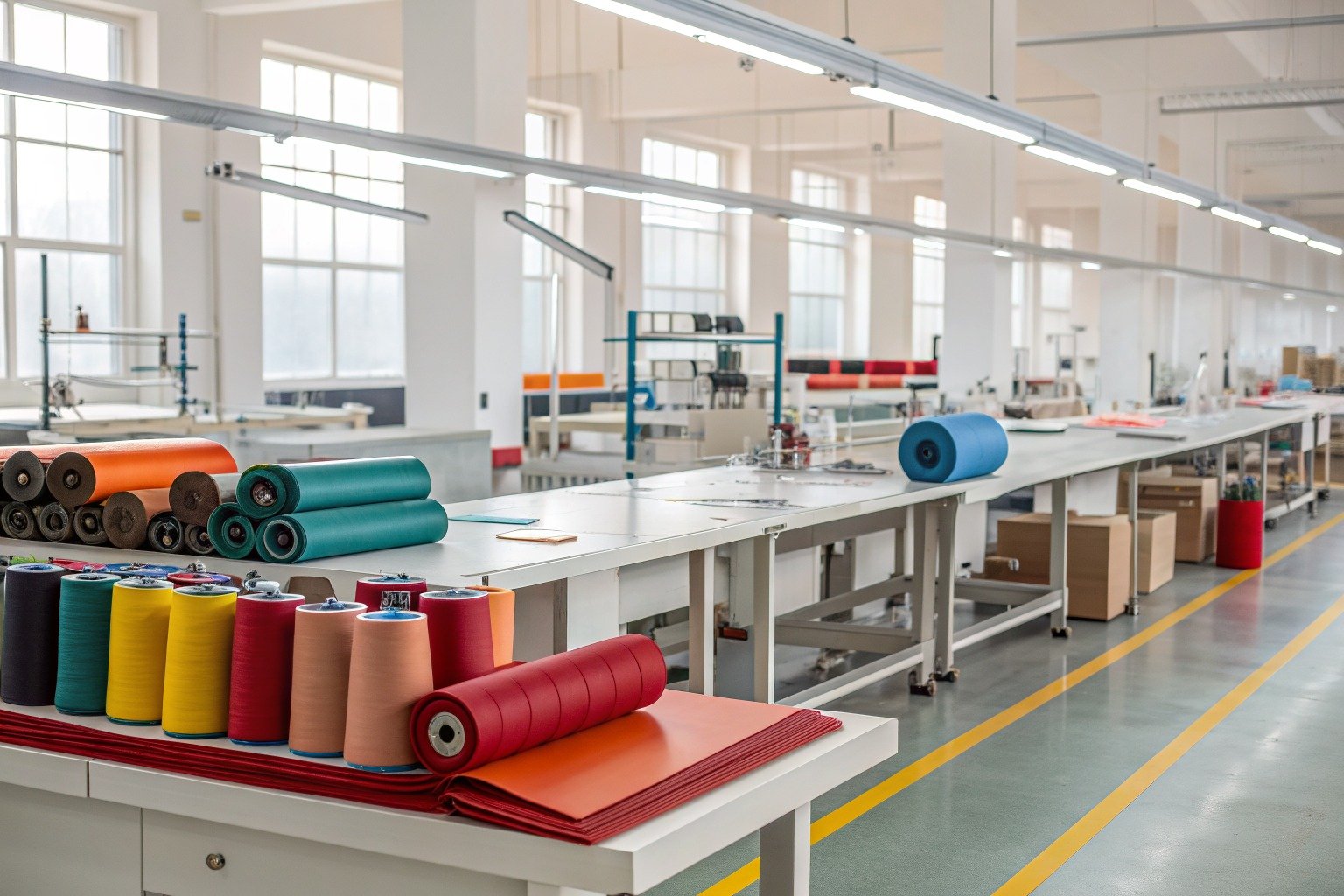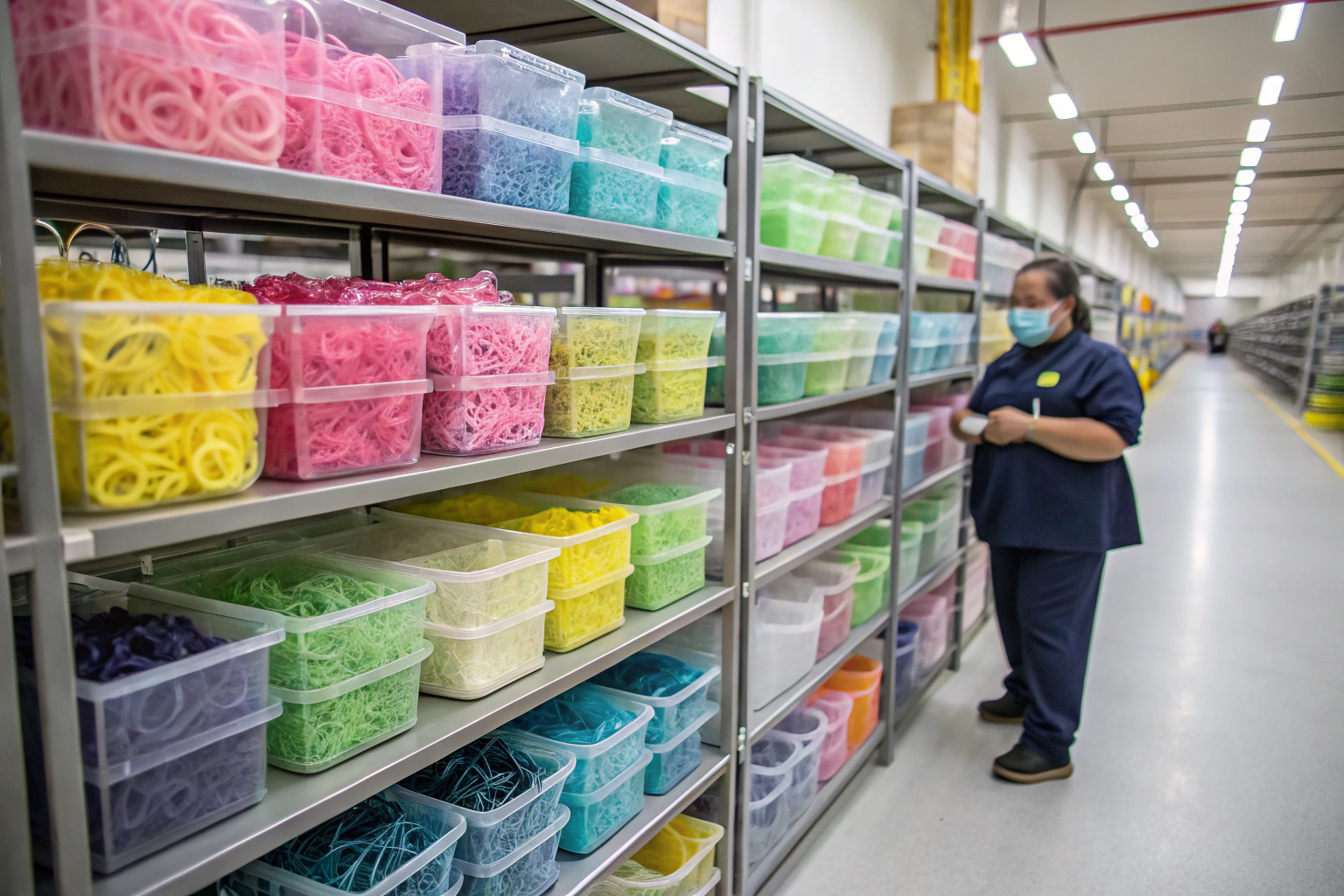
I once had a buyer email me with this exact question. She ran a growing online boutique and wanted variety on her website without drowning in inventory. She had been told by another factory that her order was "too small and too complicated." They wanted her to order 10,000 pieces of a single color or pay a massive surcharge. She felt stuck between buying boring bulk and overpaying for flexibility. If you are like Ron, you want to offer your customers choice, but you also need to manage cash flow and warehouse space. The fear of being stuck with 9,000 unsold hair bands in a color nobody likes is a legitimate business concern.
Yes, you can absolutely order 1000 pieces each of 10 different hair band colors from a flexible manufacturer like AceAccessory. This type of order, totaling 10,000 pieces, hits the minimum order quantity (MOQ) for total volume while allowing for color assortment. However, you must understand that this is considered a "mixed color order" which impacts production scheduling, raw material purchasing, and per-unit pricing compared to a single solid color run of 10,000 pieces.
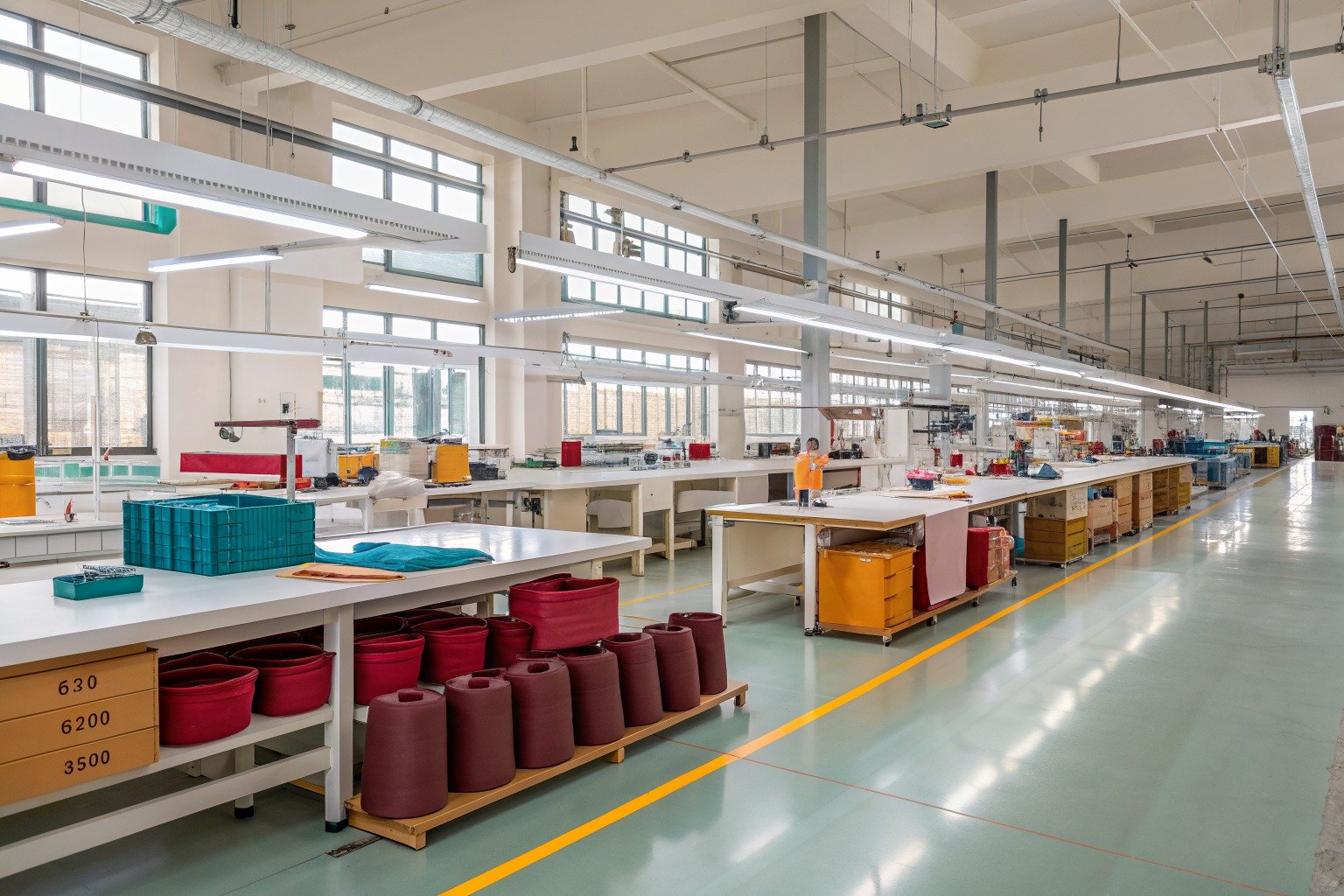
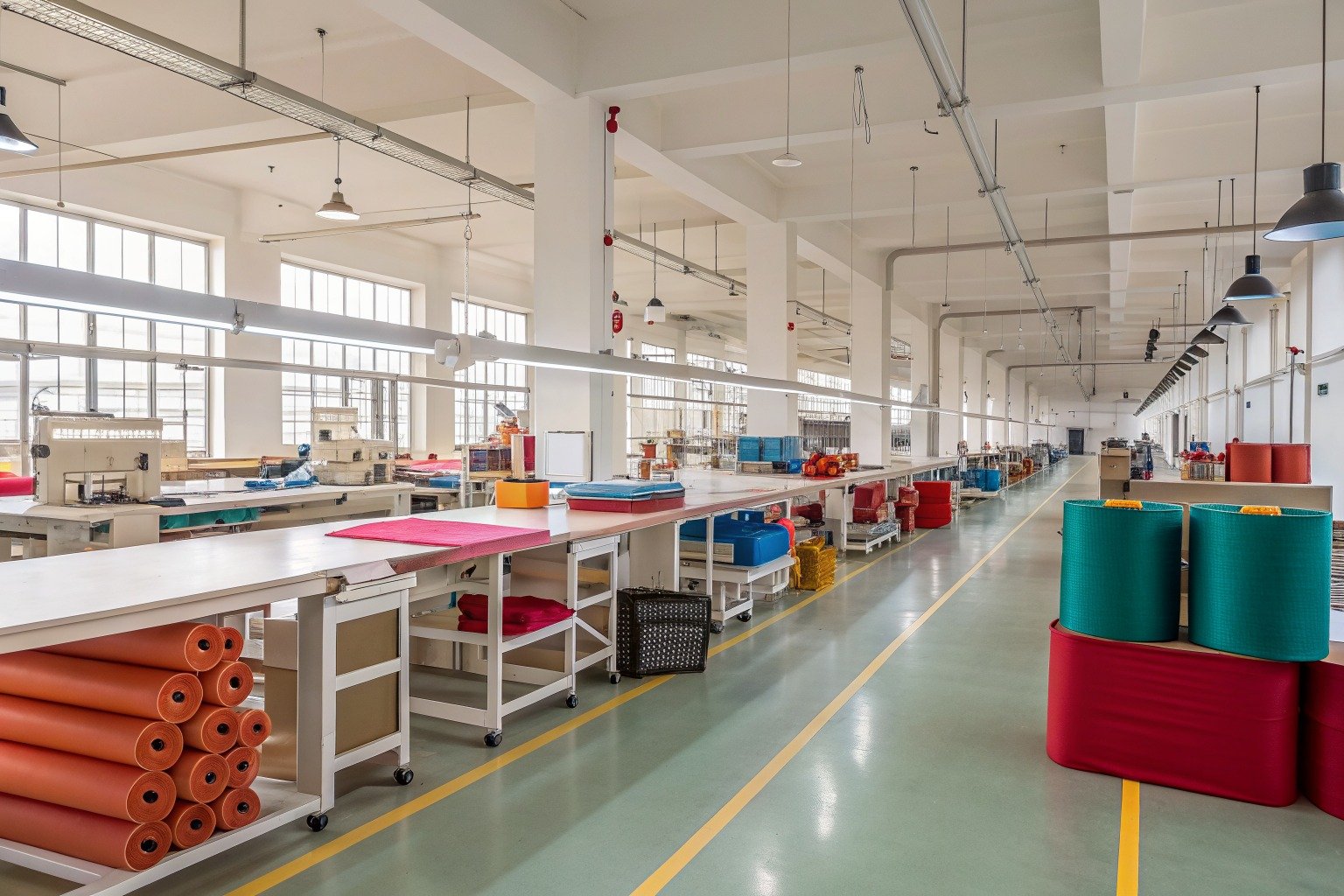
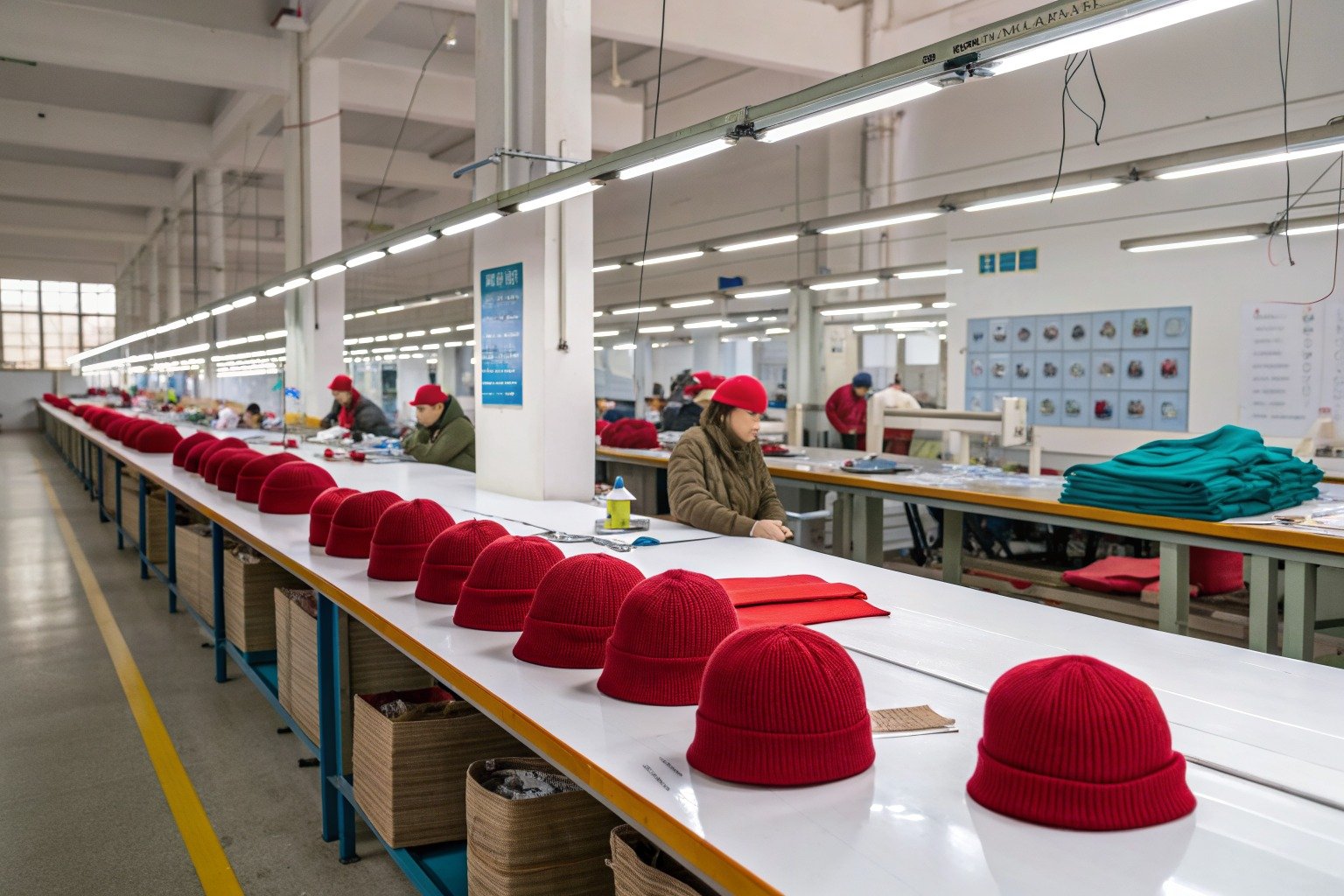
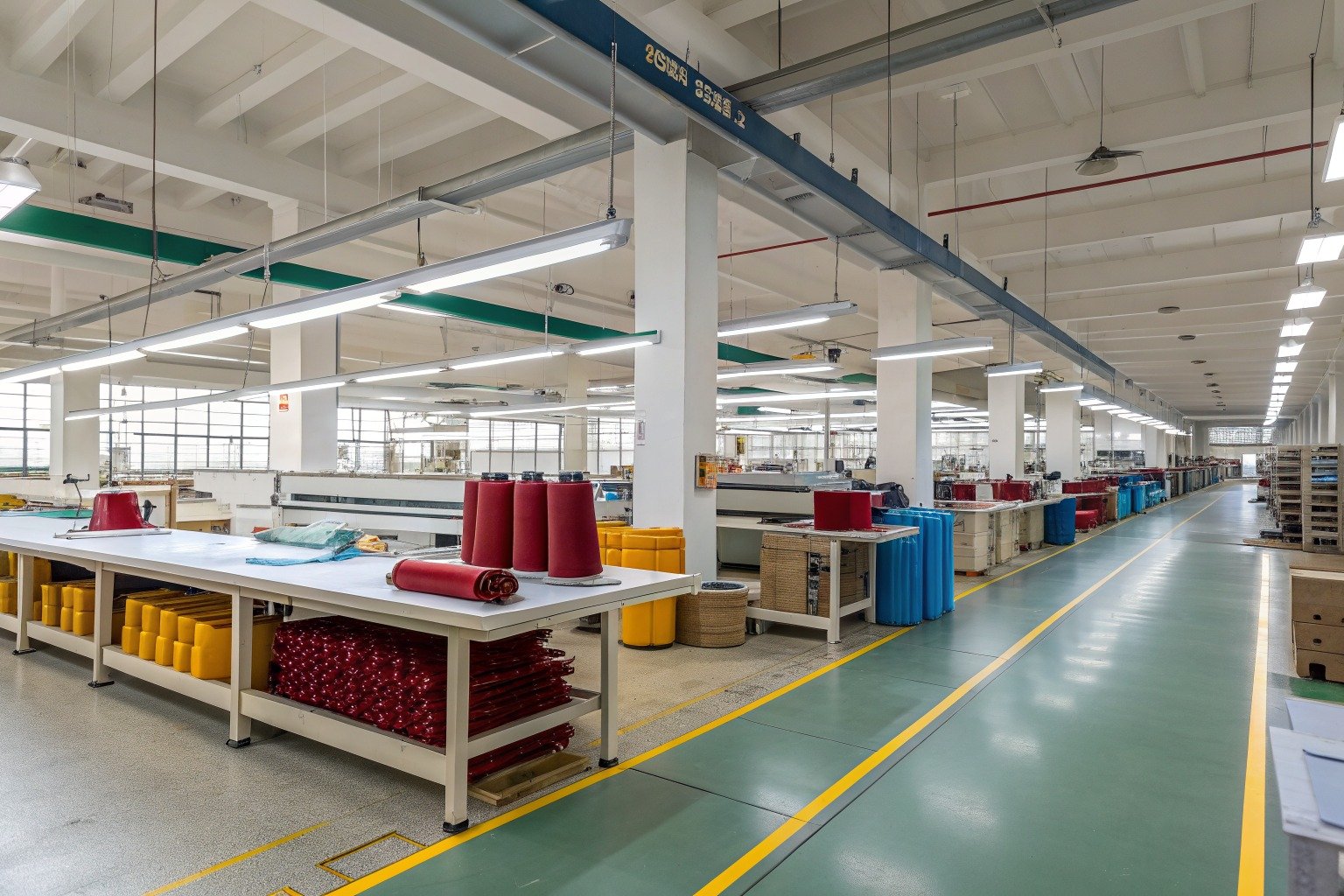
I run AceAccessory in Zhejiang Province. We specialize in working with brands that need variety. We are not a massive commodity factory that only wants to run one machine for a week straight without stopping. Our production floor is set up for changeovers. Our raw material suppliers know we order smaller batches of multiple colors. This question touches on the very heart of modern accessory retail: how to offer a wide SKU selection without massive inventory risk. Let me break down exactly how a mixed color order works, how it affects your price, and why some factories say no while others say yes.
Why Do Factories Set Minimum Order Quantities for Hair Band Colors?
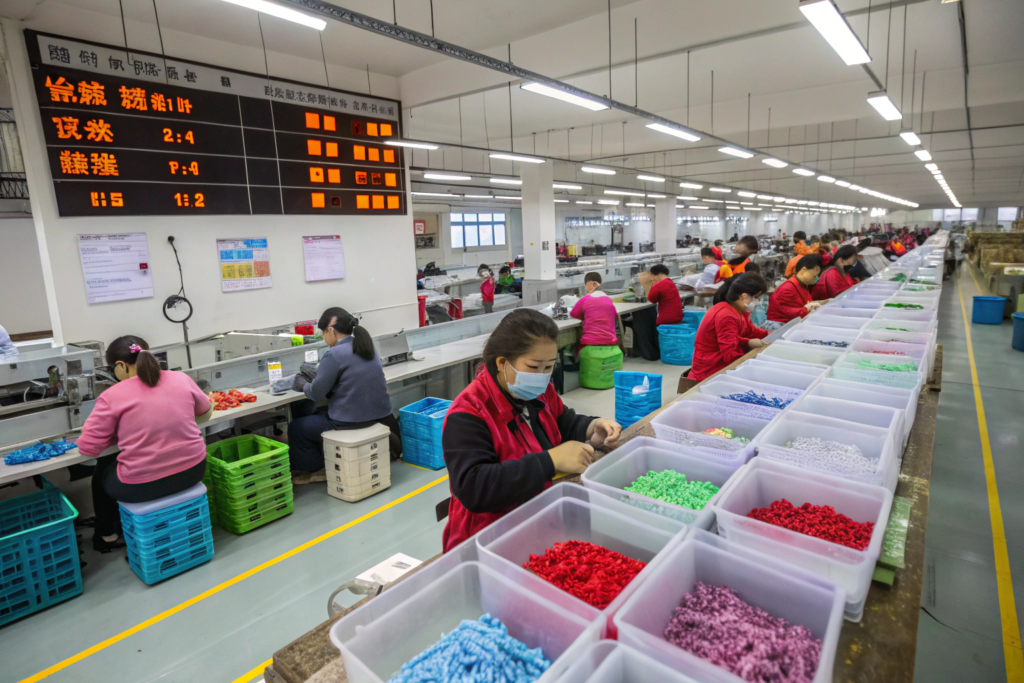
Before I explain how we can do 10 colors, let me explain why some factories refuse. It is not because they are mean or lazy. It is because their entire operation is built around efficiency, and "efficiency" in their mind means never stopping the machine. A factory optimized for low-cost, high-volume production wants to run one color of elastic for three days straight. They make millions of black hair bands for dollar stores. Every time they stop the machine to change the thread color or switch the elastic spool, they lose 15 to 30 minutes of production time. Over a day, that lost time adds up to thousands of units.
When you ask for 10 colors, you are asking for at least 10 changeovers. To a high-volume factory, this is a nightmare. They calculate the "cost of downtime" and add it to your invoice as a setup fee or a color break fee. Often, this fee is so high that it makes the order unprofitable for you. They would rather say "No, MOQ is 10,000 per color" than deal with the complexity.
At AceAccessory, we have a different mindset. We know the market has shifted. Consumers want the rainbow. They want options. So we have structured our production floor differently. We have smaller, more agile production cells that can switch colors quickly.

What Is the Difference Between Total Order MOQ and Per-Color MOQ?
This is the most important distinction to understand. Most factories quote an MOQ without clarifying if it applies to the total order or to each individual variation. Here is the breakdown:
| MOQ Type | Definition | Example for 10 Colors | AceAccessory Policy |
|---|---|---|---|
| Total Order MOQ | Minimum spend or units for the entire Purchase Order. | You order 10,000 pcs total. | Standard practice. We can mix colors. |
| Per-Color MOQ | Minimum units required for a single color dye lot or production run. | 2,000 pcs per color x 10 colors = 20,000 pcs total. | Negotiable for stock materials. |
When you ask for 1,000 pieces per color, you are testing the factory’s Per-Color MOQ. For custom-dyed elastics or custom-printed fabrics, the Per-Color MOQ is real. The dye house has a minimum vat size. You cannot dye just 100 grams of elastic; you have to dye a full batch. That batch might yield enough material for 5,000 hair bands. If you only want 1,000, the factory has to eat the cost of the leftover 4,000 bands’ worth of material or store it and hope someone else orders that exact shade next year. This is why custom hair bands with unique Pantone colors often require a higher Per-Color MOQ than stock colors . If you choose from our existing library of 80+ in-stock colors, the Per-Color MOQ can be as low as 500 pieces because we already have the material on the shelf.
How Does Machine Downtime Affect Pricing for Small Batch Colors?
I want to be transparent about the cost. Even with our agile setup, producing 1,000 pieces of a color takes more labor per unit than producing 10,000 pieces of one color. Why? Because the worker has to stop, clear the previous elastic from the guide, thread the new color, and adjust the tension. That is 5 to 10 minutes of non-productive time. If you have 10 colors, that is nearly an hour of lost production. We absorb much of this as a service to our clients, but it does affect the unit price slightly. For a solid 10,000-piece order of one color, the price might be $0.35 per band. For a mixed 10-color order of the same style, the price might be $0.39 per band. The $0.04 difference covers the labor time for changeovers and the extra handling to keep the 10 colors separated during packing. It is a small premium to pay for the ability to offer a full fashion accessories collection without buying a warehouse full of dead stock. I always explain this to buyers like Ron upfront so they understand the value proposition.
How to Structure a 10-Color Hair Band Order for the Best Pricing?
Getting the best price on a mixed color order is all about smart planning. You need to make the order as easy as possible for the factory to execute. The more you align your needs with the factory’s existing material flow, the lower your cost will be. If you walk in demanding 10 specific Pantone colors that we have never seen before, the price will be higher because we have to source 10 different dye lots. If you walk in and say, "Show me your 10 best-selling colors," the price will be lower because we have those materials in bulk on the shelf.
At AceAccessory, I encourage buyers to think in terms of Color Families or Seasonal Palettes. This approach reduces the complexity of material sourcing. Instead of 10 random colors from across the spectrum, maybe you choose 3 shades of pink, 3 shades of blue, 2 neutrals, and 2 bright accents. Often, these shades can be made from the same base elastic with different over-dye processes, or they are all standard colors we keep in rotation.
The other key to good pricing is packaging consolidation. If you ask for each color to be packed in a separate custom box with a unique barcode sticker, that adds labor cost. If you accept that all 10 colors come in one master carton with a single barcode for the whole assortment, the packing cost drops significantly.
What Are the Best-Selling Stock Colors to Avoid Custom Dye Fees?
If you want to hit that 1,000-piece-per-color target without paying any extra fees, I strongly recommend choosing from our In-Stock Color Library. We have over 80 colors of elastic, nylon, and cotton spandex that we keep in inventory at all times. These are colors that have proven themselves in the North American and European markets. Here is a quick reference table of our most popular stock colors for hair accessories right now:
| Color Name | Pantone Reference (Approx.) | Popularity | Material Availability |
|---|---|---|---|
| Classic Black | 19-0303 TCX | Always #1 | Very High |
| Navy Blazer | 19-3923 TCX | High (Preppy Look) | High |
| Soft Beige | 14-1118 TCX | High (Neutral Trend) | High |
| Dusty Rose | 17-1518 TCX | High (Feminine) | Medium |
| Sage Green | 15-0318 TCX | Trending Up | Medium |
| Ivory White | 11-0601 TCX | High (Bridal) | High |
If you select colors from this list, we can often accommodate a Per-Color MOQ as low as 500 pieces. This gives you even more flexibility to test new shades. You could order 500 pieces each of 20 colors to total 10,000 pieces. This is a fantastic strategy for online stores wanting to A/B test which colors resonate best with their Instagram audience. Choosing stock colors eliminates the 15-20 day lead time required for custom lab dips and dyeing.
How Does Assortment Packing Impact the Final Per-Unit Cost?
Packing is the hidden cost driver in mixed color orders. If you ask us to separate 1,000 black bands into 100 packs of 10, and 1,000 pink bands into 100 packs of 10, and then create a special display box containing 5 black and 5 pink bands—that is a lot of labor. Each touch adds cost. There are three main ways to pack a 10-color order:
- Bulk Pack (Lowest Cost): 1,000 pieces of Pink in a polybag. 1,000 pieces of Blue in a polybag. 10 bags total in one carton. This is how we ship to major supermarkets . They do their own repackaging in-store.
- Individual Retail Pack (Medium Cost): Each hair band is on a branded card with a UPC code. We still pack them by color into the carton.
- Assorted Pre-Pack (Highest Cost): We create a display unit or a header card that contains one of each of the 10 colors. This requires workers to pick and count 10 different SKUs for every single unit.
I always advise new clients to start with Bulk Pack for their first mixed order. Get the goods in hand. See which colors fly off the shelf. Then, on the reorder, you can invest in custom retail packaging for the top 5 winners and drop the slow movers. This strategy minimizes your upfront investment and allows you to offer variety without the high labor cost of assortment packing on a first run.
What Is the Realistic Lead Time for a Multi-Color Hair Band Order?
Time is money, especially when you are trying to catch a seasonal trend or restock a popular item. A multi-color order does not necessarily take 10 times longer than a single-color order, but it does require more coordination time. The actual knitting or sewing of 10,000 bands might take the same amount of machine time. However, the setup and material preparation phase is longer.
For a single color of 10,000 pieces, we pull one giant spool of elastic, thread the machine once, and go. For 10 colors, we have to locate 10 different spools in the warehouse, bring them to the production line, and stage them in the correct order. Then we run Color 1, clean the machine, run Color 2, and so on. The production manager has to schedule these changeovers around lunch breaks and shift changes to minimize downtime.
At AceAccessory, our typical lead time for a mixed color order of 10,000 pieces using stock materials is 25 to 30 days. A solid color order of the same quantity might be 20 to 25 days. The extra 5 days is the buffer we build in for the color changeovers and the final quality control checks to ensure the Pink #1 bag doesn’t accidentally contain a few Pink #3 bands. Cross-contamination of colors is a real QC issue in mixed orders, and a good factory takes the time to prevent it.
How Does Material Sourcing for 10 Colors Extend Production Timelines?
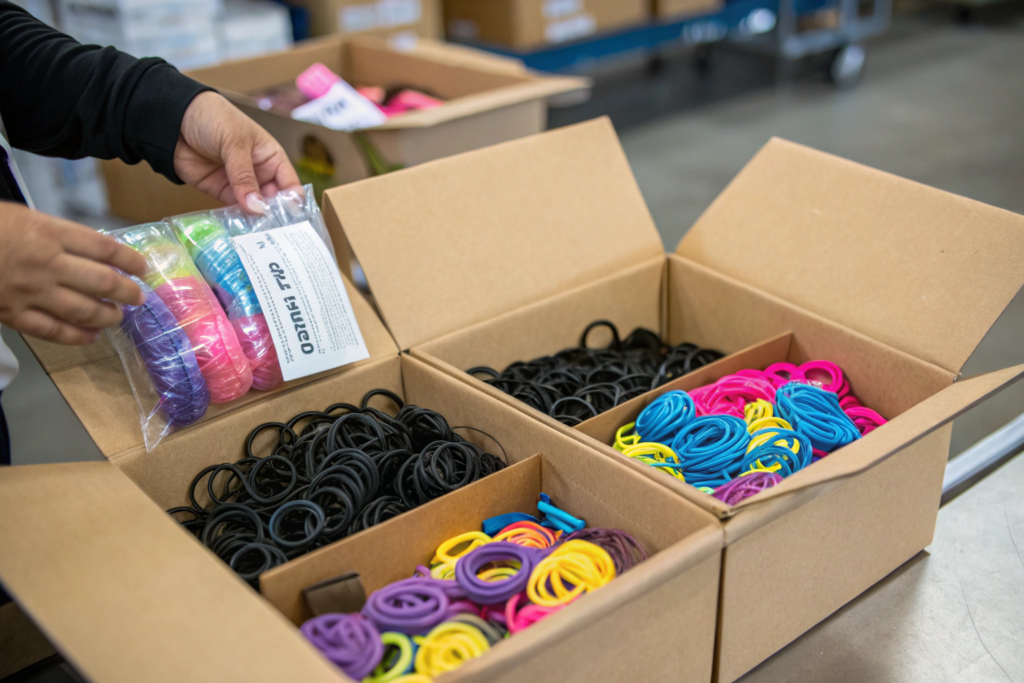
The bottleneck is usually the raw materials. If all 10 of your chosen colors are sitting on our shelf as standard stock, we can start production within 2-3 days of receiving your deposit. The timeline is almost identical to a single-color order. However, if 3 of your colors require custom dyeing, the timeline extends significantly. The dye house needs to produce a "lab dip"—a small sample of the color on the actual fabric—for your approval. This back-and-forth shipping and approval process typically takes 10 to 14 days for the first round. If the first lab dip is not a perfect match to your Pantone chip, we do a second round, adding another week. This is why I always push clients to look at our stock colors first. It is not just about saving the dye fee; it is about saving three weeks on the calendar. For a fast-moving category like fashion accessories , three weeks can be the difference between being first to market and arriving after the trend has peaked.
What Quality Control Steps Prevent Color Mixing Errors in Bulk Orders?
This is a detail that separates a professional factory from a sloppy one. When you are dealing with 10 shades that might look very similar under warehouse lighting—say, Navy and Black, or Dusty Rose and Mauve—the risk of mixing them up is real. Imagine you receive your carton, open it, and find the bag labeled "Sage Green" actually contains "Mint Green." Now you have a fulfillment nightmare. We prevent this with a strict Color Segregation Protocol. During production, each color run is done separately, and the work-in-progress bins are clearly labeled with the Pantone code and the PO line number. After production, each color batch goes to the QC Light Box. Inspectors check the color under D65 daylight simulation and compare it to the approved standard. They also check for foreign bands. A batch of 1,000 pink bands is weighed and visually scanned to ensure no stray blue band is hiding inside. Finally, each polybag is sealed immediately after inspection. This process takes time and floor space, but it is essential for quality control on mixed orders. It is a non-negotiable step in our workflow.
Is It More Profitable to Order Assorted Colors vs Solid Cases?
This is the ultimate business question. You are not just buying accessories; you are buying inventory efficiency. The answer depends entirely on your sales channel. If you are a wholesaler selling to a big-box retailer, they will demand Solid Cases. Walmart or Target doesn’t want a mixed box of 10 colors. They want a pallet of Black and a pallet of Navy. Their inventory system is SKU-specific. If you send them an assortment, they will charge you a violation fee for incorrect labeling.
But if you are an online seller on Shopify or Amazon, or a boutique owner with a physical store, the Assorted Case is almost always more profitable. Here is the math. Let’s say you buy 1,000 Black bands. You sell 10 a day. That inventory lasts 100 days. Meanwhile, your cash is tied up in that box for over three months. If you buy 100 Black, 100 Pink, 100 Blue, etc., you sell the Black and Pink out in 10 days. You use that revenue to buy more of the winning colors. Your inventory turnover ratio is higher. In retail, turnover eats margin for breakfast. A product sitting on the shelf costs you money in storage and lost opportunity.
The key is to find a supplier like AceAccessory that allows you to structure the order this way without penalizing you with massive upcharges.
How Does Offering 10 Colors Reduce Inventory Risk for Online Sellers?
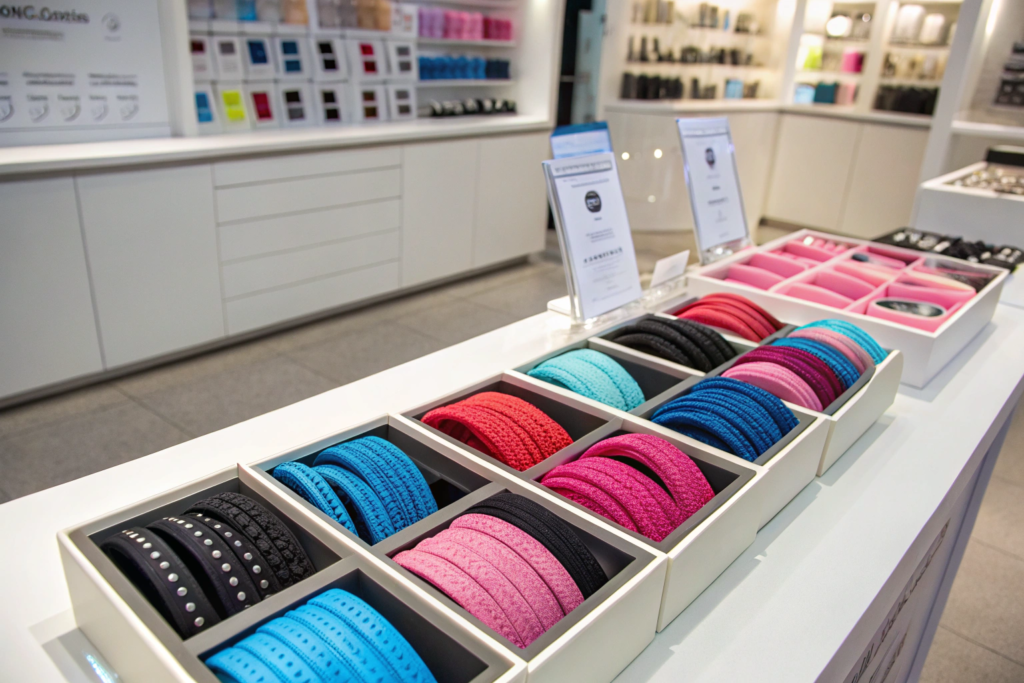
I consult with many of my smaller clients on this exact point. If you launch a new hair band style on your website and only offer Black, White, and Beige, you are missing 70% of the impulse buys. When a customer sees a grid of 10 color options, the visual appeal increases the perceived value of the collection. But more importantly, it provides valuable sales data. By ordering 1,000 pieces of 10 colors, you are essentially running a low-cost market test. Within two weeks, you will see which 3 colors are the best-sellers. On your next order with us, you can drop the 3 slowest colors and double down on the winners. You might order 3,000 pieces of the winning Pink and 500 pieces of the runner-up Blue. This data-driven approach to inventory management is only possible because you had a factory willing to support a mixed initial order. If you had been forced to buy 10,000 pieces of a single color, you would be stuck with that color for a year, regardless of customer preference.
What Is the Impact of Mixed Orders on Shipping and Customs Clearance?
There is a slight logistical nuance to consider. A container with 10 different colors of the same item is still one product category. It does not complicate US Customs clearance any more than a single-color shipment. The HTS Code for a textile hair band is the same whether it is pink or green. The issue arises in the packing list. If you need the goods to be separated by color upon arrival at your 3PL warehouse, we must create a very detailed packing list. For example: "Carton 1 of 10: Pink Hair Bands, 1,000 pcs." This allows the warehouse to scan the carton and know exactly where to put it without opening every box. At AceAccessory, we provide a commercial invoice and packing list that breaks down the quantity by carton number and color. This is standard practice for us, but I mention it because some factories will just write "Assorted Hair Bands x 10,000 pcs" on the packing list, leaving you with a puzzle to solve when the truck arrives. Clear documentation is part of the reliable service we provide for fashion accessories sourcing.
Conclusion
The ability to order 1,000 pieces each of 10 different hair band colors is not just a matter of factory policy; it is a reflection of the factory’s business model and its understanding of the modern retail landscape. The old guard of manufacturing wants to push volume and simplicity. They view variety as a cost. At AceAccessory, we view variety as the standard. We know that buyers like Ron and the growing online boutiques we serve need flexibility to test markets, manage cash flow, and offer the visual assortment that today’s consumers demand.
Yes, there is a small premium for the changeover labor. Yes, the lead time might be slightly longer than a solid run. But the strategic advantage of entering the market with a full color palette—without the financial burden of a warehouse full of dead stock—far outweighs those marginal costs. By leveraging stock colors and smart bulk packing, you can achieve a competitive cost structure while maintaining the agility of a small business.
The key is to work with a factory that is set up for this kind of work. A factory with a deep library of stock materials, a production floor designed for quick changeovers, and a quality control team that understands how to prevent color contamination. That is exactly what we have built here in Zhejiang. You don’t have to choose between buying boring bulk and paying unaffordable premiums. There is a middle path.
If you have a specific color palette in mind for your next collection, reach out to us. We can review our stock list together and give you a realistic price and timeline for your mixed order.
Contact our Business Director, Elaine. She can send you our current stock color card and help you build an order that fits your budget and your shelf. Email Elaine at: elaine@fumaoclothing.com