You have finalized the design for your custom, OEM hair accessory. The samples are approved. The factory has sent the proforma invoice. You scroll down to the payment terms. It says "30% T/T deposit, 70% T/T balance against copy of B/L." You are a new brand. Wiring a 30% deposit to a factory thousands of miles away feels like a leap of faith. You wonder if this is standard. You wonder if you should negotiate. You wonder what protections you have. You are not just making a payment. You are entering into a financial relationship that needs to balance trust and risk for both parties.
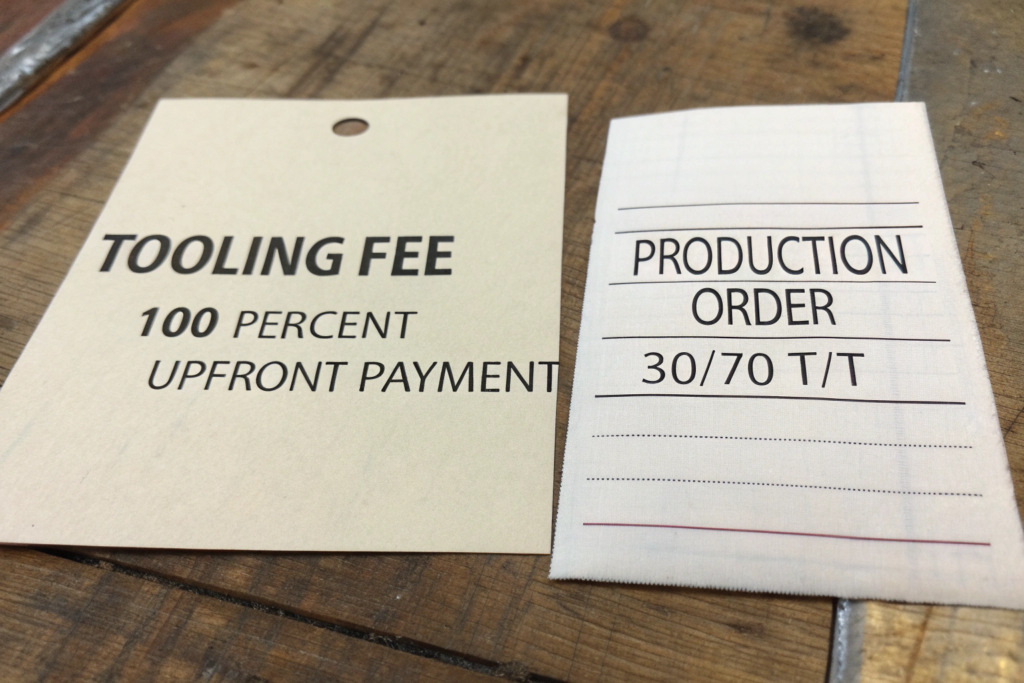
The standard and most widely accepted payment schedule for OEM accessory orders is a 30% deposit via T/T (Telegraphic Transfer) to initiate production and secure raw materials, with the remaining 70% balance paid via T/T against a copy of the shipping documents, typically the Bill of Lading, which proves the goods have been manufactured and are in transit.
I manage AceAccessory in Zhejiang, and I have processed thousands of OEM orders. This 30/70 structure is the industry standard for a reason. It is a carefully balanced compromise that provides the factory with the necessary working capital to purchase your specific materials while giving you, the buyer, the assurance that the goods are finished and shipped before the bulk of your money is released. Let me explain exactly how this schedule works in practice, why it is structured this way, and what alternatives exist for different situations.
Why Is the 30 Percent T/T Deposit the Industry Standard for OEM Orders?
The 30% deposit is not an arbitrary number. It is directly tied to the unique economics of OEM manufacturing. Unlike an ODM order where the factory might be using stock materials and producing for multiple clients, an OEM order involves creating something exclusively for you. This requires the factory to make upfront investments before a single unit is produced. The primary use of the 30% deposit is to purchase the specific raw materials for your order. For a custom hair claw, this means ordering the custom-colored acetate sheets. For a custom belt, it means purchasing the specific leather hides and commissioning the custom buckle mold. These materials are ordered specifically for your project. They cannot be easily used for another client. The factory needs the deposit to secure these materials from their suppliers without tying up all their own working capital. The deposit also serves as a commitment fee. It demonstrates that you, the buyer, are serious and have "skin in the game." It protects the factory from the risk of a buyer canceling the order after custom production has begun. This purpose of the 30 percent deposit in OEM manufacturing for material procurement is the fundamental reason for this term.
Is the 30 Percent Deposit Refundable If I Cancel the Order?
In almost all cases, no. This is a critical point to understand. Once you have approved the pre-production sample and we have issued the proforma invoice, and you have paid the deposit, we immediately order the custom materials. These materials are purchased for your specific order. If you were to cancel the order at that point, we would be left with custom-colored acetate or a custom metal mold that we cannot use for another client. The deposit covers these sunk costs. This is why the pre-production sample approval is such a crucial step. It is your final confirmation that the product is exactly what you want before the factory commits to purchasing the bulk materials. This non refundable nature of OEM deposit after material procurement begins is a standard industry practice to protect the factory from financial loss.
Can the Deposit Percentage Be Negotiated?
Sometimes, but it depends on the circumstances. For a first order with a new client, the 30% deposit is fairly standard and difficult to negotiate down significantly. The factory is taking a risk on a new relationship. For established clients with a long history of successful orders, we may be willing to negotiate a lower deposit, perhaps 20%, as a gesture of trust and partnership. The deposit percentage is also influenced by the total order value. For very large orders, say over $50,000, the factory may be willing to work with a slightly lower percentage because the absolute dollar amount of the deposit is still substantial enough to cover material costs. The key is to have an open conversation with your factory partner. This negotiating deposit percentage for OEM orders based on relationship and order value is possible within a framework of mutual trust.
What Does "70 Percent Balance Against Copy of B/L" Mean and How Does It Protect You?
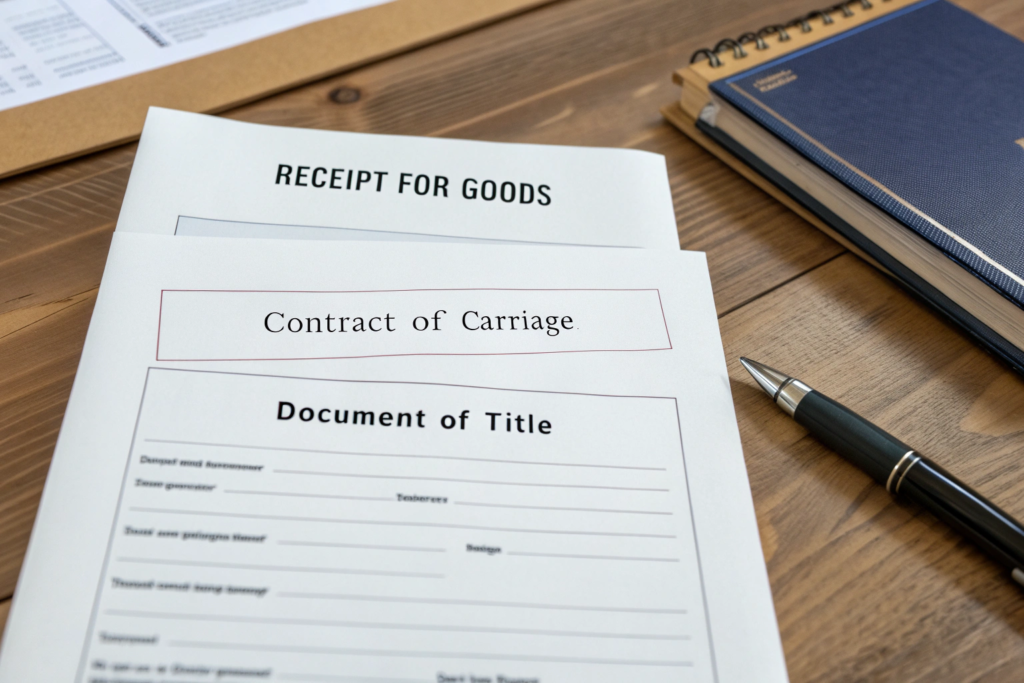
This is the second half of the standard payment equation, and it is your primary protection as a buyer. "Balance against copy of B/L" means that the remaining 70% of the invoice is not due until the goods have been manufactured, packed, and delivered to the shipping carrier, and we can provide you with a copy of the Bill of Lading. The Bill of Lading, or B/L, is a critical legal document issued by the shipping line. It serves three functions. It is a receipt for the goods, proving the carrier has received them in good condition. It is a contract of carriage between the shipper and the carrier. And most importantly, it is a document of title, meaning it represents ownership of the goods. A copy of this document is your verifiable proof that the goods exist, have left our factory, and are on their way to you. You are not paying for a promise. You are paying for goods that are demonstrably in transit. This is the crucial safeguard that makes the 30/70 T/T structure workable and fair for both parties. This how a copy of the Bill of Lading protects the buyer in a 30 70 T T transaction is the cornerstone of the balance payment.
How Can I Verify the Authenticity of the Bill of Lading Copy?
A legitimate Bill of Lading contains specific information that you can use to verify its authenticity independently. It will display the name of the shipping line, such as Maersk or MSC. It will have a unique Bill of Lading number. It will show the container number. It will list the vessel name and voyage number. It will show the port of loading and the port of discharge. You can take the Bill of Lading number or the container number and go to the shipping line’s official website. Most carriers have a "Track Your Shipment" tool. Entering the number will show you the status of the container. You can see when it was received at the port and when the vessel departed. This independent verification confirms that the document is real and the goods are actually moving. We encourage our clients to do this. This verifying a Bill of Lading number on the shipping line website provides independent assurance.
What Happens If I Do Not Pay the Balance?
The Bill of Lading is a document of title. The original, physical Bill of Lading is required to claim the goods from the shipping line at the destination port. As long as you have not paid the balance, we will not release the original Bill of Lading to you or your freight forwarder. Without the original B/L, you cannot take possession of the goods. They will sit at the port, accruing storage fees. This is the factory’s primary leverage to ensure final payment. It is a powerful incentive for the buyer to complete the transaction. This factory retains original Bill of Lading until balance payment is received is the mechanism that balances the risk.
What Are the Alternatives to the Standard 30/70 T/T Schedule?
While 30/70 T/T is the standard for established relationships, other payment methods are commonly used, especially for first-time orders or for buyers who require additional security. The most popular alternative for initial orders is Alibaba Trade Assurance. This service acts as an escrow agent. You pay the full amount to Alibaba. Alibaba holds the funds and only releases them to the factory once you confirm satisfactory receipt of the goods, or according to the shipping terms in the contract. This provides significant protection for a new buyer. Another option is a Letter of Credit, or L/C. This is a bank-guaranteed payment instrument that is very secure for both parties but involves higher bank fees and more complex documentation. It is typically used for larger orders over $50,000. For very small sample orders, PayPal or other online payment platforms are sometimes used for convenience, though they carry higher transaction fees. This alternatives to T T payment for OEM orders Alibaba Trade Assurance and Letters of Credit provides options for different levels of trust and order size.
When Is Alibaba Trade Assurance the Right Choice?
Trade Assurance is an excellent choice for a first order with a new supplier. It bridges the trust gap. It gives you, the buyer, the confidence that your funds are protected by a third-party platform. It also gives the factory assurance that you are a legitimate buyer with the funds to pay. The platform provides a dispute resolution mechanism if something goes wrong. As the relationship matures and trust is built over one or two successful orders, most buyers and suppliers transition to the more efficient and lower-fee 30/70 T/T model. We encourage new clients to use Trade Assurance for their first project with us. It is a great way to start a relationship on a foundation of mutual security. This using Alibaba Trade Assurance for first time OEM orders to build trust is a smart strategy for new relationships.
How Does a Letter of Credit Work for a Large OEM Order?
A Letter of Credit, or L/C, is the gold standard of secure international payments. It substitutes the credit of the buyer and seller with the credit of their respective banks. You instruct your bank to issue an L/C in our favor. The L/C is a promise from your bank to pay us a specified amount, provided that we present a set of documents that strictly comply with the terms of the L/C. These documents typically include the Bill of Lading, the Commercial Invoice, and a Third-Party Inspection Certificate. The bank checks the documents, not the goods. If the documents are in order, the bank pays. This provides the factory with a guaranteed payment and protects the buyer by ensuring payment is only made against compliant shipping documents. The main drawbacks are the bank fees, typically $300 to $800, and the strict documentary requirements. It is best suited for high-value orders. This mechanics of a Letter of Credit for large OEM accessory orders provides the highest level of financial security.
How Should You Structure the Payment Schedule for Custom Tooling and Molds?
OEM orders often involve custom tooling, such as a mold for a new hair claw shape or a die for a unique belt buckle. The payment schedule for this tooling is typically handled separately from the production payment schedule. Because tooling is a one-time, upfront capital investment made specifically for you, the standard payment term is 100% upfront. You pay the full tooling cost before the mold fabrication begins. This is because the mold maker requires payment to start work, and the mold is a dedicated asset that cannot be used for any other purpose. Once the mold is made, it is yours. You own it. The cost of the mold should be clearly separated from the unit price of the production pieces on the proforma invoice. We always itemize tooling costs separately. This separate payment terms for custom tooling and molds in OEM projects is a standard and transparent practice.
Who Owns the Mold After I Pay for It?
You do. This is a fundamental principle of OEM manufacturing. When you pay for the custom tooling, you own the mold. We simply store it at our factory and maintain it for your exclusive use. We will never use your mold to produce goods for another client. If you ever decide to move production to another factory, you have the right to take your mold with you. We will cooperate fully with the transfer. Your ownership of the tooling is a critical protection for your unique design. This ownership of custom molds in OEM manufacturing belongs to the brand is a key contractual point.
Are There Any Ongoing Mold Maintenance Fees?
Typically, no. For the duration of our production relationship, we maintain the mold at our own cost as part of our commitment to the partnership. This includes cleaning, lubrication, and any minor repairs needed to keep the mold in good working order. If a major repair is required due to normal wear and tear over many production cycles, we would discuss that with you. But there is no recurring storage or maintenance fee. This no recurring mold maintenance fees for active production partners is our standard policy.
Conclusion
The standard 30% deposit, 70% balance against copy of Bill of Lading payment schedule for OEM accessory orders is a time-tested, balanced structure that has evolved to fairly manage the risks and cash flow needs of both the buyer and the manufacturer. It provides the factory with the working capital to purchase your unique, custom materials. It provides you, the buyer, with the crucial assurance that the bulk of your payment is not released until the goods are manufactured and demonstrably on their way to you. This structure is built on a foundation of mutual commitment and transparency. Understanding this framework, and the alternatives available for different situations, empowers you to navigate the financial aspects of your OEM project with confidence. It transforms the payment process from a source of anxiety into a predictable, manageable part of your supply chain.
At AceAccessory, we are committed to financial transparency. Our proforma invoices clearly separate tooling costs from production costs. We explain our payment terms clearly. We are flexible in working with clients to find a payment solution, whether it is standard T/T, Trade Assurance, or an L/C, that provides comfort and security for both parties. We believe a fair payment schedule is the foundation of a strong, long-term partnership.
If you are planning an OEM accessory project and want to discuss payment terms, I encourage you to contact our Business Director, Elaine. She can provide a sample proforma invoice and walk you through our standard payment process. You can email Elaine at: elaine@fumaoclothing.com. Let us build a financial partnership based on clarity and trust.