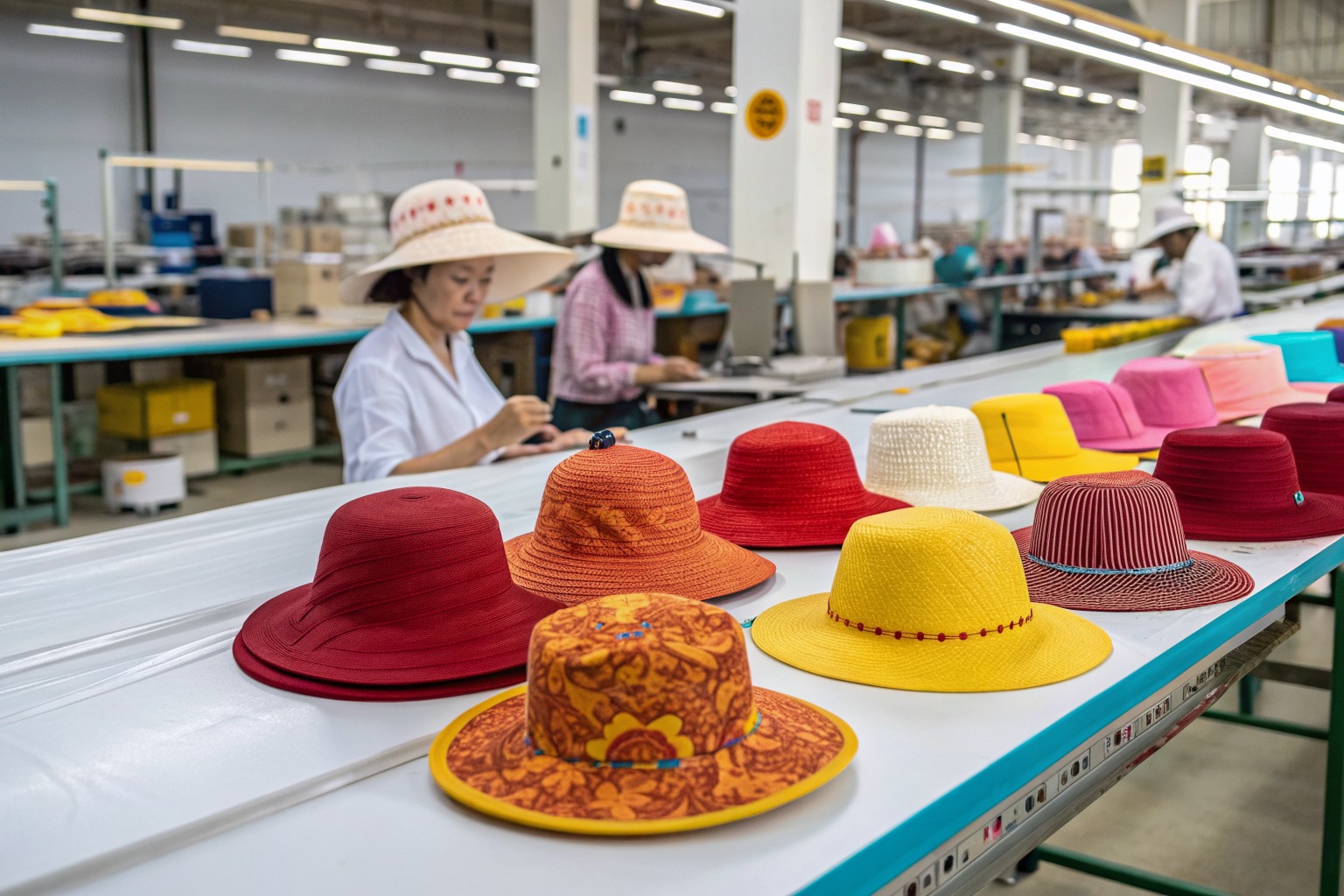
You are a buyer for a European boutique or a sustainable fashion brand. Your customer is discerning. She wants a beautiful summer hat for her holiday in Provence or the Amalfi Coast. But she also reads labels. She asks questions. She wants to know where the hat came from, what it is made of, and that it was produced responsibly. You cannot just offer a generic paper hat. You need a product with a verifiable sustainability story, one that meets strict European standards for both materials and manufacturing. You are not just buying straw hats. You are curating pieces that align with your customer’s deeply held values.
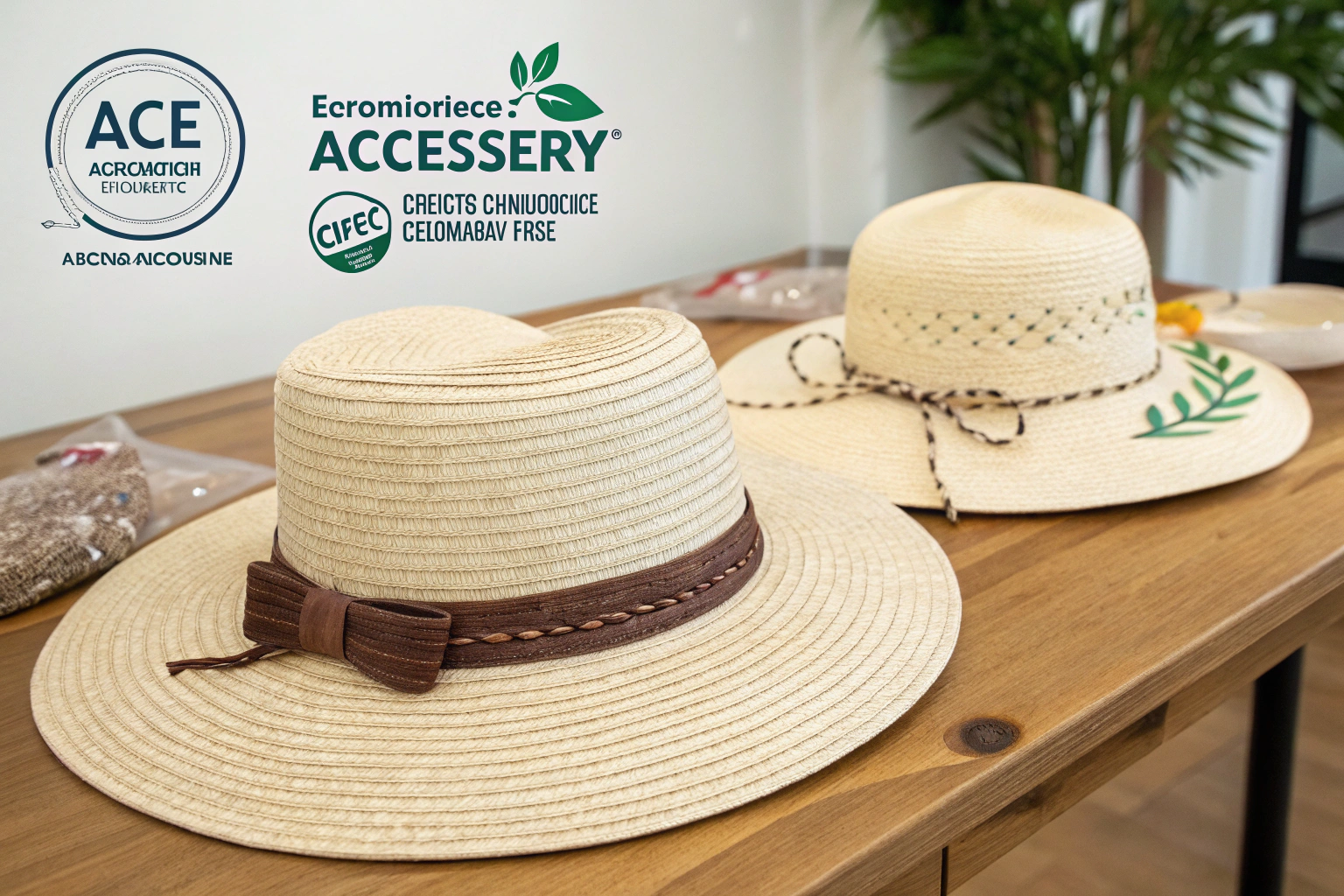
Yes, AceAccessory can produce eco-friendly straw hats specifically for the European market. We achieve this through a comprehensive approach that includes sourcing certified sustainable materials like FSC-certified paper braid and natural raffia, ensuring all components and dyes meet stringent OEKO-TEX and REACH chemical compliance standards, and offering plastic-free, recyclable packaging solutions that align with European circular economy goals.
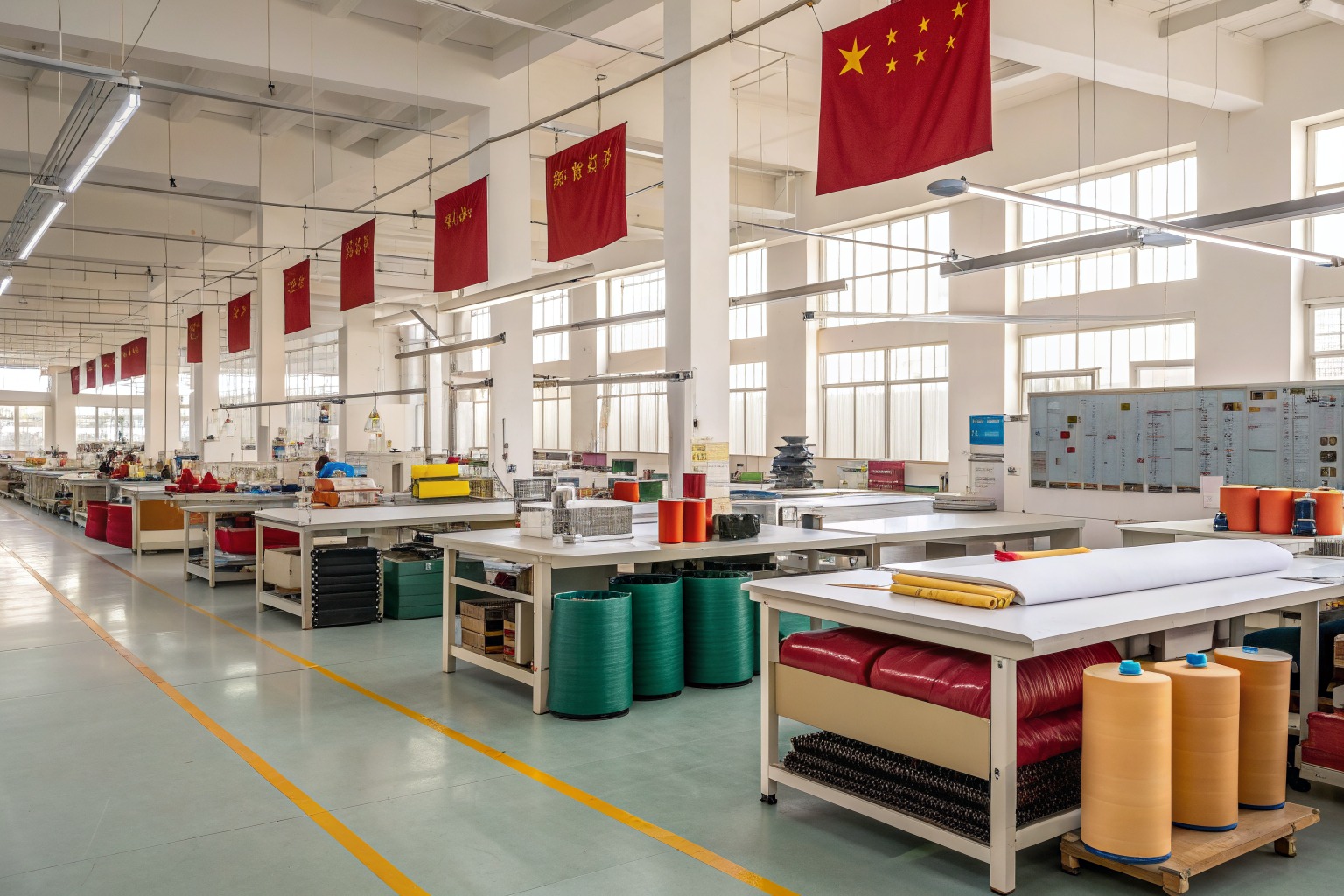
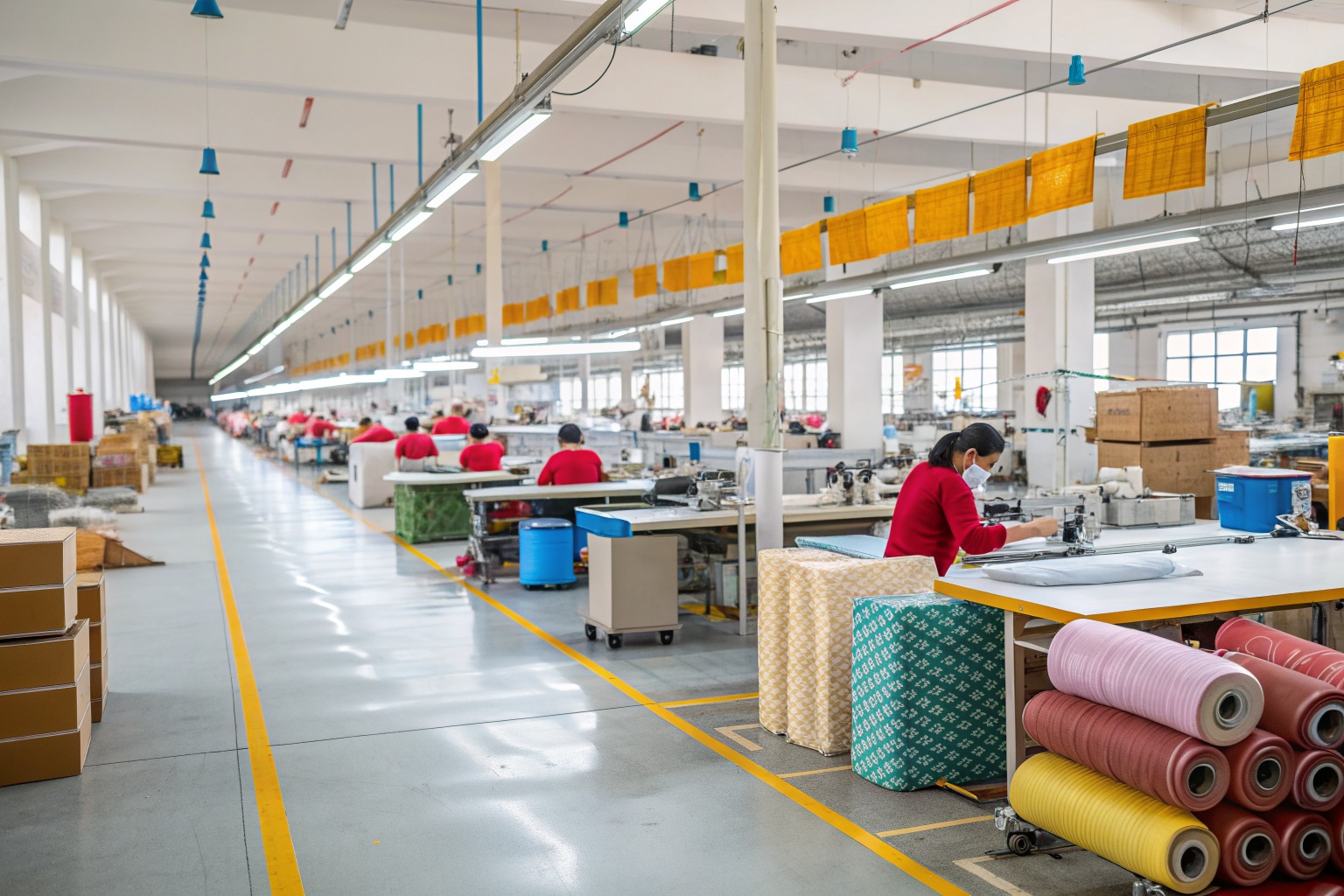
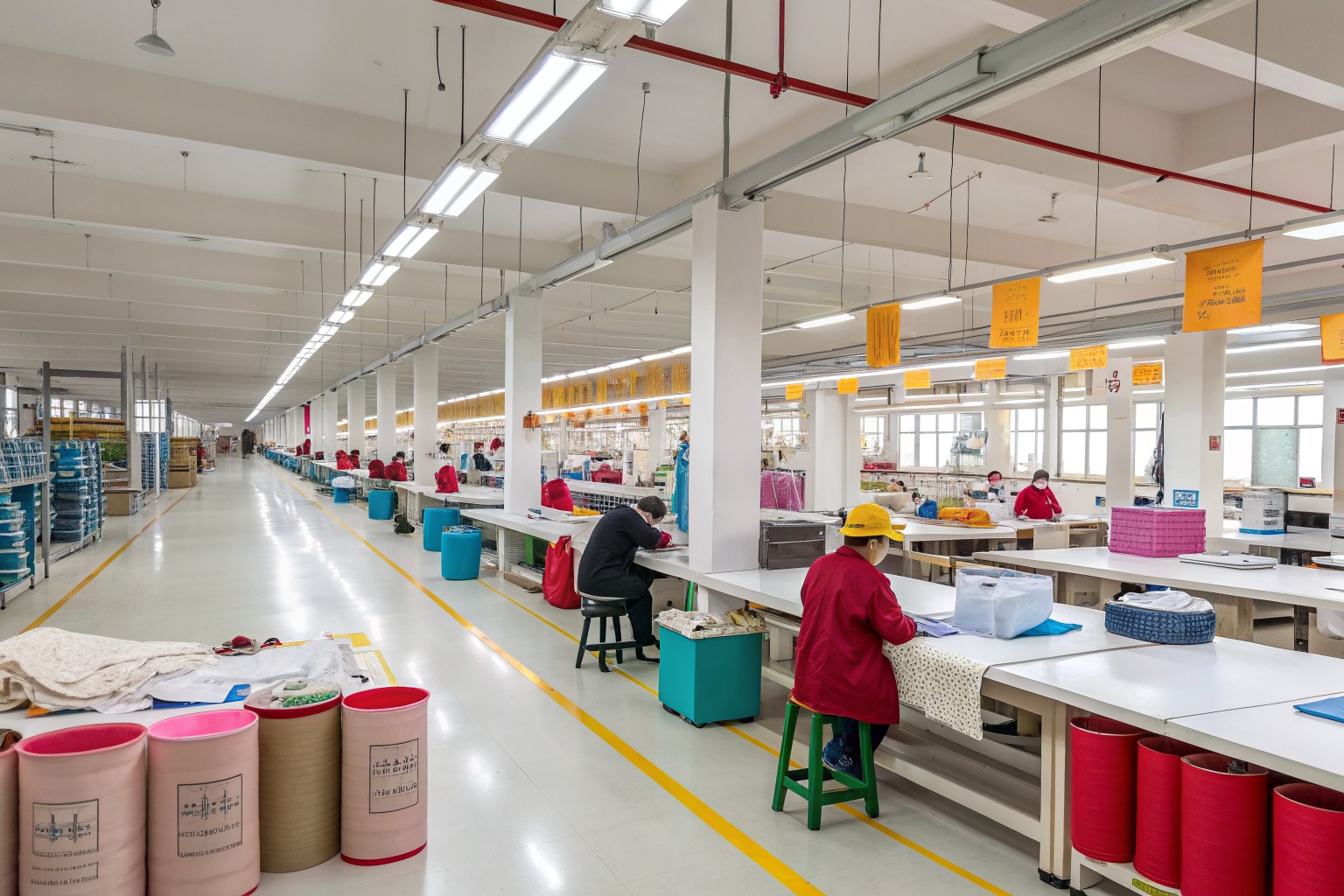
I manage AceAccessory in Zhejiang, and we have developed a specialized eco-friendly straw hat program in direct response to the demands of our European clients. Sustainability is not a marketing buzzword for us. It is a set of specific, verifiable, and audited practices in our material sourcing and production. Let me explain exactly how we make a beautiful, responsible straw hat.
What Makes a Straw Hat Material Truly "Eco-Friendly" for the European Market?
The term "eco-friendly" is broad and often misused. For the sophisticated European market, a credible sustainability claim must be backed by specific, verifiable attributes and certifications. The journey of a sustainable straw hat begins long before it reaches our factory floor. It begins with the raw material. The most fundamental question is: What is the hat made of, and where did that material come from? A hat made from conventional paper sourced from old-growth forests or bleached with harsh chemicals does not meet the standard, even if it looks like a natural straw hat. A truly eco-friendly material must have a documented chain of custody and meet environmental standards. For us, this means prioritizing materials like paper braid certified by the Forest Stewardship Council, or FSC. FSC certification ensures the wood pulp used to make the paper comes from responsibly managed forests that provide environmental, social, and economic benefits. It also means using natural raffia, a fiber harvested from the leaves of the raffia palm, which is a rapidly renewable resource. This FSC certified paper braid and natural raffia for sustainable straw hat production is the foundation of our eco-friendly program.
What Is FSC-Certified Paper Braid and Why Does It Matter?
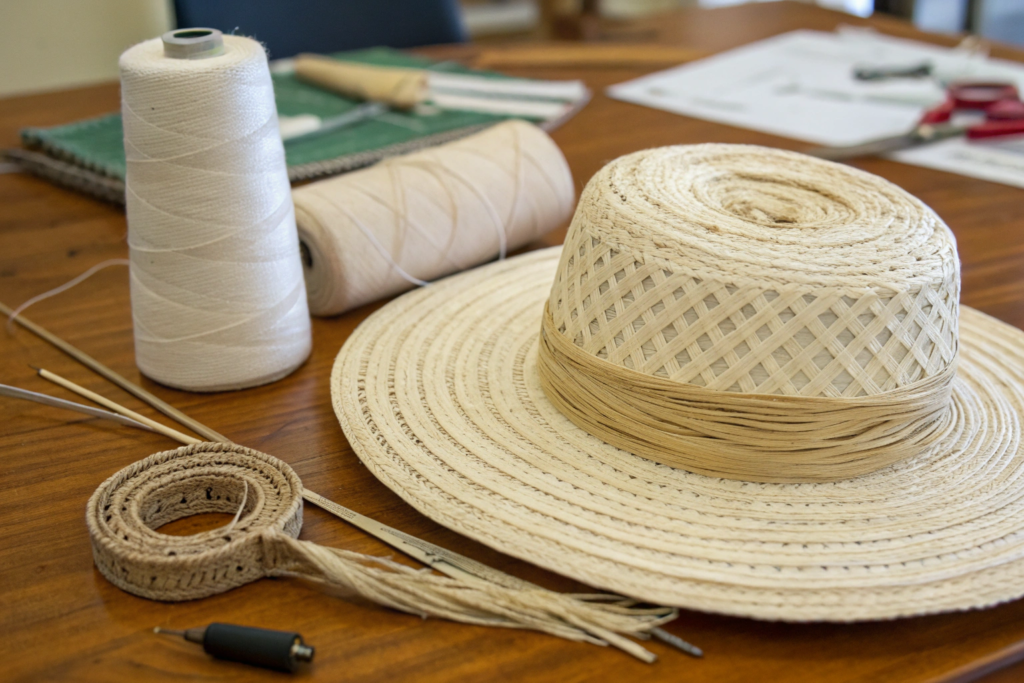
Paper braid is the most common material used for affordable, stylish summer hats. It is made by twisting long fibers of paper into a strong, flexible cord, which is then woven into the hat shape. The environmental impact of this material depends entirely on the source of the paper. The Forest Stewardship Council, or FSC, is an international non-profit organization that sets the gold standard for responsible forest management. An FSC-certified paper braid means that the wood pulp used to make the paper can be traced back to an FSC-certified forest. This forest is managed to protect biodiversity, prevent deforestation, and respect the rights of indigenous peoples and local communities. The chain of custody is verified by independent, third-party auditors. For a European brand, being able to state that their hats are made with FSC-certified materials is a powerful and credible sustainability claim. We source our FSC paper braid from certified mills and maintain the necessary documentation to prove it. This importance of FSC certification for paper based straw hat materials provides the necessary transparency.
How Does Natural Raffia Compare to Paper Braid in Terms of Sustainability?
Raffia offers a different, but equally compelling, sustainability story. It is a natural fiber harvested from the long, pinnate leaves of the raffia palm tree, which grows primarily in Madagascar and parts of Africa. The harvesting of the leaves, when done sustainably, does not kill the tree. The tree continues to grow and produce new leaves, making raffia a rapidly renewable resource. The fiber is naturally strong, durable, and has a beautiful, slightly waxy texture and a subtle sheen. It is 100% biodegradable. Raffia hats have a more organic, artisanal look and feel compared to the uniformity of paper braid. They command a higher price point and appeal to the consumer seeking a truly natural product. This natural raffia fiber properties and sustainability profile for premium hats makes it a key material for our higher-end eco-conscious styles.
How Do You Ensure the Entire Hat, Including Trims, Meets EU Chemical Standards?
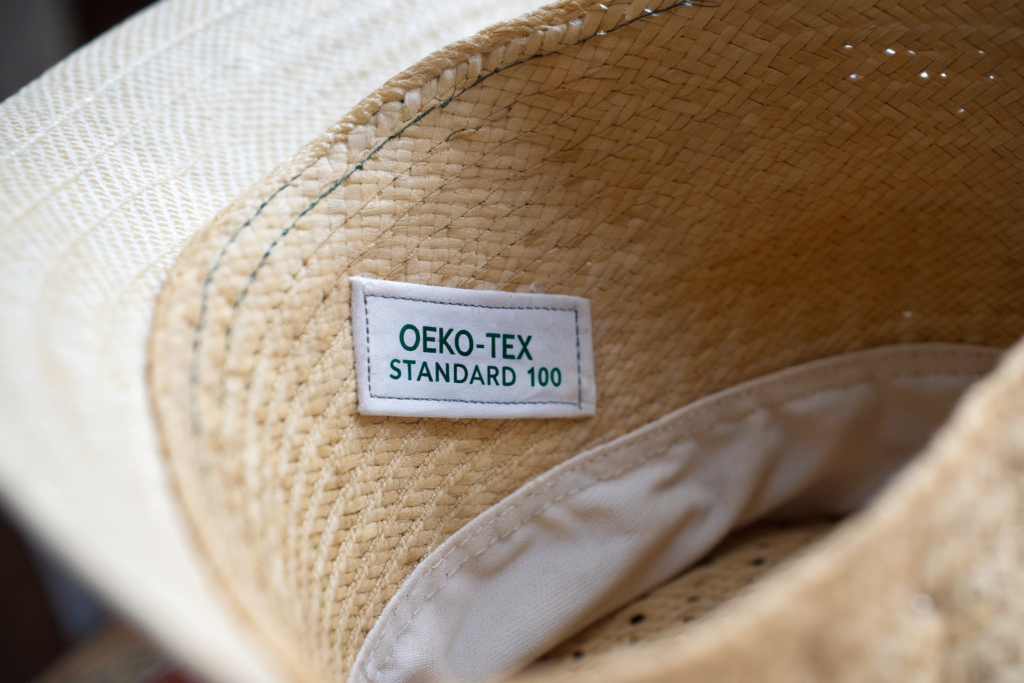
A sustainable material story is essential, but it is not sufficient on its own. The European market has the world’s strictest regulations regarding chemical safety in consumer products, primarily governed by the REACH regulation. A beautiful hat made from FSC paper can still be rejected at customs or, worse, trigger a recall if the dyes used in the hatband or the adhesive used in the sweatband contain restricted substances. True eco-friendliness requires a holistic approach to compliance that extends to every single component. The sweatband, the inner lining, the decorative ribbon or band, the sewing thread, and even the glue used to attach the trim must be evaluated. We achieve this by specifying that all components must comply with REACH and, as a best practice, be certified to the OEKO-TEX Standard 100. This independent certification tests for a wide range of harmful substances, including azo dyes, formaldehyde, heavy metals, and phthalates. It provides assurance that the entire finished product is harmless to human health. This REACH and OEKO TEX compliance for all components of a straw hat is a non-negotiable requirement for the European market.
What Are the Most Common Compliance Pitfalls with Straw Hat Trims?
The hat body itself, whether paper or raffia, is often the easiest component to make compliant. The pitfalls lie in the trims. A beautiful, brightly colored polyester ribbon may contain azo dyes that are restricted under REACH. A decorative metallic buckle or charm may contain high levels of lead or cadmium. The adhesive used to attach a leather-look band may contain phthalates. Even the dye in the cotton sweatband can be a source of non-compliance. We have mapped these risks in our supply chain. We source our trims, ribbons, sweatbands, and adhesives exclusively from pre-vetted suppliers who provide the necessary compliance documentation. We test materials and finished products to ensure they meet the standard. This common REACH compliance pitfalls in straw hat trims ribbons and adhesives is where our experience protects our clients.
How Do You Document Compliance for the European Buyer?
European buyers require more than a verbal assurance. They need a documented paper trail to demonstrate due diligence to their own compliance departments and to market surveillance authorities. We provide a comprehensive compliance package. This includes the FSC Chain of Custody certificate for the paper braid. It includes the OEKO-TEX Standard 100 certificate for the finished hat or for its major components. It includes a signed Supplier’s Declaration of Conformity to REACH. We can also provide material samples for independent third-party laboratory testing if the buyer requires it. This documentation package gives the European buyer the confidence and the legal protection they need. This compliance documentation package for sustainable straw hats for EU import is a key part of our service.
What Are the Key Sustainable Packaging Requirements for the EU Market?
The European Union is leading the world in the fight against plastic waste, particularly single-use plastics. The Packaging and Packaging Waste Directive sets ambitious targets for reducing packaging waste and increasing recycling. For a product to be truly considered "eco-friendly" by a European consumer and retailer, its packaging must align with these principles. This means eliminating unnecessary packaging and avoiding single-use plastics. The ubiquitous clear polybag, used to protect the hat from dust and moisture during transit, is becoming unacceptable. We offer a range of sustainable packaging alternatives. This includes FSC-certified recycled cardboard boxes. It includes individual hat packaging using a simple paper band or tissue paper. It includes hang tags made from recycled card and attached with natural jute twine instead of plastic swift tacks. We can also use biodegradable or compostable polybags made from plant-based materials for clients who still require a moisture barrier. This plastic free and recyclable packaging solutions for the European straw hat market is an essential component of a credible eco-friendly product.
How Do You Protect the Hat Shape Without Plastic Packaging?
This is a legitimate practical concern. A straw hat, especially a wide-brimmed style, can be easily crushed or deformed in transit if not properly supported. We use clever structural design to eliminate the need for plastic. The hat can be nested with a simple, uncoated cardboard insert that supports the brim and crown. The outer carton is designed with internal dimensions that prevent the hat from shifting. For more delicate or high-value hats, we can use a fully FSC-certified cardboard hat box, which provides excellent protection and creates a premium unboxing experience for the consumer. The protection comes from the design of the paper-based packaging, not from plastic bubble wrap or foam. This protecting straw hat shape during transit with plastic free structural packaging is a design challenge we have solved.
What About Hang Tags and Labeling?
Every detail matters. A beautiful, sustainable hat attached to a glossy, plastic-laminated hang tag with a plastic swift tack sends a conflicting message. We ensure that the hang tag material is consistent with the overall sustainability story. We use uncoated, FSC-certified recycled cardstock. We attach the tag with natural jute twine, cotton string, or a small, uncoated metal safety pin. The care label sewn into the sweatband is made from organic cotton or recycled polyester. This attention to the small details reinforces the authenticity of the eco-friendly claim. This sustainable materials for hang tags and labeling on eco conscious hats completes the holistic product story.
How Do We Minimize Waste and Manage Our Own Environmental Footprint?
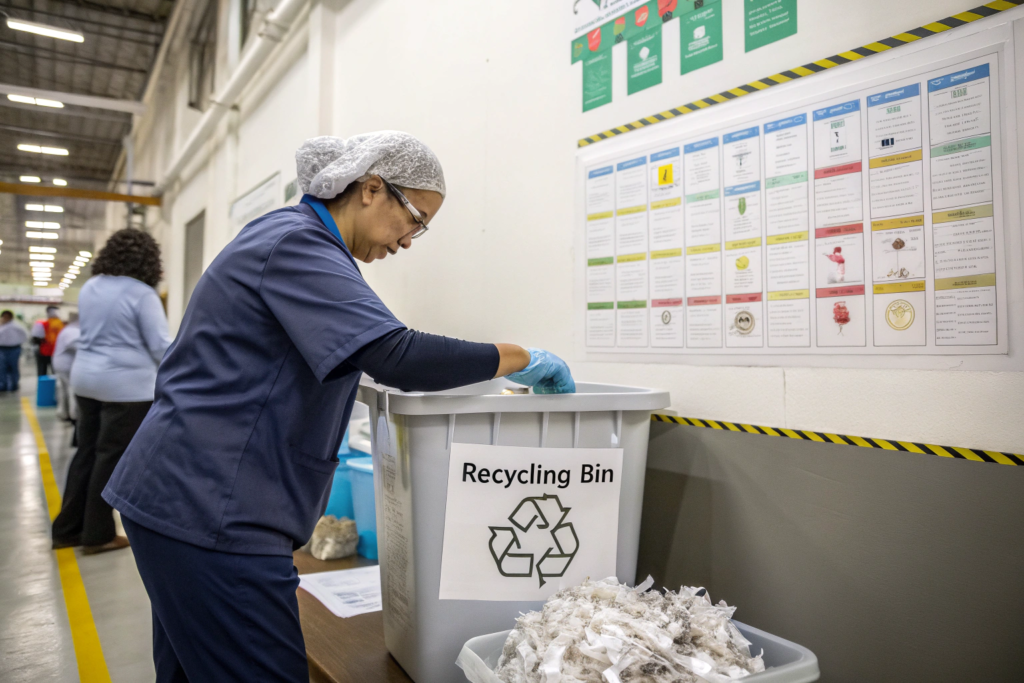
True sustainability extends beyond the product itself to the way it is made. European buyers are increasingly scrutinizing the environmental practices of the factories they work with. They want to know about waste management, water usage, and energy consumption. At AceAccessory, we are committed to minimizing our own operational footprint. In our straw hat production, this means having a robust system for managing waste. The primary waste stream is paper braid scraps from the cutting and trimming process. We segregate these clean paper scraps and send them to a specialized recycler, where they are pulped and turned back into paper products. We do not send them to landfill. We also carefully manage our use of steam and electricity in the hat blocking process, using energy-efficient equipment and optimizing our production schedules. We track our key environmental performance indicators and are transparent with our clients about our progress. This factory level environmental management waste reduction and recycling for straw hat production is the next frontier of supply chain sustainability.
Do You Hold Any Factory-Level Environmental Certifications?
In addition to product-level certifications like OEKO-TEX and FSC, factory-level environmental management certifications provide further assurance. We are actively working towards ISO 14001 certification, the international standard for Environmental Management Systems. This certification demonstrates that we have a systematic approach to managing our environmental responsibilities, complying with regulations, and continuously improving our performance. We can provide our clients with updates on our progress and share our environmental policy. This pursuing ISO 14001 environmental management certification for our factory shows our long-term commitment.
How Does Local Sourcing in Zhejiang Reduce the Carbon Footprint?
A significant portion of a product’s carbon footprint comes from the transportation of raw materials. One of the structural advantages of our location in Zhejiang is our proximity to a robust, localized supply chain. The FSC-certified paper mills, the textile manufacturers for our sweatbands, and the printers for our hang tags are all located within a relatively short distance of our factory. This minimizes the "materials miles" traveled before the hat is even made. This clustered, efficient supply chain is an inherent sustainability advantage of manufacturing in this region. This reduced carbon footprint through localized supply chain in Zhejiang is an important part of the overall environmental story.
Conclusion
Producing eco-friendly straw hats for the discerning European market is a complex but achievable goal. It requires moving beyond superficial claims and embracing a comprehensive, verifiable approach to sustainability. It demands careful sourcing of certified raw materials like FSC paper and natural raffia. It necessitates rigorous, component-level compliance with strict chemical regulations like REACH and OEKO-TEX. It requires a commitment to plastic-free, recyclable packaging. And it involves managing the factory’s own environmental footprint. It is a holistic endeavor that touches every aspect of the product and the process.
At AceAccessory, we have embraced this challenge. We have built the supplier relationships, the compliance systems, and the internal expertise to deliver a beautiful, stylish, and genuinely responsible straw hat that meets the exacting standards of the European market. We understand that for our European clients, sustainability is not a trend. It is a core business requirement and a reflection of their brand’s values.
If you are sourcing straw hats for the European market and need a partner who understands the complexities of eco-friendly production, I encourage you to contact our Business Director, Elaine. She can discuss our sustainable material options, provide compliance documentation samples, and guide you through our responsible production process. You can email Elaine at: elaine@fumaoclothing.com. Let us help you create a hat that looks beautiful and tells a beautiful story.