You have a vision. It is not just any beanie. It is a specific shade of mustard yellow, like the one your father wore in old photos from the 1970s. Or it is a faded, heathered teal that evokes a vintage ski sweater. You have searched every Pantone book and every yarn supplier’s stock catalog. Nothing is quite right. You need that exact, specific, nostalgic color. You email a knitwear factory. You describe the color as "vintage ochre" or "retro rust." The factory sends back a photo of a bright, safety yellow yarn or a harsh, orange-red. They do not get it. You are not just specifying a color. You are trying to capture a feeling, a mood, a piece of the past.
Yes, AceAccessory can produce a custom vintage-style match for a knit beanie. This is achieved through a specialized process of analyzing your physical reference sample or detailed images, creating custom lab dips using a curated palette of heathered and mélange yarns that naturally evoke a vintage aesthetic, and precisely matching the desired level of color saturation, which often involves muting or "toning down" a brighter base color to achieve that authentic, aged look.
I manage AceAccessory in Zhejiang, and we specialize in custom color development for knit accessories. Achieving a true vintage color is one of the most nuanced and rewarding challenges we undertake. It requires a different approach than matching a standard Pantone chip. Let me explain exactly how we bring your vintage color vision to life.
Why Is Matching a Vintage Color Different from a Standard Pantone Match?
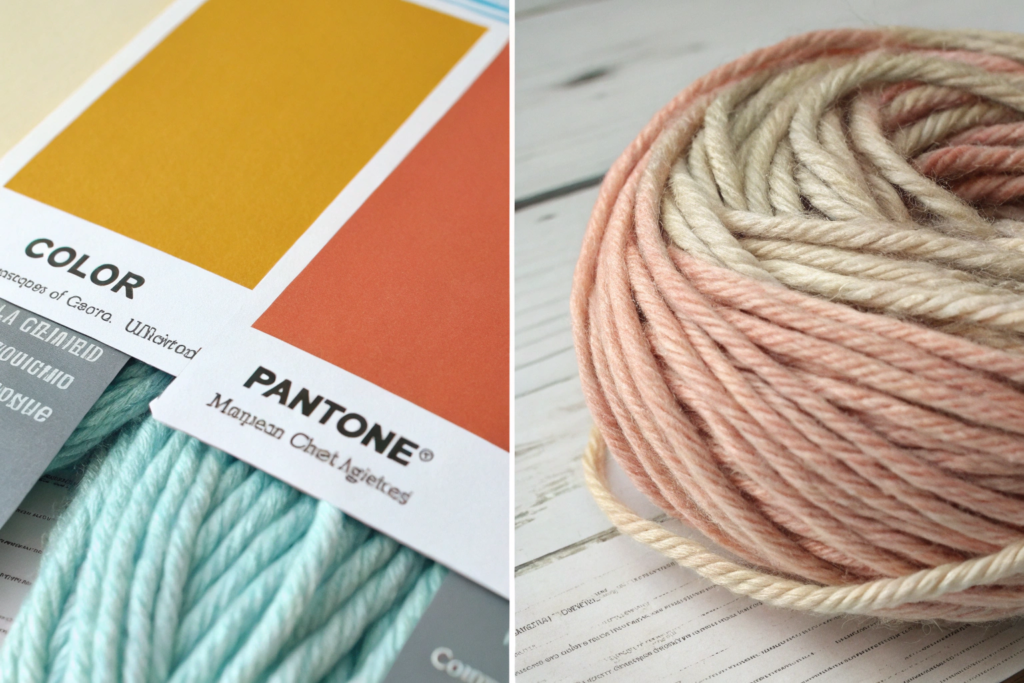
A standard Pantone color match is about precision and uniformity. The goal is a flat, consistent, saturated color. A vintage color is the opposite. Its beauty lies in its imperfection, its depth, and its slightly faded, lived-in quality. A true vintage beanie color is rarely a flat, solid shade. It is almost always a heathered or mélange yarn. This means the yarn is a blend of multiple, subtly different colored fibers. A "vintage ochre" might be a blend of a warm yellow fiber, a touch of brown, and a small percentage of cream or off-white. This blend creates a visual depth and a softness that a solid-dyed yarn cannot achieve. The color also appears slightly muted, as if it has been softened by time and sunlight. This is not a defect. It is the defining characteristic. Achieving this requires our dye specialists to think like artists, not just technicians. They must formulate a recipe of multiple fiber colors that, when blended and knitted, creates the exact desired vintage effect. This difference between matching a solid Pantone color and a heathered vintage yarn color is the first concept to understand.
What Is the Best Way to Communicate a Vintage Color Reference?
Words are inadequate for describing a vintage color. "Retro mustard" or "faded brick" means different things to different people. The best way to communicate your vision is with a physical reference. If you have an old beanie, a piece of vintage fabric, or even a paint chip that captures the color, sending that physical sample to us is the gold standard. We can analyze the sample under controlled lighting and use it as the direct target for our lab dips. If you do not have a physical sample, the next best option is to provide multiple high-quality digital images. Find photos online of vintage items that capture the color. Pinterest and Instagram are great sources. Provide several different examples. This helps our team triangulate the specific shade and the overall mood you are trying to achieve. The more visual references you provide, the better. This providing physical samples and digital mood boards for vintage color matching is the most effective communication method.
How Do You Achieve the "Faded" or "Muted" Look of a Vintage Color?
This is a key part of the vintage aesthetic. A bright, brand-new color often looks too harsh and modern. The vintage look requires the color to be "toned down" or muted. We achieve this in several ways. The primary method is the use of heathered or mélange yarns, as described above. The blend of fibers, including a neutral like cream or grey, naturally softens the overall color. Another technique is to add a very small amount of a complementary color to the dye recipe. For example, adding a tiny touch of green to a red base will mute the red and give it a more complex, vintage character. We can also use specific finishing washes on the finished beanie to soften the color and hand feel. This techniques for achieving muted and faded vintage color effects in yarn is the art of our dye house.
How Does the Lab Dip Process Work for a Custom Vintage Color?
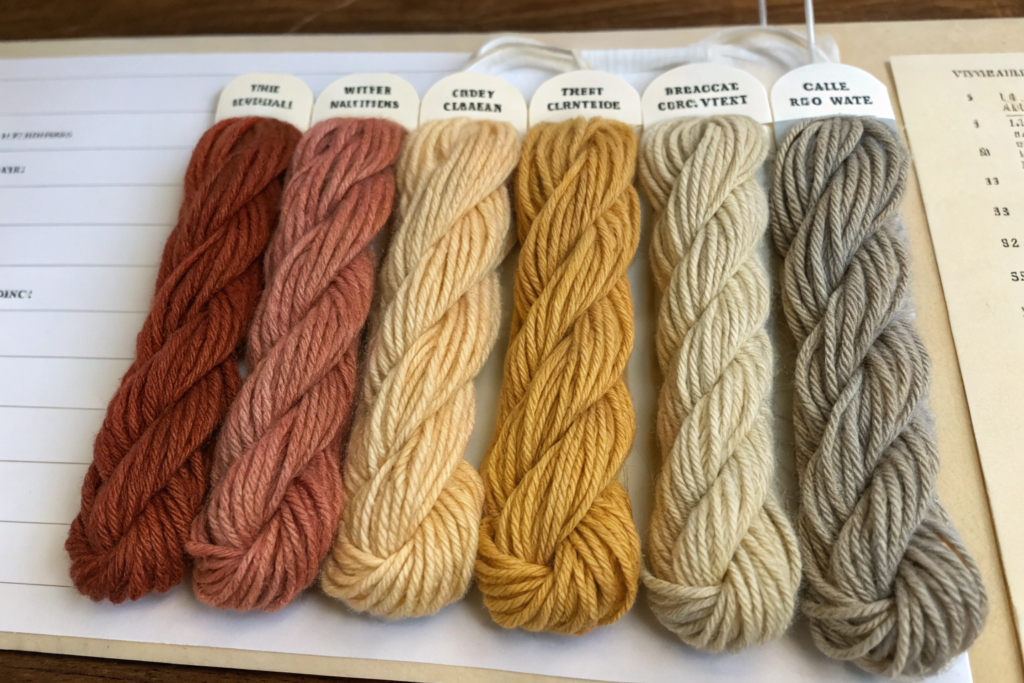
The lab dip is the heart of the custom color development process. It is an iterative, collaborative journey. We do not just mix one color and hope it is right. The process begins with your reference sample or images. Our dye specialist analyzes the color and formulates an initial "recipe." This recipe specifies the blend of dyed fibers that will be spun together to create the heathered yarn. A small batch of yarn is spun according to this recipe. A swatch is knitted. This is Lab Dip #1. We review it internally, comparing it to your reference under standardized lighting. We then send the lab dip to you for your evaluation. It is very common for the first lab dip to be close, but not perfect. You provide feedback. "This is a bit too bright. Can we make it 20% more muted?" or "The base color is good, but can we add a touch more brown to the heather?" Our specialist adjusts the fiber blend recipe and creates Lab Dip #2. This process repeats until you sign off on a lab dip that perfectly captures the vintage color you envisioned. This iterative lab dip process for custom heather and mélange yarn colors is the path to a perfect match.
How Long Does the Custom Color Lab Dip Process Take?
Creating a custom vintage color takes time and patience. You should budget for a longer development timeline than a standard stock color order. Each round of lab dips requires the dye house to blend fibers, spin a small batch of yarn, and knit a swatch. This process typically takes 7 to 10 business days per round. Shipping the lab dips to you adds another 3 to 4 days. You should realistically plan for 3 to 5 weeks to go through two to three rounds of lab dips and arrive at a final approved color. Rushing this process compromises the result. The investment of time is rewarded with a truly unique and perfect color. This realistic timeline for custom vintage color lab dip development is important for planning your production calendar.
What Happens After the Lab Dip Is Approved?
Once you give final written approval on a lab dip, that physical swatch becomes the absolute color standard for your bulk production order. We retain the approved lab dip in our quality control department. The dye house uses the exact fiber blend recipe that produced the approved swatch to create the bulk yarn for your order. Before the bulk yarn is knitted into beanies, we have a final production sample made. This sample is compared directly to the approved lab dip under controlled lighting. Only when this final sample is approved is the bulk knitting authorized. This rigorous process ensures that the color of the 5,000 beanies you receive matches the lab dip you fell in love with. This approved lab dip as the binding color standard for bulk knitwear production is the final, critical step.
What Yarn Types and Blends Are Best for Achieving Vintage Colors?
The choice of yarn is integral to the vintage aesthetic. As we have discussed, heathered and mélange yarns are the primary vehicles for achieving the depth and softness of a vintage color. A 100% solid-dyed acrylic yarn will almost always look too modern and flat. The yarn should have visual texture. Beyond the color blend, the fiber content also matters. A yarn with a natural fiber component, such as a wool or cotton blend, often takes dye in a more organic, less uniform way, which enhances the vintage feel. A soft, brushed finish on the yarn adds to the tactile, cozy, nostalgic quality. We guide our clients toward yarns that are not just the right color but also the right texture and hand feel for their vintage-inspired design. This best yarn types and blends for achieving authentic vintage color and texture in beanies is a crucial material selection.
Can You Achieve a Vintage Look with a Solid Yarn Color?
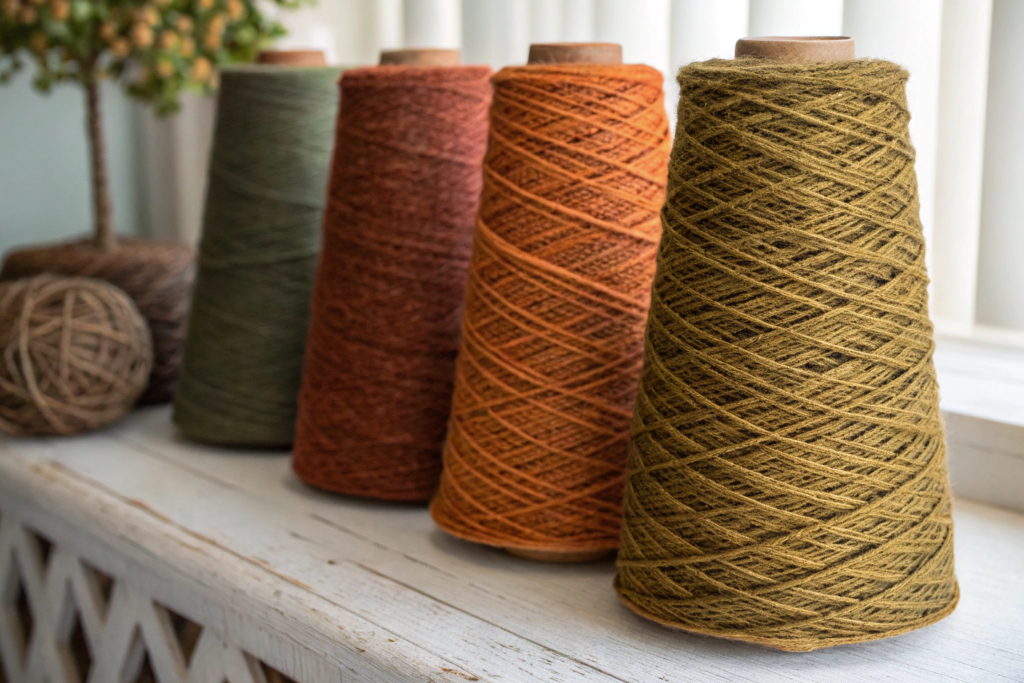
It is more difficult, but it is possible. If a solid, non-heathered color is required for the design, we can achieve a vintage feel through the dye formula itself. As mentioned, we can slightly mute or "dirty" the color by adding a tiny amount of a complementary color. We can also use a garment dye or wash process on the finished beanie to soften the color and give it a slightly worn-in appearance. However, for the most authentic vintage look, a heathered or marled yarn is almost always the superior choice. This techniques for achieving a vintage look on solid dyed yarn through toning and washing is a more advanced application.
How Does Yarn Texture, Like a Slub or Boucle, Add to the Vintage Aesthetic?
The vintage feel is not just about color. It is about texture. Yarns with inherent texture, such as a slub yarn, which has intentional thick and thin areas, or a boucle yarn, with its looped, nubby surface, instantly evoke a sense of handcrafted, artisanal quality that is synonymous with vintage style. These yarns were more common in the past, before the dominance of perfectly uniform, high-speed spun yarns. Incorporating a textured yarn into your beanie design, combined with a custom vintage color, creates a powerfully nostalgic product. We can source a wide variety of textured yarns. This using textured yarns like slub and boucle to enhance the vintage aesthetic of knitwear adds another layer of authenticity.
How Do You Scale a Custom Vintage Color from Sample to Bulk Production?
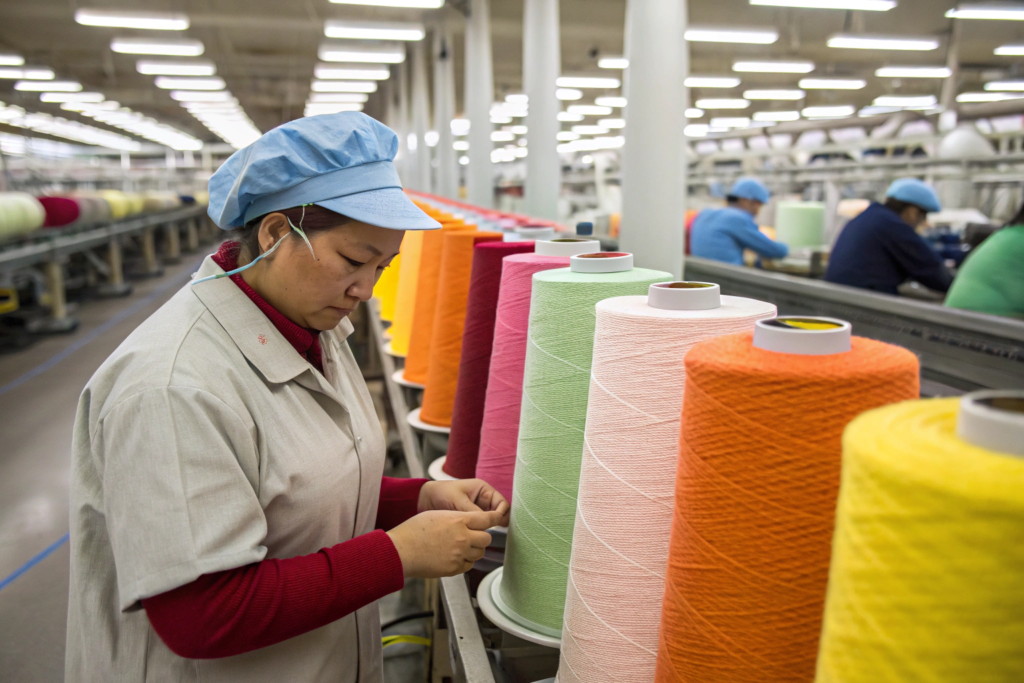
Achieving a perfect custom vintage color on a small lab dip swatch is one thing. Reproducing that exact color across 5,000 beanies is another challenge entirely. It requires meticulous process control and rigorous quality assurance. The key is the master recipe. Once the lab dip is approved, the exact fiber blend recipe, specifying the percentage of each colored fiber, is locked. The bulk yarn is spun according to this precise recipe. We use the same fiber suppliers and the same dye formulations. Throughout the bulk knitting process, our QC team continuously pulls samples from the production line and compares them to the approved lab dip under a controlled lightbox. We use a spectrophotometer to measure the color and ensure it falls within a very tight tolerance, typically a Delta E of less than 1.5. This scaling custom yarn color from lab dip to bulk production with consistency is the science that supports the art.
What Are Realistic Tolerances for a Custom Heathered Color?
Perfection is the goal, but in manufacturing, we work within tolerances. For a complex heathered color, a slight, imperceptible-to-the-human-eye variation is possible due to the natural variations in fibers. The industry uses a measurement called Delta E to quantify color difference. A Delta E of less than 1.0 is virtually indistinguishable. We aim for a Delta E of less than 1.5 for our custom color matches. This ensures that the bulk production is a true visual match to the approved lab dip. We are transparent with our clients about these realistic tolerances. This Delta E color tolerance standards for custom heathered and mélange yarn production sets realistic expectations for consistency.
How Do You Ensure Color Consistency on a Reorder?
The best way to ensure perfect color consistency on a reorder is to plan ahead. If you anticipate reordering this custom vintage beanie, we strongly recommend ordering a larger quantity of the custom yarn upfront. We can hold this yarn as safety stock exclusively for your future reorders. This guarantees that all your beanies are made from the exact same master batch of yarn, eliminating any possibility of batch-to-batch variation. If a new batch of yarn must be spun, we will create a new lab dip, matching it as closely as possible to the previous production. This maintaining color consistency for reorders of custom vintage knitwear is a proactive planning discussion we have with all our custom color clients.
Conclusion
Producing a custom vintage-style match for a knit beanie is a journey of collaboration, artistry, and precision. It is a more involved process than ordering a standard stock color, but the reward is a product with a unique soul. It is a beanie that tells a story, that evokes a feeling, and that cannot be found anywhere else. It is a powerful expression of your brand’s unique identity. The process requires patience, clear visual communication, and a partner with the expertise to translate your nostalgic vision into a tangible, beautiful yarn.
At AceAccessory, we relish these challenges. Our dye specialists and yarn sourcers are passionate about color. We have the technical expertise and the artisan sensibility to bring your vintage color dreams to life. We understand that you are not just buying yarn. You are capturing a piece of the past.
If you have a vintage color in mind for your next knit beanie project, I encourage you to contact our Business Director, Elaine. She can initiate the lab dip process and guide you through the steps to creating your perfect custom color. You can email Elaine at: elaine@fumaoclothing.com. Let us help you create a beanie with a beautiful past.