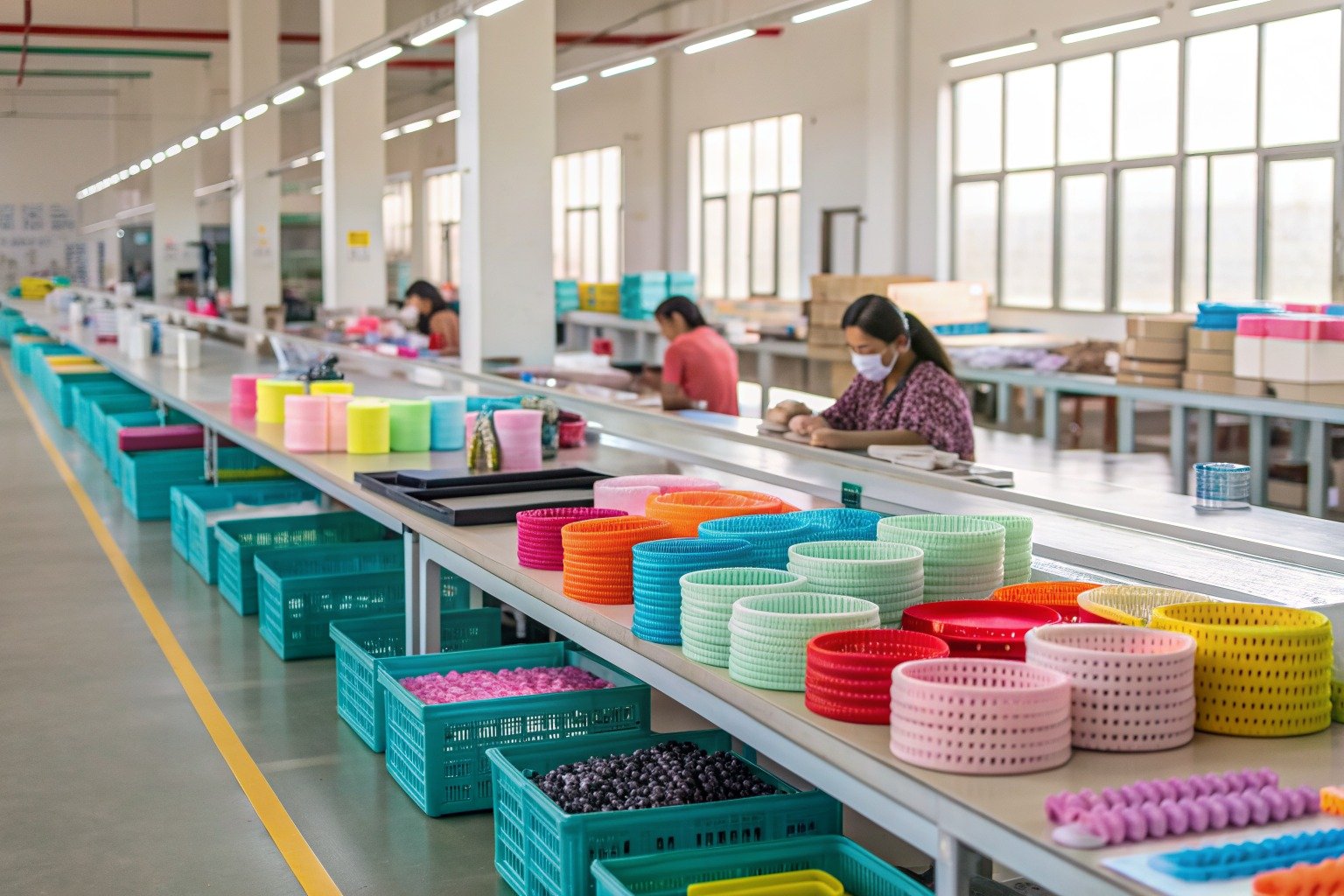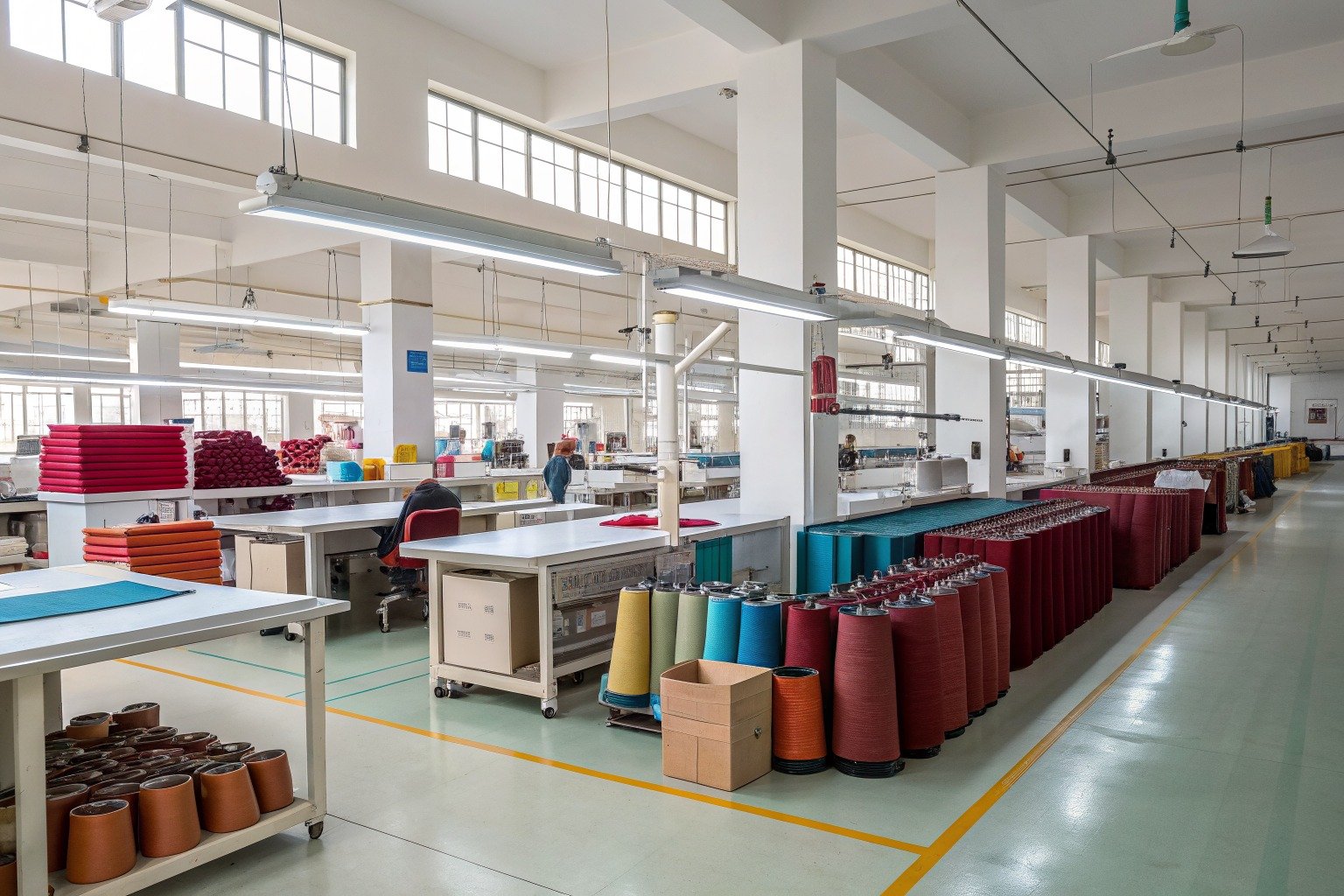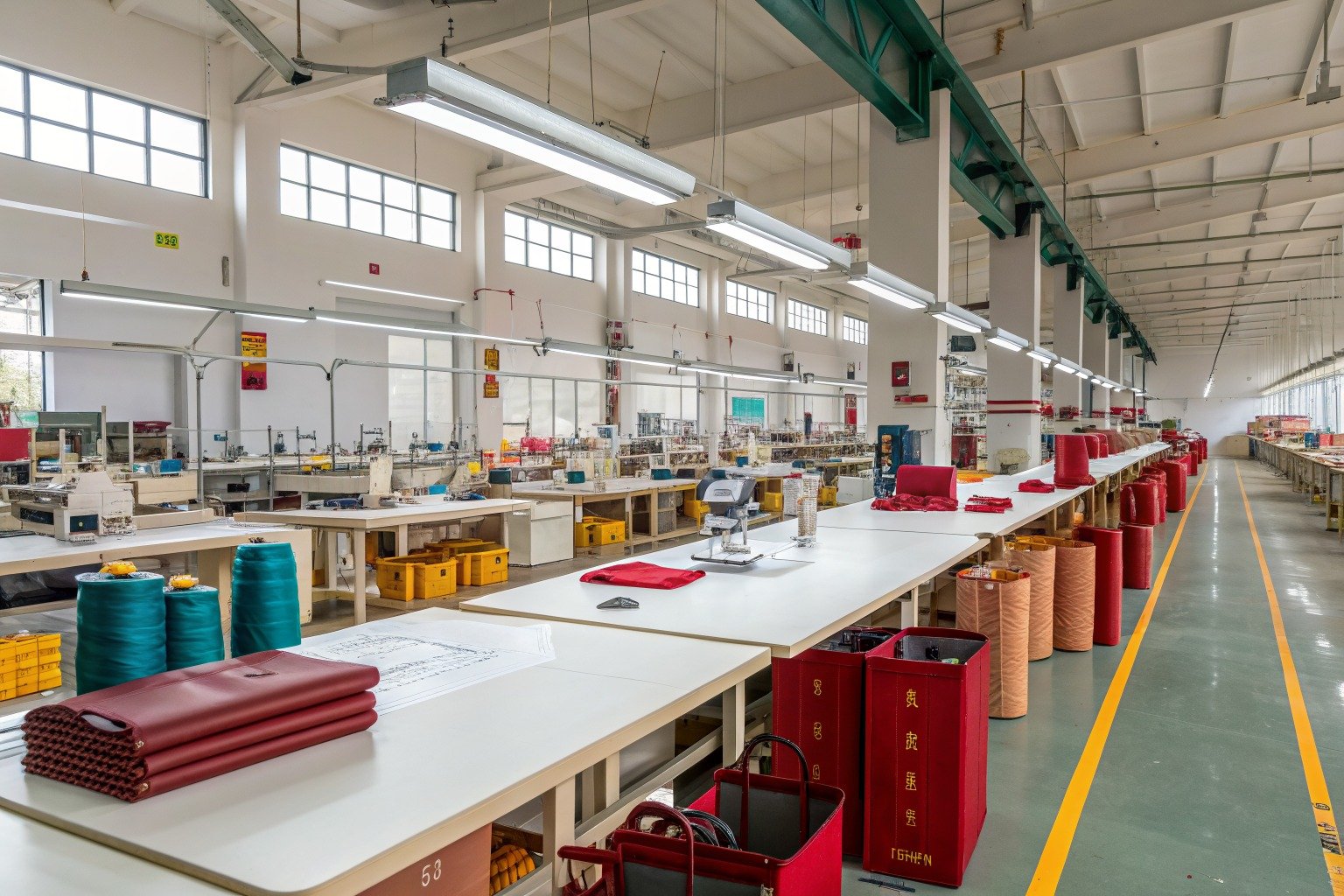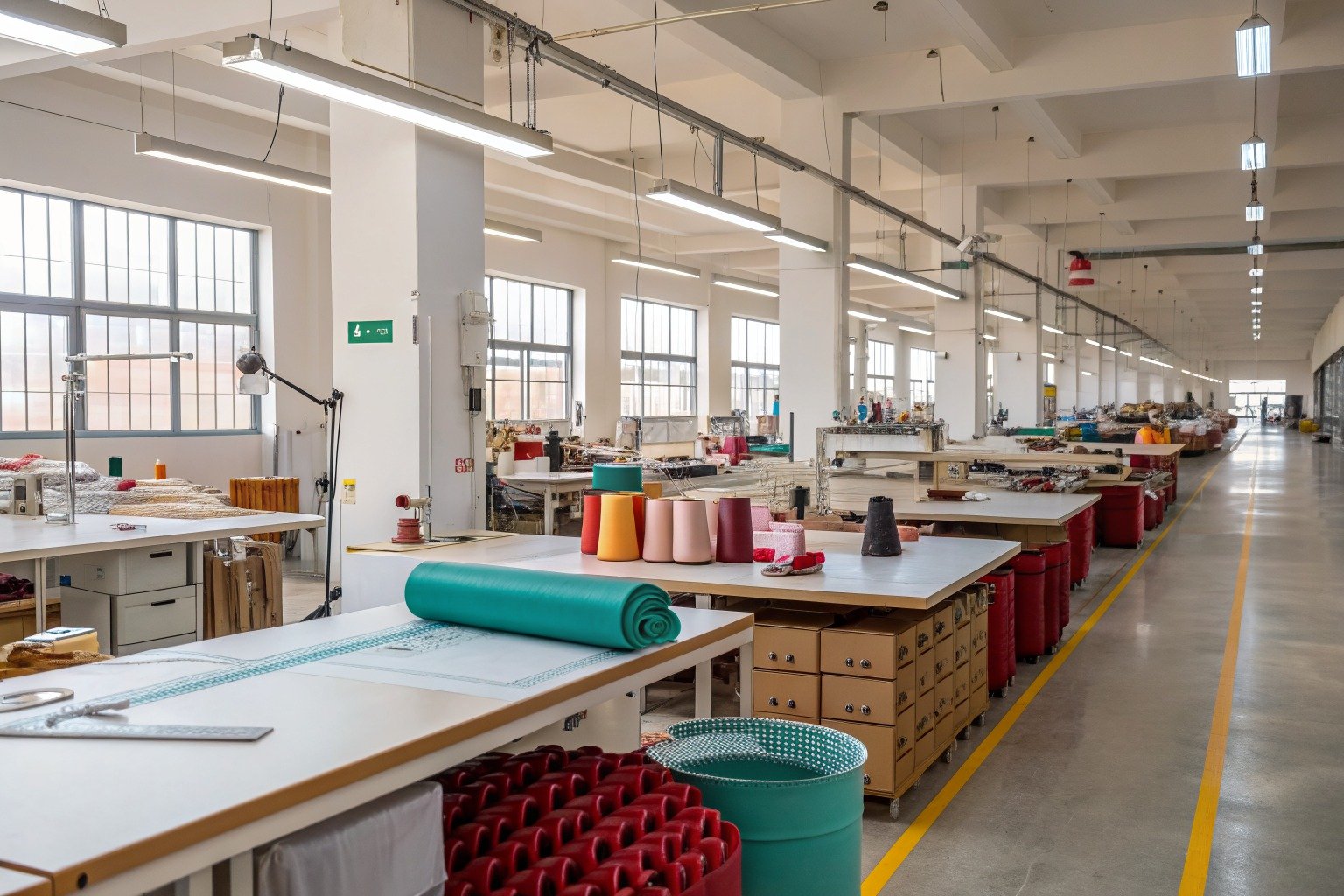
You are in your car, stuck in traffic on the 405 in Los Angeles. Your phone buzzes. It is an email from your factory in China. The subject line is "URGENT: Belt Buckle Mould Delay." Your heart sinks. You imagine the next forty-eight hours of back-and-forth emails, time zone math, and the slow unraveling of your carefully planned delivery schedule. You are not just dealing with a delayed component. You are dealing with the absence of someone on the ground in China who owns the problem and fixes it before it lands in your inbox at 6:00 AM. This is the gap that a professional project manager fills. They are the difference between managing a crisis and hearing that a crisis was averted.
A dedicated factory project manager improves your import experience by serving as your single point of English-fluent contact, proactively managing production timelines and quality checkpoints, troubleshooting material and component issues before they cause delays, and providing weekly transparent updates that eliminate the anxiety of the unknown.
I am the owner of Shanghai Fumao, and I built our project management team specifically to address the pain points that buyers like Ron experience when sourcing from China. Our factory in Zhejiang has the machines and the skilled workers to make great accessories. But it is our project managers who make the process of importing those accessories feel reliable and professional. Let me explain exactly how this role transforms your day-to-day sourcing life.
What Is the Role of a Factory Project Manager in Accessory Production?
A factory project manager is not a salesperson. A salesperson’s job is to win the order. Once the order is placed, the salesperson often moves on to the next lead. A project manager’s job is to execute the order. They are responsible for the successful delivery of your specific project, from sample approval to ex-factory shipment.
In a factory without project managers, the buyer is forced to become the project manager. You have to email the salesperson, who emails the production supervisor, who checks the cutting table, who replies to the salesperson, who finally replies to you. Each handoff introduces delay and the potential for miscommunication. You spend your valuable time chasing information instead of growing your business.
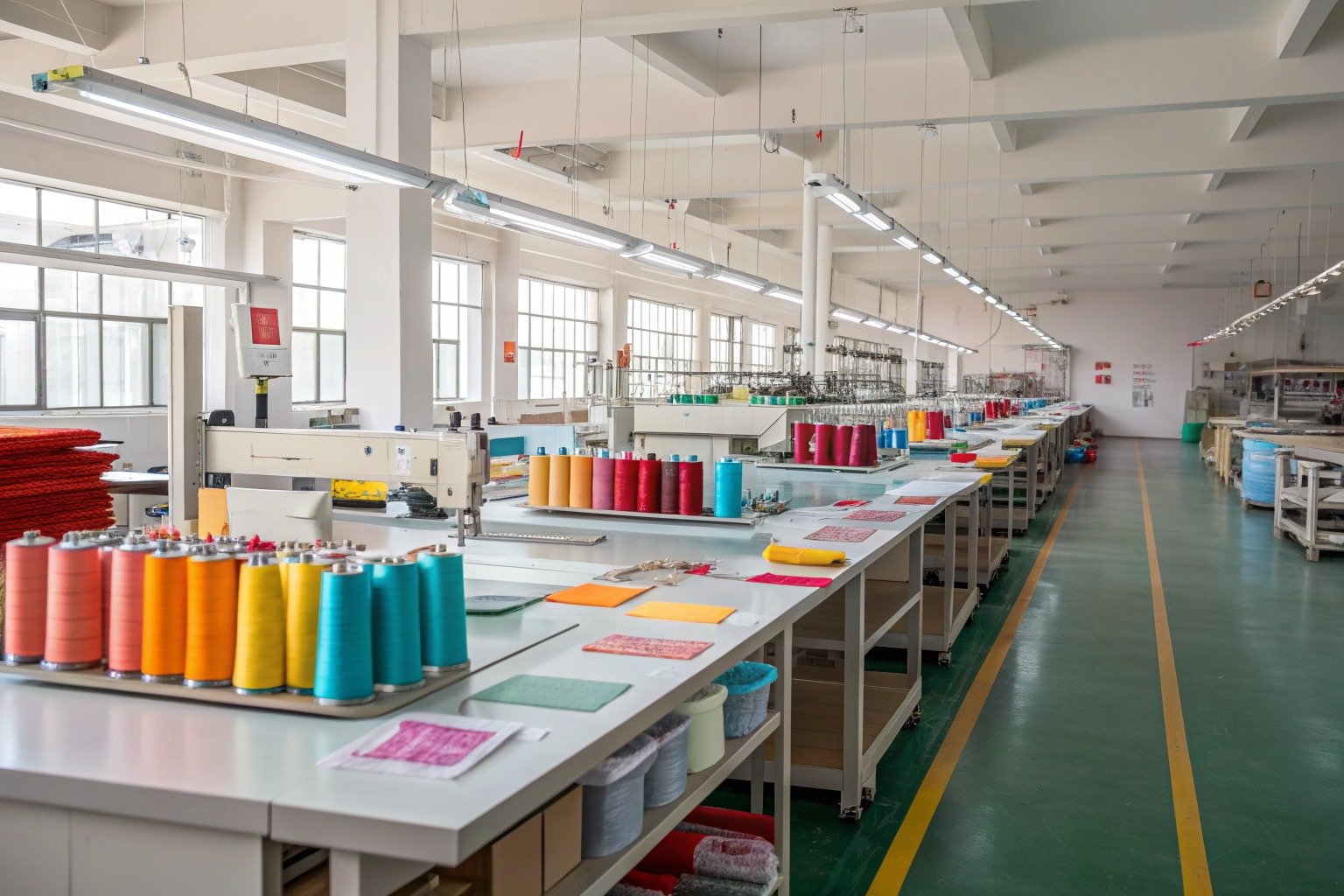
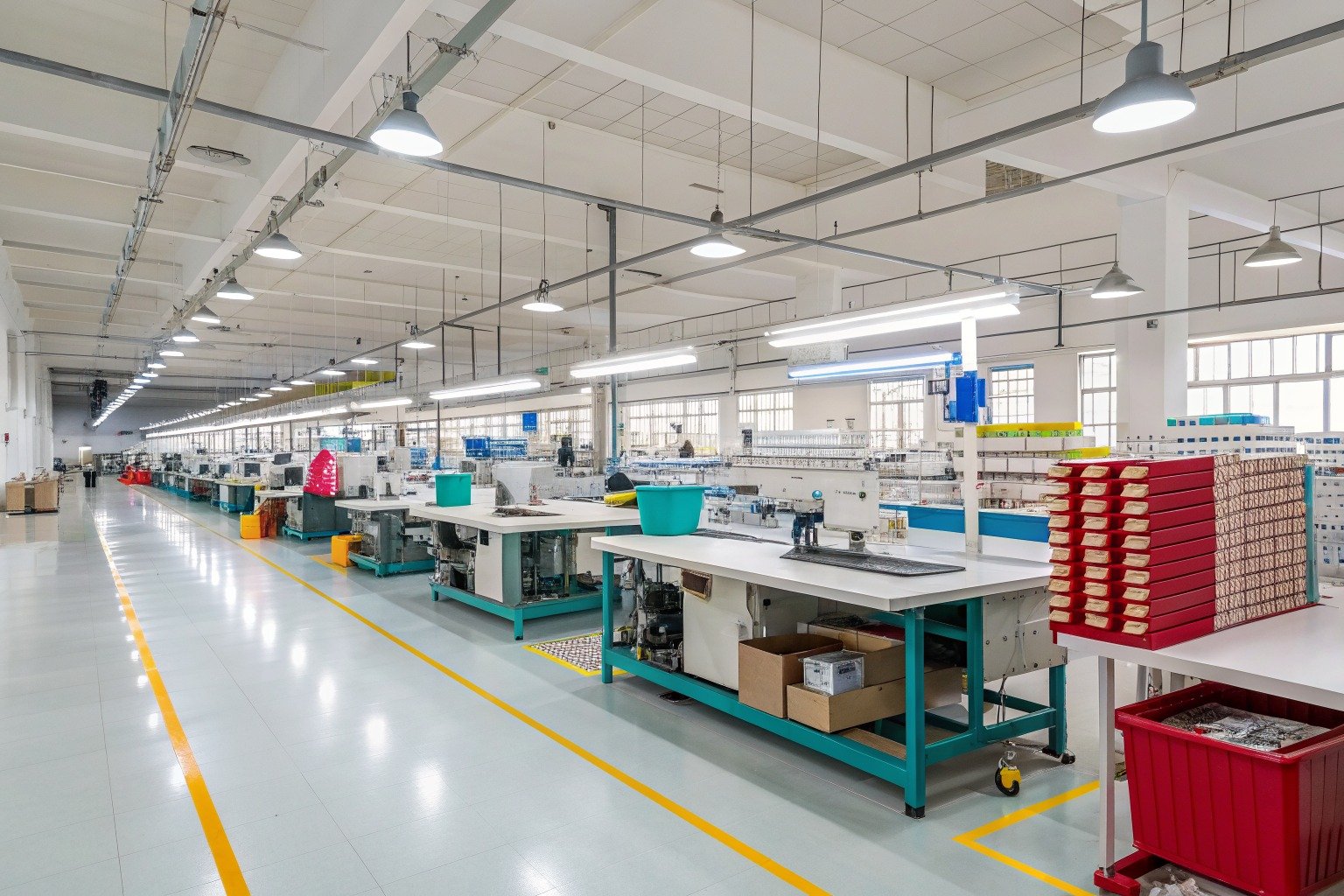
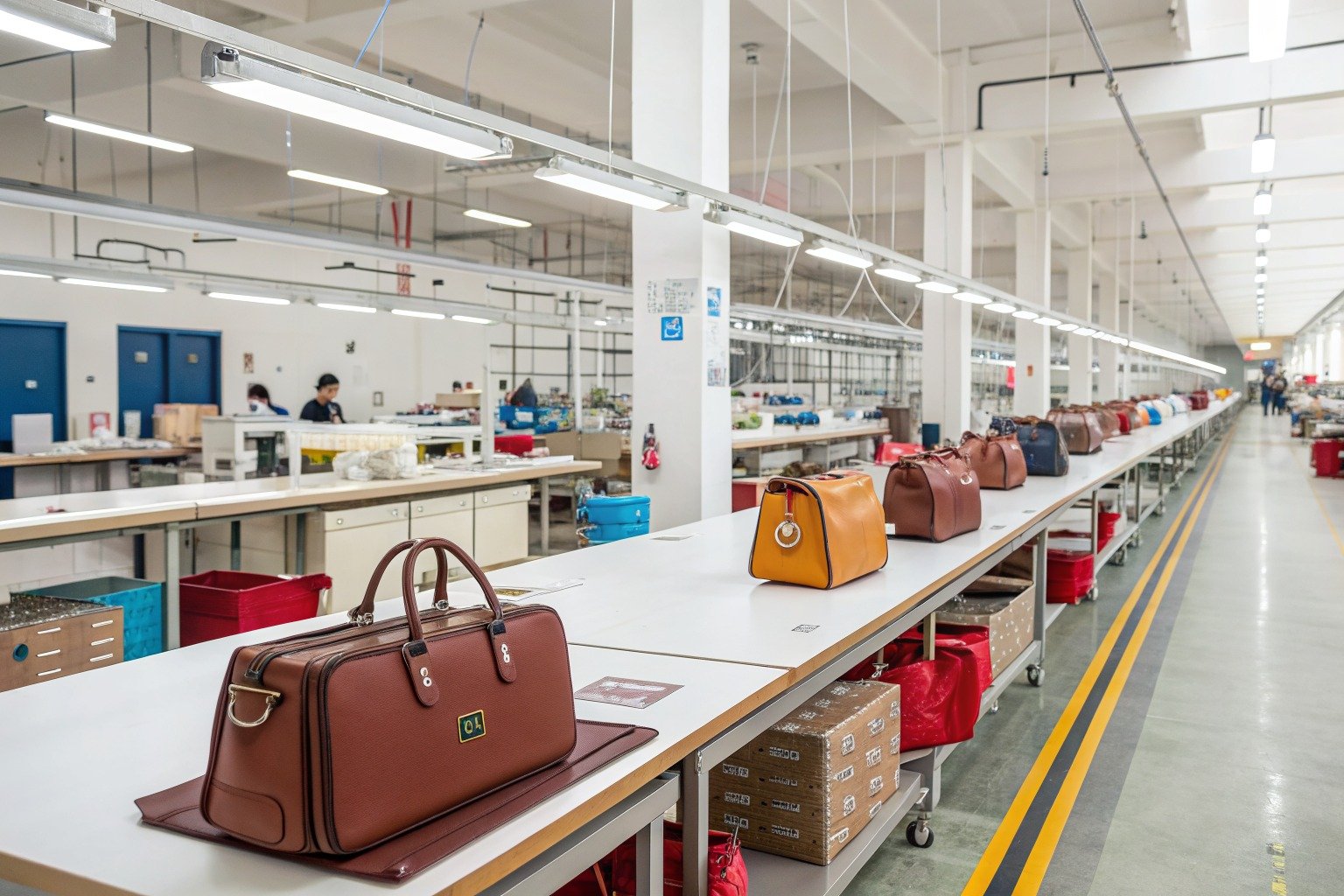
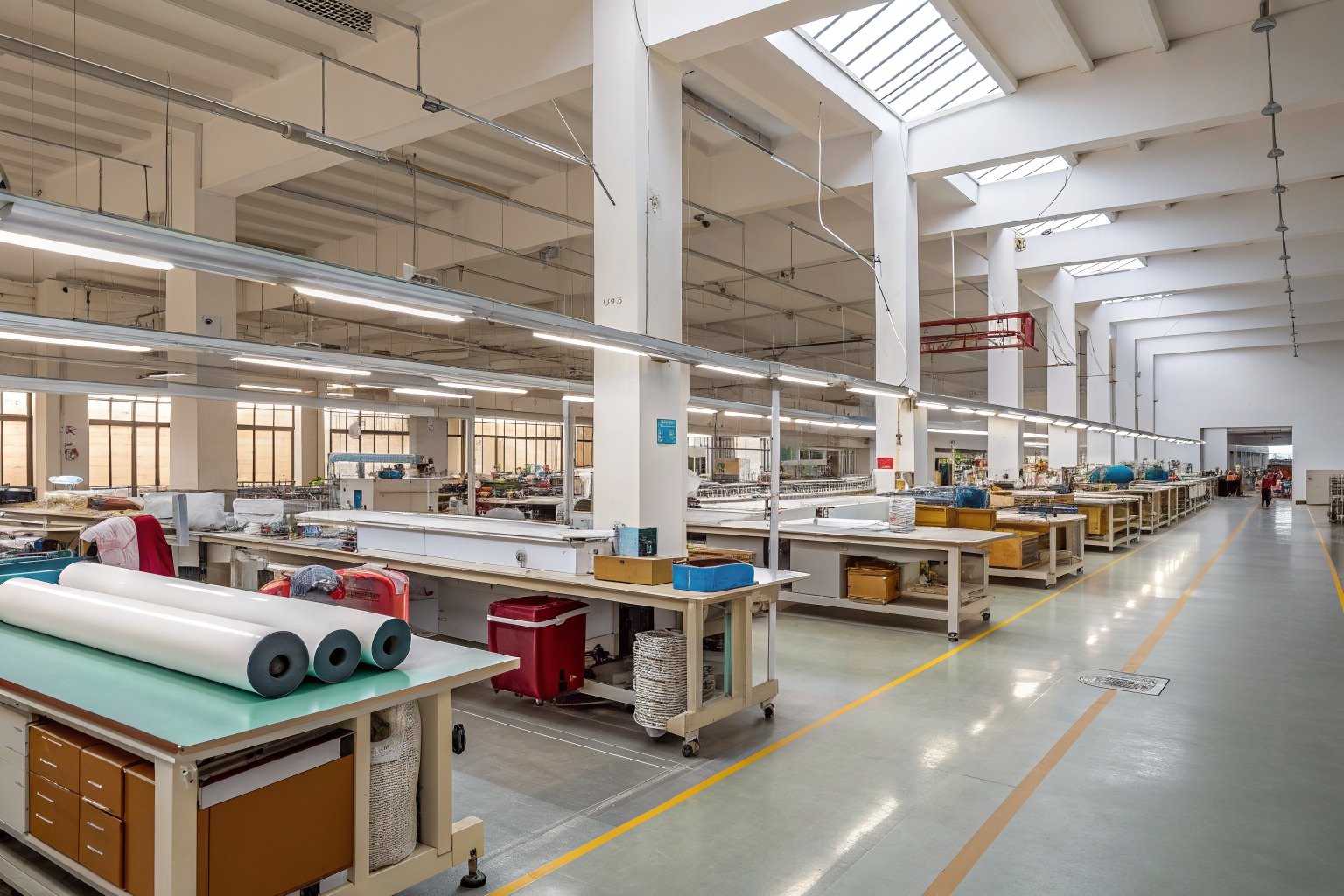
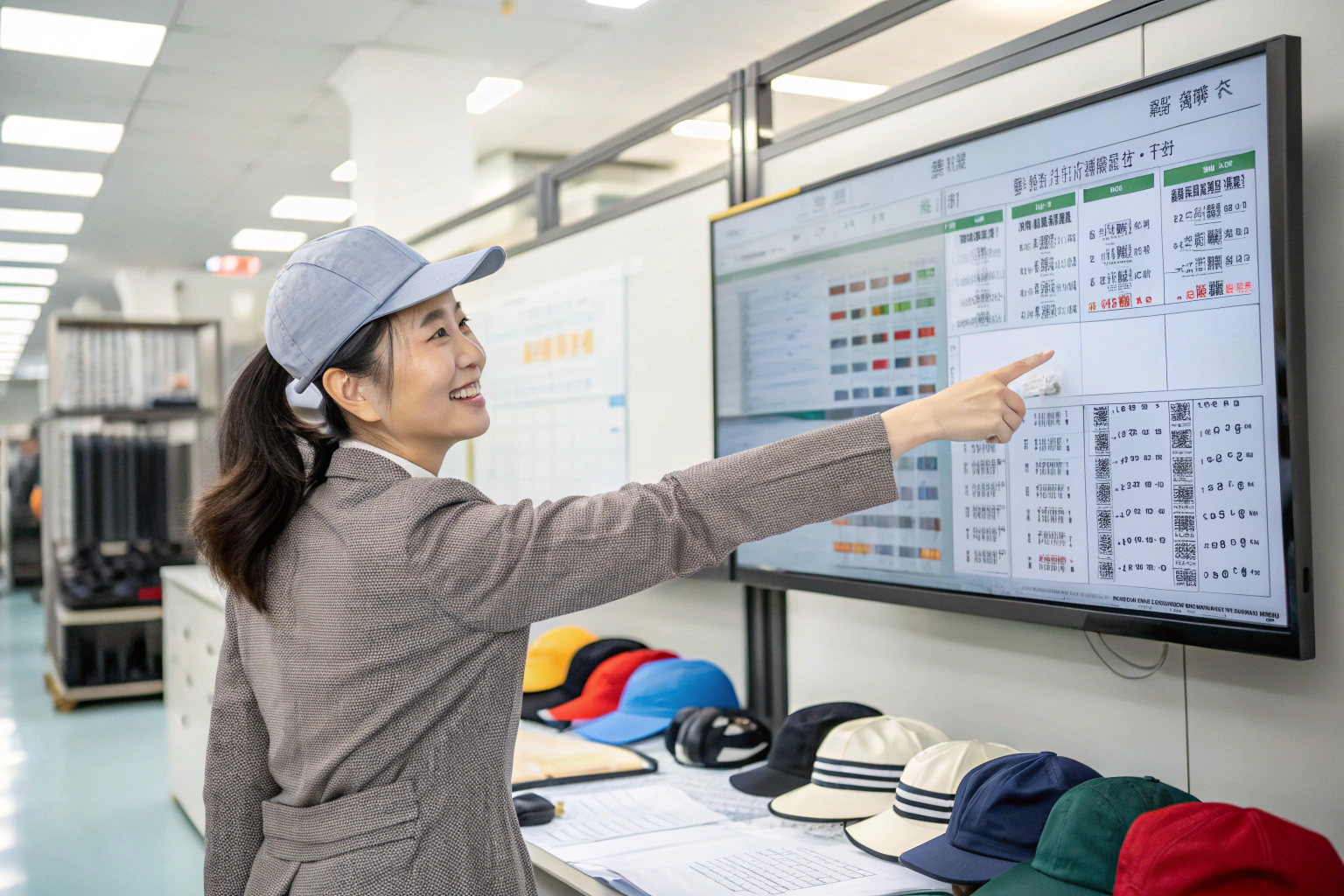
At Shanghai Fumao, the project manager sits in the center of this web. They have direct access to the cutting department, the sewing lines, the embroidery room, and the QC team. When you email your PM with a question about the status of the hat embroidery, they do not forward your email. They stand up from their desk, walk twenty feet to the embroidery machine, take a photo of your hats being stitched, and email it back to you. This direct line of sight is what makes the process feel transparent and under control. This factory project manager role versus salesperson coordination is a fundamental shift in how communication flows.

How Does a Project Manager Differ from a Sourcing Agent?
This is an important distinction. A sourcing agent is an independent third party. You pay them a commission or a fee to find a factory and manage the order. They do not work for the factory. They work for you. In theory, this aligns their interests with yours.
In practice, the sourcing agent faces the same communication barriers you do. They are still outside the factory walls. They still have to email or call the factory salesperson to get information. They are an extra layer in the communication chain, not a shortcut to the production floor.
A factory-employed project manager works inside the factory. They are part of the production meeting every morning. They know the machine schedule. They know which operator is out sick. They have the authority to escalate an issue directly to the factory owner, me, if necessary. This insider status gives them a level of influence and access that no external agent can match. And because their salary is paid by the factory, not by a commission on your order, their incentive is your long-term satisfaction and repeat business. This in house project manager versus third party sourcing agent comparison reveals the structural advantage of the factory PM model.
What Are the Daily Responsibilities of an Accessory Project Manager?
The project manager’s day is a constant cycle of monitoring, communicating, and problem-solving. It is not a passive role.
Their morning starts with a review of the production schedule for all their assigned projects. They walk the floor to visually confirm the status of each order. Is the cutting for Order A complete? Has the fabric for Order B arrived from the dye house? They note any discrepancies and investigate. They then prepare a status update for each client. This is the weekly transparency report I mentioned earlier.
Throughout the day, they handle incoming client requests. A client needs a revised photo of a logo placement. The PM goes to the sample room, takes the photo, and sends it. A client wants to add 500 units to an existing order. The PM checks the material inventory and confirms feasibility. They are the responsive, knowledgeable voice of the factory. They are the reason you do not have to wait two days for a simple answer. This daily workflow of a fashion accessory project manager is focused entirely on keeping your project moving forward.
How Does Proactive Communication Prevent Import Disasters?
Most import disasters are not sudden, unforeseen events. They are small problems that were ignored or hidden until they became big problems. The zipper supplier was a week late. The factory did not tell you. They hoped they could catch up. They could not. Now the shipment is two weeks late and you are finding out the day after it was supposed to sail.
A professional project manager operates on a principle of radical transparency. They report bad news early. They frame the problem, explain the impact on the timeline, and propose a solution. An email that says, "The buckle mould is delayed by 4 days. We have adjusted the sewing schedule to focus on cutting first. The ex-factory date is still achievable, but I will update you Friday" is a gift. It allows you to manage your own expectations and, if necessary, communicate with your downstream partners.
This proactive communication transforms the buyer-factory relationship from adversarial to collaborative. You are on the same team, solving a problem together. You are not the angry customer discovering a hidden failure. At Shanghai Fumao, we train our PMs that delivering bad news early is a sign of strength, not weakness. This proactive issue communication in China sourcing relationships is the bedrock of trust.

What Does an Effective Weekly Status Report Include?
The weekly status report is the primary tool of proactive communication. It should not be a generic, copy-pasted email. It should be specific to your order.
An effective report includes a high-level status: "On Track," "At Risk," or "Delayed." It includes a photo of your actual goods in production. Not a stock photo. A real photo taken that morning. It includes specific completion percentages: "Cutting: 100%, Sewing: 65%, Embroidery: 40%." It includes the current projected ex-factory date and the reason for any change.
Most importantly, it includes a section for "Action Required" or "Questions for Client." This prompts you to provide feedback or approval on any open items. This structured format ensures that nothing falls through the cracks. It provides a written record of the project’s trajectory. Our clients tell us they look forward to this Friday email because it gives them peace of mind heading into the weekend. This structure of an effective weekly production status report is a template we have refined over years of client feedback.
How Does a PM Manage Time Zone Differences Effectively?
The time difference between China and North America is a fact. A bad factory ignores it. A good factory manages it. A great factory leverages it.
Our project managers are trained in "follow the sun" communication. They understand that a question received at 5:00 PM Eastern Time needs a complete, actionable answer waiting in the client’s inbox by 8:00 AM Eastern Time the next morning. This means the PM prioritizes overnight responses.
They also schedule any necessary real-time calls during the overlapping business hours, which is typically the evening in China and the morning in the US. They are flexible with their schedule to accommodate a client call at 9:00 PM Zhejiang time. This commitment to bridging the time zone gap is a sign of a dedicated PM. They do not use the time difference as an excuse for a twenty-four hour response delay. This time zone management strategies for China US import communication demonstrates a service-oriented mindset.
How Does a Project Manager Ensure Quality and Specification Accuracy?
A common fear among importers is that the approved sample will not match the bulk production. The sample was made by the master craftsman. The bulk order was made by the production line. The project manager is the bridge that ensures the production line replicates the approved standard.
Before the bulk cutting begins, the PM conducts a pre-production meeting with the line supervisor. They review the approved tech pack together. They review the approved PP sample. They discuss the critical quality points. They ensure the correct thread color is loaded. They ensure the correct needle size is used for the fabric weight.
During production, the PM is the eyes of the client on the floor. They spot-check the first pieces off the line. They compare them to the approved sample. If they see a deviation, a seam allowance that is too narrow, a logo placement that is slightly off, they stop the line and correct it immediately. They do not wait for the final QC inspection to discover a systemic problem. This pre production meeting and in line quality monitoring by project managers prevents the batch of 5,000 defective units from ever being made.

What Is the PM’s Role During the Final Quality Inspection?
The final QC inspection is the last checkpoint before packing. The project manager does not perform the inspection themselves. That is the role of the independent QC team. But the PM is present and engaged.
The PM ensures the QC team has the correct, approved measurement chart. They ensure the QC team understands the specific defects the client is concerned about. If the QC report shows a failure, the PM is immediately notified. They go to the inspection area to review the defects firsthand. They make a judgment call. Is this a systemic issue requiring rework? Or is it an acceptable variation within tolerance?
The PM then communicates the inspection result to the client. They present the data, the photos, and their recommendation. This allows the client to make an informed decision about releasing the shipment without having to be physically present in China. The PM’s judgment and integrity in this moment are critical. They are the client’s trusted representative on the ground. This project manager oversight of final QC inspection process provides an essential layer of accountability.
How Does the PM Handle Material and Component Sourcing Issues?
Accessories often involve multiple components. A belt needs leather, a buckle, and a keeper. A hat needs fabric, a sweatband, and a closure. The supply chain for these components can be volatile. A supplier misses a delivery. A dye lot is rejected. A plating finish is wrong.
The project manager owns the resolution of these issues. They do not just report the problem. They source the solution. If the buckle supplier is late, the PM is on the phone finding an alternative source or negotiating a partial delivery to keep production moving. If a dye lot is rejected, the PM works with the dye house on a reformulation and a rush re-dye.
This is the deep, unglamorous work that keeps a project on schedule. It requires local knowledge, supplier relationships, and relentless follow-up. A buyer sitting in New York cannot solve a buckle shortage in Yongkang. The project manager in Zhejiang can. This supply chain problem solving and component sourcing by factory project managers is a high-value skill that directly protects your delivery dates.
Why Is the PM the Key to Long-Term Sourcing Success?
The first order with a new factory is a learning experience for both parties. By the third or fourth order, a factory with a dedicated project manager becomes an extension of your own operations. The PM learns your specific preferences.
They learn that you prefer shipments to be palletized a certain way. They learn that you are very sensitive about thread color matching and always want a thread chart approved. They learn your preferred communication style. They build a knowledge base about your brand. This institutional knowledge is incredibly valuable. It means that future orders require less explanation, less hand-holding, and less stress.
When you work with a trading company that assigns a new salesperson to every order, or a mega-factory where you are just a PO number, you never build this accumulated efficiency. You start from scratch every time. The project manager relationship is the foundation of a true strategic partnership. It is the reason our clients stay with AceAccessory for years, not just for a single order. This long term relationship building with a dedicated factory project manager is the ultimate benefit of this model.
How Does a PM Facilitate Product Development and Reorders?
When you want to develop a new style or reorder a bestseller, the PM is your expediter. They know the history of the product. They can pull the archived tech pack and the previous costing sheet instantly. They do not have to search through old emails or guess at the specifications.
For a reorder, the PM checks the material inventory. They confirm if the same fabric and components are still available. They provide a rapid quote. They can often shave days or even weeks off the standard lead time because the development work is already done and documented.
For a new development, the PM manages the sampling process with the same rigor as bulk production. They track the sample through the sample room. They ensure it is shipped with a measurement report. They follow up for feedback. This streamlined development process is a direct result of the PM’s ownership of your brand’s portfolio within the factory. This reorder efficiency and new product development support from project managers accelerates your time to market.
What Qualities Should You Look for in a Factory Project Manager?
When you are evaluating a potential new factory, pay attention to the person who will be your day-to-day contact. Ask to be introduced to the project manager during the video walkthrough.
Look for someone who is confident and articulate in English. They do not need to be a native speaker, but they need to be fluent enough to discuss technical details without confusion. Look for someone who asks clarifying questions. A good PM does not just say "Okay" to everything. They probe to understand the underlying requirement. Look for someone who is empowered. They should be able to answer questions about production timelines without constantly deferring to "the boss."
At Shanghai Fumao, we introduce our PMs early in the relationship. We want you to feel confident in the person who will be managing your orders. The quality of the PM is a direct reflection of the quality of the factory’s management. A factory that invests in professional project managers is a factory that invests in client success. This key qualities to evaluate in a Chinese factory project manager is a critical part of your supplier due diligence.
Conclusion
The project manager is the human operating system of a modern Chinese accessory factory. They transform a complex, geographically distant manufacturing process into a manageable, transparent, and even pleasant experience. They replace the anxiety of the unknown with the confidence of regular, honest communication. They replace the frustration of chasing information with the ease of having a single, knowledgeable point of contact.
For an American importer like Ron, who values efficiency, reliability, and his own time, the presence of a skilled project manager is not a luxury. It is a necessity. It is the difference between sourcing being a constant source of stress and sourcing being a strategic advantage for the business. The PM handles the details in Zhejiang so you can focus on selling in America.
If you have been frustrated by poor communication and lack of transparency with previous suppliers and want to experience the difference a professional project manager makes, I encourage you to contact our Business Director, Elaine. She can introduce you to the PM who would be assigned to your account and walk you through our project management process. You can email Elaine at: elaine@fumaoclothing.com. Let us show you how we make importing accessories feel easy.