You have a vision for your branded baseball cap. You have the logo file. You have a general idea of the colors. You email a factory on Alibaba with the subject line "Custom Cap Sample Request." You write, "I want a black hat with my logo. How much for a sample?" The factory replies three days later. "Send artwork. Sample fee $100 plus shipping." You pay the fee. You wait two weeks. A cap arrives. The logo is the wrong size. The black is a faded charcoal. The cap shape is completely different from what you imagined. You email the factory. They say, "This is standard. To change, need new sample, new fee." You are out $100 and two weeks, and you are no closer to a wearable cap. You did not fail at sampling. You failed at communicating the sample request.
To successfully request a custom baseball cap sample with your logo, you must provide the factory with a complete specification package including vector logo artwork, specific Pantone color codes for fabric and thread, a clear reference to the cap style and silhouette from the factory’s existing catalog, and a detailed list of the construction details you want to evaluate, such as closure type, brim curve, and sweatband material.
I manage Shanghai Fumao in Zhejiang, and we process dozens of custom cap sample requests every week. The difference between a sample that nails the vision and a sample that misses the mark is almost always in the quality and completeness of the information provided upfront. Let me give you the exact checklist and process we use with our clients to ensure the first sample is as close to perfect as possible.
What Information Must You Provide for an Accurate Cap Sample?
A vague request yields a vague sample. The factory is not a mind reader. If you do not specify the details, the factory will use their default settings. Those defaults may not align with your brand’s vision. The solution is a complete specification package.
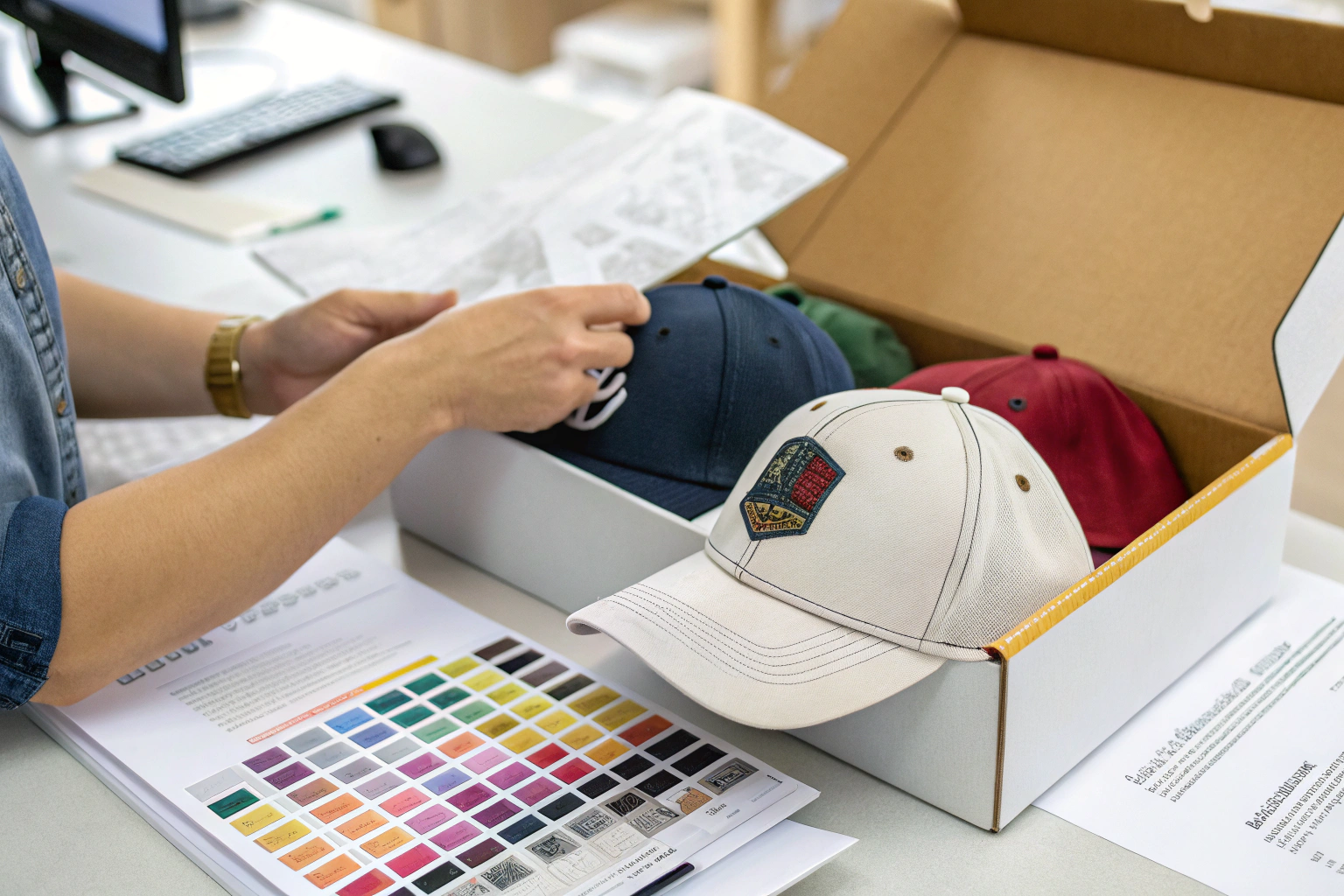
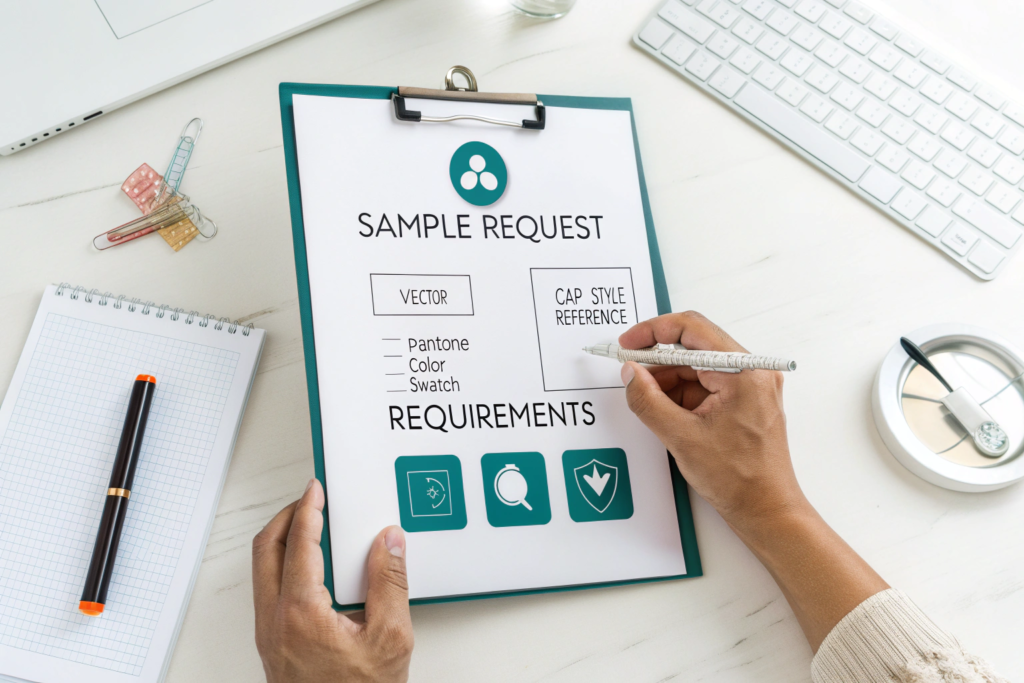
The essential elements of a cap sample request are the cap style reference, the fabric color specification, the logo artwork and placement details, and the construction details. The cap style reference is the starting point. Do not describe the cap in words. Words like "dad cap" or "trucker cap" mean different things to different people. Provide a photo of a cap from the factory’s own catalog or website. Say, "I want a sample based on your Style #BC-101, but with the following changes." This anchors the conversation in a known physical object.
The fabric color must be specified with a Pantone code or by selecting from the factory’s available fabric swatch card. Saying "navy blue" is not enough. There are dozens of navy blues. The logo must be provided in a vector file format, such as .AI or .EPS. A JPG or PNG image from your website is not usable for embroidery digitizing. This essential information checklist for custom baseball cap sample request is the foundation of a successful sample.
Why Is a Vector Logo File Non-Negotiable for Embroidery?
Embroidery is not like printing a picture. The embroidery machine does not read pixels. It reads paths. A vector file, such as an Adobe Illustrator .AI or an .EPS file, defines your logo as mathematical lines and curves. This allows the digitizer to create precise stitch instructions.
If you send a low-resolution JPG or PNG file, the digitizer must manually trace your logo. This is a slow, imprecise process. It introduces errors. The resulting embroidery will be a fuzzy approximation of your logo, not a sharp, clean reproduction. It will look unprofessional.
Providing the original vector artwork is the single most important step you can take to ensure a high-quality embroidered logo. If you do not have the vector file, contact the graphic designer who created your logo. They will have it. This importance of vector art files for high quality custom embroidery digitizing cannot be overstated.
How Do You Specify Thread Colors and Placement Accurately?
Thread color is a common source of sample disappointment. The thread color on the finished cap does not match the color you envisioned. To prevent this, you must specify thread colors using a standardized system.
The industry standard for embroidery thread is the Madeira thread chart or the Pantone matching system. You can request a physical Madeira thread chart from the factory or view it online. Select the exact thread color number. Provide this number in your specification. For example, "Logo text to be embroidered in Madeira #1807 Black." This eliminates all ambiguity.
Placement is specified with a measurement from a fixed reference point. Do not say "Center the logo on the front." Say, "Center logo horizontally on front panel. Bottom of logo to be placed 2.5 inches above the brim stitching." This provides a precise, measurable instruction that the factory can follow. This specifying embroidery thread colors and logo placement measurements for caps ensures the sample matches your vision.
How Do You Navigate the Sample Fee and Timeline?
Custom samples cost money to produce. The factory must allocate skilled labor, machine time, and materials to make a single unit. A sample fee is standard and reasonable. Understanding the structure of the sample fee and the timeline prevents surprises.
The sample fee typically covers the labor to cut and sew the cap, the cost of the materials, and the digitizing of your logo. At AceAccessory, our standard sample fee for a custom cap with stock materials is usually between $50 and $80, plus the courier shipping cost. This fee is often credited back against the bulk production order if the order exceeds a certain quantity, such as 500 units.
The timeline for a sample is typically 7 to 10 business days from the approval of all specifications and receipt of the sample fee. The shipping time via DHL or FedEx to the US adds another 3 to 4 business days. You should budget approximately three weeks from the moment you send the complete specification to the moment you hold the physical sample in your hand. This custom cap sample fee structure and production timeline expectations helps you plan your development calendar.

What Is the Difference Between a Proto Sample and a Pre-Production Sample?
There are two distinct types of samples in the cap development process. Understanding the difference saves time and money.
A proto sample is the first physical cap made to your specifications. Its purpose is to evaluate the silhouette, the fabric color, and the general look of the embroidery. It may not have the final trims or the exact interior labeling. The goal of the proto sample is to confirm the overall design direction.
A pre-production sample or PP sample is made after the proto sample is approved. It is made using the exact materials, exact trims, and exact production methods that will be used for the bulk order. It includes the final sweatband, the final closure, and the final interior labels. The PP sample is the final approval before bulk production begins. You should not approve bulk production without first approving a PP sample. This proto sample versus pre production sample in custom cap development is a critical distinction.
Can You Request a Sample Without a Logo to Evaluate the Blank Cap?
Yes, this is a very smart strategy, especially for a new style. Before you invest in the sample fee and digitizing for a custom logo, you can request a blank sample of the cap style.
A blank sample allows you to evaluate the quality of the base cap. You can assess the fabric hand feel, the structure of the crown, the curve of the brim, the comfort of the sweatband, and the functionality of the closure. You can confirm that the cap shape and fit align with your brand. If the blank cap is not right, you can explore other styles without having wasted money on custom embroidery.
At Shanghai Fumao, we encourage clients to request a blank sample of a new cap style. The cost is often slightly lower than a custom sample. It is a low-cost way to de-risk the development process. This requesting a blank cap sample to evaluate base quality before customization is a best practice for professional sourcing.
How Should You Evaluate the Sample Once It Arrives?
The sample has arrived. The excitement is real. But you must resist the urge to immediately email "Looks great, proceed with production." A disciplined evaluation is required.
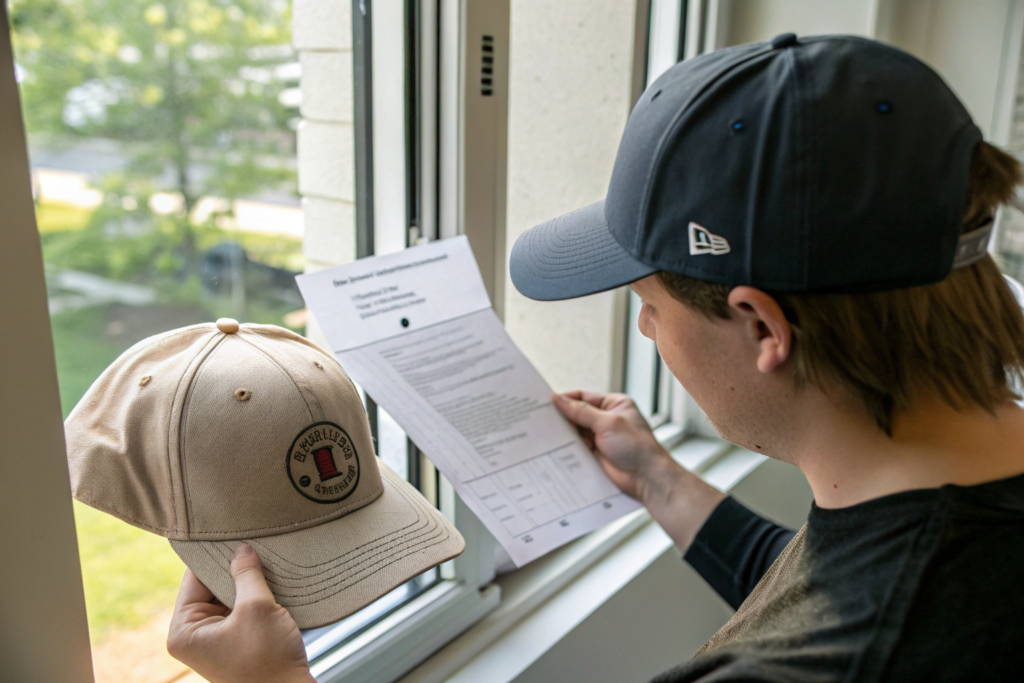
First, compare the sample to your original specification sheet. Check the measurements. Is the crown height correct? Is the brim length correct? Use a measuring tape. Do not rely on your eye. Second, evaluate the embroidery quality. Is the logo placement correct? Are the thread colors accurate? Is the stitching dense and clean, with no loose threads or gaps? Third, inspect the construction. Are the seams straight and secure? Does the sweatband lie flat? Does the closure function smoothly?
Document your findings. Write down any deviations from the specification. Take photos of any issues. This documented feedback is what you will send to the factory. This structured evaluation checklist for custom baseball cap sample approval ensures nothing is missed.
How Do You Communicate Sample Revisions Effectively?
It is rare for a first proto sample to be absolutely perfect. Revisions are a normal part of the process. The key is to communicate the revisions with surgical precision.
Do not send an email that says, "The logo looks weird." That is not actionable. Send an email that says, "The embroidered logo measures 2.25 inches wide. The specification calls for 2.0 inches wide. Please reduce logo size by approximately 10%." Attach a photo of the sample with the issue clearly marked. Use arrows and circles to highlight the specific area.
Provide clear, measurable, and visual feedback. This eliminates guesswork on the factory’s end and ensures the revised sample addresses the correct issue. We work with our clients to refine their feedback until it is perfectly clear. This effective communication of sample revisions for custom manufactured products accelerates the development cycle.
What Are the Most Common Sample Defects to Look For?
Knowing where problems typically occur helps you focus your evaluation. The most common defects in custom cap samples are related to embroidery and sizing.
Look for poor embroidery registration. This is when the different colors in the logo are not aligned properly, creating a blurry or offset look. Look for puckering. This is when the fabric around the embroidery is wrinkled or pulled tight. It indicates incorrect tension or inadequate backing material. Look for thread breaks or loose threads on the underside of the embroidery.
Check the brim curve. Is the brim curved symmetrically, or does it tilt to one side? Check the sweatband stitching. Is it attached securely, or is it already starting to separate? Check the closure. Does the snapback engage firmly, or is it loose? These are the high-risk areas. This common quality defects to inspect on custom baseball cap samples is a focused checklist for your review.
What Happens After You Approve the Sample?
You have evaluated the PP sample. It is perfect. You email the factory: "PP Sample Approved. Please proceed with bulk production." This is a significant milestone. But the sample’s job is not done.
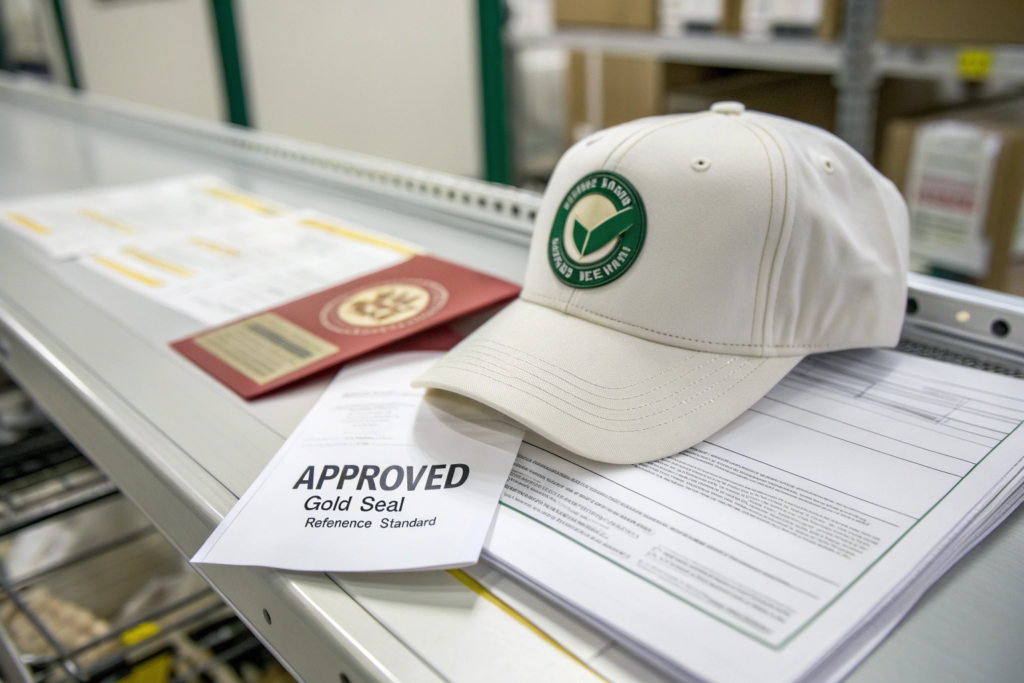
The approved PP sample becomes the "gold seal" standard for the entire bulk production run. At Shanghai Fumao, we file your approved sample in a protected location. Before the bulk production begins, the production supervisor reviews the gold seal sample with the line operators. During production, the QC team pulls random samples from the line and compares them directly to the gold seal sample. The bulk production must match the approved sample, not just the specification sheet.
You should also retain the second sample, if you requested one, or request the return of the approved sample. This gives you a physical reference at your own office. If a quality dispute arises with the bulk shipment, you can compare the received goods to the sample you approved. This the role of the approved pre production sample as the gold seal standard for bulk manufacturing is the final and most important step in the sampling process.
Should You Request a Second Sample for Your Own Records?
Yes, absolutely. We strongly recommend that clients request two identical PP samples. One sample is for the factory to keep as the gold seal. The second sample is for you to keep at your own office.
This second sample is invaluable. You can use it for sales presentations. You can use it for photoshoots. And most importantly, you can use it as a reference when the bulk shipment arrives. You can place the received cap next to your retained sample and instantly see if there are any discrepancies. It is a small additional cost for a significant amount of quality assurance and peace of mind. This benefits of retaining a duplicate pre production sample for importer quality control is a best practice we encourage.
How Do You Transition the Approved Design into a Reorder SKU?
Once the sample is approved and the first production run is complete, the hard work of development is done. This design should now become a simple reorder SKU in your system.
We assign a unique SKU to your exact cap specification. This SKU references the specific fabric, the specific thread colors, the specific digitized logo file, and the specific construction details. When you place a reorder, you simply provide the SKU and the quantity. You do not need to go through the sampling process again. The SKU unlocks all the archived information in our system. This is how you achieve fast, efficient reorders. This creating a reorder SKU for custom cap designs after sample approval is the final step in building a scalable, repeatable product.
Conclusion
Requesting a sample of a custom baseball cap with your logo is a process that rewards precision and punishes vagueness. The more complete and accurate the information you provide upfront, the higher the probability that the first sample will meet your expectations. The key is to treat the sample request as a technical specification exercise, not a casual inquiry.
Provide the vector logo file. Specify the Pantone or Madeira thread colors. Anchor the request in a known cap style from the factory’s catalog. Provide precise placement measurements. Understand the sample fee and timeline. Evaluate the sample against a written checklist. Communicate revisions with clarity and visuals. And finally, use the approved sample as the contractual standard for bulk production.
At Shanghai Fumao, we guide our clients through every step of this process. We have the checklists, the thread charts, and the expertise to make sampling a predictable, efficient phase of product development. We want your sample to be right the first time, because that saves you time and builds trust. If you are ready to request a custom baseball cap sample and want a partner who will walk you through the process professionally, I encourage you to contact our Business Director, Elaine. She can provide our cap style catalog, thread color chart, and a detailed sample request form. You can email Elaine at: elaine@fumaoclothing.com. Let us turn your logo into a cap you are proud to wear.