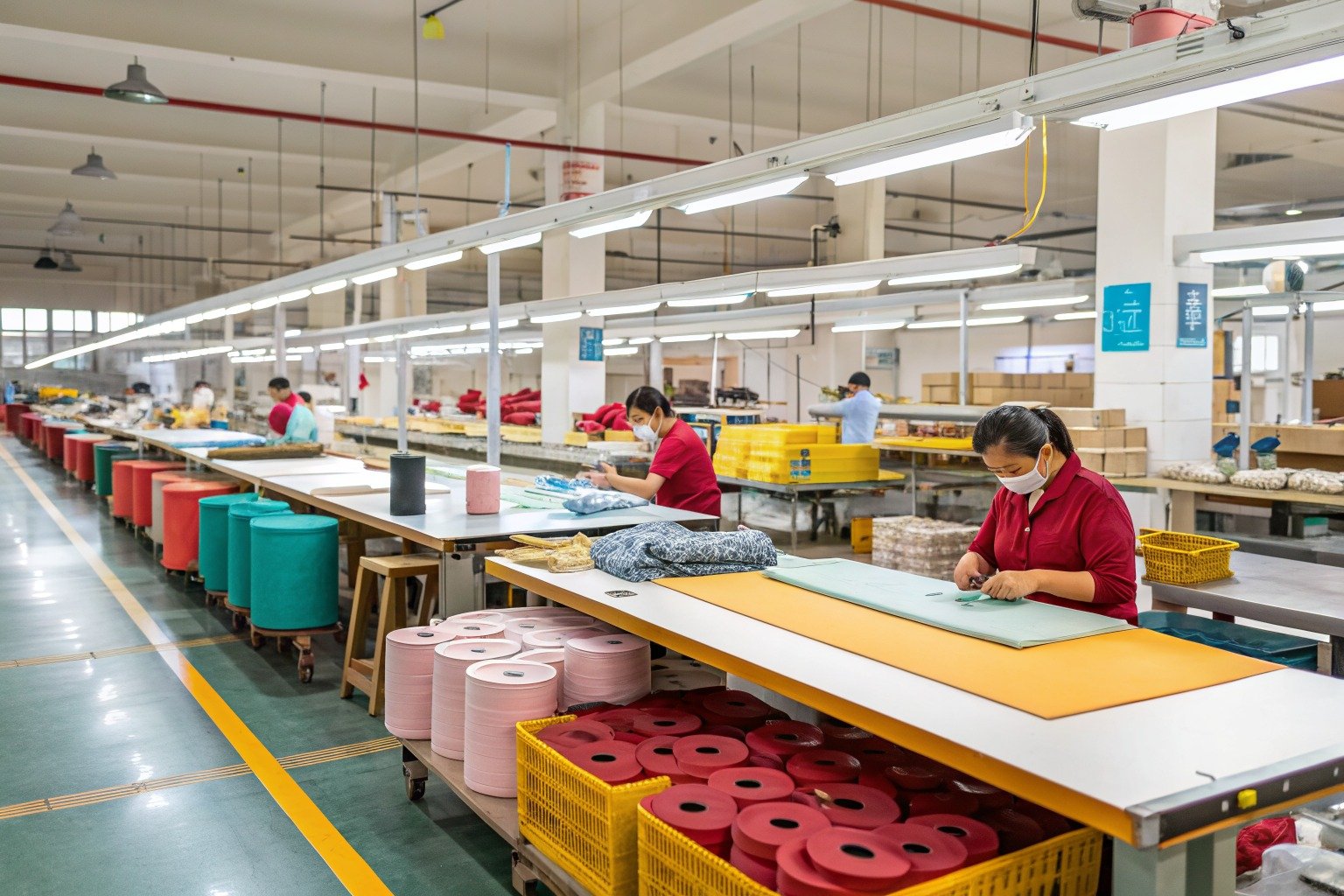
You have built a beautiful collection. You ordered 1,500 baseball caps, 2,000 leather belts, 3,000 hair clips, and 1,000 scarves from three different factories. You consolidated everything into one 40-foot container in Shenzhen to save on freight. The container arrives at the Port of Los Angeles. Your customs broker emails you with a subject line that makes your blood run cold: "URGENT: Customs Hold – Vague Descriptions." The broker explains that CBP has flagged your container because the commercial invoice says "Accessories" and the HTS codes are inconsistent. The container is now sitting in a bonded warehouse accruing storage fees of $200 per day. You are not just losing money. You are missing your delivery window to your retail partners. This is the hidden cost of poor customs documentation for mixed loads.
The best way to handle customs clearance for mixed accessory containers is to provide a detailed packing list organized by HTS code, ensure every carton is labeled with a unique SKU and country of origin, submit a precise multi-line commercial invoice with accurate material breakdowns at least 72 hours before vessel arrival, and partner with a customs broker who specializes in fashion accessories and understands the nuances of textile and metal classifications.
I manage exports from Shanghai Fumao in Zhejiang, and we frequently ship mixed containers of hats, belts, scarves, and hair goods to our clients in North America. A mixed container is efficient and cost-effective, but it multiplies the documentation complexity. Get it right, and your goods flow smoothly to your warehouse. Get it wrong, and you are trapped in a costly bureaucratic nightmare. Let me walk you through our proven process for smooth mixed container clearance.
Why Are Mixed Accessory Containers a Red Flag for US Customs?
From the perspective of US Customs and Border Protection or CBP, a container with a single commodity from a single shipper is low risk. It is easy to verify. A container with twenty different product types from a consolidator is higher risk. The variety of goods increases the chance of an undeclared item, a misclassified item, or an item that violates intellectual property rights.
Mixed accessory containers often trigger a higher examination rate because accessories span so many different HTS chapters. A hair clip might be classified under plastics in Chapter 39. A leather belt might fall under Chapter 42. A cotton scarf falls under textiles in Chapter 62. A single container with goods from three different HTS chapters is a complex entry. If the documentation is not perfectly aligned with the physical cargo, CBP will hold the container for a intensive exam.
At Shanghai Fumao, we mitigate this risk by treating documentation as a core part of the manufacturing process. We do not hand off a container to a freight forwarder with a vague packing list. We provide a document package that anticipates the questions CBP will ask. This US Customs risk assessment for mixed commodity containers is why preparation is far more valuable than hoping for a quick clearance.
How Does a Vague Commercial Invoice Trigger a Customs Exam?
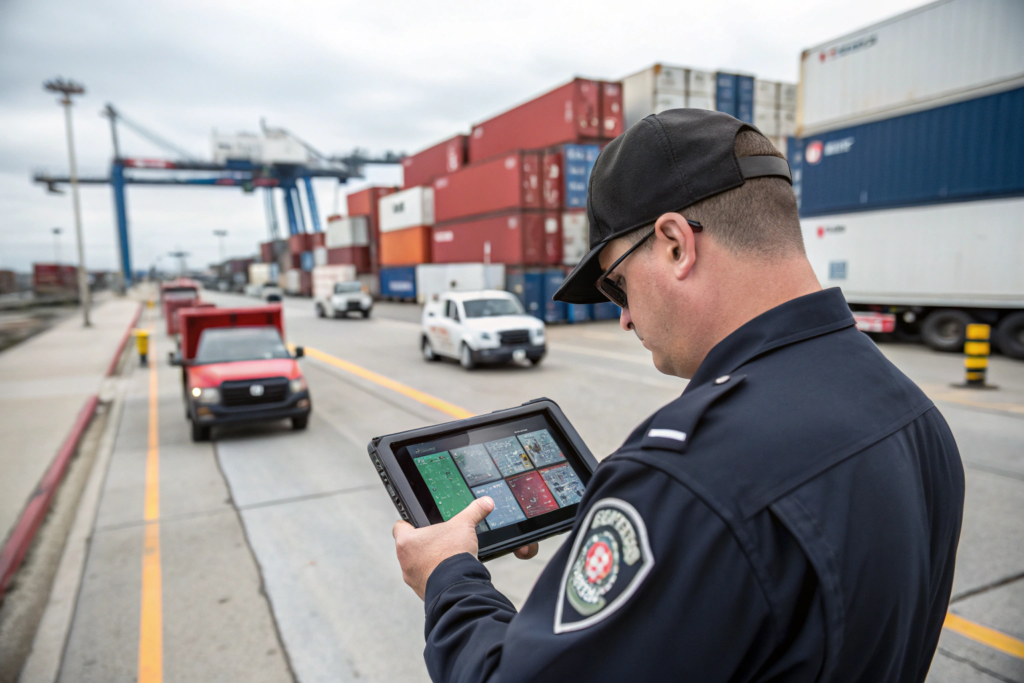
The commercial invoice is the primary document CBP uses to assess duty and determine if an exam is necessary. A vague invoice is an open invitation for scrutiny.
An invoice that says "1 x 40HQ Container Said to Contain: Fashion Accessories" is a red flag. It provides no useful information. CBP does not know what is actually inside. They do not know the value. They do not know the material composition. They have no choice but to open the container and look for themselves.
A proper commercial invoice for a mixed accessory container lists every distinct item by its unique SKU or style number. It provides a clear description of the article. For example, "Women’s Woven Polyester Scarf, Printed" or "Men’s Leather Belt with Metal Buckle." It states the HTS code for that specific item. It states the quantity and the unit value. It states the country of origin as China. We generate this detailed invoice from our internal ERP system. It is not a manual process prone to typos. This detailed commercial invoice requirements for US customs entry is the single most effective way to avoid a documentation hold.
What Is the Role of the Packing List in a Smooth Clearance?
While the commercial invoice tells CBP the value and classification, the packing list tells CBP where to find the goods. The packing list must be a precise map of the container’s contents.
The packing list should list every carton in the container by its carton number. It should state what is inside that specific carton. For example, "Carton #45: SKU BC-101, Black Baseball Caps, 25 PCS." It should state the dimensions and weight of the carton. This level of detail allows CBP to perform a "tailgate exam." They open the container doors and pull a specific carton, say Carton #45. They check that the contents match the packing list description. If it matches, the exam is often concluded quickly.
If the packing list is just a summary of total pieces, CBP has to dig through the container to find a specific item. This takes time. Time equals demurrage fees. Our warehouse team in Zhejiang generates the packing list in real-time as the container is loaded. The carton numbers are sequential and match the physical labels on the boxes. This detailed packing list for consolidated container shipments is a simple but powerful tool for efficient customs clearance.
How Do You Prepare a Multi-Line HTS Classification Before Shipment?
The Harmonized Tariff Schedule classification is not something to be figured out after the container has sailed. It must be determined and agreed upon before the goods leave the factory. For a mixed accessory container, this means preparing a spreadsheet with a separate line for each distinct product and its correct ten-digit HTS code.
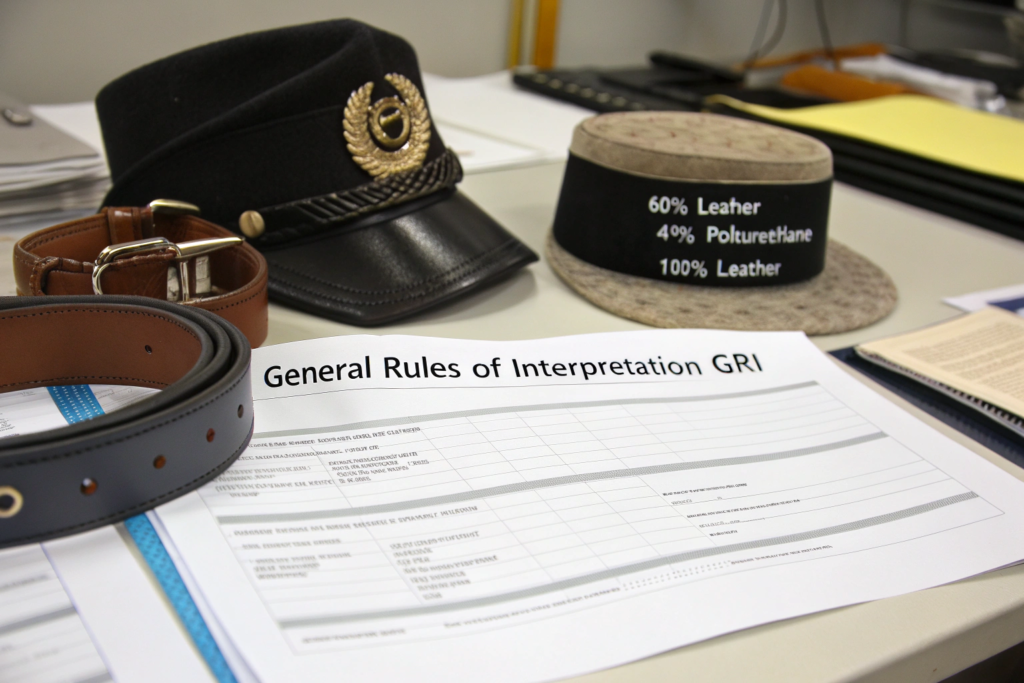
This process requires knowledge of the General Rules of Interpretation or GRI. It requires knowing the material breakdown of each accessory. A belt that is 60% leather and 40% polyurethane is classified differently than a 100% leather belt. A hat with a metal embellishment may be classified differently than a plain hat. Getting this wrong results in underpaid or overpaid duties and potential penalties.
At AceAccessory, we provide a pre-shipment HTS review document. We list every SKU in the order, its material composition by percentage, and our recommended HTS code. We send this to the client and their customs broker for review and approval. This collaborative process ensures that the entry filed with CBP matches the physical goods and the supporting documentation. This pre shipment HTS code classification and broker collaboration prevents the costly reclassification of goods at the port.
What Are the Most Common HTS Classification Pitfalls for Accessories?
Certain accessory categories are notorious for classification disputes and errors. Knowing these pitfalls helps you avoid them.
The first pitfall is the "essential character" of a composite good. A hair clip with a plastic body and a metal spring is classified based on the plastic body. The plastic provides the essential character. Do not classify it as a metal article. The second pitfall is textile categories. Scarves and hats have specific chapters based on the fiber content and whether they are knitted or woven. A knitted polyester beanie is different from a woven cotton bandana.
The third pitfall is the distinction between "accessory" and "clothing." A shawl or wrap can sometimes be classified as a scarf or as a garment. The classification affects the duty rate and whether quotas apply. We rely on our experience and on binding rulings from CBP to guide our classifications. We err on the side of specificity. A specific classification is always more defensible than a vague "other" category. This common HTS classification errors for fashion accessories is knowledge that saves our clients money and stress.
How Do You Handle Multiple Countries of Origin in One Container?
For most of our clients at AceAccessory, the country of origin is uniformly China. Our goods are wholly manufactured in our Zhejiang facility. This simplifies the entry process.
However, if a client is consolidating goods from multiple countries, the complexity increases. For example, if a container holds Chinese-made hats and Vietnamese-made scarves, the entry must clearly delineate the origin of each item. The commercial invoice must have separate sections for each country of origin. The HTS codes must reflect the correct origin.
CBP scrutinizes multi-origin containers carefully to ensure that goods are not being transshipped to evade duties, particularly the Section 301 duties on Chinese goods. The documentation must be impeccable. We advise clients who are consolidating from multiple origins to work with a very experienced freight forwarder and customs broker. This multiple country of origin documentation for consolidated shipments requires an extra layer of diligence.
What Is the Importance of ISF Filing for Mixed Loads?
The Importer Security Filing or ISF, also known as "10+2," is a requirement for all ocean shipments to the United States. The ISF must be filed with CBP at least 24 hours before the vessel departs from the foreign port. For a mixed accessory container, the accuracy of the ISF is paramount.
The ISF requires detailed information about the cargo, including the shipper, the consignee, the manufacturer, and the HTS code at the six-digit level. If the ISF is filed late or contains inaccurate information, CBP can issue a penalty of $5,000 or more. They can also hold the container upon arrival.
At Shanghai Fumao, we provide all the required ISF data elements to the client’s nominated freight forwarder at least 72 hours before the vessel cutoff. This gives the forwarder ample time to file the ISF accurately. We double-check the manufacturer name and address. We confirm the ship-to party. We ensure the HTS code on the ISF matches the HTS code on the commercial invoice. This ISF 10 plus 2 filing accuracy for consolidated fashion accessories is a non-negotiable step in our export process.
What Are the Penalties for ISF Non-Compliance on Mixed Shipments?
The penalties for ISF violations are significant and they are enforced. CBP has automated systems that flag late or inaccurate filings.
A late ISF filing incurs a penalty of $5,000 per violation. An inaccurate ISF filing, for example, listing the wrong manufacturer or an incorrect HTS code, also incurs a $5,000 penalty. If the violation is deemed willful or repeated, the penalty can be higher. For a small to medium importer, a $5,000 penalty can wipe out the profit on an entire container.
The cost of compliance is a fraction of the cost of non-compliance. We take ISF preparation seriously because it protects our clients from these unnecessary and avoidable expenses. We build the ISF data collection into our standard operating procedure for every export shipment. This CBP penalty structure for ISF filing errors and late submission is a strong incentive for meticulous documentation.
How Does the Consolidator or Freight Forwarder Impact ISF Accuracy?
The freight forwarder or consolidator is the party that actually transmits the ISF data to CBP. They rely on the information provided by the shipper. If the shipper, AceAccessory, provides bad information, the ISF will be bad.
We work only with forwarders who have a proven track record of compliance. We provide them with a standardized ISF instruction sheet that contains all the required data in the exact format they need. We do not send a vague email. We send a structured document.
We also ask for a confirmation that the ISF has been accepted by CBP. This confirmation includes a unique transaction number. We file this confirmation with the shipment records. This provides a clear audit trail in case of any dispute. This shipper and freight forwarder collaboration for accurate ISF filing ensures that responsibility for data accuracy is clear.
What Happens If Your Mixed Container Is Selected for a Customs Exam?
Despite your best efforts, your container may be selected for a customs exam. This is a reality of international trade. CBP uses a risk-based targeting system. Some exams are random. Some are triggered by specific data points. The key is to be prepared so the exam is resolved quickly and with minimal cost.
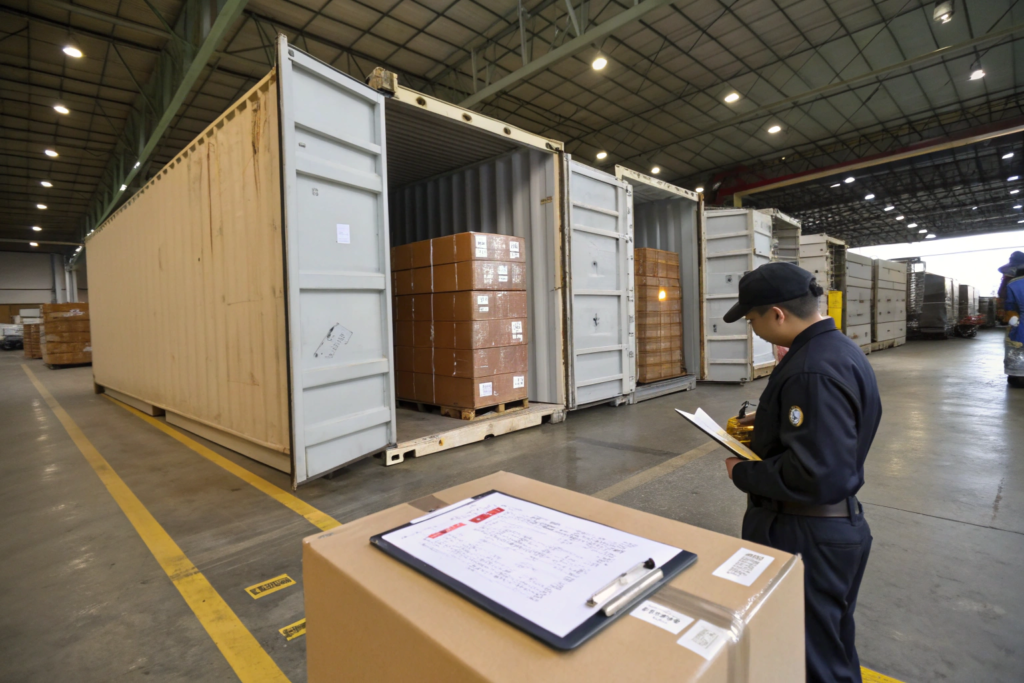
There are different types of exams. A VACIS or X-ray exam is non-intrusive. The container is scanned. If the scan image matches the manifest, the container is released. This is the best-case scenario. A tailgate exam involves opening the container doors and inspecting the first few cartons. A intensive exam involves unloading the entire container and inspecting the contents piece by piece. This is the most disruptive and expensive exam.
The quality of your documentation directly impacts the exam experience. If the CBP officer can easily match a carton label to a line on the packing list, the exam proceeds efficiently. If the officer is faced with a jumble of unlabeled boxes, the exam drags on for days. Our clear carton labeling and detailed packing lists are designed to facilitate a smooth exam should one occur. This US customs exam types and documentation best practices for importers is essential knowledge for managing risk.
How Do You Minimize Demurrage and Exam Fees?
Demurrage is the fee charged by the steamship line for the use of the container after the free time has expired. An exam can consume several days of free time, pushing the container into demurrage. Exam fees are charged by the customs bonded warehouse for the labor of unloading and reloading the container.
You cannot avoid these fees entirely if an exam occurs, but you can minimize them. The most effective way is to ensure the exam is completed quickly. A quick exam depends on documentation clarity. The CBP officer can find what they need without a prolonged search.
Another strategy is to use a customs broker who has a good working relationship with the local CBP port. An experienced broker can sometimes expedite the exam scheduling or provide additional information that resolves the officer’s questions quickly. We work with a network of recommended brokers who have deep experience with fashion accessory entries. This demurrage and customs exam fee mitigation strategies can save thousands of dollars per incident.
What Role Does a Continuous Bond Play in Exam Scenarios?
A customs bond is a financial guarantee between the importer, the surety company, and CBP. It guarantees that duties, taxes, and fees will be paid. There are two types of bonds. A single entry bond covers one shipment. A continuous bond covers all shipments for a year.
For an importer shipping mixed containers regularly, a continuous bond is essential. It provides a minimum level of coverage, typically $50,000 or $100,000. If an exam results in a penalty or additional duties, the continuous bond provides the financial backing to resolve the issue without delaying the release of other shipments.
More importantly, a continuous bond signals to CBP that the importer is an established, compliant trader. This does not exempt the importer from exams, but it can streamline the administrative process when an exam occurs. We advise all our regular clients to maintain a continuous bond. It is a cost of doing business professionally. This continuous customs bond requirements and benefits for regular importers is a foundational element of a smooth import operation.
Conclusion
Handling customs clearance for a mixed accessory container is a discipline. It is not a task to be delegated to the lowest-cost freight forwarder and forgotten. It requires meticulous preparation of commercial invoices, packing lists, and HTS classifications before the container is even loaded. It requires accurate and timely ISF filing. It requires a clear carton labeling system that allows CBP to verify the contents quickly and efficiently.
The importers who master this discipline enjoy a significant competitive advantage. Their goods flow through the port with fewer delays. They incur fewer storage and exam fees. They hit their delivery windows reliably. They build trust with their retail partners. The importers who neglect this discipline suffer from constant logistical fires, eroded margins, and damaged relationships.
At Shanghai Fumao, we view customs clearance as an extension of our manufacturing service. We do not just make beautiful hats, belts, and scarves. We package and document them in a way that facilitates their smooth entry into the United States. We partner with our clients and their brokers to ensure that every "i" is dotted and every "t" is crossed.
If you are planning a mixed accessory shipment and want a factory partner who understands the complexities of US customs clearance, I encourage you to contact our Business Director, Elaine. She can provide you with a sample of our standard documentation package and discuss how we can support your specific import process. You can email Elaine at: elaine@fumaoclothing.com. Let us help you turn a potential customs headache into a routine, predictable part of your supply chain.