You are the creative director of an eco-resort wear brand. Your customer spends $400 a night on a sustainable villa in Tulum or the Maldives. She wants a wardrobe that aligns with her values and her aesthetic. She wants pieces that photograph beautifully against a sunset and pack effortlessly in a carry-on. You have designed the perfect linen cover-up and the organic cotton caftan. But the scarf collection is stumping you. The trends from last year feel tired. The materials feel heavy and synthetic. The prints lack soul. You need a scarf that tells a sustainability story and elevates the entire resort look. You are not just looking for a scarf. You are looking for the accessory that completes the eco-luxury narrative.
The defining 2026 scarf trends for eco-resort wear brands are regenerative organic cotton gauze in sun-faded earth pigments, peace silk and lyocell blends with hand-rolled edges, botanical bundle-dyed textures using local plant matter, and oversized rectangular silhouettes that function as both sarong and shawl.
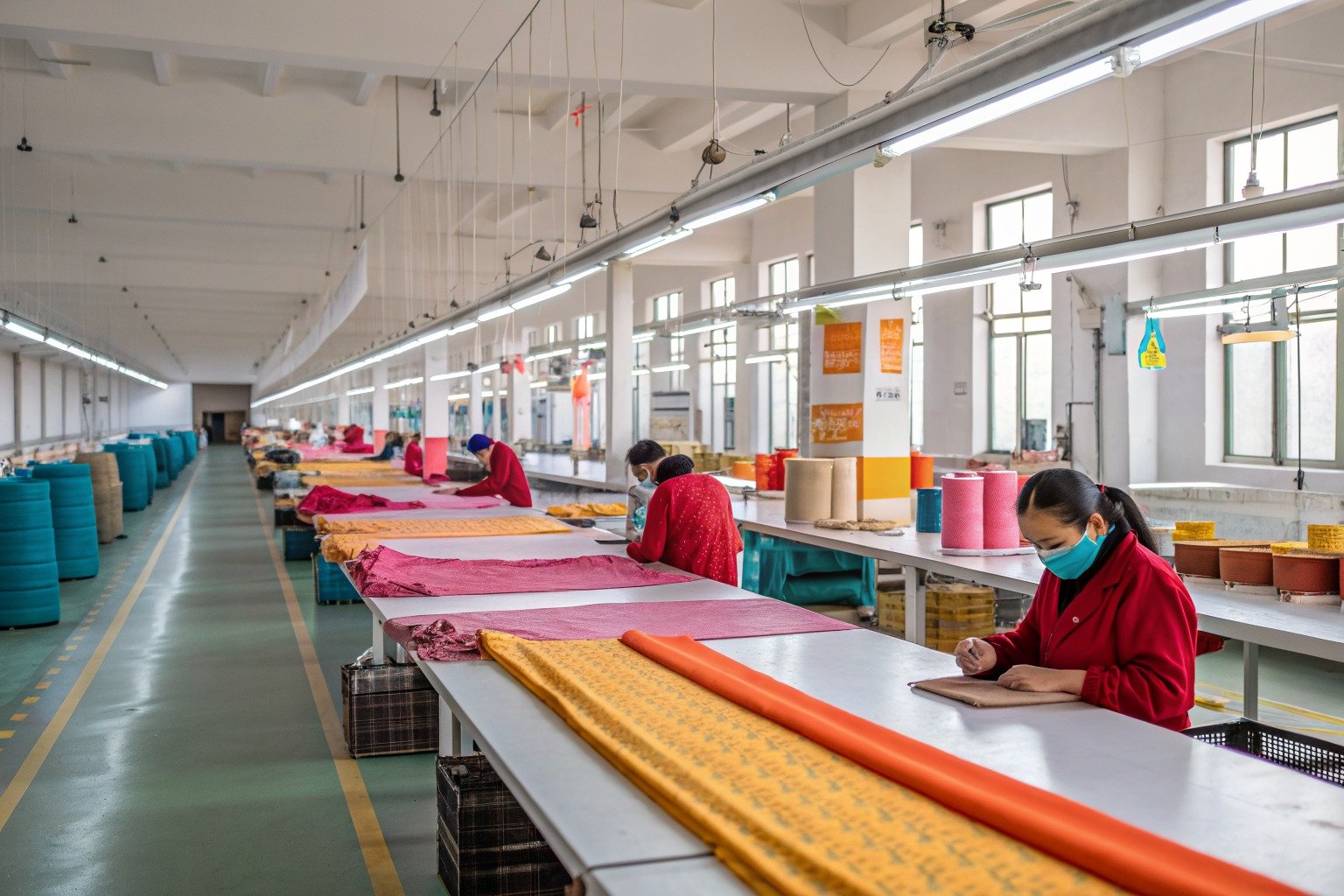
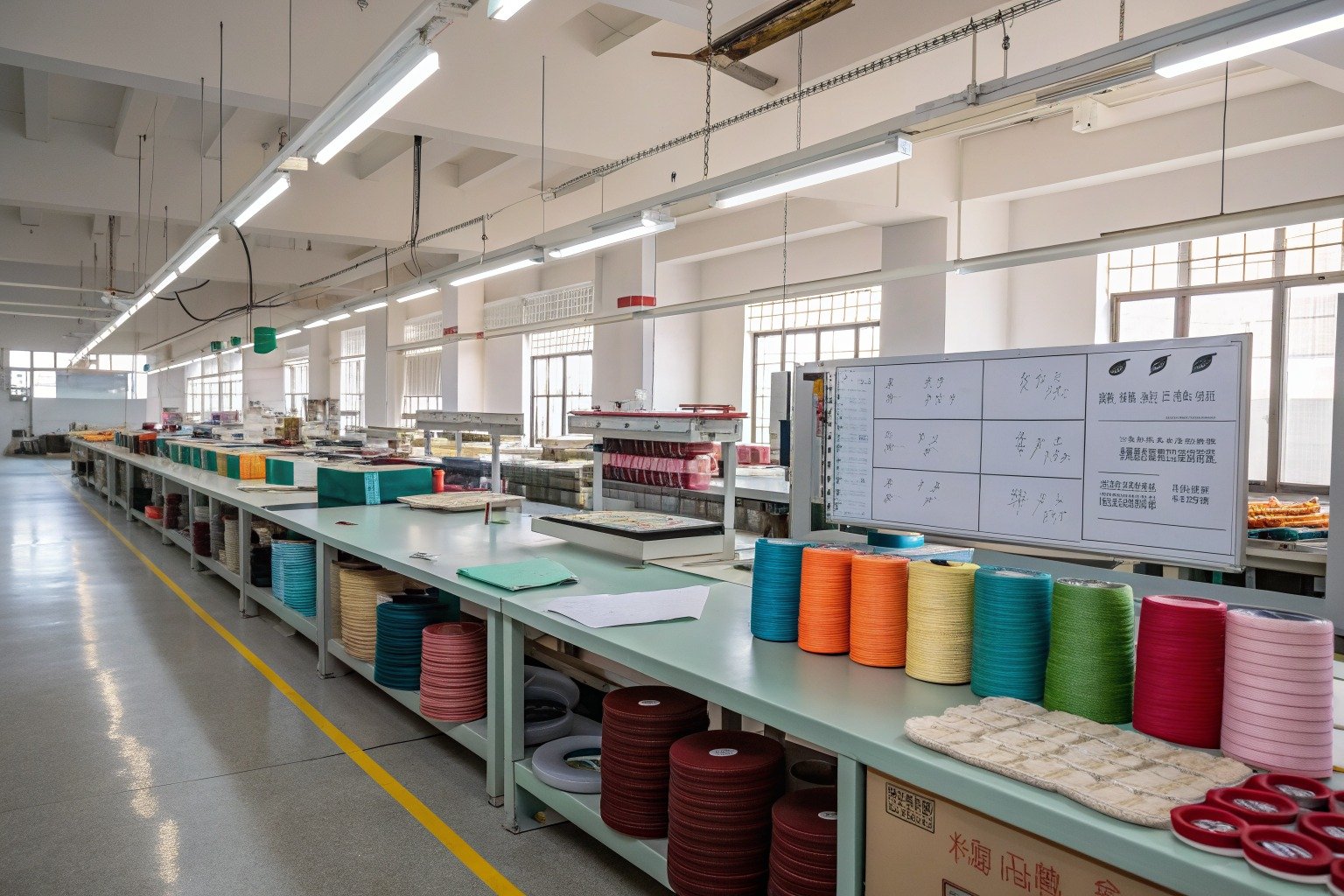
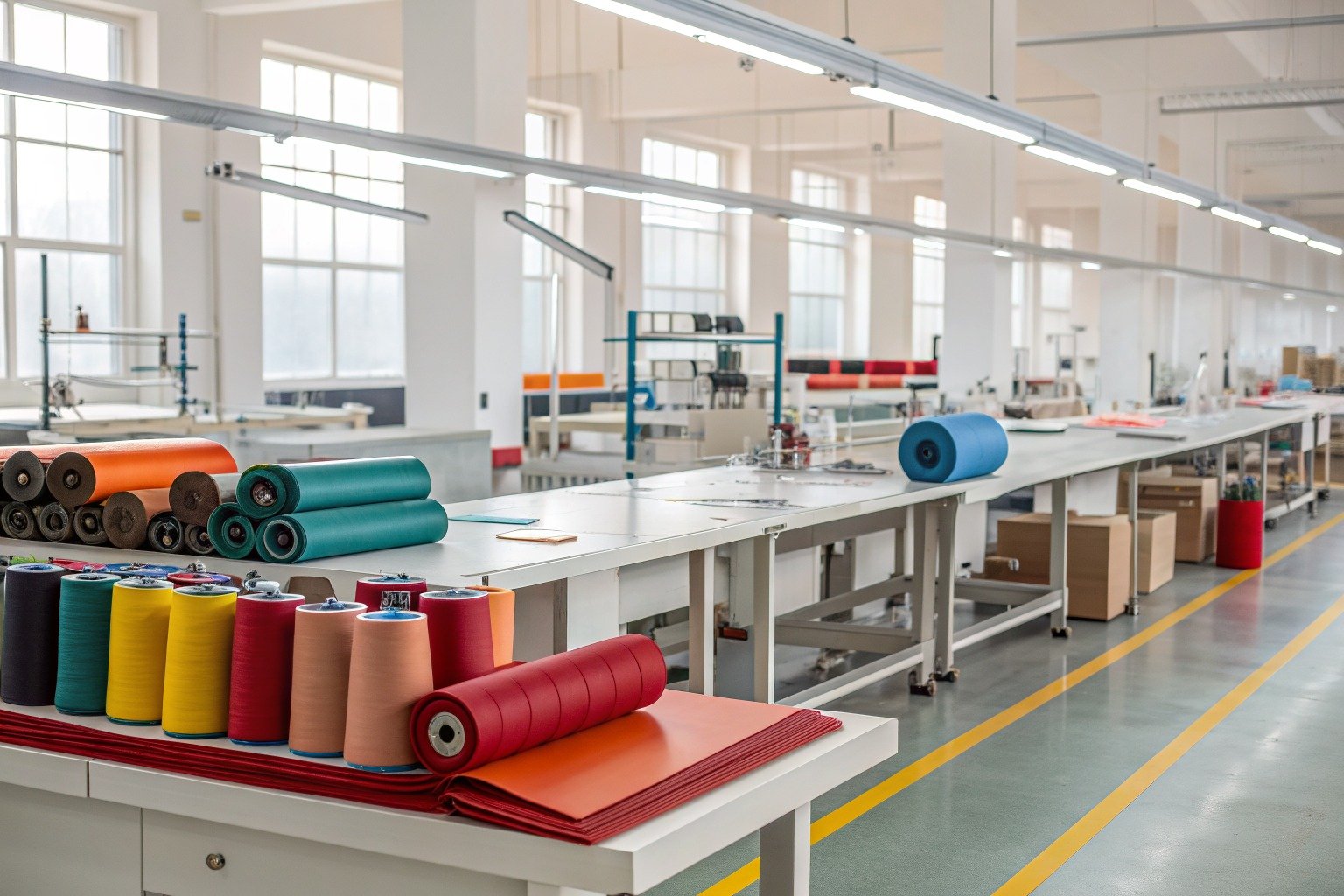
I lead product development at Shanghai Fumao in Zhejiang. Our factory works with a growing number of sustainable and resort-focused brands. The shift in material and design requests over the last twelve months has been unmistakable. The eco-resort customer is driving a new aesthetic that is softer, more textured, and more transparent in its supply chain. Let me walk you through the specific trends that are defining scarf design for the 2026 season and how we are manufacturing them responsibly.
Why Are Regenerative Fibers Dominating the 2026 Resort Scarf Market?
The eco-resort customer has moved beyond "sustainable" as a buzzword. She now understands the difference between conventional organic and regenerative. Regenerative agriculture goes beyond avoiding pesticides. It actively rebuilds soil health, sequesters carbon, and improves water cycles. This narrative is powerful for a resort brand that markets itself as being in harmony with nature.
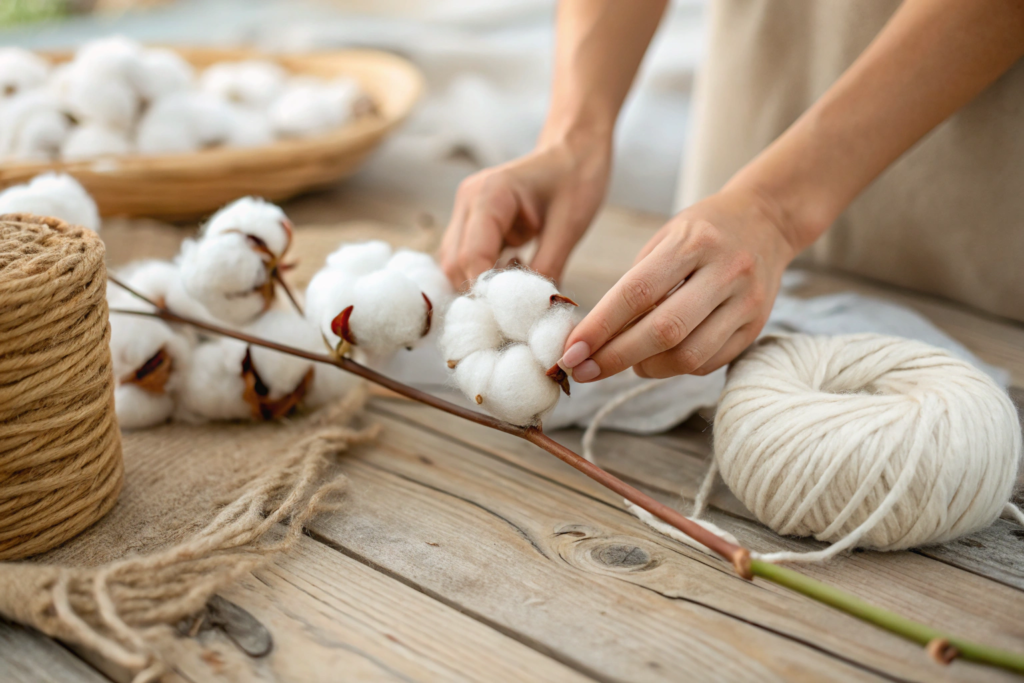
For 2026, the most requested scarf fabric is regenerative organic cotton gauze. This is a lightweight, crinkled fabric with a soft hand feel and a beautiful drape. It is not the stiff, heavy cotton of a traditional bandana. It is ethereal. It moves with the ocean breeze. The supply chain for regenerative cotton is still developing, but the demand from eco-resort brands is accelerating its growth.
At Shanghai Fumao, we have established relationships with suppliers who can provide certified regenerative organic cotton. We can trace the fiber back to the farm collective. We provide the transaction certificates that allow the resort brand to make a credible claim on their hang tag. This regenerative organic cotton scarf manufacturing and certification is the new standard for the eco-luxury segment.
What Is Peace Silk and Why Is It Essential for Luxury Resort?
Silk has always been synonymous with luxury. But conventional silk production involves boiling silkworms alive inside their cocoons. This practice is increasingly unacceptable to the eco-resort customer, who values all life and seeks a cruelty-free wardrobe.
Peace silk, also known as Ahimsa silk, allows the silkworm to emerge from the cocoon naturally as a moth. The silk is harvested from the empty cocoon. The fibers are shorter and have a slightly different luster than conventional silk, but the ethical story is unmatched. It is the ultimate conversation piece at a resort cocktail hour.
We are blending peace silk with lyocell, a fiber made from sustainably harvested wood pulp in a closed-loop process. The lyocell adds durability and a subtle sheen while reducing the cost compared to 100% peace silk. The blend dyes beautifully with low-impact, fiber-reactive dyes. The resulting scarf is soft, lightweight, and carries a profound ethical narrative. This peace silk and lyocell blend scarf production for ethical luxury is a signature offering for our resort brand partners.
How Does Hemp and Linen Address the Durability Demand?
Resort wear is not just worn at the resort. It is packed, unpacked, worn on a boat, draped on a sandy beach chair, and stuffed back into a tote bag. It must be durable. Hemp and linen are the workhorses of the natural fiber world.
Hemp fabric softens with every wash and is naturally resistant to mold and mildew, a practical consideration for humid resort destinations. Linen is breathable and becomes more beautiful as it wrinkles, eliminating the need for ironing. For 2026, we are seeing a trend toward open-weave hemp and linen blends that provide UV protection while allowing the skin to breathe.
The challenge with hemp and linen is achieving a soft hand feel at an accessible price point. Our fabric finishing process in Zhejiang includes an enzyme wash that softens the fibers without the use of harsh chemicals. The result is a scarf that feels like a well-loved favorite from the first wear. This hemp and linen scarf durability and sustainable finishing process meets the practical needs of the resort traveler.
What Colors and Prints Define the 2026 Eco-Resort Palette?
The color story for 2026 eco-resort scarves is a departure from the bright, synthetic hues of previous seasons. The palette is grounded in nature, but not in a literal, tropical-print way. It is more sophisticated and nuanced. Think of the colors found in a curated landscape, sun-bleached terracotta pots, weathered teak wood, sea grass, and the hazy blue of a distant mountain range.
Botanical bundle dyeing is the technique that delivers this aesthetic authentically. This is an artisanal process where fabric is bundled with real leaves, flowers, and bark, then steamed. The natural pigments transfer to the fabric in unpredictable, one-of-a-kind patterns. Each scarf is unique. This aligns perfectly with the eco-resort ethos of celebrating imperfection and natural beauty.
At Shanghai Fumao, we have developed a scalable approach to botanical dyeing. While each piece is unique, we use standardized bundles and recipes to ensure a consistent color story across a collection. We work with natural dye houses in Zhejiang that specialize in plant-based color. The colors are not as lightfast as synthetic dyes, and we educate our clients on this characteristic. The gentle fading over time is part of the product’s life story. This botanical bundle dyeing and natural color palette for resort scarves is the antithesis of fast fashion.
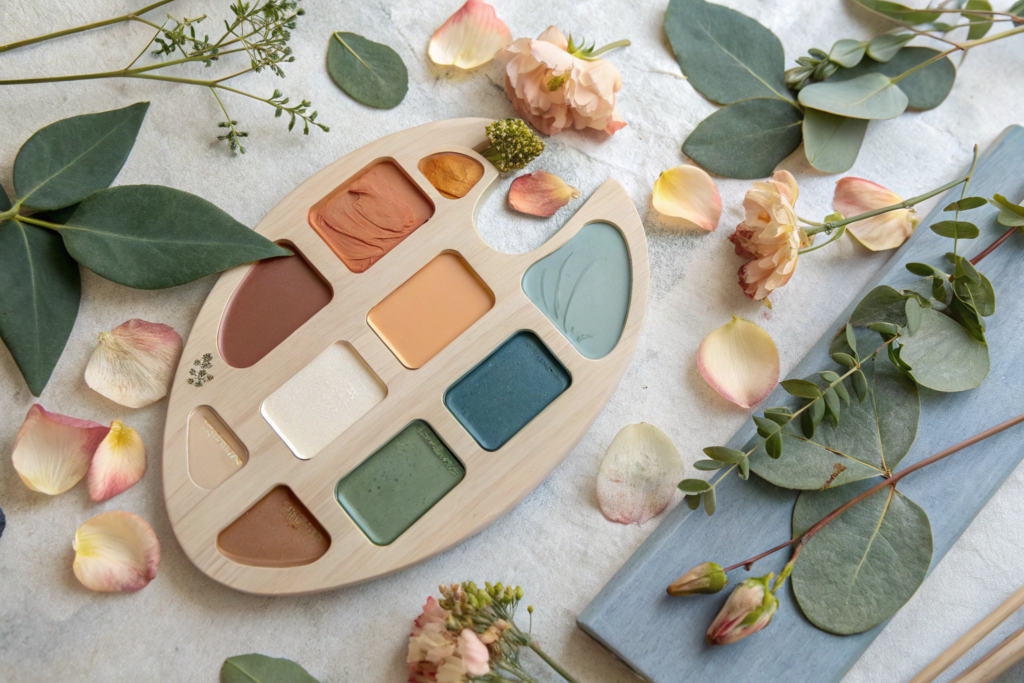
How Are Earth Pigments and Mineral Washes Being Used?
For brands that want a more consistent color application than bundle dyeing, earth pigment and mineral washes are the solution. These are dyes derived from natural clays, ochres, and minerals. They produce a range of beautiful, muted tones from dusty rose to deep umber.
The mineral wash process also imparts a subtle, soft texture to the fabric. It gives a new scarf a gently worn, vintage feel. This "lived-in" luxury is highly desirable for the resort market. The scarf does not look precious. It looks like it belongs on a sun-drenched veranda.
We source our earth pigments from certified suppliers who practice responsible mining. We test every dye lot for heavy metal content to ensure compliance with OEKO-TEX standards. The natural origin of the dye does not automatically guarantee safety. Rigorous testing is essential. This earth pigment and mineral wash scarf coloration and safety compliance ensures the beauty of the product is matched by its integrity.
What Role Does Texture Play in Replacing Traditional Print?
The 2026 eco-resort scarf is less about a printed motif and more about surface texture. The fabric itself is the design. We are moving away from digitally printed palm leaves and towards the tactile interest of a complex weave.
Waffle weaves, honeycomb weaves, and open leno weaves are in high demand. These structures create a three-dimensional surface that catches the light and feels wonderful against the skin. They add visual interest without relying on applied color or pattern. A scarf in a solid, sun-faded terracotta color becomes a statement piece purely through its texture.
Our knitting and weaving partners in Zhejiang are skilled in developing custom textured fabrics. We can create exclusive weaves for a brand, giving them a proprietary fabric that cannot be found elsewhere. This exclusivity is a powerful selling point for a premium resort brand. This textured weave development for solid color eco resort scarves represents a shift from graphic design to textile engineering.
How Are Oversized and Multi-Functional Silhouettes Evolving?
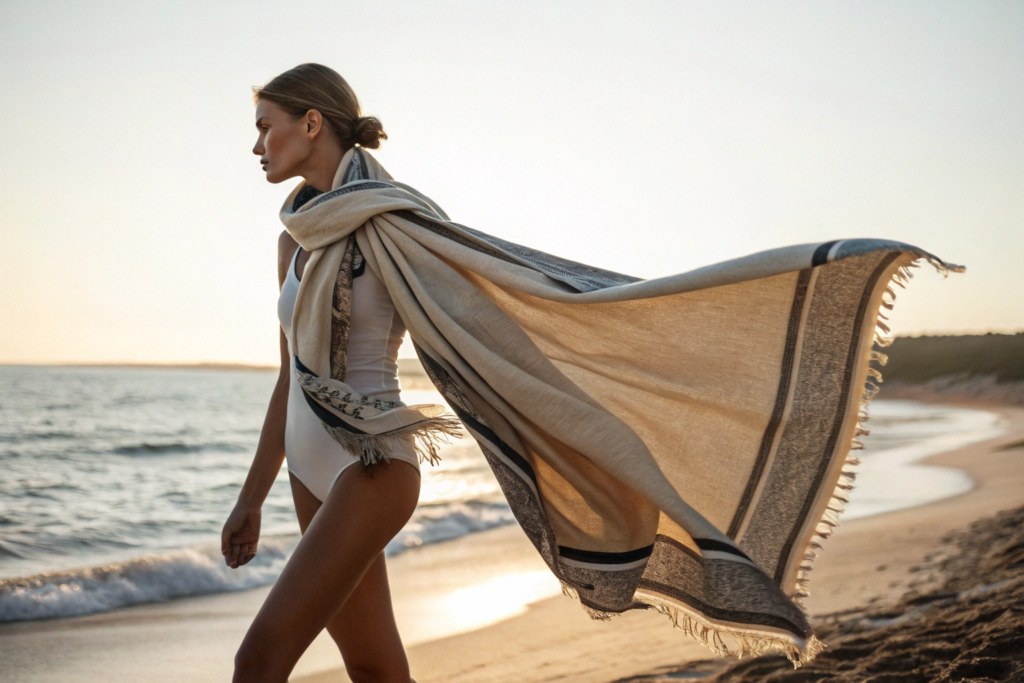
The eco-resort customer is a minimalist packer. She wants items that serve multiple purposes. The scarf must be more than a neck accessory. It must be a sarong for the beach, a shawl for the evening breeze, a head wrap for a boat trip, and a blanket for a sunset picnic.
The dominant silhouette for 2026 is the oversized rectangle. Dimensions are growing. We are producing scarves that are 100 centimeters by 200 centimeters, significantly larger than the standard 70 by 180 centimeter scarf. This extra fabric allows for true versatility. The hem is often a simple, hand-rolled edge or a clean fringe, nothing that adds bulk or restricts the drape.
This oversized silhouette requires more fabric, which increases the cost. But the value proposition for the customer is clear. She is buying one item that replaces three. This aligns with the "buy less, buy better" philosophy of the eco-resort demographic. This oversized multi functional scarf dimensions and styling versatility is a key product development direction.
Why Is the Square Scarf Making a Comeback in Sustainable Styling?
While the rectangle dominates for sheer versatility, the classic square scarf is having a renaissance. Specifically, the 90 by 90 centimeter silk or lyocell square. It is the perfect size for a chic neckerchief, a bandeau top, or tied around a straw hat.
The square scarf appeals to the customer who wants a more polished, vintage-inspired resort look. It adds a touch of Old Hollywood glamour to a sustainable wardrobe. The key is in the finishing. The hand-rolled, hand-stitched hem is the hallmark of a quality square scarf. It is a labor-intensive process that speaks to the artisanal value of the piece.
At AceAccessory, our skilled sewers are trained in the traditional hand-rolling technique. This is a dying art in many factories, but we have preserved it specifically for our premium accessory clients. The slight irregularity of a hand-rolled hem is a sign of authenticity that machine stitching cannot replicate. This hand rolled square scarf production and artisanal finishing adds significant perceived value.
How Do Fringe and Edge Details Reflect the Natural Aesthetic?
The edge finish is a critical design detail that is often overlooked. For 2026, the fringe is becoming a focal point, but not in a synthetic, overly perfect way. The trend is toward natural, raw-edge fringes.
For linen and cotton gauze scarves, we are doing a self-fringe, where the warp and weft threads of the fabric itself are left loose to create the fringe. This is a clean, zero-waste approach to finishing. For slightly heavier fabrics, a knotted fringe adds a handcrafted, bohemian touch. We are using undyed, natural-colored yarns for the fringe to maintain the organic aesthetic.
The message is clear. The scarf is not a highly engineered, machine-finished product. It is a piece of fabric that has been thoughtfully manipulated by human hands. The edge detail reinforces the natural, artisanal story of the entire piece. This natural fringe and sustainable edge finishing for resort scarves is a subtle but powerful design cue.
How Can Eco-Resort Brands Authenticate Their Sustainable Scarf Claims?
The eco-resort customer is savvy. She reads labels. She scans QR codes. She can spot greenwashing from a mile away. To command a premium price and build trust, resort brands must be able to substantiate their sustainability claims with credible third-party certifications.
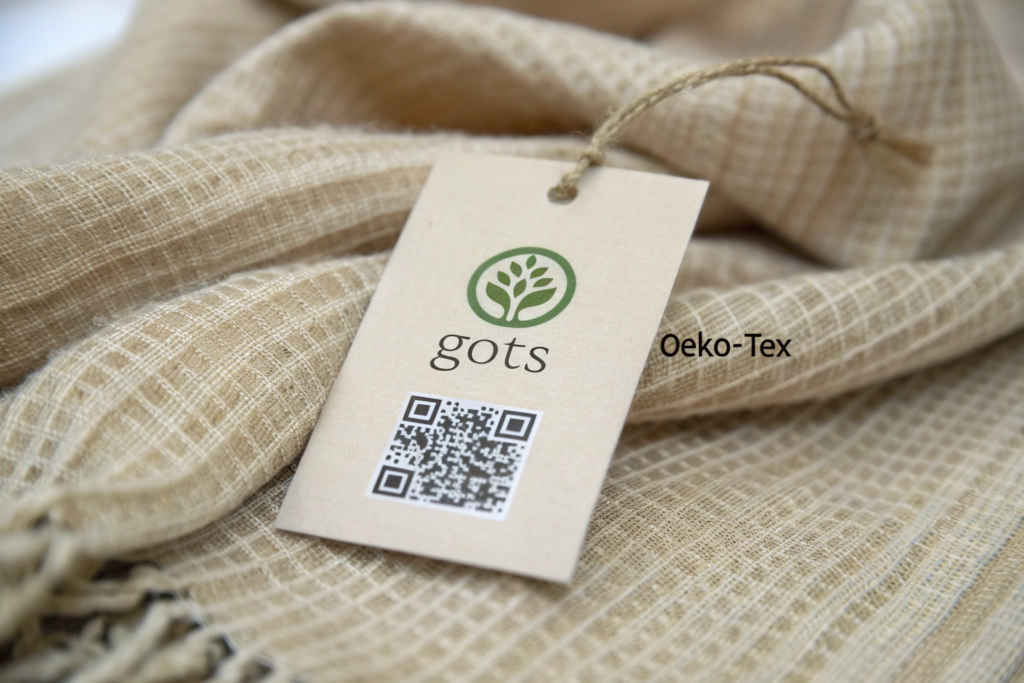
For organic cotton scarves, the Global Organic Textile Standard or GOTS certification is the gold standard. It covers not only the organic fiber content but also the environmental and social practices throughout the entire processing chain. For peace silk and lyocell blends, the OEKO-TEX Standard 100 certification verifies that the finished product is free from harmful chemicals.
At AceAccessory, we hold these certifications and we make them available to our clients. We can provide the scope certificate and the transaction certificate for each order. We also support brands that want to implement a QR code on their hang tag linking to a page that tells the specific story of that scarf’s materials and makers. This level of transparency is not optional. It is expected. This GOTS OEKO-TEX certification and supply chain transparency for scarves is the foundation of a credible eco-luxury brand.
What Is a Scope Certificate vs. a Transaction Certificate?
These two documents are essential for making a GOTS claim on a finished product. Understanding the difference is important for brand owners.
A Scope Certificate or SC is issued to the manufacturing facility. It verifies that the factory, AceAccessory in this case, has been audited and is certified to handle and process GOTS-certified goods. It lists the specific product categories and processes that are covered. This certificate is renewed annually.
A Transaction Certificate or TC is issued for a specific shipment of goods. It verifies that the specific scarves in that order were made from GOTS-certified materials and processed in a GOTS-certified facility. The TC travels with the goods through the supply chain. It is the proof that the final product is GOTS certified.
We provide copies of both our current Scope Certificate and the order-specific Transaction Certificate to our clients. This documentation allows the brand to legally make the GOTS claim on their product. Without the TC, the claim is not valid. This GOTS scope certificate and transaction certificate documentation for brands is the legal backbone of organic textile claims.
How Do You Minimize Packaging Waste for Resort Scarf Orders?
Sustainability extends to the packaging. The eco-resort brand does not want their beautiful, natural scarf to arrive swathed in single-use plastic. This is a major point of friction for many importers.
We offer plastic-free packaging options. Scarves can be folded with a simple paper band, tied with natural jute twine, and packed in FSC-certified recycled cardboard cartons. We can also accommodate individual polybags made from biodegradable or compostable materials, though the cost is higher and the shelf life is shorter.
We work with each client to design a packaging solution that meets their sustainability goals and their budget. We are transparent about the trade-offs. The goal is to protect the product during transit while minimizing the environmental footprint. This sustainable plastic free packaging options for bulk scarf orders is a service we provide to align with our clients’ brand values.
Conclusion
The 2026 scarf trends for eco-resort wear brands represent a meaningful evolution in the fashion accessories market. The shift is away from synthetic materials and loud digital prints toward regenerative fibers, natural dyes, and textured weaves that celebrate imperfection and craftsmanship. The silhouette is expanding into oversized, multi-functional pieces that serve the minimalist, experience-driven traveler. And the entire product is wrapped in a layer of credible transparency, backed by certifications and thoughtful packaging.
For resort brands, the scarf is no longer an afterthought. It is a storytelling vehicle. It communicates the brand’s commitment to the planet, to artisans, and to a slower, more intentional form of luxury. A well-designed, responsibly made scarf can be the hero product that captures the essence of the brand and drives both sales and customer loyalty.
At Shanghai Fumao, we are deeply engaged in this shift. We have invested in the supplier relationships, the certifications, and the specialized production techniques required to bring these 2026 trends to life. We do not just manufacture scarves. We partner with eco-resort brands to develop products that are beautiful, meaningful, and verifiably sustainable.
If you are developing a scarf collection for the 2026 season and want to explore these materials and techniques, I invite you to contact our Business Director, Elaine. She can provide material swatches, discuss certification requirements, and offer guidance on minimum order quantities for sustainable fabrications. You can email Elaine at: elaine@fumaoclothing.com. Let us help you create the scarf that your eco-resort customer will treasure for seasons to come.