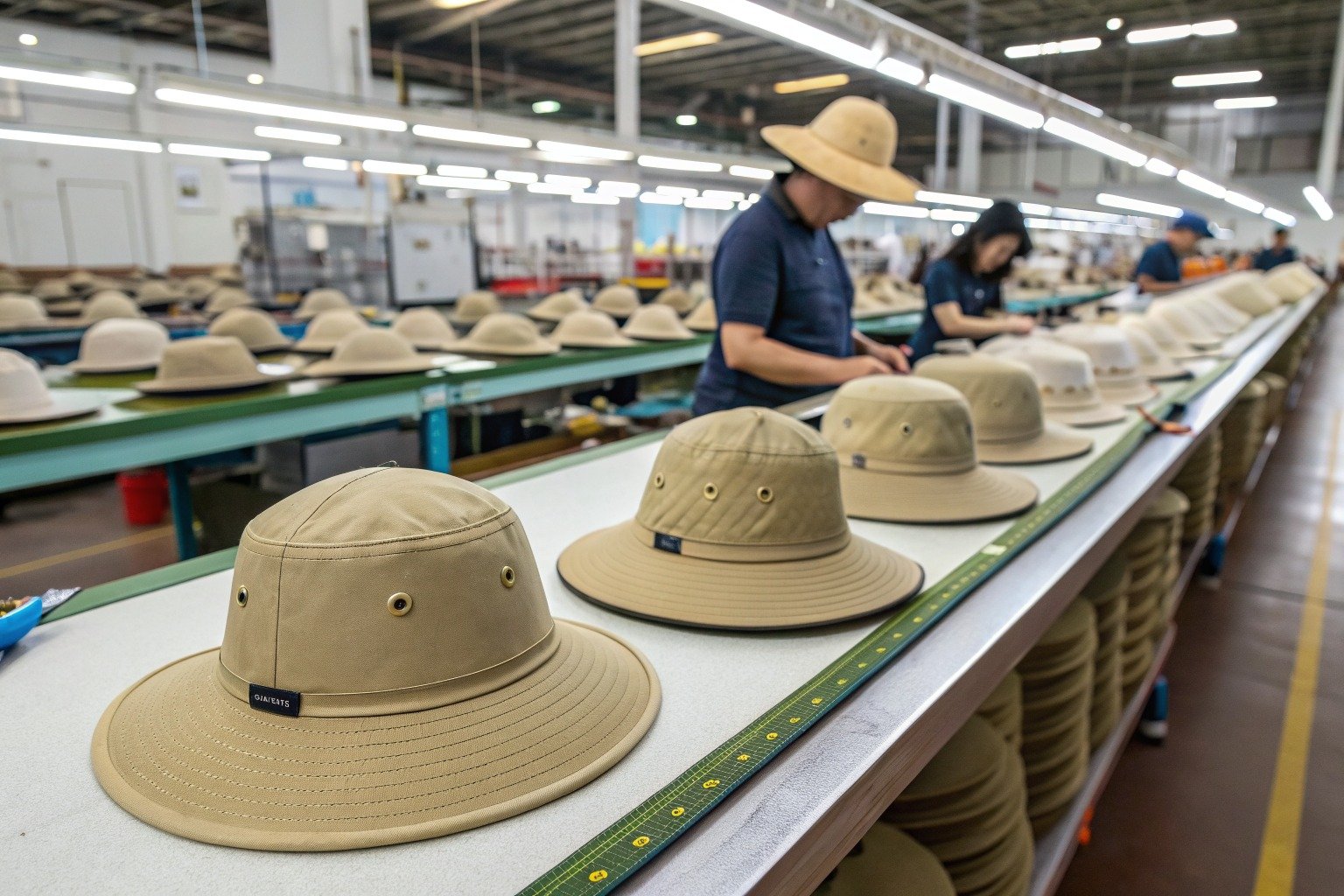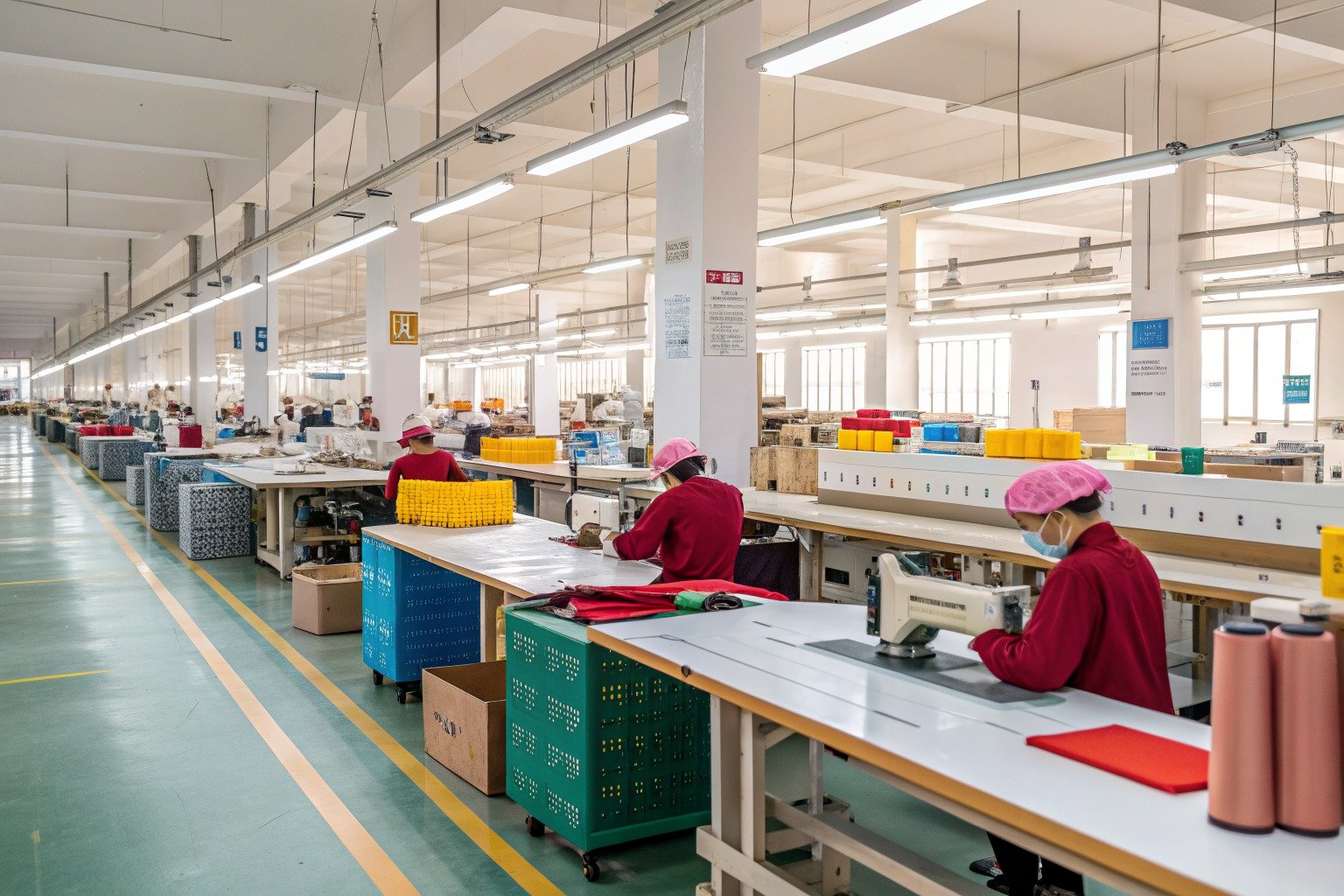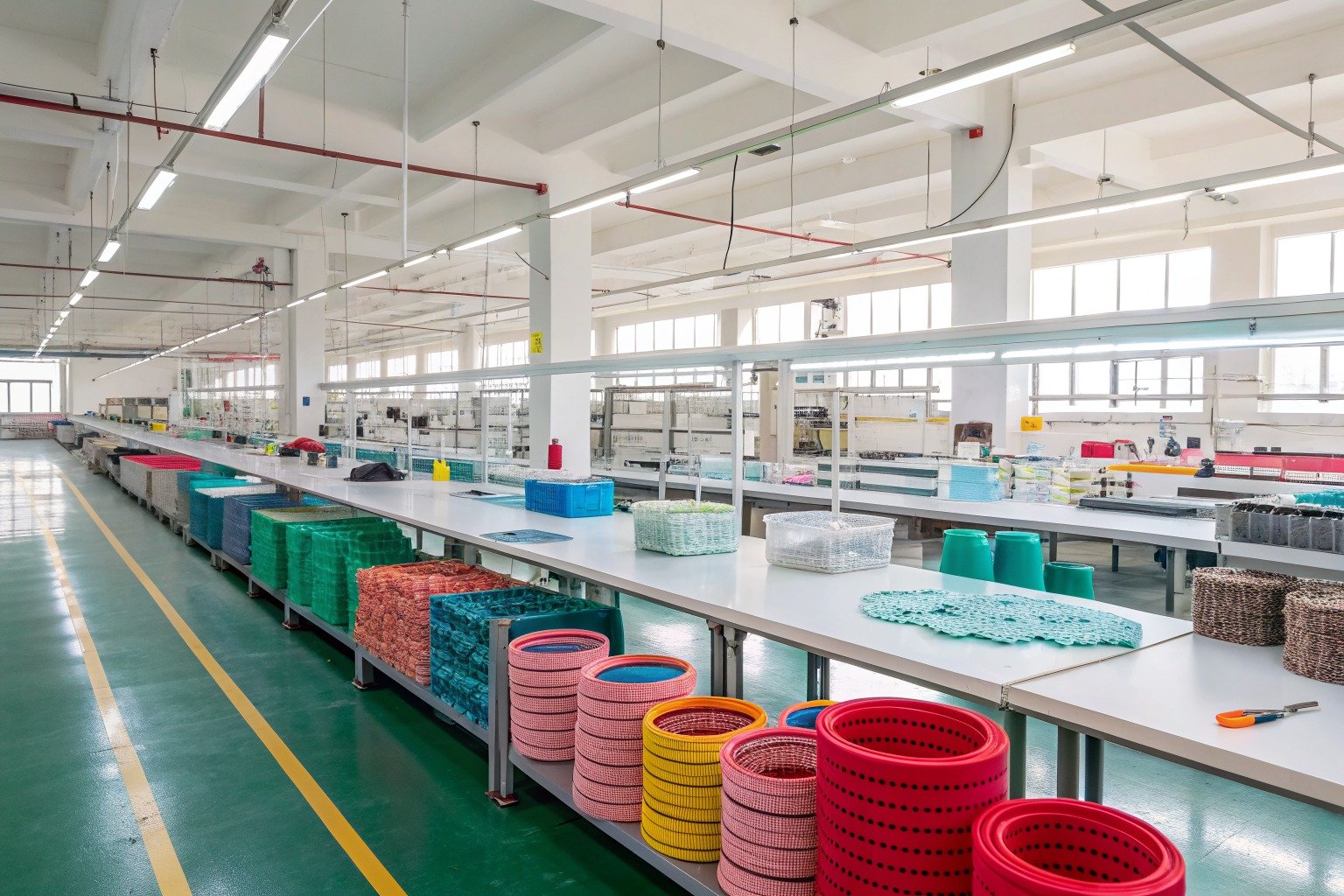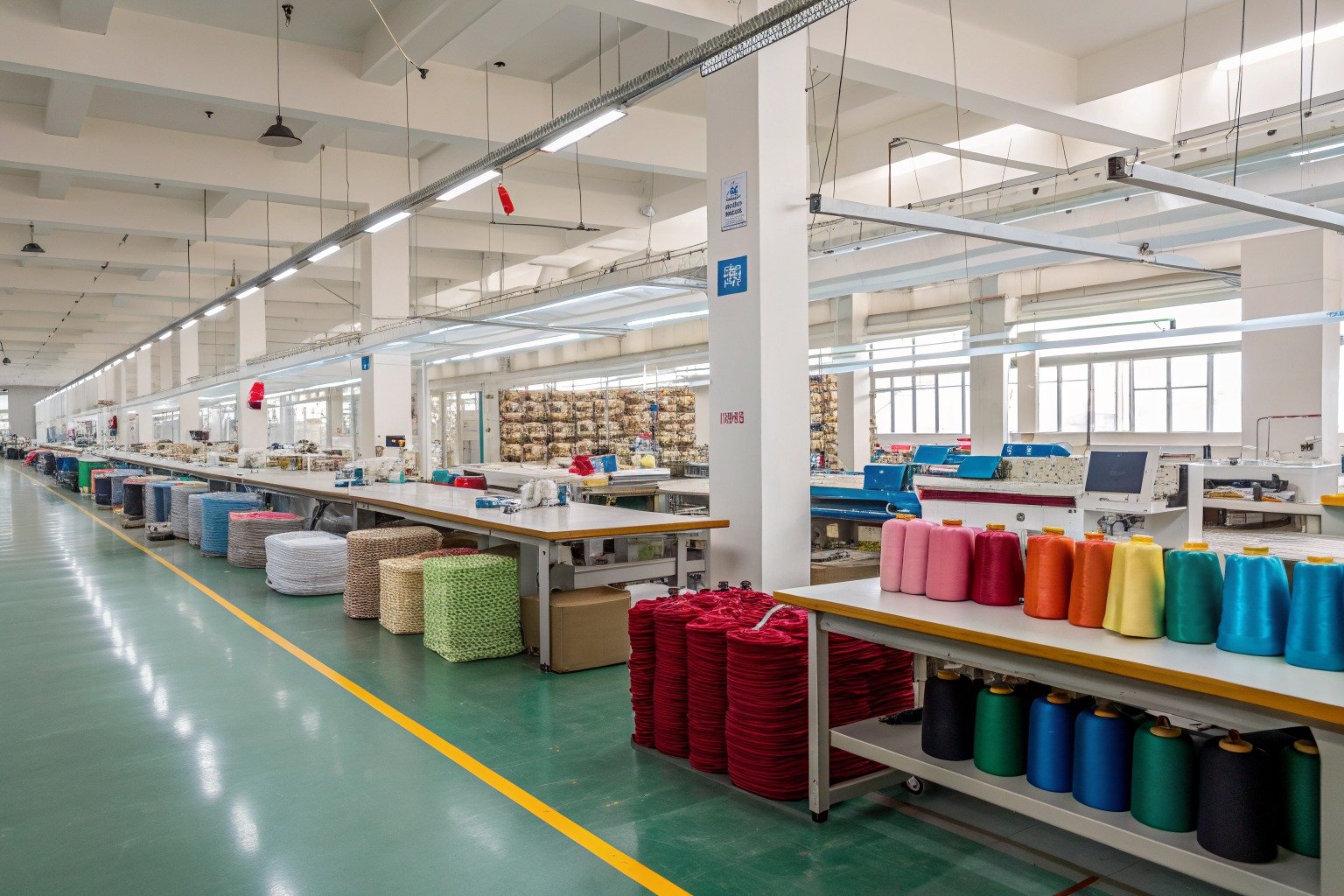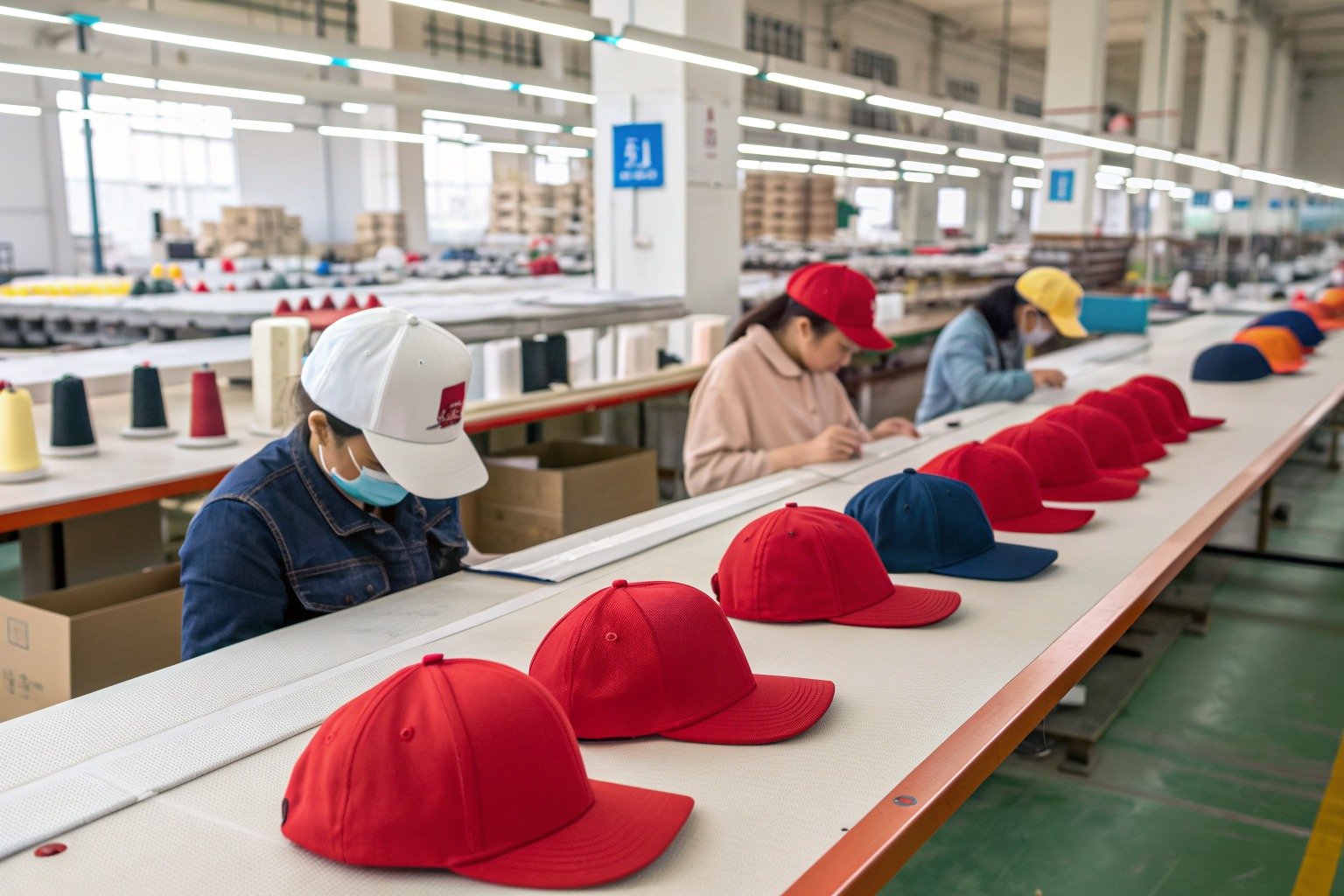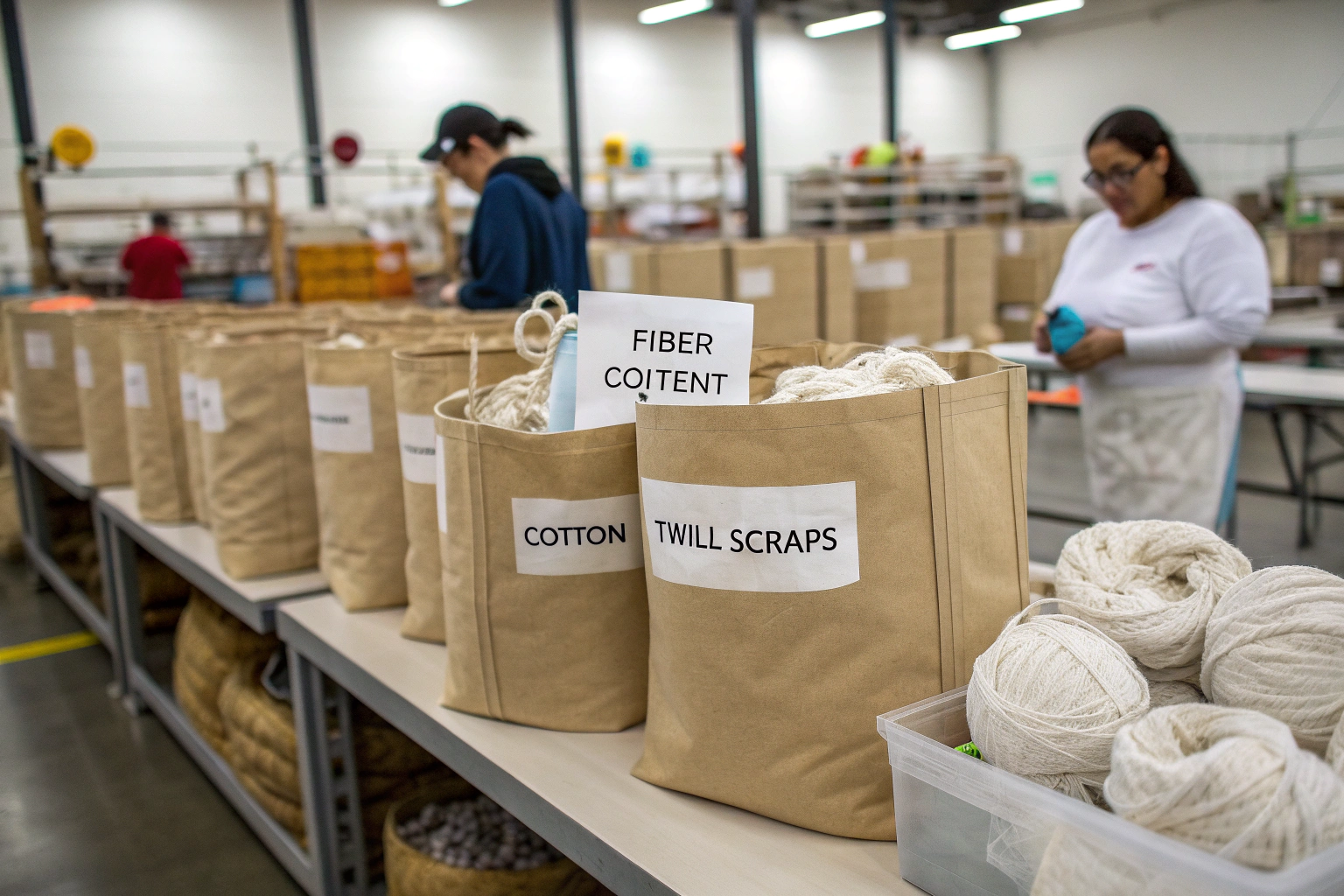
Let me tell you about a conversation I had with a client last month. He was reviewing his order of 5,000 baseball caps and asked me, "What happens to all the leftover fabric from cutting those brims?" I walked him over to the corner of our production floor and showed him the bins. He expected to see a messy pile of trash headed for a landfill. Instead, he saw organized bags of cotton twill scraps, each labeled with fiber content. He saw spools of yarn ends. He said, "I didn’t think factories in China actually did this." That moment stuck with me. Most buyers focus on the finished product. They do not think about the 15 to 20 percent of raw material that never makes it into the final piece. But that waste affects your cost. It affects the environment. And it affects how your brand is perceived by increasingly eco-conscious American consumers.
Implementing best practices for recycling scrap material in accessories production is not just about being "green." It is a strategic operational discipline that reduces raw material costs, lowers waste disposal fees, and creates marketing value for brands selling to US and European markets. A factory that systematically sorts, bales, and repurposes textile waste demonstrates a level of management sophistication that directly correlates with overall production efficiency and quality control.
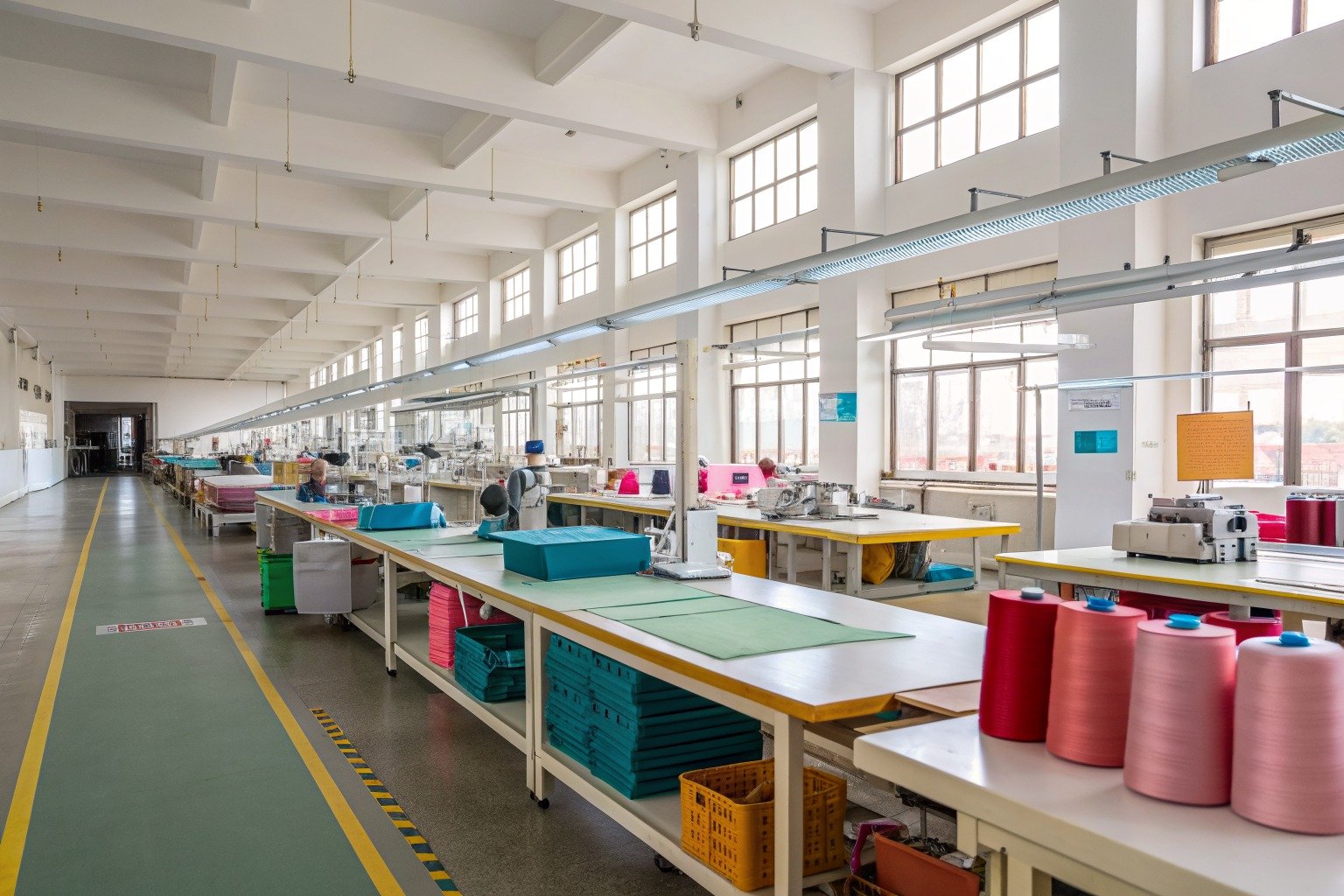
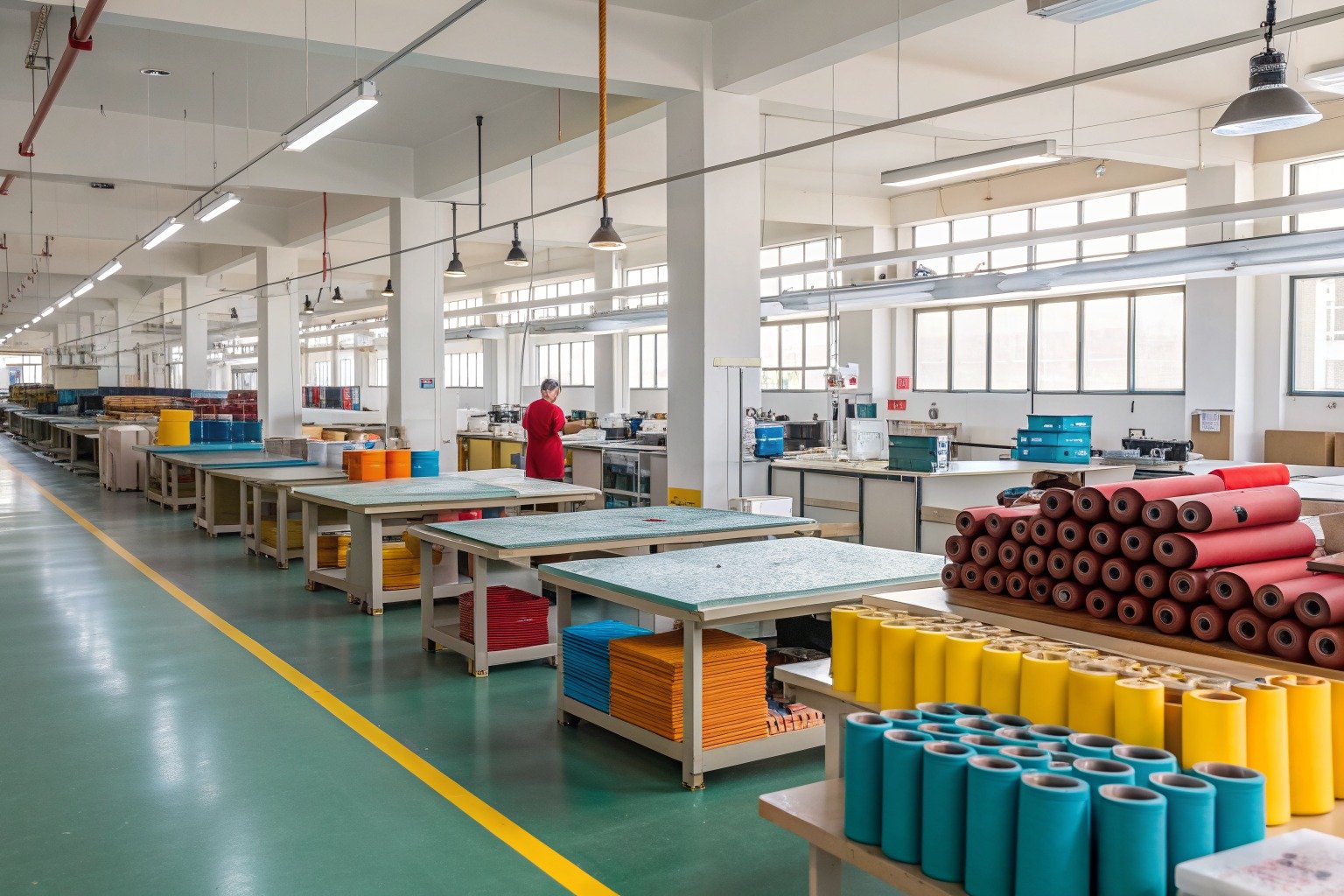
At Shanghai Fumao in Zhejiang, we treat waste as a resource out of place. Our clean and modern facility is designed with material flow in mind. We track what comes in as raw fabric rolls and yarn cones. We track what goes out as finished hair bands, scarves, and belts. And we track what stays behind. That gap between input and output is where we find opportunity. I want to share the exact systems we use to manage scrap. These practices help us control costs and keep our pricing competitive for buyers like you. They also give you a story to tell your own customers about sustainable sourcing.
Why Should Accessories Manufacturers Care About Scrap Recycling?
You might wonder why a factory owner like me spends time and money on scrap management. It would be easier to sweep everything into a dumpster and forget about it. Many smaller, less professional workshops do exactly that. They treat waste as an invisible cost. But invisible costs have a way of showing up in your price quote. When a factory does not manage its waste, it is wasting material. And material costs money. That cost gets passed on to you, the buyer, in the form of higher unit prices.
Caring about scrap recycling is a direct indicator of a factory’s overall cost control and operational maturity. Manufacturers who implement strict waste sorting and recycling protocols typically achieve material utilization rates above 85 percent. This efficiency allows them to offer more stable and competitive pricing to US importers while simultaneously meeting the environmental compliance standards increasingly required by major retailers and online marketplaces.
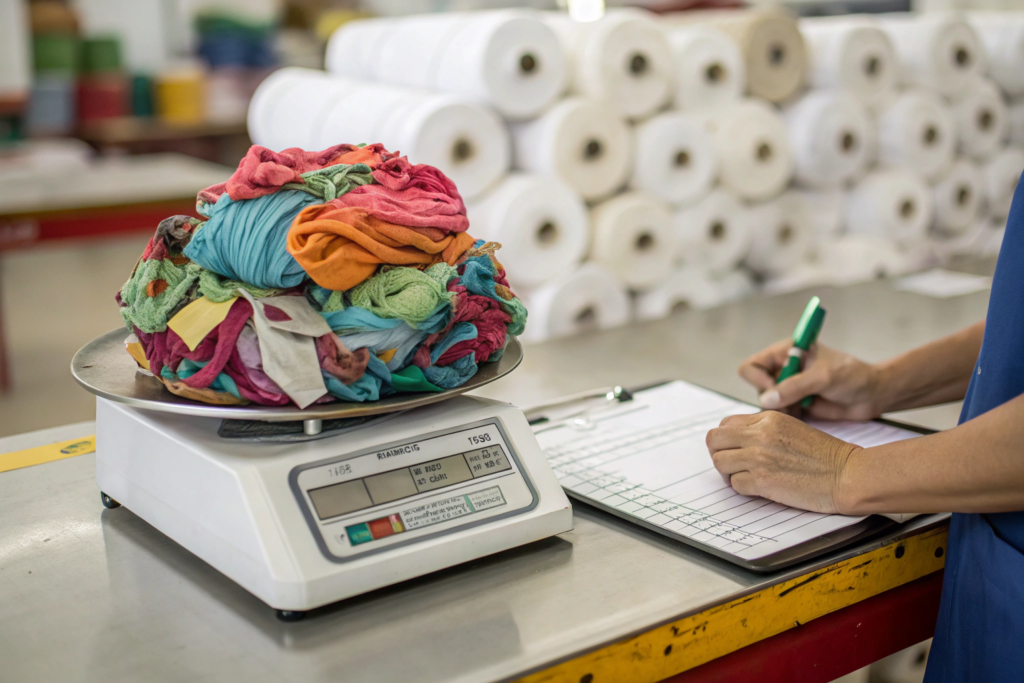
How Does Scrap Management Directly Impact My Product Cost?
Let us look at the math. This is something I review with my production managers every Friday. We order fabric for woven belts and caps. We order yarn for knit beanies and scarves. The price we pay per kilogram or per yard is fixed by the market.
If we cut 1,000 baseball caps from a roll of cotton twill and we waste 25 percent of the fabric due to poor pattern layout, that 25 percent is added to the cost of the 1,000 caps we sell. The customer pays for the waste. It is that simple. But if we use advanced marker making software to optimize the pattern layout, we can reduce that waste to 12 percent. Suddenly, the cost per cap drops.
The same principle applies to yarn. When knitting a scarf, there is always yarn waste at the beginning and end of the cone. This is called yarn remnants or sweater waste. A careless factory throws these remnants in the trash. A smart factory like ours collects them by fiber type. Acrylic remnants go in one bin. Wool blend remnants go in another. These sorted remnants have resale value. They are sold to fiber recycling companies who shred them and spin them back into coarse yarn for industrial uses like carpet backing or moving blankets.
The revenue from selling sorted scrap offsets our raw material cost. That offset allows us to keep our FOB prices steady even when cotton prices fluctuate. When you are negotiating with a supplier, ask them what they do with their cutting waste. If they look confused, you are talking to a factory that is bleeding money and will eventually try to pass that loss on to you.
What Environmental Regulations Are Driving This Change?
The world is changing. You see it in the US with new labeling laws. Europe is even stricter. The EU Strategy for Sustainable and Circular Textiles is pushing for mandatory recycled content in products sold within the European Union. Even if you only sell in America, the ripple effects hit the supply chain in China.
Chinese provincial governments, especially here in Zhejiang, are enforcing stricter environmental audits. They are shutting down factories that dump textile waste illegally or burn scraps in the open air. We have invested heavily in our wastewater treatment for dyeing processes and our solid waste management for fabric scraps. This is not optional for a factory that wants to stay open for the next ten years.
For you as a buyer, this matters for two reasons:
- Supply Chain Stability: You do not want your production halted because your factory gets shut down for an environmental violation. A factory that manages scrap responsibly is a factory that is compliant with local laws. It is a factory that will be there for you next season.
- Brand Compliance: Major US retailers like Target and Walmart now require suppliers to complete Higg Index assessments or similar sustainability scorecards. They ask about waste diversion rates. If you want to sell to these big accounts, you need a factory that can provide data on how much scrap is recycled versus landfilled.
We track this data. We can tell you exactly how many kilograms of cotton scrap we sent for recycling versus how many kilograms of finished goods we shipped. That data is gold for your sustainability report.
How Can We Effectively Sort And Collect Different Types Of Scrap?
You cannot recycle a pile of mixed garbage. That is the first rule. If you throw cotton scraps, polyester thread, and metal belt buckles all into the same black bag, you have created landfill waste. No recycler will touch it. The key to successful scrap recycling is separation at the source. This requires training, discipline, and a factory layout that makes sorting easy for the workers.
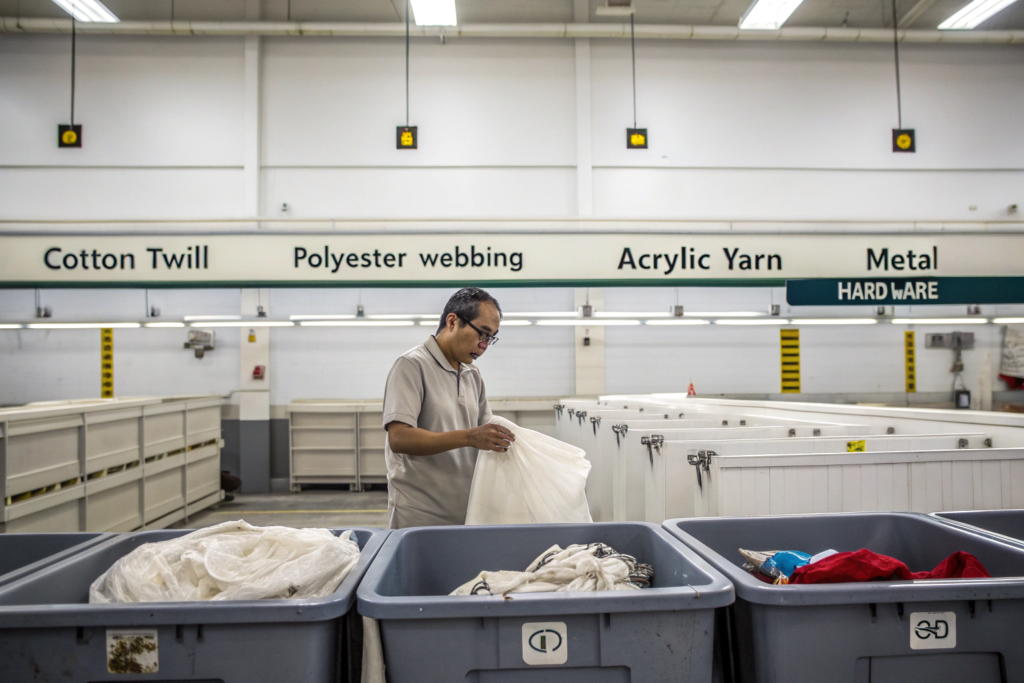
Effective scrap sorting in an accessories factory relies on a color-coded bin system placed directly at each cutting table and knitting machine station. Workers are trained to separate natural fibers like cotton and wool from synthetic fibers like polyester and acrylic. Hardware components like metal D-rings and plastic snaps are collected separately due to their higher material recovery value. This simple but disciplined approach transforms a cost center into a potential revenue stream.
What Are The Main Categories For Textile Scrap Segregation?
In our factory in Zhejiang, we do not have one "trash can." We have a recycling station with multiple streams. Here is how we break it down. This is the system I would recommend any factory adopt:
| Waste Stream | Material Examples | End Destination |
|---|---|---|
| Natural Fibers | Cotton twill from caps, linen from shawls, wool from scarves | Shredded for industrial rags, insulation, or paper pulp |
| Synthetic Fibers | Polyester belt webbing, acrylic yarn ends, nylon hair bands | Melted down and pelletized for new plastic products or downcycled filling |
| Metal Hardware | Steel buckles, brass rivets, iron D-rings, zipper teeth | Sold to scrap metal dealers for smelting and reuse |
| Mixed/Contaminated | Glued items, laminated fabrics, very small dusty fibers | Energy recovery (if permitted) or, as last resort, landfill |
The value is in the purity of the stream. A bale of 100 percent cotton scrap is worth significantly more than a bale of "mixed rags." This is why we train our cutting room staff to sweep the cotton table separately from the polyester table. It takes an extra thirty seconds per shift. But over a month, it yields tons of sorted material.
For knit items, we have bins under each circular knitting machine to catch yarn breaks and cone ends. Because each machine is set up for a specific yarn type, the waste is already pure. We simply bag it and label it "100% Acrylic Multicolor" or "Merino Wool Blend." This labeling is critical for the recycler.
How Do You Handle Hardware And Trim Waste Efficiently?
Hardware is a different challenge. Belt buckles, metal tips on drawstrings, and metal hair clips are heavy. They do not mix well with fluffy fabric scraps. If a metal buckle gets into a bale of cotton fabric, it can damage the shredding machinery at the recycling plant. The recycler will either reject the bale or pay a much lower price for "contaminated" material.
Our solution is simple but effective: Magnetic Sweepers and Dedicated Bins. After a run of belts, the floor is swept with a large magnetic roller. This picks up any dropped screws, rivets, or steel buckles. These are collected in a steel bin.
We also have a process for overstock hardware. Sometimes a buyer cancels an order after we have already purchased the custom logo buckles. In the past, these would sit on a shelf for years or get tossed. Now, we work with metal recyclers who accept plated metals. Even if the buckle has a custom logo, the base metal (usually zinc alloy or iron) has value. The recycler melts it down.
For plastic components like side release buckles on bags or adjusters on caps, we collect them separately. These are typically made of POM (Polyoxymethylene) or Nylon. While harder to recycle than pure PET bottles, there are specialized plastic compounders who will take clean, sorted industrial plastic waste and grind it into pellets for injection molding of non-critical parts.
What Innovative Ways Exist To Upcycle Fabric Offcuts And Yarn Ends?
Recycling is great. It keeps material out of the landfill. But upcycling is better. Upcycling means taking the waste and turning it into a product of higher value. This is where the creative side of our design team at AceAccessory shines. We do not just see a bin of scrap. We see potential new products that can generate extra revenue for our clients and for our factory.
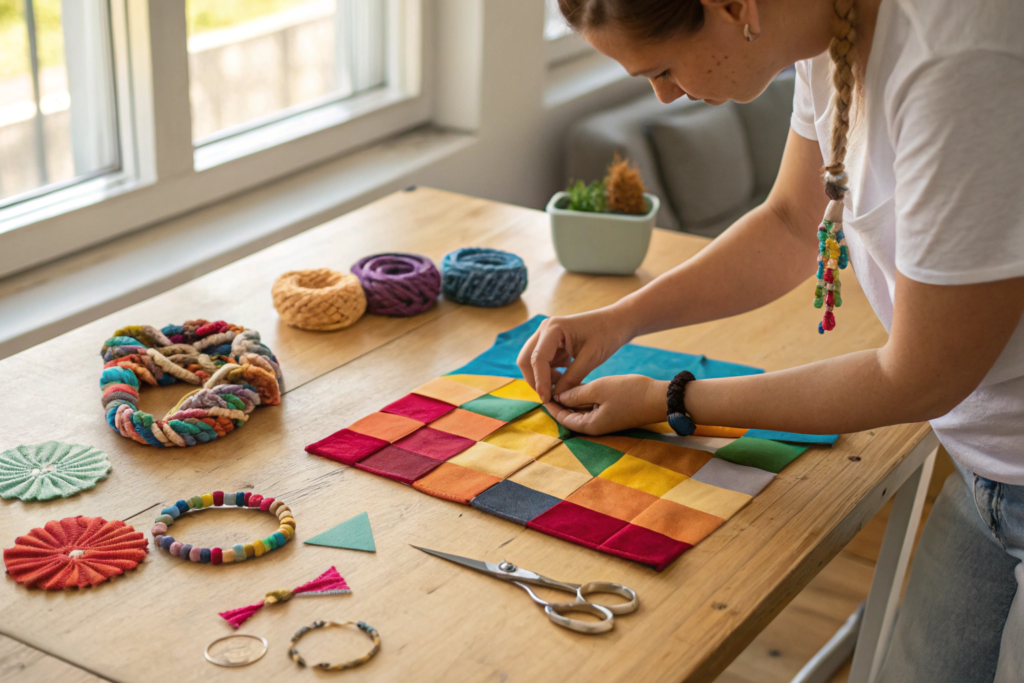
Upcycling fabric offcuts and yarn ends in an accessories factory can create new product lines with minimal raw material cost. By developing small accessory items like patchwork hair bands, braided scrap yarn keychains, or mixed-material scrunchies, factories can achieve near-zero waste status. This not only reduces disposal costs but also provides a unique selling proposition for eco-conscious brands looking for sustainable product stories.
Can Scrap Yarn Create New Revenue Streams With Zero Material Cost?
This is one of my favorite topics. We produce thousands of knit beanies and scarves every month. At the end of each production run, we have dozens of partially used yarn cones. The cone still has yarn on it, but not enough to run another full batch of 500 beanies.
In a less organized factory, that yarn gets tangled, dirty, and thrown away. Here, we save it. We have a dedicated Upcycling Station in the sample room. Our junior designers and interns use this yarn to create:
- Braided Headbands: Using three strands of different colored yarn braided together.
- Tassel Keychains: Small colorful tassels made from scrap yarn attached to a metal split ring.
- Mixed Yarn Beanies: Creating a "scrap beanie" where the hat is striped with random colors from leftover cones. This creates a unique, one-of-a-kind look.
These items cost us almost nothing in raw materials. The yarn is already paid for by the main production order. The only cost is labor. And because these are simple, low-skill items, the labor cost is minimal.
For our clients, this is a huge opportunity. We can offer these eco-friendly add-on items at a very attractive price. Imagine you sell a main line of solid color beanies for $24.99. You can add a "Limited Edition Upcycled Scarf Scrunchy" for $8.99. Your margin on that scrunchy is fantastic. And you get to market it as a zero-waste product. This kind of story resonates deeply with US consumers who follow brands on Instagram and TikTok. It is authentic content that builds brand loyalty.
How Can Fabric Selvedge And Cutting Scraps Be Repurposed?
Woven production creates different kinds of waste. When we cut baseball caps or belts from rolls of fabric, we are left with two main types of scrap:
- Selvedge: The tightly woven edge of the fabric roll. It is often stiffer and has a different texture.
- Cutting Offcuts: The oddly shaped pieces between pattern pieces on the cutting table.
Instead of bagging this for low-value shredding, we look for ways to use the material in its current form. Fabric is more valuable as fabric than as shredded fiber.
One successful project we developed was Patchwork Hair Bands. We take the larger offcuts from cotton cap production and cut them into small rectangles or triangles. Then we sew these pieces together onto an elastic base to create a colorful, textured hair band. This is a premium-looking accessory that uses only waste material.
Another use is for Belt Keepers or Key Fobs. Small strips of fabric selvedge are perfect for making loops and small straps. The selvedge edge is already finished, so it requires less sewing.
We also partner with local artisans and schools. We donate bags of clean, sorted fabric scraps to community centers where they are used for quilting or children’s art projects. This is not a direct revenue stream for the factory, but it builds goodwill in our local community and provides a tax benefit. It is also a story we can share with our clients. It shows that we are a responsible corporate citizen.
What Role Does Technology Play In Reducing Pre-Consumer Waste?
The best way to recycle scrap is to never create it in the first place. This is the principle of waste prevention. Before we talk about bins and sorting, we need to talk about the design and cutting process. This is where technology makes the biggest impact. A factory that still cuts fabric using paper patterns and manual scissors will always waste more material than a factory using digital tools.
Technology-driven waste reduction in accessories manufacturing centers on Computer-Aided Design (CAD) software for pattern making and automated cutting machines. These tools optimize the placement of pattern pieces on the fabric to maximize material utilization. For knitwear, digital knitting machines allow for whole-garment production, which creates the final shape directly from yarn, eliminating cutting waste from the sewing process altogether.
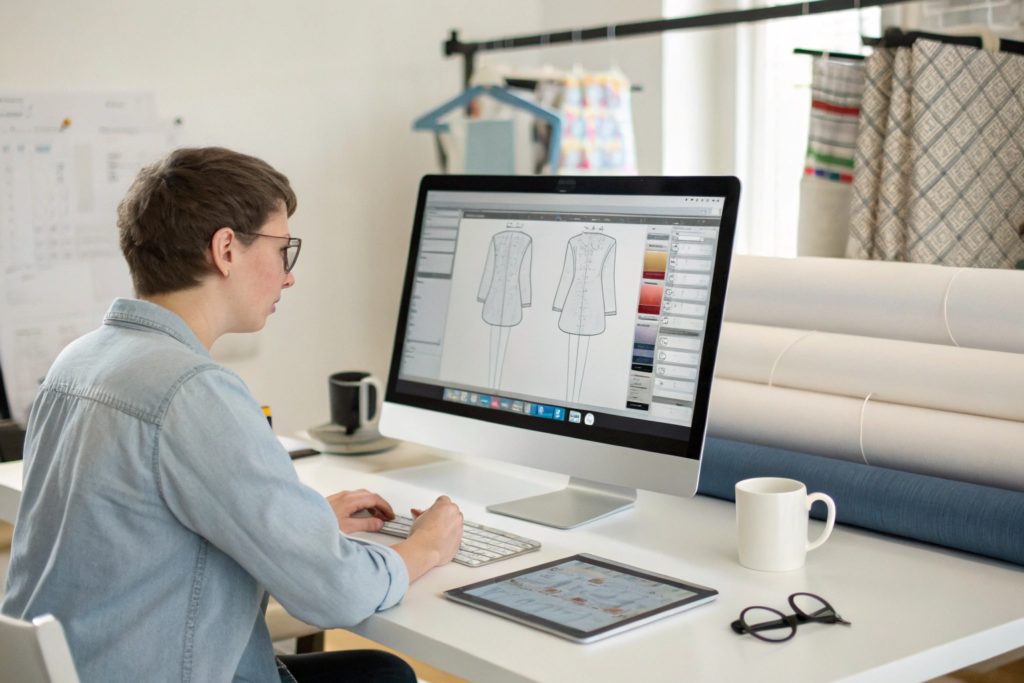
How Does CAD Marker Making Minimize Fabric Waste?
When we receive an order for 2,000 woven baseball caps, the first step is not cutting fabric. The first step is Marker Making. This is the process of arranging the pattern pieces (the crown, the brim, the sweatband) onto a digital representation of the fabric roll.
In the old days, a skilled cutter would do this by eye. They would place paper patterns on the fabric and chalk around them. It was an art, but it was inefficient. A human eye cannot calculate the optimal nesting of hundreds of curved shapes.
Today, we use software like Gerber Technology or Optitex. The designer inputs the pattern shapes and the width of the fabric. The software uses algorithms to pack the pieces as tightly as possible. It can rotate pieces by fractions of a degree to save millimeters of space. Over the course of a 100-yard roll of fabric, those millimeters add up to yards of saved material.
Here is a real-world example from our floor:
- Manual Marker Efficiency: 80% – 82% utilization.
- CAD Marker Efficiency: 88% – 92% utilization.
That 10 percent difference is massive. On an order of 5,000 caps, that is the equivalent of saving 500 caps worth of fabric. That fabric never gets cut. It never becomes scrap. It stays on the roll for the next order. This is pure cost savings and pure environmental benefit.
Once the marker is perfect, we send the file to the automated cutting machine. This machine uses a vacuum to hold the fabric layers down and a high-speed knife to cut precisely along the digital lines. There is no human error. There is no "drift" in the cut. The pieces are perfect. And the waste is minimized to the absolute theoretical limit of the pattern shapes.
Can 3D Knitting Technology Eliminate Cut-And-Sew Waste?
This is the frontier of knit accessories. Traditional knitwear production involves knitting large panels of fabric, then cutting those panels into shapes, and then sewing those shapes together. This is how most cheap sweaters and beanies are made. It is fast, but it creates cutting waste. You end up with odd-shaped scraps of knitted fabric that are difficult to unravel and reuse.
The alternative is 3D knitting technology or whole-garment knitting. These are advanced machines made by companies like Shima Seiki in Japan. Instead of knitting a flat sheet of fabric, these machines knit the exact 3D shape of the final product.
Imagine a beanie. A traditional machine makes a tube. You cut the top and sew it shut. A 3D knitting machine makes a finished beanie with a closed crown directly from the yarn. There is no cutting. There is no sewing. There is zero fabric waste from the knitting process.
The only waste is the small tail of yarn at the beginning and end of the production cycle. This is a tiny fraction of traditional cut-and-sew waste.
We have been investing in this technology for specific product categories like high-end beanies and seamless gloves. The initial investment in the machinery is high. But the long-term savings on material and labor are significant. More importantly, it allows us to offer our clients a truly zero-waste knit product.
This is a powerful marketing claim. You can tell your customers that the beanie they are wearing produced almost no landfill waste during manufacturing. In a world where consumers are increasingly aware of textile waste in landfills, this is a compelling reason to choose your brand over a competitor.
Conclusion
Managing scrap material in accessories production is not a side project. It is a core part of running a modern, competitive factory. It touches everything from your cost structure to your environmental compliance and your brand story. A factory that ignores its waste is a factory that is losing money and taking unnecessary risks with regulatory agencies.
At Shanghai Fumao, we have built our systems around the idea that every scrap of fabric and every inch of yarn has value. Whether it is sold to a fiber recycler, upcycled into a new product, or prevented entirely through smart technology, we track it and manage it. This discipline keeps our factory clean and our pricing fair. It also gives our clients confidence that they are partnering with a forward-thinking manufacturer.
If you are a buyer for a US or European brand, I encourage you to ask your suppliers about their scrap recycling practices. Ask to see their waste logs. Ask about their marker making efficiency. Their answers will tell you a lot about how they run their business.
If you want to work with a factory that takes sustainability and efficiency seriously, I invite you to connect with us at AceAccessory. We can help you develop products that not only look good on the shelf but also come with a responsible production story. For a detailed discussion about your next accessories project or to learn more about our sustainable manufacturing practices, please reach out to our Business Director directly. You can contact Elaine by email at elaine@fumaoclothing.com. Let us build something great together while respecting the resources we use.