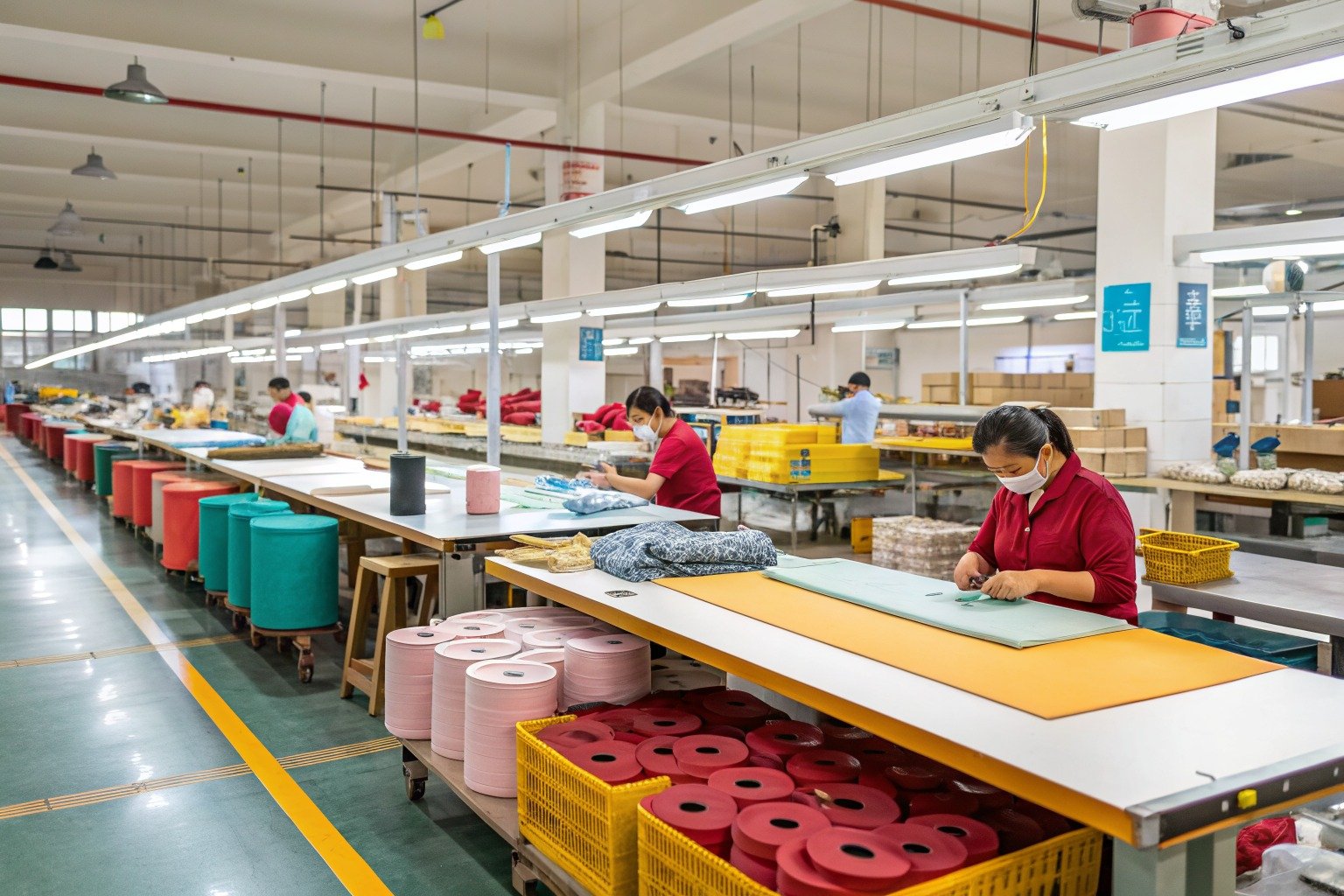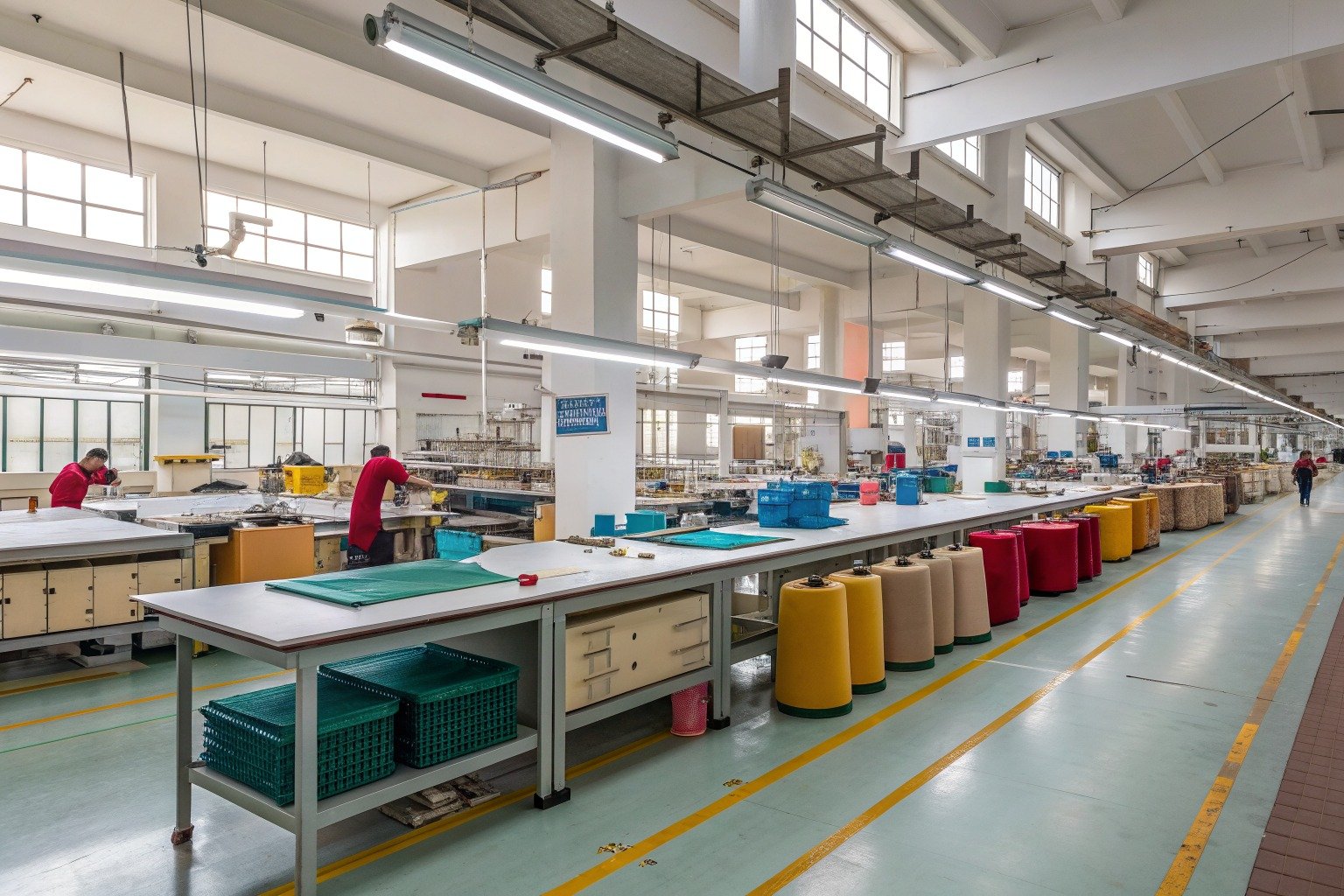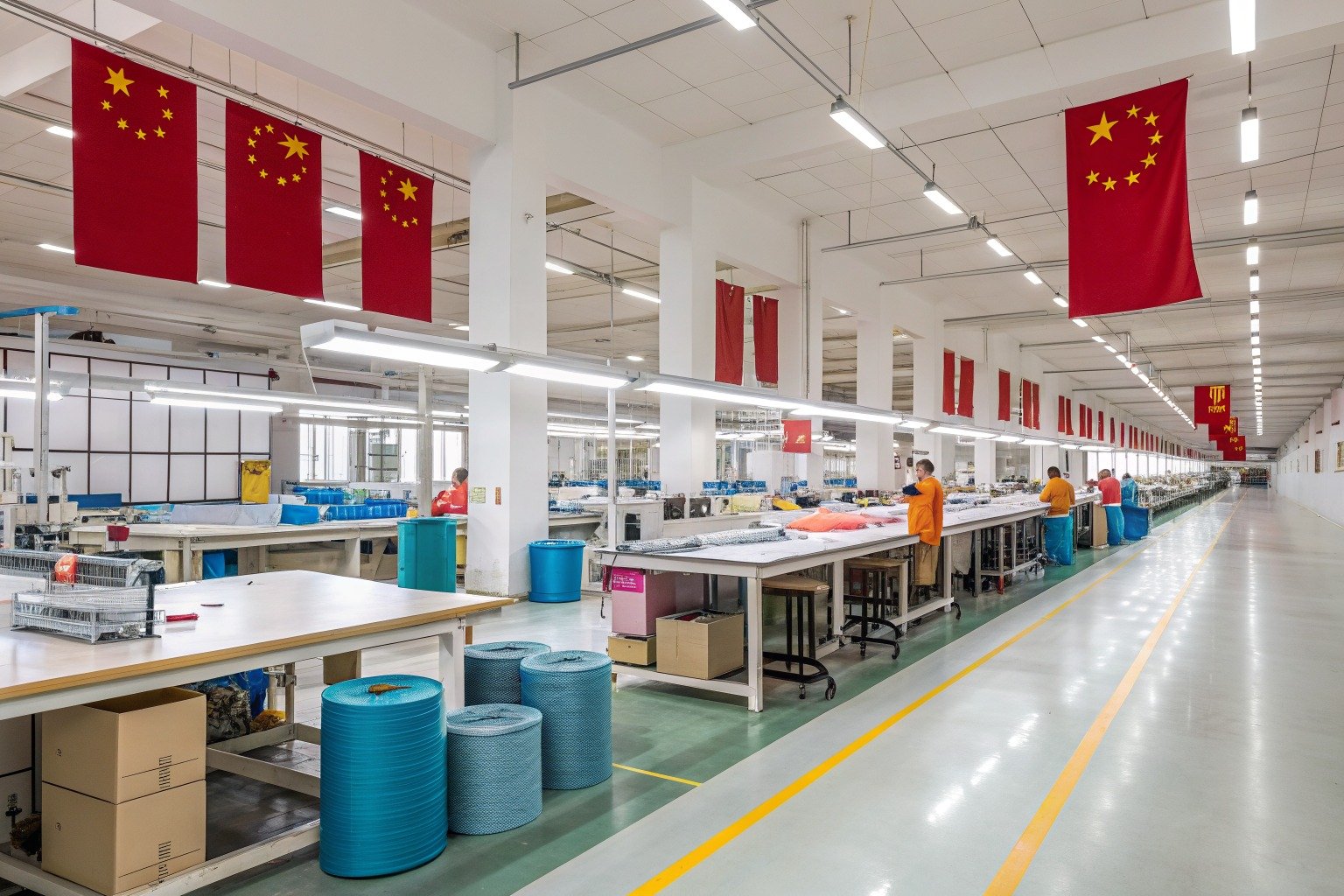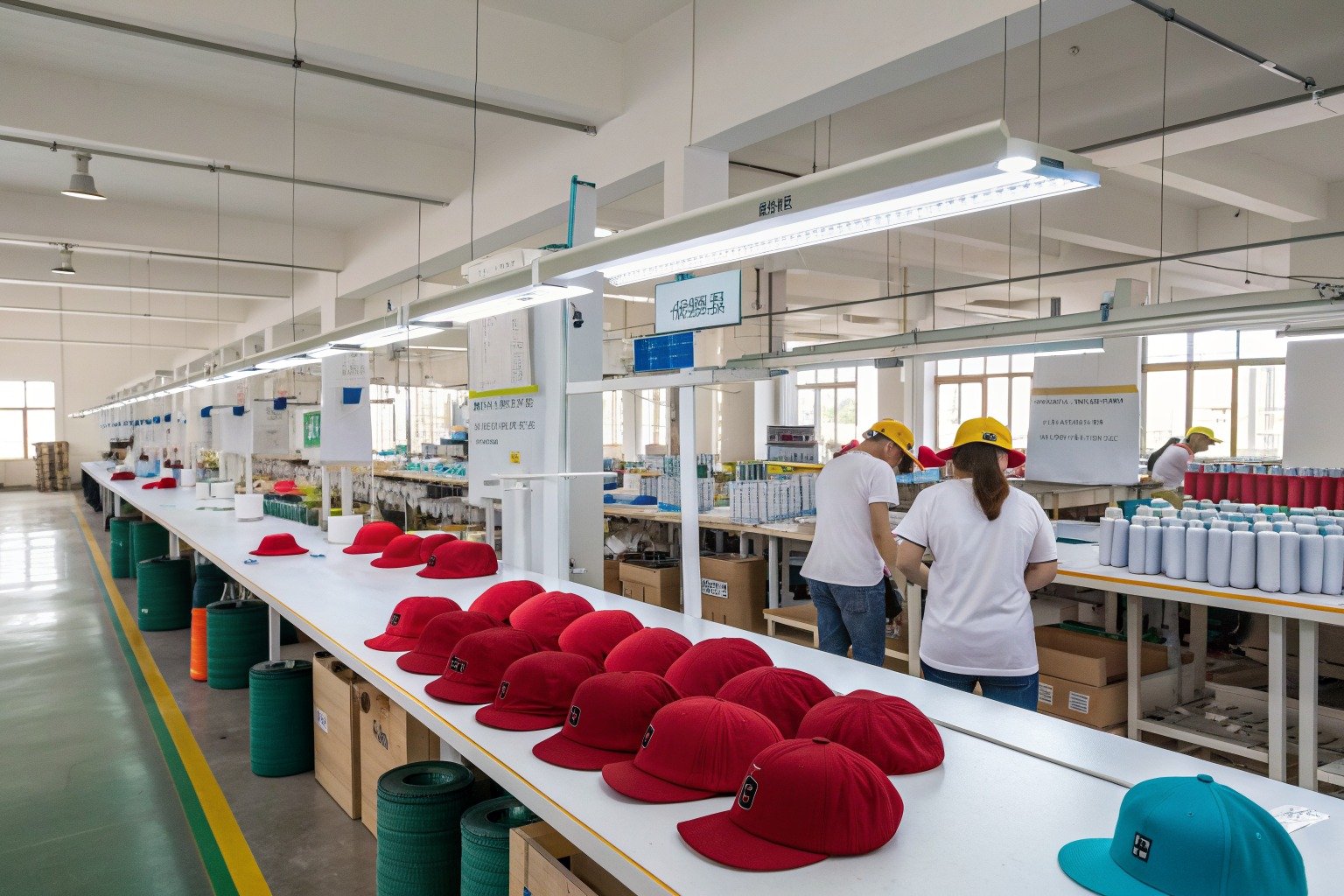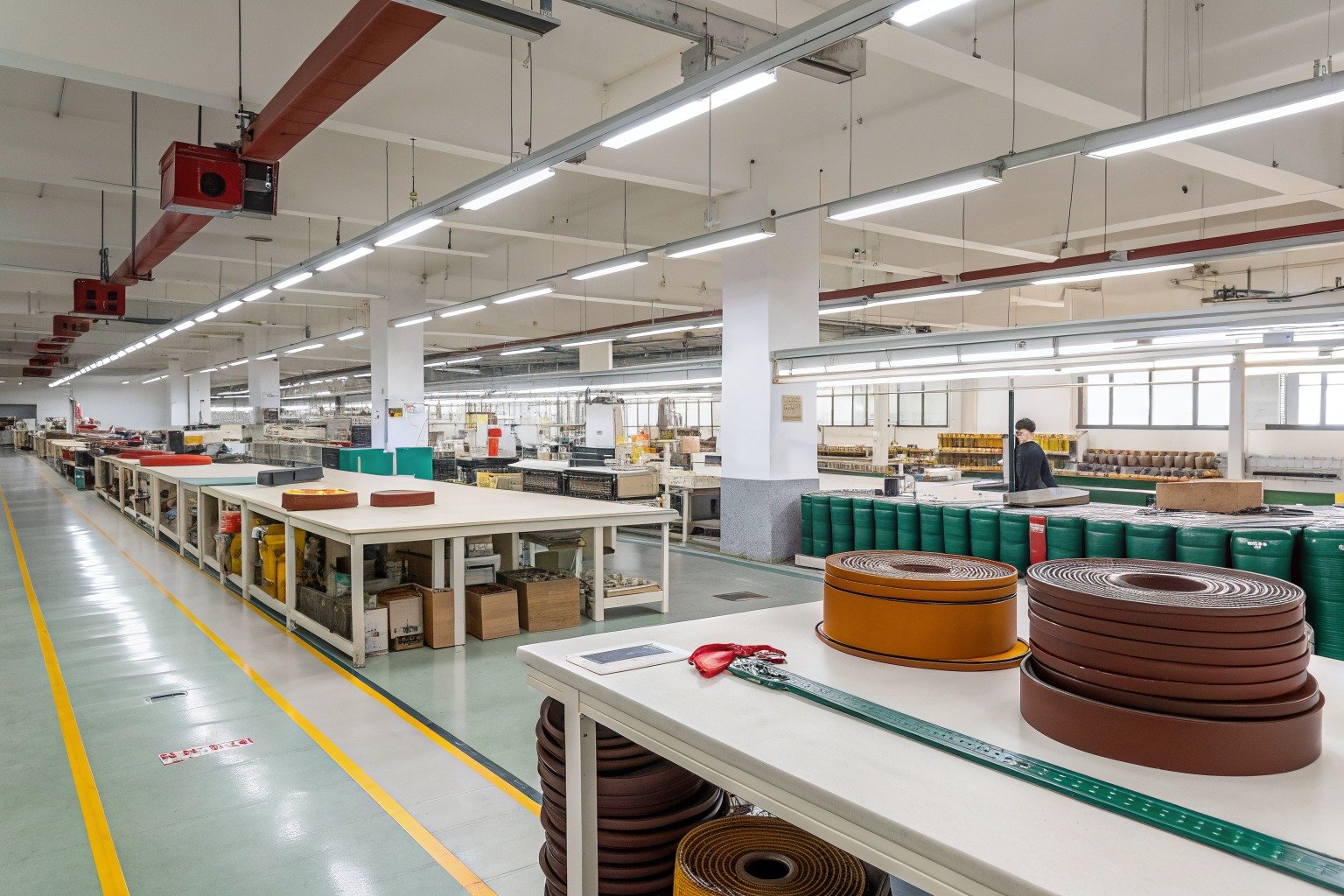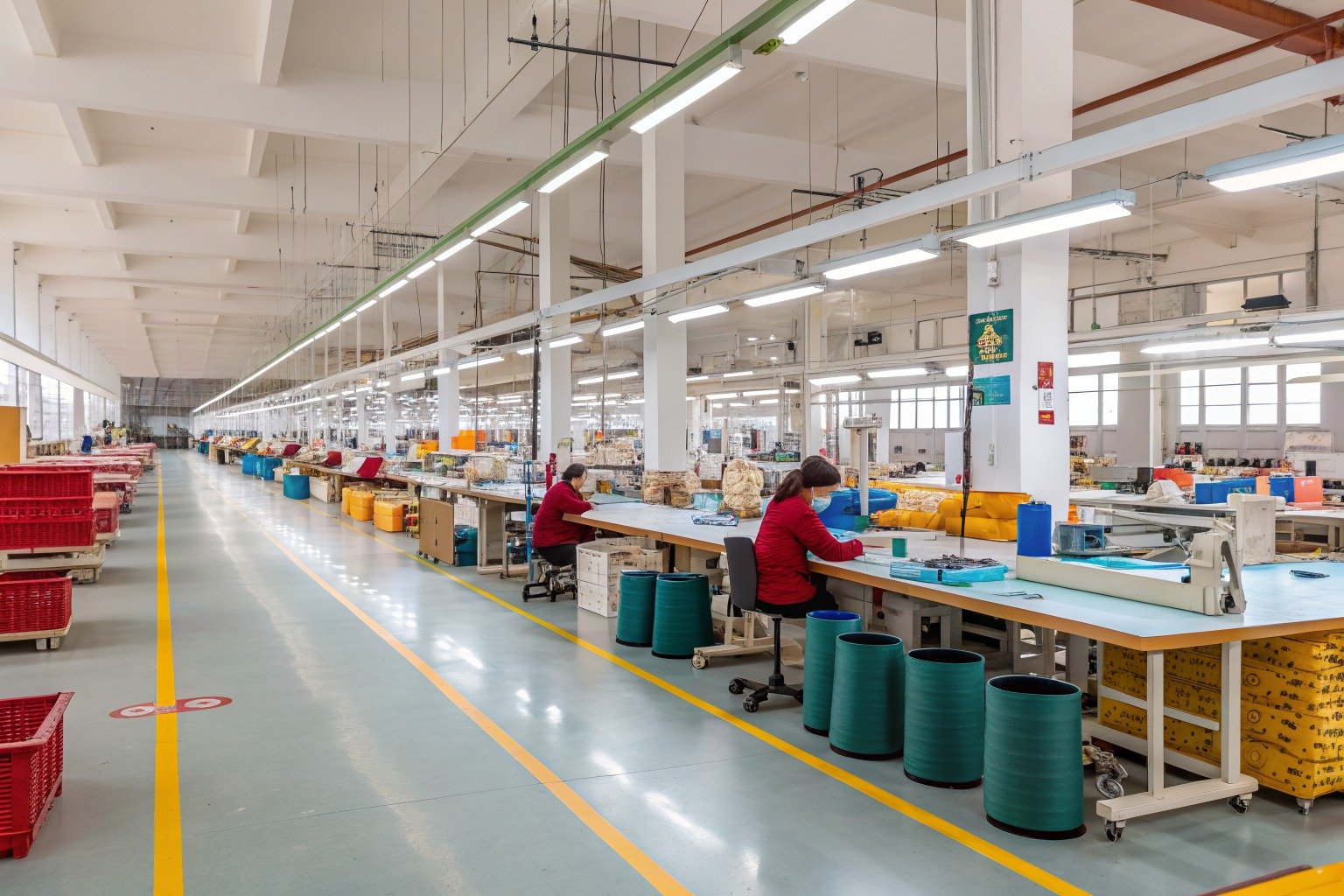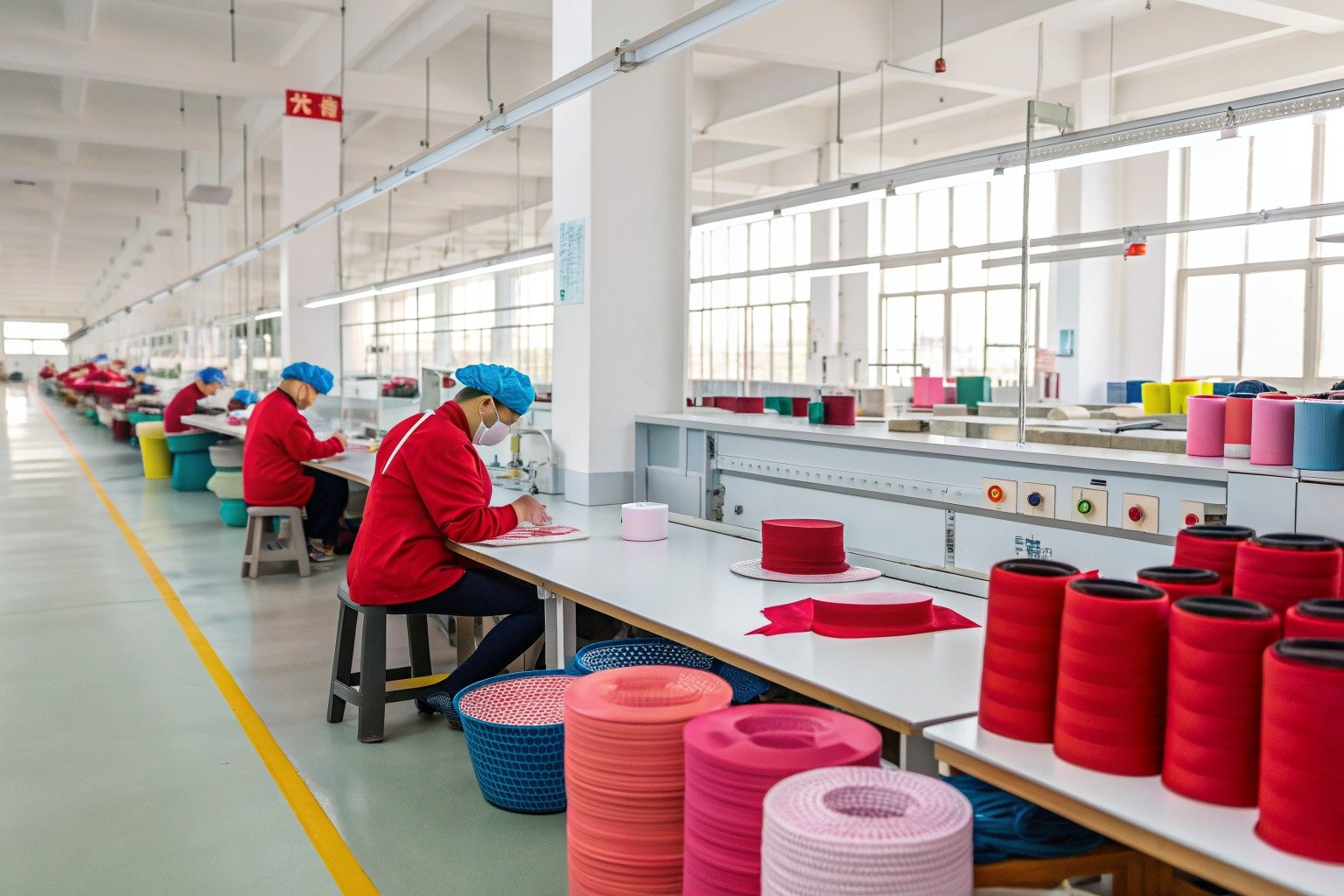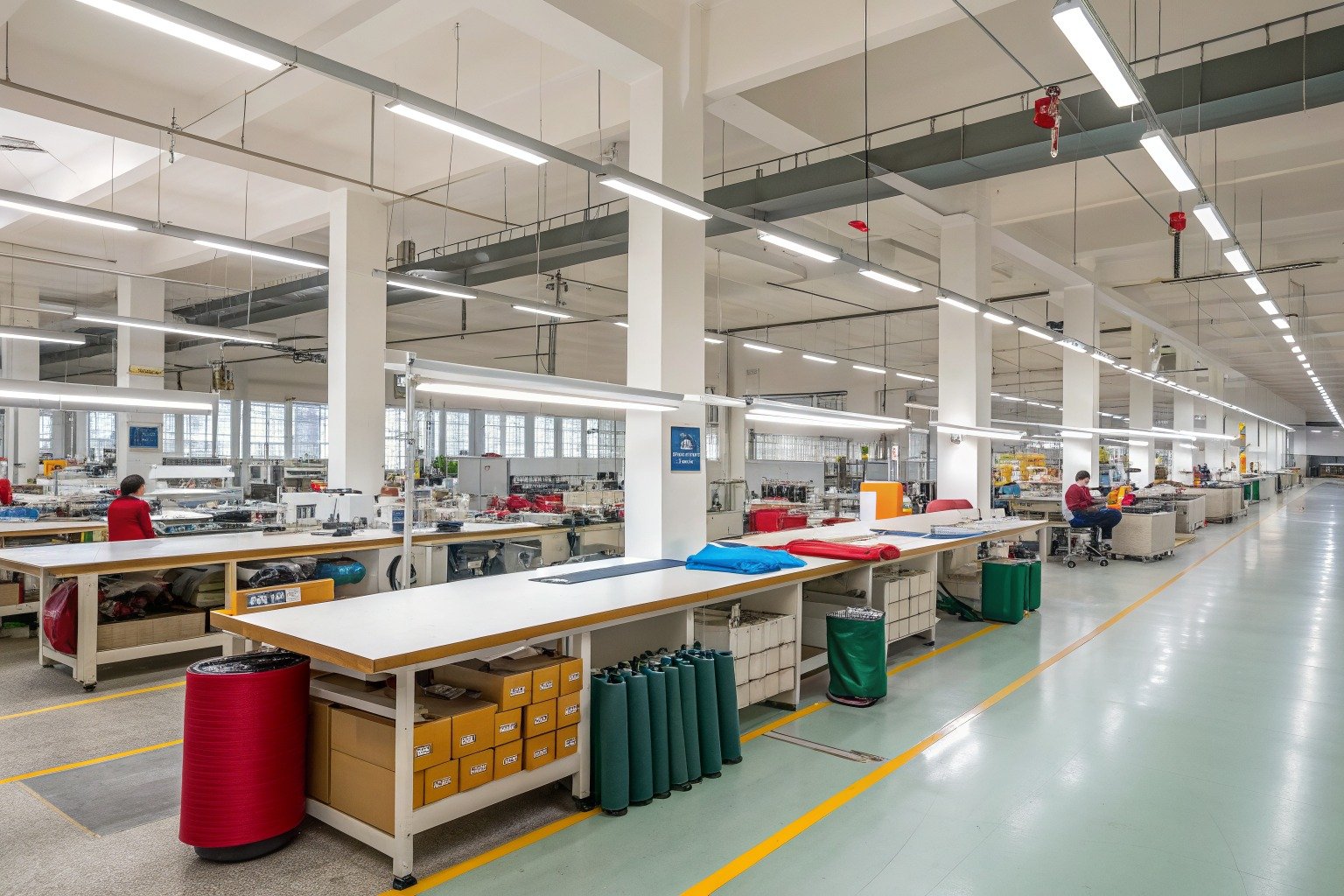
I have been manufacturing accessories for over 15 years. For the first half of that time, I relied on trade shows and referrals. Then I discovered LinkedIn. I remember a client who found me through LinkedIn. He was an importer from Europe. He saw my posts about manufacturing. He saw my connections. He sent me a message. We started a conversation. He became a long-term client. That experience taught me that LinkedIn is not just for job seekers. It is for B2B networking. It is a tool for building relationships. Today, I want to share what I have learned about using LinkedIn for B2B networking in the accessory industry.
Using LinkedIn for B2B networking in the accessory industry involves optimizing your profile, building a targeted network, sharing valuable content, engaging with others, and leveraging LinkedIn’s tools for lead generation. Your profile is your digital storefront. It should clearly state what you do and who you serve. Your network should include buyers, importers, designers, and industry influencers. Your content should demonstrate your expertise. Share manufacturing insights, trend analysis, and case studies. Engage with others by commenting on their posts. Send personalized connection requests. Use LinkedIn Sales Navigator to find and target specific buyers. Consistent, authentic engagement builds trust and leads to business opportunities.
You might be thinking, "I have a LinkedIn profile. I have some connections. I do not see results." The problem is that LinkedIn is not a passive platform. You cannot just create a profile and wait. You need to be active. You need to engage. You need to provide value. At Shanghai Fumao, we have used LinkedIn to connect with clients worldwide. We have learned what works. Let me walk you through the steps.
How Do You Optimize Your LinkedIn Profile for B2B Networking?
Your LinkedIn profile is your first impression. It is what buyers see when they search for you. If your profile is incomplete or unprofessional, they will move on. I have seen profiles with no photo. I have seen headlines that say "CEO at Company." That tells me nothing. An optimized profile tells a story.
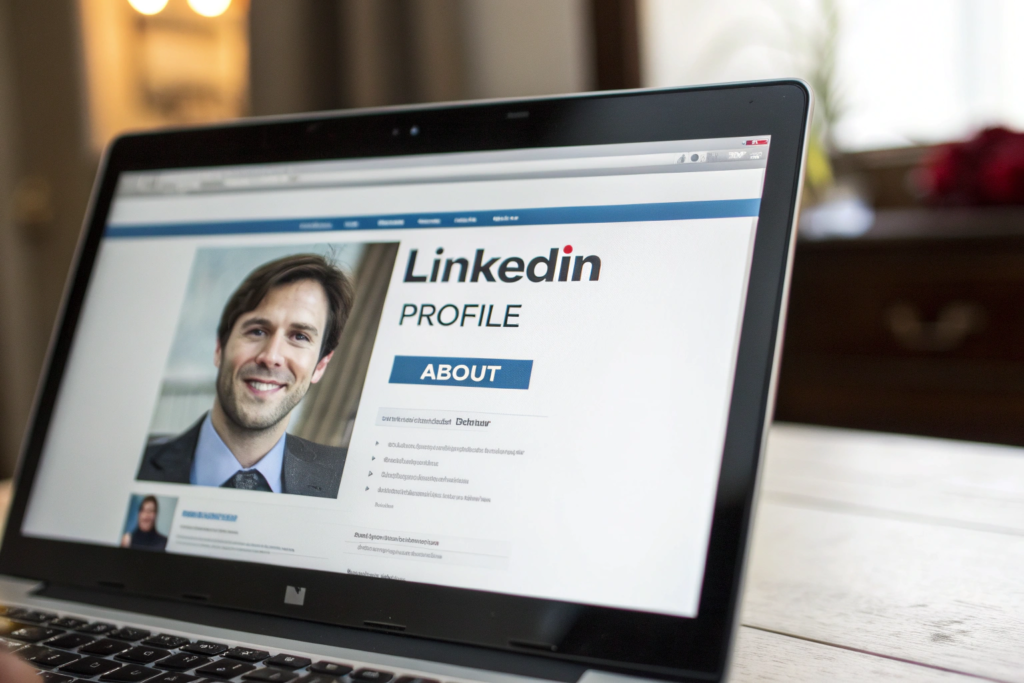
To optimize your LinkedIn profile for B2B networking, you need a professional photo, a compelling headline, a detailed About section, and a showcase of your expertise. Your photo should be a professional headshot. No selfies. Your headline should clearly state what you do and who you serve. For example: "Accessory Manufacturer | Custom Hair Clips, Belts & Scarves | Partner to Brands and Retailers." Your About section should tell your story. Who are you? What do you make? Who do you work with? What makes you different? Use keywords that buyers search for. Include your experience, your capabilities, and your values. This is your digital storefront.
I want to share my own headline. It says: "Accessory Manufacturer | Custom Hair Clips, Belts, Scarves, Hats | Partner to Brands, Retailers, and Importers." When someone searches for "accessory manufacturer," they find me. They know what I do. They know who I serve. This clarity is essential.
What Should Your Headline Say?
Your headline should include your role and your target customer. "Accessory Manufacturer" is good. "Accessory Manufacturer for Brands and Retailers" is better. "Custom Hair Clip Manufacturer | Private Label for Boutiques" is even better. Use keywords. Your headline appears in search results. Make it clear. Make it compelling. We have a headline guide for accessory professionals.
What Should You Include in Your About Section?
Your About section should tell your story. Start with who you are. "I have been manufacturing accessories for 15 years." Then what you do. "We make custom hair clips, belts, scarves, and hats." Then who you serve. "We partner with brands, retailers, and importers." Then what makes you different. "We offer low MOQs, fast sampling, and REACH compliance." End with a call to action. "Contact me to discuss your next accessory project." Use bullet points for readability. This About section template is a good start.
How Do You Build a Targeted Network?
A large network is not enough. You need the right network. A thousand connections in unrelated industries will not help you. One hundred connections with accessory buyers will. I have learned to be strategic about who I connect with.
To build a targeted network, identify the people you want to connect with. These include accessory buyers, importers, brand owners, designers, and retail buyers. Use LinkedIn’s search filters. Search by title: "Accessory Buyer," "Sourcing Manager," "Product Developer." Search by industry: "Apparel & Fashion," "Retail." Search by location if you target specific regions. When you find someone, review their profile. If they are relevant, send a personalized connection request. Do not use the default message. Explain why you want to connect. "I saw your profile. I manufacture accessories. I would like to connect." Over time, your network will become a curated list of potential clients and partners.
I want to share a story. I searched for "accessory buyer" and filtered by "Apparel & Fashion." I found a buyer at a major retailer. I sent a personalized request. She accepted. We exchanged messages. Months later, she needed a new supplier. She remembered me. We started a business relationship. That one connection was worth more than 1,000 random connections.
Who Should You Connect With?
Connect with accessory buyers, sourcing managers, product developers, brand owners, retail buyers, and importers. Also connect with industry influencers, trade show organizers, and complementary suppliers. They can introduce you to others. Avoid connecting with people outside your industry. They will not help your business. We have a target audience guide for accessory professionals.
How Do You Send Personalized Connection Requests?
A personalized request is essential, for it breathes life into the connection and signals genuine interest. The default message, a generic whisper of ‘I’d like to add you to my professional network,’ hangs in the air like a half-hearted sigh—it is lazy, impersonal, and all too easy to dismiss as just another automated outreach. Instead, weave a thread of specificity into your words. Mention a recent article they penned that sparked your curiosity, a project they led that you admire, or a shared connection that bridges your worlds. For example, ‘I recently read your insightful piece on sustainable urban design, and I was particularly captivated by your perspective on integrating green spaces into high-density neighborhoods.
How Do You Share Valuable Content?
Content is how you demonstrate your expertise. It is how you stay top of mind. I have seen manufacturers who post only product photos. That is not enough. Buyers want to know that you understand their business. They want to see that you are a thought leader.
To share valuable content, post about topics that matter to your target audience. Share manufacturing insights. "How we ensure quality control in hair clip production." Share trend analysis. "The top hair clip trends for 2026." Share case studies. "How we helped a brand launch a custom belt line." Share behind-the-scenes photos. "Our factory team working on a rush order." Share industry news. "New REACH regulations for accessories." Your content should educate, inform, and engage. It should show that you are an expert. Post consistently. Once or twice a week is enough. Use images and videos. Visual content gets more engagement.
I want to share a post that worked well for me. I wrote about how we test for REACH compliance. I included photos of our testing equipment. I explained the process. The post got many comments. Buyers appreciated the transparency. They saw us as experts. A few reached out with inquiries.
What Topics Should You Post About?
Post about manufacturing processes. "How we make custom belts." Post about quality control. "How we test for durability." Post about trends. "The hottest colors for fall scarves." Post about sustainability. "How we use recycled materials." Post about your team. "Meet our head designer." Post about your values. "Why we prioritize ethical sourcing." The goal is to show your expertise and your values. We have a content calendar for accessory professionals.
How Do You Use Images and Videos?
Images and videos get more engagement. Post photos of your factory. Post videos of your production line. Post photos of finished products. Post videos of quality control tests. Make sure the visuals are high quality. Blurry photos do not build trust. Show your team. Show your process. Show your products. This visual content makes your profile come alive.
How Do You Engage with Others?
LinkedIn is a social network. It is not a broadcasting platform. You need to engage with others. Comment on their posts. Share their content. Congratulate them on achievements. I have seen manufacturers who only post. They do not engage. They miss opportunities.
To engage with others, comment on posts from your network and from industry influencers. Do not just say "Great post!" Add value. Share your perspective. "We have seen similar trends in our factory. The demand for velvet bows is up 50% this year." Ask questions. "How are you sourcing sustainable materials?" Share your own experiences. "We switched to recycled polyester last year. It has been a hit with our clients." Engage consistently. A few minutes each day is enough. This engagement builds relationships. It keeps you visible. It shows that you are active and interested.
I want to share a story about engagement. I commented on a post from an accessory buyer. She was asking about sustainable packaging. I shared what we do. She thanked me. We connected. Later, she reached out for a quote. The engagement led to a new client.

How Do You Comment Effectively?
Read the post carefully. Understand what it is about. Add a new perspective. Share your experience. Ask a question. Be respectful. Do not sell. The goal is to add value. If you add value, people will notice. They will visit your profile. They will reach out. This commenting guide is helpful.
How Do You Share Others’ Content?
Sharing others’ content is a form of engagement. When you share, add your own perspective. "Great article on sustainable materials. We have been using recycled polyester for years." This shows that you are reading. It shows that you are engaged. It also gives value to your network. Sharing is a way to build relationships.
Conclusion
LinkedIn is an essential tool for B2B networking in the accessory industry. It allows you to connect with buyers, importers, and brand owners. It allows you to demonstrate your expertise. It allows you to build relationships.
The steps are clear. Optimize your profile. Build a targeted network. Share valuable content. Engage with others. Use Sales Navigator for advanced targeting. Be consistent. Be authentic.
At Shanghai Fumao, we have used LinkedIn to grow our business. We have connected with clients worldwide. We have built a reputation as experts. We are committed to using LinkedIn as a tool for connection and growth.
Your business can benefit from LinkedIn. Start today. Optimize your profile. Connect with one new buyer. Share one post. Engage with one comment. Build your network. The opportunities are there. Please contact our Business Director, Elaine, at elaine@fumaoclothing.com to discuss your accessory manufacturing needs. Connect with us on LinkedIn to see how we use the platform for B2B networking.