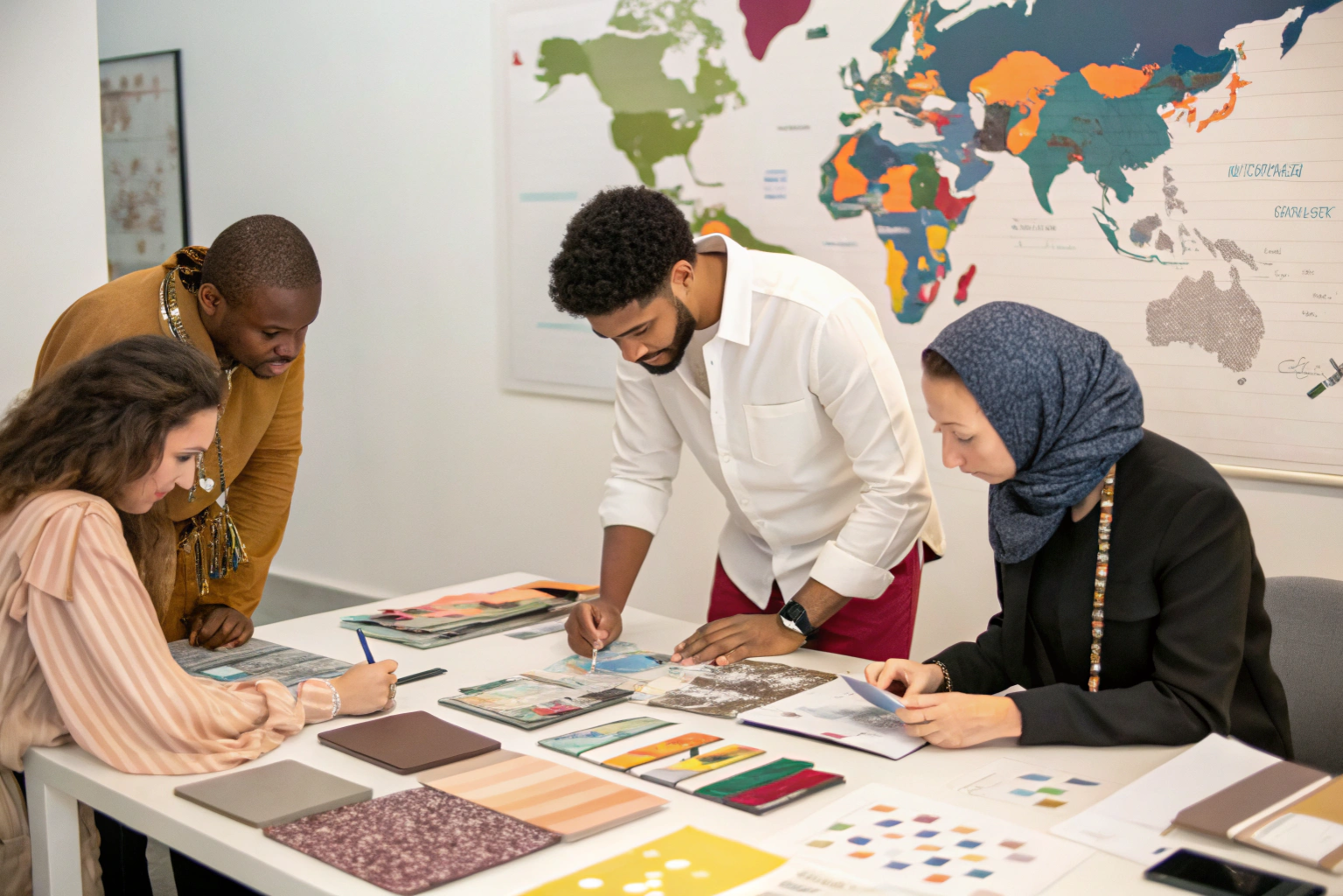
I remember sitting in a design meeting with a buyer from a Russian retail chain about five years ago. She looked at our proposed collection and said, “These are beautiful. But they will not sell in Russia. The colors are wrong. The shapes are wrong. You are designing for your market, not mine.” She was right. I had assumed that what worked for our European and American clients would work everywhere. That assumption cost us an opportunity. From that day forward, I started paying much closer attention to how cultural differences shape accessory preferences.
Designing accessory collections that appeal to global audiences requires a deep understanding of cultural preferences, regional fashion sensibilities, climate considerations, and practical usage patterns across different markets. A truly global collection is not one design that works everywhere. It is a thoughtful framework that allows for regional adaptation while maintaining brand identity. The most successful global accessory brands combine universal design principles with localized execution, working closely with manufacturing partners who understand both the technical requirements and the cultural nuances of different markets.
Let me share what I have learned about designing for global audiences. Whether you are a brand planning your next international collection or a retailer sourcing for multiple markets, these insights will help you create accessories that resonate with customers around the world.
How Do Cultural Preferences Shape Accessory Design?
Culture influences every aspect of accessory design, from color choices to silhouette preferences to the occasions for which accessories are worn. What works in Milan may not work in Moscow. What sells in New York may sit on shelves in Shanghai.
Cultural preferences in accessory design manifest in color symbolism, modesty considerations, formality expectations, and gift-giving traditions. Red symbolizes luck in Chinese culture but can signal danger in other contexts. Head coverings have different meanings across cultures. Some markets prefer bold, statement accessories while others value subtlety and minimalism. Understanding these differences is essential for designing collections that resonate with local consumers.
What Color Preferences Vary Across Global Markets?
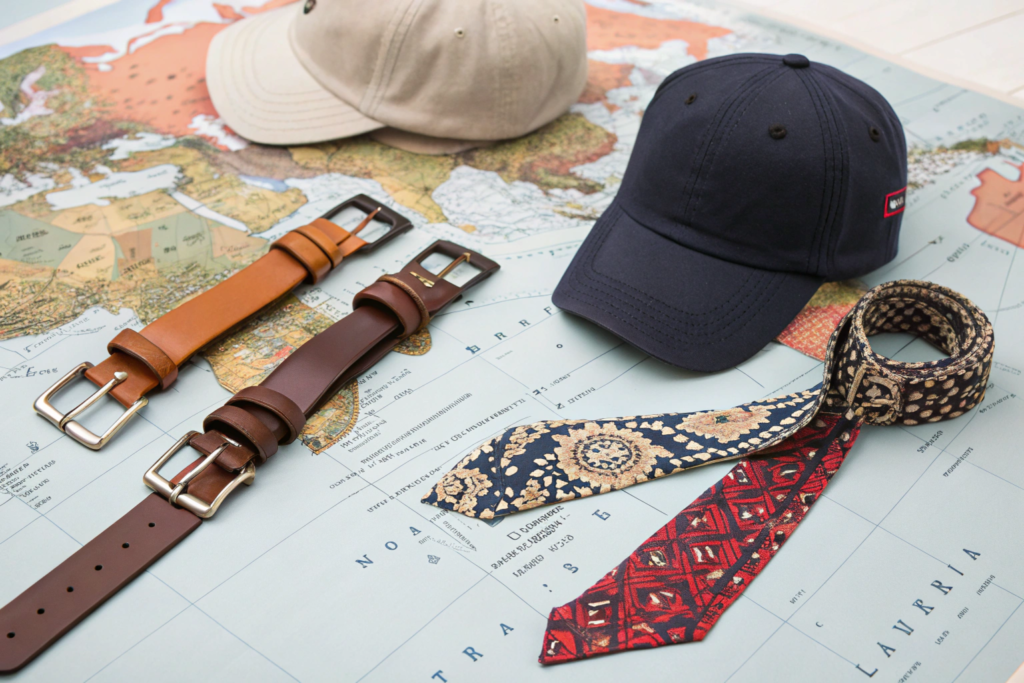
Color is one of the most culturally sensitive elements of accessory design. We learned this lesson early when we sent a collection of white hair bands to a client in China. White is associated with mourning in Chinese culture. The collection did not sell.
Our design team maintains color preference profiles for different regions:
- East Asia: Bright, saturated colors are popular, particularly red which symbolizes good fortune. Pastels are popular for spring collections. White is used carefully and often combined with other colors.
- Europe: Neutrals dominate—black, gray, navy, beige. Jewel tones appear in fall and winter collections. Color trends vary significantly by country, with Mediterranean markets preferring warmer tones and Nordic markets favoring cooler palettes.
- North America: Bold colors and seasonal palettes are common. Red, white, and blue perform well year-round. Earth tones are popular for casual accessories.
- Middle East: Rich, deep colors like burgundy, emerald, and navy are popular. Gold accents are widely favored. Modesty considerations influence color choices for certain accessory categories.
- Russia: Dark, rich colors dominate winter collections—black, deep purple, forest green. Bright colors appear in spring and summer. Metallic accents are popular across seasons.
We incorporate these color preferences into our design development. For a client selling in multiple regions, we might develop a base design in neutral colors that work globally, then create regional variations with localized color options.
How Do Modesty and Cultural Norms Influence Accessory Design?
Cultural norms around modesty significantly impact accessory design, particularly for categories like headwear and scarves. What is considered appropriate in one culture may be immodest or even offensive in another.
For headwear:
- Scarves and head coverings: In Middle Eastern and some Southeast Asian markets, scarves serve both fashion and modesty functions. Designs need to accommodate different wrapping styles and provide adequate coverage.
- Hats: In some cultures, hats are primarily functional for sun or cold protection. In others, they are fashion statements. Brim width, height, and ornamentation vary by region.
For other accessory categories:
- Hair accessories: Some cultures have specific traditions around hair ornaments for weddings and celebrations. Others prefer minimal hair accessories for everyday wear.
- Belts: Belt visibility and ornamentation vary by region. In some markets, belts are purely functional. In others, they are statement pieces.
When designing for global audiences, we always research cultural norms for the target market. We consult with local partners and sometimes conduct focus groups to ensure our designs are culturally appropriate.
How Do Climate and Geography Impact Accessory Design?
Climate is perhaps the most obvious factor in accessory design, but its influence goes deeper than just warm weather versus cold weather. Humidity, sun exposure, and seasonal patterns all affect material choices and construction methods.
Climate considerations in accessory design include material selection for temperature and humidity tolerance, sun protection features, water resistance for rainy climates, and seasonal versatility for markets with distinct weather patterns. A global accessory collection must account for these factors while maintaining design consistency across regions.

How Do We Select Materials for Different Climates?
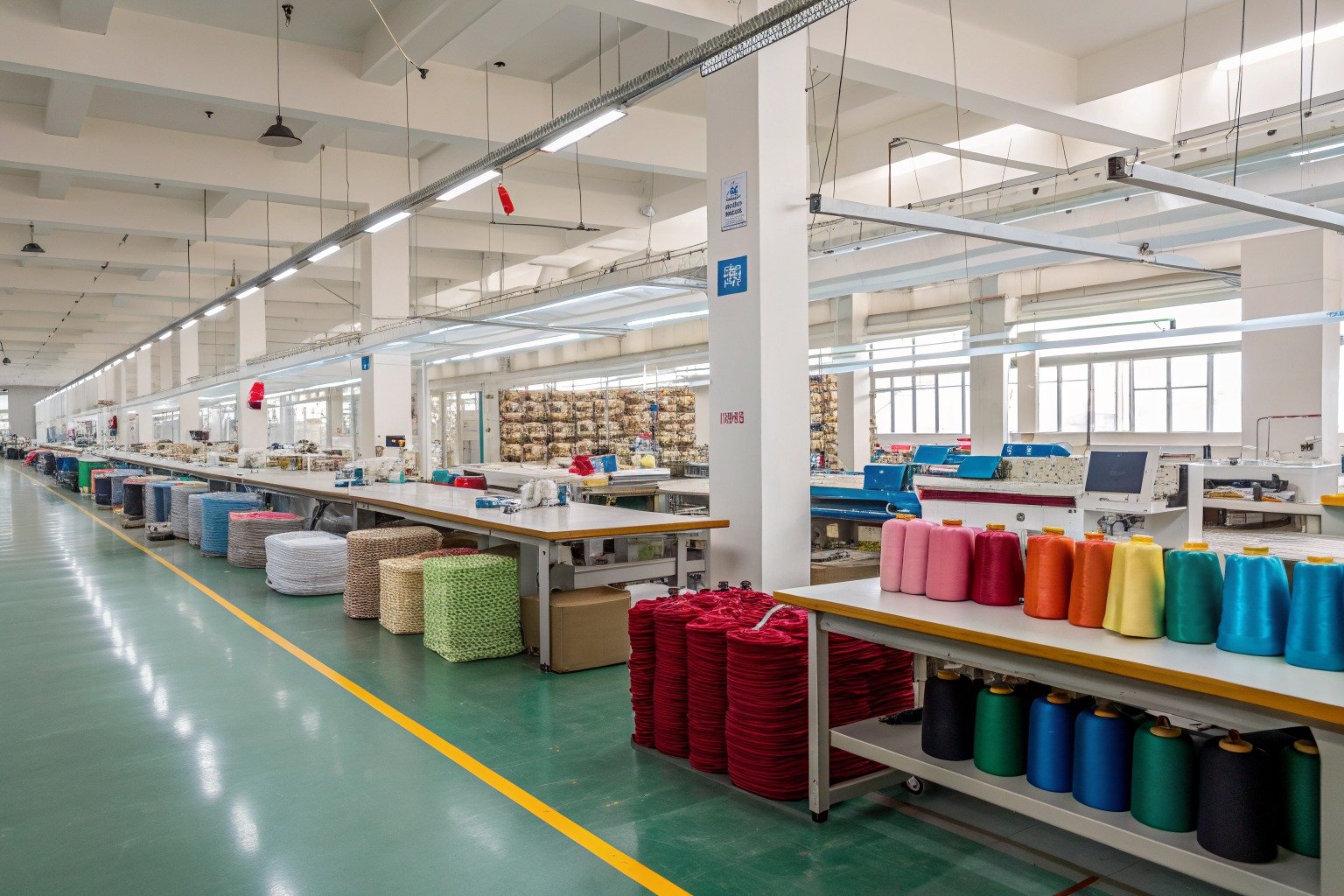
Material selection is critical for climate-appropriate accessories. We maintain material libraries with performance characteristics for different conditions:
- Cold climates: Wool, fleece, and thermal materials for hats and gloves. Leather with insulated linings. Materials that retain warmth even when wet.
- Hot climates: Breathable cotton, linen, and bamboo for hats and scarves. UV-protective materials for sun hats. Lightweight, moisture-wicking fabrics for headbands.
- Humid climates: Materials that resist mildew and maintain shape in high humidity. Quick-drying fabrics. Rust-resistant hardware for belts and clips.
- Rainy climates: Water-resistant and water-repellent materials. Sealed seams for rain hats. Materials that do not absorb moisture and become heavy.
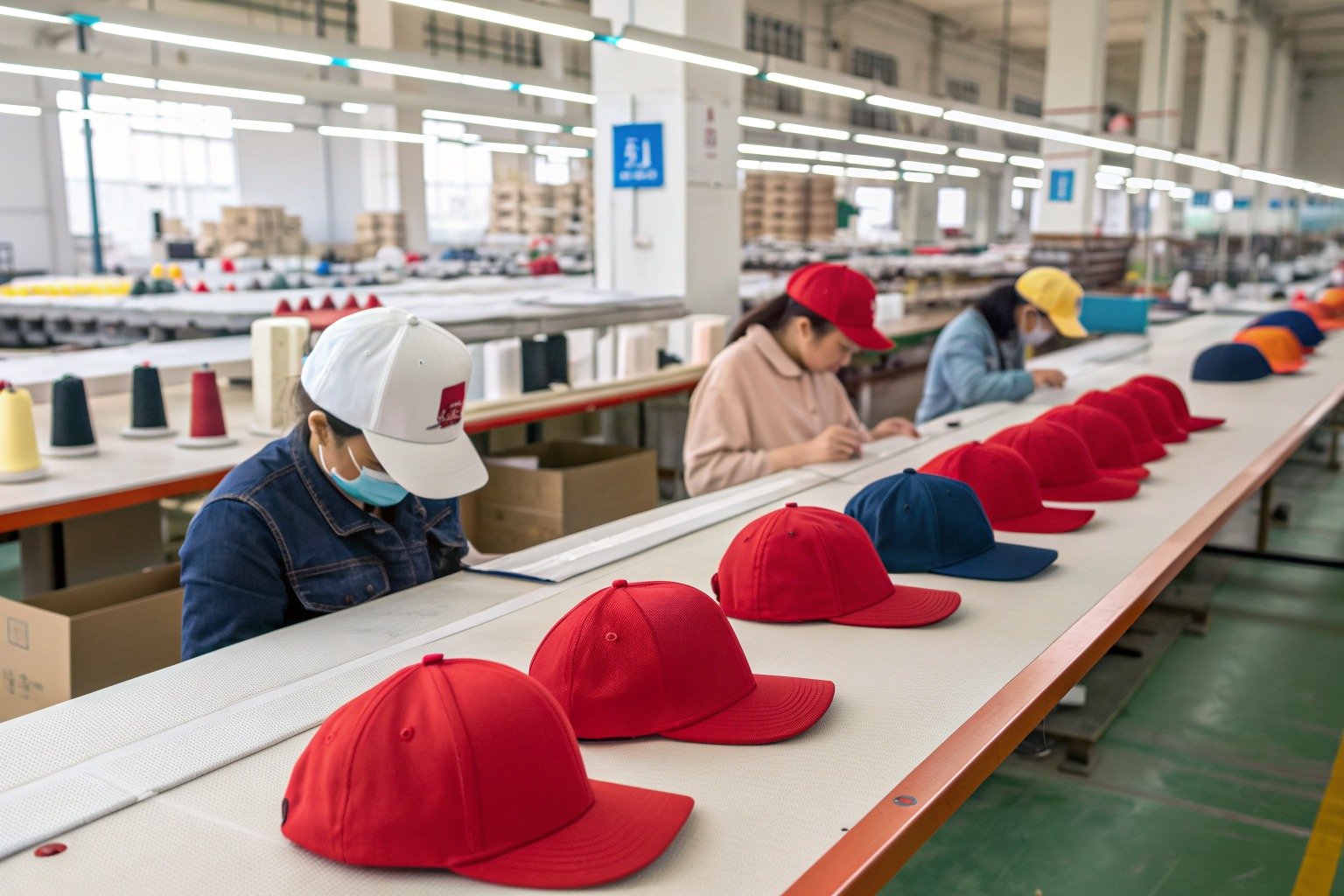
For global collections, we often develop the same accessory style in different material options for different climate zones. A baseball cap might be offered in wool for northern European markets and in cotton or mesh for Mediterranean markets.
What Sun Protection Features Are Important in Warm Climates?
Sun protection is a major consideration for accessories sold in warm climates, particularly hats and scarves. Consumers in Australia, the American Southwest, and Southern Europe are increasingly aware of UV protection.
We offer:
- UPF-rated materials: Fabrics tested and certified for ultraviolet protection factor
- Wider brims: For hats that provide better facial and neck coverage
- Neck flaps: For hats designed for extended sun exposure
- UV-reactive materials: Fabrics that change color or provide indicators for UV exposure
One of our Australian clients requires UPF certification for all their summer hats. They provide customers with detailed information about the level of protection. We have developed a line of hats specifically for this market, using materials that meet their stringent requirements.
How Do We Balance Global Consistency with Local Relevance?
One of the biggest challenges in global accessory design is maintaining brand identity while adapting to local preferences. A brand that looks completely different in every market loses its identity. A brand that refuses to adapt loses sales.
Balancing global consistency with local relevance requires a modular approach to collection design. Create a core design language—key silhouettes, signature details, and brand elements—that remains consistent across markets. Then develop regional variations in color, material, and scale that adapt to local preferences without compromising brand identity. The most successful global brands treat localization as a design exercise, not a compromise.
What Elements Should Remain Consistent Across Markets?
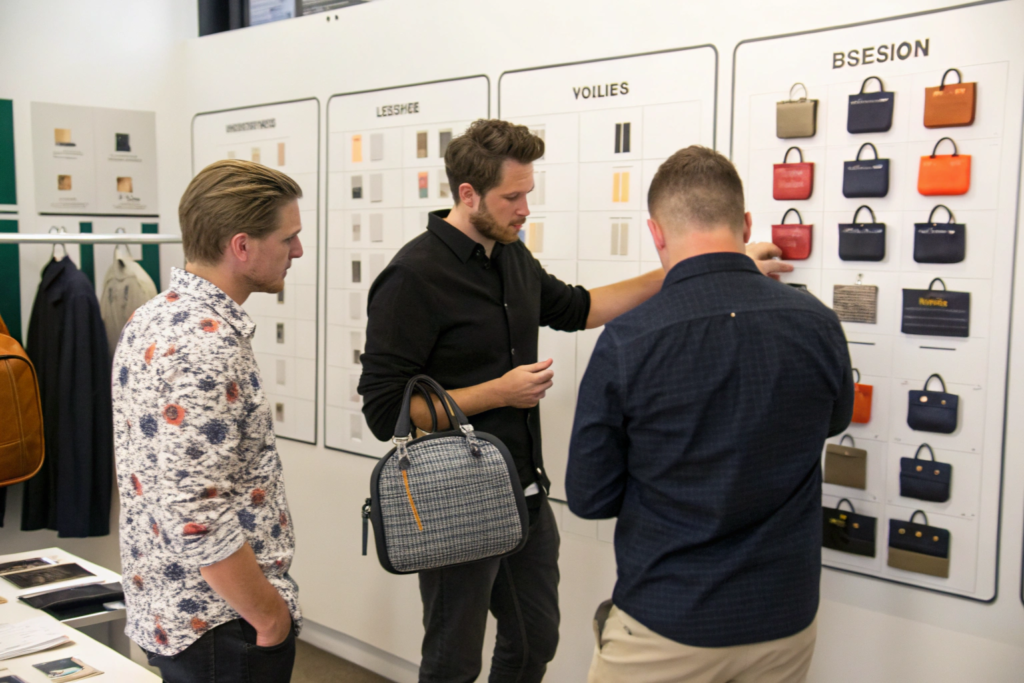
Certain elements should remain consistent to maintain brand identity:
- Signature silhouettes: The shapes and forms that define your brand
- Key details: Distinctive closures, trims, or construction methods
- Logo placement: Consistent logo size, location, and application method
- Quality standards: The same construction quality and material standards across all markets
- Brand story: The narrative and values communicated through packaging and marketing
We help our clients define these consistent elements. For a recent European client, we identified their signature as a specific curved shape used in their hair clips. That shape appears in every market, even when colors and materials vary.
How Do We Develop Regional Variations?
Once the consistent elements are defined, we develop regional variations:
- Color adaptation: Localized color palettes that align with regional preferences
- Material variation: Climate-appropriate materials that maintain the same look and feel
- Scale adjustments: Sizing that fits regional body types and fashion norms
- Decorative elements: Local patterns, motifs, or cultural details
For a global supermarket client, we developed a line of hair bands with consistent construction and branding. For their European markets, we used neutral colors and minimal packaging. For their Asian markets, we added brighter colors and more decorative packaging. The product was the same quality. The presentation was localized.
How Can Factories Support Global Accessory Design?
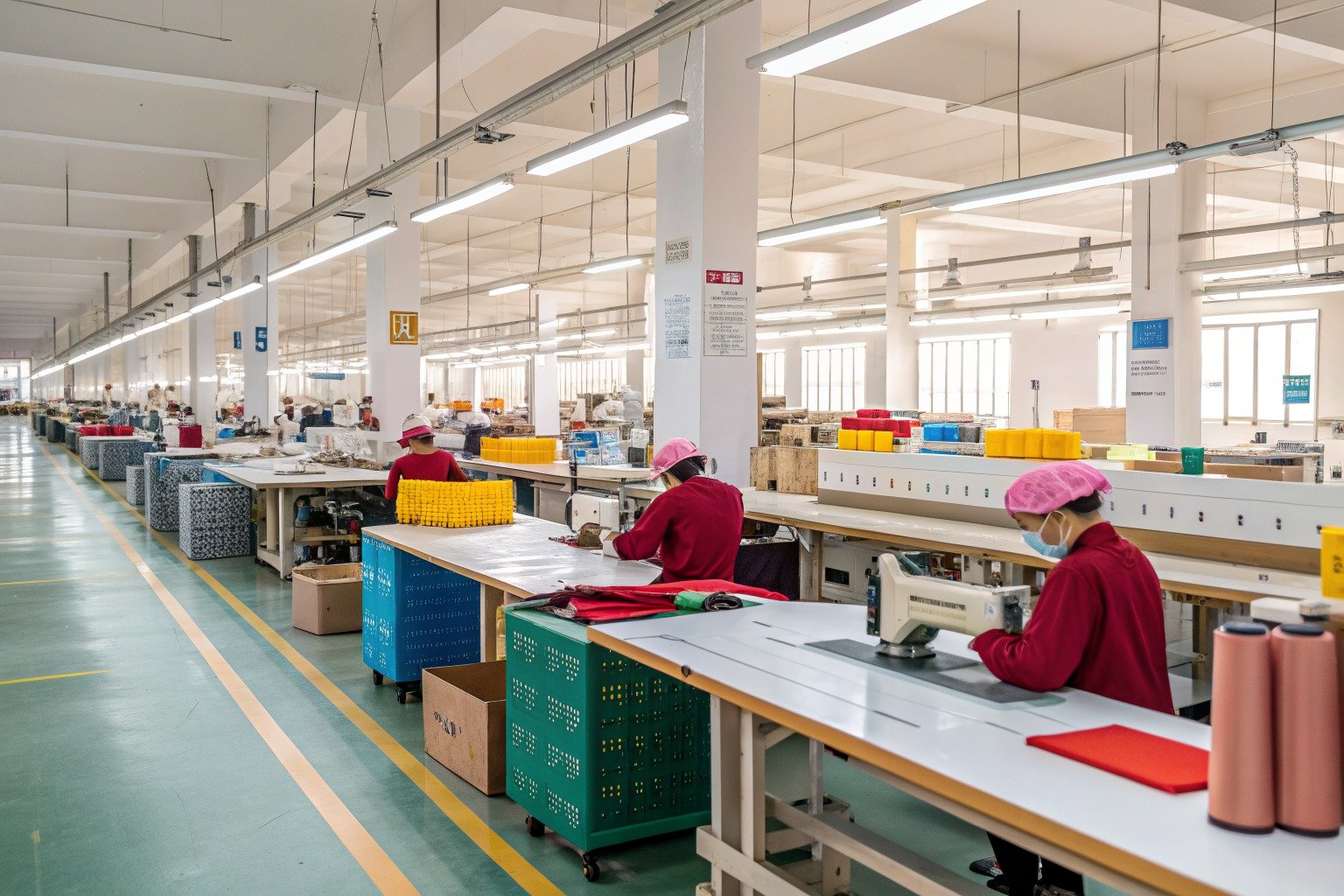
As a factory, our role goes beyond manufacturing. We are partners in the design process, providing the technical expertise and market intelligence that helps brands succeed globally.
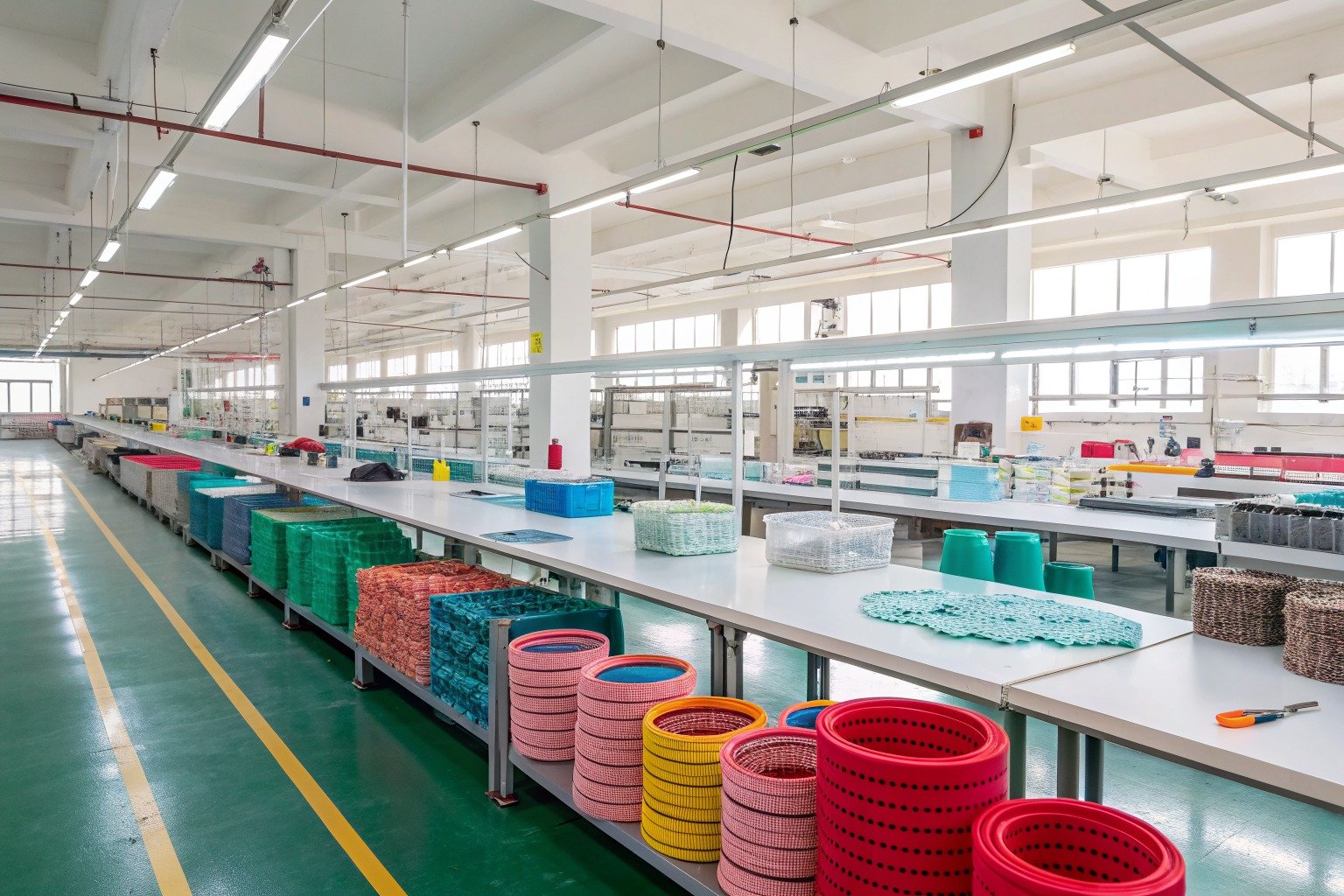
Factories that support global accessory design provide in-house design teams with regional expertise, flexible production capabilities that accommodate small test runs and large scale production, material sourcing networks that can access region-specific materials, and quality control systems that meet diverse regulatory requirements. The best factory partners are those who understand not just how to make accessories, but how to make accessories that sell in specific markets.
What Design Expertise Do We Bring to Global Collections?
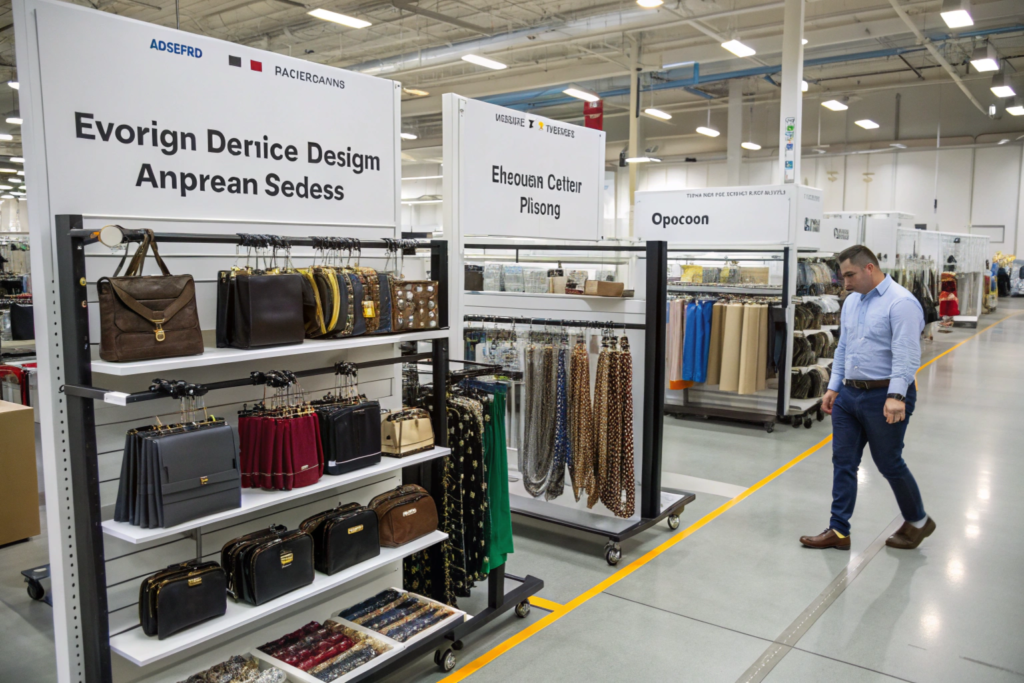
Our in-house design team has experience across multiple markets. We:
- Maintain regional trend research: Tracking color, material, and silhouette trends in Europe, North America, Asia, and other key markets
- Develop localized color palettes: Creating color stories that resonate with specific regions
- Understand regulatory requirements: Designing products that meet local safety and chemical regulations
- Provide technical solutions: Solving construction challenges for climate-specific requirements
When a client comes to us with a global collection concept, we help them develop versions for each target market. Our designers understand the nuances that make a design work in Berlin versus Barcelona versus Boston.
How Does Flexible Production Enable Global Distribution?
Different markets require different production approaches:
- Test markets: Small quantities for initial market testing
- Regional variations: Separate production runs for different regions
- Reorders: Quick turnaround for styles that perform well
- Core collections: Consistent production for year-round styles
Our production systems are designed for flexibility. We can run small batches of 500 units for testing and scale up to 50,000 units for full production. We can produce regional variations simultaneously or sequentially. We maintain material inventories that allow quick response to reorders.
This flexibility is essential for global brands that need to respond to market performance. A style that takes off in one region can be scaled quickly while other regions receive smaller initial allocations.
Conclusion
Designing accessory collections that appeal to global audiences is one of the most challenging and rewarding aspects of what we do. It requires a deep understanding of culture, climate, and consumer behavior. It requires flexibility to adapt without losing identity. And it requires partners who can execute across different markets with consistent quality.
Over the years, I have learned that there is no single formula for global success. What works in one market may fail in another. The key is to approach each market with curiosity and respect, to listen to local partners, and to be willing to adapt.
At Shanghai Fumao, we have built our business around this philosophy. Our design team tracks trends across multiple regions. Our production systems can handle small test runs and large-scale orders. Our quality control ensures that the same standards apply whether the product is destined for Paris or Perth.
If you are planning to expand your accessory collection to new markets, I would love to share what we have learned. Whether you need help with design adaptation, material selection, or production planning, we are here to help. To discuss your global accessory collection and how we can support your expansion, please contact our Business Director, Elaine, at elaine@fumaoclothing.com. She and her team are ready to help you reach new audiences around the world.