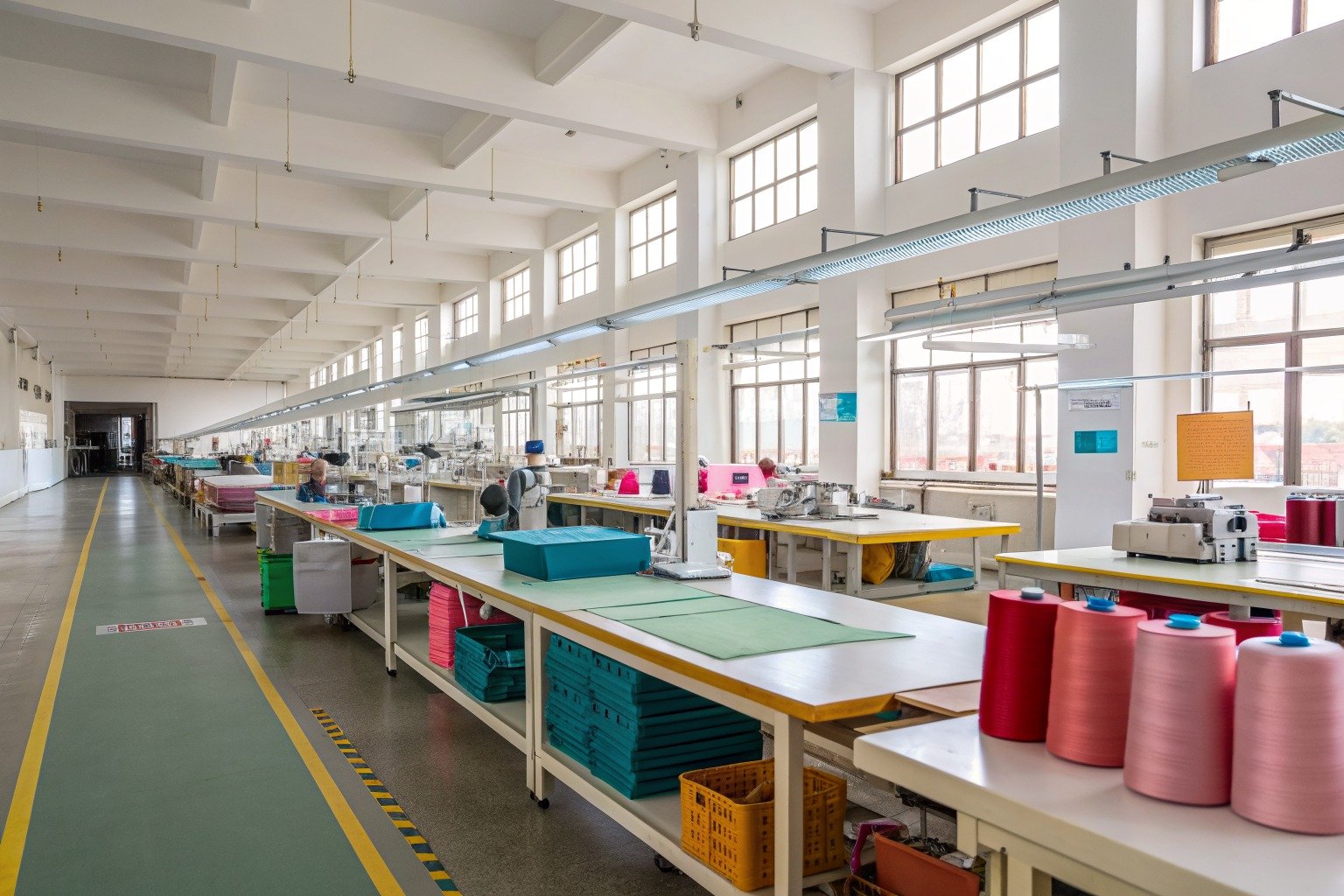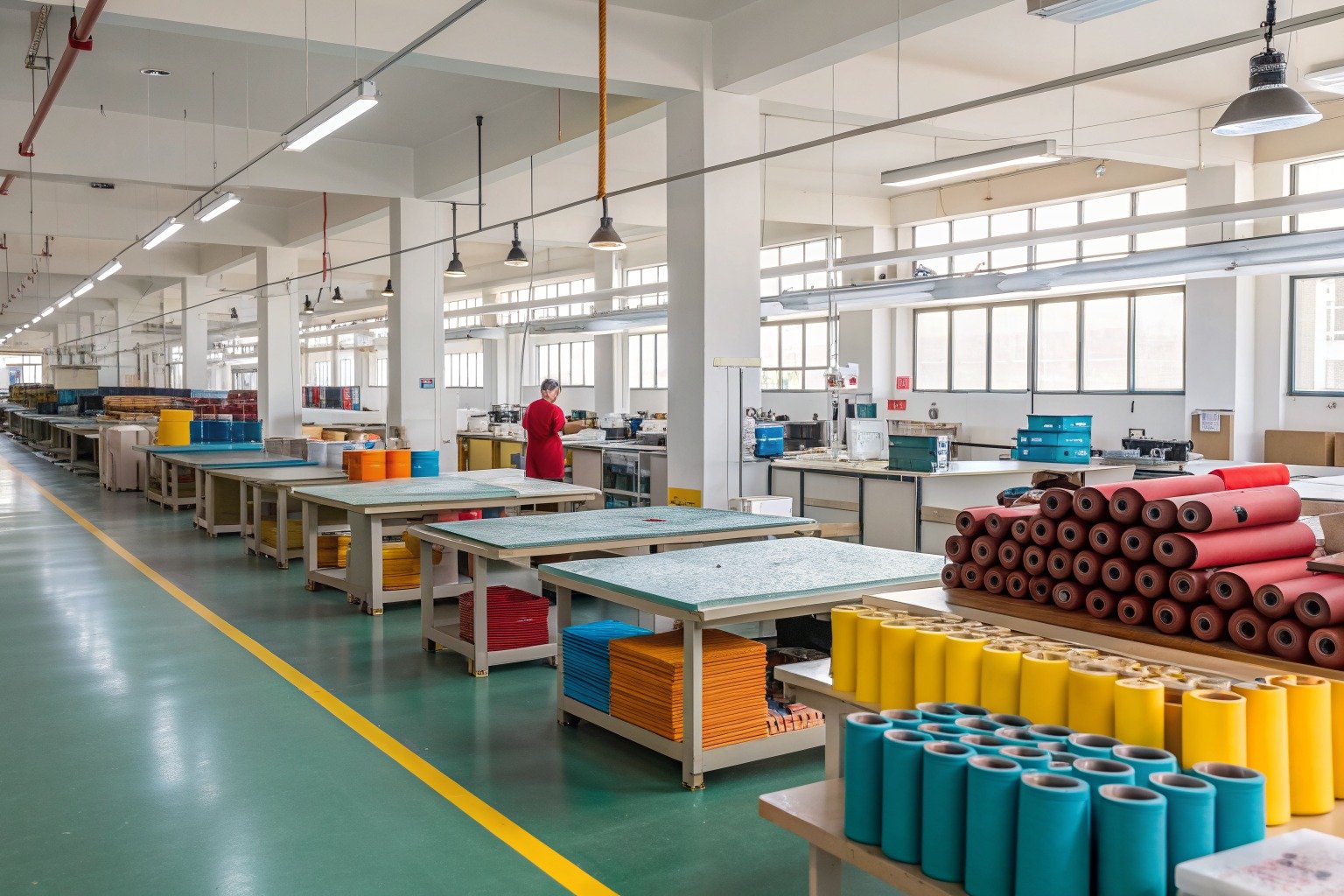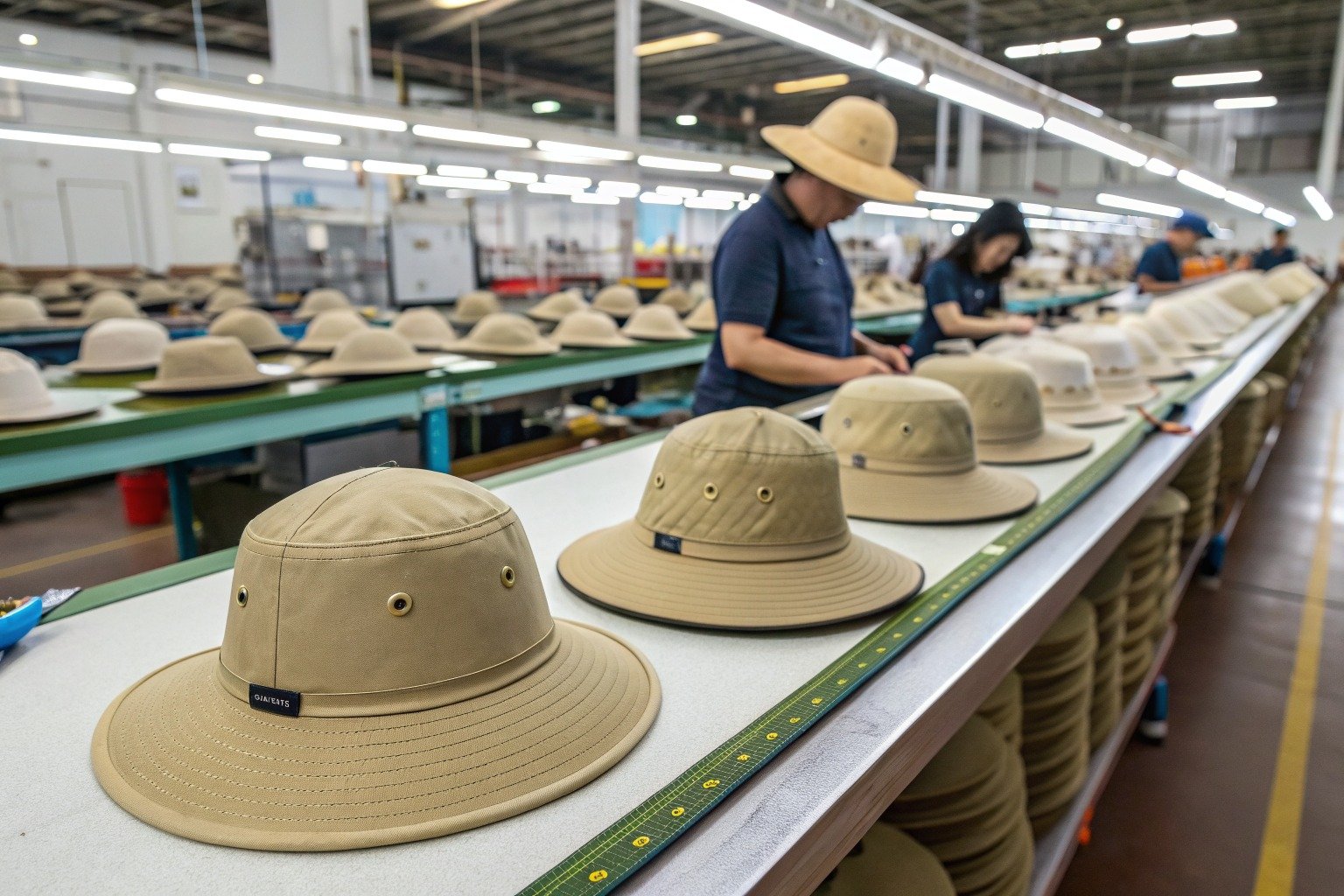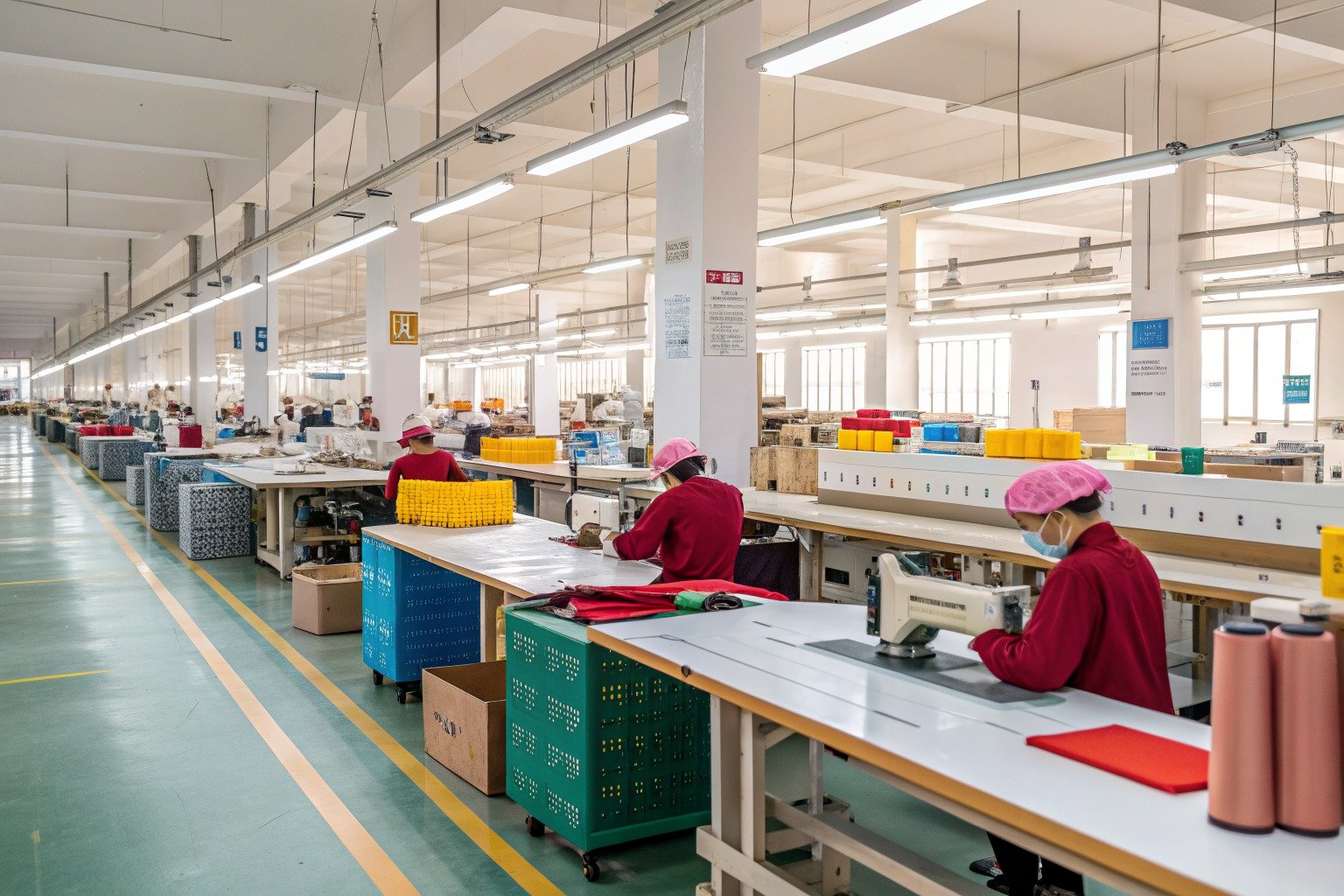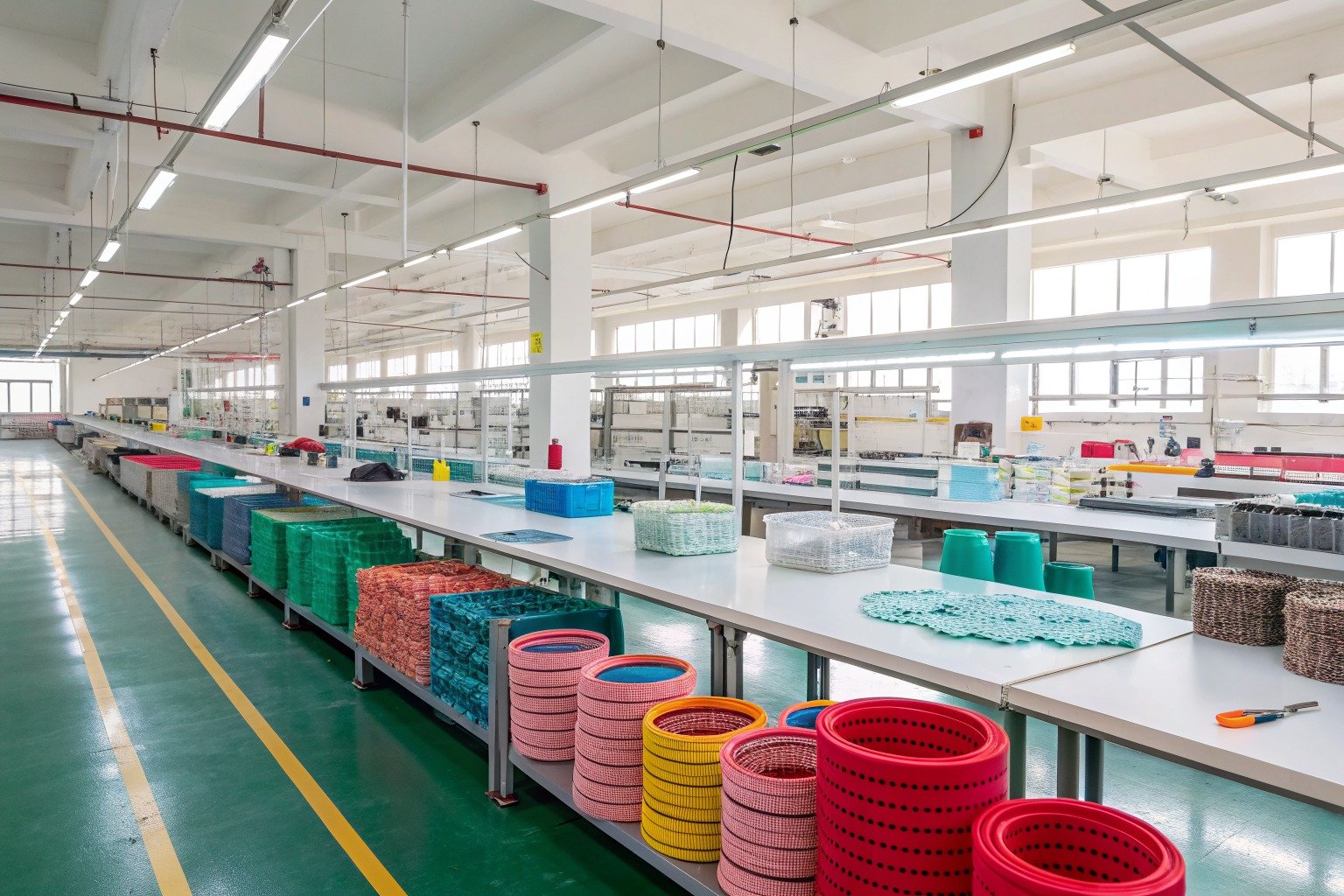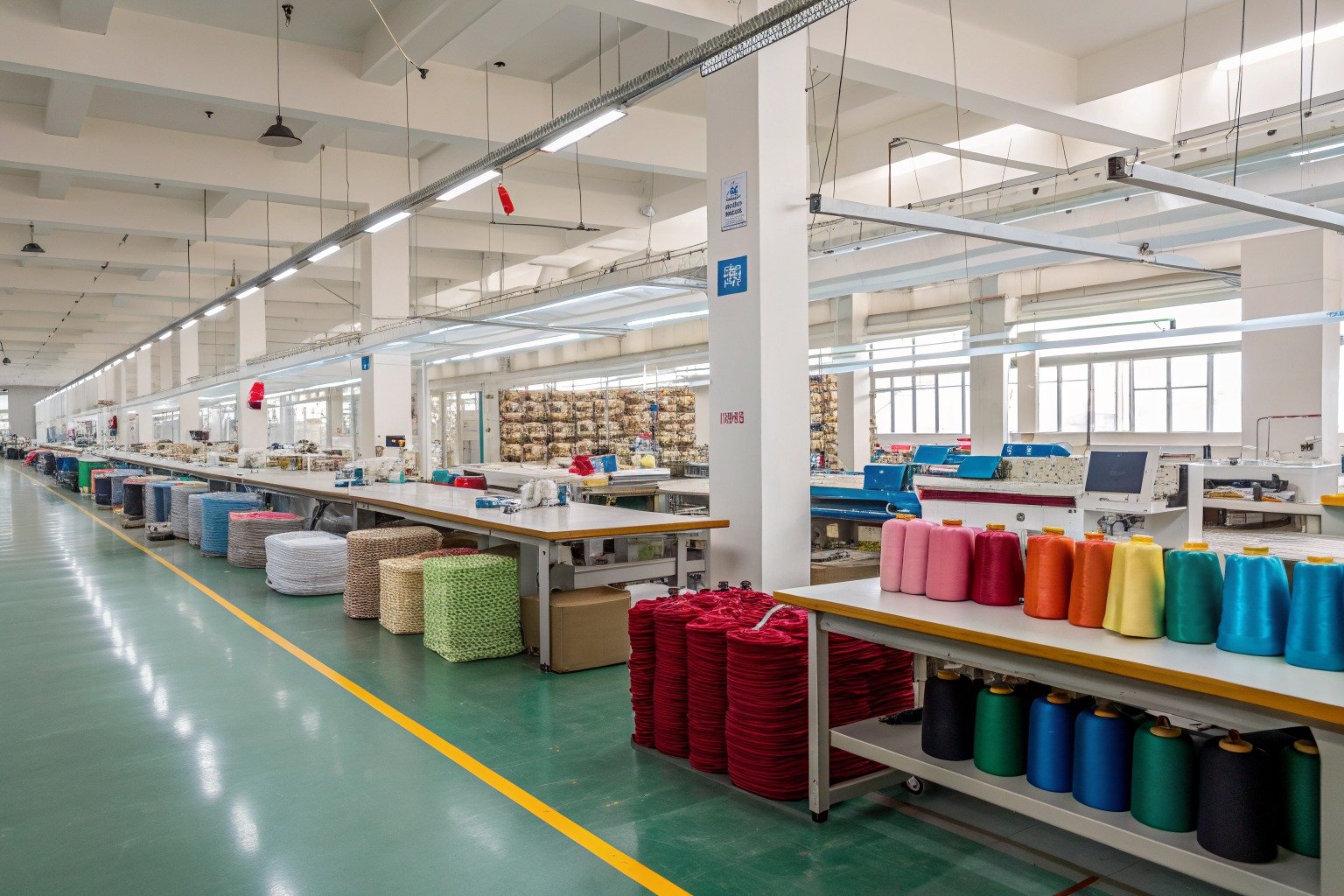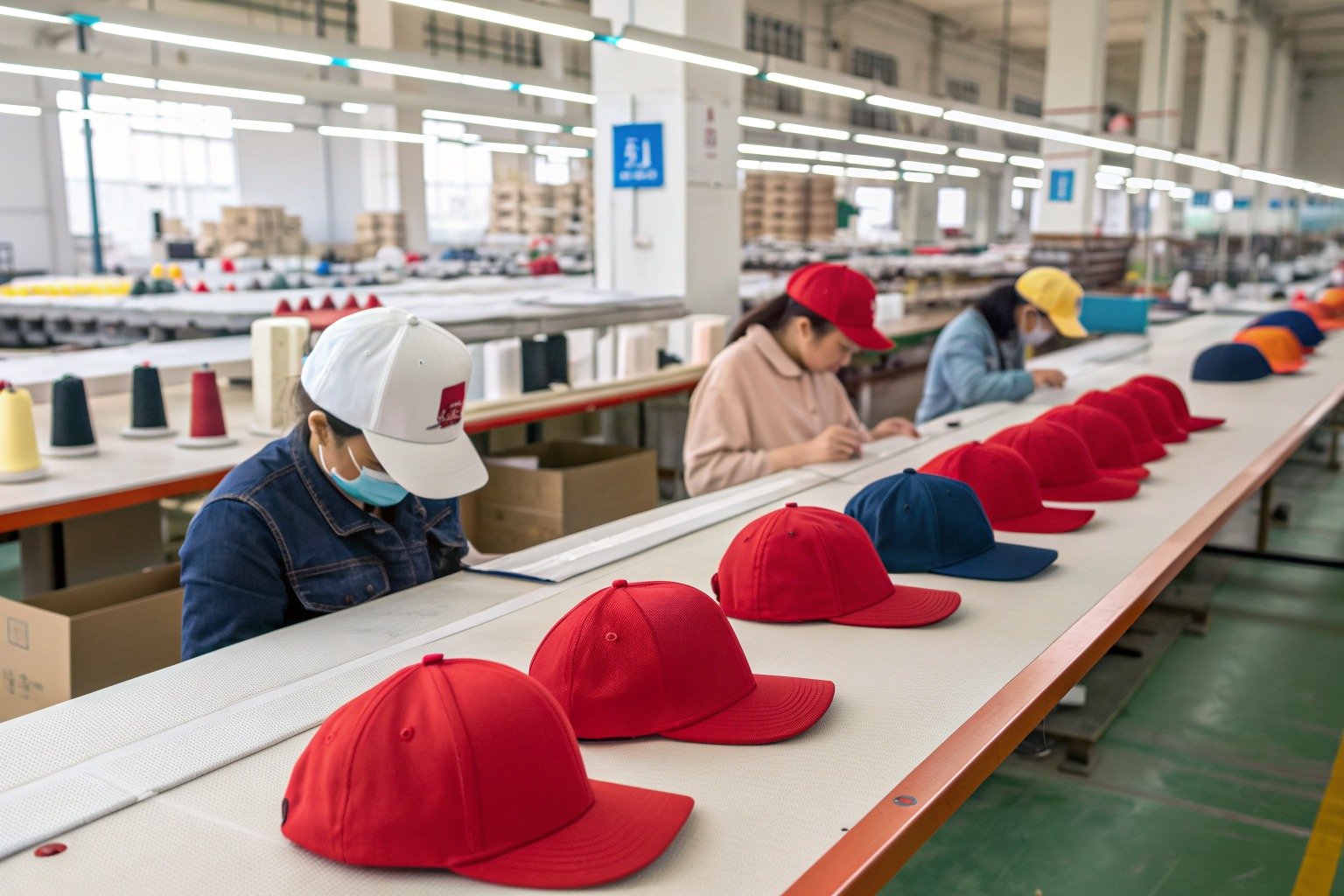
I remember a client who came to me with a great idea. She wanted a line of custom hair clips. She had sketches. She had color swatches. She was excited. But when we started production, problems appeared. The clip size was not specified. The spring tension was wrong. The plating color was not what she imagined. We went back and forth for weeks. Samples had to be remade. The timeline stretched. The cost increased. She was frustrated. I was frustrated. The problem was simple. We did not start with a proper tech pack.
Creating a tech pack for custom fashion accessories starts with a clear specification sheet that includes technical flat sketches, detailed measurements, material callouts, color references, hardware specifications, and packaging instructions. A complete tech pack eliminates guesswork for the factory. It ensures that what you imagine is exactly what we produce. At Shanghai Fumao, we work with our clients to develop comprehensive tech packs that cover everything from the spring tension in a hair clip to the stitch count on a belt. This process saves time, reduces sampling rounds, and guarantees consistent quality across production runs.
You might think a tech pack is only for large brands with big budgets. I can tell you that is not true. A good tech pack saves money for everyone. It prevents mistakes. It speeds up sampling. It makes the factory’s job easier. When the factory understands exactly what you want, we can deliver exactly what you need. Let me walk you through how to build a tech pack that works.
What Are The Essential Components Of A Fashion Accessory Tech Pack?
I have seen tech packs that are one page. I have seen tech packs that are fifty pages. The length does not matter. What matters is that the right information is there. A good tech pack answers every question a factory might have. It leaves nothing to chance. When a factory has to guess, mistakes happen. When mistakes happen, you get delays and extra costs.
The essential components of a tech pack are the same whether you are making hair clips, belts, or hats. You need to specify the design, the dimensions, the materials, the colors, the hardware, and the packaging. Each component requires attention to detail. Let me break down what goes into each section.
What Is A Technical Flat Sketch And Why Do I Need One?
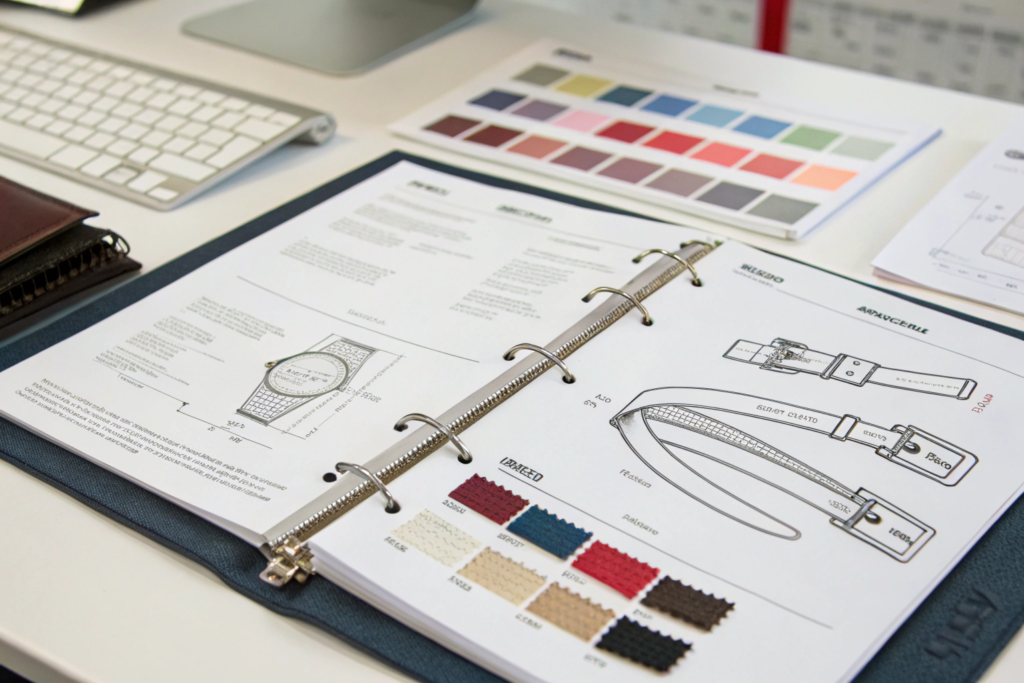
A technical flat sketch is a drawing of your accessory. It shows the product as if it is lying flat. It includes front view, back view, and side view if needed. It is not a fashion illustration. It is not artistic. It is technical. It shows every seam, every stitch, every edge. It tells the factory how to construct the product.
I have seen clients send photos of similar products. They say "make it like this." This creates problems. A photo does not show the back of a hair clip. It does not show how the spring is attached. It does not show the thickness of the metal. A technical flat sketch shows all of this. You can create these sketches yourself with tools like Adobe Illustrator. Or you can hire a designer. Our design team can also help you create them. The investment is worth it. A good sketch saves multiple sampling rounds.
How Do I Specify Measurements Correctly?
Measurements seem simple. But I see measurement mistakes all the time. The problem is usually units and reference points. Always use one unit system. Millimeters or inches. Do not mix them. A drawing that says "length 5 cm, width 2 inches" will cause confusion. Also specify where you are measuring from. For a hair band, do you measure the inside diameter or the outside? For a belt, do you measure from the buckle pin to the center hole or the end?
I recommend including a measurement diagram with your tech pack. Show exactly where each measurement is taken. Include tolerances. No factory can produce every piece to an exact millimeter. A tolerance of plus or minus 1-2 millimeters is standard for most accessories. Specify what is acceptable. This prevents disputes later. When we produced a line of baseball caps for a major supermarket, the tech pack included measurements for brim width, crown height, and strap length. Everything was clear. The first sample was approved with no changes.
How Do I Specify Materials And Colors In A Tech Pack?
Materials are where many tech packs fail. I see tech packs that say "metal clip" or "fabric headband." This is not enough. A factory needs to know exactly what material to source. For metal components, you need to specify the alloy. Is it 304 stainless steel? Is it brass? Is it zinc alloy? For fabric items, you need to specify the fiber content, weight, and weave. For plated items, you need to specify the plating type and thickness.
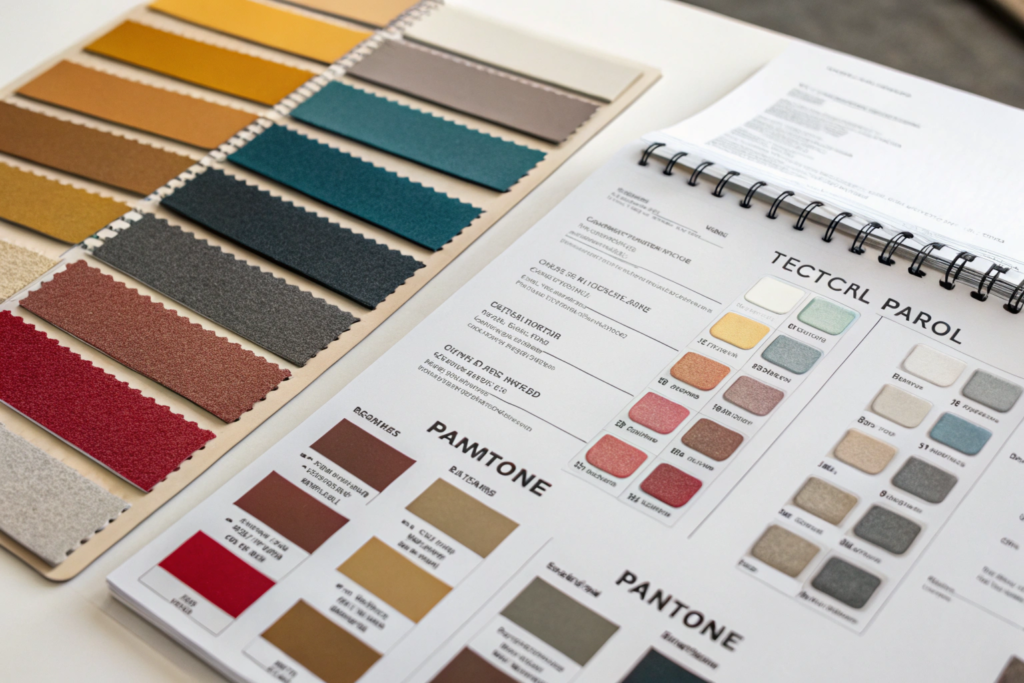
Colors are equally important. I always tell my clients to use Pantone numbers. Saying "gold" or "red" is not enough. Gold can be yellow gold, rose gold, or antique gold. Red can be cherry red, burgundy, or scarlet. A Pantone number removes all ambiguity. If possible, send physical color swatches. A physical swatch is better than any digital color reference. Screens show colors differently. Lighting affects perception. A physical sample is the truth.
Why Are Pantone Numbers Critical For Color Accuracy?
I learned the importance of Pantone numbers early in my career. A client wanted red scarves. I sourced what I thought was red. The client said it was orange-red. They wanted blue-red. I had to start over. We lost two weeks. After that, I insisted on Pantone numbers for every color-critical component.
Pantone is a standardized color system. Every printer, every fabric mill, every plating shop uses it. When you specify Pantone 186 C, I know exactly what red you want. There is no interpretation. There is no guesswork. For metal plating, Pantone numbers help too. We can match plating finishes to Pantone colors. This is especially important for hair clips and belt buckles where color consistency matters. If you do not have a Pantone book, our design team can help you select colors. We keep a full set of Pantone swatches for fabrics, plastics, and metal finishes.
How Do I Specify Hardware And Functional Components?
Hardware is the part that makes an accessory work. For a hair clip, the hardware is the spring and the hinge. For a belt, the hardware is the buckle. For a bag, the hardware includes zippers, clasps, and rivets. These components must be specified clearly.
When specifying hardware, I recommend including three things. First, the type. Is it a snap, a spring clip, or a slide buckle? Second, the material and finish. Is it stainless steel or brass? Is it nickel-plated or antique brass? Third, the dimensions. Include a drawing with measurements. For springs, specify the wire gauge and the tension. For a client making headbands for active wear, we specified the exact spring tension in the tech pack. This ensured every headband held hair securely but did not cause discomfort. The client received zero complaints about fit.
How Do I Communicate Quality Standards And Testing Requirements?
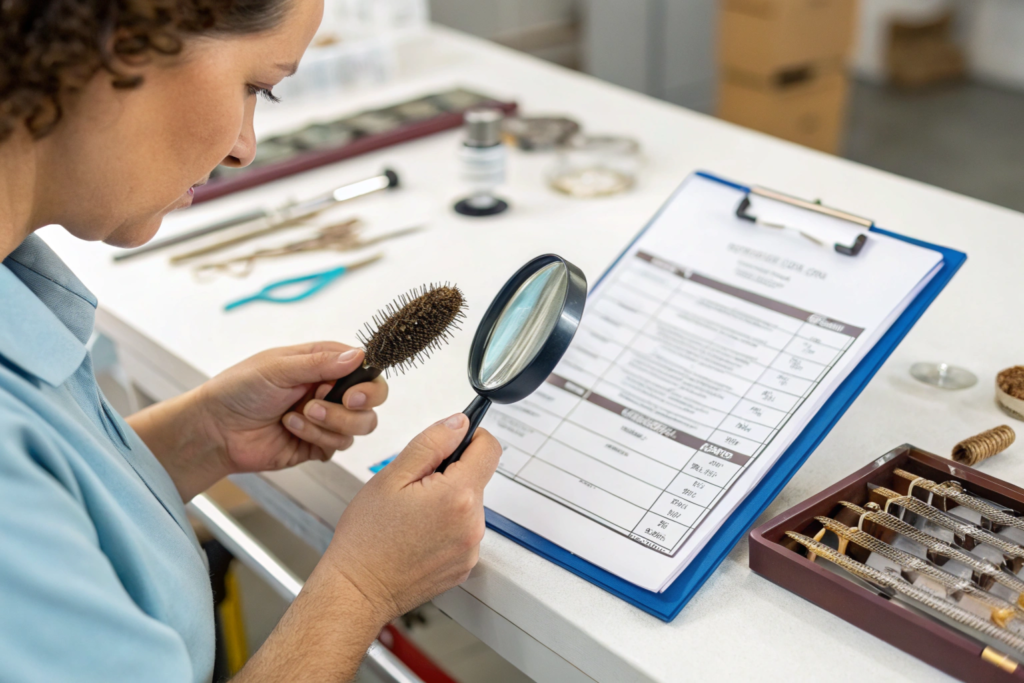
A tech pack is not just about making the product. It is also about making it right. I see tech packs that describe the product but do not describe the quality expectations. This is a mistake. The factory needs to know what "good" looks like. They need to know what defects are acceptable and what defects are not. Without this, you rely on the factory’s judgment. Their judgment might be different from yours.
Quality standards should be written into your tech pack. Include a list of acceptable defects and tolerances. Specify which tests the product must pass. For hair clips, you might require spring tension testing. For belts, you might require tensile strength testing. For scarves, you might require colorfastness testing. Clear standards prevent disputes. They also protect you if a customer has a complaint.
What Testing Should I Require For Metal Accessories?
Metal accessories need specific testing. I recommend three tests for most metal hair clips and belt buckles. First, salt spray testing. This checks corrosion resistance. A good plated metal should pass 24 to 48 hours. Second, nickel release testing. This checks for nickel that could cause allergic reactions. The EU has strict limits on nickel release. Third, mechanical testing. For clips, test the spring tension. For buckles, test the closure strength.
I always include these requirements in my tech packs. I also specify which third-party testing lab to use. Our clients often require testing from SGS or Bureau Veritas. By specifying the lab in the tech pack, there is no confusion. The factory knows exactly what is required. When we produced a line of children’s hair bands for a European client, the tech pack included CPSIA compliance, lead testing, and phthalate testing. Every batch was tested. The client had full confidence in the product.
How Do I Define Acceptable Tolerances For Mass Production?
Tolerances are a critical part of any tech pack. No factory can produce every unit exactly the same. There will be small variations. The question is how much variation is acceptable. You need to define this upfront. If you do not, the factory will assume their standard tolerances. Those might be wider than you expect.
For hair clips, I typically set tolerances of plus or minus 0.5 millimeters for critical dimensions. For length and width, plus or minus 1 millimeter is acceptable for most accessories. For color, I specify a Delta E value. Delta E 1.0 is a very tight tolerance. Delta E 2.0 is acceptable for most commercial products. For scarves, I set tolerances for fabric shrinkage. If the scarf will be washed, the tech pack should state the maximum allowable shrinkage. Clear tolerances prevent arguments later. They also help the factory plan their production.
How Can AceAccessory Help Me Create And Execute A Tech Pack?
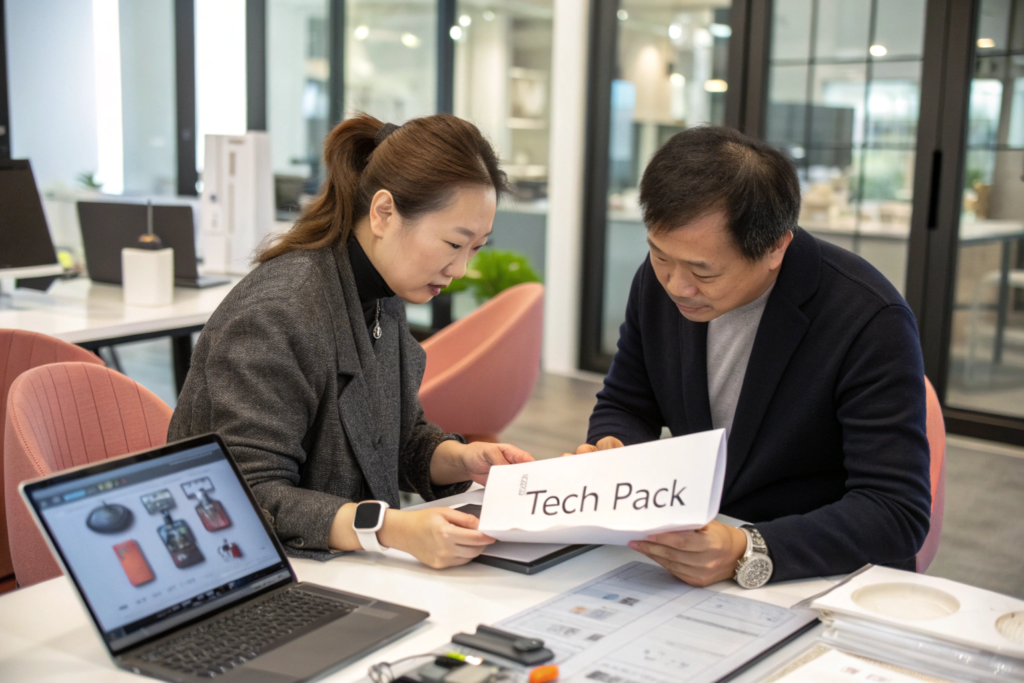
I have worked with hundreds of clients on their tech packs. Some come with detailed specifications. Others come with just an idea. Both are fine. My job is to help you translate your vision into something our production team can execute. We have the experience to fill in the gaps. We know what information is missing. We know what details matter.
When you work with us, you are not just sending a tech pack to a factory. You are working with partners who understand accessory manufacturing. Our design team can help you create technical sketches. Our project managers can review your tech pack and identify missing information. Our quality control team can help you define testing standards. We do this because we want your product to succeed.
What Common Tech Pack Mistakes Should I Avoid?
I have seen the same mistakes many times. Let me share them so you can avoid them. The first mistake is missing measurements. I see tech packs with beautiful drawings but no dimensions. The factory has to guess. The second mistake is unclear color references. Saying "gold" or "black" without a Pantone number leads to interpretation errors. The third mistake is no hardware specifications. The factory uses whatever hardware they have. It might not match your quality expectations.
The fourth mistake is no packaging instructions. I have seen beautiful products arrive in ugly packaging because the tech pack did not specify. The fifth mistake is no quality standards. The factory delivers what they think is acceptable. You might have different standards. Avoid these mistakes. Take the time to complete every section of the tech pack. If you are unsure, ask for help. Our project managers are happy to review your tech pack before we start sampling. We want to get it right the first time.
How Do I Get Started With My Custom Accessory Project?
Getting started is simple. Contact us with your idea. It can be a sketch, a photo, or a sample. Tell us about your target market. Tell us about your quality expectations. Tell us about your timeline and budget. We will guide you through the process.
Our design team can help you create a professional tech pack if you do not have one. Our project managers will review every detail. We will source materials. We will produce samples. We will test for quality. We will manufacture your order. And we will handle shipping and customs clearance. You focus on your brand. We focus on making your products right.
I built AceAccessory to be a true partner for brands like yours. We are not just a factory that takes orders. We are a team that helps you succeed. From the first sketch to the final shipment, we are with you every step.
Conclusion
A tech pack is more than a document. It is a communication tool. It is the bridge between your vision and the finished product. When the tech pack is clear, production is smooth. When the tech pack is missing details, problems happen. I have seen this play out hundreds of times. The brands that succeed are the ones that invest time in their tech packs. They understand that good specifications save time and money.
I started Shanghai Fumao because I wanted to build products the right way. That means starting with a clear plan. It means specifying every detail. It means testing and verifying. It means communicating openly. When we work with a client who has a good tech pack, I know the project will go well. The samples will be right. The production will be on time. The quality will be consistent.
If you are planning a custom accessory line, I invite you to reach out. Let us help you create a tech pack that works. Whether you are making hair clips, belts, scarves, hats, or any other accessory, we have the experience to guide you. Our team knows what details matter. We know how to avoid common mistakes. We know how to deliver quality.
Contact our Business Director, Elaine, today. She will connect you with one of our experienced project managers. We will review your project. We will help you build a tech pack that sets your product up for success. Send Elaine an email at elaine@fumaoclothing.com. Let us turn your vision into reality.