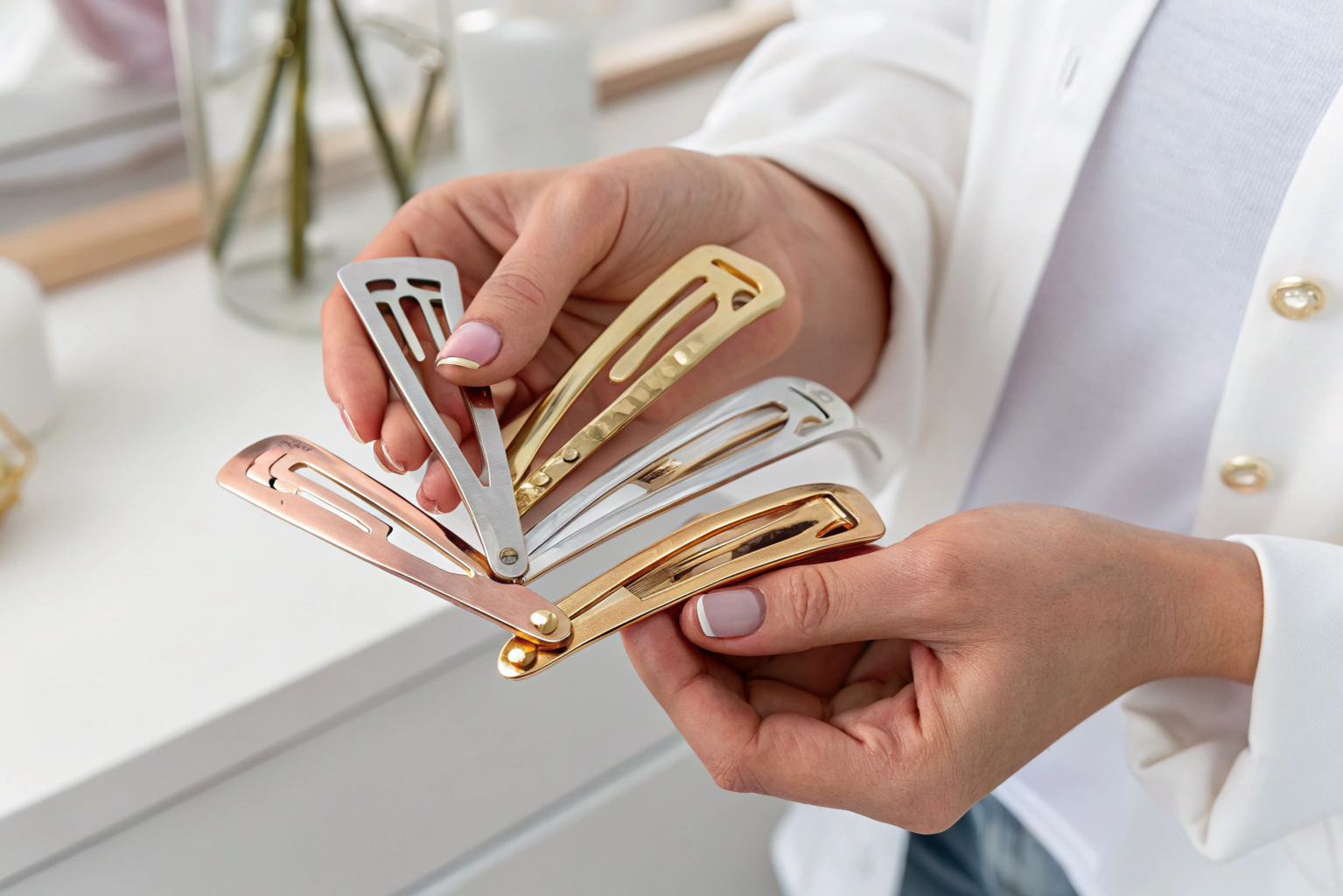
I remember a client from a well-known European accessory brand. She called me frustrated. Her best-selling line of hair clips was getting returned. Customers complained about skin irritation. The metal turned green after a few weeks. Some clips even broke. She was losing money and damaging her brand reputation. I listened to her problem. Then I told her the truth. The factory she used chose cheap metal to save cost. But that decision cost her much more in the long run.
The best metal alloys for durable and hypoallergenic hair clips are stainless steel (particularly 304 and 316L), titanium, and nickel-free brass with a high-quality electroplating finish. Stainless steel offers exceptional strength and corrosion resistance. Titanium is the most hypoallergenic option, safe even for sensitive skin. Nickel-free brass provides a good balance of workability, durability, and cost-effectiveness when plated properly. At Shanghai Fumao, we carefully select these materials to ensure our hair clips meet the safety and durability standards demanded by major brands and retailers in North America and Europe.
You might think all metal hair clips are the same. I can tell you from 20 years of experience, they are not. The choice of metal alloy affects everything. It affects how long the clip lasts. It affects whether your customer gets a rash. It affects how the clip looks after months of use. Let me walk you through what I have learned about metal alloys for hair accessories.
What Makes a Metal Alloy Hypoallergenic and Safe for Hair Accessories?
I have seen many buyers focus only on the price of a hair clip. They ask for the cheapest option. They do not think about what the metal is made of. But the metal matters. When a clip touches the scalp, the skin absorbs whatever is on that metal. Cheap metals often contain nickel, lead, or cadmium. These can cause allergic reactions. They can also tarnish quickly. A customer who has a reaction will not buy from your brand again.
A metal alloy is hypoallergenic when it does not contain common irritants like nickel or cobalt. It also needs to be resistant to corrosion. Sweat and hair products can break down low-quality metals. This releases metal ions onto the skin. The safest metals are those that are inert, meaning they do not react with the skin or the environment. At AceAccessory, we prioritize these materials for our clients who sell to major supermarkets and apparel brands in America and Europe.
Why Does Nickel Cause Allergic Reactions in Hair Accessories?
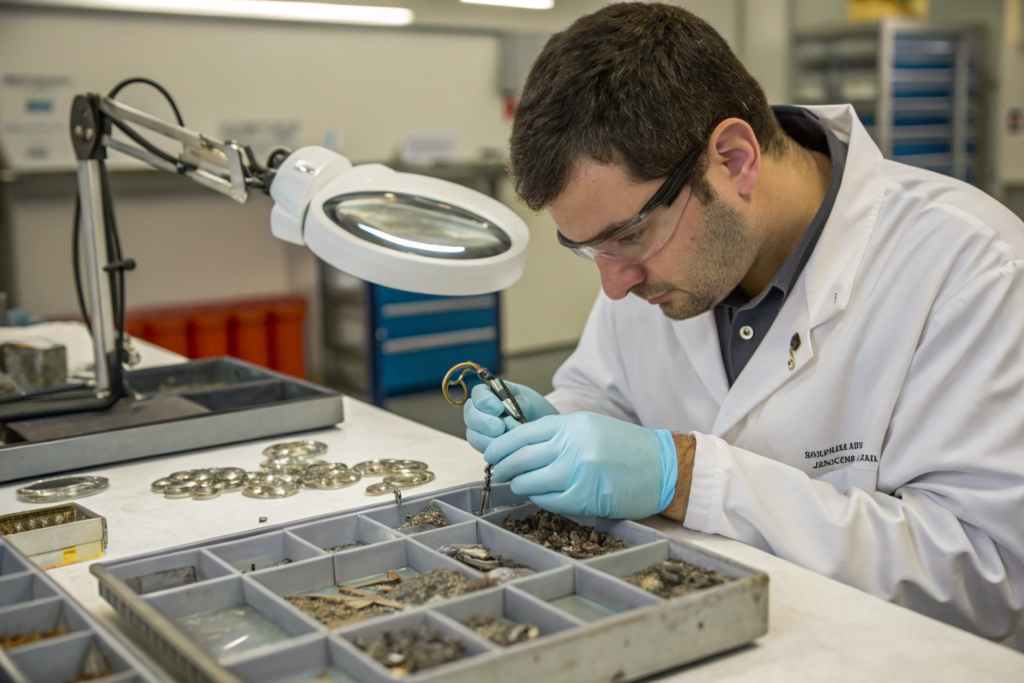
Nickel is a common metal in many inexpensive alloys. I see it all the time in low-cost factories. They use nickel because it is cheap. It makes the metal harder. But nickel is also one of the most common allergens in the world. Studies show that up to 17% of women have a nickel sensitivity. When a nickel-containing clip touches the scalp or skin, it can cause redness, itching, and even blisters.
I learned this lesson with a client from a major American supermarket chain. They ordered a large quantity of hair clips from a different supplier. Within weeks, they received dozens of complaints. Customers reported rashes behind their ears. The supermarket had to issue refunds and pull the product from shelves. When they came to us, we tested the clips. They had a nickel content of over 8%. We replaced the line with nickel-free stainless steel clips. The problem disappeared. The client has worked with us for five years now.
How Does Corrosion Resistance Impact the Lifespan of Hair Clips?
Corrosion is the slow death of a metal hair clip. It starts small. A tiny spot appears. Then it spreads. The finish flakes off. The metal underneath tarnishes. The clip becomes ugly. Sometimes it even stains the customer’s hair. I have seen this happen with cheap zinc alloy clips. They look beautiful in the package. But after a few weeks of use, they fall apart.
Corrosion resistance depends on two things. The base metal matters. The plating quality also matters. Stainless steel does not need plating. It resists corrosion naturally. Brass needs a good plating layer. If the plating is too thin, the brass underneath will oxidize. This is why we use high-quality electroplating. We apply multiple layers. We test for salt spray resistance. For our clients ordering hair bands and hair clips for retail, this attention to detail means fewer returns and happier customers.
How Do Stainless Steel and Titanium Compare for Hair Clip Manufacturing?
When clients ask me about the best metal for hair clips, I often recommend stainless steel or titanium. These two materials are the gold standard in our industry. They are safe. They are durable. They look good. But they are different. Understanding these differences helps you choose the right one for your brand and your customers.
Stainless steel is an alloy of iron, chromium, and sometimes nickel. But the good news is that high-grade stainless steel binds the nickel so tightly that it does not release onto the skin. This makes it effectively hypoallergenic. Titanium is a pure element. It does not contain any nickel at all. It is completely inert. Both materials offer excellent durability. But they have different characteristics that matter for manufacturing and cost.
Is 304 or 316L Stainless Steel Better for Hair Accessories?
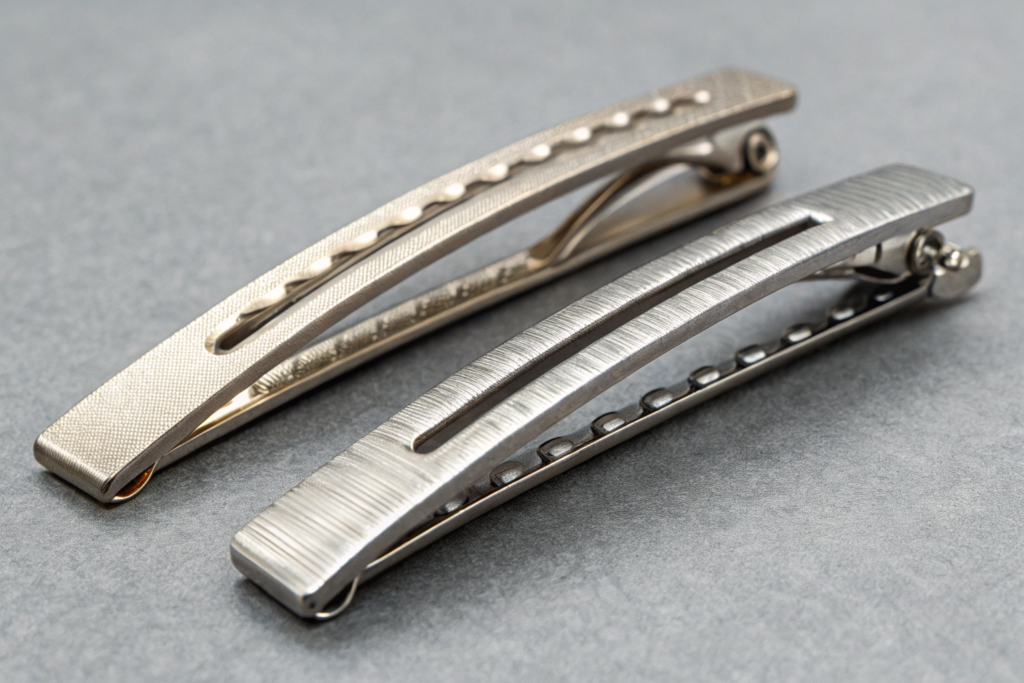
This is a question I get from many buyers. Both are excellent choices. But they serve different needs. 304 stainless steel is the most common grade. It contains 18% chromium and 8% nickel. It is strong. It resists corrosion well. It is suitable for most hair accessories. I use it for many of our standard hair clips and barrettes.
316L stainless steel is the premium option. It contains 16% chromium, 10% nickel, and 2% molybdenum. The molybdenum adds extra corrosion resistance. It is often called "marine grade" or "medical grade." This is the metal used for surgical implants and jewelry for sensitive skin. For clients targeting customers with known metal allergies, I recommend 316L. It costs a bit more. But it offers peace of mind. One of our European luxury clients uses 316L for all their hair accessories. Their return rate for allergic reactions is nearly zero.
Why Is Titanium Considered the Ultimate Hypoallergenic Option?
Titanium is special. I have been working with it for over a decade. It is the most biocompatible metal available. This means the human body does not react to it. Hospitals use titanium for implants and surgical tools. For customers with severe metal allergies, titanium is the only safe choice.
But titanium is not easy to work with. It is extremely hard. It requires special tools and techniques to cut, shape, and polish. Not every factory can work with titanium. We invested in the equipment because our clients asked for it. The result is a product that is lightweight, incredibly strong, and completely safe. Titanium hair clips also have a beautiful natural color. They do not need plating. The finish lasts forever. For premium brands and high-end retailers, titanium is an excellent choice.
What Role Does Plating Quality Play in Hypoallergenic Hair Clips?
I want to tell you about a common problem. A buyer chooses a good base metal like brass. They ask for a gold finish. The factory plates it. The clips look beautiful when they ship. But three months later, the finish starts to peel. Customers see the brass underneath. They return the product. The buyer blames the metal. But the real problem is the plating quality.
Plating is the outer layer that gives a hair clip its color and shine. It is also the layer that touches the customer’s skin. If the plating is poor, it can crack, peel, or wear away. When this happens, the base metal underneath is exposed. That base metal might contain nickel or other irritants. Even a good base metal like brass will oxidize and tarnish without proper plating. This is why plating quality is just as important as the base metal itself.
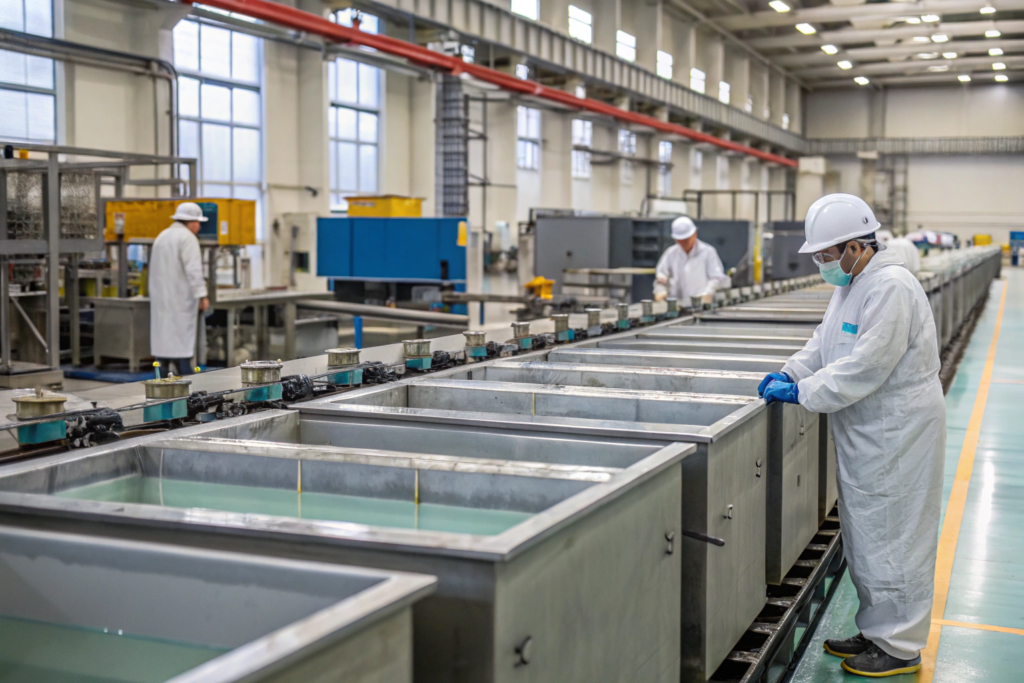
I have seen factories cut corners on plating. They use thin layers. They skip the nickel barrier layer. They do not test for adhesion. We do the opposite. Here is our plating process for brass hair clips and hair bands:
| Plating Layer | Purpose | Why It Matters |
|---|---|---|
| Copper Base Layer | Provides adhesion to the brass base. | Prevents peeling and flaking. |
| Nickel Barrier Layer | Prevents base metal from migrating to the surface. | Blocks potential allergens from reaching the skin. |
| Gold/Silver/Rose Gold Top Layer | Provides final color and finish. | Determines the appearance and wear resistance. |
| Clear E-coat (Optional) | Adds extra protection against scratches and tarnish. | Extends the life of the finish for heavy-use items. |
Why Is a Nickel Barrier Layer Essential for Plated Hair Clips?
Many people think nickel is always bad. But in plating, nickel serves an important purpose. A nickel barrier layer sits between the base metal and the top finish. It prevents the base metal from reacting with the top layer. It also prevents the base metal from tarnishing and bleeding through.
The key is that the nickel layer must be fully encapsulated. It should not be exposed to the skin. When we plate hair clips with a gold finish, we apply a thick nickel layer first. Then we apply the gold on top. The gold is the only part that touches the customer. This creates a product that is both beautiful and safe. For clients concerned about nickel sensitivity, we can use a copper barrier instead. This adds cost but offers complete nickel-free construction.
How Can I Verify Plating Quality Before Mass Production?
Verifying plating quality is not hard. But you have to ask the right questions. I recommend three simple tests. First, ask for a salt spray test report. This tests corrosion resistance. A good plating should pass 24 to 48 hours of salt spray testing without visible change. Second, do a scratch test. Take a sample and scratch it with a sharp edge. Good plating will not flake or peel. Third, wear test. I always tell my clients to have someone wear a sample for a week. Shower with it. Sleep in it. Use hair products. This real-world test tells you more than any lab report.
At AceAccessory, we do all these tests ourselves. We also provide the reports to our clients. When we produced a line of hair bands for a major American supermarket, they requested independent third-party testing. We coordinated with SGS to perform full plating analysis. The results exceeded their requirements. This built trust. It also protected them from future liability.
How Can I Choose the Right Metal Alloy for My Brand and Budget?
Choosing the right metal is a balance. I have helped hundreds of clients make this decision. There is no single answer that fits every brand. It depends on your target customer, your price point, and your quality expectations. A discount retailer has different needs than a luxury brand. A children’s accessory line has different safety requirements than an adult fashion line.
My goal is to give you the information you need to make a confident choice. I want you to understand the trade-offs. A cheaper metal might save money today. But it could cost you more in returns and reputation tomorrow. A more expensive metal might increase your cost per unit. But it could reduce returns and build customer loyalty. Let me help you think through this decision.
Here is a framework I use with my clients when selecting metals for hair clips, barrettes, and other metal accessories:
| Customer Segment | Recommended Metal | Why | Estimated Cost Impact |
|---|---|---|---|
| Mass Market / Discount Retail | Nickel-free brass with thick plating | Offers good value, acceptable durability, and safety for most users. | Base |
| Mid-Tier Fashion Brands | 304 Stainless Steel or high-quality plated brass | Provides excellent durability and a premium feel without excessive cost. | +15-25% |
| Children’s Accessories | 304 Stainless Steel or titanium | Children have more sensitive skin. Safety is the top priority. | +20-40% |
| Premium / Luxury Brands | 316L Stainless Steel or titanium | Delivers superior corrosion resistance and the highest safety standards. | +40-60% |
| Medical / Sensitive Skin Lines | Titanium | Completely inert. No risk of allergic reaction. | +80-100% |
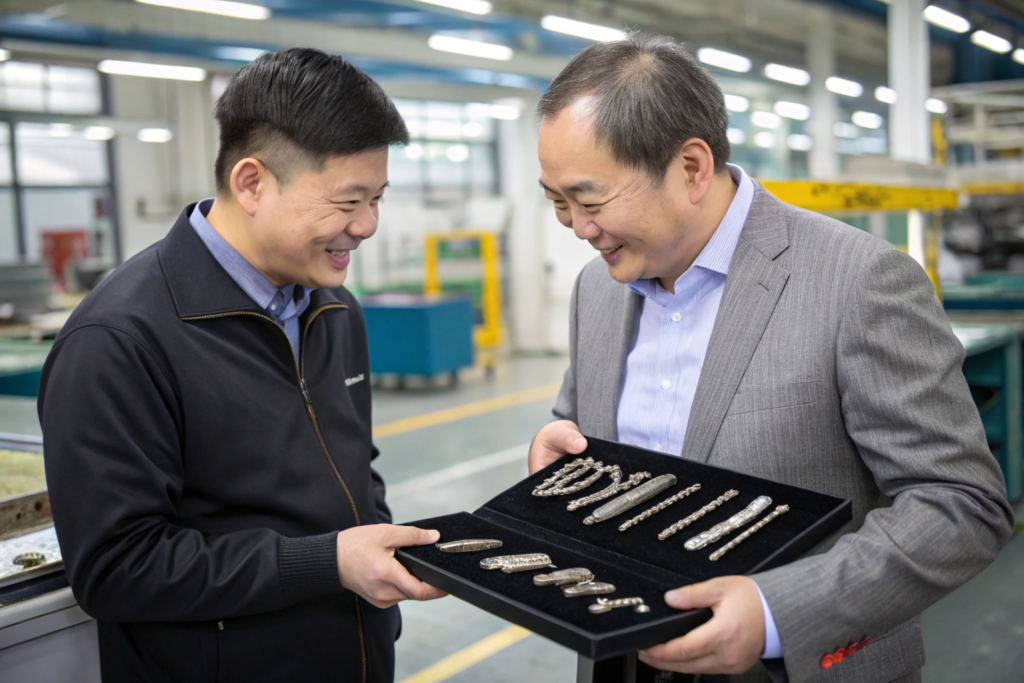
What Questions Should I Ask a Factory About Their Metal Sourcing?
I encourage you to ask specific questions. Do not just ask, "Is this hypoallergenic?" Many factories will say yes without knowing what it means. Instead, ask these questions:
First, ask: "What grade of stainless steel do you use?" A good answer is "304" or "316L." A vague answer like "high quality" is not enough. Second, ask: "Do you have material certification from your steel supplier?" Reputable factories keep these documents. Third, ask: "What is your plating thickness?" A good factory will tell you in microns. We use 3-5 microns for gold plating. Thin plating under 1 micron will not last.
I also suggest you ask about their quality control process for metal components. Do they test incoming materials? Do they have a quality control team dedicated to metal parts? These questions show you are serious. They also help you identify factories that take quality seriously. When a client asks me these questions, I know they understand the business. I am happy to provide the answers.
How Does AceAccessory Ensure Metal Quality Across Different Product Lines?
We have built our reputation on consistent quality. This did not happen by accident. I have invested in systems to ensure every metal component meets our standards. It does not matter if we are making hair clips, belt buckles, or bag hardware. The same standards apply.
Our process starts with material sourcing. We buy from established steel and brass mills. We do not buy from unknown traders. Each batch comes with a material test report. Our quality control team checks every incoming shipment. They test for composition. They check for defects. During production, we monitor plating thickness. We run salt spray tests on every production batch. Before shipping, we do a final inspection. We look for scratches, uneven plating, or signs of corrosion. This system takes work. But it protects our clients. It is why major supermarkets and apparel brands trust us.
Conclusion
I started this business because I wanted to make products I could be proud of. I wanted to build a factory that solved problems instead of creating them. The choice of metal for hair accessories is a perfect example. It seems like a small detail. But it affects everything. It affects your customer’s health. It affects your brand reputation. It affects your bottom line.
I have seen too many brands learn this lesson the hard way. They saved a few cents on metal. They lost thousands in returns. They lost customers who will never trust them again. Do not let this happen to you. Choose the right metal for your product. Choose a partner who understands the science and cares about the quality.
At Shanghai Fumao, we are ready to help you make the right choice. Our team knows the difference between 304 and 316L stainless steel. We understand how to plate brass so it lasts. We can work with titanium for your premium lines. We have the design team to help you create beautiful styles. We have the quality control team to ensure every clip meets your standards.
If you are planning a new line of hair clips, hair bands, or any metal accessories, I invite you to talk to us. Contact our Business Director, Elaine. She will connect you with one of our experienced project managers. We will walk you through the options. We will help you choose the right metal for your brand and your budget. Send Elaine an email at elaine@fumaoclothing.com. Let us build accessories that are beautiful, durable, and safe for your customers.