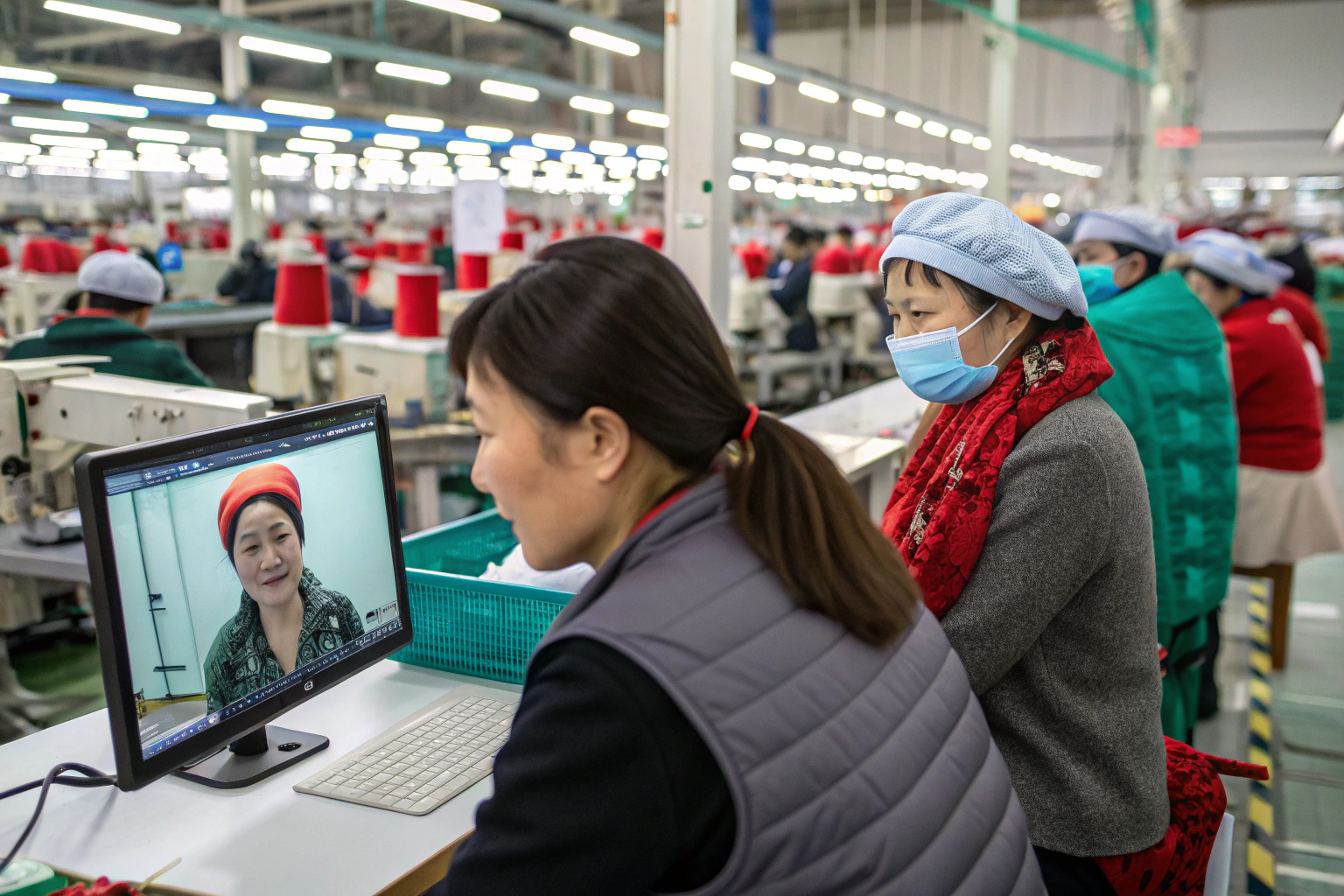
I remember a client from a major UK retailer. She was scheduled to visit our factory in Zhejiang. Then, travel restrictions hit. She was worried. She had a big order for holiday scarves and hats. She could not afford to work with a supplier she had not seen. I told her, "Let me show you everything from where you are." We set up a virtual audit. I walked her through our entire facility. She saw our QC team at work. She spoke to our project managers. She approved the order without ever stepping on a plane. That is the power of a virtual factory audit.
A virtual factory audit is a live, video-based inspection of a supplier's facilities. It allows you to verify a factory's capabilities, cleanliness, and management systems remotely. You can check production lines, quality control processes, and working conditions in real time. At AceAccessory, we have conducted hundreds of these audits. We use them to build trust with buyers who cannot visit us in person. This transparency is a core part of our service at Shanghai Fumao Clothing.
You might think you need to be on the ground to truly know a factory. But a well-planned virtual audit can give you 90% of the information you need. It is efficient, cost-effective, and safe. In this guide, I will share the exact steps I use to show clients our factory remotely. We will cover what to ask for, what to look for, and how to verify what you see. If you are new to working with Chinese suppliers, you can also read our guide on what makes a factory's quality control stand out for more context.
What Should You Prepare Before the Virtual Factory Audit?
A few months ago, a new client from an American supermarket chain scheduled a virtual audit with us. He sent me a list of his requirements the night before. But he had not prepared his own checklist. He was asking questions in a random order. He missed key details. I suggested we reschedule. The next time, he came prepared. He had a clear plan. He got all the information he needed. Preparation is everything.
Preparation is the first and most critical step for a successful virtual audit. You need to define your goals, create a detailed checklist, and confirm the technical setup with the supplier. Share your specific questions about quality control, certifications, and production capacity ahead of time. This ensures the factory manager can show you exactly what you need to see. A clear plan saves time and gives you better results. I have been on both sides of these audits. I know what works. A virtual audit is not a casual video call. It is a professional inspection. You need to treat it like a real site visit. Let me give you three key areas to prepare.
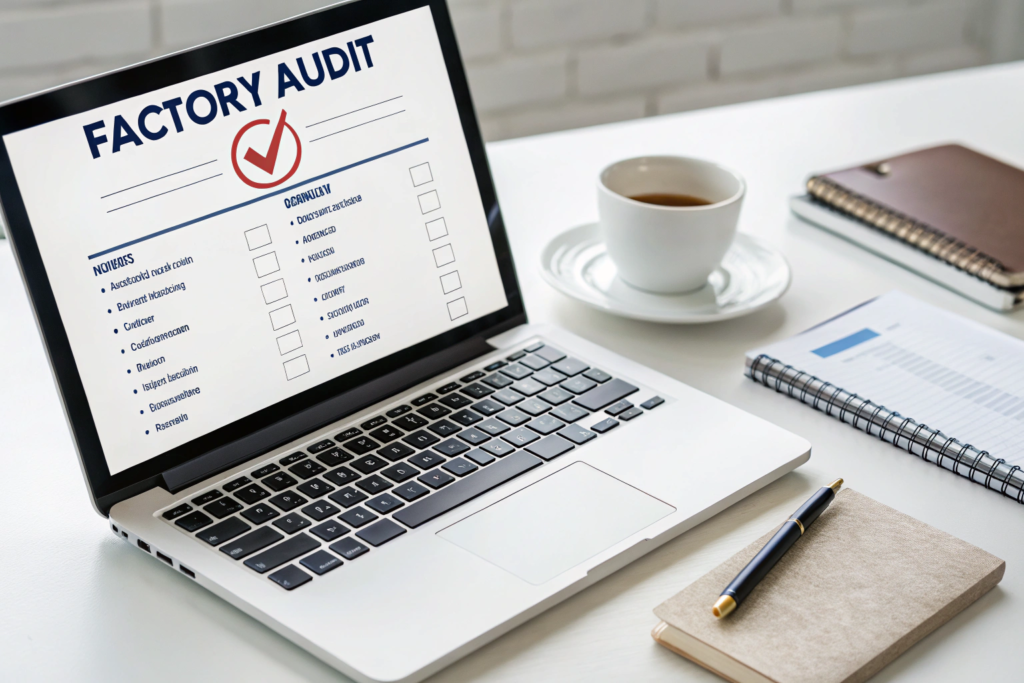
What Documents Should You Request in Advance?
Do not start the video call without documents. Ask for them a few days before. You want to see their certifications. This includes things like BSCI, ISO 9001, or any specific product safety certificates. Ask for a factory layout map. This helps you understand the flow of production. Ask for their quality control procedure documents. A good supplier will send these without hesitation. You can cross-check these documents with public databases. For example, you can verify BSCI certifications through the official site. You can also look for ISO 9001 registered companies to confirm their claims. Having these papers first lets you ask better questions during the live tour. At Shanghai Fumao Clothing, we always prepare these documents in advance for our clients.
How Do You Set Up the Technology for a Smooth Audit?
Technology can make or break a virtual audit. I always tell my clients to use a stable platform like Zoom or Microsoft Teams. Test your internet connection. Make sure you have good lighting. On our side, we use a high-quality camera and a portable tablet. This lets us walk through the factory floor smoothly. I also recommend having a second person on the call. One person can focus on the video tour. The other can take notes and ask follow-up questions. If you want to learn more about best practices for remote inspections, many testing companies offer guides. The key is to simulate an in-person visit as closely as possible.
What Are the Key Areas to Inspect During a Virtual Factory Tour?
During one virtual audit for a European brand, the client asked to see our raw material warehouse. I showed him our fabric storage. It was clean and organized. He then asked to see our rejected materials area. I showed him a bin of defective zippers. He smiled. He said, "Good. You are honest about your rejects." That is what you are looking for. You want to see the whole story.
The key areas to inspect during a virtual tour include the raw material warehouse, production lines, quality control stations, finished goods storage, and the factory's overall cleanliness. You should also ask to see the sample room and the design team's workspace. Each area tells you something different about the factory's capabilities and management standards. A thorough tour covers the entire production cycle from start to finish.
A factory is like a living organism. Every part matters. You cannot just look at the final product. You need to see how it is made. I will walk you through the critical areas and what to look for in each. For more details on what to expect from a professional supplier, check out our section on how project management impacts your order.
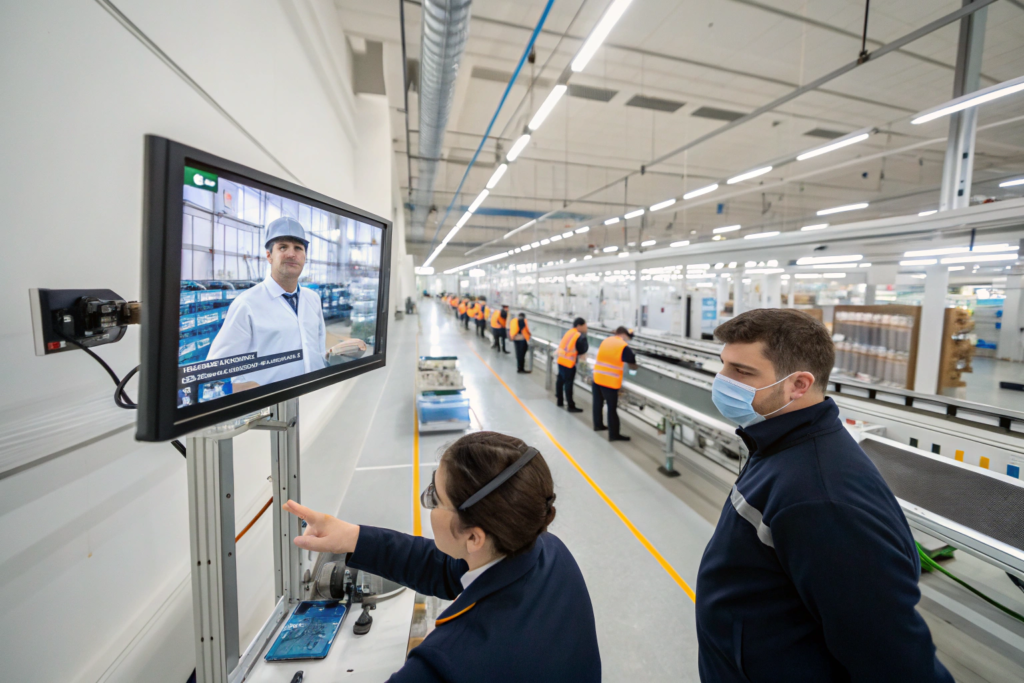
How Do You Evaluate the Production Floor and Cleanliness?
This is the heart of the factory. I always start here. Ask to see the main production floor. Look at the floor. Is it clean? Are there clear walking paths? Look at the workers. Do they have proper safety gear? Are the machines well-maintained? A clean, organized floor shows discipline. It reduces the chance of product defects. Ask to see the production schedule. A good factory has it posted on a whiteboard. You can also ask about their lean manufacturing practices. This tells you if they care about efficiency. During the tour, ask them to zoom in on specific machines. See the labels. See the maintenance logs. These small details reveal a lot.
What Should You Look for in the Quality Control Station?
The QC station is where products are inspected. I make sure clients spend at least 10 minutes here. Ask to see the QC checklist. It should be detailed. Ask to see products that have passed inspection. Then ask to see products that have failed. A transparent factory will show you both. Look at the tools they use. Do they have magnifying glasses for hair clips? Do they have color matching lights for scarves? The American Society for Quality has great resources on what proper QC looks like. You should also ask how they track defects. Do they use a digital system or paper forms? The system should show trends. This helps them fix problems before they become big issues.
How Can You Verify Quality Control and Testing During a Virtual Audit?
I had a client from a big American online store. He was worried about the size accuracy of our hair bands. He had a bad experience before. During the virtual audit, I took him to our QC lab. I asked one of our inspectors to measure a random sample on camera. The client watched the whole process. He saw the numbers matched his specs. He said, "That is all I needed to see." Verification is about showing, not just telling.
To verify quality control during a virtual audit, you must ask for live demonstrations. Request to see random samples pulled from the production line. Watch as inspectors test those samples using calibrated tools. Ask to see the records of these tests. You should also ask about third-party testing arrangements. Live verification removes doubt and builds confidence in the factory's processes.
Words are cheap. You need to see the proof. A virtual audit lets you do that if you ask the right questions. Here is how I help my clients verify our quality systems. At Shanghai Fumao Clothing, we make this process a standard part of our virtual audits.
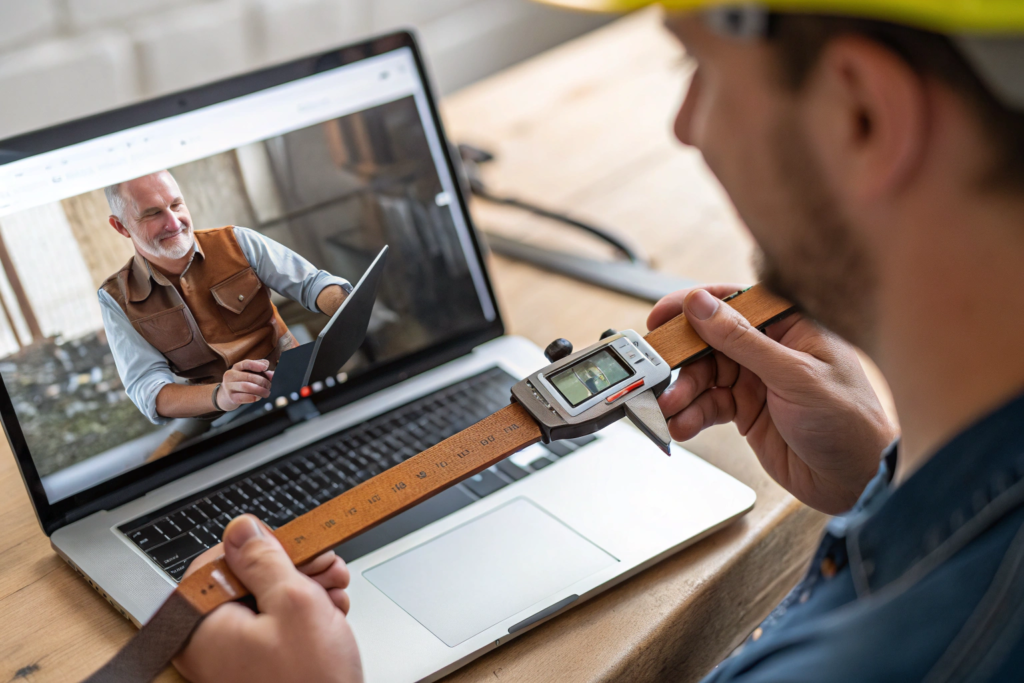
Can You Request Live Product Testing?
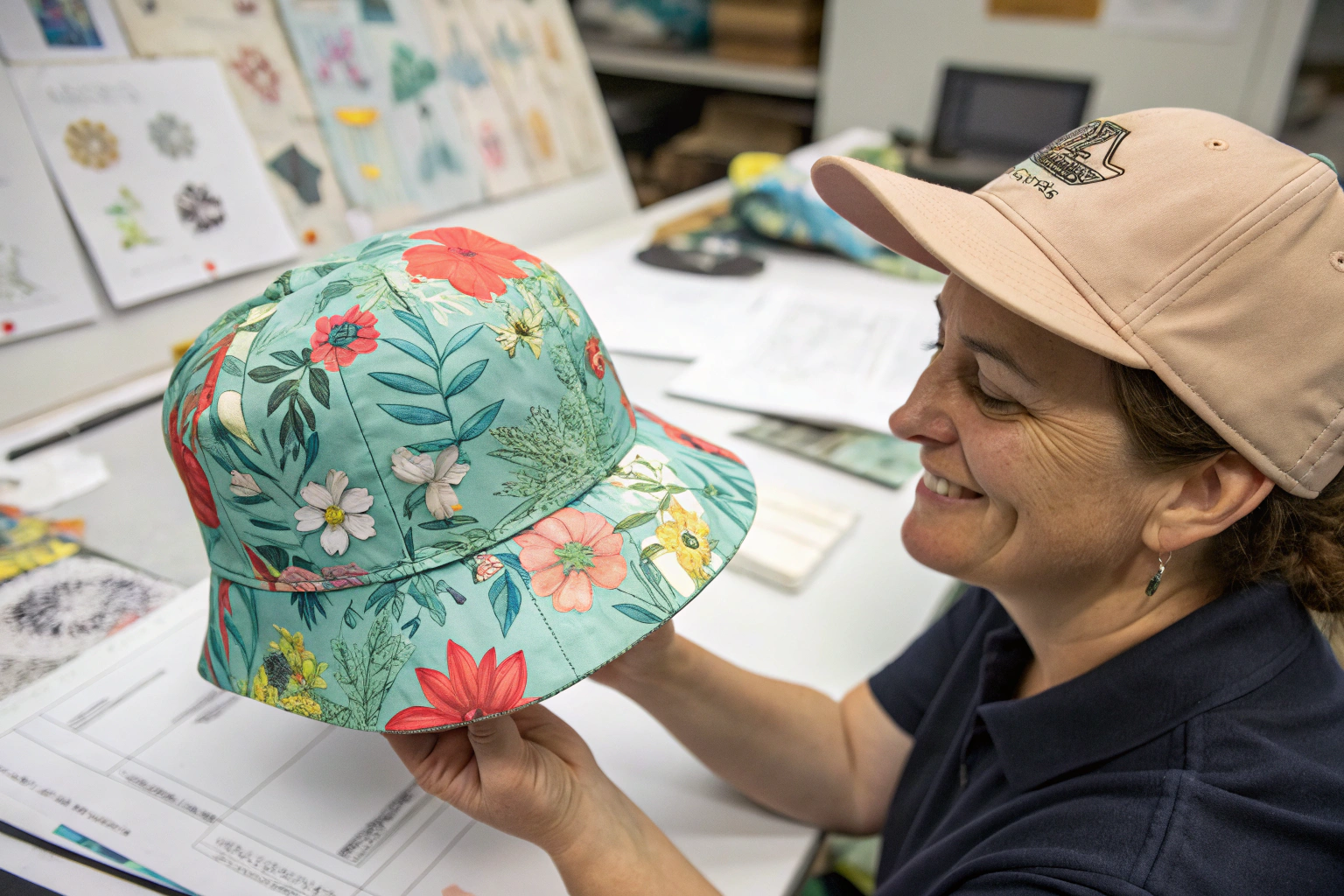
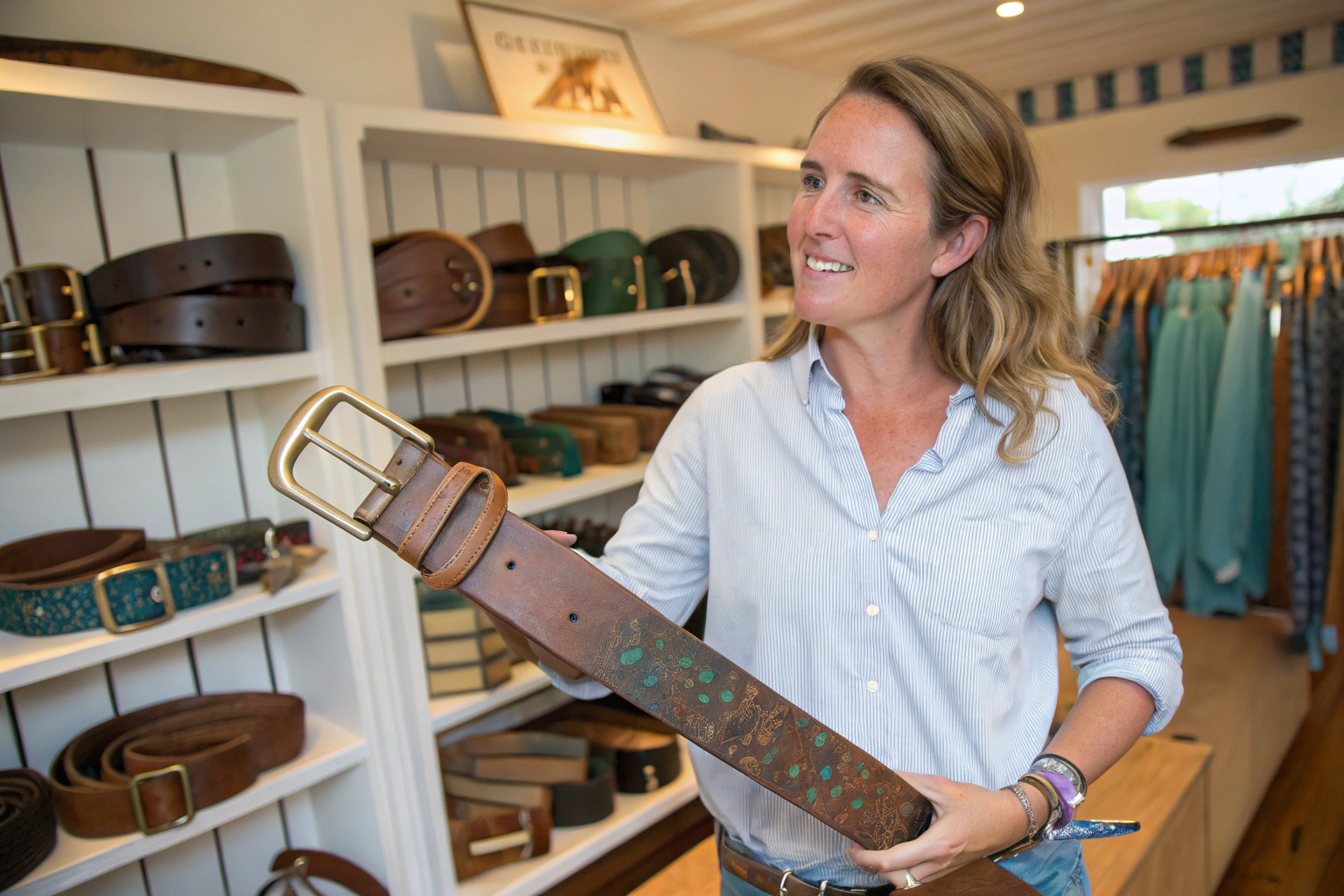
Yes, absolutely. I encourage it. If you are ordering hats, ask to see a random hat being measured. If you are ordering belts, ask to see the buckle strength test. We have a small lab on site. We can show you the tests live. You can ask to see the calibration certificate for the measuring tool. This is a sign of a serious factory. For more complex tests, like chemical content, we use accredited third-party labs. You can ask to see the latest test reports. You can also ask to schedule a product inspection with a third-party company during production. During your virtual audit, you can ask the supplier to walk you through how they coordinate with these third parties. This shows they are comfortable with independent verification.
How Do You Check Material and Component Quality?
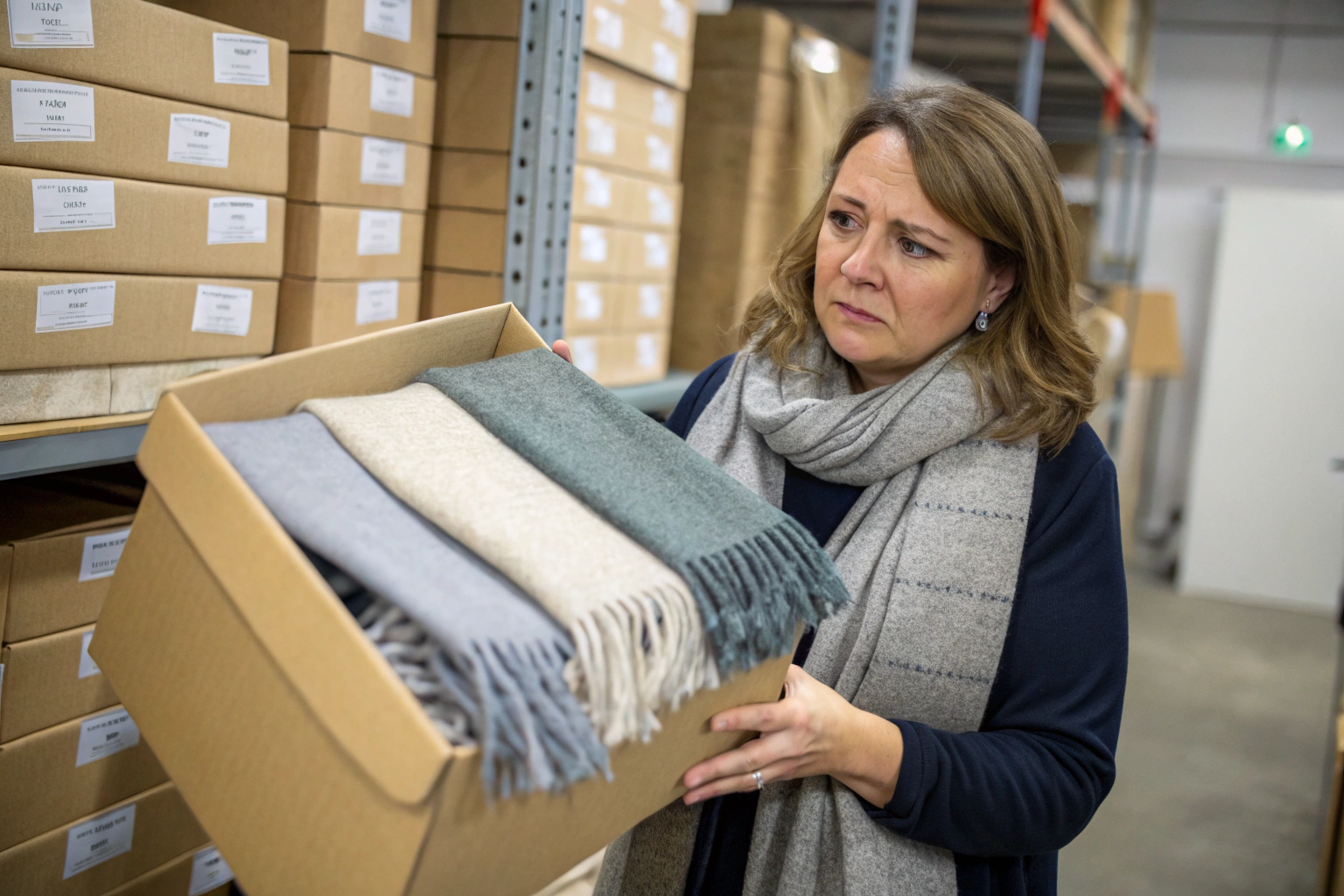
Materials are the foundation of quality. During the audit, ask to see the raw material storage. Ask to see the incoming material inspection records. A good factory checks every batch of fabric, plastic, or metal that comes in. Ask to see the supplier list for these raw materials. We keep a list of approved vendors. This ensures consistency. You can also ask to see the material safety data sheets for certain items. For products like children's hair clips, this is very important. If the factory is serious, they will have these documents organized. They will be able to show them to you quickly during the call.
What Are the Red Flags to Watch For in a Virtual Factory Audit?
I once had a client who was considering a factory in another province. He asked me to help him evaluate it. During the virtual tour, the manager was very enthusiastic. But I noticed things. The camera moved too fast. It never lingered on one spot. When asked to see the QC records, there was a long pause. The client did not notice. I pointed it out. He later found a better partner. Red flags are there. You just need to know what to look for.
Red flags during a virtual audit include rushed tours, unwillingness to show certain areas, inconsistent answers, poor housekeeping, and missing documentation. If a factory refuses to show you the raw material warehouse or the rejected goods area, that is a warning sign. Pay attention to how the manager answers your questions. Hesitation or vague answers often indicate problems. Trust your instincts.
Your goal is to find a transparent, reliable partner. You need to be able to spot the factories that are not ready. Let me share the specific signs I have learned to watch for. Understanding these red flags will help you avoid the inefficient pricing and delays that many buyers face.
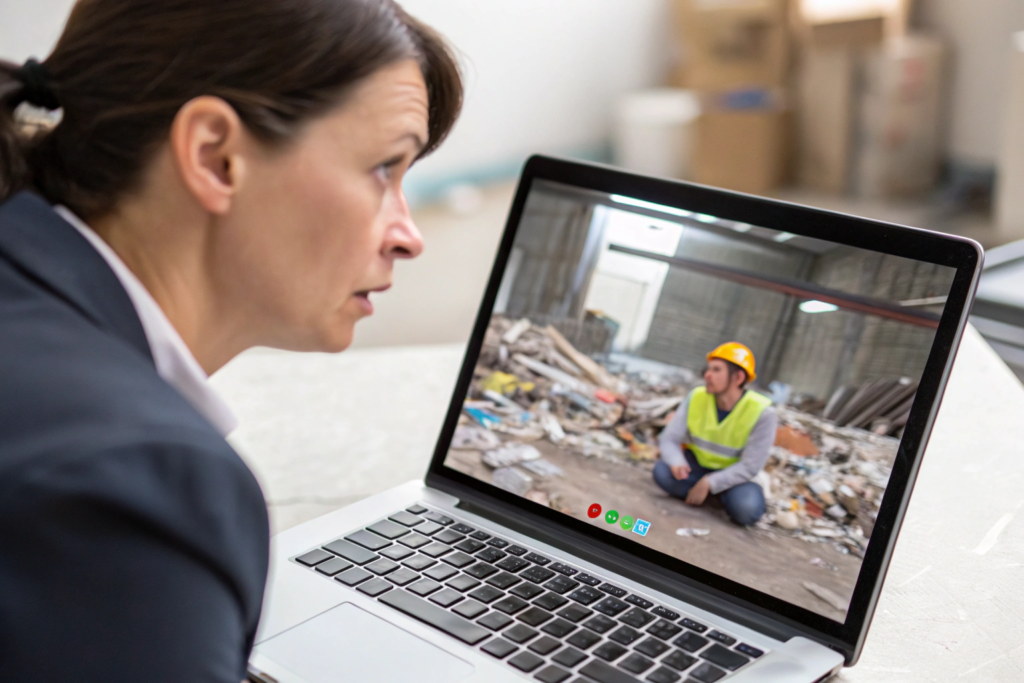
What Does a Rushed or Controlled Tour Indicate?
This is the biggest red flag. If the tour guide rushes through areas or keeps the camera moving fast, they are hiding something. A good factory is proud of its operations. They will slow down. They will let you zoom in. They will show you the details. If you ask to see a specific area, like the warehouse, and they say "it is too far," that is a problem. You can refer to resources on supplier audit best practices to understand what a thorough tour looks like. A proper audit should feel like you are walking the floor yourself. If the factory controls what you see too tightly, consider it a major warning.
How Do You Spot Issues with Documentation and Consistency?
I always ask to see the same document twice during a call. For example, I ask to see the QC report for a specific batch. Then, later, I ask to see the production record for that same batch. The dates and numbers should match. If they do not, it is a problem. Also, ask about employee training records. A professional factory keeps these. If the manager cannot produce a simple training log, it suggests a lack of system. Look for operational inconsistencies like this. They often point to bigger management issues. A good supplier will have a clear, organized system. They will be able to show you proof of their processes without hesitation.
Conclusion
A virtual factory audit is a powerful tool. It gives you access to a supplier's operations without the time and cost of travel. I have used it to build trust with clients all over the world. It works because we have nothing to hide. We want you to see our clean factory, our skilled QC team, and our dedicated project managers.
I have shared the steps with you. Prepare your checklist. Focus on key areas like production, QC, and materials. Ask for live demonstrations. Watch for red flags like rushed tours or missing documents. A good supplier will welcome this process. They will see it as an opportunity to show you their strengths.
At Shanghai Fumao Clothing, we are ready for your virtual audit. Our team in Zhejiang is experienced in guiding clients through our facility remotely. We can show you our design room, our production lines, and our quality control stations. We can pull random samples and test them live. We can share our certifications and records.
If you are looking for a reliable partner for your accessories, I invite you to put us to the test. You can conduct a virtual audit and see for yourself how we work. Our Business Director, Elaine, can arrange it for you. Contact her at elaine@fumaoclothing.com. Let us show you what a professional accessory supplier looks like.