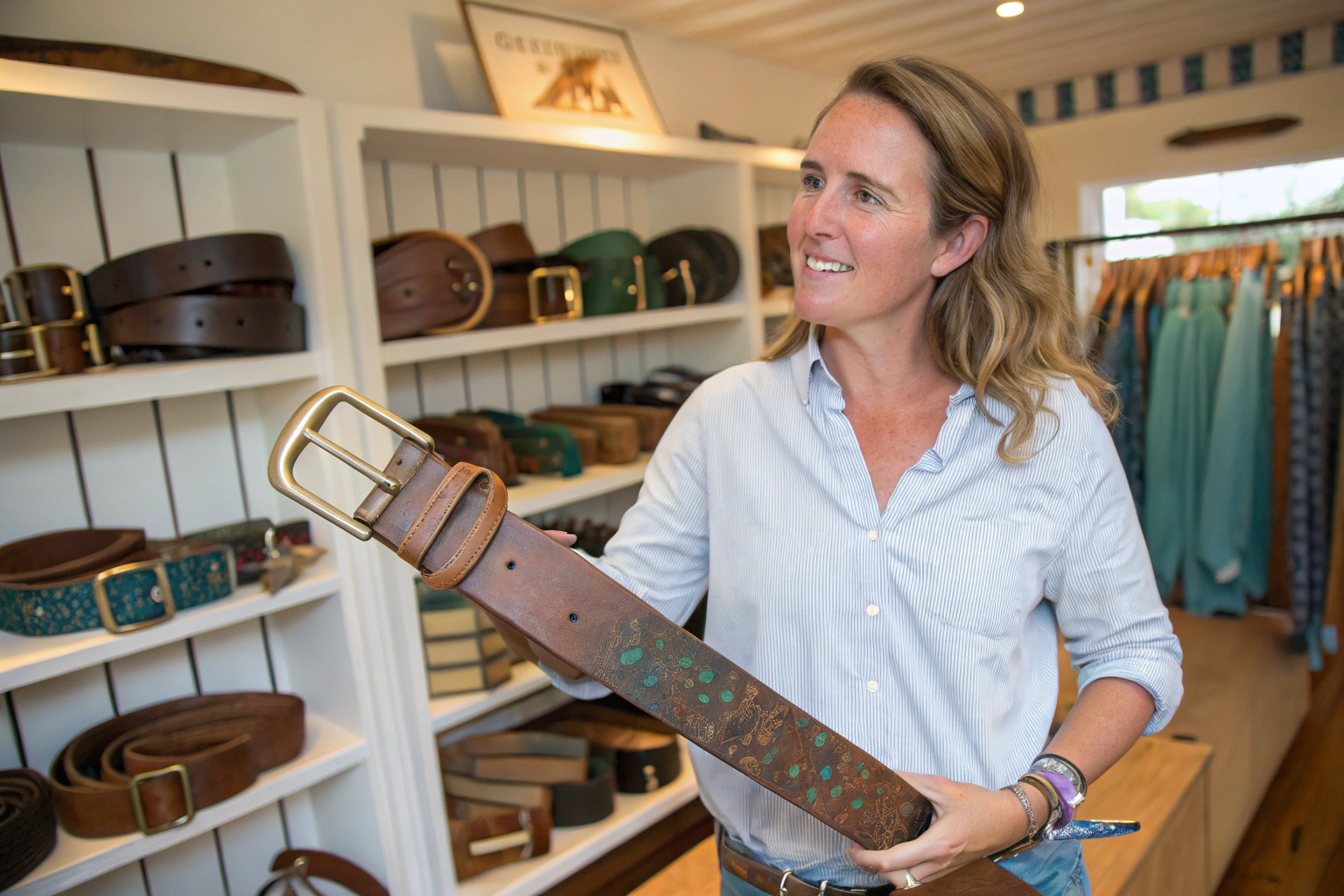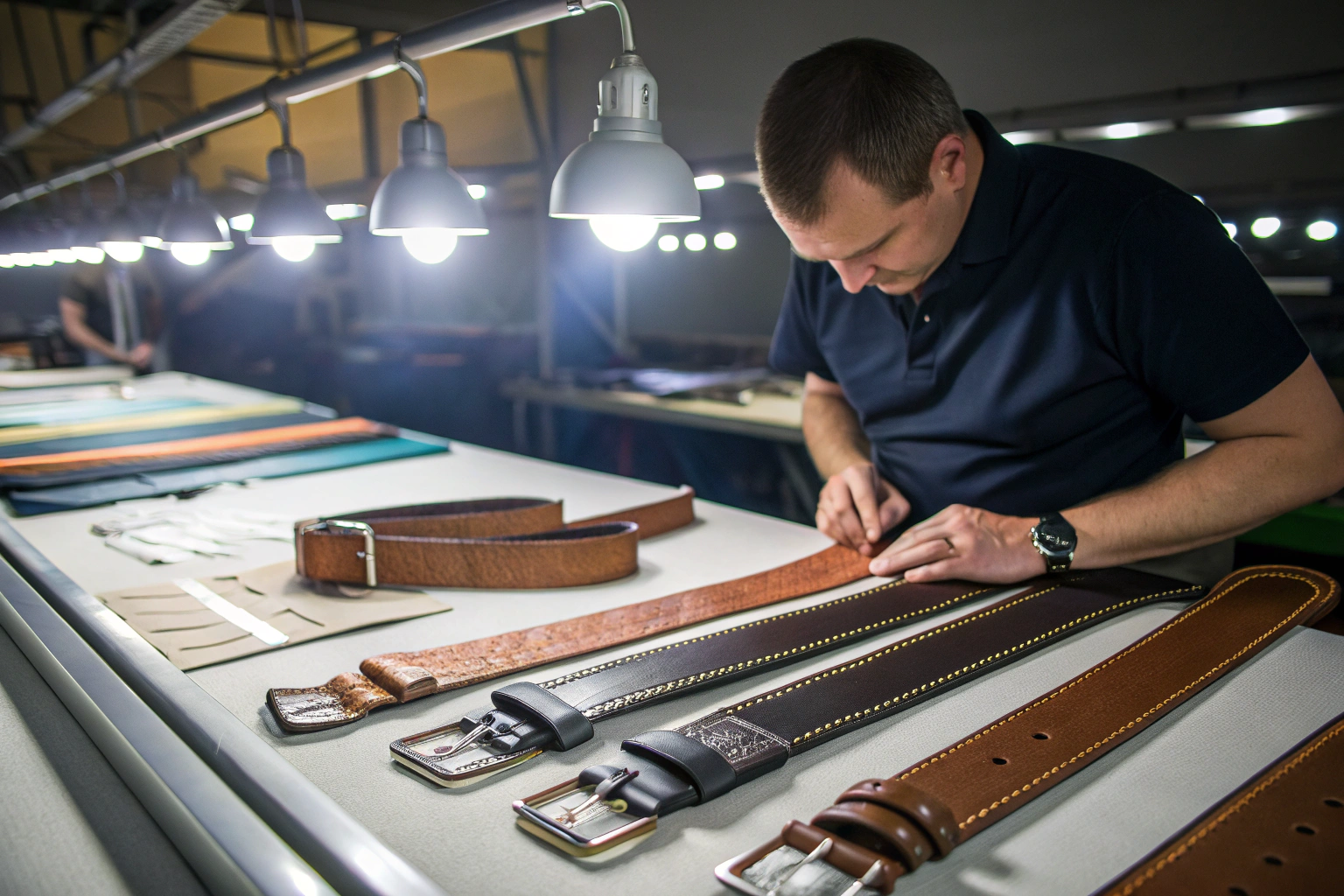
I have been in the fashion accessory manufacturing business for over twenty years, and I have learned that belts are one of the most challenging products to get right. They seem simple, but they have many potential failure points. For a buyer like Ron, who supplies to retailers and online stores, sourcing belts that are both durable and fashionable is essential. A belt that breaks, a buckle that fails, or leather that cracks will lead to returns and damaged reputation. The key is to understand the materials, the construction, and the quality indicators that separate a great belt from a poor one.
The key factors in sourcing durable and fashionable belts are material quality (leather grade, metal hardware, stitching thread), construction integrity (stitching strength, edge finishing, buckle attachment), functional durability (buckle operation, strap strength, hole integrity), and design aesthetics (color, texture, hardware finish). A durable belt uses full-grain or top-grain leather, high-quality metal hardware, and strong stitching. A fashionable belt aligns with current trends in color, width, and buckle style while maintaining quality.
At Shanghai Fumao Clothing, we have been producing belts for years. We understand the nuances of leather selection, hardware sourcing, and construction techniques. We have seen what works and what fails. I want to share the key factors you need to consider to source belts that your customers will love and that will stand the test of time.
What Materials Make A Belt Durable And Fashionable?
The materials used in a belt determine its durability, feel, and appearance. From the leather strap to the buckle to the stitching thread, every component matters. Understanding material quality helps you select belts that will perform and look great.
Leather is the most common material for belts. The grade of leather directly affects durability. Full-grain leather is the highest quality. It is the outermost layer of the hide, with the natural grain intact. It is strong, durable, and develops a beautiful patina over time. Top-grain leather is the second highest quality. It has been sanded to remove imperfections, resulting in a smoother surface. It is still durable but less so than full-grain. Genuine leather is a lower grade, made from the layers beneath the top grain. It is less durable and may crack over time. Bonded leather is the lowest quality, made from leather scraps and fibers. It should be avoided for belts.
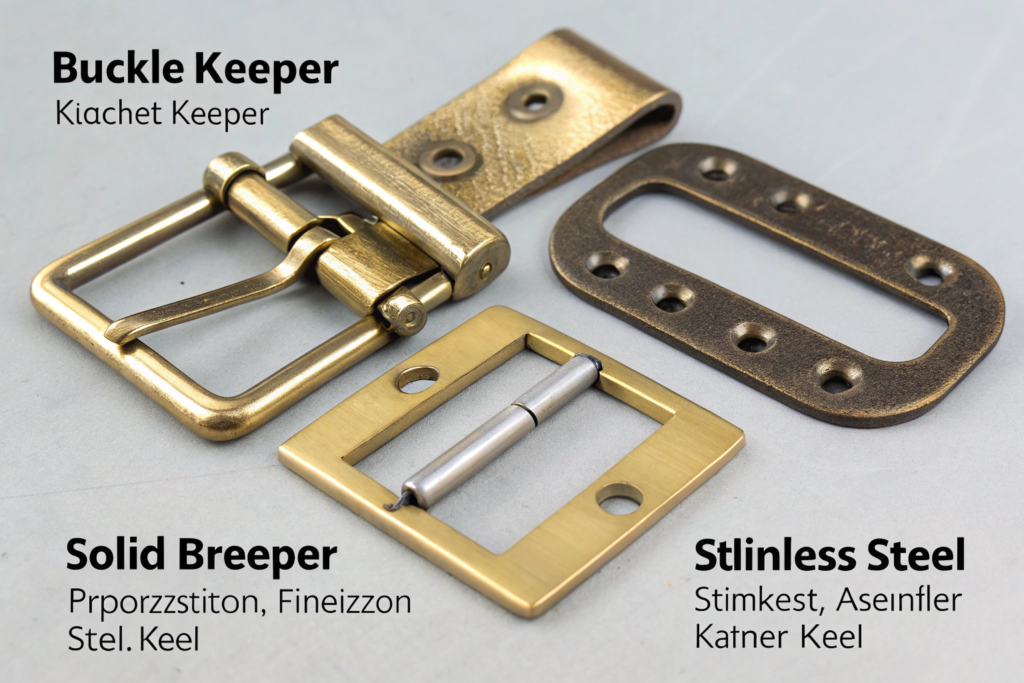
Metal Hardware includes the buckle, keeper, and any rivets or snaps. The best hardware is made from solid brass or stainless steel. These metals are strong, corrosion-resistant, and have a high-quality feel. Zinc alloy is common for plated hardware. It is less expensive but can break or corrode over time. The plating should be thick and even to prevent peeling.
Stitching Thread is often overlooked but critical. High-quality belts use bonded nylon or polyester thread. These threads are strong, resistant to abrasion, and do not rot. Cotton thread is weaker and can break over time. The stitching should be even and consistent.
For more information on leather grades, the Leather Working Group provides resources on leather quality and sustainability.
What is the difference between full-grain and top-grain leather?
The difference between full-grain and top-grain leather is significant for durability and appearance. Full-grain leather is the highest quality. It is the outermost layer of the hide, with the natural grain intact. This means the leather retains its natural markings, which give it character. Full-grain leather is the strongest and most durable because the fibers are tight and unaltered. It develops a rich patina over time, darkening and becoming more beautiful with age. Top-grain leather is the second highest quality. The top layer has been sanded to remove imperfections. This results in a smoother, more uniform surface. Top-grain leather is still durable, but it is slightly thinner and less strong than full-grain. It does not develop the same patina. For belts, full-grain leather is the best choice for durability and a premium look. Top-grain leather is a good choice for a more uniform appearance at a slightly lower price point. Genuine leather (the layer beneath) and bonded leather (scraps) are not recommended for belts that need to last. At Shanghai Fumao Clothing, we use full-grain and top-grain leather from reputable tanneries for our belts.
What metals are best for belt buckles?
The best metals for belt buckles are solid brass and stainless steel. Solid brass is strong, corrosion-resistant, and has a warm, classic look. It can be polished to a high shine or given a matte finish. Brass develops a natural patina over time, which many people find appealing. Stainless steel is also strong and corrosion-resistant. It has a cool, modern look. It is often used for more contemporary styles. Both metals are hypoallergenic and safe for people with metal sensitivities. For plated hardware, zinc alloy is common. It is less expensive, but the plating can wear off over time, exposing the base metal. If you choose plated hardware, ensure the plating is thick and even. Look for nickel-free plating to prevent allergic reactions. The buckle should also feel substantial. A lightweight, flimsy buckle is a sign of poor quality. At Shanghai Fumao Clothing, we use solid brass and stainless steel buckles for our premium belts, and high-quality plated hardware for our mid-range belts.
What Construction Details Ensure Belt Durability?
Even the best materials can fail if the construction is poor. Construction details like stitching, edge finishing, and buckle attachment determine how well a belt holds up to daily wear.
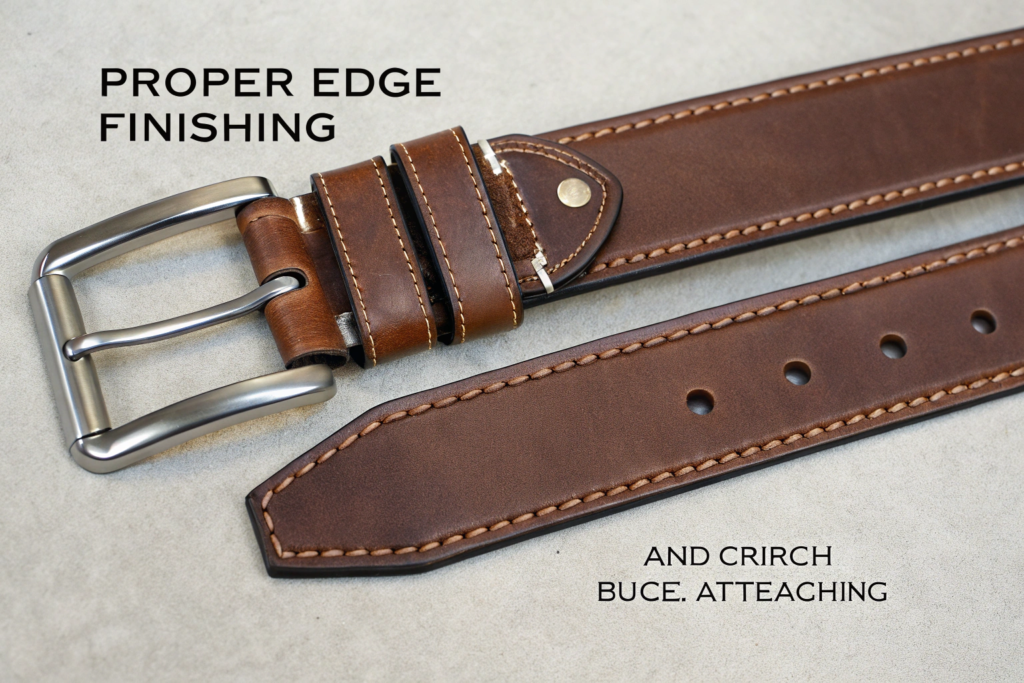
Stitching is the most critical construction detail. The stitching should be even, straight, and consistent. There should be no skipped stitches, loose threads, or tension issues. The thread should be strong (bonded nylon or polyester). The stitch density should be appropriate for the leather thickness. For a belt, 4 to 6 stitches per inch is typical. The stitching should be reinforced at stress points, like the buckle attachment and the holes.
Edge Finishing is important for both appearance and durability. The edges of the belt should be smooth and finished. For leather belts, edges may be painted, waxed, or burnished. The finish should be even and free from cracks or peeling. Poor edge finishing can lead to delamination or fraying.
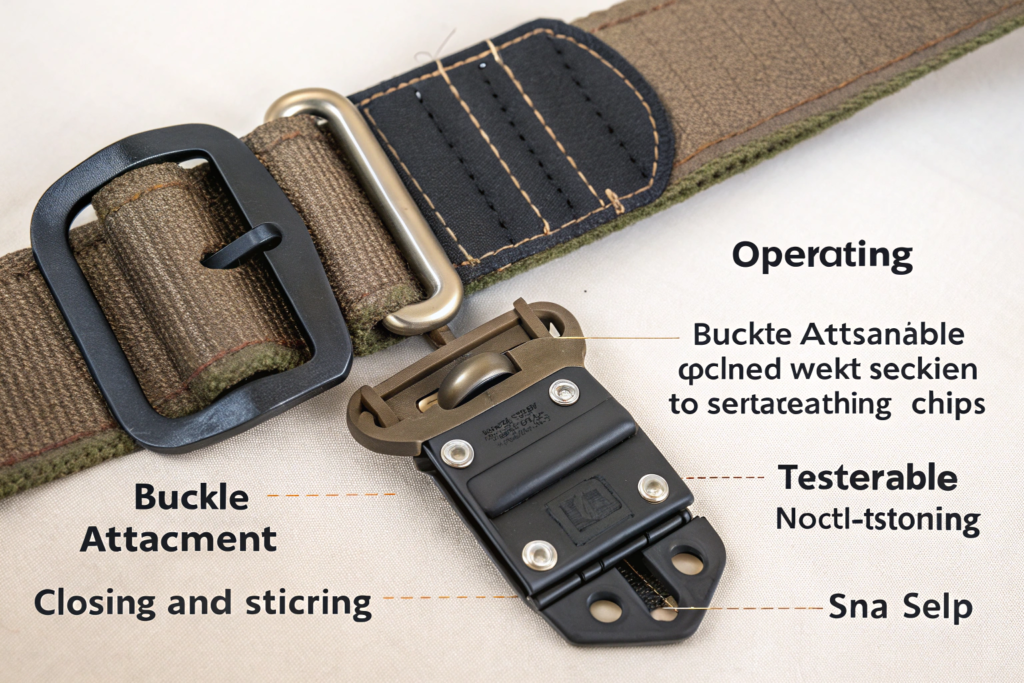
Buckle Attachment is a common failure point. The buckle should be securely attached. For belts with a buckle attached by stitching, the stitching should be strong and reinforced. For belts with a buckle attached by rivets, the rivets should be tight and not pull out. For belts with a screw or snap attachment, the components should be tight and not loosen over time.
Hole Punching is a detail that is often overlooked. The holes should be evenly spaced, round, and clean. There should be no fraying or tearing around the holes. For leather belts, the holes should be reinforced with a metal grommet or a well-burnished edge to prevent stretching. For more information on construction standards, the American Apparel & Footwear Association (AAFA) provides industry guidelines.
How do I evaluate stitching quality on a belt?
Evaluating stitching quality requires a careful visual inspection and a simple pull test. Start with a visual inspection. Look at the stitching line. It should be straight and even. There should be no deviation from the intended line. Look at the individual stitches. They should be uniform in length and spacing. There should be no skipped stitches or gaps. Look at the thread tension. The top thread and bobbin thread should lock in the center of the leather. If the top thread is pulling to the top, the tension is too tight. If the bobbin thread is pulling to the bottom, the tension is too loose. Look at the back side. The stitching should be as clean as the front. There should be no loops or bird's nests. Next, do a pull test. Gently pull on a section of stitching. It should not stretch or separate. The thread should not break. For high-stress areas like the buckle attachment, the stitching should be reinforced with multiple rows or a bar tack. A bar tack is a dense cluster of stitches that reinforces a stress point. At Shanghai Fumao Clothing, we use bonded nylon thread and reinforce all stress points.
What are the signs of poor edge finishing?
Edge finishing is a key indicator of belt quality. Poor edge finishing not only looks unprofessional but can also lead to delamination or cracking over time. The first sign of poor edge finishing is roughness. Run your finger along the edge. It should be smooth. Any roughness indicates incomplete finishing. The second sign is cracking. For painted or coated edges, look for cracks or peeling. This indicates that the coating was applied too thickly or that the leather was not properly prepared. The third sign is uneven color. The edge finish should be consistent in color. Light and dark spots indicate poor application. The fourth sign is visible layers. On bonded or laminated leather, the layers should be invisible. If you can see distinct layers, the edge finishing is insufficient. The fifth sign is waviness. The edge should be straight and even. Wavy edges indicate poor cutting or finishing. High-quality leather belts often have edges that are burnished (rubbed with a tool to create a smooth, polished finish) or painted with multiple coats for durability. At Shanghai Fumao Clothing, we use high-quality edge finishing techniques to ensure durability and a premium look.
How Do I Test Belt Durability?
Testing belt durability is essential to ensure that your products will perform for your customers. Functional tests simulate the stresses that a belt experiences during normal use. These tests can be done on samples before committing to a large order.
Strap Strength Test: The belt strap should be able to withstand tension without breaking or stretching excessively. Attach one end of the belt to a fixed point. Attach a tension gauge to the other end. Pull until you reach the required force, typically 50 to 100 pounds for a standard leather belt. The belt should not break. The stitching should not pull out. The leather should not tear. For a simpler test, pull on the belt with moderate force. It should feel strong and not stretch.
Buckle Attachment Test: The buckle should be securely attached. Apply tension to the strap while holding the buckle. The attachment should not loosen or fail. For riveted attachments, the rivets should not pull out. For stitched attachments, the stitching should not break. For belts with a screw or snap attachment, the components should remain tight.
Buckle Operation Test: Open and close the buckle 10 to 20 times. For prong buckles, the prong should move freely and seat securely in the hole. For snap buckles, the snap should click into place and release with consistent force. For belt clips, the spring should have enough tension to hold securely.
Hole Durability Test: Insert the prong into each hole several times. The holes should not stretch or tear. The edges of the holes should remain clean. For belts with metal grommets, the grommets should be tight and not pull out.
Flexibility Test: Bend the belt back and forth several times. The leather should not crack. The finish should not peel. For leather belts, good quality leather will remain flexible without cracking. For more information on testing standards, the ASTM International provides standards for leather and hardware testing.
How do I test the strength of a belt strap and buckle?
Testing the strength of the belt strap and buckle is essential for safety and durability. For a quantitative test, use a tension gauge. Attach one end of the belt to a fixed point. Attach the tension gauge to the other end. Pull until you reach the required force. For a standard leather belt, a force of 50 to 100 pounds is typical. The belt should not break. The stitching should not pull out. The buckle should not deform. For the buckle attachment, focus the tension on the attachment point. For riveted attachments, check that the rivets do not pull out or loosen. For stitched attachments, check that the stitching does not break. For belts with a screw or snap attachment, check that the screw or snap does not loosen under tension. For a simpler manual test, put the belt around a fixed object (like a table leg) and pull on the other end with moderate force. You should feel resistance and the belt should not stretch or break. At Shanghai Fumao Clothing, we conduct tension tests on all our belts.
What is the correct way to test buckle operation?
Testing buckle operation ensures that the buckle is easy to use and will function reliably over time. For a prong buckle, start with the buckle closed. The prong should be centered in the hole. There should be no binding or resistance when moving the prong. Open the buckle. The prong should move freely. Close the buckle again. It should seat securely. Repeat this 10 to 20 times. The buckle should function consistently each time. For a snap buckle, press the snap closed. It should click into place with a positive feel. Pull on the strap to ensure the snap holds. Release the snap. It should release with consistent pressure. For a belt clip, open the clip and place it over a belt loop or fabric. It should grip securely. Release the clip. The spring should return to its original position. For any buckle, check for any rough edges or burrs that could catch on clothing or scratch the wearer. Also, check that the buckle does not pinch the wearer when closed. At Shanghai Fumao Clothing, we test every buckle before it is attached to the belt.
What Are The Current Fashion Trends In Belts?
While durability is essential, a belt also needs to be fashionable. Consumers want belts that are stylish and reflect current trends. Understanding the trends helps you select belts that will appeal to your target customers.
Width Trends: Both wide and narrow belts are in demand. Wide belts (2 to 3 inches) are popular for cinching dresses and adding structure to outfits. Narrow belts (1 to 1.5 inches) are versatile and work with jeans, trousers, and dresses. The classic medium width (1.5 to 2 inches) remains a staple.
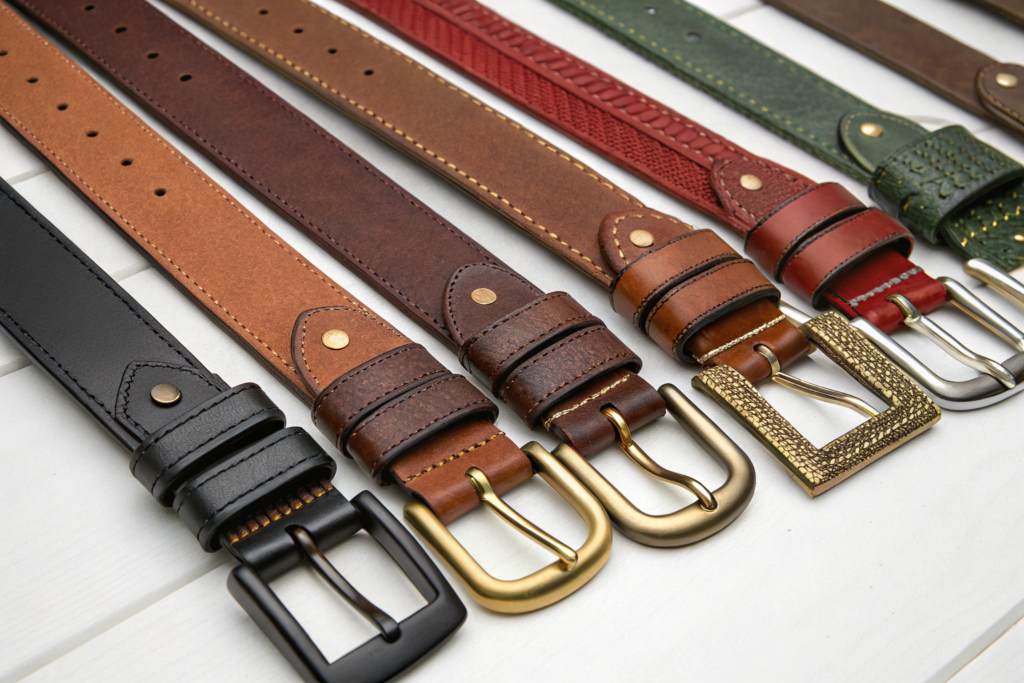
Buckle Styles: The style of the buckle is a key fashion element. Classic rectangular buckles with a prong are timeless. Western-style buckles (large, often decorative) are trending for a bold, statement look. Minimalist buckles (sleek, simple shapes) appeal to modern aesthetics. Designer buckles with logos are popular for luxury brands.
Color Trends: For 2026, the color palette for belts includes classic neutrals (black, brown, tan) which are always in demand. Rich jewel tones like burgundy and forest green are trending for fall and winter. Earth tones like cognac, saddle tan, and olive are popular for a natural, organic look. Metallic finishes (gold, silver, rose gold) add a touch of glamour.
Material Trends: Leather remains the dominant material. Full-grain and top-grain leather are prized for their quality and aging characteristics. Sustainable materials like cork, recycled leather, and Piñatex (pineapple leather) are gaining popularity among eco-conscious consumers. Fabric belts, including woven, canvas, and elastic, are popular for casual and athletic styles.
For more information on fashion trends, resources like WGSN and Pantone provide trend forecasting.
What are the most popular belt widths for different occasions?
The most popular belt width depends on the occasion and the style of the outfit. For casual wear, medium width belts (1.5 to 2 inches) are the most versatile. They work with jeans, chinos, and casual trousers. For dressier occasions, narrow belts (1 to 1.5 inches) are often preferred. They are elegant and work with dresses, tailored trousers, and suits. For a statement look, wide belts (2 to 3 inches) are popular. They cinch the waist and add structure to dresses, tunics, and coats. For workwear, medium width belts in classic leather are the standard. For athleisure and casual wear, elastic belts and woven fabric belts in narrow to medium widths are popular. When selecting belt widths for your collection, consider your target customer and their lifestyle. A versatile collection will include a range of widths to suit different occasions. At Shanghai Fumao Clothing, we offer belts in a range of widths to meet diverse customer needs.
How do I choose the right buckle style for my brand?
Choosing the right buckle style is about aligning with your brand identity and your target customer. If your brand is classic and timeless, choose rectangular prong buckles in polished metal. These styles never go out of fashion. If your brand is modern and minimalist, choose sleek, simple buckles with clean lines. Consider matte finishes or brushed metal. If your brand is bold and statement-making, choose large, decorative buckles. Western-style buckles, oversized designs, or buckles with unique shapes can set your brand apart. If your brand is luxury, consider designer buckles with your logo. High-quality metal finishes (gold, silver, rose gold) add to the premium feel. If your brand is casual and outdoor-focused, consider fabric belts with simple plastic or metal buckles. The buckle should also be functional. It should be easy to use and durable. A beautiful buckle that fails will disappoint your customers. At Shanghai Fumao Clothing, we offer a range of buckle styles and can help you select the right one for your brand.
How Do I Source Belts That Balance Durability And Fashion?
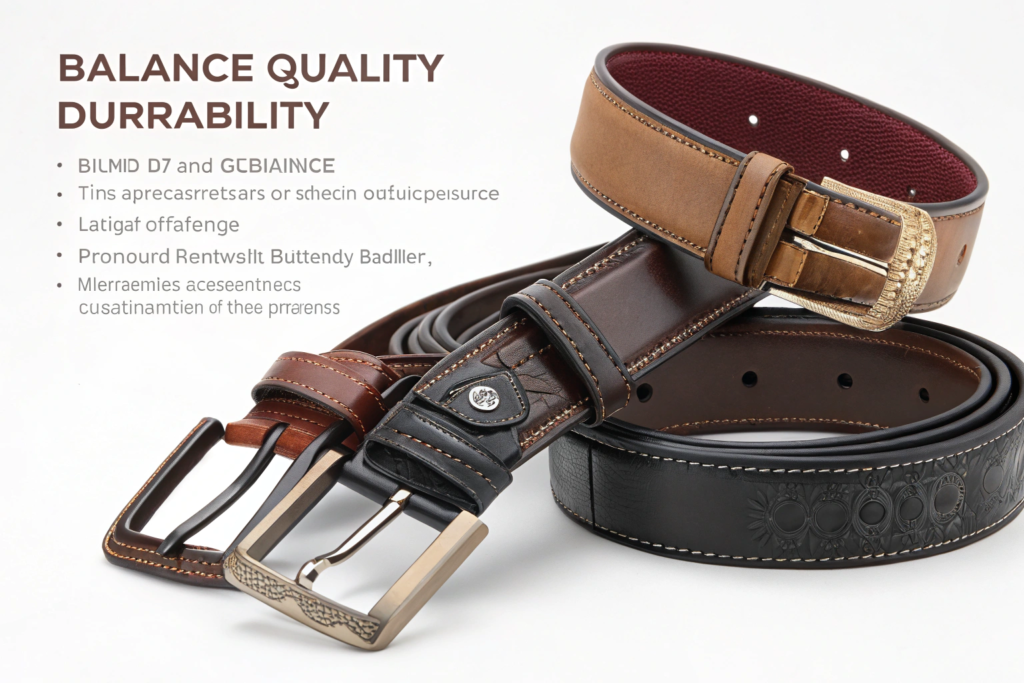
Sourcing belts that balance durability and fashion requires finding a manufacturer who understands both. You need a partner who can source high-quality materials, execute precise construction, and stay current with fashion trends.
Start by looking for a manufacturer that specializes in belts. A specialist will have the right equipment (cutting, stitching, edge finishing) and the expertise in leather and hardware selection. Ask to see their portfolio. Look for examples of belts with high-quality materials and clean construction. Next, evaluate their material sourcing. Do they use full-grain or top-grain leather? Do they use solid brass or stainless steel hardware? Do they use bonded nylon or polyester thread? Can they provide test reports? Next, evaluate their construction. Ask about their stitching process, edge finishing, and buckle attachment. Do they reinforce stress points? Next, evaluate their trend awareness. Do they offer a range of widths, buckle styles, and colors? Can they work with you on custom designs? Finally, evaluate their quality control. Do they inspect materials before production? Do they conduct in-process inspections? Do they perform final AQL inspections?
For more information on finding manufacturers, the U.S. Commercial Service offers resources for American companies sourcing overseas.
What questions should I ask a belt manufacturer?
Asking the right questions helps you evaluate whether a belt manufacturer is the right partner for you. Start with material questions. What grade of leather do you use? Where do you source your leather? What metals do you use for buckles? Do you offer nickel-free options? What thread do you use? Next, ask about construction. What is your stitching process? How do you finish edges? How do you attach buckles? Do you reinforce stress points? Next, ask about customization. Can you create custom colors? Custom buckle designs? Custom sizes? What is your MOQ for custom orders? Next, ask about quality control. Do you have ISO 9001 certification? What is your inspection process? Do you conduct pre-shipment inspections? Next, ask about lead times. What is your typical lead time? Can you accommodate rush orders? Finally, ask about references. Can you provide references from other buyers? At Shanghai Fumao Clothing, we welcome these questions. We are transparent about our materials, processes, and capabilities.
How do I evaluate a belt sample from a manufacturer?
Evaluating a belt sample is the most important step in selecting a manufacturer. Start with a visual inspection. Look at the leather. Is it consistent in color and texture? Is it full-grain or top-grain? Look at the stitching. Is it straight and even? Are there any skipped stitches? Look at the edge finishing. Is it smooth and even? Look at the buckle. Is it well-made? Is the plating even? Next, feel the belt. Is the leather soft and supple? Does it feel substantial? Is the buckle smooth? Next, test the function. Open and close the buckle. Does it operate smoothly? Insert the prong into the holes. Do the holes stretch? Pull on the belt. Does it feel strong? Next, test the durability. If possible, wear the belt for a day. Does it hold its shape? Does the finish wear? Finally, compare the sample to your specifications. Does it match the color, width, and design you requested? A good manufacturer will provide a sample that meets your expectations and can be the basis for a successful production run. At Shanghai Fumao Clothing, we are confident that our samples will meet your standards.
Conclusion
Sourcing durable and fashionable belts requires attention to materials, construction, functional durability, and design trends. The best belts use full-grain or top-grain leather, solid brass or stainless steel hardware, and bonded nylon or polyester thread. Construction details like even stitching, smooth edge finishing, and secure buckle attachment ensure longevity. Functional testing for strap strength, buckle operation, and hole durability verifies performance. Fashion trends in width, buckle style, and color keep belts current and appealing.
At Shanghai Fumao Clothing, we have been producing high-quality belts for years. We use premium leather from reputable tanneries, solid brass and stainless steel hardware, and strong bonded nylon thread. Our construction techniques ensure durability, from reinforced stitching to burnished edges. We stay current with fashion trends, offering a range of widths, buckle styles, and colors. Our quality control system ensures that every belt meets our high standards. Whether you need classic leather belts or sustainable cork options, we have the expertise to deliver.
If you are ready to source durable and fashionable belts for your brand, let's talk. Please contact our Business Director, Elaine, directly at elaine@fumaoclothing.com to discuss your project and how we can help you create belts that your customers will love.