I have been in the fashion accessory manufacturing business for over twenty years, and I have learned that umbrellas are often misunderstood. Most people think of umbrellas only as rain protection. But for a buyer like Ron, who supplies to retailers in sunny climates, UV protection is just as important. A good umbrella should shield you from rain and from harmful UV rays. Ensuring that your umbrellas are made with UV-resistant fabric requires understanding the materials, the testing standards, and the manufacturing processes that deliver genuine protection.
To ensure your umbrellas are made with UV-resistant fabric, you need to understand UPF (Ultraviolet Protection Factor) ratings, the materials that provide UV protection (polyester, nylon, and specialized coatings), and the testing standards that verify performance. Key factors include fabric density, color, and the application of UV-absorbing coatings. Look for fabrics with UPF 30+ or UPF 50+ ratings, and require test reports from accredited laboratories to verify claims.
At Shanghai Fumao Clothing, we have been producing umbrellas with UV-resistant fabric for years. We understand the science behind UV protection and the quality control needed to ensure consistent performance. We work with fabric mills that specialize in UV-resistant textiles and conduct our own testing to verify UPF ratings. I want to share what we have learned so you can source umbrellas that provide genuine protection for your customers.
What Is UV-Resistant Fabric and How Does It Work?
UV-resistant fabric is designed to block or absorb ultraviolet radiation from the sun. Understanding how it works helps you evaluate the claims of your suppliers and select the right materials for your umbrellas.
UV radiation is divided into UVA (aging rays) and UVB (burning rays). Both can damage skin and increase the risk of skin cancer. UV-resistant fabric protects by reflecting, absorbing, or scattering UV radiation. There are three main ways fabric achieves UV protection. The first is fabric density. Tightly woven fabrics with small gaps between threads allow less UV to pass through. A tightly woven polyester or nylon fabric can have inherent UV protection. The second is fabric color. Darker colors absorb more UV radiation, preventing it from reaching the skin. Black, navy, and dark green offer more protection than light colors. The third is chemical treatments. UV-absorbing coatings can be applied to fabric to enhance its UV-blocking properties. These coatings contain compounds that absorb UV radiation and convert it to harmless heat.
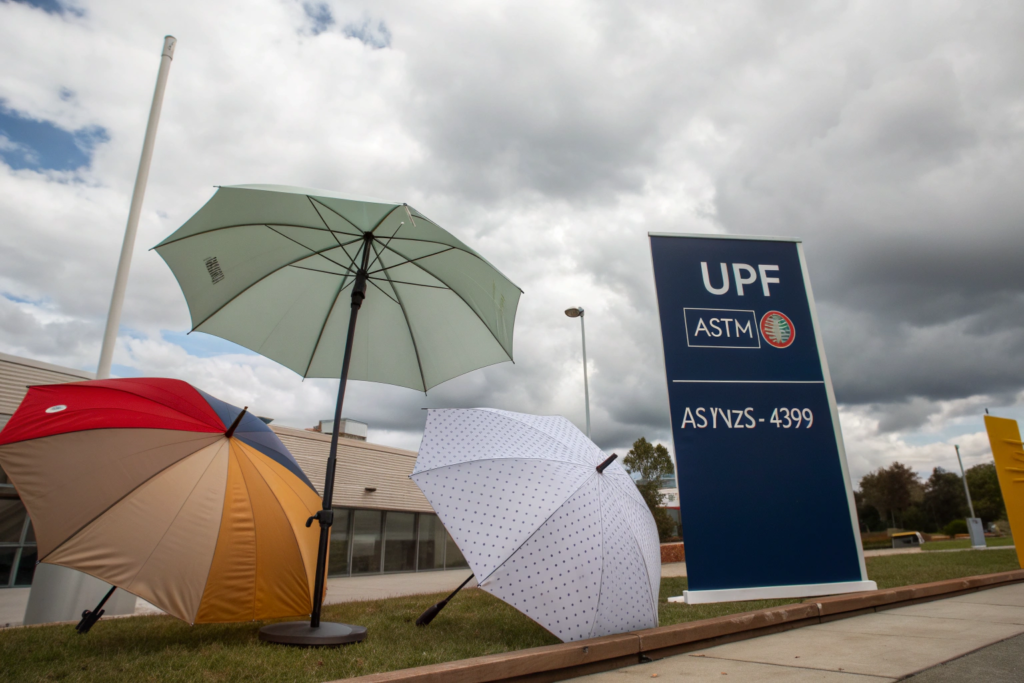
For umbrellas, the most common UV-resistant fabrics are polyester and nylon with a UV coating. Polyester is naturally more UV-resistant than cotton or rayon. Nylon is also good, especially when treated. The key is the UPF (Ultraviolet Protection Factor) rating. For more information on UV protection standards, you can refer to resources from the American Society for Testing and Materials (ASTM) and the Australian/New Zealand Standard AS/NZS 4399, which established the UPF rating system.
What is UPF and how is it measured?
UPF, or Ultraviolet Protection Factor, is the standard rating system for fabric UV protection. It indicates how much UV radiation can penetrate the fabric. A UPF 30 fabric allows 1/30th (about 3.3%) of UV radiation to pass through. A UPF 50 fabric allows 1/50th (2%) to pass through. The higher the UPF, the better the protection. UPF ratings are determined through laboratory testing. A fabric sample is exposed to UV radiation, and a spectrometer measures how much passes through. The test is conducted under controlled conditions and accounts for factors like fabric stretch, wetness, and wear, which can affect UV protection. The rating system is as follows: UPF 15-24 is good protection, UPF 25-39 is very good protection, UPF 40-50+ is excellent protection. For umbrellas, you should look for UPF 30+ or UPF 50+. The American Association of Textile Chemists and Colorists (AATCC) provides standard test method AATCC 183 for UV transmission measurement.
What fabrics offer the best UV protection for umbrellas?
The best fabrics for UV protection in umbrellas combine density, color, and UV-absorbing treatments. Polyester is the most common choice. It is naturally more UV-resistant than many other fibers. When tightly woven and combined with a UV coating, polyester can achieve UPF 50+ ratings. Nylon is another good option. It is lightweight and strong. When treated with a UV coating, it also achieves high UPF ratings. For premium umbrellas, look for fabrics with a silver or black coating on the underside. This coating is highly effective at reflecting UV radiation. Some high-end umbrellas use a double-layer canopy: an outer layer of UV-resistant fabric and an inner layer of reflective coating. The color of the fabric also matters. Dark colors like black, navy, and burgundy offer more UV protection than light colors. However, light-colored umbrellas can still achieve high UPF ratings with the right coatings. At Shanghai Fumao Clothing, we offer umbrellas with UPF 50+ polyester fabric and a black UV coating on the underside.
How Do I Verify UPF Claims?
UPF claims are only as good as the testing behind them. Unfortunately, some suppliers make false or exaggerated claims about UV protection. Verifying UPF claims is essential to ensure your umbrellas provide the protection your customers expect.
The first step is to ask for test reports. A reputable supplier will have test reports from an accredited laboratory. The report should state the UPF rating and the test method used (e.g., AATCC 183, AS/NZS 4399). The report should be for the specific fabric used in your umbrellas, not a generic claim. The second step is to check the lab's accreditation. The test should be conducted by a lab accredited by a recognized body, such as the International Organization for Standardization (ISO) or a national accreditation body. The third step is to ask about the fabric's construction. How tight is the weave? What is the fiber content? Does it have a UV coating? These details affect UV protection.
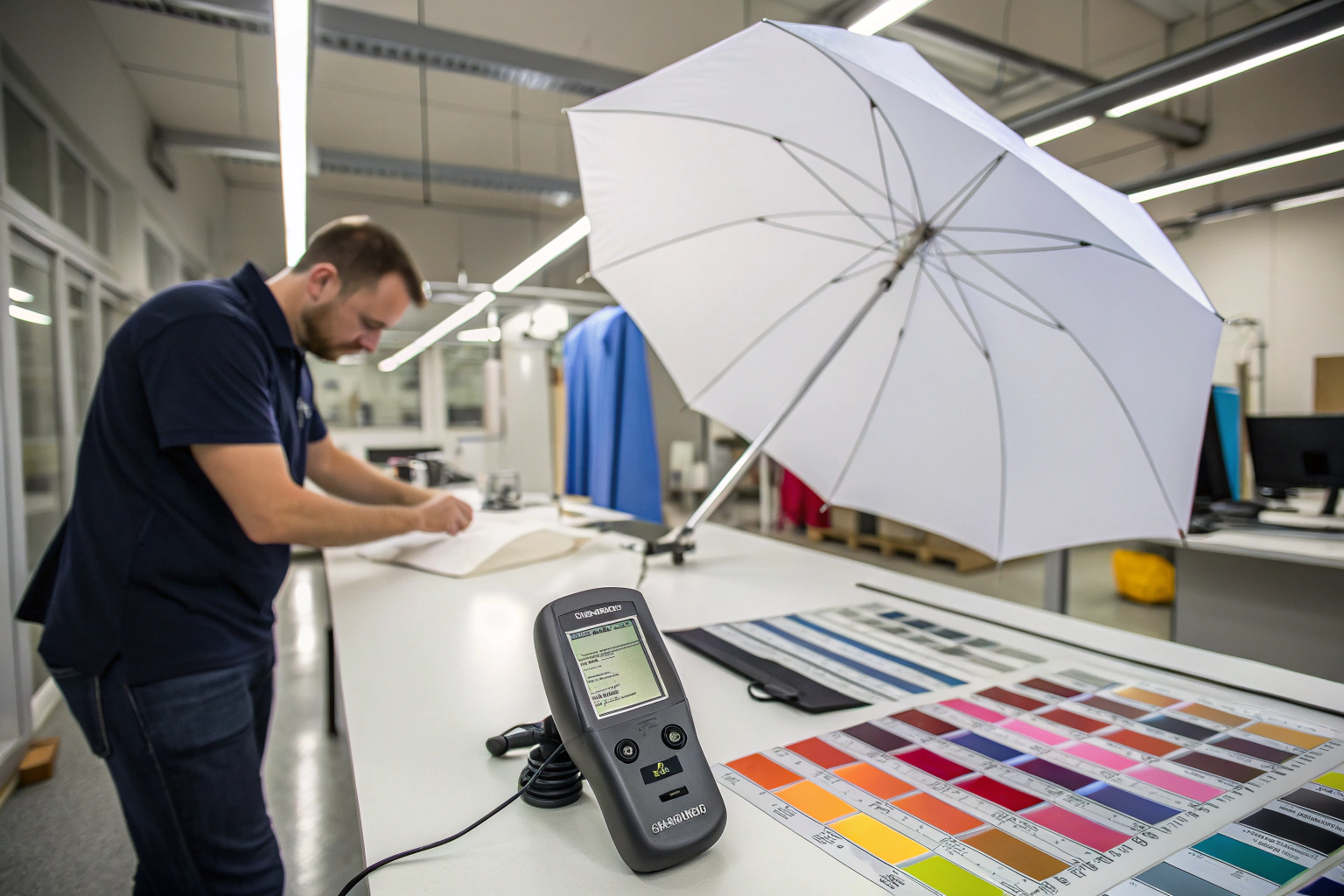
The fourth step is to test a sample yourself. If you have a UV meter, you can test the fabric yourself. Place the fabric over the sensor and measure the UV transmission. Compare it to a direct reading without the fabric. This is not a substitute for laboratory testing, but it can help you screen samples. The fifth step is to work with a supplier who has a track record of producing UV-protective products. Ask for references from other buyers who have tested the products. For more information on testing standards, the International Organization for Standardization (ISO) provides guidelines for UV testing of textiles.
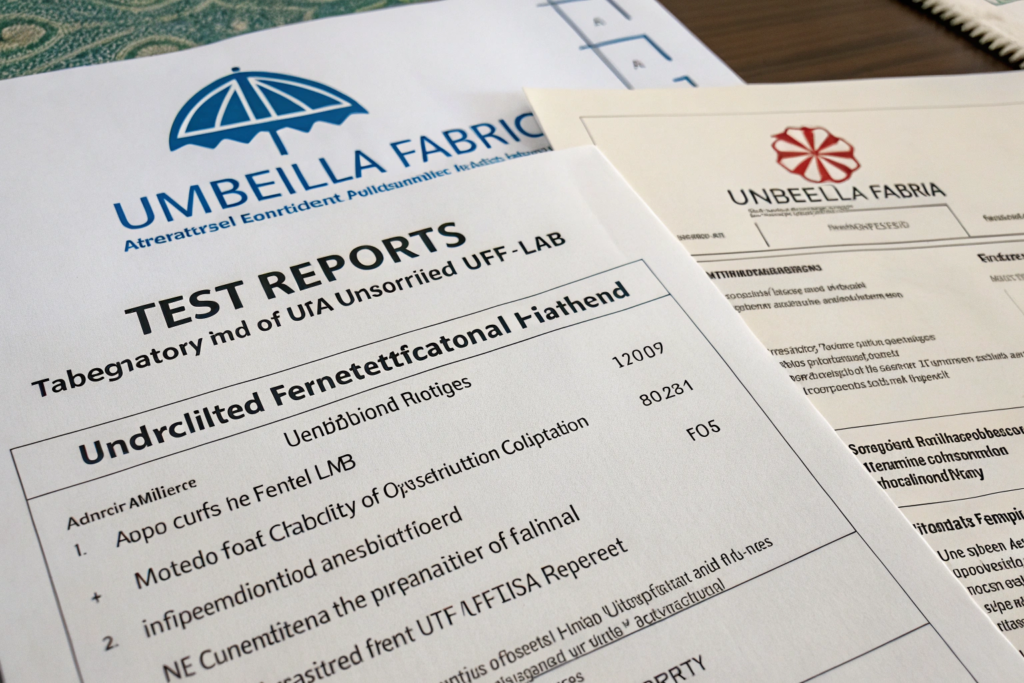
What should a UPF test report include?
A credible UPF test report should include several key elements. First, it should identify the testing laboratory. The lab should be accredited and have a recognized name. Second, it should state the test method used. The most common methods are AATCC 183 (US) and AS/NZS 4399 (Australia/New Zealand). Third, it should state the UPF rating. For example, "UPF 50+" or "UPF 30." Fourth, it should include the classification. For example, "Excellent Protection" for UPF 50+. Fifth, it should include the test results for UVA and UVB transmission. The report should show the percentage of UVA and UVB that passed through the fabric. Sixth, it should describe the sample. The report should include the fabric composition, color, and any treatments. Seventh, it should have a date. The test should be recent. A test from three years ago may not reflect current production. At Shanghai Fumao Clothing, we provide test reports from accredited labs for all our UV-resistant umbrellas.
How can I test UV resistance myself?
While laboratory testing is the gold standard, you can do some simple tests to screen samples. The first test is the visual inspection. Hold the fabric up to a bright light. If you can see through it easily, it likely has low UV protection. The tighter the weave, the less light passes through. The second test is the UV meter test. Purchase a portable UV meter. Place the meter in direct sunlight and note the reading. Then, place the umbrella fabric over the sensor. The reading should drop significantly. If the reading drops to 1/50th or less of the original, the fabric has good UV protection. This is not a precise measurement, but it gives you a relative indication. The third test is the UV-sensitive card test. Some companies sell cards that change color when exposed to UV. Place the card under the umbrella fabric. If the card does not change color, the fabric is blocking UV. If it changes color, UV is penetrating. These tests are useful for screening but should not replace laboratory testing for certification. At Shanghai Fumao Clothing, we encourage clients to test samples themselves and we provide the documentation to back up our claims.
What Are The Key Factors Affecting UV Protection?
Several factors affect how well an umbrella fabric blocks UV radiation. Understanding these factors helps you specify the right materials and evaluate supplier claims.
The first factor is fabric density. Tightly woven fabrics have smaller gaps between threads, allowing less UV to pass through. A high thread count generally means better UV protection. For umbrellas, look for fabrics with a dense, smooth weave. The second factor is fabric color. Darker colors absorb more UV radiation. Black, navy, dark green, and burgundy offer more protection than white, beige, or pastels. However, light-colored fabrics can still have good UV protection if they have a UV coating or a reflective backing. The third factor is fiber type. Polyester has inherent UV resistance. Nylon is also good. Cotton and rayon offer less natural UV protection. The fourth factor is UV coatings. Many UV-resistant fabrics are treated with a chemical coating that absorbs UV radiation. These coatings can be applied to the surface or incorporated into the fiber. The coating should be durable and resistant to washing and wear.
The fifth factor is fabric weight. Heavier fabrics generally offer more UV protection than lightweight fabrics. However, lightweight fabrics can still have high UPF if they are tightly woven and treated. The sixth factor is moisture. Some fabrics lose UV protection when wet. This is especially true for cotton and other natural fibers. Polyester and nylon retain their UV protection better when wet. The seventh factor is stretch. Stretching the fabric can open gaps between threads, reducing UV protection. For umbrellas, this is less of a concern because the fabric is not typically stretched.
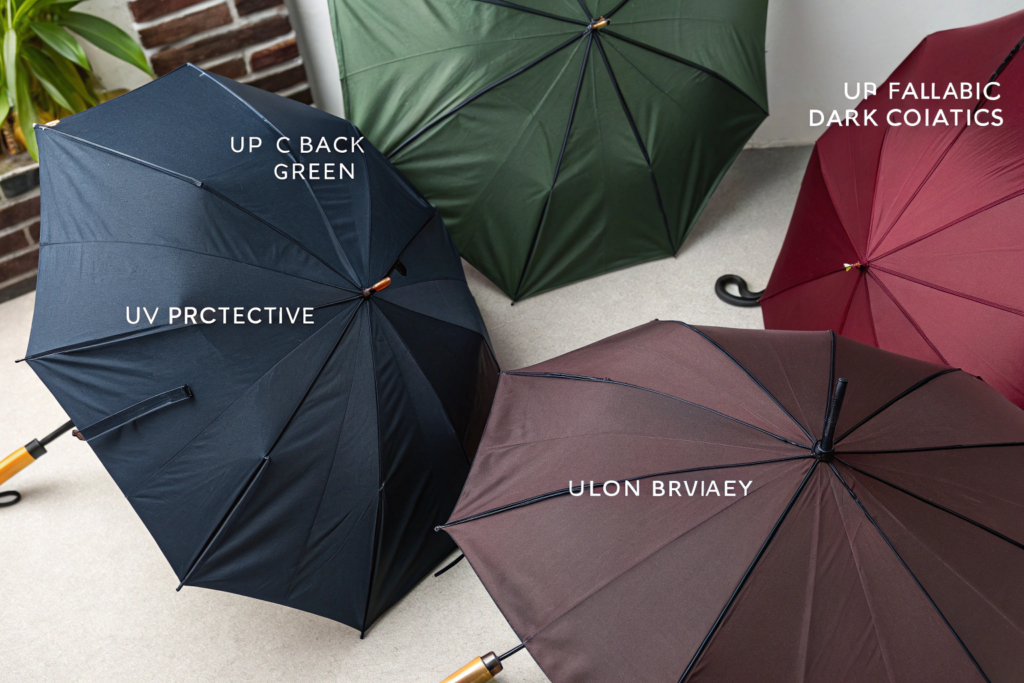
Why does fabric color matter for UV protection?
Fabric color matters because different colors absorb and reflect UV radiation differently. Dark colors like black, navy, and dark green absorb more UV radiation. When UV hits a dark fabric, it is absorbed and converted to heat. Less UV passes through to the skin. Light colors like white, beige, and pastels reflect more visible light, but they may allow more UV to pass through. However, light-colored fabrics can still have excellent UV protection if they are tightly woven or have a UV-absorbing coating. Some manufacturers use a silver or black coating on the underside of the umbrella canopy. This coating reflects UV regardless of the outer fabric color. So a white umbrella with a black underside can have UPF 50+ protection. When selecting colors, consider both the aesthetic and the UV protection. For maximum protection, choose dark colors or light colors with a reflective coating. At Shanghai Fumao Clothing, we offer a range of colors, all with a black UV coating on the underside to ensure consistent protection.
How does fabric density impact UV penetration?
Fabric density is one of the most important factors in UV protection. Think of the fabric as a screen. If the gaps between the threads are large, UV can pass through. If the gaps are small, UV is blocked. Fabric density is measured by thread count (number of threads per inch). A higher thread count means a tighter weave. For umbrella fabric, a typical thread count for UV protection is 200 to 300 threads per inch. However, thread count alone is not enough. The type of weave also matters. A plain weave (over-under) can have gaps. A twill or satin weave can be tighter. A double-layer weave, where two layers of fabric are woven together, offers even more protection. When evaluating fabric, hold it up to the light. If you can see the light clearly through the fabric, it is not dense enough for high UV protection. If the fabric blocks most light, it will likely block most UV. At Shanghai Fumao Clothing, we use high-density polyester fabric with a tight weave for our UV umbrellas.
How Do I Ensure Consistent UV Protection Across Production?
UV protection can vary from batch to batch if the fabric supplier or the coating process is inconsistent. Ensuring consistent protection requires quality control at multiple stages: fabric sourcing, coating application, and final product testing.
Start with fabric sourcing. Work with a reputable fabric mill that specializes in UV-resistant textiles. They should have a quality management system and be able to provide test reports for each batch. The fabric should be consistent in density, weight, and color. Next, monitor the coating application. If your umbrellas have a UV coating, ensure that it is applied consistently. The coating should be evenly distributed and properly cured. The coating thickness should be within specification. Next, conduct in-process testing. During production, take samples of the fabric and test them for UV transmission. This catches any variations before the umbrellas are assembled.
Finally, conduct final product testing. After the umbrellas are assembled, test a sample from each batch. Use AQL sampling to select the samples. Send them to an accredited lab for UPF testing. This provides independent verification that the batch meets your specifications. At Shanghai Fumao Clothing, we conduct in-process and final product testing for all UV umbrella orders.
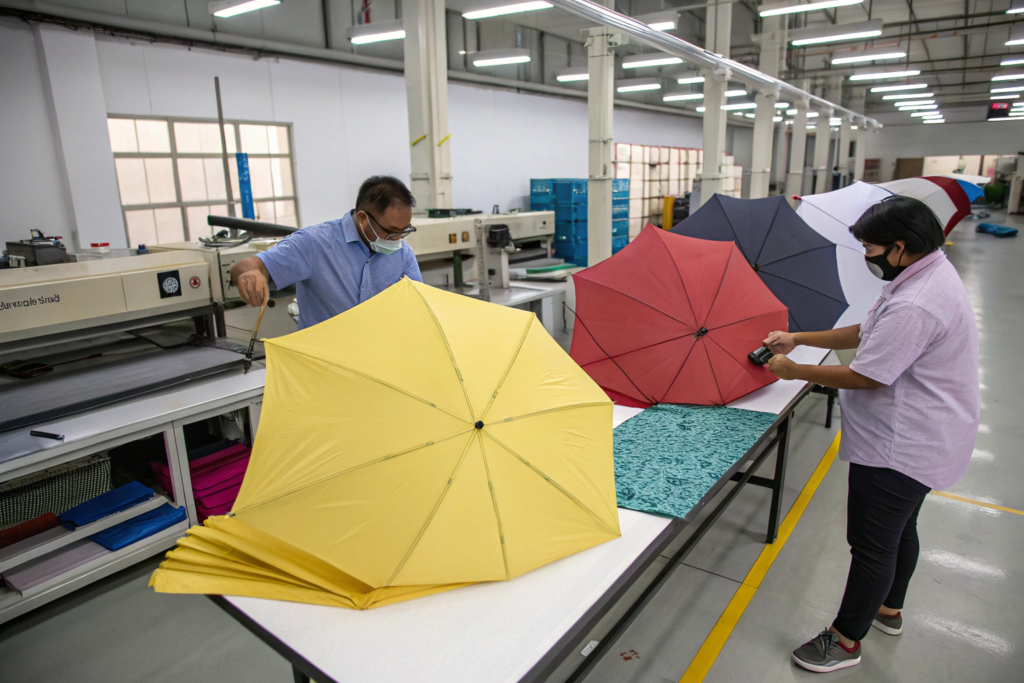
What quality control measures should I require?
To ensure consistent UV protection, require your supplier to have a documented quality control plan. The plan should include the following measures: incoming fabric inspection: test fabric samples for UPF before production. Reject any batches that do not meet specifications. In-process inspection: during production, take samples of fabric and test for UV transmission. This catches issues early. Coating inspection: if UV coatings are applied, check the coating thickness and uniformity. Final inspection: after production, test finished umbrellas from each batch using AQL sampling. Use an accredited lab for UPF testing. Documentation: require test reports for each batch. The reports should be dated and include the UPF rating. Traceability: the factory should be able to trace each umbrella back to the fabric batch and coating batch. This is important if issues arise. At Shanghai Fumao Clothing, we follow these measures and provide full documentation to our clients.
How do I handle fabric variations between batches?
Fabric variations can occur even with the best suppliers. Natural variations in yarn thickness, dye lots, and coating application can affect UV protection. The key is to manage these variations so they do not affect the final product. Start by setting clear specifications. Define the acceptable range for fabric weight, thread count, color, and UPF rating. For UPF, specify a minimum rating (e.g., UPF 50+). Next, require test reports for each batch. The test report should show the UPF rating for that specific batch. If the rating is within the acceptable range, the batch is acceptable. If it is below, reject it. Next, consider using a buffer. If you require UPF 50+, specify a minimum of UPF 50. That way, even if there is some variation, the product still meets the requirement. Finally, work with a supplier who has a strong quality management system. A good supplier will test each batch and reject substandard materials before they go into production. At Shanghai Fumao Clothing, we test every batch of fabric and only use materials that meet our UPF 50+ standard.
What Are The Best Practices For Marketing UV-Resistant Umbrellas?
Marketing UV-resistant umbrellas requires clear communication and credible claims. Customers are increasingly aware of sun protection and are willing to pay for products that offer genuine benefits. But they are also skeptical of false claims. Marketing effectively means being transparent and providing evidence.
Start with clear labeling. The most important information is the UPF rating. Display "UPF 50+" prominently on the packaging and in your marketing materials. This is a recognized standard that customers understand. Next, explain the benefits. Use simple language to explain what UPF means and why it matters. "Blocks 98% of UVA and UVB rays" is more meaningful than just "UV protection." Next, provide evidence. Display the test report or a summary of the testing. A QR code on the packaging that links to the test report adds credibility.
Next, use lifestyle imagery. Show people using the umbrellas on the beach, at outdoor cafes, or walking in the city. The imagery should convey the idea of sun protection and style. Next, educate your customers. Use your website or social media to explain the importance of UV protection and how your umbrellas provide it. Finally, be honest about limitations. If the UV protection is only on the underside of the canopy, explain that. If the umbrella is not waterproof, say so. Honesty builds trust. For more information on marketing UV-protective products, the Skin Cancer Foundation provides resources on sun protection and product labeling.
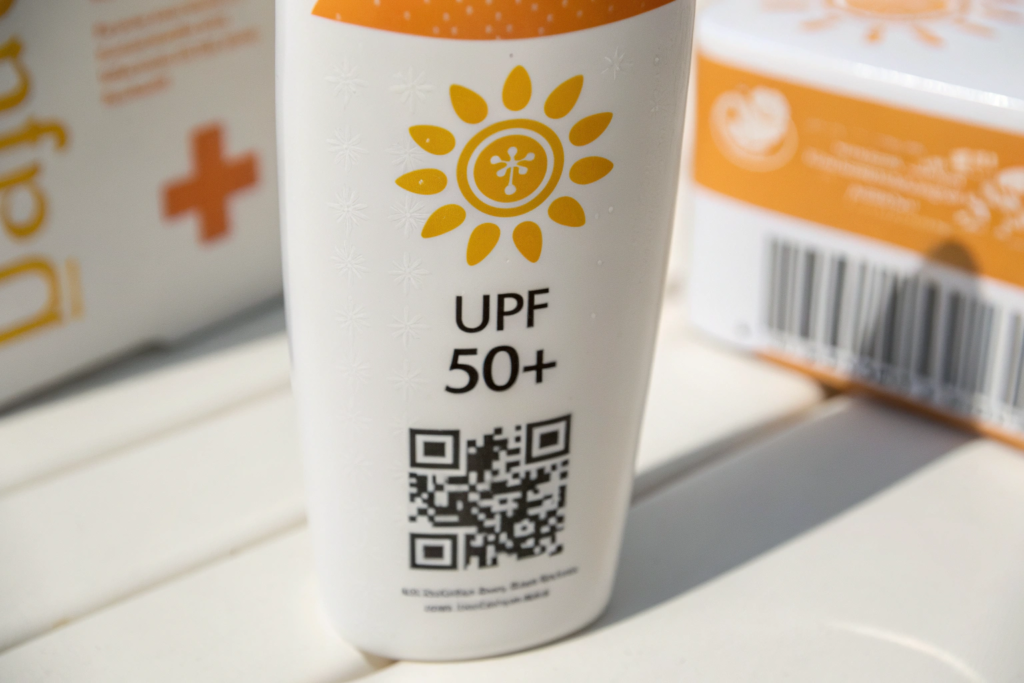
What UPF claims can I legally make?
The claims you can make about UV protection depend on the testing and the jurisdiction. In the US, the Federal Trade Commission (FTC) regulates advertising claims. If you claim that a product provides UV protection, you must have substantiation. This means you must have test results from a reliable source showing the UPF rating. You cannot claim "UV protection" if the product does not meet a recognized standard. You can claim "UPF 50+" if the product has been tested and achieves that rating. You can claim "blocks 98% of UVA and UVB rays" if the test results support it. You cannot claim "medical-grade" or "skin cancer prevention" unless you have specific medical claims and approval. In Europe, similar rules apply. The UPF rating is recognized, and claims must be substantiated. The Federal Trade Commission (FTC) provides guidance on substantiating advertising claims.
How do I educate customers about UV protection?
Educating customers about UV protection helps them appreciate the value of your product and builds trust. Start with your website. Create a page that explains what UPF is, why it matters, and how your umbrellas provide protection. Use simple language and graphics. Include a diagram showing how UV rays are blocked. Next, use social media. Create short videos explaining the science of UV protection. Show the test process. Share customer testimonials. Next, use packaging. Include a hang tag or insert that explains the UPF rating and the benefits of UV protection. Next, partner with influencers. Send your umbrellas to influencers who focus on sun safety, travel, or outdoor lifestyles. They can demonstrate the product and explain the benefits to their followers. Finally, consider partnering with organizations like the Skin Cancer Foundation. Their endorsement adds credibility. At Shanghai Fumao Clothing, we provide our clients with marketing materials that explain the UV protection features of our umbrellas.
Conclusion
Ensuring your umbrellas are made with UV-resistant fabric requires understanding the science of UV protection, the UPF rating system, and the factors that affect performance. Key factors include fabric density, color, fiber type, and UV-absorbing coatings. Verifying UPF claims requires test reports from accredited laboratories and quality control throughout production. Marketing UV-resistant umbrellas requires clear labeling, credible evidence, and customer education.
At Shanghai Fumao Clothing, we have been producing UV-resistant umbrellas for years. We use high-density polyester fabric with a black UV coating on the underside to achieve UPF 50+ ratings. We test every batch of fabric and provide test reports from accredited labs. We offer a range of colors and styles, from classic foldable umbrellas to large golf umbrellas. Our quality control system ensures consistent protection across every order.
If you are ready to source UV-resistant umbrellas that provide genuine protection for your customers, let's talk. Please contact our Business Director, Elaine, directly at elaine@fumaoclothing.com to discuss your project and how we can help you bring safe, stylish umbrellas to market.