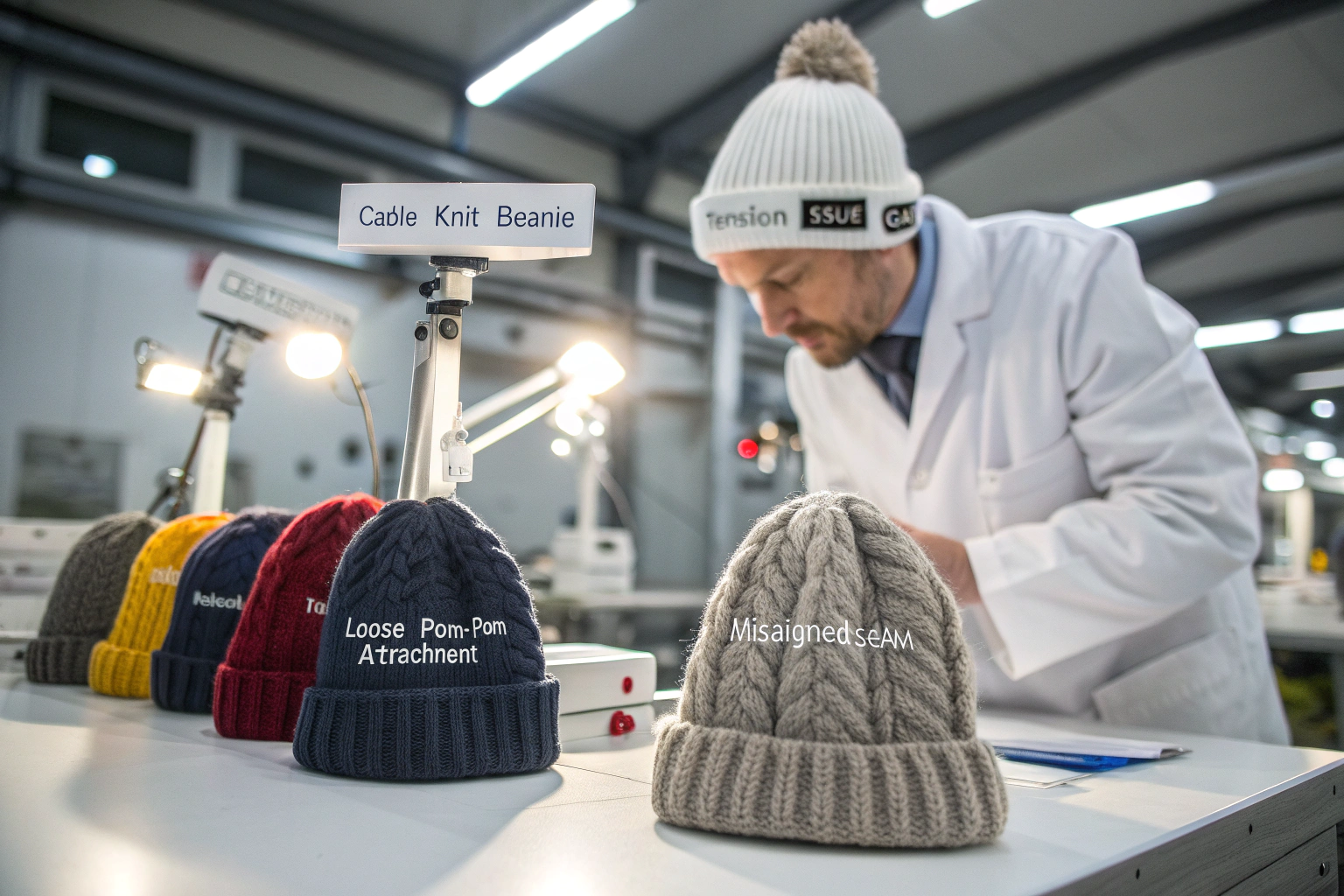
I have been in the fashion accessory manufacturing business for over twenty years, and I have learned that knitted winter hats are one of those products where quality is immediately visible. A beautiful cable knit pattern is a selling point. A pattern with dropped stitches, uneven tension, or misaligned cables is a defect that customers will notice and return. For a buyer like Ron, who supplies to retailers and online stores, verifying the quality of knit patterns is essential to ensure that your hats look as good as they feel.
To verify the quality of knit patterns on winter hats, you need to inspect for four key elements: stitch consistency (even tension, no dropped stitches), pattern accuracy (cables align, ribbing is uniform), finishing quality (seams are flat, pom-poms secure, edges clean), and material integrity (yarn quality, color consistency, no pilling or snags). Inspection should occur at multiple stages: on the knitting machines during production, after finishing, and during final pre-shipment inspection.
At Shanghai Fumao Clothing, we have produced millions of knitted winter hats. We understand that the beauty of a knit pattern is the product’s primary selling point. Our quality control process is designed to catch defects at every stage, from yarn selection to finished product. I want to share the best practices we have developed so you can verify the quality of your knitted hats.
What Are The Key Elements Of A High-Quality Knit Pattern?
A high-quality knit pattern is the result of skilled craftsmanship, consistent yarn quality, and proper machine setup. Understanding what to look for helps you evaluate the quality of your hats and communicate your expectations to your factory.
The first key element is stitch consistency. Every stitch should be the same size and shape. The fabric should look uniform across the entire hat. Inconsistent stitches create a lumpy, uneven appearance. The second element is tension. The yarn should be knitted with consistent tension. Tension that is too tight creates a stiff, inflexible fabric. Tension that is too loose creates gaps and a floppy shape. The third element is pattern accuracy. For patterned knits like cables, the pattern should be symmetrical and even. Cables should cross at the same angle. Ribbing should be uniform.
The fourth element is freedom from defects. There should be no dropped stitches, holes, or pulled threads. These are obvious defects that make the hat unsellable. The fifth element is clean finishing. The edges should be clean and even. The seam at the crown should be flat and invisible. The cuff should be consistent. The sixth element is yarn quality. The yarn should be smooth, consistent in thickness, and free from knots or slubs. The color should be even and consistent.
For more information on knitting quality standards, resources from the American Association of Textile Chemists and Colorists (AATCC) and the ASTM International provide testing methods and standards.
How do I identify dropped stitches and tension issues?
Identifying dropped stitches and tension issues requires careful visual inspection and sometimes a tactile test. Start by holding the hat up to a light. The light will reveal any holes or thin spots where stitches have dropped. A dropped stitch creates a vertical run or a hole in the fabric. It is an obvious defect. Next, examine the fabric surface. Run your hand over the hat. It should feel smooth and even. If you feel lumps or bumps, there may be tension issues. Next, look at the stitch size. All stitches should be the same size. If some stitches are larger than others, the tension is inconsistent. Stretch the hat gently. The fabric should stretch evenly. If some areas stretch more than others, the tension is inconsistent. For a more rigorous test, use a tension gauge to measure the stretch in different areas. Consistent stretch indicates consistent tension. At Shanghai Fumao Clothing, our knitters are trained to monitor tension during production and to check for dropped stitches immediately.
What does a properly formed cable pattern look like?
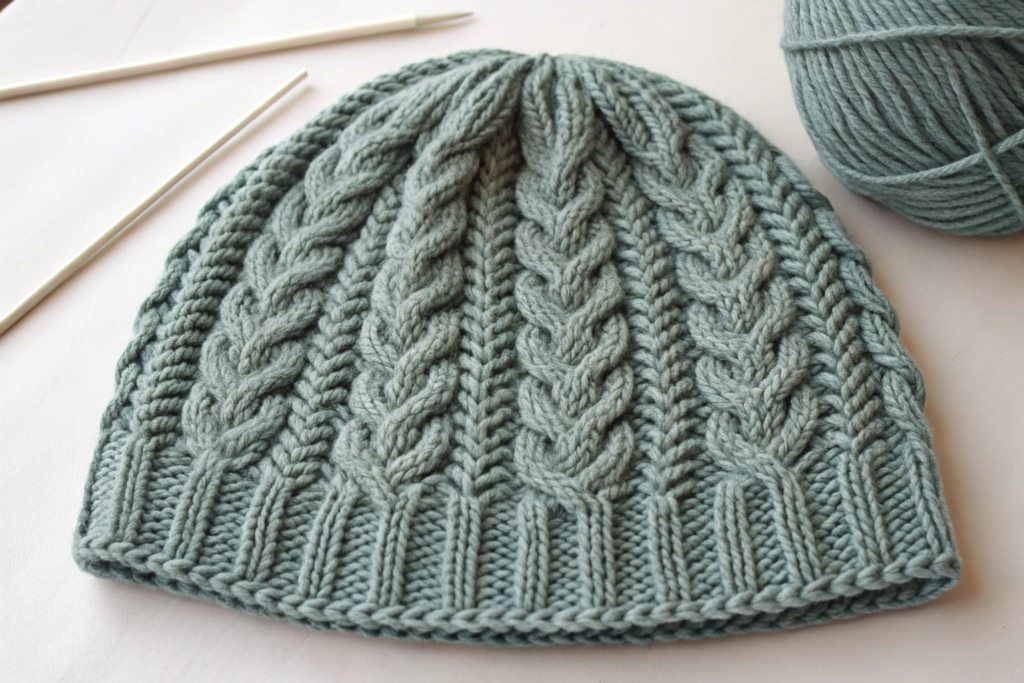
A properly formed cable pattern is a hallmark of skilled knitting. Cables are created by crossing groups of stitches over each other, creating a twisted, rope-like effect. In a high-quality cable knit, the cables should be symmetrical and even. The left and right sides of the cable should mirror each other. The crossing points should be clean and defined. The stitches on either side of the cable (often a purl stitch background) should be consistent. There should be no gaps or holes at the crossing points. When you stretch the hat, the cables should maintain their shape. If the cables pull apart or distort, the tension is incorrect. The cable pattern should be consistent around the entire hat. If the pattern is misaligned or varies in size, it indicates a problem with the knitting machine or the operator. At Shanghai Fumao Clothing, we use computerized knitting machines that ensure pattern consistency, and our quality control team checks every hat for pattern accuracy.
How Do I Inspect Knitting Machine Settings?
The quality of a knit pattern starts with the knitting machine. The machine settings determine the stitch size, tension, and pattern accuracy. While you may not be able to inspect the machines yourself, you should understand what to ask your factory about their equipment and processes.
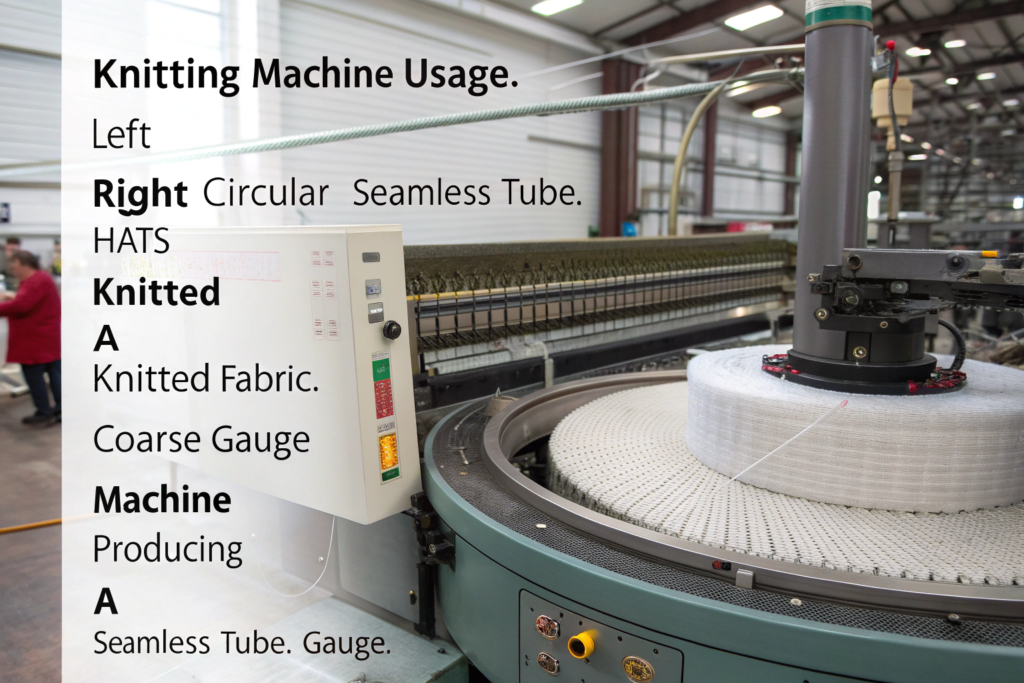
The first factor is the type of knitting machine. There are two main types: flat knitting machines and circular knitting machines. Flat knitting machines produce panels that are sewn together. Circular knitting machines produce a seamless tube, which is then shaped. For hats, circular knitting machines are often preferred because they produce a seamless product that is more comfortable and durable. The second factor is the gauge. The gauge refers to the number of needles per inch. A finer gauge produces a tighter, smoother fabric. A coarser gauge produces a chunkier, more textured fabric. The gauge should match the design specifications.
The third factor is the yarn tension. The tension setting on the machine determines how tightly the yarn is knitted. The tension should be set to achieve the specified fabric weight and stretch. The fourth factor is the pattern programming. For patterned knits, the machine is programmed with a pattern file. The programming must be accurate to produce the correct pattern. The fifth factor is machine maintenance. Well-maintained machines produce consistent quality. Poorly maintained machines produce defects. For more information on knitting machine technology, the International Textile Manufacturers Federation (ITMF) offers resources on textile machinery.
What are the differences between flat and circular knitting for hats?
The choice between flat knitting and circular knitting affects the quality and construction of the hat. Flat knitting machines knit fabric in flat panels. For a hat, two panels are knitted and then sewn together along the sides and top. The seam is visible on the inside and sometimes on the outside. Flat knitting allows for more complex patterns and shaping. Circular knitting machines knit fabric in a continuous tube. For a hat, the tube is knitted and then the top is closed. There is no side seam. This produces a more comfortable hat with no seam irritation. Circular knitting is faster and more efficient for high-volume production. For simple beanies and cuffed hats, circular knitting is the preferred method. For complex patterns or hats with shaped crowns, flat knitting may be used. When evaluating a factory, ask which type of machines they use and how they ensure pattern consistency. At Shanghai Fumao Clothing, we use both flat and circular knitting machines depending on the design. We ensure that all machines are properly maintained and calibrated.
How does gauge affect the final look and feel of the hat?
The gauge of the knitting machine determines the density and texture of the fabric. A finer gauge (higher needle count) produces a tighter, smoother fabric. This is ideal for fine-gauge knits, lightweight hats, and intricate patterns. A coarser gauge (lower needle count) produces a chunkier, more textured fabric. This is ideal for bulky, warm hats and cable knits. The gauge should be specified in your product design. For a classic beanie, a 7-gauge or 5-gauge knit is common. For a chunky cable knit, a 3-gauge or 5-gauge is used. When you receive samples, check that the gauge matches the specification. A hat that should be a fine-gauge knit but is actually a coarser gauge will look different and may not have the intended warmth or drape. The gauge also affects the stretch of the hat. A finer gauge knit will have less stretch. A coarser gauge knit will have more stretch. At Shanghai Fumao Clothing, we work with clients to select the appropriate gauge for their design and provide samples to confirm the look and feel.
What Yarn Defects Should I Look For?
The yarn is the raw material of your hat. Even the best knitting machine cannot produce a high-quality hat from defective yarn. Inspecting yarn quality is the first line of defense against defects. Yarn defects can be visible in the finished product or can cause failure over time.
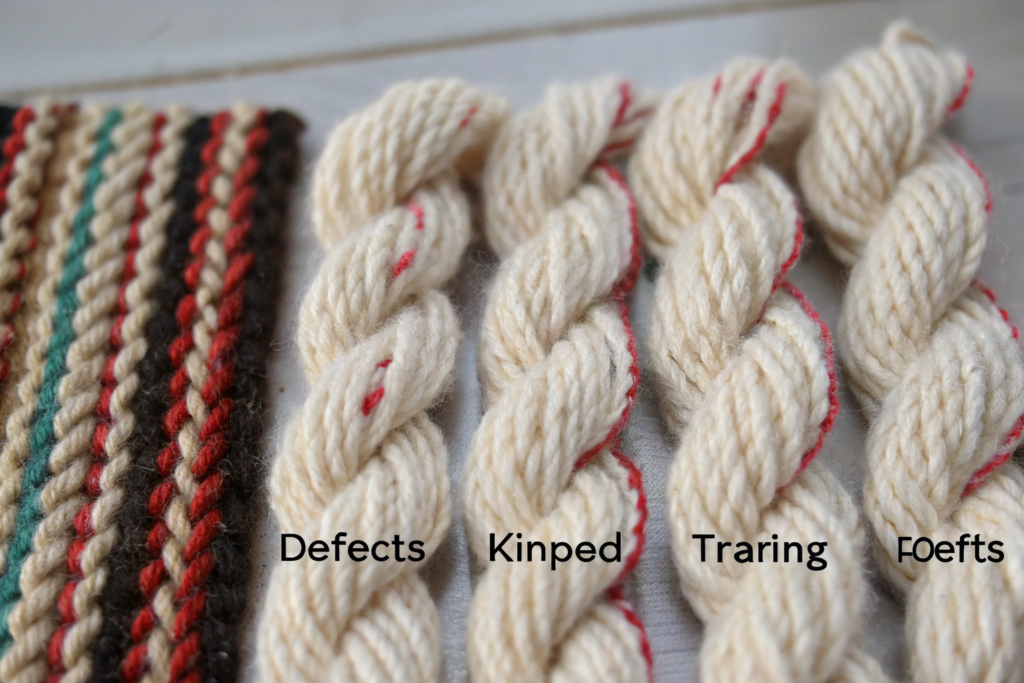
The first yarn defect is inconsistency in thickness. The yarn should have a consistent diameter throughout. Thick and thin spots create a lumpy, uneven fabric. The second defect is knots or joins. While some knots are unavoidable, excessive knots or poorly joined ends create weak points. The third defect is slubs or neps. These are small lumps in the yarn that create bumps in the fabric. Some slubs are intentional in a "slub yarn" for a rustic look, but they should be specified. The fourth defect is color inconsistency. The yarn should be a uniform color. Shading or striping indicates poor dyeing.
The fifth defect is pilling. Some yarns are more prone to pilling than others. Pilling is the formation of small balls of fiber on the surface. It is a sign of low-quality yarn or improper fiber blend. The sixth defect is poor twist. The twist of the yarn affects its strength and appearance. Yarn that is under-twisted may be weak. Yarn that is over-twisted may be stiff and kinky. For more information on yarn quality standards, the International Wool Textile Organisation (IWTO) provides specifications for wool yarns, and the Cotton Incorporated offers resources for cotton fibers.
How do I test for yarn pilling and colorfastness?
Testing for yarn pilling and colorfastness requires simple tests that you can perform on samples. For pilling, rub the fabric vigorously with your hand or with a piece of sandpaper. If the yarn is prone to pilling, small balls of fiber will form on the surface. High-quality yarn will resist pilling. For a more rigorous test, use a Martindale abrasion tester, which rubs the fabric in a circular motion and measures pilling. For colorfastness, perform a rub test. Take a white cloth, dampen it slightly, and rub it on the hat. If color transfers to the white cloth, the dye is not colorfast. For a more thorough test, wash a sample according to the care instructions. Check for bleeding, fading, or staining of other fabrics. For hats that will be worn in snow or rain, water resistance is also a consideration. At Shanghai Fumao Clothing, we conduct pilling and colorfastness tests on all yarns before production and can provide test reports.
What are the signs of poor-quality acrylic versus high-quality wool?
Acrylic and wool are both common materials for winter hats, but they have different quality indicators. For acrylic, high-quality acrylic is soft, smooth, and has a consistent texture. It should not feel scratchy or plasticky. Poor-quality acrylic may be stiff, scratchy, or have an uneven texture. It may pill quickly. For wool, high-quality wool (like merino) is soft, resilient, and has a natural crimp. It should not feel itchy. Poor-quality wool may be coarse, scratchy, or have a lot of vegetable matter (bits of straw or twigs). It may have an unpleasant smell. For blends, the percentage of wool matters. A higher wool content generally indicates higher quality, but the quality of the wool itself is more important. A 50% wool, 50% acrylic blend can be high quality if both components are good. When evaluating samples, trust your senses. Feel the fabric. High-quality yarn feels good against the skin. Low-quality yarn feels harsh. Look at the fabric. High-quality yarn has a consistent appearance. Low-quality yarn may have lumps, bumps, or uneven color.
How Do I Inspect Finishing Details?
Finishing details are what separate a high-quality hat from a basic one. These details include the seam at the crown, the cuff, any embellishments like pom-poms, and the labeling. Even a perfectly knitted hat can look unprofessional if the finishing is poor.
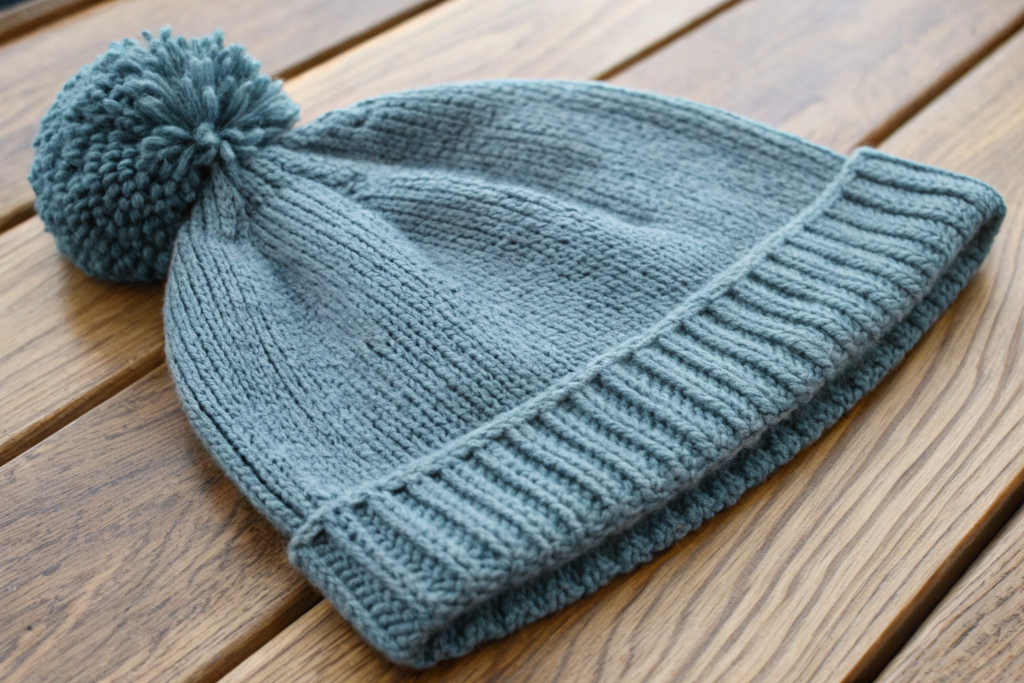
The first finishing detail is the crown seam. In a circular-knit hat, the top of the hat is closed with a seam. This seam should be flat and invisible. There should be no puckering or bunching. In a flat-knit hat, the side seam and crown seam should be flat and consistent. The second detail is the cuff. The cuff should be even and consistent around the hat. It should have the right amount of stretch to hold the hat in place without being too tight. The third detail is the pom-pom. If the hat has a pom-pom, it should be securely attached. The attachment should be hidden or neatly finished. The pom-pom should be full, not sparse. The color should match or complement the hat.
The fourth detail is the label. The label should be sewn in securely and positioned correctly. It should not be visible from the outside. The fifth detail is the overall cleanliness. There should be no loose threads, stains, or marks. The hat should look fresh and ready to wear. For more information on finishing standards, the American Apparel & Footwear Association (AAFA) provides industry guidelines.
How do I check that a pom-pom is securely attached?
A pom-pom that falls off after a few wears is a common complaint. Checking that the pom-pom is securely attached is essential. Start by examining the attachment point. The pom-pom is usually attached with a thread or a small plastic clip. The thread should be thick and strong. It should be sewn through multiple points on the hat. Give the pom-pom a gentle tug. It should not move or loosen. For a more rigorous test, give it a stronger tug. It should not detach. For hats that will be worn by children, the attachment should be even stronger. The pom-pom should also be checked for shedding. Gently pull on the fibers. They should not come out easily. A high-quality pom-pom will be dense and well-constructed. At Shanghai Fumao Clothing, we test pom-pom attachments on every batch to ensure they are secure.
What are the signs of a poorly finished crown seam?
The crown seam is the seam at the top of the hat. In a poorly finished hat, the crown seam is often the most visible defect. The first sign of a poor seam is puckering. The fabric around the seam is gathered or bunched, creating an uneven appearance. The second sign is a visible ridge. The seam should be flat. If you can feel a hard ridge, the seam is too bulky. The third sign is holes at the seam. If the seam was not closed properly, there may be small holes where the stitches pull apart. The fourth sign is a misaligned pattern. If the hat has a pattern, the pattern should match at the seam. Misalignment indicates poor cutting or sewing. The fifth sign is a loose thread. Loose threads at the crown seam are an invitation for the seam to unravel. A high-quality crown seam is flat, invisible, and secure. At Shanghai Fumao Clothing, we inspect every hat for crown seam quality.
Conclusion
Verifying the quality of knit patterns on winter hats requires attention to detail at every stage of production. Key elements include stitch consistency, pattern accuracy, finishing quality, and yarn integrity. Dropped stitches, tension issues, and misaligned patterns are common defects that can be caught with careful inspection. The choice of knitting machine, gauge, and yarn affects the final quality. Finishing details like the crown seam, cuff, and pom-pom attachment signal a high-quality product. A systematic quality inspection process, including yarn inspection, in-process checks, and final AQL sampling, ensures that every hat meets your standards.
At Shanghai Fumao Clothing, we have developed comprehensive quality control procedures for knitted winter hats. We inspect yarn before production, monitor knitting machines during production, and conduct final AQL inspections before shipment. We check for stitch consistency, pattern accuracy, and finishing details. We test pom-pom attachments and seam strength. Our goal is to deliver hats that look beautiful and perform well for your customers.
If you are sourcing knitted winter hats and want a manufacturing partner who takes quality seriously, let’s talk. Please contact our Business Director, Elaine, directly at elaine@fumaoclothing.com to discuss your project and how we can help you deliver products you can trust.