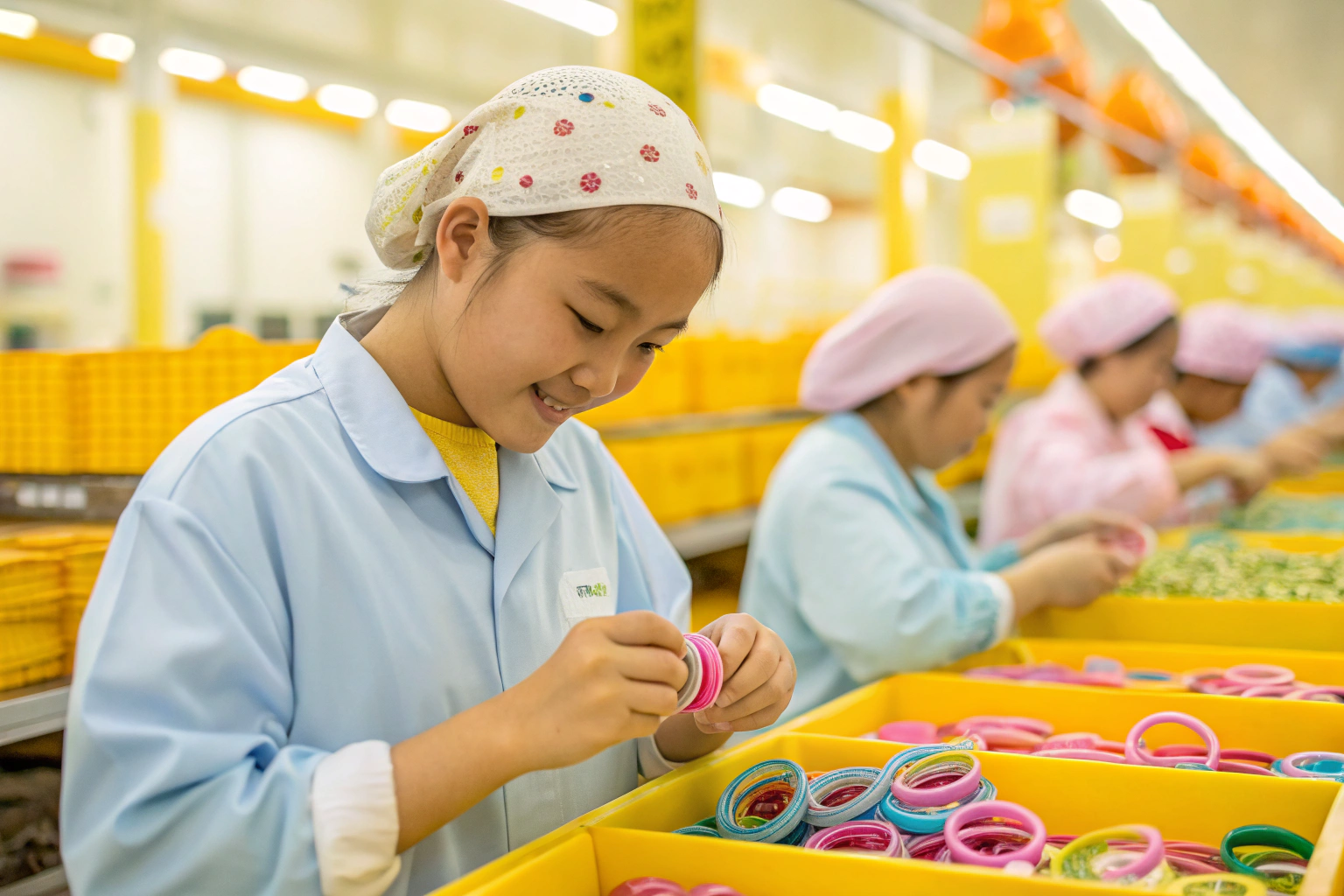
I have been in the fashion accessory manufacturing business for over twenty years, and I can tell you that sourcing for children’s products is different from sourcing for adults. The stakes are higher. When you sell hair bands and clips for kids, you are not just selling a fashion item. You are selling a product that will be used by children, and safety is paramount. For a buyer like Ron, who supplies major retailers and online stores, finding a reliable factory for kids’ hair accessories is about more than quality and price. It is about trust, safety compliance, and peace of mind.
To find a reliable factory for kids’ hair bands and clips, you need a manufacturer who understands the unique requirements of children’s products: safety standards like CPSIA compliance, lead and phthalate testing, small parts regulations, and child-safe design principles. Beyond compliance, you need a factory with experience in children’s accessories, rigorous quality control, and a commitment to using non-toxic materials. The factory should be willing to provide certification documentation and third-party test reports.
At Shanghai Fumao Clothing, we have been producing children’s hair accessories for major brands and retailers for many years. We understand that a hair clip for a child is not just smaller than an adult clip. It requires different materials, different testing, and a different mindset. We have built our reputation on safety, quality, and reliability. I want to share what we have learned so you can find a partner you can trust.
What Safety Standards Must a Kids’ Hair Accessory Factory Meet?
Safety standards are not optional for children’s products. They are the law. In the US, the Consumer Product Safety Improvement Act (CPSIA) sets strict requirements for children’s products. In Europe, the EN71 standard governs toy safety, which applies to many children’s accessories. A reliable factory must not only know these standards but also have systems in place to meet them consistently.
The most critical requirement is lead content limits. Under CPSIA, children’s products cannot contain more than 100 parts per million (ppm) of lead in accessible substrate materials. This applies to metal components, plastic parts, and even the dyes in fabric. A reliable factory will test all materials before production and provide test reports. The second requirement is phthalates. Children’s products cannot contain more than 0.1% of eight specified phthalates in plastic components. These chemicals are used to soften plastic but are linked to health concerns.
Small parts regulations are another critical area. For children under three, any part that can fit into a small parts cylinder is a choking hazard. A reliable factory will design products to avoid small parts or ensure they are securely attached. For older children, they will still test for small parts and provide appropriate warnings. Tracking labels are also required for children’s products in the US. Every product must have a label with the manufacturer name, date of production, and batch information to enable recalls if needed.
What is CPSIA compliance and why does it matter?
CPSIA, the Consumer Product Safety Improvement Act, is the most important safety law for children’s products sold in the US. It was enacted in 2008 in response to a series of high-profile product safety scandals involving lead in children’s toys. For hair accessories, CPSIA compliance means that every component of the product has been tested and certified to meet safety limits. The metal clip must be tested for lead. The plastic embellishment must be tested for lead and phthalates. The fabric covering must be tested for lead in dyes. The testing must be conducted by a CPSC-accepted third-party laboratory. The factory must maintain a Children’s Product Certificate (CPC) for each product, documenting the testing and certifying compliance. For you as an importer, working with a factory that understands CPSIA is essential. If you import a children’s product that does not comply, you face the risk of a recall, fines, and damage to your reputation. The CPSC website provides detailed guidance on CPSIA requirements and a searchable database of accepted testing laboratories.
How does EN71 for the European market differ from US standards?
For the European market, the relevant standard is EN71, which is the European standard for toy safety. Many children’s hair accessories are classified as toys, especially if they are designed for young children. EN71 is a series of standards covering different safety aspects. EN71-1 covers mechanical and physical properties, including small parts, sharp edges, and the security of attachments. EN71-2 covers flammability. EN71-3 covers migration of certain elements, including lead, cadmium, and other heavy metals. The limits in EN71 are similar to CPSIA in many areas but not identical. For example, EN71 has stricter limits on certain heavy metals. A factory that exports to Europe must be familiar with EN71 and able to provide test reports from accredited labs. The testing must be conducted by a notified body recognized by the European Union. For a factory to be reliable for European buyers, they must have experience with EN71 testing and documentation. At Shanghai Fumao Clothing, we test our children’s products to both CPSIA and EN71 standards, depending on our clients’ markets. We maintain relationships with accredited labs in both the US and Europe to ensure compliance.
What Materials Are Safe for Kids’ Hair Accessories?
The materials used in kids’ hair accessories directly affect safety. A reliable factory will use materials that are non-toxic, durable, and appropriate for children. They will avoid materials known to cause allergic reactions or safety concerns. Understanding safe materials helps you evaluate a factory’s sourcing practices.
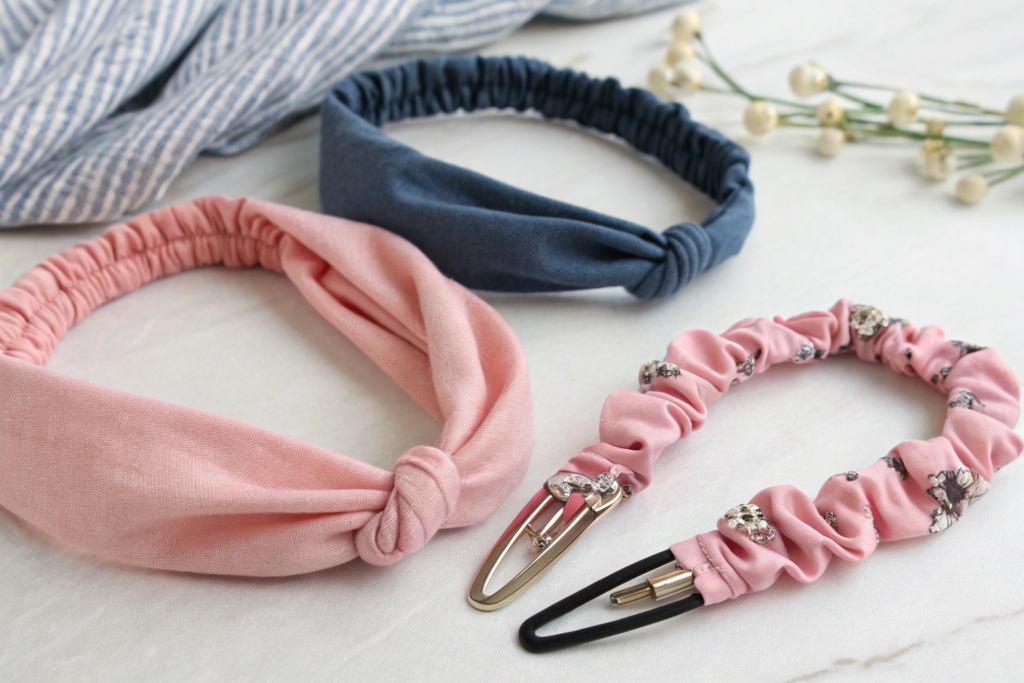
For hair bands, the safest materials are soft, stretchy fabrics like cotton, polyester, and nylon. The elastic inside should be high-quality and encased in fabric to prevent direct contact with the skin. Avoid bands with exposed metal or plastic components that could dig into the scalp. For hair clips, the safest bases are made from high-quality plastic or acetate. Metal clips should be coated or made from nickel-free materials to prevent allergic reactions. The spring mechanism should be covered or designed so it cannot pinch the scalp.
Embellishments like bows, flowers, and beads must be securely attached. For young children, avoid small beads or components that could become detached and become choking hazards. For older children, use high-quality adhesives and stitching to ensure embellishments stay in place. The paints and dyes used on accessories must be non-toxic and free from lead and other heavy metals.
What materials should I avoid for children’s hair accessories?
Certain materials are not appropriate for children’s hair accessories and should be avoided. The first is cheap, brittle plastic. This material can break easily, creating sharp edges that can cut the scalp. It also often contains high levels of lead or other contaminants. The second is exposed metal. Uncoated metal clips can cause allergic reactions in children with nickel sensitivities. They can also have rough edges that catch hair. The third is small beads or components that are glued rather than sewn or mechanically attached. Glue can fail over time, creating a choking hazard. For young children, any component that can fit into a small parts cylinder should be avoided entirely. The fourth is materials with strong chemical odors. This can indicate the presence of volatile organic compounds (VOCs) or other contaminants. A reliable factory will source materials from reputable suppliers and be able to provide material safety data sheets (MSDS) for all components. At Shanghai Fumao Clothing, we maintain a restricted substances list (RSL) that our suppliers must meet. We test incoming materials to ensure they meet our safety standards before they enter production.
How do I verify that materials are non-toxic?
Verifying that materials are non-toxic requires documentation and testing. The first step is to ask your factory for material safety data sheets (MSDS) for all components. These documents provide information on the chemical composition of the material and any hazards. However, MSDS alone are not sufficient; they do not certify compliance with children’s product standards. The second step is to require third-party test reports. For children’s products, testing must be conducted by a CPSC-accepted lab (for the US) or a notified body (for Europe). The test report should show that the material meets lead, phthalate, and heavy metal limits. The third step is to ask about the factory’s material sourcing policy. Do they work with certified suppliers? Do they have a restricted substances list? Do they test incoming materials? A reliable factory will have a documented quality management system that includes material verification. For high-volume orders, we recommend conducting your own spot testing or working with a third-party inspection company to verify material safety. At Shanghai Fumao Clothing, we provide full test reports for all children’s products and are happy to work with your chosen testing lab.
How to Evaluate a Factory’s Quality Control for Kids’ Products?
Quality control for children’s products must be more rigorous than for adult products. A minor defect that would be acceptable on an adult hair clip can be a safety hazard on a child’s clip. Evaluating a factory’s quality control processes helps you determine if they are capable of producing safe, reliable products.
The first thing to look for is a documented quality control plan. This plan should outline inspection points from raw material receipt to finished product shipment. It should specify what is inspected, how it is inspected, and what the acceptance criteria are. The second thing is in-process inspection. A reliable factory will inspect products during production, not just at the end. This allows them to catch and correct issues early. For children’s accessories, this includes checking for sharp edges, loose embellishments, and proper closure function.
The third thing is final inspection. Before shipment, a statistically significant sample of the finished products should be inspected. The inspection should cover safety, quality, and packaging. The fourth thing is traceability. The factory should be able to trace a finished product back to the batch of materials used and the production date. This is essential for recalls if a safety issue is discovered.
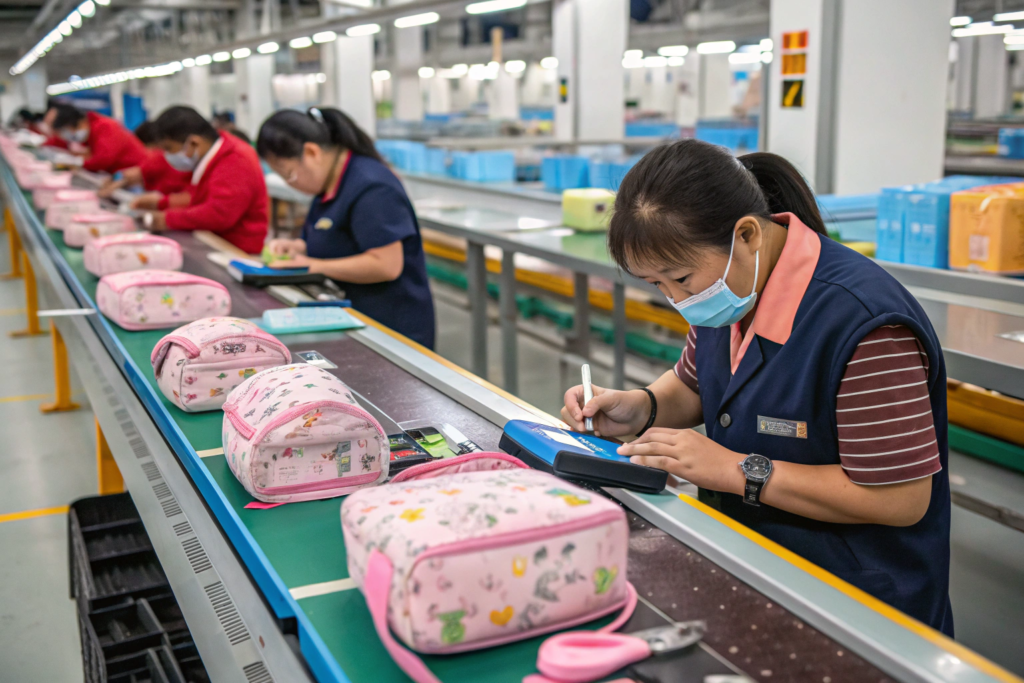
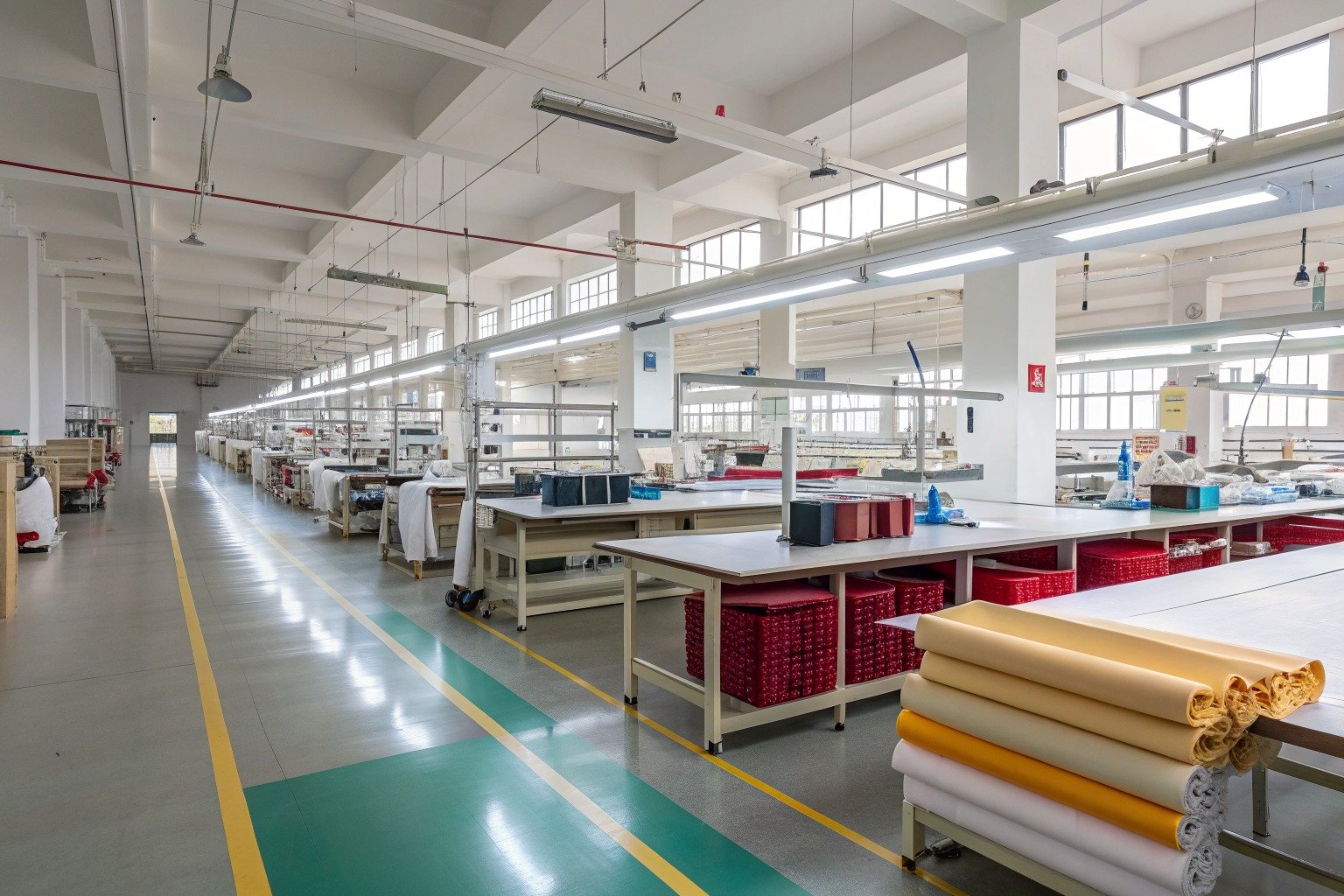
What should I look for during a factory visit or video tour?
A factory visit or video tour is one of the best ways to evaluate a factory’s suitability for children’s products. Look at the cleanliness and organization of the facility. A clean, organized factory is more likely to have disciplined quality control processes. Look at the material storage. Are raw materials stored off the floor and organized by type? Are there separate areas for different materials to prevent cross-contamination? Look at the production floor. Are workers wearing appropriate protective gear? Are there clear work instructions at each station? Look at the quality control stations. Are inspectors using proper tools like calipers and gauges? Are they checking for small parts and sharp edges? Look at the finished goods area. Are products stored in clean, dry conditions? Are they properly labeled with batch information? Ask to see their testing equipment. Do they have a small parts cylinder? Do they have lead testing equipment? A factory that takes children’s product safety seriously will have these tools and use them regularly. If you cannot visit in person, request a live video tour. We welcome video tours and are happy to show clients our safety processes.
How do I verify a factory’s testing capabilities?
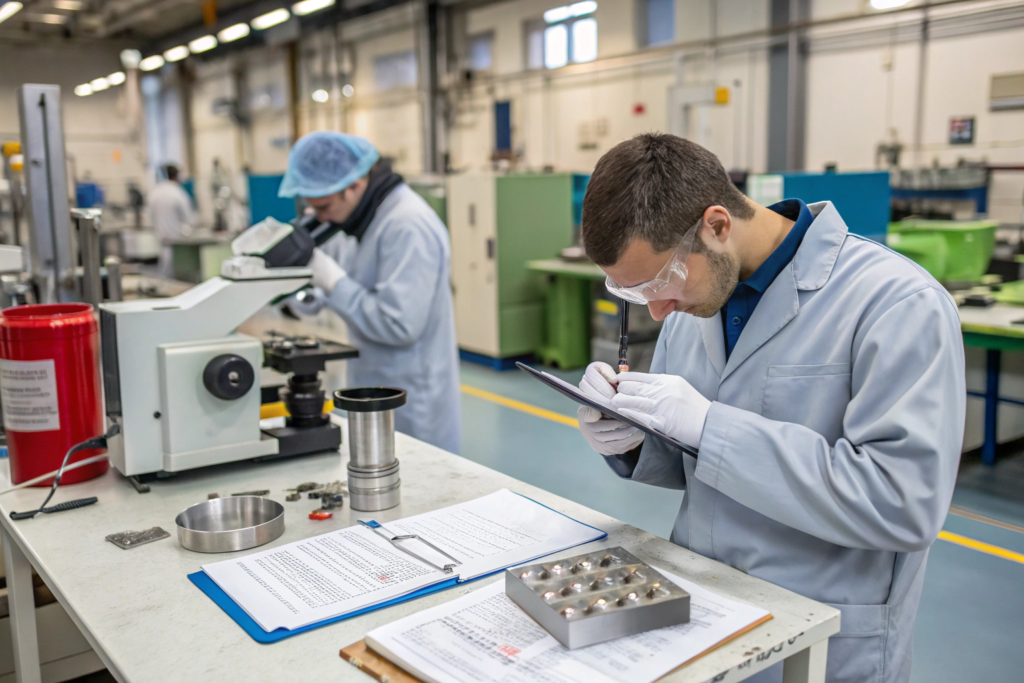
Verifying a factory’s testing capabilities ensures they can produce compliant products without relying entirely on external labs. First, ask what testing equipment they have in-house. Many reliable factories have XRF (X-ray fluorescence) analyzers for rapid lead screening. This allows them to test incoming materials quickly. They may also have small parts cylinders, tension gauges for testing attachment security, and other specialized tools. Second, ask which external labs they work with. A reliable factory will have relationships with CPSC-accepted labs (for US products) and notified bodies (for European products). They should be able to provide test reports from these labs for your products. Third, ask about their testing frequency. Do they test every batch of materials? Do they test during production? Do they test finished products? A robust testing program is essential for children’s products. Fourth, ask to see documentation. A factory that is serious about testing will have records of past tests and be able to share them. At Shanghai Fumao Clothing, we maintain an in-house testing lab with XRF analyzers, small parts cylinders, and tension testing equipment. We also work with accredited external labs for formal certification testing.
What Questions Should I Ask a Potential Factory?
Asking the right questions helps you evaluate whether a factory is truly reliable for children’s products. The answers will reveal their experience, their processes, and their commitment to safety. Do not be afraid to ask detailed questions. A reliable factory will welcome them.
Start with experience. How long have you been producing children’s hair accessories? What brands or retailers have you worked with? Experience in children’s products is not the same as experience in adult products. Ask about certifications. Do you have CPSIA testing capabilities? Are you familiar with EN71? Do you maintain a Children’s Product Certificate (CPC) for your products? A factory that cannot answer these questions is not the right partner. Ask about materials. Where do you source your materials? Do you test incoming materials? What is your restricted substances list? Ask about quality control. What is your inspection process? Do you have in-process inspection? How do you ensure that embellishments are securely attached? Ask about traceability. Can you trace a finished product back to its batch of materials? Do you maintain production records? Ask about communication. How do you keep clients informed of progress? What is your typical lead time? How do you handle issues if they arise?
A factory that answers these questions clearly and confidently is likely to be reliable. A factory that is vague or evasive is a red flag.
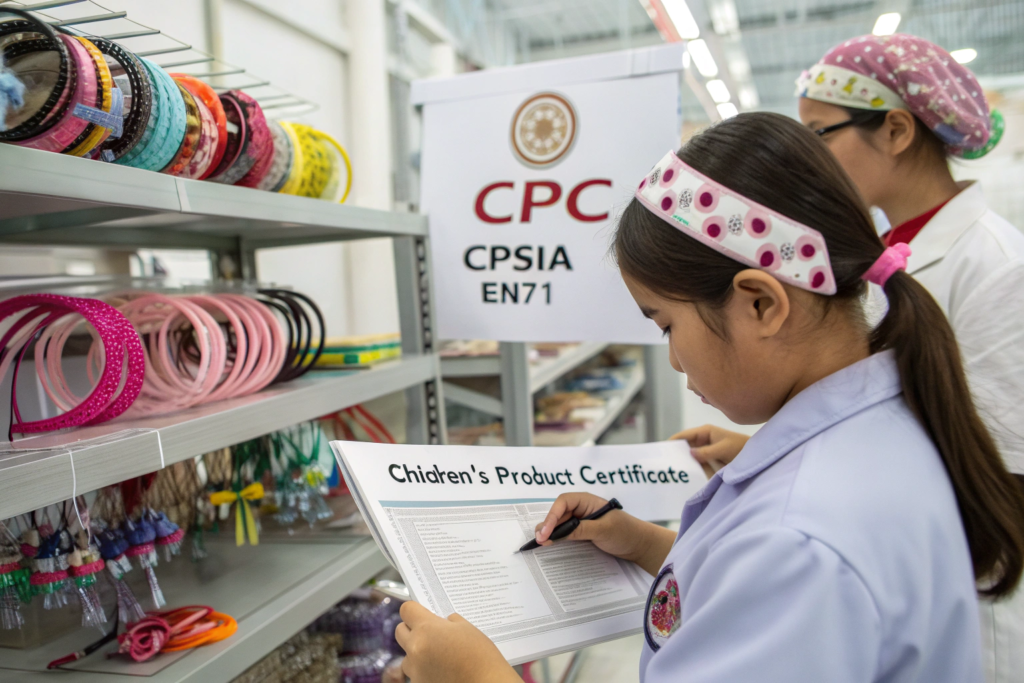
How do I verify a factory’s claims about safety compliance?
Verifying a factory’s claims about safety compliance requires documentation. Ask for copies of their certifications. For CPSIA compliance, ask for the Children’s Product Certificate (CPC) for a similar product. The CPC should list the product description, the applicable safety rules, the testing lab, and the date of testing. You can verify the lab is CPSC-accepted by searching the CPSC website. For EN71 compliance, ask for test reports from a notified body. The report should show the product was tested and met the standard. Ask for material safety data sheets (MSDS) for key materials. These documents provide information on the chemical composition. Ask for proof of ongoing testing. A factory that only tested one batch a year ago may not have current compliance. They should be testing regularly. If you are placing a large order, consider conducting your own independent testing. You can arrange for a third-party inspection company to collect samples from the production line and send them to an accredited lab. This provides an additional layer of assurance. At Shanghai Fumao Clothing, we are happy to provide all compliance documentation and work with your chosen testing lab.
What red flags indicate a factory is not reliable for kids’ products?
There are several red flags that should make you reconsider working with a factory for children’s products. The first is reluctance to provide documentation. If a factory is hesitant to share test reports or certification documents, they may not have them. The second is lack of knowledge about safety standards. If the salesperson does not know what CPSIA or EN71 are, they are not the right partner. The third is poor factory conditions. A dirty, disorganized factory is more likely to have inconsistent quality control. The fourth is resistance to testing. If a factory tells you that testing is unnecessary or too expensive, walk away. Testing is not optional for children’s products. The fifth is inability to provide references. A reliable factory will have satisfied clients who are willing to speak about their experience. The sixth is a history of recalls or safety issues. You can search the CPSC database for recalls related to the factory. At Shanghai Fumao Clothing, we have a clean safety record and are proud to share our certifications and client references.
Conclusion
Finding a reliable factory for kids’ hair bands and clips requires a focus on safety, compliance, and quality. The factory must understand and meet strict safety standards like CPSIA in the US and EN71 in Europe. They must use non-toxic materials, avoid choking hazards, and have rigorous quality control processes. They should be willing to provide documentation, conduct testing, and be transparent about their processes.
At Shanghai Fumao Clothing, we have built our reputation on safety and reliability for children’s products. We test every material before production. We inspect every product for sharp edges and secure attachments. We maintain full documentation for CPSIA and EN71 compliance. We understand that when you sell a product for a child, you are putting your trust in us. We take that responsibility seriously.
If you are looking for a reliable manufacturing partner for kids’ hair bands and clips, let’s talk. Please contact our Business Director, Elaine, directly at elaine@fumaoclothing.com to discuss your project and how we can help you bring safe, beautiful products to market.