I have spent over two decades in the accessory manufacturing business, and one of the most common questions I hear from clients like Ron is about hat construction. Woven or knitted? It seems like a simple choice, but it has deep implications for your brand identity, your target customer, your price point, and even your production timeline. Choosing wrong can mean products that don’t sell or margins that don’t work. Choosing right means a collection that resonates with your audience and performs well in the market.
The choice between woven and knitted hats comes down to three key factors: the intended season and climate, the aesthetic and brand positioning, and the production requirements including cost and lead time. Woven hats, typically made from straw, raffia, or paper, are ideal for spring and summer collections, offering structure, breathability, and a polished, often sophisticated look. Knitted hats, made from wool, cotton, or acrylic yarns, are suited for fall and winter, providing warmth, softness, and a casual, cozy aesthetic. Each construction method requires different materials, machinery, and manufacturing expertise.
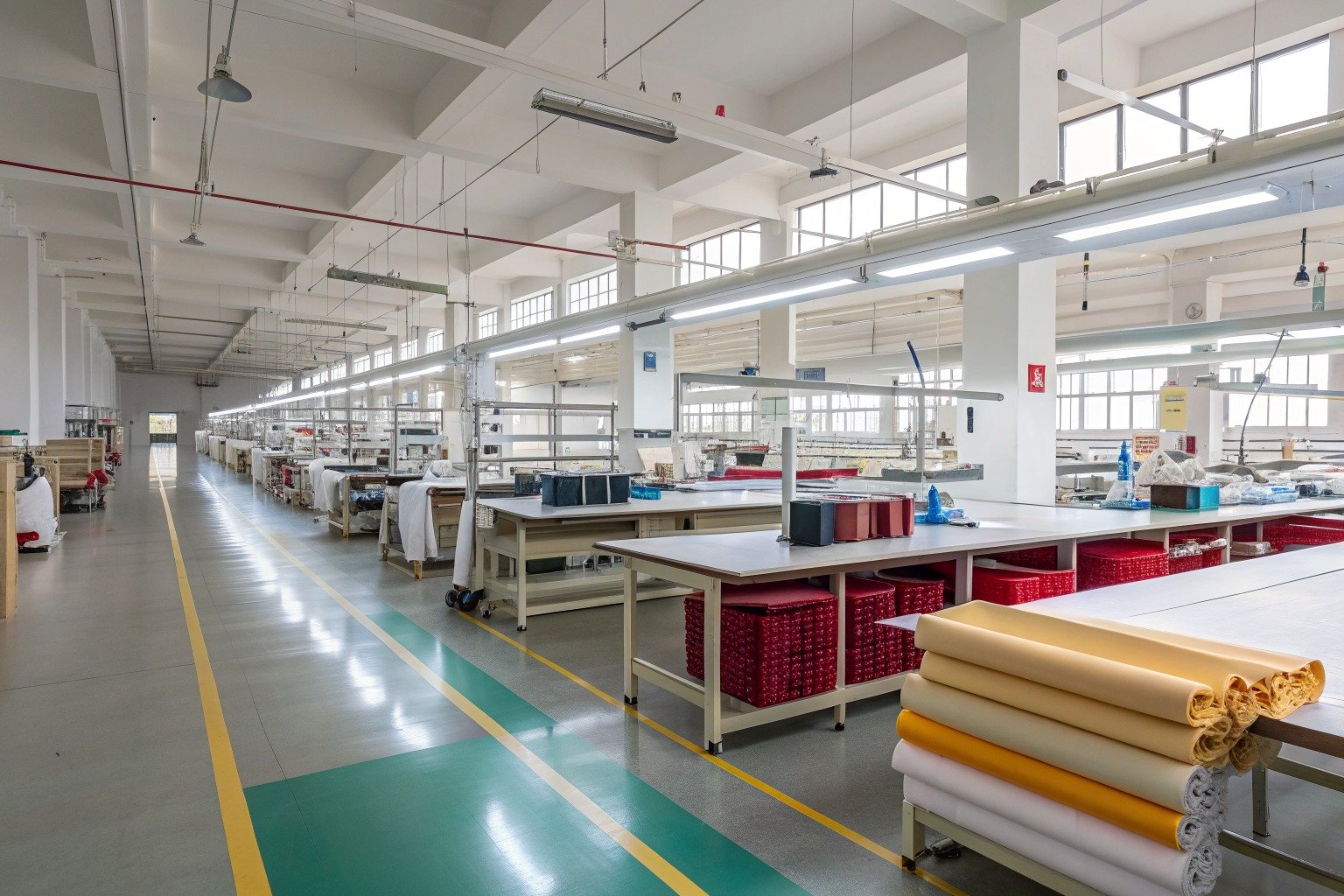
At Shanghai Fumao Clothing, we produce both woven and knitted hats in our factory. We have dedicated production lines for each, with skilled artisans who understand the unique requirements of each construction method. Over the years, we have helped countless clients make this decision based on their brand goals, target markets, and seasonal planning. I want to share what we have learned so you can make the right choice for your business.
What Are The Key Differences Between Woven And Knitted Hats?
Before you can choose, you need to understand what makes these two categories fundamentally different. They are not just different in appearance. They are different in how they are made, how they perform, and how they feel on the head. These differences matter to your end customer and to your supply chain.
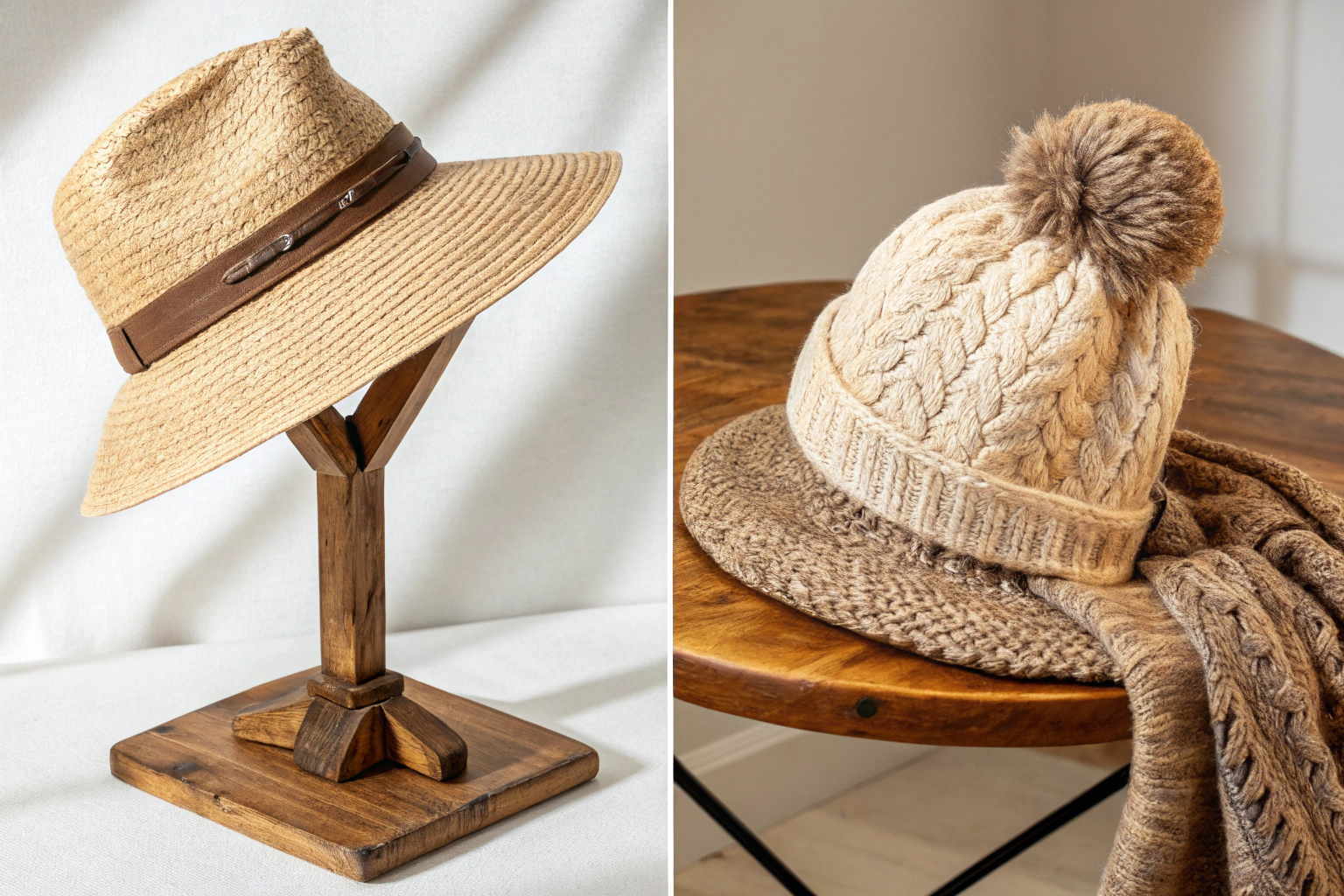
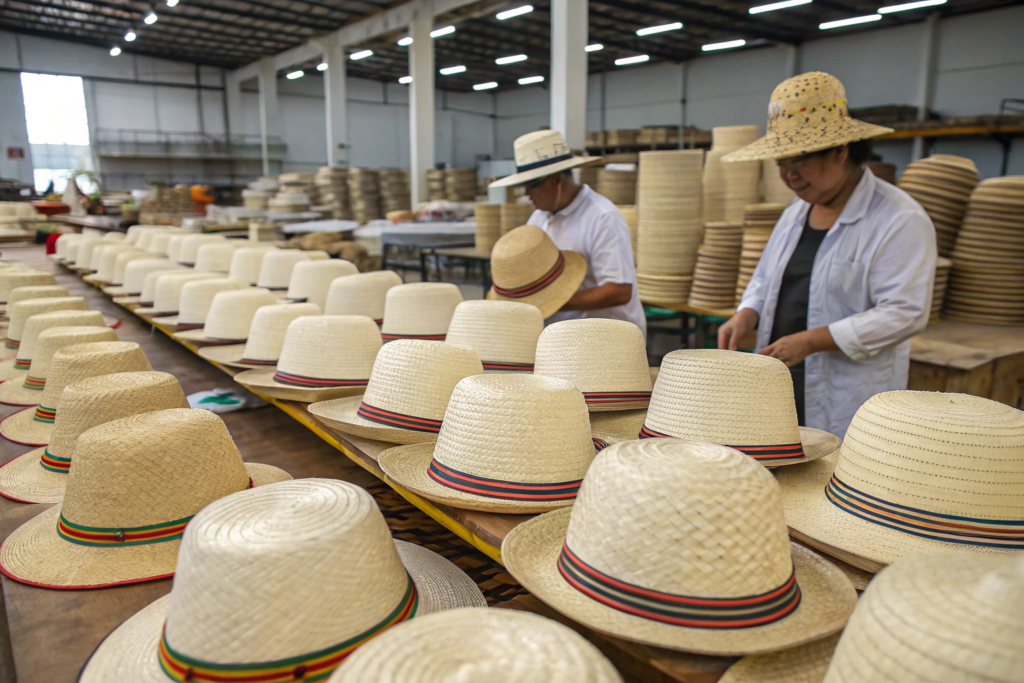
Woven hats are created by interlacing threads or fibers in a structured pattern, similar to how a basket is woven. The most common materials are straw, raffia, paper, and seagrass. The weaving process creates a fabric that is relatively stiff and holds its shape. Woven hats are typically lightweight, breathable, and offer excellent sun protection. They are often associated with summer, resort wear, and classic, sophisticated style. The construction is less flexible, meaning fit is determined primarily by the size.
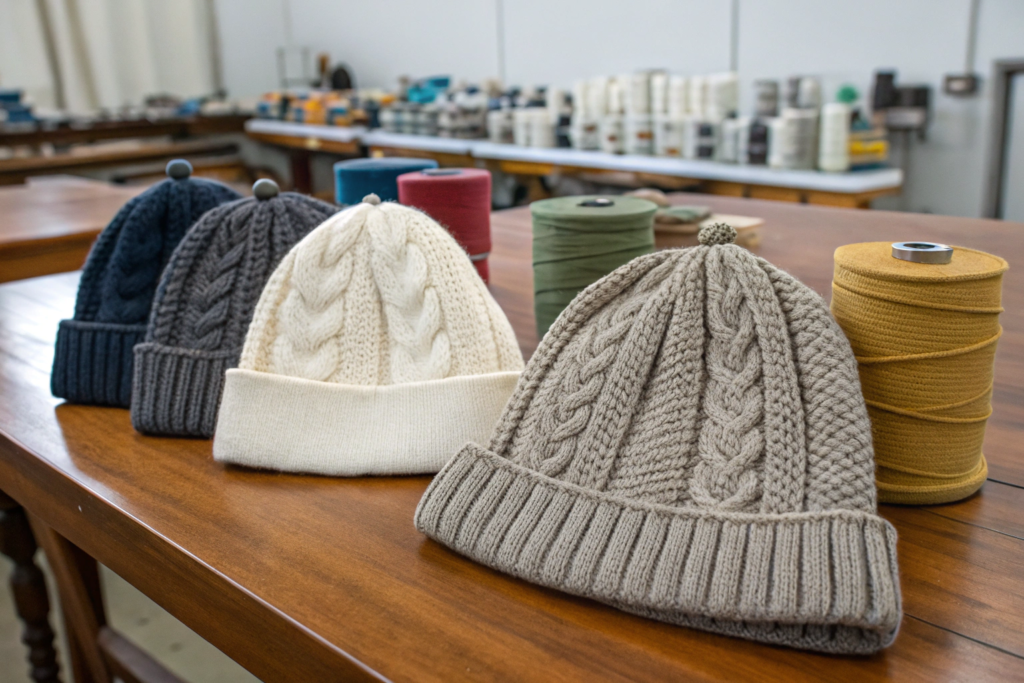
Knitted hats are created by interlocking loops of yarn using needles, either by hand or by machine. The materials are typically wool, cotton, acrylic, or blends. The knitting process creates a fabric that is stretchy, soft, and drapes easily. Knitted hats are warm, comfortable, and mold to the wearer’s head. They are associated with fall, winter, and casual, cozy style. The stretch allows for a more forgiving fit across a range of head sizes.
How does construction method affect durability and care?
The durability and care requirements of woven and knitted hats are significantly different, and this matters to your customers who want products that last. Woven hats, particularly those made from natural fibers like straw, are more delicate. They can crack if bent too sharply. They should not be exposed to rain or excessive moisture, which can cause warping or mildew. Cleaning is typically limited to gentle spot cleaning with a damp cloth. A good quality woven hat, when properly cared for, can last for many seasons. Knitted hats, depending on the yarn, are generally more durable and easier to care for. Acrylic and cotton blends can often be machine washed on gentle cycles. Wool requires more care, usually hand washing in cold water, but it is naturally resilient and resists wrinkles. The stretch in knitted hats means they return to shape after being worn or packed. For detailed care instructions for different materials, the Textile Industry Affairs website offers consumer-friendly guides that we often reference when advising clients.
What are the seasonal considerations for each type?
Seasonality is perhaps the most obvious differentiator between woven and knitted hats, but there is more nuance than simply summer versus winter. Woven hats are indeed the clear choice for warm weather. Their breathability allows air to circulate, keeping the head cool. They also provide essential sun protection, which is a key selling point for beachwear and outdoor events. However, there are also heavier woven hats made from wool or felt that are suitable for fall and winter, though they are less common. Knitted hats are the go-to for cold weather. The trapped air in the knit structure provides insulation, keeping the head warm. The thickness of the yarn can be varied to suit different climates; a lightweight cotton knit works for cool spring evenings, while a chunky wool beanie is essential for winter. Some brands create transitional collections that bridge the seasons, but generally, the material dictates the appropriate season. For seasonal planning, resources like the Fashion Institute of Technology’s seasonal forecasting can help you align your production with market trends.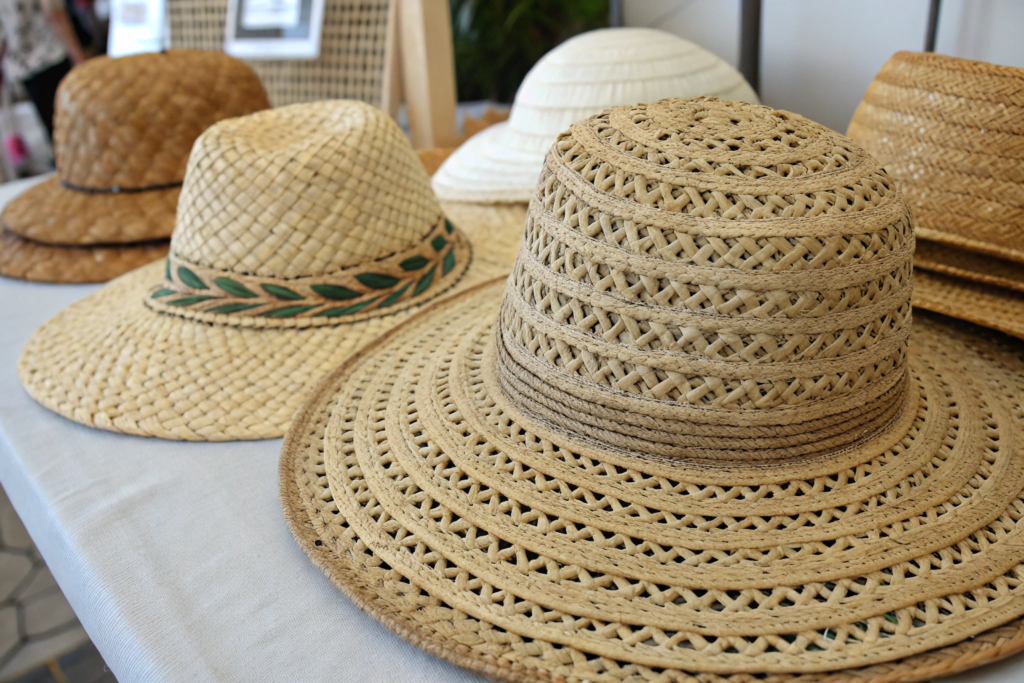
How Do Material Choices Impact My Brand Identity?
The materials you choose for your hats say something about your brand. A luxury straw fedora communicates sophistication, resort elegance, and timeless style. A chunky cable-knit beanie in organic wool communicates comfort, sustainability, and casual authenticity. Understanding what each material signals helps you align your product with your brand values.
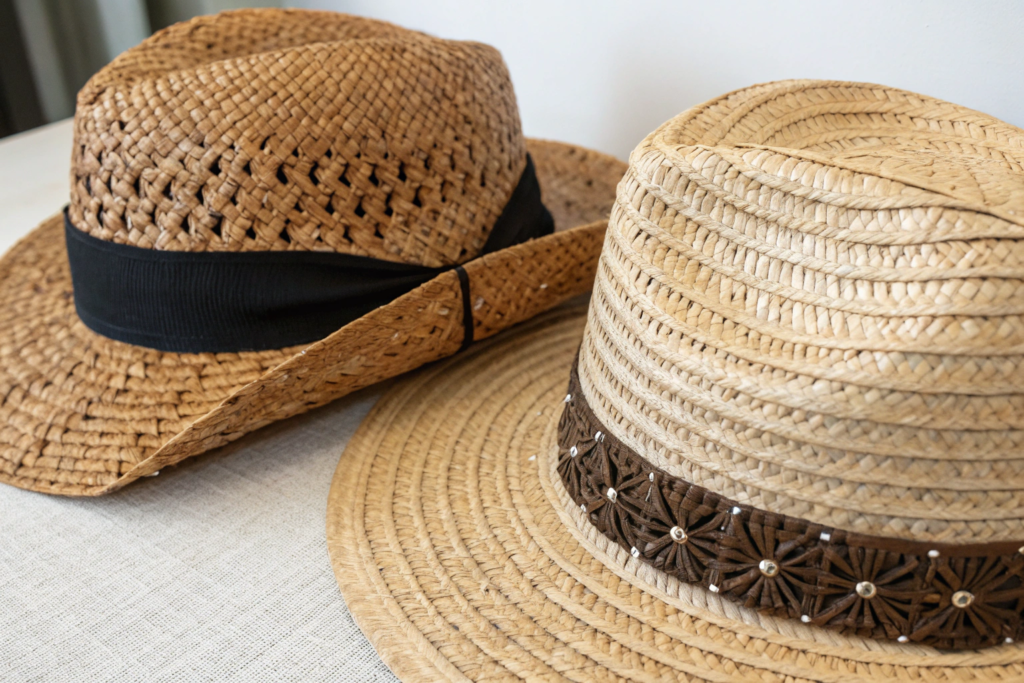
For woven hats, the material options range from natural to synthetic. Natural straw and raffia convey craftsmanship, authenticity, and often a connection to heritage or artisan traditions. These materials are popular for premium and luxury brands. Paper straw and synthetic fibers offer a more affordable alternative while still providing the structured look. They are often used for fast-fashion and promotional items. The finish of the straw also matters; a glossy, tightly woven finish feels more refined, while a rustic, open weave feels more casual.
For knitted hats, the yarn choice defines the brand perception. Wool, particularly merino or cashmere, signals quality, warmth, and luxury. Acrylic and polyester blends are practical, affordable, and easy to care for, making them ideal for mass-market and promotional products. Cotton knits convey lightness, breathability, and a casual, often eco-friendly vibe. The stitch pattern also matters; a simple stockinette stitch feels clean and modern, while a cable knit or fisherman’s rib feels traditional and cozy.
What do natural materials like straw and wool signal to customers?
Natural materials carry powerful signals in the marketplace. When a customer picks up a hat made from natural straw, they often associate it with artisanal quality, durability, and a connection to nature. These materials have inherent variations in color and texture, which consumers perceive as authenticity rather than flaws. For a brand positioned as premium, sustainable, or heritage-focused, natural straw is an excellent choice. Similarly, natural wool, especially from traceable sources, signals warmth, comfort, and quality. Merino wool is associated with softness and breathability, making it suitable for brands that want to combine performance with luxury. The rise of sustainable fashion has increased consumer awareness of natural fibers, and many customers actively seek out products made from wool, cotton, and natural straw. For insights into consumer perceptions of natural fibers, the Sustainable Apparel Coalition publishes research on sustainability trends in fashion.
How do synthetic alternatives affect pricing and perception?
Synthetic materials offer clear advantages in pricing and durability, but they carry different brand perceptions. Paper straw, which is actually made from cellulose, offers a natural look at a lower price point than natural straw. It is consistent in color and texture, which can be an advantage for brands that want uniformity across large orders. However, some consumers perceive it as less premium. For knitted hats, acrylic yarns are significantly less expensive than wool and can be produced in a wider range of vibrant colors. They are also machine washable, which appeals to practical consumers. However, acrylic does not have the same breathability or temperature-regulating properties as wool. For brands targeting budget-conscious or promotional markets, synthetics are often the right choice. For brands positioning themselves as premium or sustainable, natural materials are more aligned. We work with clients to find the right balance, sometimes blending natural and synthetic fibers to achieve the desired combination of feel, performance, and cost.
What Are The Cost Implications For Each Hat Type?
Cost is always a consideration, and the choice between woven and knitted hats has significant implications for your pricing structure. The factors that drive cost include raw materials, labor intensity, production speed, and minimum order quantities. Understanding these factors helps you make a decision that works for your budget and margin goals.
Woven hats generally have higher raw material costs for premium natural fibers like fine straw or raffia. The weaving process is often more labor-intensive, particularly for complex shapes or hand-finished details. This means that high-quality woven hats tend to have higher unit costs. However, there is a wide range of options. Machine-woven hats from synthetic materials can be produced at very competitive prices. The MOQ for woven hats can vary significantly; simple styles may have lower MOQs, while complex shapes requiring custom molds may require larger orders.
Knitted hats generally have lower raw material costs, especially for acrylic and cotton blends. The knitting process is highly automated, allowing for faster production speeds and lower labor costs. This makes knitted hats more accessible for lower price points and smaller initial orders. However, premium materials like cashmere or complex stitch patterns like cable knits increase costs. The MOQ for knitted hats is often lower because the production setup is simpler.
Which type offers better margins for small brands?
For small brands testing the market or working with limited budgets, knitted hats often offer better margins initially. The lower raw material costs, faster production times, and typically lower MOQs mean you can launch a collection with less capital at risk. A simple beanie in a solid color can be produced in quantities as low as 300 pieces, allowing you to test designs and reorder best-sellers. The stretchy nature of knitted hats also means you can cover multiple head sizes with fewer SKUs, simplifying inventory management. That said, a small brand that establishes a niche in premium woven hats can achieve excellent margins by positioning themselves as a specialist. The key is to understand your target customer’s willingness to pay. If your audience values craftsmanship and is willing to pay a premium, woven hats can be highly profitable. For small brands starting out, we often recommend starting with a knitted collection to establish cash flow, then adding woven styles as the business grows.
How do MOQs differ between woven and knitted production?
Minimum order quantities can vary significantly between woven and knitted hat production, and this is often a decisive factor for smaller buyers. For knitted hats, MOQs can be as low as 300 to 500 pieces per design, especially for simpler styles using standard yarns. The knitting machines can be programmed quickly, and the production run can be completed in a short time. This flexibility makes knitted hats ideal for testing new designs or for smaller boutique brands. For woven hats, MOQs are often higher, typically starting at 500 to 1,000 pieces per design. The reasons include the need for specific molds or blocks for shaping, the more complex material sourcing, and the longer setup time. For premium woven hats with hand-finished details, MOQs may be even higher. However, there are exceptions. Machine-woven hats from synthetic materials can sometimes be produced in smaller quantities. At Shanghai Fumao Clothing, we offer flexible MOQs across both categories and work with clients to find the right fit for their business size and risk tolerance.
How Do I Evaluate A Factory’s Hat-Making Expertise?
Once you have decided on the type of hat you want, the next step is finding a factory that can make it well. Not every factory is equally skilled in both woven and knitted hats. The expertise required for each is different, and the wrong partner will produce poor results. Evaluating a factory’s expertise is critical to your success.
For woven hats, you want a factory that specializes in working with natural fibers. Ask to see samples of their woven hats. Look at the weave consistency. Is it tight and even, or are there gaps and irregularities? Check the brim. Is it stiff and well-shaped, or does it flop? Examine the crown. Is the shaping smooth and symmetrical? A good woven hat factory will have a range of blocks and molds for shaping, and they will understand how different straws behave during the shaping process. They should also have experience with finishes like trims, bands, and linings.
For knitted hats, you want a factory with a range of knitting machines capable of producing different stitch patterns and gauges. Ask to see samples of their knitted hats. Check the tension. Is it consistent throughout, or are there loose and tight spots? Look at the seams, if present. Are they flat and invisible, or bulky and visible? Examine the pom-pom or other embellishments. Are they securely attached? A good knitted hat factory will understand yarn selection, gauge adjustment, and finishing techniques.
What questions should I ask about a factory’s woven hat capabilities?
When evaluating a factory for woven hats, ask specific questions about their process. First, ask about their material sourcing. Do they have established relationships with straw and raffia suppliers? Can they source the specific type of straw you want, whether it is natural, paper, or synthetic? Second, ask about their shaping process. Do they have a range of hat blocks in different sizes and shapes? Do they use steam or heat to shape the hats? Third, ask about their finishing capabilities. Can they add fabric linings? Can they attach leather or fabric bands? Can they add custom branding on the sweatband? Fourth, ask to see examples of past work, particularly for clients in your market segment. If they have worked with European or American brands before, they will understand the quality expectations. Finally, ask about their defect rate and how they handle quality control. A good factory will be transparent about their quality metrics. The Headwear Association offers resources on industry standards that can inform your evaluation.
How can I assess a factory’s knitted hat quality before ordering?
Assessing knitted hat quality requires looking at both the construction and the finish. First, examine the yarn. Is it a high-quality yarn with consistent thickness and no slubs? If you specified a wool blend, is the blend ratio correct? Second, check the knitting tension. Hold the hat up to a light. The fabric should be evenly knit, with no visible gaps or thin spots. Stretch the hat gently. It should return to its original shape without distortion. Third, examine any seams. In a knit hat, seams should be flat and not bulky. They should be reinforced at stress points like the crown. Fourth, check the pom-pom or other embellishments. They should be securely attached with stitching that is not visible from the outside. Fifth, check the ribbing at the brim. It should be tight and consistent, providing a secure fit. Finally, if the hat has a label, check that it is correctly positioned and securely sewn. We recommend ordering samples before committing to a large order to assess these quality indicators yourself.
Conclusion
Choosing between woven and knitted hats is one of the most important decisions you will make for your accessory collection. Woven hats offer structure, breathability, and a polished, sophisticated aesthetic that is perfect for spring and summer. Knitted hats offer warmth, comfort, and a casual, cozy feel that is ideal for fall and winter. The choice affects your material sourcing, production timeline, cost structure, and brand perception.
At Shanghai Fumao Clothing, we have deep expertise in both woven and knitted hat production. Our factory in Zhejiang is equipped with specialized machinery for each construction method, and our team includes skilled artisans who understand the nuances of working with straw, raffia, wool, cotton, and acrylic. We help our clients navigate this decision every day, offering guidance based on their brand goals, target market, and budget.
If you are ready to develop a hat collection for your brand, let us help you make the right choice. Please contact our Business Director, Elaine, directly at elaine@fumaoclothing.com to discuss your project and explore the possibilities.