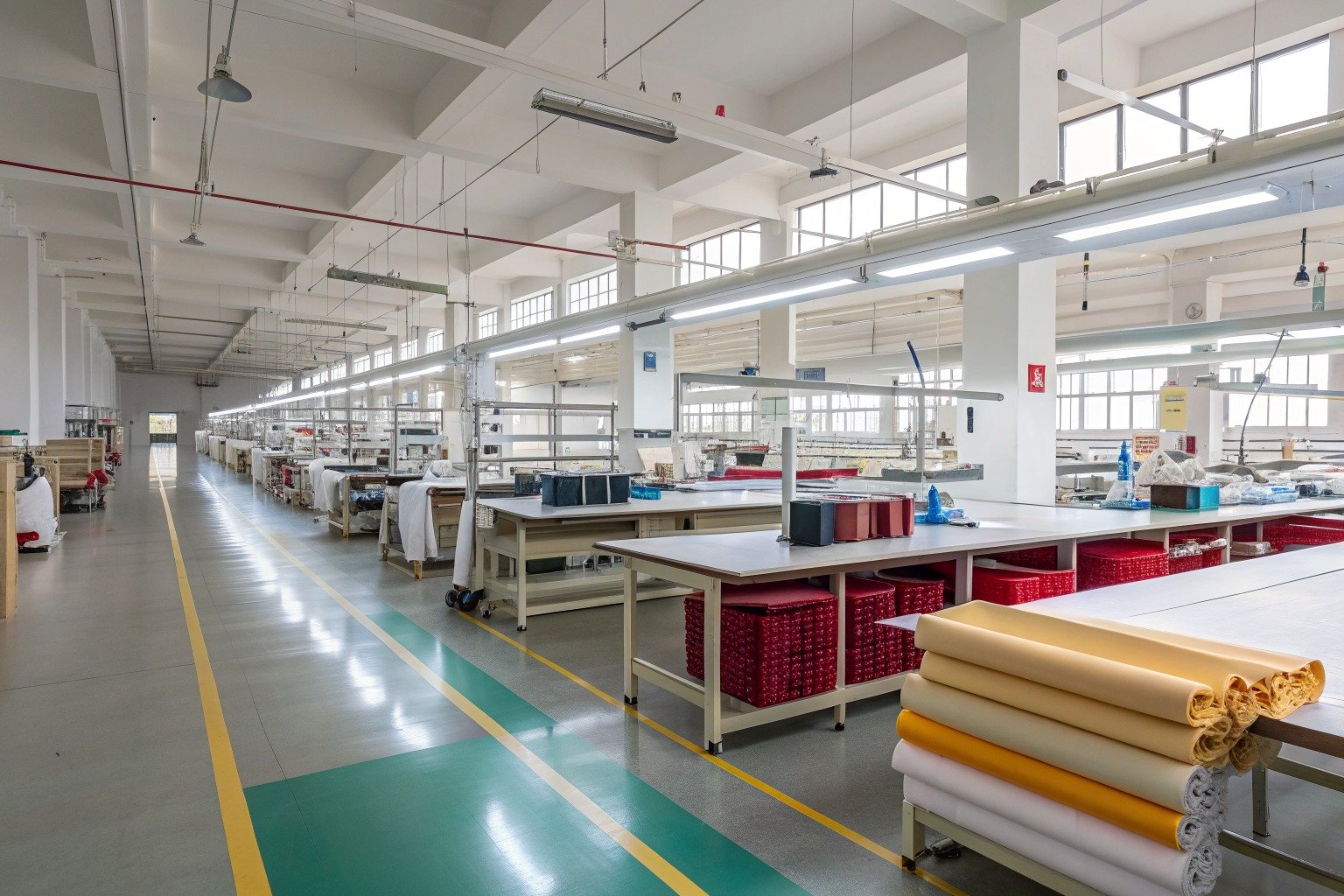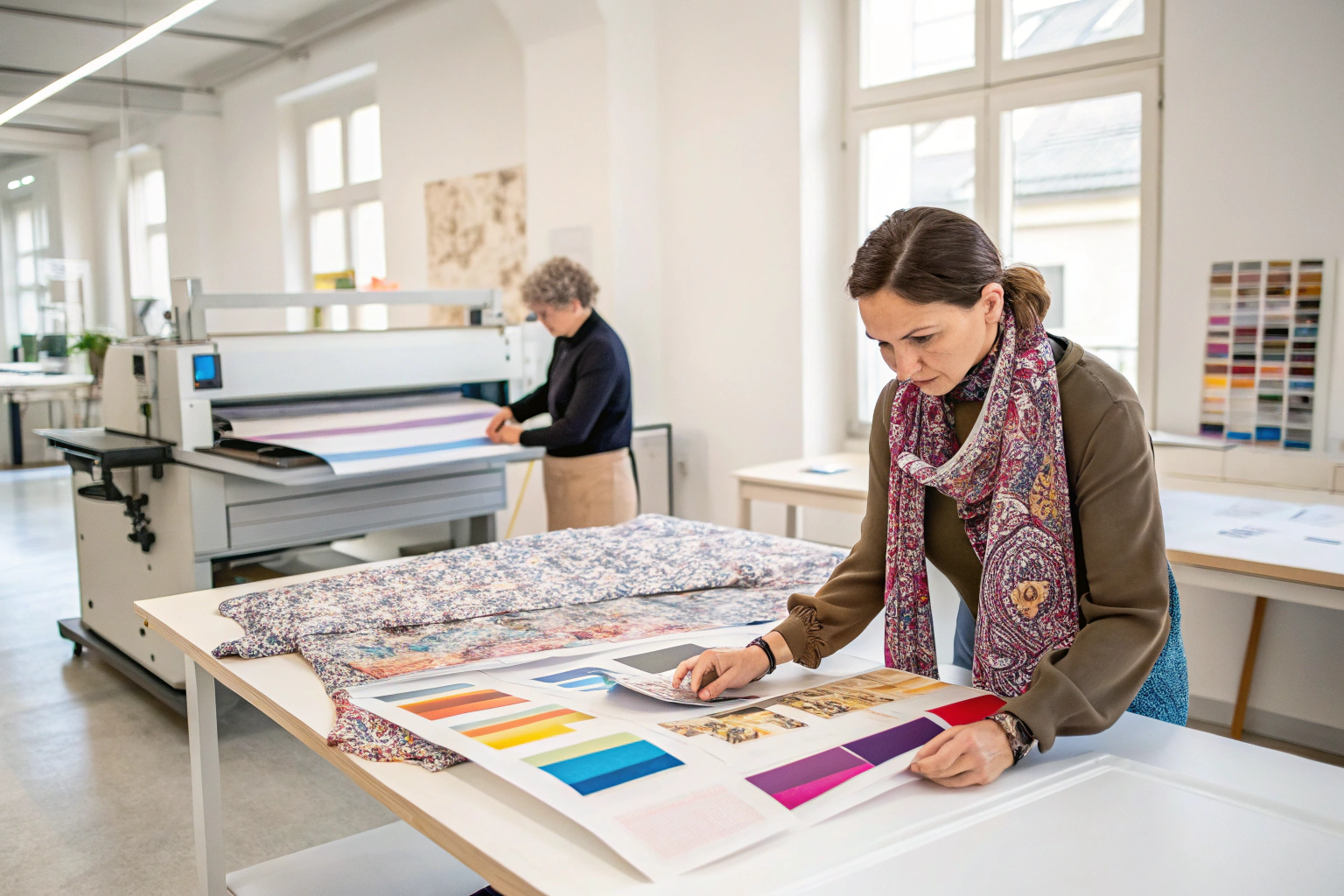
I have been in the textile and accessory business for over twenty years, and one of the first questions every buyer asks is about timing. For a client like Ron, who is planning a seasonal launch for a major retailer, knowing exactly how long product development will take is essential. A delay in development means a delay in shipping, which can mean missing a critical sales window. The answer is not a single number. It depends on the complexity of your design and the processes involved.
The typical product development timeline for custom scarves and shawls ranges from 4 to 12 weeks, depending on the level of customization. A simple design using existing materials and standard printing methods can be developed in 4 to 6 weeks. A complex design requiring custom-woven fabric, specialized yarns, or intricate hand-finishing techniques can take 8 to 12 weeks or more. The process includes design consultation, material sourcing, sampling, revisions, testing, and finally bulk production setup.
At Shanghai Fumao Clothing, we have refined our development process over many years to be as efficient as possible without compromising quality. We know that time is money for our clients. We work with you to establish a clear timeline from the first conversation, with milestones we can track together. Whether you need a quick turnaround for a fast-fashion collection or a carefully crafted piece for a luxury line, we have a process that fits your needs.
What Are The Key Stages In Custom Scarf Development?
Understanding the stages of product development helps you see where time is spent and how you can influence the timeline. Each stage is important and skipping any of them increases risk. A clear, structured process leads to better outcomes and fewer surprises down the road.
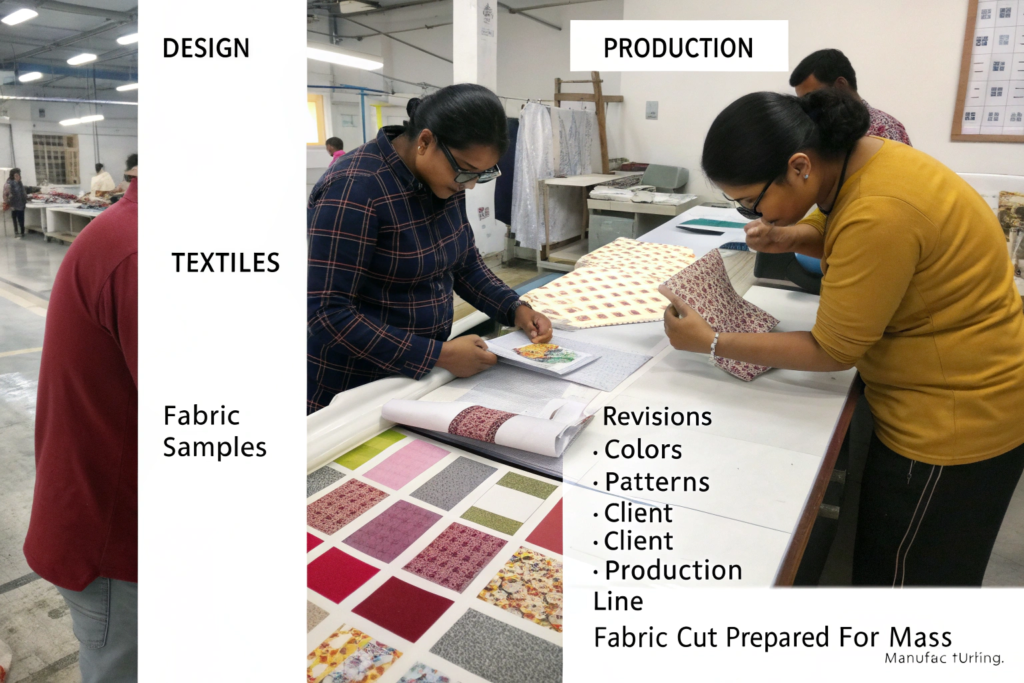
The first stage is design and material selection. We work with you to define the size, shape, fabric, and printing or weaving method. We source fabric samples and present options. The second stage is sampling. We produce a small run of samples, typically 3 to 5 pieces, using the chosen materials and techniques. This allows you to see and feel the actual product. The third stage is revision and approval. Based on your feedback, we make adjustments to colors, patterns, or construction. This may require a second or even third round of samples. The final stage is bulk production setup, where we prepare the production line, cut the fabric, and begin manufacturing.
Each stage has its own timeline. A smooth process with quick feedback from the client can move quickly. A process with multiple revisions or complex custom elements will take longer.
How does digital printing compare to screen printing for sampling speed?
Digital printing is significantly faster for sampling than traditional screen printing. With digital printing, we can create a sample from a digital file in as little as 3 to 5 days. There is no need to create screens or cylinders. The design is printed directly onto the fabric using high-quality inkjet technology. This allows us to show you a sample that closely represents the final product without a large upfront investment. Screen printing, on the other hand, requires creating a separate screen for each color in the design. This setup can take 2 to 3 weeks before the first sample is even printed. For small runs or initial sampling, digital printing is almost always the faster choice. However, for very large production runs, screen printing becomes more cost-effective. We offer both options and will advise you based on your volume and timeline. For more information on textile printing technologies, the SGIA (now part of PRINTING United Alliance) offers excellent resources on industry standards.
What is the difference between woven and printed scarf development timelines?
Woven scarves and printed scarves have fundamentally different development timelines. Printed scarves, whether digital or screen printed, start with a finished fabric base. The design is applied to the surface. The timeline is driven by the printing process and the fabric availability. A printed scarf can go from design to sample in 2 to 4 weeks in many cases. Woven scarves are a different story. The design is created by interweaving colored threads. This requires creating a weaving draft or a jacquard program. The yarns must be dyed to the specific colors. The weaving itself is a slower process. A custom-woven scarf typically takes 8 to 12 weeks from initial concept to finished sample. The lead time is longer, but the result is a scarf where the design is integral to the fabric itself, often with a luxurious texture and depth that printing cannot achieve. The choice depends on your timeline and the aesthetic you are pursuing. For a deeper understanding of weaving processes, the Textile Museum provides educational resources on traditional and contemporary weaving techniques.
How Do Fabric Choices Affect Development Time?
The fabric you choose for your custom scarves and shawls has a direct impact on how long development takes. Some fabrics are readily available in a wide range of colors and finishes. Others need to be specially ordered or even custom-made. Understanding this relationship helps you make informed decisions that balance your design goals with your timeline requirements.
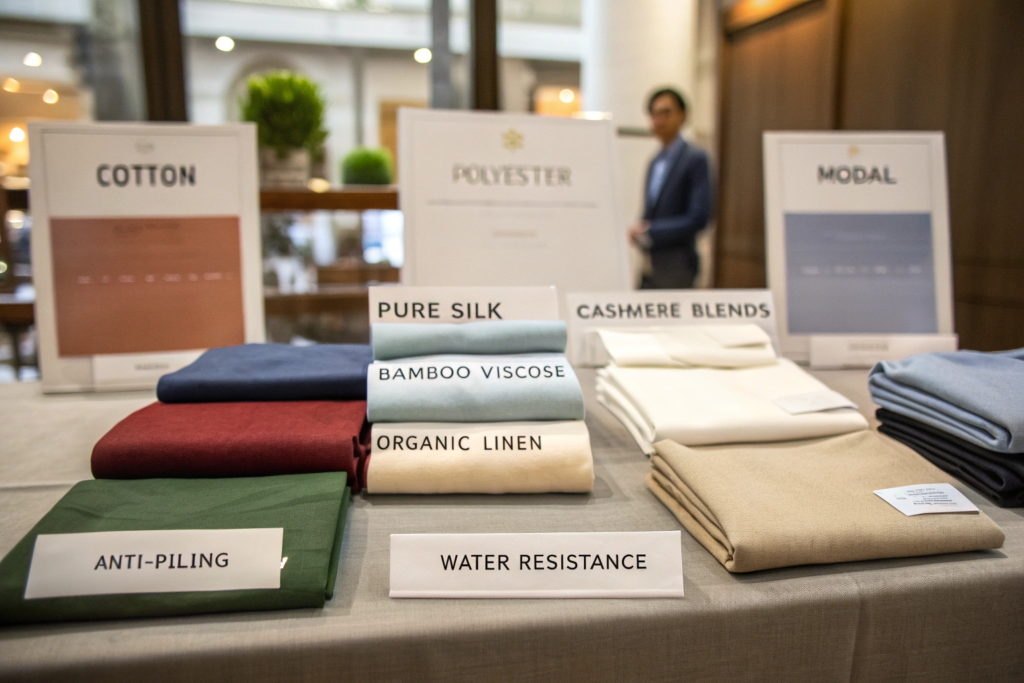
Standard fabrics like cotton, polyester, and basic modal are almost always in stock from multiple suppliers. If you choose one of these, we can begin sampling almost immediately. Specialty fabrics like pure silk, cashmere blends, bamboo viscose, or organic linen may need to be ordered from specific mills. Lead times for these fabrics can range from 2 to 6 weeks just for the material to arrive. Custom fabrics, such as a specific weave pattern or a fabric with a special finish like anti-pilling or water resistance, take even longer because they are made to order.
If you are working with a tight deadline, choosing a standard fabric that we keep in stock is the fastest path. If the project allows for a longer timeline, we can explore more exotic or custom materials.
Which fabrics offer the fastest turnaround times?
Fabrics that are mass-produced and widely available offer the fastest turnaround times. Cotton poplin, polyester satin, and modal are all fabrics that we typically keep in our inventory. We have relationships with suppliers who stock these materials in a wide range of solid colors. If your design uses one of these base fabrics, we can begin sampling within days. For printed scarves, the fabric base is critical. A standard fabric is already in stock, so the timeline is driven only by the printing and finishing. For woven scarves, even with standard yarns, the timeline is longer because the weaving process itself takes time. But using widely available yarns eliminates the waiting period for custom dyeing or specialty yarn production. If speed is your priority, we will guide you toward fabric options that we know can be sourced quickly without compromising the quality or feel of the final product.
How do specialty materials like silk or cashmere impact timing?
Specialty materials like pure silk, cashmere, and fine merino wool add significant time to the development process. These materials are not typically kept in large stock because they are expensive and used for smaller, higher-end production runs. When we order silk for a project, we are often buying from a specialized mill that may have a minimum order quantity and a lead time of 2 to 4 weeks. For cashmere, the timeline can be even longer because the yarns are often produced in limited batches. Additionally, these delicate materials require more careful handling during cutting, printing, and sewing. A silk scarf might need to be hand-rolled at the edges, a process that takes much longer than machine-hemming a cotton scarf. If your project requires these luxury materials, we build the extra time into the timeline from the beginning. The result is a premium product that commands a higher price, but it requires patience. Resources like The Woolmark Company provide insights into the sourcing and production of luxury fibers.
How Can I Speed Up The Development Timeline?
If you are working against a tight deadline, there are several strategies you can use to compress the development timeline. The key is to simplify wherever possible and to make decisions quickly. A clear, decisive client is the most important factor in a fast development process.
The first strategy is to use existing materials. Choosing a fabric we already stock, a color we have used before, and a standard size will eliminate waiting time for material sourcing. The second strategy is to minimize revisions. Each round of sampling adds time. If you can approve a design in one or two rounds rather than four or five, you save weeks. The third strategy is to choose digital printing over screen printing or weaving for the initial development phase. You can sample quickly with digital printing, prove the design, and then switch to a different production method for the bulk order if needed.
Finally, communicate clearly and respond quickly. When we send you a sample, the faster you can provide feedback, the faster we can move to the next stage. We have seen projects that should take 8 weeks stretch to 12 weeks simply because feedback took two weeks instead of two days.
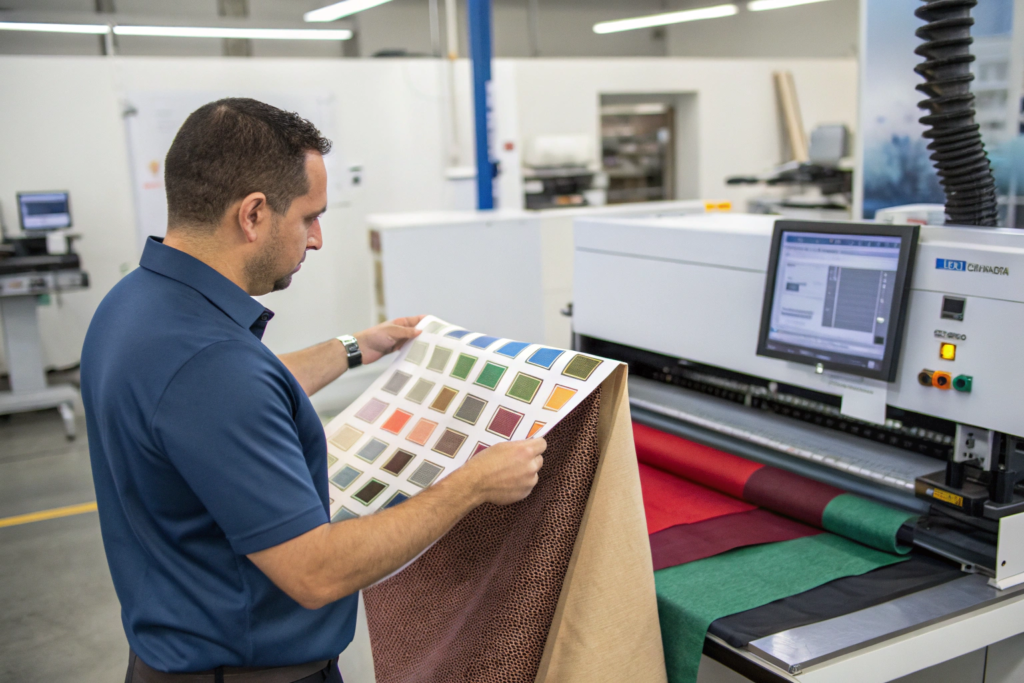
What is the fastest sampling method for scarves?
Digital printing is by far the fastest sampling method for scarves. With digital printing, we can print a single scarf directly from a digital file. There is no setup time for screens or cylinders. We can show you a sample that is nearly identical to the final product in terms of color and detail. The sample can be in your hands in 5 to 7 business days from the time we receive the final artwork. If you need to see multiple color variations, we can print them all in the same batch. This speed allows you to test designs quickly, make decisions, and move to production with confidence. The only faster option is to use a pre-existing sample from our library, which we are happy to show you, but that may not be fully customized to your brand. For clients who need to hit a specific launch date, we always recommend starting with digital sampling to compress the timeline. The Digital Textile Printing resource site offers technical information on the capabilities of this technology.
How can clear communication reduce development time?
Clear communication is the single most important factor in reducing development time that is within your control. When we understand exactly what you want from the beginning, we avoid wasted effort on the wrong direction. Provide as much detail as possible in the initial brief. Include reference images, Pantone colors, exact dimensions, and detailed descriptions of the desired fabric and finish. If you have a sample of a similar product, send it to us. When you receive samples, respond with specific, actionable feedback. Instead of saying "the color is wrong," say "the blue needs to be two shades lighter, closer to Pantone 14-4318." Instead of saying "the fabric feels cheap," say "we would prefer a fabric with a heavier weight, around 180gsm." This precision allows us to make exactly the adjustment you need on the next round. At Shanghai Fumao Clothing, we use a structured sampling form that guides you through providing this detailed feedback, ensuring nothing is missed.
What Factors Can Cause Development Delays?
Even with the best planning, delays can happen. Understanding the common causes helps you anticipate them and build buffer time into your schedule. The most successful buyers are those who understand that a perfect development process is rare and who plan for the unexpected.
The most common delay is material availability. A fabric that was in stock when we started may run out by the time we are ready to sample. A specialty yarn may be back-ordered at the mill. The second common delay is color matching. Achieving an exact color match between a digital file, a printed sample, and the final production run can take multiple rounds of adjustment. This is especially true for screen printing, where ink mixing is a precise art. The third common delay is in the revision process. If feedback is slow or vague, the timeline stretches. Finally, external factors like holidays, factory closures, or global supply chain issues can impact timing.
We work hard to anticipate and mitigate these delays, but we are always transparent with our clients about potential risks.
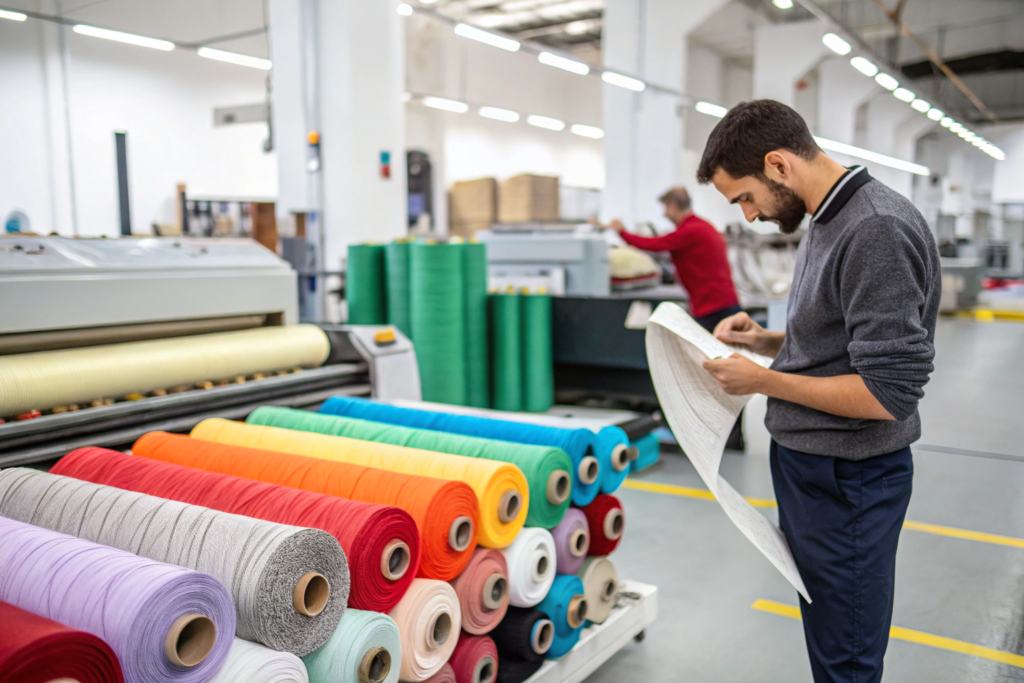
How do color matching challenges impact timeline?
Color matching is one of the most challenging aspects of textile development. What you see on a computer screen is different from what prints on fabric. The same color will look different on silk than on cotton. Achieving an exact match to a Pantone color or a brand logo color often requires multiple sampling rounds. For digital printing, we can usually get close on the first try, but fine-tuning may take one or two additional rounds. For screen printing, each color requires mixing ink to the exact formula. If the color is off, we have to remix and print a new sample. This can add 2 to 3 weeks per revision. The best way to manage this is to allow time for color development in your schedule and to provide clear color references from the beginning. We recommend sending us a physical color standard if possible, as it is much more reliable than a digital image. For a deep dive into color management, the Pantone Color Institute offers extensive resources on achieving color consistency across materials.
Why do holidays and factory closures affect timing?
Holidays and factory closures are a reality of global manufacturing. In China, the most significant is the Lunar New Year, or Spring Festival, which typically lasts for two weeks in late January or early February. During this period, factories shut down completely. Workers return to their hometowns, and no production happens. If your project is scheduled to go into production just before the holiday, it may be delayed by three to four weeks as factories restart and workers return. Other national holidays like National Day in October also cause closures. We always advise our clients to plan around these periods. If you need product for a spring launch, we want to have it shipped before the Lunar New Year, not scheduled to start production right after. We maintain a detailed holiday calendar and will remind you of upcoming closures so we can plan your timeline accordingly. For information on global supply chain planning, resources like Supply Chain Digital often discuss strategies for navigating seasonal disruptions.
Link to: How Can I Speed Up The Development Timeline?
How Does Order Size Affect Development Time?
Many buyers assume that a larger order automatically takes longer to develop. This is not always true. The development phase, which includes design and sampling, is largely independent of the final order size. A 500-piece order and a 5,000-piece order can go through the same development timeline. The difference comes in the production phase.
Development time is about getting the design right, sourcing the materials, and creating the production specifications. This process takes roughly the same amount of time regardless of whether you are planning to produce 100 scarves or 10,000. The sample order is typically small, 3 to 10 pieces. Once the sample is approved, the bulk production timeline depends on the quantity. A larger order takes longer to cut, print, sew, and pack. We can give you a clear breakdown of how many days of production time are needed for your specific quantity.
We always encourage clients to think of development and production as two separate phases with their own timelines.
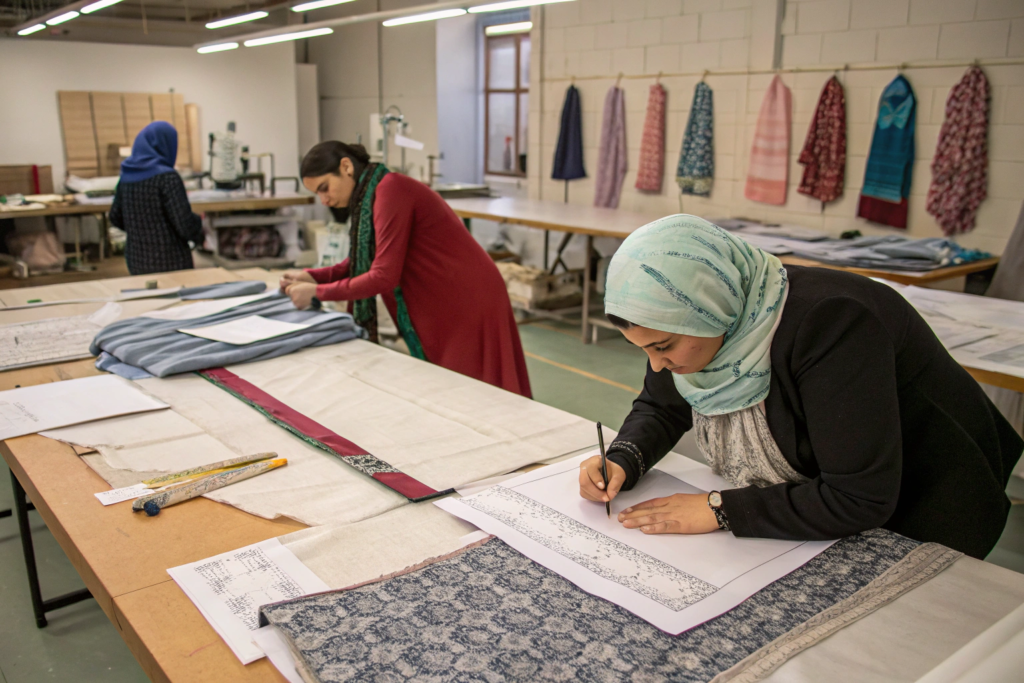
Is development time longer for large bulk orders?
No, development time is not inherently longer for large bulk orders. The development process for a custom scarf is the same whether you are ordering 500 units or 10,000 units. We still need to source materials, create samples, get your approval, and set up the production line. The only difference is that for a very large order, we may need to do additional testing to ensure that the production process can be scaled consistently. We might run a pilot batch of 50 or 100 pieces to confirm that the colors, prints, and finishes are consistent across a larger run. This pilot adds a small amount of time, typically 1 to 2 weeks, but it provides valuable quality assurance. For most projects, the development timeline is driven by the complexity of the design and the materials, not by the final quantity. We encourage clients to think of development as a fixed investment of time that pays off whether you order a small test run or a massive production run.
How do I plan my timeline for seasonal launches?
Planning your timeline for seasonal launches requires working backwards from your desired in-stock date. If you need scarves on your shelves for the fall season starting September 1, you need to calculate backwards. First, account for ocean shipping, which can take 3 to 5 weeks from China to the US or Europe. Then, account for production time, which depends on your order size and complexity, typically 3 to 6 weeks for bulk production. Then, account for development time, which we have discussed as 4 to 12 weeks. This means you should ideally start the development process 4 to 6 months before your in-stock date. For example, for a September 1 in-stock date, you should start development in March or April. This allows time for revisions, production, shipping, and any unexpected delays. We work with our clients to create detailed timeline charts for each project, showing every milestone from initial design to final delivery. This transparency helps you plan your inventory and marketing campaigns with confidence.
Conclusion
Product development for custom scarves and shawls is a process that requires careful planning and clear communication. The timeline typically ranges from 4 to 12 weeks, depending on the complexity of your design, the materials you choose, and the printing or weaving method. Digital printing offers the fastest sampling, while woven designs and specialty materials like silk or cashmere take more time. Clear communication and quick feedback from you can significantly compress the timeline.
At Shanghai Fumao Clothing, we have developed a structured process that guides you through each stage efficiently. From the first design consultation to the final approved sample, we are with you every step of the way. We understand that time is one of your most valuable resources, and we are committed to helping you meet your launch dates without compromising on quality.
If you have a custom scarf or shawl project in mind, let’s talk about your timeline. We can help you map out a realistic schedule and start the development process. Please contact our Business Director, Elaine, directly at elaine@fumaoclothing.com to begin the conversation.