I’ve been making umbrellas for a long time, and I can tell you that portability is one of the most important factors for modern consumers. No one wants to carry a bulky, awkward umbrella around all day, just in case it might rain. They want something that can slip easily into a handbag, a backpack, or even a large pocket. They want an umbrella that’s there when they need it, but virtually invisible when they don’t.
This demand for compact, foldable design has driven incredible innovation in umbrella engineering. It’s not just about making the shaft shorter. It’s about creating a mechanism that allows the umbrella to collapse into the smallest possible package without sacrificing strength, durability, or coverage when open. It’s a fascinating challenge of materials science and mechanical design.
At Shanghai Fumao Clothing, we’ve been at the forefront of this innovation. We work with skilled engineers and manufacturers to create umbrellas that are both highly compact and reliably sturdy. In this post, I’ll share the key factors you need to consider to ensure your umbrellas have a truly effective compact fold design.
What Defines A Compact Fold Umbrella?
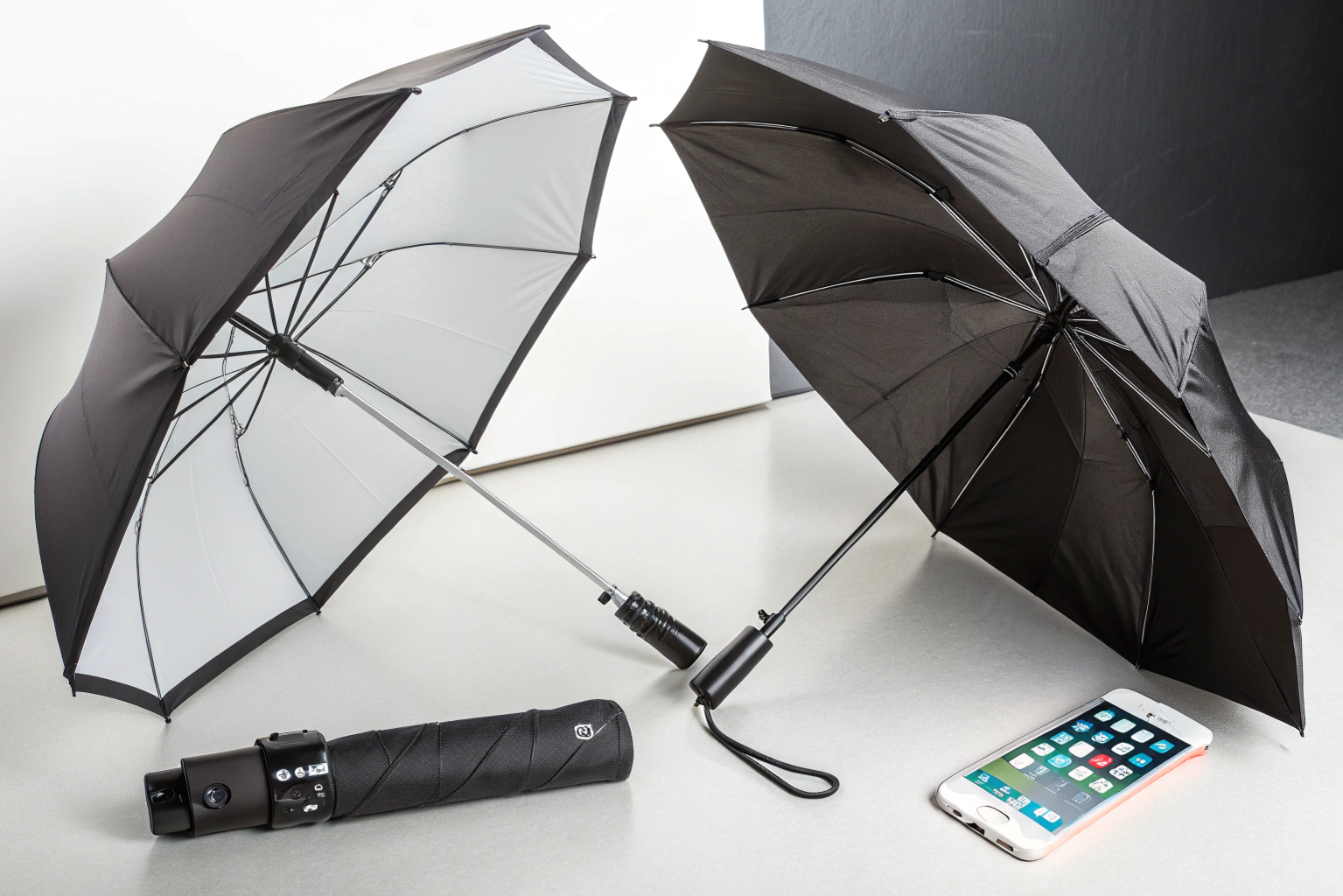
Before we dive into the "how," we need to define the "what." A compact fold umbrella is not just any umbrella that folds. It’s an umbrella specifically engineered to minimize its closed length and volume, making it highly portable. The goal is to create an umbrella that you can easily carry with you at all times, so you’re never caught off guard by a sudden shower.
The key metrics for a compact umbrella are its closed length and its folded diameter (how wide it is when collapsed). A truly compact umbrella will typically have a closed length of around 20-30 cm (8-12 inches) and a slim profile. The challenge is achieving this small size while still providing adequate canopy coverage (usually around 95-105 cm or 37-41 inches when open) and sufficient strength to withstand wind and rain. For more on umbrella standards and testing, organizations like ASTM International have relevant standards.
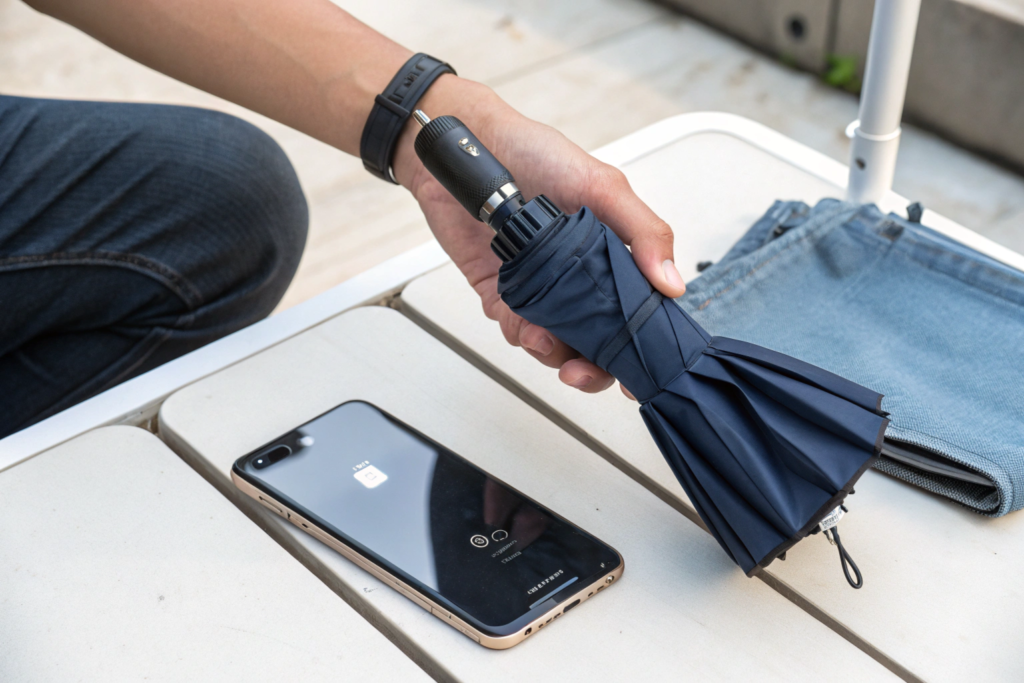
How many folds are typical for a compact umbrella?
The number of folds in the shaft is directly related to how compact the umbrella becomes. The most common types are:
- 2-Fold Umbrellas: These are the simplest folding umbrellas. They fold in half once. They are more compact than a straight umbrella but still relatively long when closed. They are often more sturdy due to fewer moving parts.
- 3-Fold Umbrellas: This is the most common type of compact umbrella. The shaft folds in three places, resulting in a much shorter closed length, typically around 25-30 cm. They offer a good balance of portability and sturdiness.
- 4-Fold and 5-Fold Umbrellas: These are the ultra-compact umbrellas. With more folding sections, they can collapse down to as little as 15-20 cm, small enough to fit in a pocket. However, the increased number of joints can make them slightly less sturdy and more complex mechanically.
- Reverse Fold Umbrellas: A newer innovation, these umbrellas fold in the opposite direction, with the wet outer layer folding inward, keeping the umbrella dry and preventing water from dripping when you close it. They are often also compact in design.
The number of folds you choose depends on your priority: maximum portability or maximum sturdiness. A 3-fold compact umbrella is a great all-rounder.
What is the typical weight and size for a truly portable umbrella?
For an umbrella to be truly "pocketable" or easily portable, it needs to be both short and light.
- Closed Length: Aim for under 30 cm (12 inches). The ultra-compact models can be under 20 cm (8 inches).
- Weight: Aim for under 300 grams (about 10.5 ounces). The lightest models can be under 200 grams. Every gram counts when someone is carrying it in their bag all day.
- Folded Diameter: The umbrella should also be slim when folded. A diameter of 3-5 cm (1-2 inches) is ideal.
These dimensions ensure the umbrella can slip easily into a handbag, a backpack side pocket, or even a large coat pocket without adding significant bulk or weight.
What Materials Enable Compact And Lightweight Design?
Achieving a compact and lightweight design is impossible without the right materials. Every component—the shaft, the ribs, the canopy fabric, the handle—must be chosen with weight and strength in mind. The goal is to use materials that are as light as possible while still being strong enough to withstand the forces of wind and rain.
Traditional umbrella materials like heavy steel are no longer the default. Modern compact umbrellas rely on advanced materials that offer a much better strength-to-weight ratio. At our factory, we carefully select materials to optimize for portability and durability. For more on material properties, databases like MatWeb are excellent resources.
What are the best materials for lightweight umbrella frames?
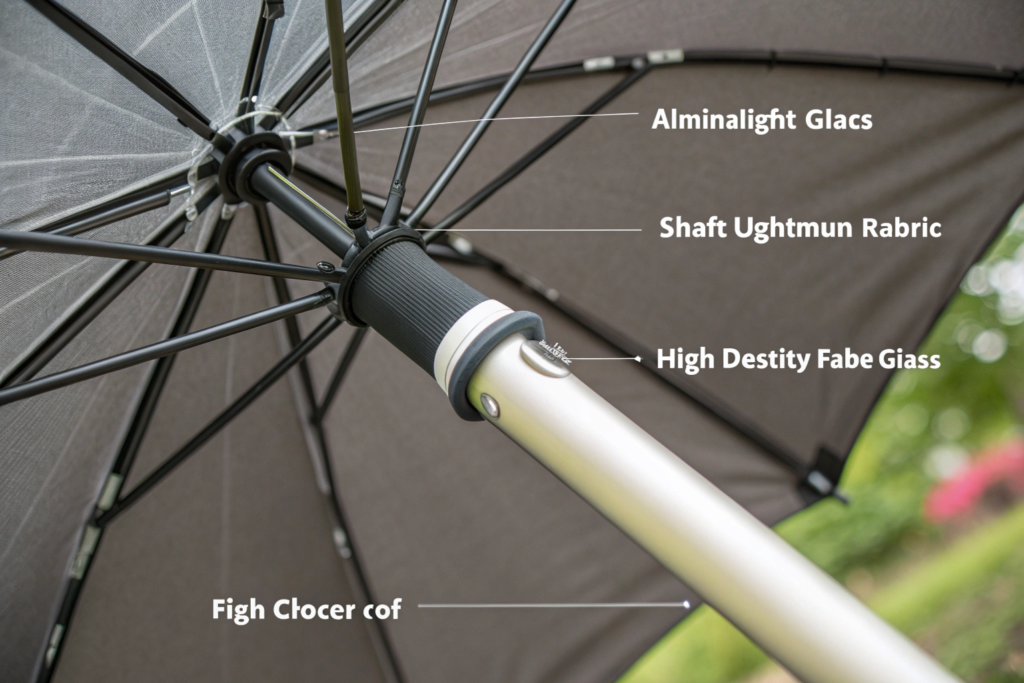
The frame—the shaft and ribs—is the skeleton of the umbrella. For a compact, lightweight design, the best materials are:
- Aluminum: Aluminum is a classic choice for lightweight umbrellas. It’s much lighter than steel, strong enough for most conditions, and relatively inexpensive. It’s a great choice for the main shaft.
- Fiberglass: Fiberglass is even more flexible and lightweight than aluminum. It’s also incredibly durable and resistant to corrosion. Fiberglass ribs are excellent because they can bend in the wind without breaking, making the umbrella more wind-resistant. It’s a top choice for high-quality compact umbrellas.
- Carbon Fiber: Carbon fiber is the ultimate material for lightweight strength. It’s incredibly stiff and strong while being exceptionally light. However, it is also more expensive. Carbon fiber is used in high-end, ultra-lightweight umbrellas where every gram counts.
The combination of an aluminum or carbon fiber shaft with fiberglass ribs is a common and effective formula for a strong, lightweight, and wind-resistant compact umbrella.
What canopy fabrics are best for compact umbrellas?
The canopy fabric needs to be lightweight and thin enough to fold into a small space, but also strong, water-resistant, and durable.
- High-Density Polyester: This is the most common choice. A high-denier, high-density weave creates a fabric that is thin, lightweight, and effectively water-resistant. It also folds compactly and resists wrinkles.
- Nylon (Ripstop): Nylon is another excellent choice, especially ripstop nylon, which has a reinforcing grid that prevents tears from spreading. It’s lightweight, strong, and dries quickly.
- Teflon or Other Water-Repellent Coatings: The fabric should be treated with a durable water-repellent (DWR) coating, like Teflon, to make water bead up and roll off, rather than soaking into the fabric. This also helps the fabric dry quickly when you close the umbrella.
- Thickness: The fabric for a compact umbrella needs to be thin enough to fold tightly. However, it cannot be so thin that it is flimsy or tears easily. The weave density is key.
Choosing the right canopy fabric is a balance between weight, packability, and durability.
What Mechanical Features Are Essential For A Compact Fold?
The magic of a compact umbrella lies in its mechanical design. The folding mechanism must be smooth, reliable, and secure. It needs to allow the umbrella to collapse into a small package and then expand to its full size with a simple, easy action. The quality of these mechanisms is what separates a great umbrella from a frustrating one.
A poorly designed mechanism can be stiff, prone to jamming, or, worst of all, can collapse unexpectedly. At our factory, we pay close attention to the design and testing of these mechanisms to ensure they are smooth, durable, and safe. For more on mechanical design principles, resources like Machine Design magazine are excellent.
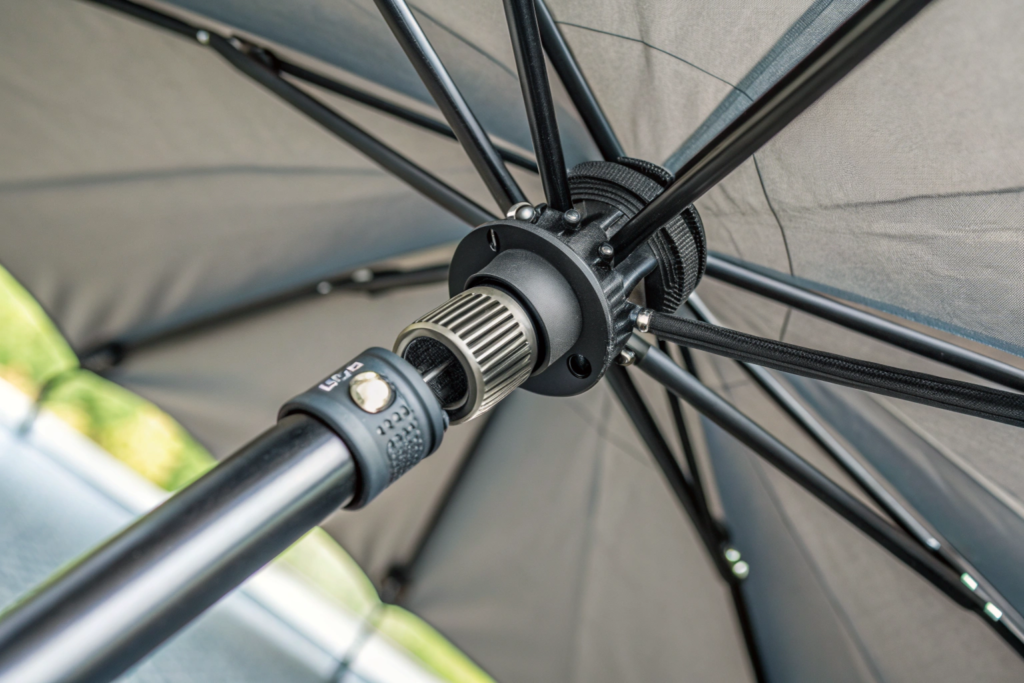
How do the joint mechanisms affect foldability and durability?
The joints are the hinges that allow the umbrella to fold. They are also potential points of failure. The design and quality of these joints are critical.
- Number of Joints: More joints (for 4-fold or 5-fold umbrellas) allow for a more compact fold but also create more potential points of weakness. Each joint must be precisely engineered to be strong and durable.
- Joint Material: Joints are typically made of metal (like brass or stainless steel) for strength and durability. Cheap plastic joints are a recipe for failure.
- Spring-Loaded Mechanisms: The joints are often spring-loaded to help the umbrella snap into its open and closed positions. These springs need to be strong enough to hold the umbrella securely but not so strong that they are difficult to operate.
- Locking Mechanism: A reliable locking mechanism is essential to prevent the umbrella from accidentally collapsing while in use. This is often a small button or a sliding collar that securely locks the shaft in the open position.
High-quality, well-engineered joints are essential for a compact umbrella that will last.
What is the role of the runner and spring system?
The runner is the part that slides up and down the shaft to open and close the umbrella. It’s connected to the ribs via stretchers. The spring is what provides the force to open the umbrella and hold it open.
- Smooth Action: The runner must slide smoothly along the shaft. It’s often made of plastic with a low-friction surface to ensure easy operation.
- Reliable Spring: The spring needs to be strong enough to fully and reliably open the umbrella every time. It must also be durable enough to withstand thousands of openings and closings without losing its tension.
- Safety Catch: A small plastic or metal catch at the bottom of the shaft holds the runner in the closed position. When you want to open the umbrella, you release this catch, and the spring pushes the runner up.
A well-designed runner and spring system is what gives a compact umbrella its satisfying "pop" when it opens and ensures it stays securely open until you’re ready to close it.
How Do You Balance Compactness With Durability?
This is the fundamental challenge of designing a compact umbrella. Every design decision that makes the umbrella smaller and lighter has the potential to make it less durable. A super-thin shaft might be more prone to bending. Ultra-lightweight ribs might snap in a strong gust of wind. The art of good design is finding the optimal balance between portability and robustness.
You cannot sacrifice durability for the sake of being compact. A flimsy umbrella that breaks in the first windstorm will lead to a very unhappy customer. The goal is to create an umbrella that is both highly portable and reliably sturdy. This requires careful material selection, thoughtful engineering, and rigorous testing. At our factory, we put every new design through its paces to ensure it meets our durability standards. A durable compact umbrella is the result of this careful balance.

How do you test for wind resistance in compact umbrellas?
Wind resistance is one of the most important tests for any umbrella. A compact umbrella, with its lighter frame, must be especially well-engineered to handle gusts.
We use a wind tunnel test. The umbrella is fully opened and placed in a wind tunnel. The wind speed is gradually increased, and we observe how the umbrella performs. A good umbrella should be able to withstand significant wind speeds without turning inside out. The fiberglass ribs are crucial here, as they can flex without breaking.
We also test for "reverse" wind resistance, simulating a gust from below. The umbrella’s frame should be able to flex and then return to its original shape. After the wind test, we inspect the umbrella for any damage—bent ribs, torn fabric, or loose joints. This testing gives us confidence in the umbrella’s real-world performance.
What are the common failure points in compact umbrellas?
Knowing the common failure points helps us design them out. The most frequent issues are:
- Rib Breakage: This is often caused by wind. Using flexible fiberglass ribs instead of brittle metal ones is the best prevention.
- Joint Failure: The folding joints can wear out or break over time. Using high-quality metal joints and testing their cycle life is essential.
- Runner or Spring Failure: The spring can lose tension, or the runner’s locking mechanism can fail. Durable materials and rigorous testing are key.
- Canopy Fabric Tearing: The fabric can tear at the points where it is attached to the ribs. Reinforcing these stress points with extra stitching or patches is important.
- Handle Detachment: The handle can come loose from the shaft. A secure attachment method, like a screw or a strong adhesive, is necessary.
By understanding these failure points, we can design and test specifically to prevent them, ensuring our compact umbrellas are built to last.
Conclusion
Creating a truly effective compact fold umbrella is a sophisticated engineering challenge. It requires a deep understanding of materials, mechanics, and the trade-off between portability and durability. By choosing the right lightweight yet strong materials for the frame—like aluminum, fiberglass, and carbon fiber—and a thin, water-resistant canopy fabric, you can achieve a small closed size. By engineering smooth, reliable folding mechanisms and rigorous testing for wind resistance and durability, you can ensure that compactness does not come at the cost of performance.
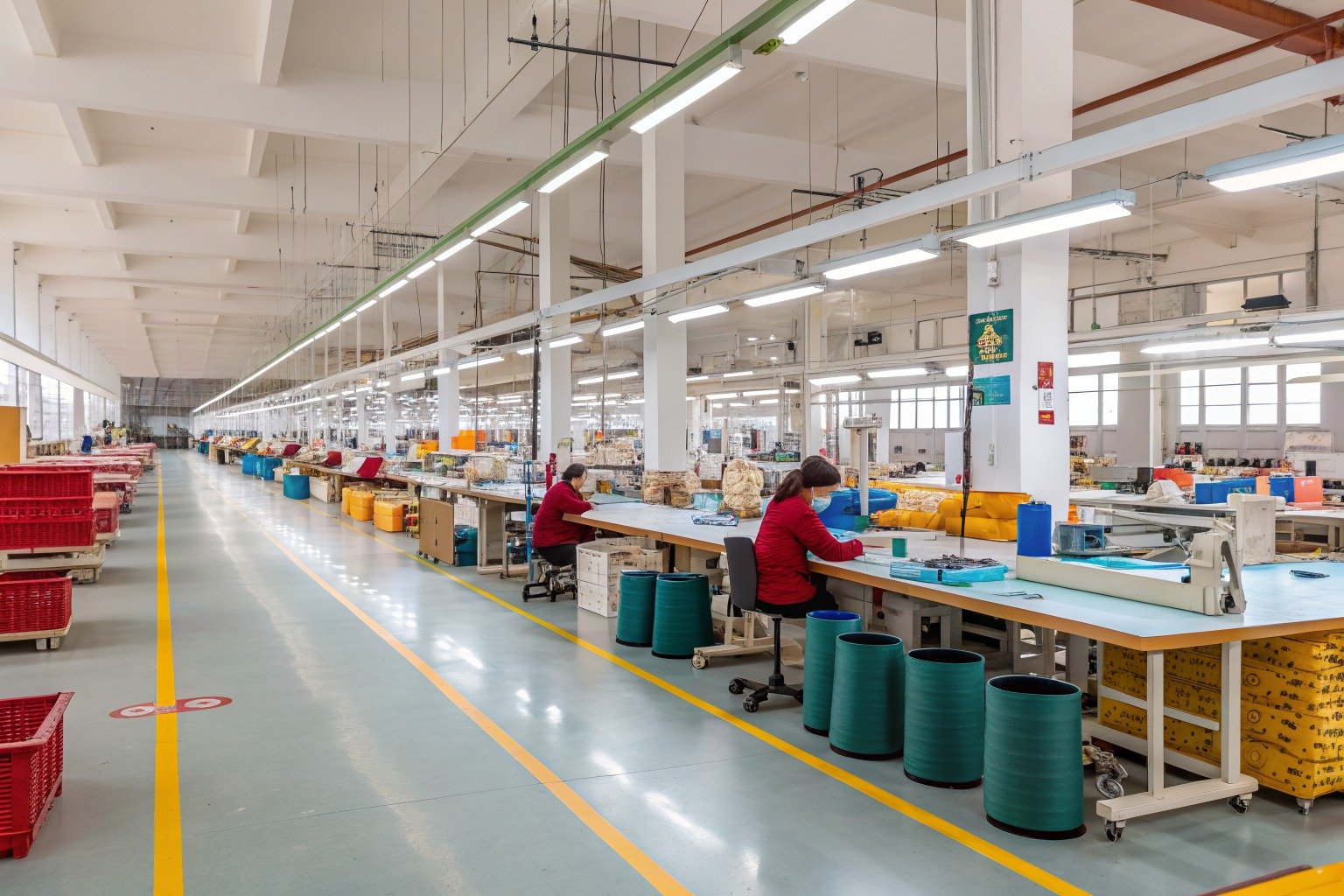
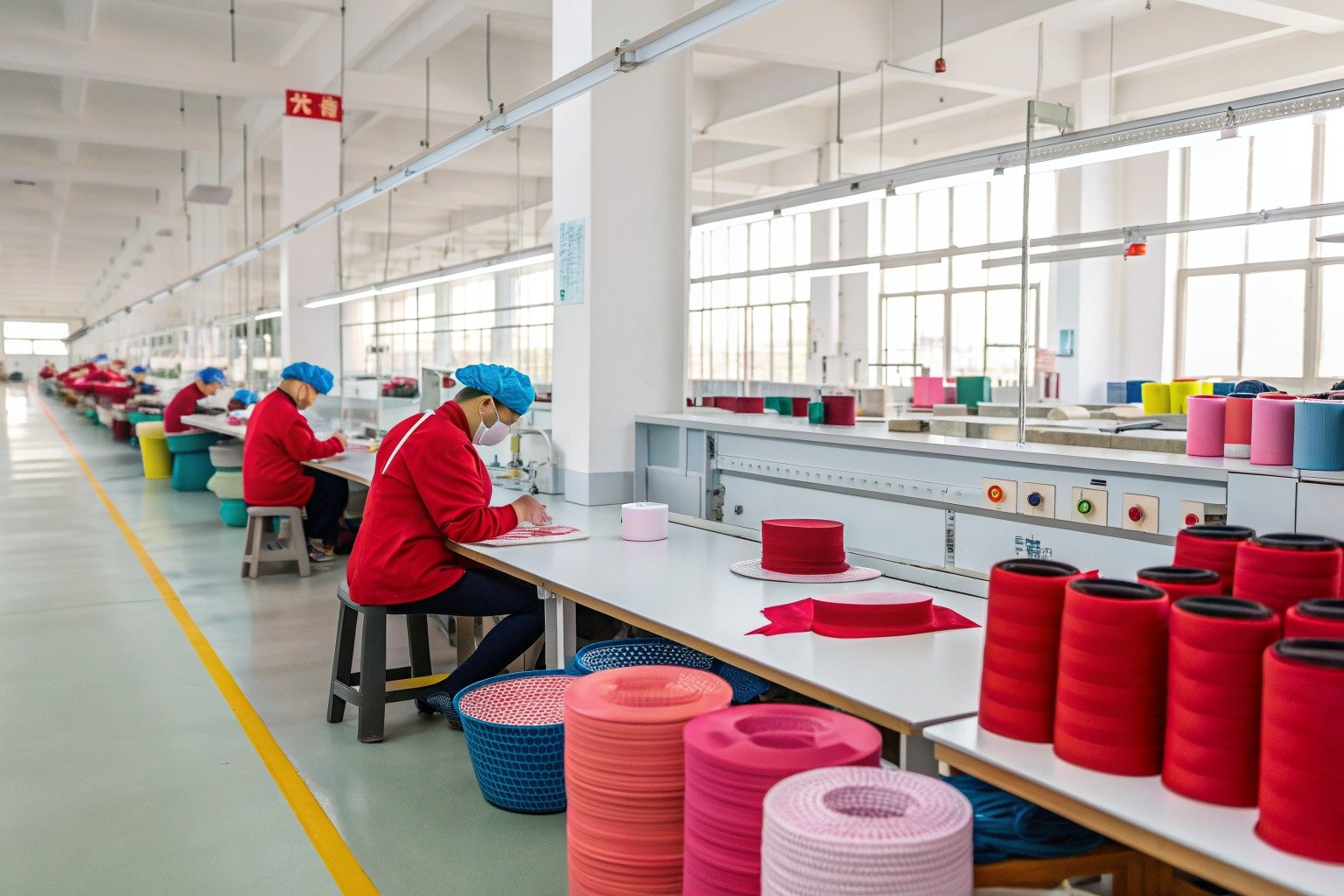
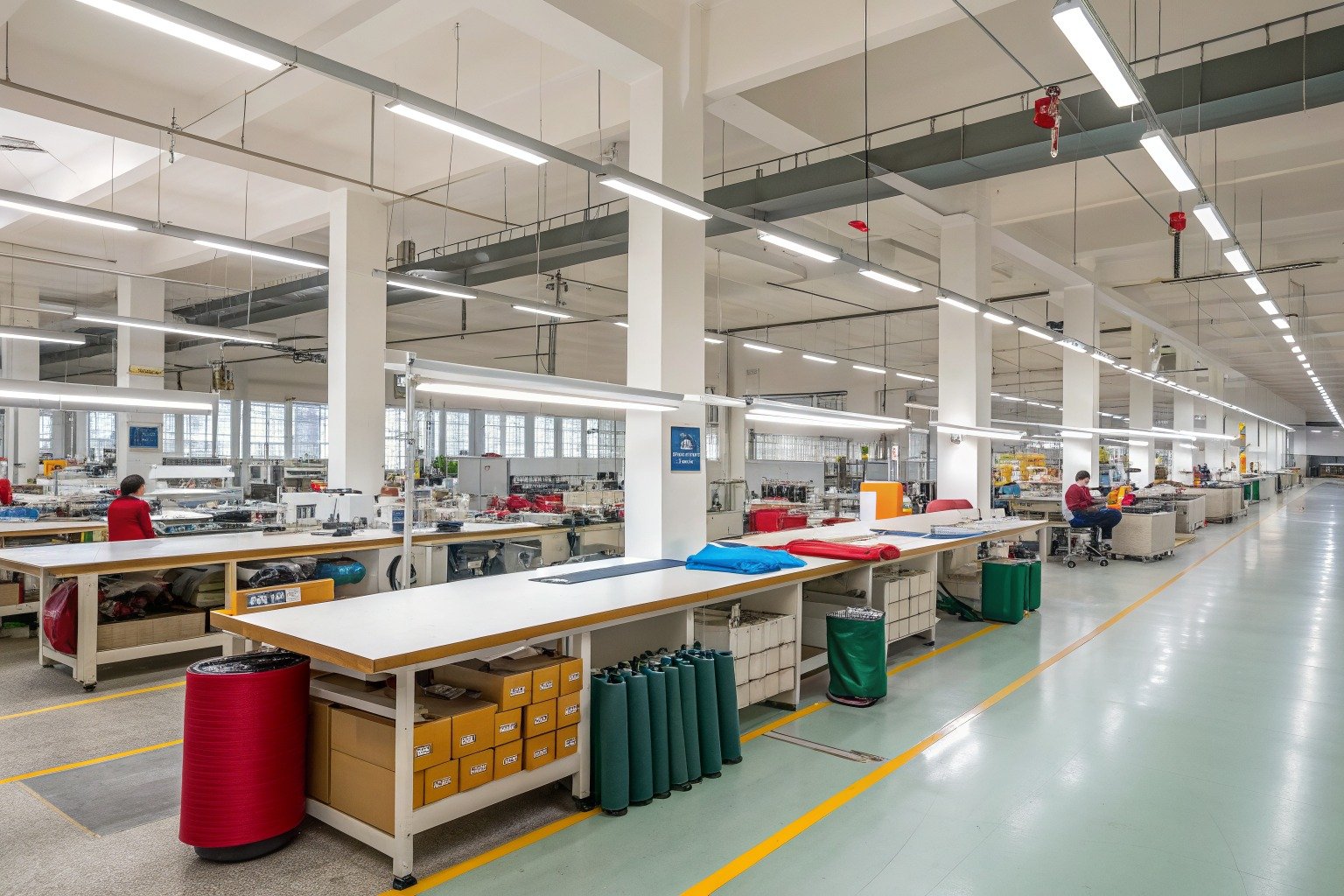
At Shanghai Fumao Clothing, we have extensive experience in designing and manufacturing compact umbrellas that meet the highest standards. Our factory in Zhejiang works with skilled engineers and uses advanced materials to create umbrellas that are both highly portable and reliably sturdy. We test every design thoroughly to ensure it will withstand real-world use. Our experienced project managers can guide you through the entire process, from concept to final product.
If you’re ready to develop a line of compact, portable umbrellas, let’s talk. Please contact our Business Director, Elaine, at elaine@fumaoclothing.com. We’ll help you create umbrellas that your customers will want to carry with them everywhere.