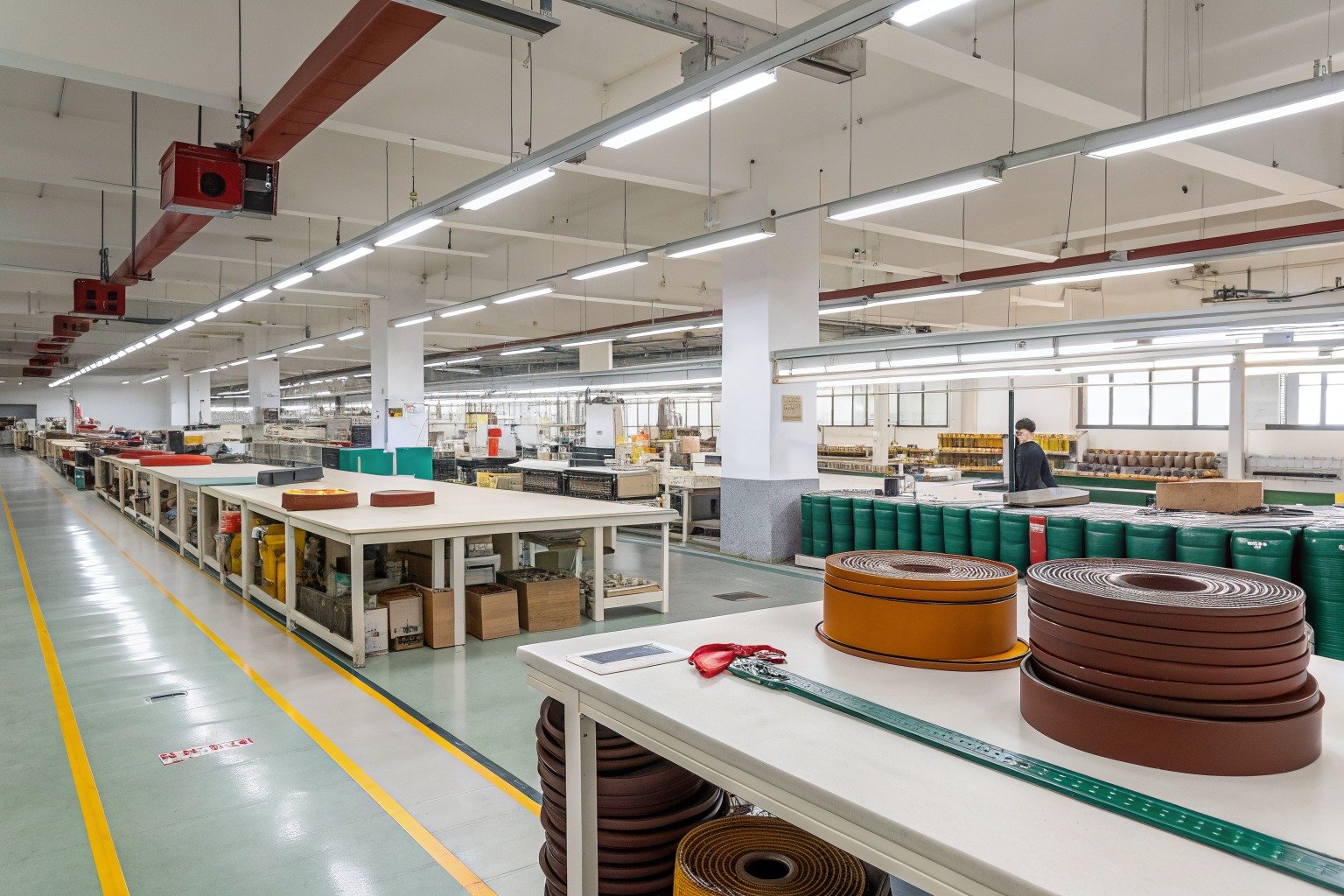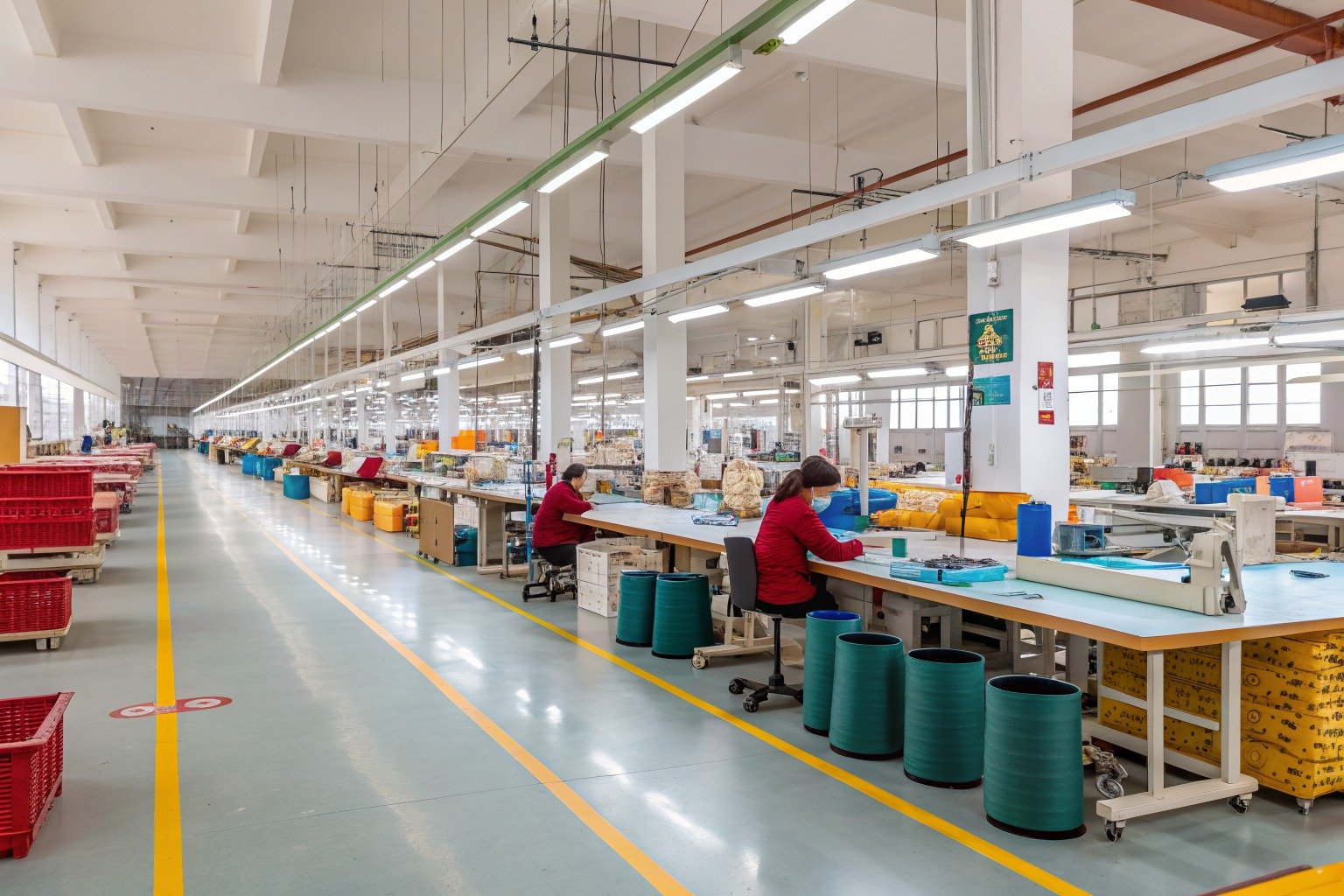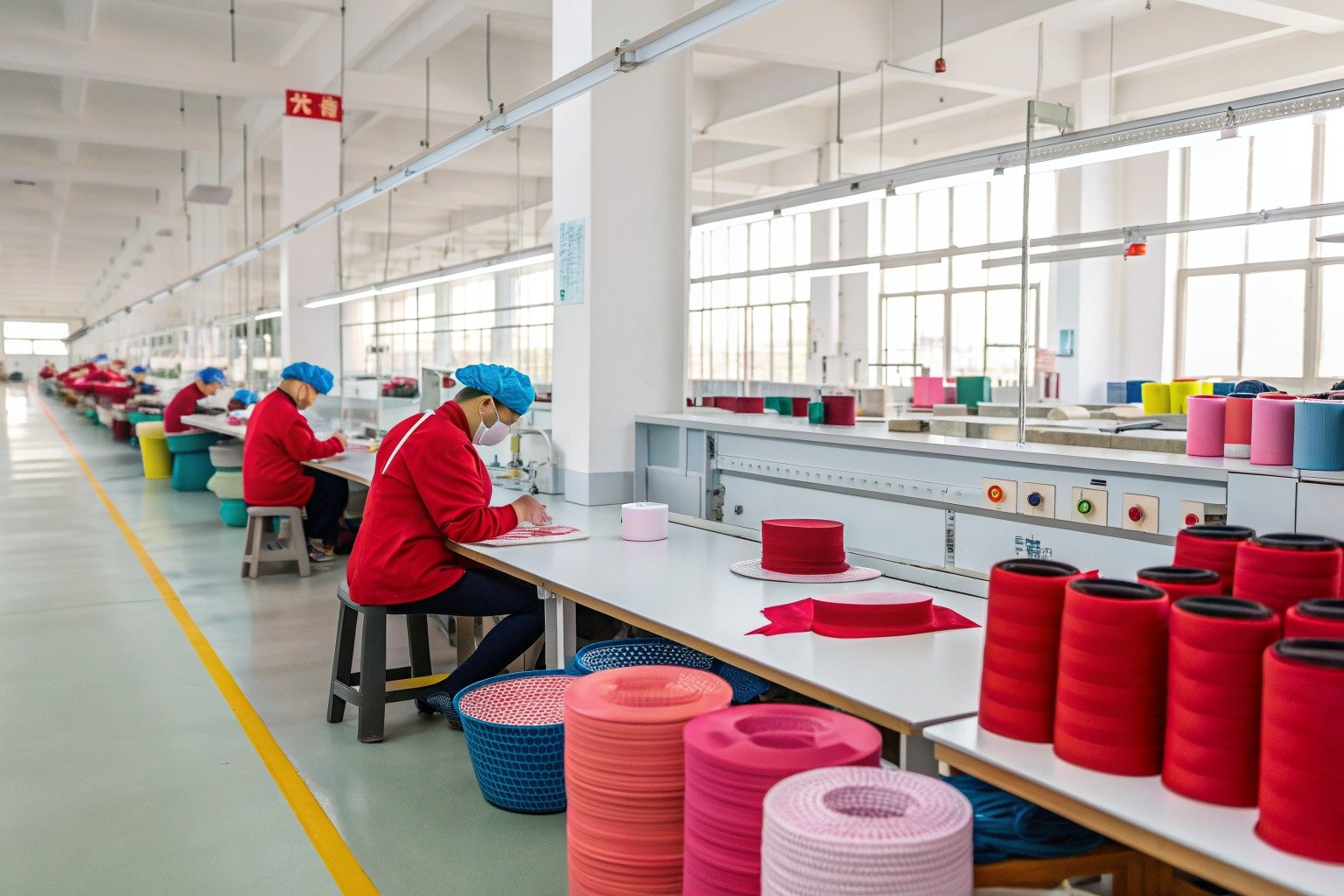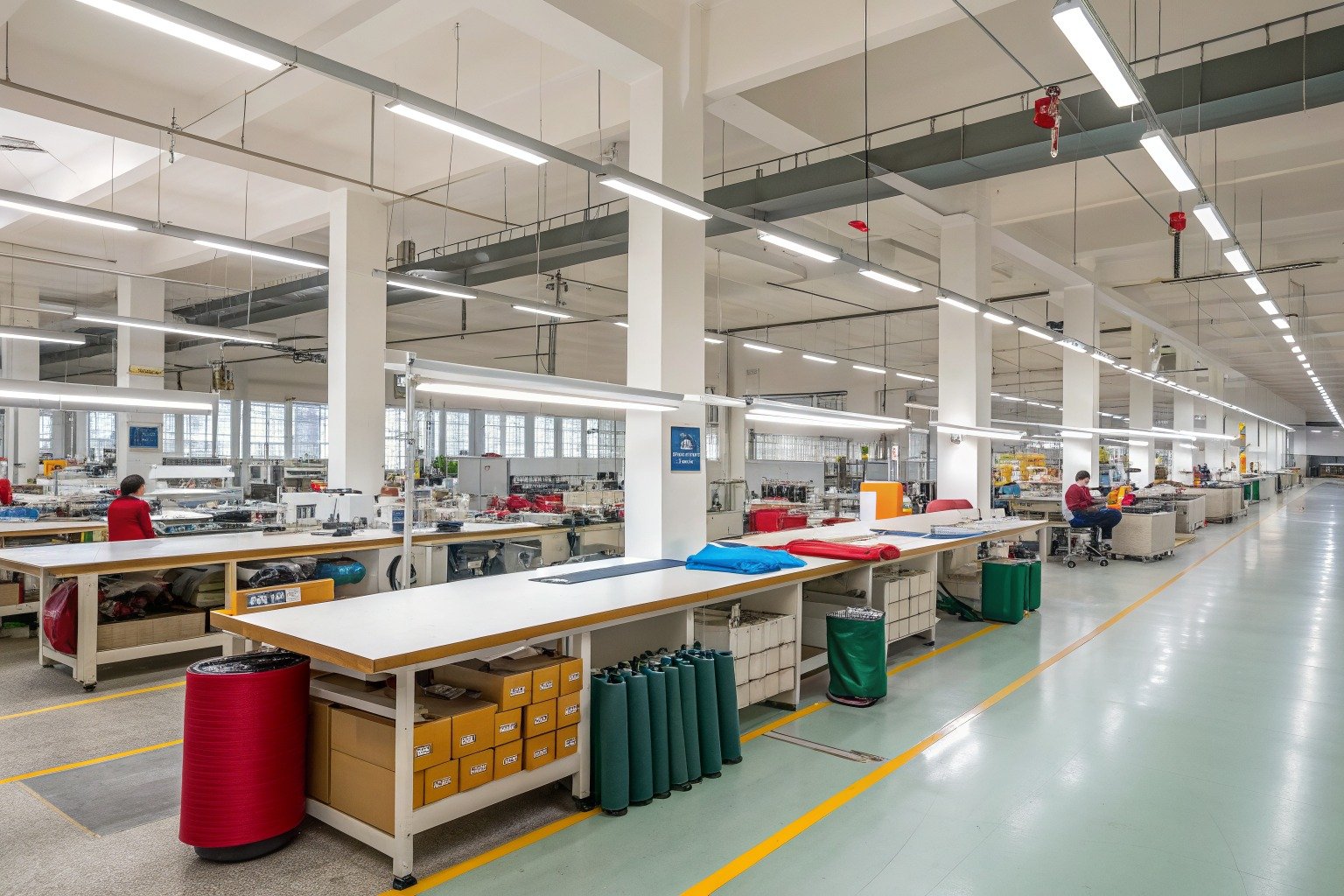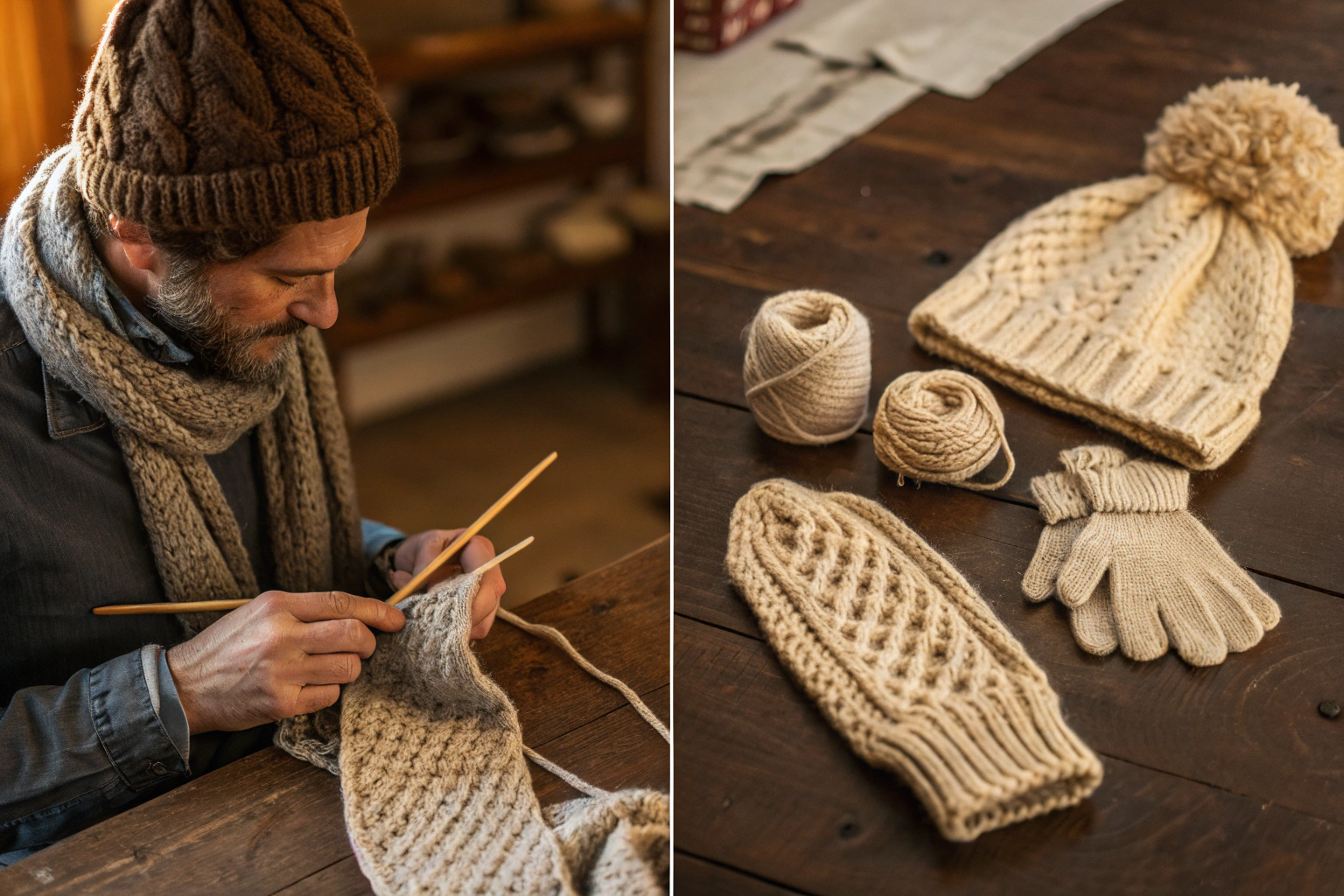
I’ve been in this industry for decades, and I’ve seen the pendulum swing back and forth between mass production and handcrafted goods. Right now, we are firmly in a moment where handmade is highly valued. Consumers are increasingly seeking out items that have a story, that show the mark of the human hand, and that are not identical to millions of others. This has led to a surge in demand for hand-knitted accessories.
Buyers like Ron are starting to get questions from their clients: "Do you have anything that’s hand-knitted?" "Can you source something with a more artisanal feel?" This is a completely different world from sourcing machine-made goods. It comes with its own unique set of opportunities and challenges. The romance of the handmade is real, but so are the practical considerations of production time, consistency, and cost.
At Shanghai Fumao Clothing, we have experience with both machine-knitted and hand-knitted production. We work with networks of skilled artisans who can create beautiful, high-quality hand-knitted pieces. In this post, I’ll walk you through the pros and cons of sourcing hand-knitted accessories, so you can make an informed decision for your brand.
What Are The Advantages Of Hand-Knitted Accessories?
The appeal of hand-knitted accessories lies in their uniqueness and the story they tell. In a world of mass-produced uniformity, a hand-knitted item stands out. It has a soul. It carries the energy and skill of the person who made it. This is a powerful differentiator in a crowded market.
For many consumers, buying a hand-knitted item is a way to connect with a slower, more intentional way of creating. It’s a rejection of fast fashion and a vote for craftsmanship. This emotional connection can translate into higher perceived value and a willingness to pay a premium. For more on the value of craftsmanship, organizations like the Craft Council champion the importance of handmade goods.
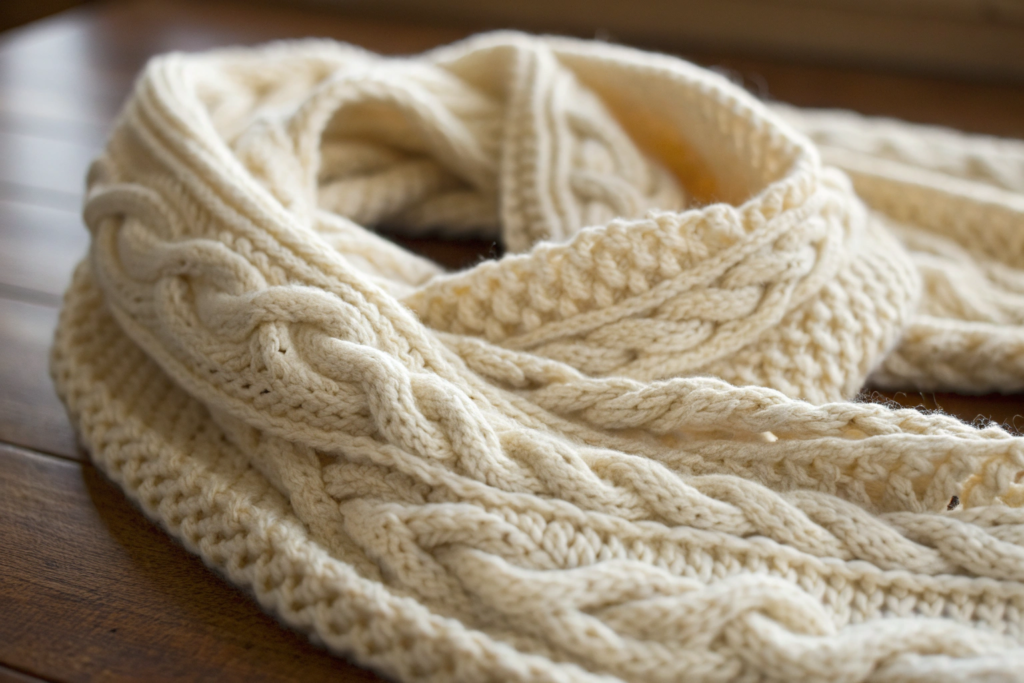
What makes hand-knitted items unique and desirable?
Several factors contribute to the unique desirability of hand-knitted accessories:
- Individuality: No two hand-knitted items are exactly alike. Slight variations in tension, stitch, and finishing are not flaws; they are marks of authenticity. Each piece is a one-of-a-kind original.
- Craftsmanship: There is a deep appreciation for the skill and time involved in hand-knitting. Consumers value the human effort behind the product. It feels more meaningful than something stamped out by a machine.
- Quality of Materials: Hand-knitted items are often made with higher-quality, natural fibers like wool, alpaca, or cashmere, which are a pleasure to work with and to wear.
- Storytelling Potential: A hand-knitted item has a story. It was made by a person, perhaps in a particular community, using traditional techniques. This story can be a powerful marketing tool.
- Tactile Quality: The texture of a hand-knitted piece is often richer and more varied than a machine-made equivalent. The slight irregularities create a more interesting tactile experience.
These qualities make hand-knitted accessories highly appealing to a segment of consumers who value authenticity and are willing to pay for it. A hand-knitted beanie is not just a hat; it’s a piece of wearable art.
How can hand-knitted items support artisanal communities?
Sourcing hand-knitted accessories can be a way to support traditional crafts and the communities that practice them. In many parts of the world, knitting is not just a hobby; it’s a vital source of income for artisans, often women in rural areas. By commissioning work from these artisans, brands can help preserve these skills and provide sustainable livelihoods.
This adds another powerful layer to your brand’s story. You are not just selling a beautiful product; you are also contributing to a positive social impact. Consumers are increasingly drawn to brands with a clear purpose and ethical practices. Highlighting the artisan communities behind your products can be a major differentiator. It’s a story that resonates deeply with today’s conscious consumers.
What Are The Challenges Of Sourcing Hand-Knitted Goods?
While the rewards of hand-knitted goods are significant, the challenges are equally real. Sourcing handmade is fundamentally different from sourcing machine-made. It requires a different mindset, a different supply chain, and a different approach to planning. You cannot simply place an order for 1,000 units and expect them to arrive in four weeks.
The key challenges revolve around production time, consistency, and scalability. These are not insurmountable, but they need to be understood and planned for from the very beginning. At our factory, we have systems in place to manage these challenges, working closely with our artisan networks to ensure quality and timely delivery.
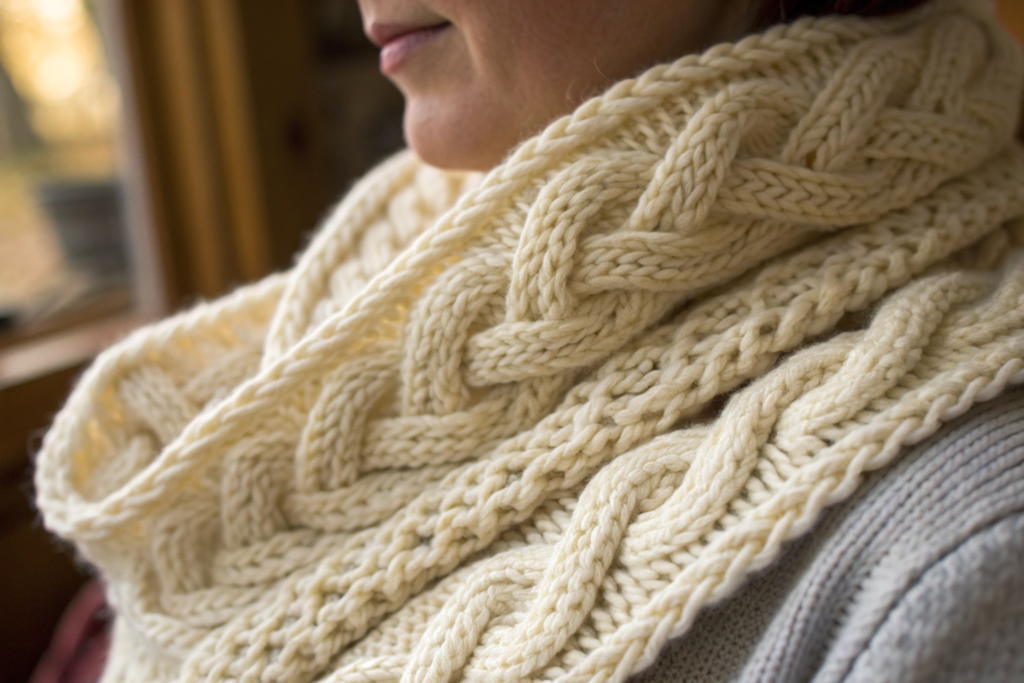
What are the lead time considerations for hand-knitted items?
This is perhaps the biggest difference from machine-made production. A machine can knit a hat in minutes. A skilled artisan takes hours, sometimes days, depending on the complexity of the design. This means lead times for hand-knitted items are significantly longer.
You need to plan far in advance. A typical lead time for a hand-knitted order might be 8-12 weeks or even longer, depending on the quantity and the complexity. This requires very careful forecasting and planning. You cannot react quickly to a sudden trend. You need to be thinking seasons ahead. This is a major consideration for brands used to the fast turnaround of mass production.
How do you manage consistency across multiple artisans?
This is another major challenge. When you have multiple artisans working on the same design, achieving perfect consistency is impossible. Each person knits with a slightly different tension. Their hands are different. This means that the finished items will have slight variations in size, stitch definition, and overall look.
This is not necessarily a bad thing—it’s part of the charm of handmade. But it does need to be managed. You need to establish clear quality standards and provide detailed instructions and samples for the artisans to follow. You may need to accept a certain range of variation as acceptable. This requires a different mindset from the rigid quality control of machine-made goods, where every piece is expected to be identical. The key is to communicate this to your customers, so they understand and appreciate the natural variations as a sign of authenticity.
How Do You Ensure Quality In Hand-Knitted Production?
Quality control for hand-knitted items requires a different approach than for machine-made goods. You are not looking for identical perfection. You are looking for a high level of craftsmanship within an acceptable range of natural variation. This requires clear communication, skilled inspectors, and a collaborative relationship with your artisans.
The goal is to ensure that every piece meets a certain standard of quality, even if they are not all exactly the same. This means checking for things like even tension, secure finishing (no loose ends), correct sizing within a tolerance, and overall neatness. At our factory, we have experienced quality control personnel who specialize in inspecting hand-knitted goods. They understand what to look for and how to communicate with artisans.
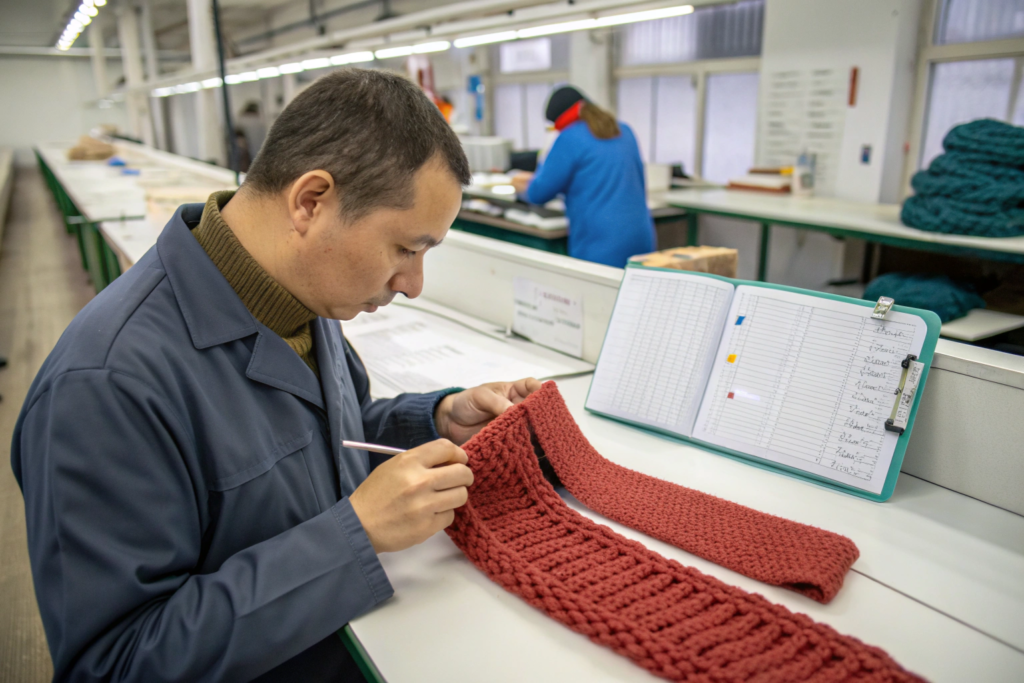
What are the key quality checkpoints for hand-knits?
When inspecting hand-knitted accessories, we focus on several key areas:
- Stitch Consistency: While slight variation is expected, the overall tension should be relatively even. There shouldn’t be areas that are noticeably looser or tighter than others.
- Correct Sizing: The finished piece should be within an agreed-upon size range. For a hat, this means the circumference and height. For a scarf, the length and width. We establish a tolerance (e.g., +/- 1 cm) that is acceptable.
- Finishing: All loose ends should be securely woven in and trimmed. There should be no dangling threads. This is a sign of good craftsmanship.
- Pattern Accuracy: If the design includes a specific stitch pattern (like a cable), it should be executed correctly and consistently throughout the piece.
- Overall Appearance: The piece should look neat, well-made, and free from any obvious flaws.
Having a clear sample and a detailed spec sheet is essential for communicating these expectations to the artisans and to our QC team.
How do you handle repairs and rejects in handmade production?
Because each piece is made individually by hand, repairs are often possible. If a piece has a minor flaw, a skilled artisan may be able to fix it. This is different from machine-made goods, where a flawed piece is often simply discarded.
We have a system for handling this. Pieces that are flagged during QC are set aside and reviewed. If the flaw is minor and repairable, they are sent back to the artisan for correction. If the flaw is major and cannot be repaired, the piece may be rejected, and the artisan is compensated for their time and materials, or a new piece is commissioned. This requires a fair and transparent system for working with artisans. It’s a partnership, not just a transaction.
How Do You Price And Market Hand-Knitted Accessories?
Pricing and marketing hand-knitted accessories requires a different strategy than for mass-produced items. You are not competing on price. You are competing on value, story, and authenticity. Your pricing needs to reflect the true cost of the time, skill, and materials involved. And your marketing needs to communicate that value to the consumer.
A hand-knitted scarf cannot and should not be priced the same as a machine-made acrylic scarf. It is a fundamentally different product with a different cost structure and a different appeal. Your marketing must educate the consumer on why it’s different and why it’s worth the investment. For more on pricing artisan goods, resources like Etsy’s Seller Handbook offer practical advice.
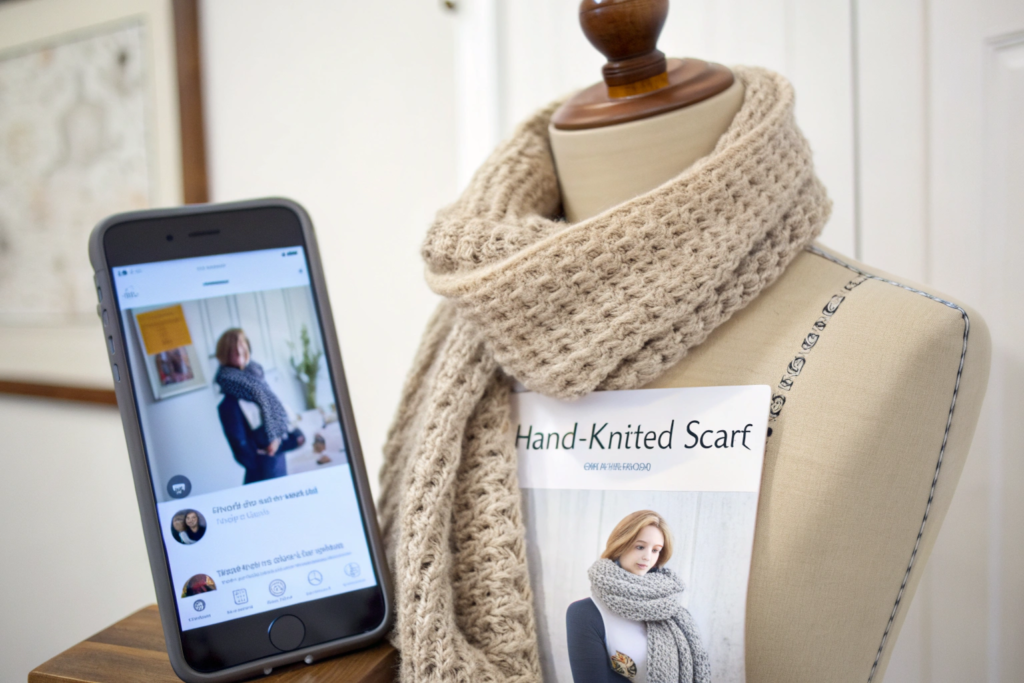
How do you calculate a fair and profitable price?
Pricing hand-knitted goods requires a clear understanding of all the costs involved:
- Materials Cost: The cost of the yarn, which is often higher quality for hand-knits.
- Artisan Labor: You must pay the artisans a fair wage for their time. This is not just a cost; it’s an ethical imperative. Calculate a fair hourly rate multiplied by the time it takes to make each piece.
- Overhead: Your own costs for design, pattern-making, yarn sourcing, quality control, packaging, and shipping.
- Profit Margin: Your desired profit.
Add all these up to get your wholesale price. Then, your retail price will be double or more. This calculation will almost certainly result in a price that is significantly higher than a comparable machine-made item. This is fine, as long as you can communicate the value. A hand-knitted cashmere hat is a premium product and should be priced accordingly.
How do you tell the story behind the product?
The story is your most powerful marketing tool for hand-knitted goods. You are not just selling a hat; you are selling the story of the woman who knitted it, the traditional technique she used, the community she is part of, and the hours of skilled labor it represents.
- Use High-Quality Photography and Video: Show the artisans at work. Show their hands. Show the yarn and the process. This visual storytelling is incredibly powerful.
- Share Artisan Profiles: On your website and social media, feature the artisans themselves. Tell their names, share a little about their lives, and celebrate their skill. This personalizes the product and creates a connection.
- Explain the Process: Educate your customers on what makes hand-knitting special. Explain the time and skill involved. Help them understand why the price is higher.
- Use Packaging and Hang Tags: Include a tag on the product itself that tells a mini-story. It could say something like, "Hand-knitted with love by Maria in her mountain village, using traditional techniques passed down for generations."
This storytelling transforms the purchase from a simple transaction into a meaningful experience. It justifies the premium price and builds a loyal customer base that values authenticity and human connection.
Conclusion
Sourcing hand-knitted accessories is a journey into a different world of production. It comes with significant advantages: unique, desirable products with a powerful story and the potential to support artisanal communities. But it also comes with real challenges: longer lead times, natural variation in consistency, and a more complex approach to quality control and pricing. Success requires a different mindset, one that values craftsmanship and human connection over speed and uniformity.
At Shanghai Fumao Clothing, we have the experience and the network to help you navigate this world. We work with skilled artisan communities who produce beautiful, high-quality hand-knitted accessories. We understand the nuances of handmade production and have systems in place to manage quality, timelines, and communication. We can help you bring the unique beauty of hand-knitted goods to your customers.
If you’re ready to explore the world of hand-knitted accessories, let’s talk. Please contact our Business Director, Elaine, at elaine@fumaoclothing.com. We’ll help you create a collection that tells a story and stands out from the crowd.