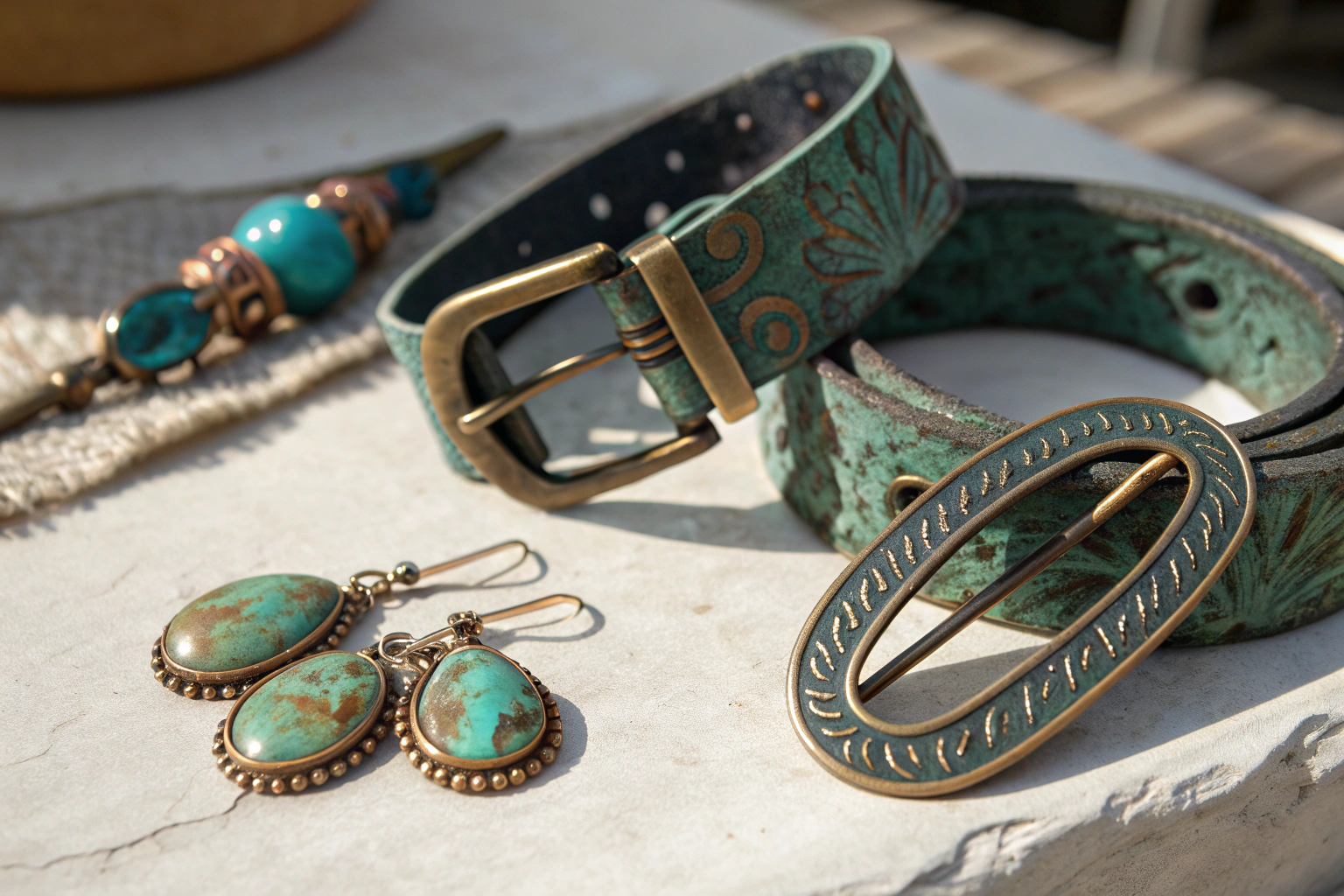
I’ve been working with metal accessories for decades, and I can tell you that there is something magical about a patina. It’s the transformation of a bright, shiny, new piece of metal into something that looks ancient, treasured, and full of character. A good patina doesn’t just color the metal; it gives it soul. It tells a story of time and elements. And in 2026, this look is more sought-after than ever.
Buyers like Ron, who are sourcing for fashion brands and jewelry lines, are increasingly asking for patina finishes. They want pieces that look artisan, handcrafted, and unique. They are moving away from the perfectly uniform, mass-produced look and towards items that have depth, texture, and a sense of history. A patina finish is the perfect way to achieve this. No two pieces are ever exactly alike, giving each accessory its own distinct personality.
At Shanghai Fumao Clothing, we have a dedicated team of metal finishing experts. We’ve spent years perfecting our patina techniques, from traditional chemical methods to modern electrochemical processes. We understand how different metals react to different treatments, and we can create a vast range of effects, from subtle shading to bold, dramatic color shifts. In this post, I’ll share the latest techniques for creating stunning patina effects on metal accessories.
What Is A Patina And Why Is It So Desirable?
Before we dive into the "how," we need to understand the "what" and the "why." A patina is a thin layer that forms on the surface of a metal due to chemical reaction with the environment. It’s often associated with aging and weathering. The most famous example is the green patina on copper statues, like the Statue of Liberty. But patina can also be created intentionally in a workshop to achieve specific artistic effects.
The desirability of a patina lies in its uniqueness and its evocation of history. A patinated piece looks like it has a story to tell. It feels more organic, more handmade, and less industrial than a brand-new, mirror-polished piece. In a world of mass production, this individuality is incredibly valuable. It elevates an accessory from a simple commodity to a piece of wearable art. For more on the chemistry of patinas, resources like the American Chemical Society can provide fascinating insights.
What causes natural patina on metals like copper and brass?
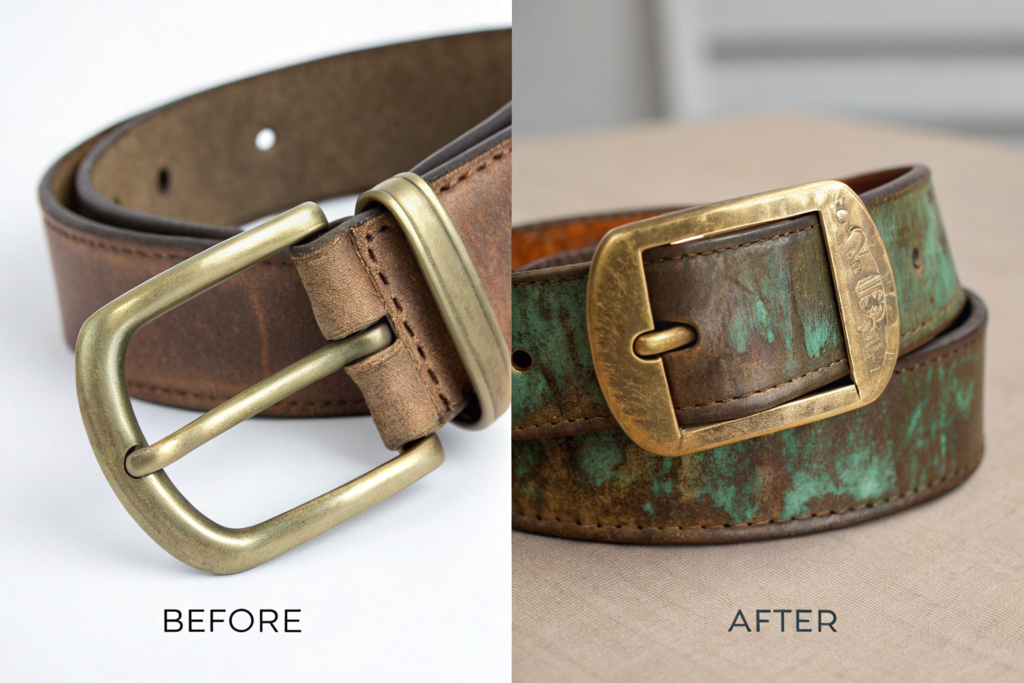
Natural patina is a form of corrosion, but it’s a type of corrosion that many people find beautiful. It occurs when the metal is exposed to air, water, and other elements over a long period.
- Copper: When copper is exposed to air, it first forms a reddish-brown layer of copper oxide. Over time, with exposure to moisture and air pollutants (like sulfur compounds), it can develop the famous green or blue-green patina, which is a layer of copper carbonate or copper sulfate.
- Brass: Brass is an alloy of copper and zinc. It will also develop a patina over time, but the color can vary more depending on the specific alloy and the environmental conditions. It can range from a warm, golden brown to darker, more mottled tones.
- Bronze: Bronze is an alloy of copper and tin. It develops a rich, dark brown patina over time, often with greenish highlights.
This natural process can take years or even decades. The techniques we use in the workshop are designed to accelerate and control this process, creating beautiful, aged effects in a matter of minutes or hours.
Why do consumers love the look of aged, vintage metal?
There are several psychological and aesthetic reasons for the enduring appeal of patina:
- Uniqueness: A patinated piece is never perfectly uniform. The subtle variations in color and texture make each piece one-of-a-kind. This is a powerful antidote to the sameness of mass production.
- Authenticity: A patina suggests age and history. It makes an object feel more authentic, as if it has been loved and worn for generations. This connects with a desire for items with soul and character.
- Warmth and Depth: A shiny, polished surface can feel cold and sterile. A patina adds warmth, depth, and visual complexity. The interplay of light and shadow on an uneven, textured surface is much more interesting to the eye.
- Nostalgia: Patina can evoke a sense of nostalgia for a bygone era, for craftsmanship, and for a slower pace of life. It’s a tangible connection to the past.
For all these reasons, a beautifully patinated metal accessory has a powerful emotional appeal that a brand-new, shiny piece often lacks.
What Are The Traditional Chemical Patination Methods?
The most common and versatile way to create patinas is through chemical reactions. By applying specific chemicals to the surface of the metal, we can induce controlled oxidation and create a wide range of colors and effects. This is a skilled craft that requires knowledge of chemistry, safety, and artistic technique. Different metals react differently to different chemicals, and the results can be influenced by temperature, application method, and the metal’s surface preparation.
At our factory, our patina artisans are like chemists and artists rolled into one. They have years of experience and know exactly which combination of chemicals and techniques will achieve a desired effect. They also follow strict safety protocols, as many of these chemicals are hazardous and must be handled with care. For more on chemical patination, resources like the Metal Finishing Association can provide industry information.
How does liver of sulfur create blue-black and brown tones on silver and copper?
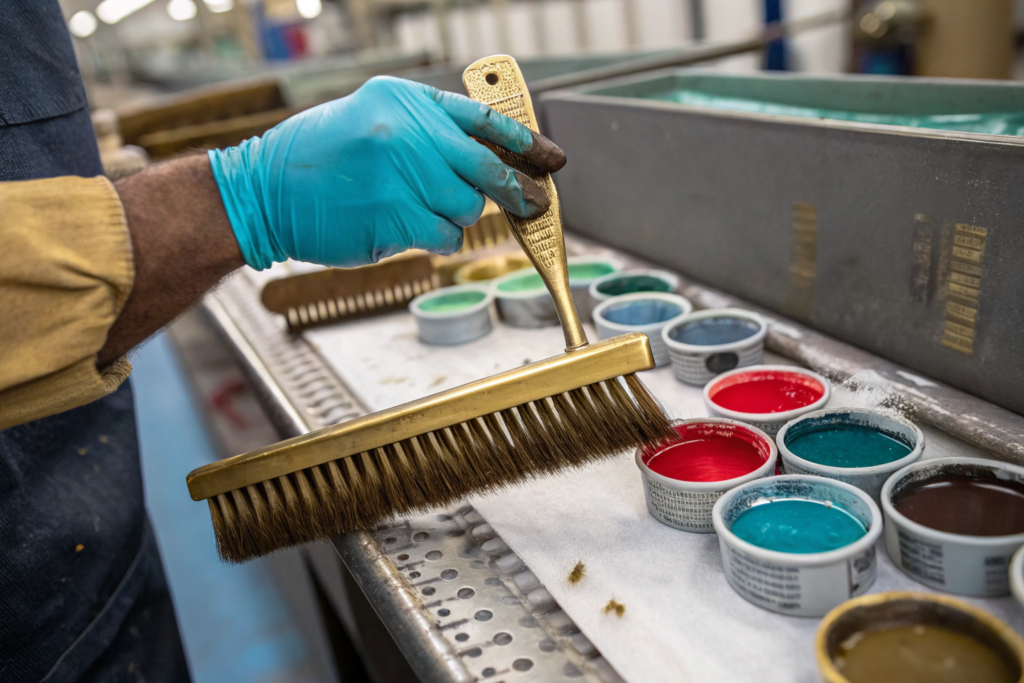
Liver of sulfur (potassium sulfide) is one of the most common and versatile patination chemicals. It’s used primarily on silver, copper, and their alloys (like brass and bronze). When dissolved in warm water, it creates a solution that reacts with the metal to form a dark layer of metal sulfide.
The color achieved can range from a light straw yellow, through browns and purples, to a deep blue-black, depending on the concentration of the solution, the temperature, and the duration of application. By carefully controlling these variables, our artisans can create subtle shading or a bold, dark finish. For a mottled, antique look, the patina can be applied unevenly and then partially buffed away, leaving color in the recessed areas. This technique is incredibly popular for creating vintage-style jewelry and accessories.
What chemicals are used to create green and blue verdigris on brass?
The classic green-blue patina, often called verdigris, is most commonly associated with copper and brass. It’s the look of ancient statues and aged architectural elements. This effect can be created using a variety of chemical solutions, often based on ammonia, salts, and acids.
A common method involves exposing the brass to fumes from a strong ammonia solution in a sealed container. The ammonia reacts with the copper in the brass to form beautiful blue and green compounds. Another method involves applying a solution of copper nitrate or other copper salts, which can create a more controlled, painted-on effect. The results can range from a subtle, dusty green to a vibrant, textured blue-green crust. It’s a dramatic and beautiful finish that is highly sought after for statement pieces.
What Are The Modern And Innovative Patina Techniques?
While chemical methods remain the workhorse of patination, new and innovative techniques are constantly emerging. These modern methods offer different effects, greater control, and sometimes more environmentally friendly processes. In 2026, we are seeing a growing interest in these advanced techniques, which allow for even greater creativity and precision.
These methods often require specialized equipment, but they open up exciting new possibilities for metal finishing. At our factory, we are always exploring these new technologies to expand the range of finishes we can offer our clients. For the latest in metal finishing technology, publications like Products Finishing magazine are excellent resources.
What is electrochemical patination and how does it work?
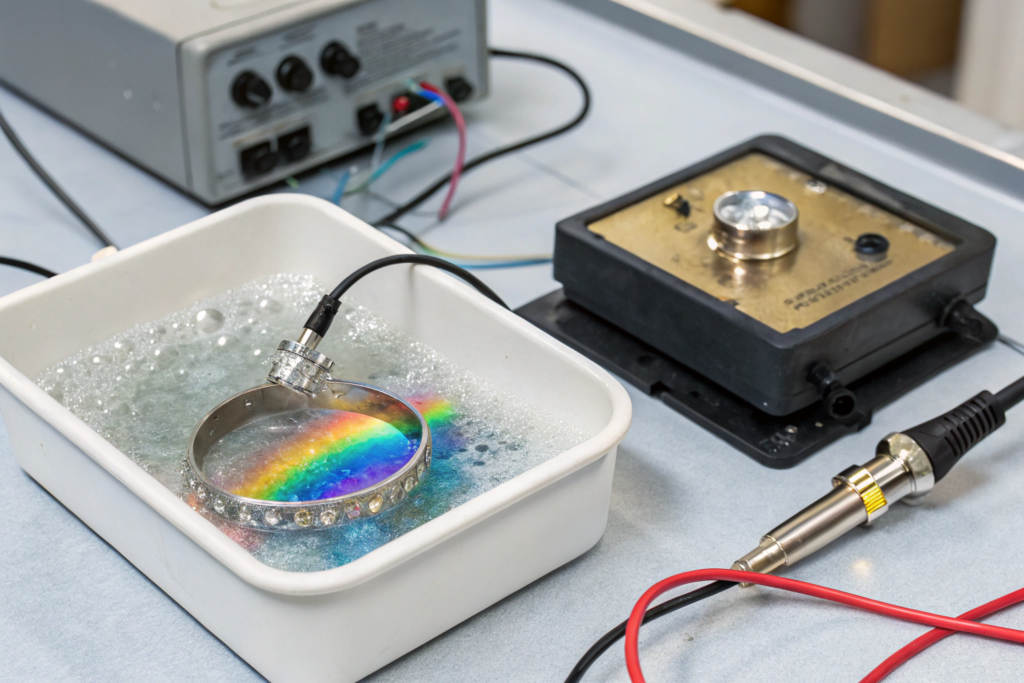
Electrochemical patination uses a mild electric current to accelerate and control the oxidation process. The metal piece is made the anode or cathode in an electrolytic bath containing a specific chemical solution. The electric current drives the reaction, creating a patina that can be very uniform or, with masking techniques, very precise.
This method offers several advantages. It can be faster than traditional chemical methods. It allows for very fine control over the color and thickness of the patina. And it can be used to create patterns and designs by selectively masking areas of the metal. It’s a more high-tech approach that is gaining popularity for creating sophisticated, repeatable finishes on high-end accessories.
How can heat treatment create unique color variations?
Applying heat to metal is one of the oldest ways to create color, and it’s still used today to create stunning, iridescent effects. This is most commonly done on metals like titanium, niobium, and stainless steel. When these metals are heated to specific temperatures, a thin oxide layer forms on the surface. The thickness of this layer determines which wavelengths of light are reflected, creating vibrant, rainbow-like colors.
For example, heating titanium can produce a sequence of colors as the temperature rises: straw yellow, purple, blue, light blue, and finally green. By carefully controlling the heat, either with a torch or in a kiln, our artisans can "paint" with color on the metal’s surface. This technique creates a unique, almost magical look that is impossible to achieve with chemicals. It’s incredibly popular for contemporary, artistic jewelry and accessories.
How Do You Protect And Seal A Patina Finish?
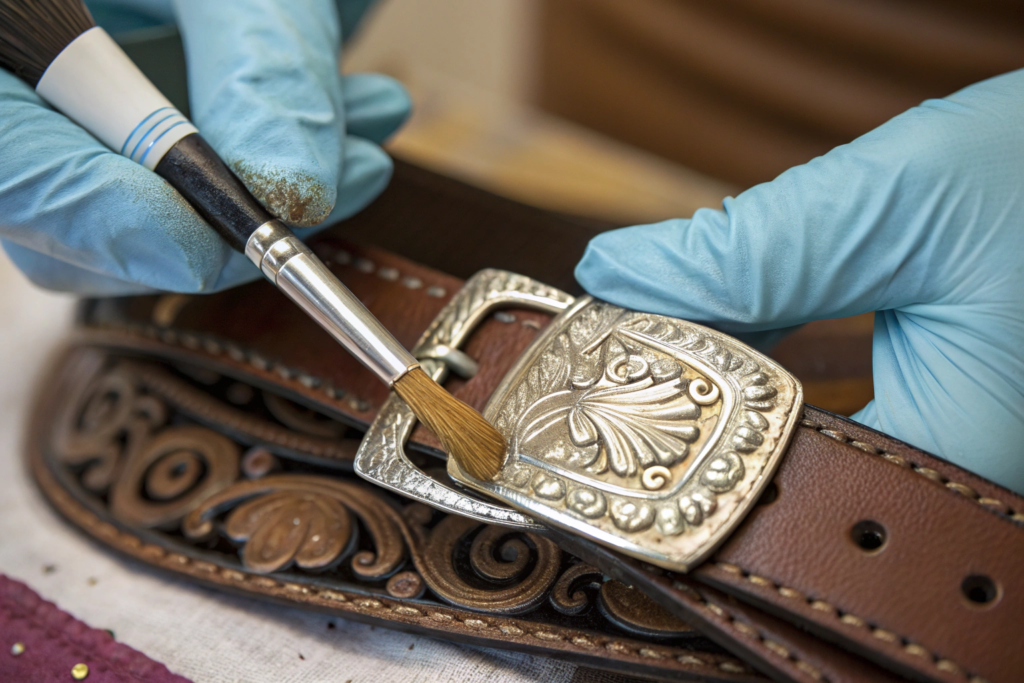
Creating a beautiful patina is only half the battle. The other half is preserving it. A patina is, by its nature, a surface layer that can be fragile. It can be scratched, worn away by handling, or affected by moisture and chemicals. To ensure that the finish lasts, it must be properly protected. This final step is just as important as the patination itself.
The choice of sealant depends on the type of patina, the metal, and the intended use of the accessory. A piece that will be handled frequently, like a belt buckle, needs a more durable sealant than a pair of earrings that will have less contact with skin and clothing. At our factory, we have a range of sealing options and we test each one for durability and clarity. For more on protective coatings for metals, resources like the American Coatings Association can be helpful.
What are the best sealants for preserving patina?
The most common and effective sealants for patinated metal accessories are:
- Microcrystalline Wax: This is a classic choice, especially for sculptures and art objects. It’s a hard, clear wax that provides a durable, water-resistant barrier without altering the appearance of the patina. It can be buffed to a soft sheen. It’s a good choice for items that will be handled but not subjected to extreme wear.
- Lacquer: A clear lacquer provides a very hard, durable, and permanent seal. It’s excellent for items that will see a lot of handling, like belt buckles and frequently worn jewelry. However, it can alter the appearance of the patina slightly, often adding a glossier finish. We use specialized, non-yellowing lacquers formulated for metals.
- Clear Enamel: For the ultimate in durability, a clear, baked-on enamel coating can be used. This is a more industrial process, but it creates an incredibly hard, scratch-resistant, and long-lasting finish. It’s ideal for high-wear items.
The choice depends on the specific requirements of the project. We advise our clients on the best option for their intended use.
How should consumers care for patinated accessories?
Even with a sealant, patinated accessories require a little extra care to keep them looking their best. We always provide care instructions with our products:
- Avoid Harsh Chemicals: Keep the accessory away from perfumes, hairsprays, cleaning products, and chlorinated water (swimming pools). These can damage both the patina and the sealant.
- Clean Gently: If cleaning is needed, use a soft, dry cloth. Never use jewelry cleaners or polishing cloths, as these can remove the patina. A slightly damp cloth can be used, but dry the piece immediately afterwards.
- Store Properly: Store the accessory in a soft pouch or a lined jewelry box, away from other pieces that could scratch it.
- Minimize Moisture: Avoid wearing patinated accessories in the shower or while washing hands. Excess moisture can eventually penetrate the sealant.
With proper care, a beautifully patinated accessory can last a lifetime and continue to develop its unique character. A patina-finished belt buckle can become a cherished, heirloom-quality item.
Conclusion
Creating a patina on metal accessories is a beautiful blend of art, chemistry, and craftsmanship. From the traditional chemical methods using liver of sulfur and ammonia to the modern innovations of electrochemical patination and heat treatment, the possibilities for creating unique, aged, and deeply characterful finishes are endless. The resulting pieces are not just accessories; they are wearable art, each with its own distinct personality and story. And with proper sealing and care, that beauty can be preserved for years to come.
At Shanghai Fumao Clothing, we are masters of the patina. Our factory in Zhejiang has a dedicated team of skilled artisans who have spent years perfecting these techniques. We can create a vast range of effects on brass, copper, silver, and other metals, from subtle antique shading to bold, vibrant verdigris. Our experienced project managers will work with you to understand your vision and select the perfect patina finish for your collection.
If you’re ready to add the timeless beauty of patina to your metal accessories, let’s talk. Please contact our Business Director, Elaine, at elaine@fumaoclothing.com. We’ll help you create pieces with soul and character.