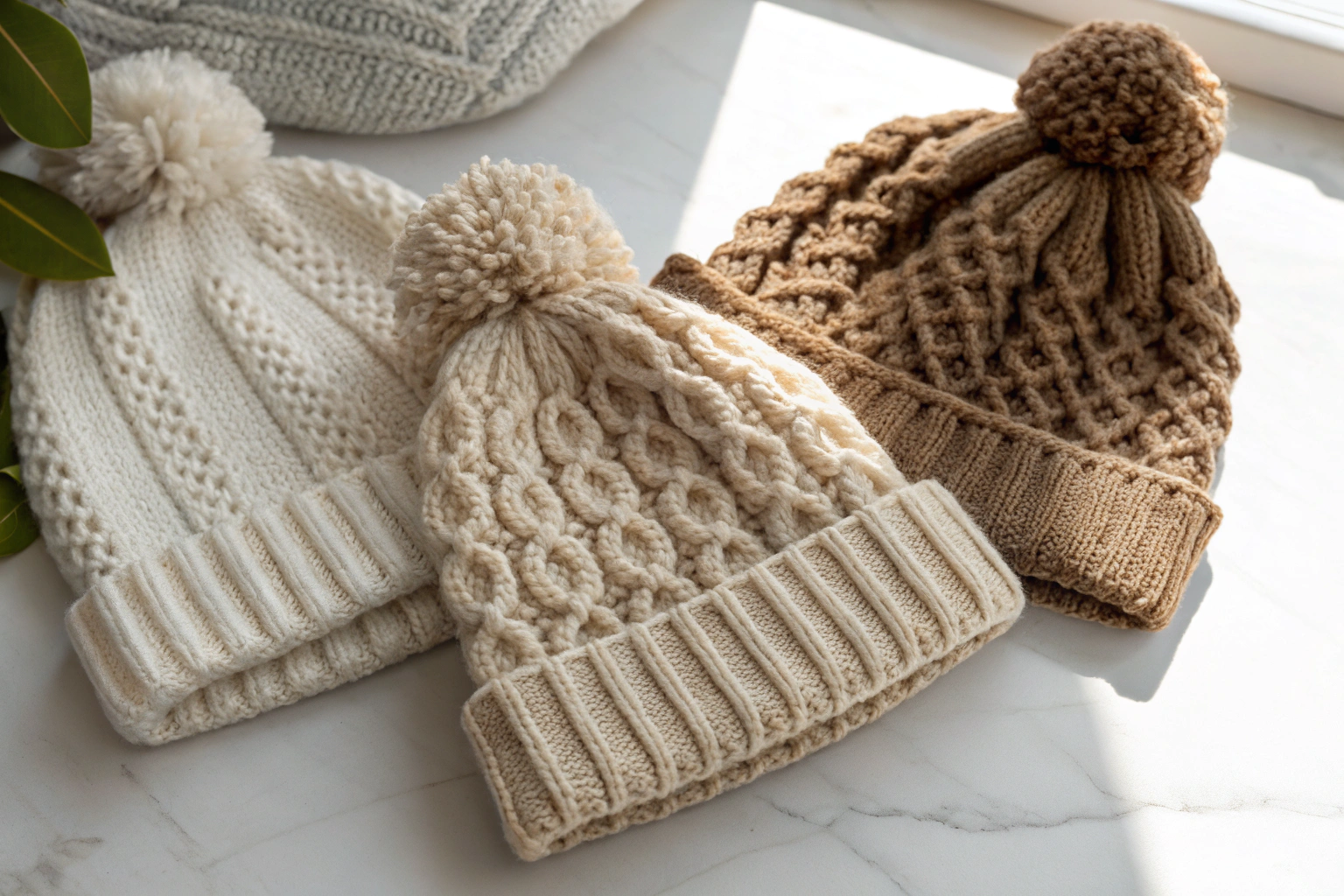
I’ve been in this industry long enough to see trends come and go in cycles. But every few years, a trend emerges that feels less like a fleeting moment and more like a return to something fundamental. That’s what I’m seeing with knit hats in 2026. The demand for textured stitches—cables, ribs, honeycombs, bobbles—is absolutely exploding. Buyers like Ron, who are always scanning for the next big thing, are suddenly asking for these classic, tactile designs in ways I haven’t seen in decades.
The reason for this resurgence is deeply human. In a world that is increasingly digital, fast, and virtual, people are craving something real. They want to touch and feel. They want objects that have a sense of depth and craftsmanship. A smooth, plain beanie is fine. But a hat with a beautiful cable knit stitch is something else entirely. It has texture. It has dimension. It has a story. It feels handmade, even when it’s produced on an industrial knitting machine.
At Shanghai Fumao Clothing, we’ve been responding to this trend by expanding our capabilities in textured knits. Our design team has been experimenting with new stitch patterns and yarn combinations. Our knitting machine operators have been honing their skills. We are ready to help our clients capture this important trend. In this post, I’ll explain why textured stitches are dominating the knit hat market in 2026 and how you can incorporate them into your own collections.
What Defines A Textured Knit Stitch?
Before we dive into the "why," we need to understand the "what." A textured knit stitch is any stitch pattern that creates a three-dimensional surface on the fabric. Unlike a simple stockinette stitch, which is smooth and flat, textured stitches use combinations of knit and purl stitches, cables, and other techniques to create raised patterns, recesses, and visual interest. The result is a fabric that you want to reach out and touch.
Textured stitches are not new. They are as old as knitting itself. Cables, for example, originated in fishing communities, where they were believed to bring luck and were used to represent ropes. Rib stitches have been used for centuries for cuffs and hems because of their elasticity. What’s new is the modern demand for these classic, heritage techniques. People are rediscovering the beauty and comfort of a truly well-knitted texture. For a deeper dive into knitting history and techniques, resources like Vogue Knitting are excellent.
What are the most popular textured stitches for hats in 2026?
From our production data and client requests, a few stitch patterns are emerging as clear favorites for 2026:
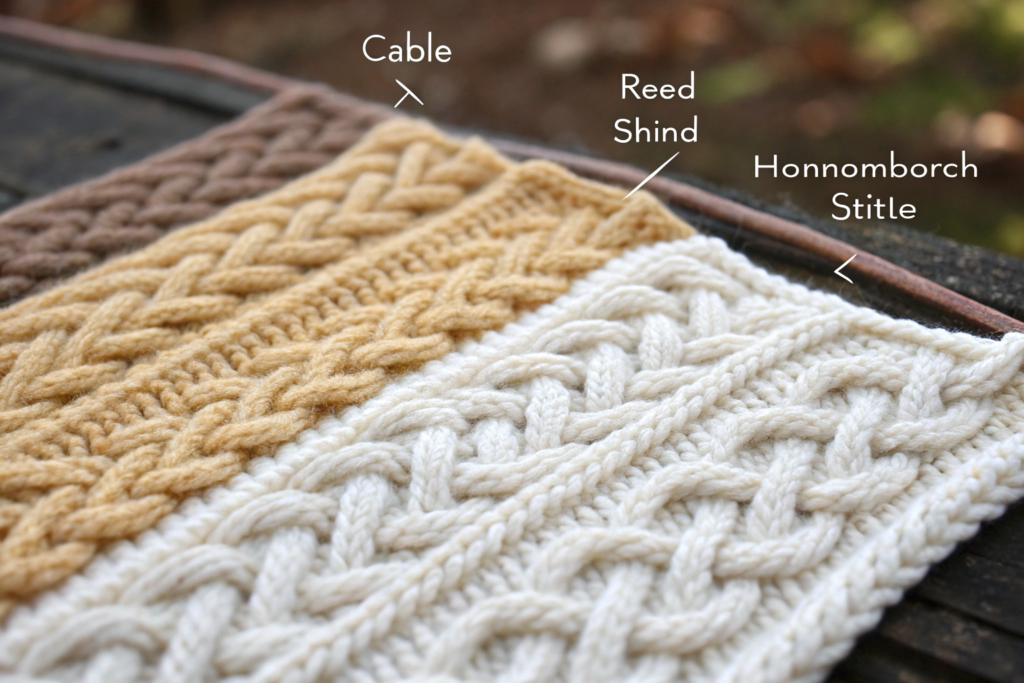
- Cable Knits: This is the undisputed king of textured stitches. The classic, twisted-rope pattern is timeless and adds a wonderful sense of warmth and coziness. Chunky, oversized cables are especially popular.
- Ribbed Knits: While a simple 1×1 or 2×2 rib is a classic, we’re seeing a trend towards more pronounced, wide ribs (like a 4×4 or even wider). This creates a bold, structural look.
- Honeycomb Stitches: This pattern creates a beautiful, three-dimensional hexagonal texture that resembles a honeycomb. It’s intricate and visually stunning.
- Seed or Moss Stitch: This simple but effective pattern alternates knit and purl stitches to create a bumpy, textured surface that lies flat and doesn’t curl. It has a wonderful, organic feel.
- Popcorn or Bobble Stitches: These are small, raised bumps created by increasing and decreasing stitches in a specific spot. They add a fun, playful, and tactile element to a hat.
These are just a few examples. The beauty of knitting is that the possibilities are endless. Our knit hat design team loves to experiment with new and unusual stitch combinations.
How do textured stitches affect the warmth and feel of a hat?
Texture is not just about looks; it’s also about function. A textured knit stitch is almost always warmer than a flat, smooth knit. Why? Because the raised stitches and three-dimensional surface trap more air. Air is an excellent insulator. The more air pockets a fabric has, the warmer it will be.
Think of a cable knit sweater versus a thin t-shirt. The cables create little pockets of warm air against your skin. The same principle applies to hats. A hat with a thick cable or honeycomb stitch will feel significantly warmer and cozier than a simple stockinette beanie made from the same yarn. The texture also adds to the tactile experience. It feels more substantial, more luxurious, and more comforting against the skin. This is a huge part of the appeal for consumers in 2026.
Why Are Consumers Choosing Texture Over Smooth Knits?
The shift from smooth, minimalist knits to highly textured ones is not random. It’s driven by deep-seated consumer desires. In a world of mass production and fast fashion, people are looking for ways to express their individuality and to connect with something more authentic. A textured hat does that. It stands out. It has personality. It feels special.
There’s also a powerful psychological component. The desire for "tactile satisfaction" is real. In our digital lives, we spend so much time swiping and tapping on smooth glass. There’s a growing hunger for physical objects that engage our sense of touch. A hat with a pronounced cable or a bumpy seed stitch is incredibly satisfying to hold and to wear. It provides a sensory experience that a smooth hat simply cannot match. For insights into consumer psychology and trends, resources like Trendwatching are excellent.

Is this trend driven by nostalgia or modernity?
It’s a fascinating blend of both. On one hand, textured stitches like cables and Aran knits are deeply nostalgic. They remind people of hand-knitted sweaters from grandmothers, of cozy cabins, of a simpler, slower time. There’s a powerful emotional connection to that feeling of handmade warmth.
On the other hand, the way these textures are being styled and worn in 2026 is thoroughly modern. A chunky cable knit hat is not being paired with a rustic, folksy outfit. It’s being worn with a sleek, minimalist coat, or with modern streetwear. It’s a contrast of textures that feels fresh and contemporary. The trend is about taking something classic and heritage-based and making it feel new and relevant for today’s fashion. This is what makes it so powerful and enduring.
What role does social media play in popularizing textured knits?
Social media, especially visual platforms like Instagram, TikTok, and Pinterest, is a massive driver of this trend. Textured knits are incredibly "photogenic." The shadows and highlights created by the raised stitches make for beautiful, detailed photos and videos. A flat, smooth hat just doesn’t have the same visual appeal.
Close-up videos of the knit texture, styling shots, and "unboxing" videos all help to spread the trend. A hashtag like #cableknit or #texturedknits can expose millions of people to the beauty of these designs. Social media also fuels the desire for individuality. People see a unique, textured hat and want one for themselves to stand out from the crowd. The platform is the perfect showcase for the detail and craftsmanship of textured knits.
How Do Yarn Choices Impact Textured Stitch Definition?
You can have the most beautiful stitch pattern in the world, but if you choose the wrong yarn, the texture will be lost. The yarn is the medium through which the stitch pattern is expressed. A textured stitch needs a yarn that has good "stitch definition"—meaning it will clearly show the three-dimensional structure of the knit. A fuzzy, hairy, or very soft, loosely spun yarn can obscure the texture, making the hat look like a shapeless blob.
The best yarns for textured stitches are typically smooth, tightly twisted, and made from fibers with good resilience. They need to hold their shape and clearly delineate each stitch. At our factory, we work with our yarn suppliers to select the perfect yarn for each desired stitch effect. For more on yarn properties, organizations like The Woolmark Company provide excellent technical resources.
What yarn fibers are best for showing off cable and rib stitches?
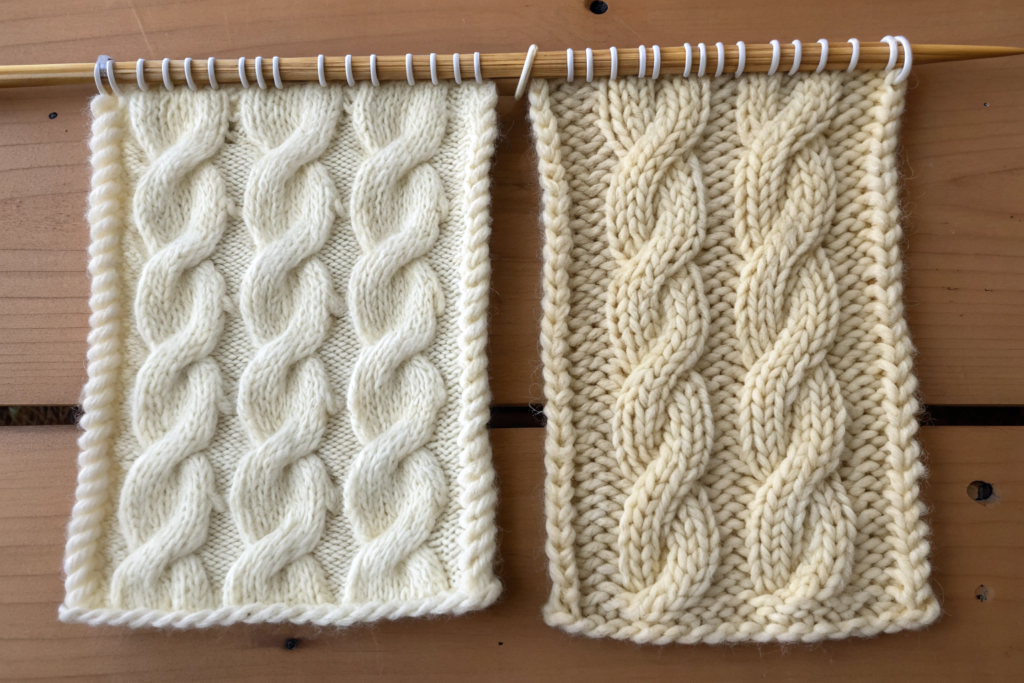
For crisp, well-defined cables and ribs, we generally recommend:
- Wool: Wool is the classic choice for a reason. It has excellent memory and elasticity, meaning it will hold its shape and the stitches will be clearly defined. Merino wool is soft and luxurious, while non-superwash wools have a slightly "stickier" quality that can enhance stitch definition.
- Wool Blends: Blending wool with a small amount of nylon or other synthetic fiber can add strength and durability, especially for high-wear items like hats, without sacrificing stitch definition.
- Cotton: Mercerized cotton has a smooth, lustrous finish that shows off stitch patterns beautifully. It’s a great choice for spring or transitional-weight hats.
- Alpaca: Alpaca fiber is incredibly soft and warm, but it can be a little "fuzzy." A tightly spun, plied alpaca yarn can still show good stitch definition, though it will be softer and less crisp than wool.
The key is to look for yarns that are plied (made of multiple strands twisted together) and have a smooth surface. Single-ply, super-soft yarns are wonderful for some things, but they are not the best choice for showcasing intricate textures.
How does yarn weight affect the look of a textured hat?
Yarn weight, which refers to the thickness of the yarn, has a huge impact. A delicate, fine-gauge yarn (like fingering or sport weight) will create a subtle, refined texture. The stitches will be small and intricate. This is perfect for a more elegant, understated look.
A chunky or bulky weight yarn, on the other hand, creates a bold, dramatic texture. Each cable or rib is large and pronounced. The hat has a substantial, cozy feel. This is the look that is dominating the 2026 trends. People want that big, bold, tactile texture that they can really see and feel. The weight of the yarn also affects the warmth and drape of the hat. A chunky, textured hat will be very warm and hold its shape firmly. A lighter weight hat will be more drapey and flexible.
What Are The Production Considerations For Textured Knits?
Producing high-quality textured knit hats at scale is not the same as producing a simple, plain beanie. It requires different machines, more skilled operators, and a different approach to quality control. The stitch patterns are more complex, the machine settings are more critical, and there is less room for error. A mistake in a cable pattern is much more visible than a mistake in a plain knit.
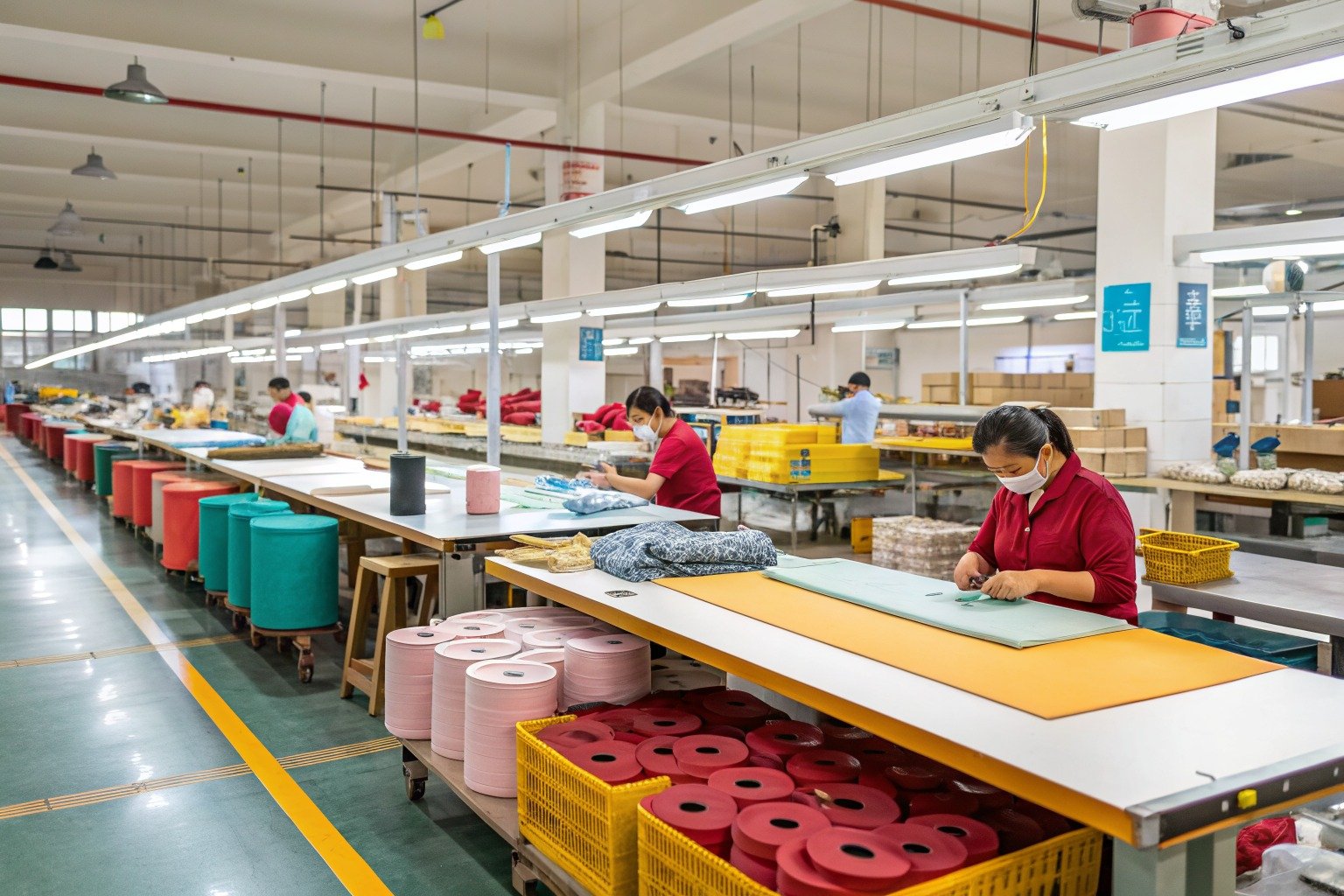
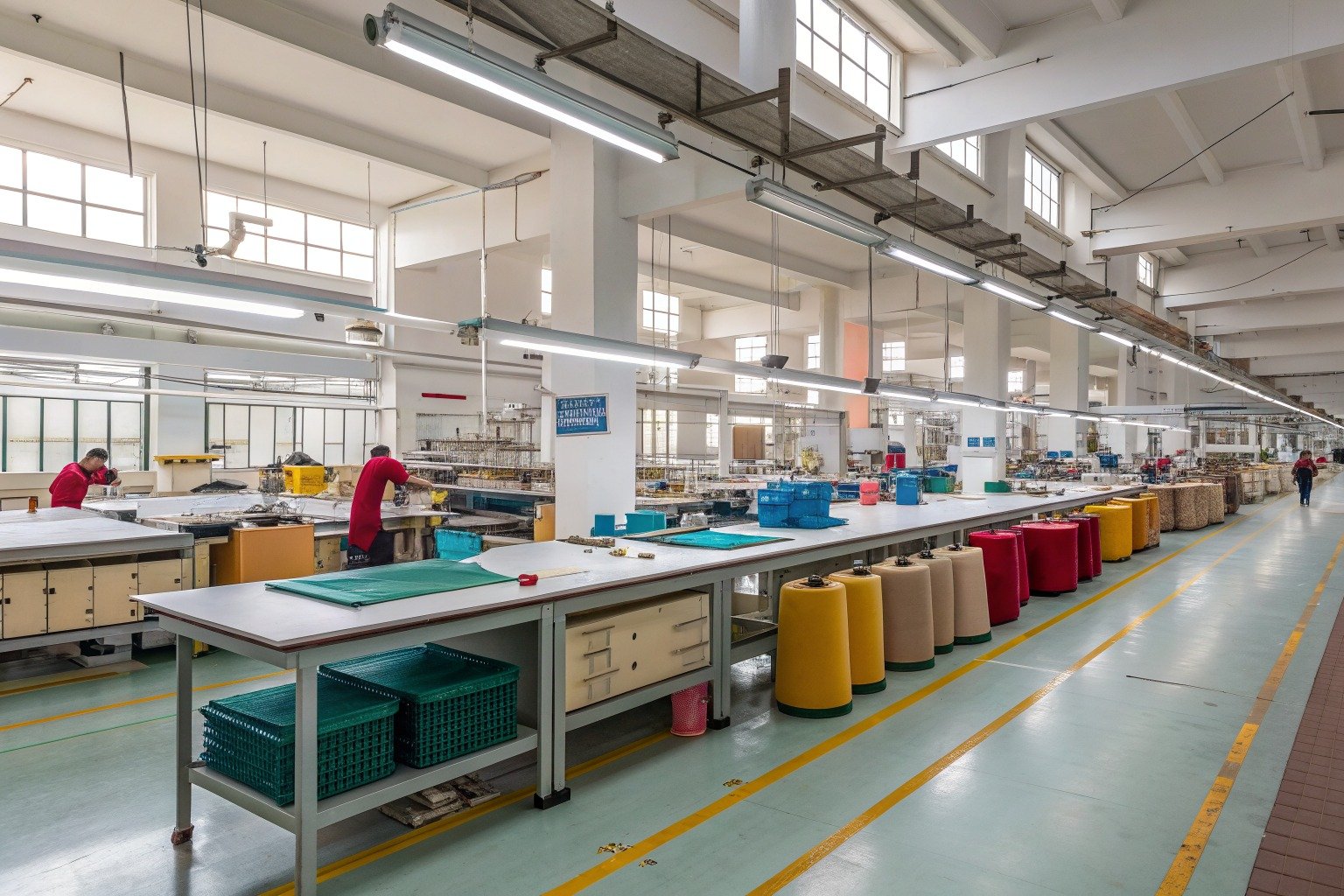
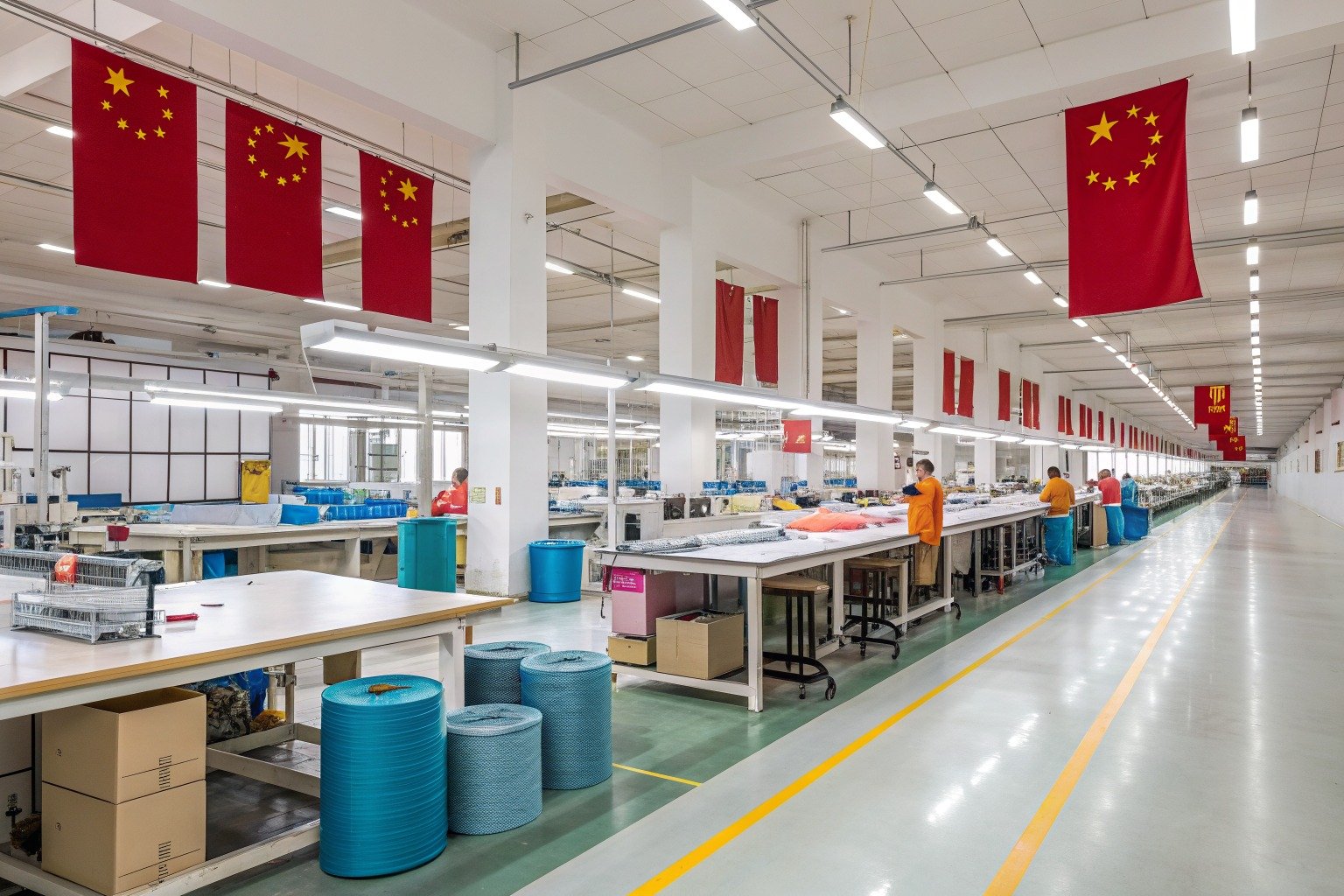
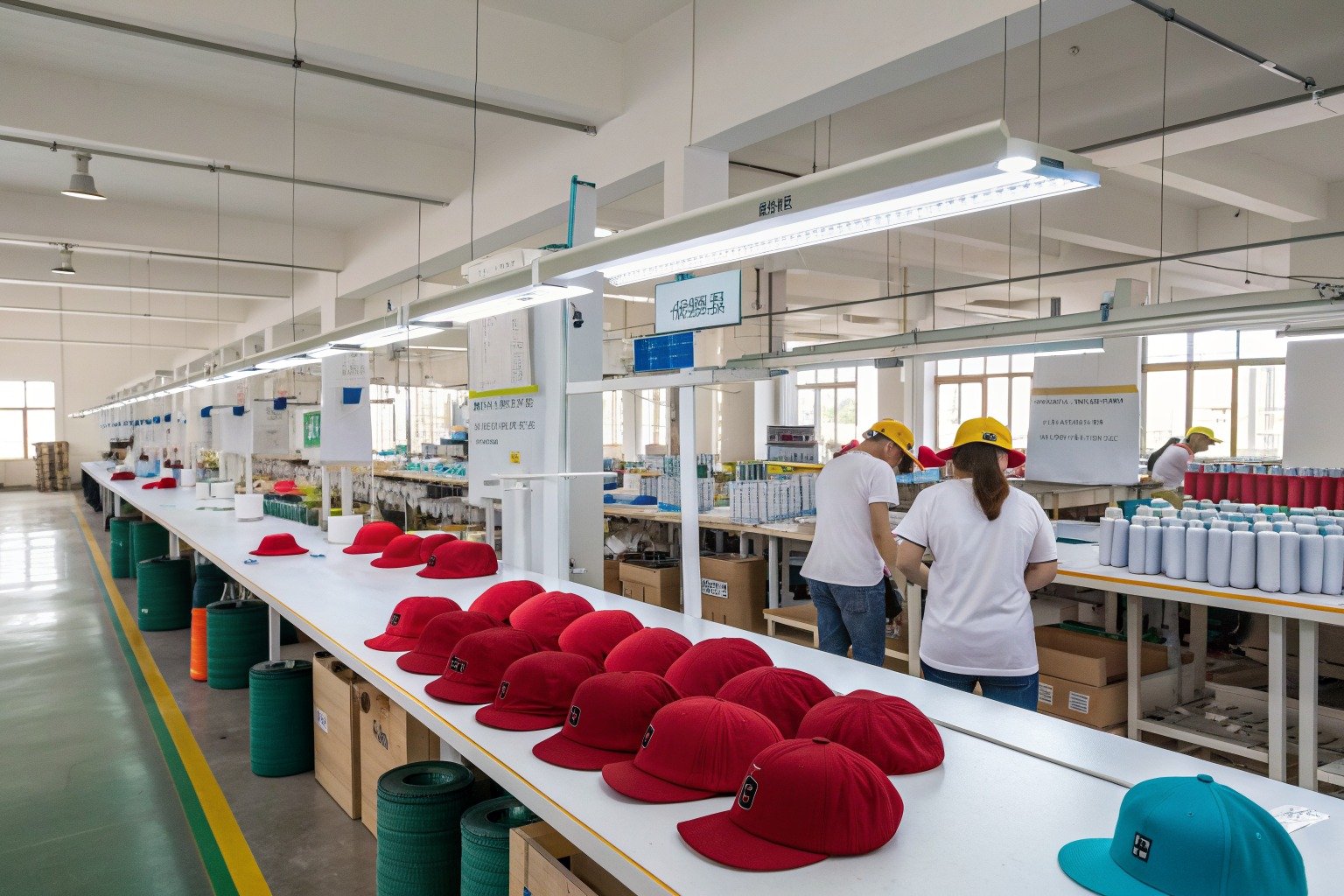
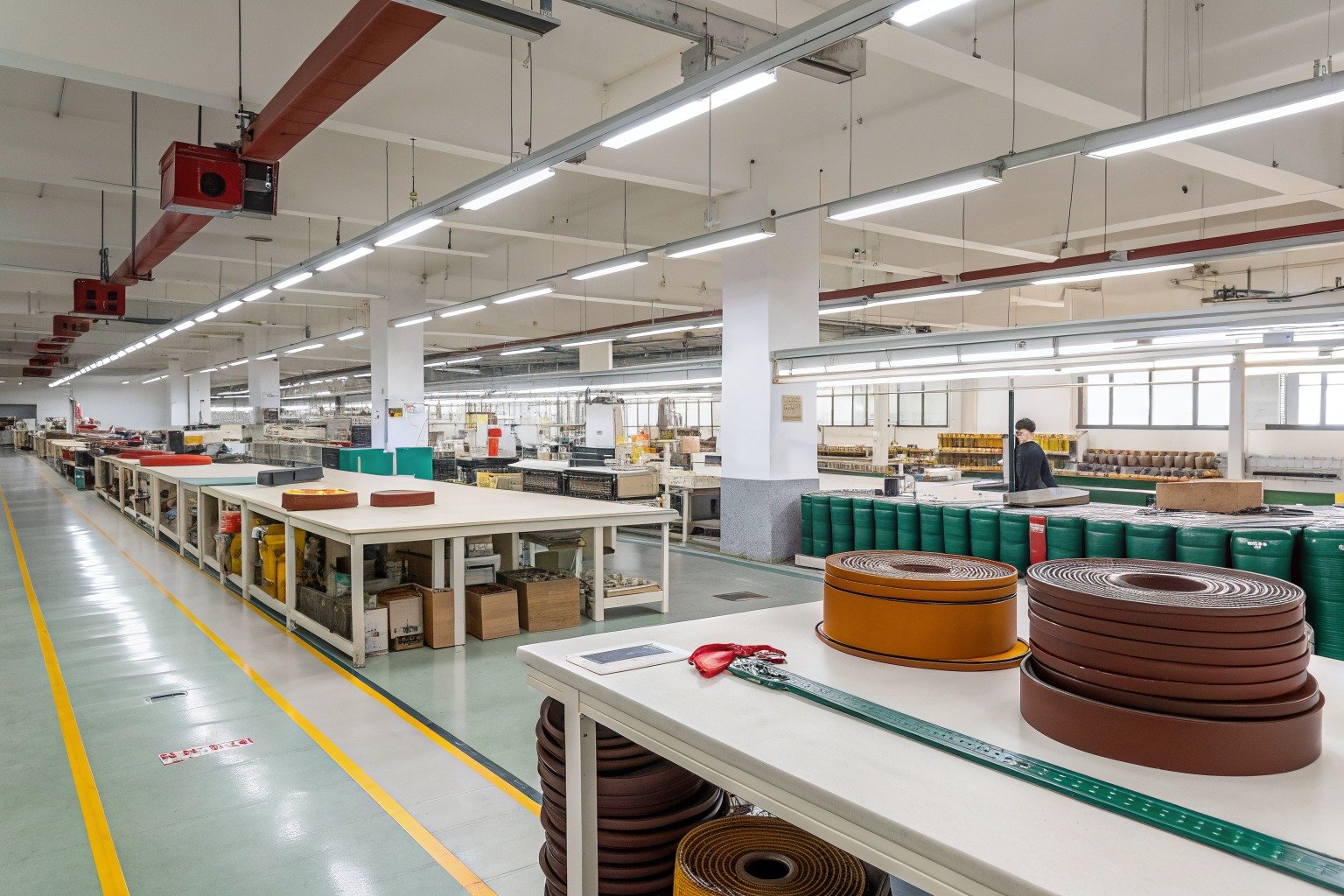
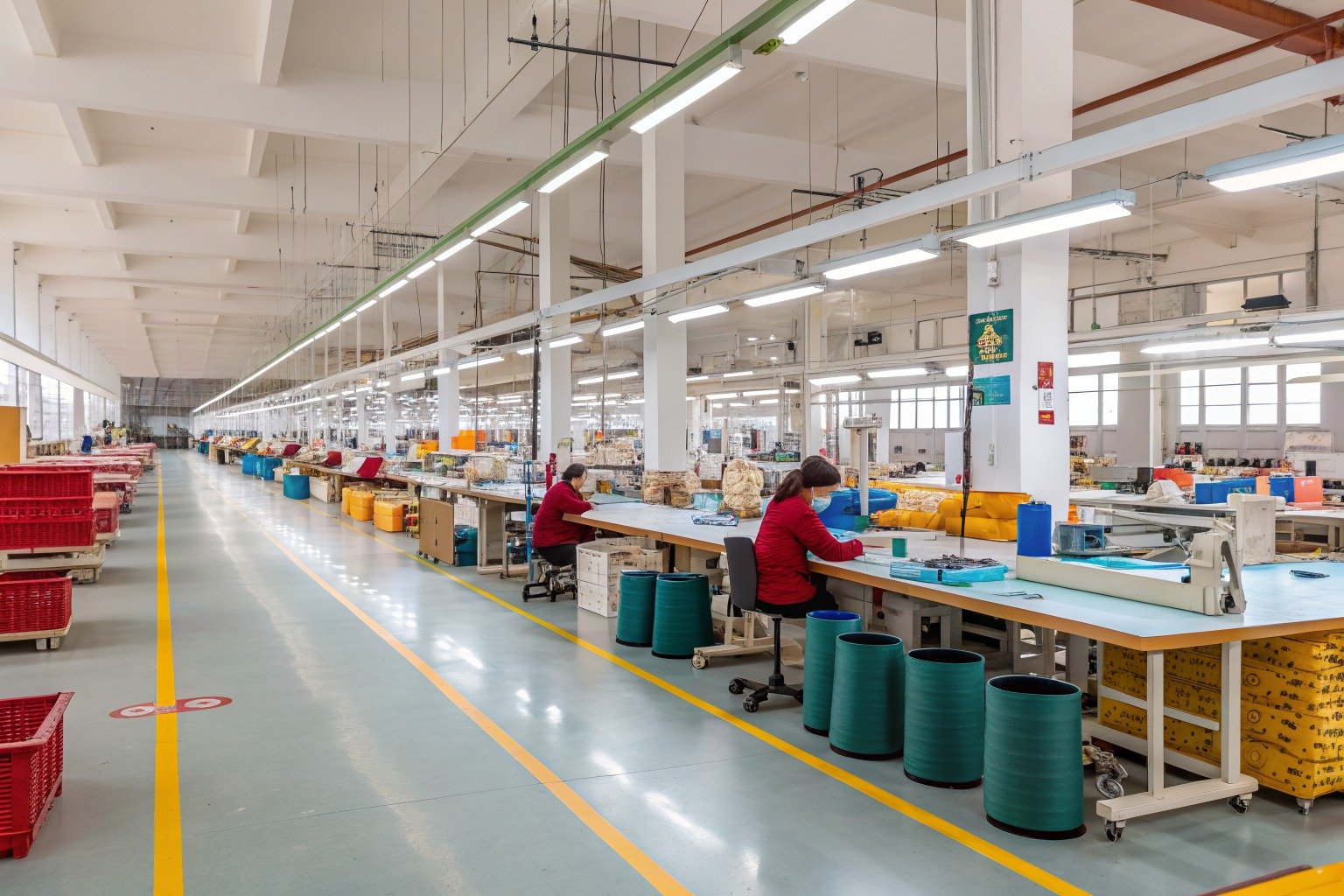
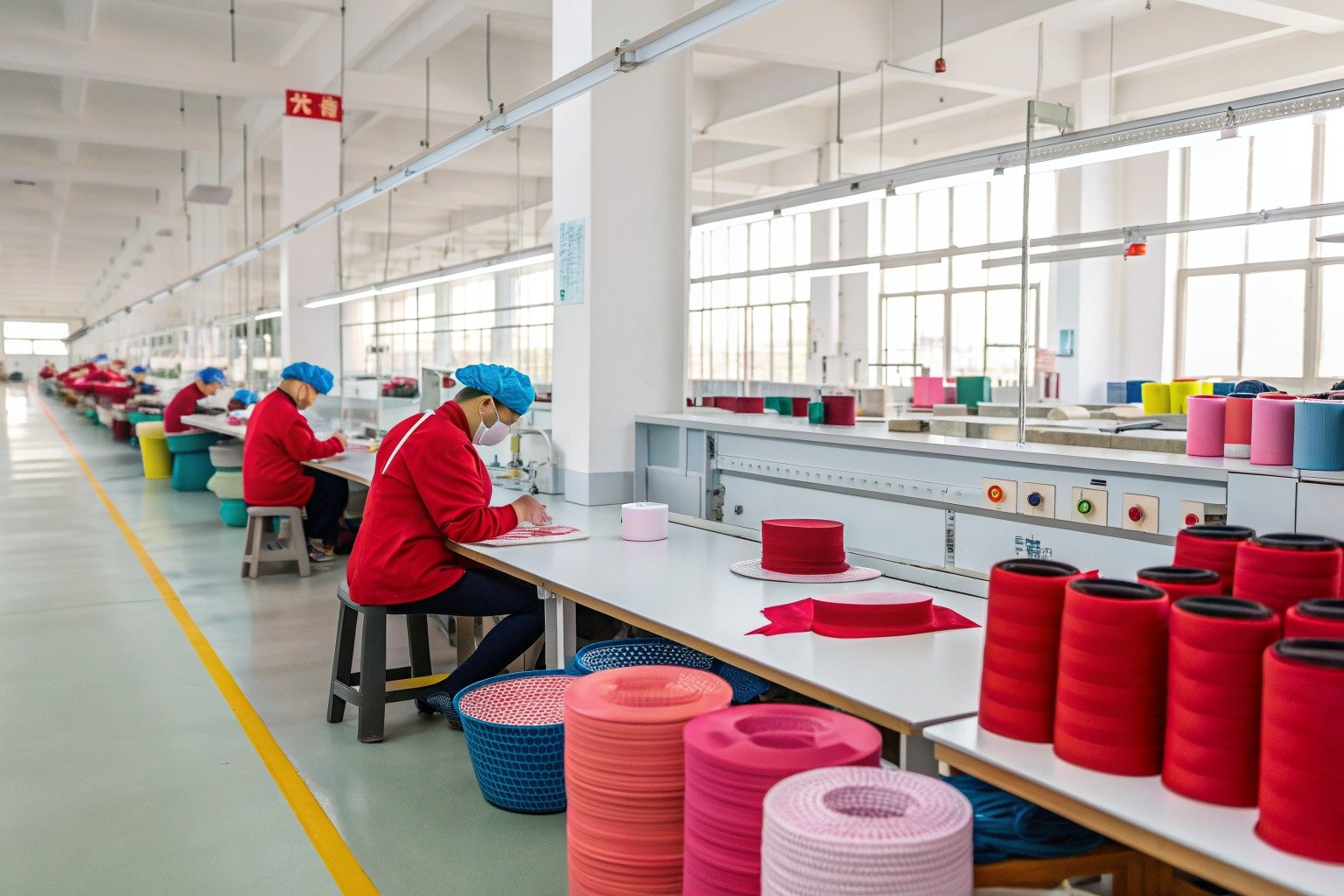
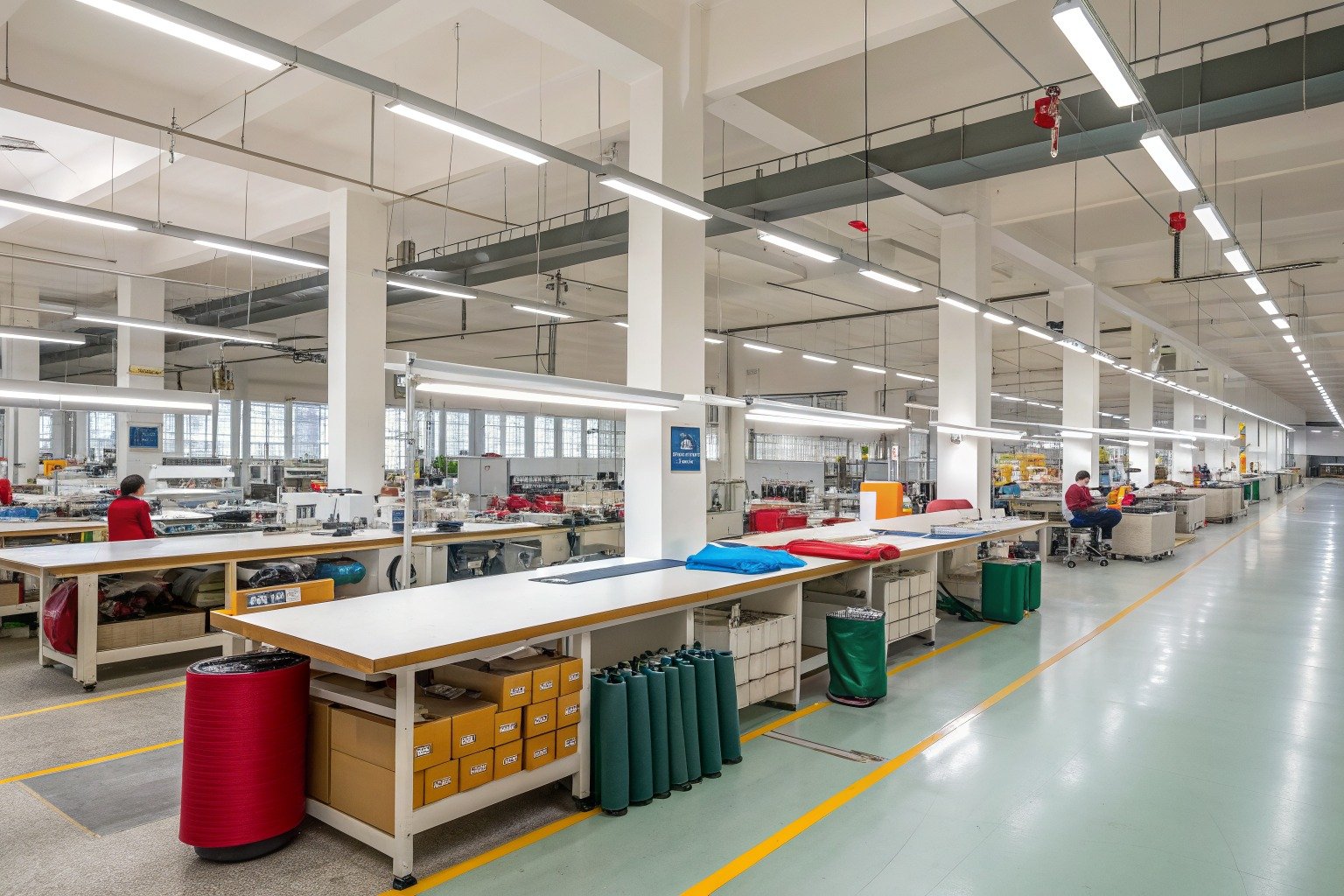
This is where experience matters. A factory that only makes simple knits will struggle to produce consistent, high-quality textured hats. At Shanghai Fumao Clothing, we have invested in the right machinery and, more importantly, in training our team. Our knitting machine operators understand the nuances of different stitch patterns and can adjust the machines to achieve the perfect tension and definition. For more on industrial knitting technology, publications like Knitting Industry are excellent resources.
Can any knitting machine produce textured stitches?
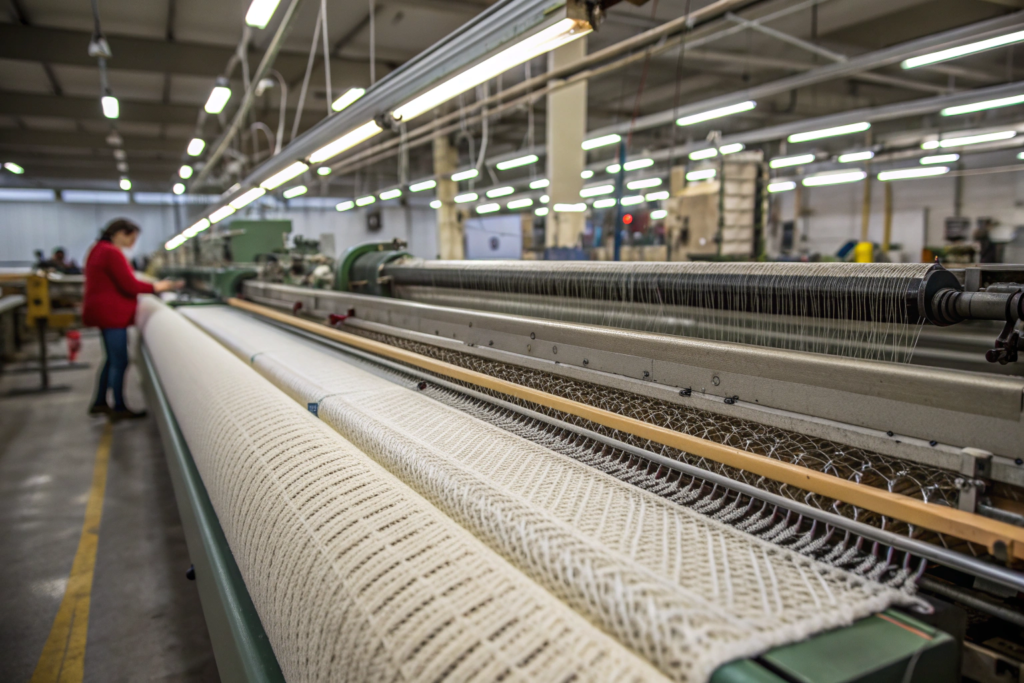
No, not all knitting machines are created equal. The ability to produce complex textured stitches like cables and intricate ribs depends on the type of machine. Simple weft knitting machines are great for basic knits, but they lack the capability to create the more complex stitch structures.
To produce a true cable knit, you need a machine with transfer capability. This means the machine can move stitches from one needle to another, creating the twisted effect of a cable. More advanced computerized flat knitting machines are the workhorses of the industry for textured knits. They can be programmed to create an almost infinite variety of stitch patterns. Our factory is equipped with these advanced machines, allowing us to offer our clients a huge range of design possibilities. We can take a sketch or a photo of a stitch pattern and program our machines to replicate it perfectly.
How do you maintain consistent tension in complex patterns?
Maintaining consistent tension is the biggest challenge in knitting textured patterns. The different types of stitches (knits, purls, cables) can require slightly different amounts of yarn. If the tension is not perfectly balanced, the fabric can pucker, become distorted, or have an uneven appearance.
This is where the skill of the machine operator and the quality of the machine itself are crucial. Modern computerized machines have sophisticated tension control systems that can adjust automatically. But they still need to be set up correctly by an experienced operator. They also need to be monitored during production. At our factory, we have strict quality control checkpoints. We regularly inspect the fabric as it comes off the machine to ensure the tension is perfect and the pattern is forming correctly. This attention to detail is what separates a great textured hat from a mediocre one.
Conclusion
The trend towards knit hats with textured stitches in 2026 is a powerful and meaningful one. It reflects a deep consumer desire for tactility, authenticity, and individuality in a digital world. From the classic, cozy cable to the intricate honeycomb, these textures add warmth, dimension, and a sense of crafted quality that a simple, smooth knit simply cannot match. The choice of yarn and the skill of the production are paramount in bringing these beautiful patterns to life.
At Shanghai Fumao Clothing, we are perfectly positioned to help our clients capitalize on this trend. Our factory in Zhejiang is equipped with advanced knitting machinery capable of producing a vast range of textured stitch patterns. Our experienced design team can help you select the perfect stitch and yarn combination for your collection. And our skilled machine operators and quality control team ensure that every hat meets the highest standards of consistency and craftsmanship.
If you’re ready to add beautifully textured knit hats to your 2026 collection, let’s talk. Please contact our Business Director, Elaine, at elaine@fumaoclothing.com. We’ll help you create hats that people will love to wear and touch.