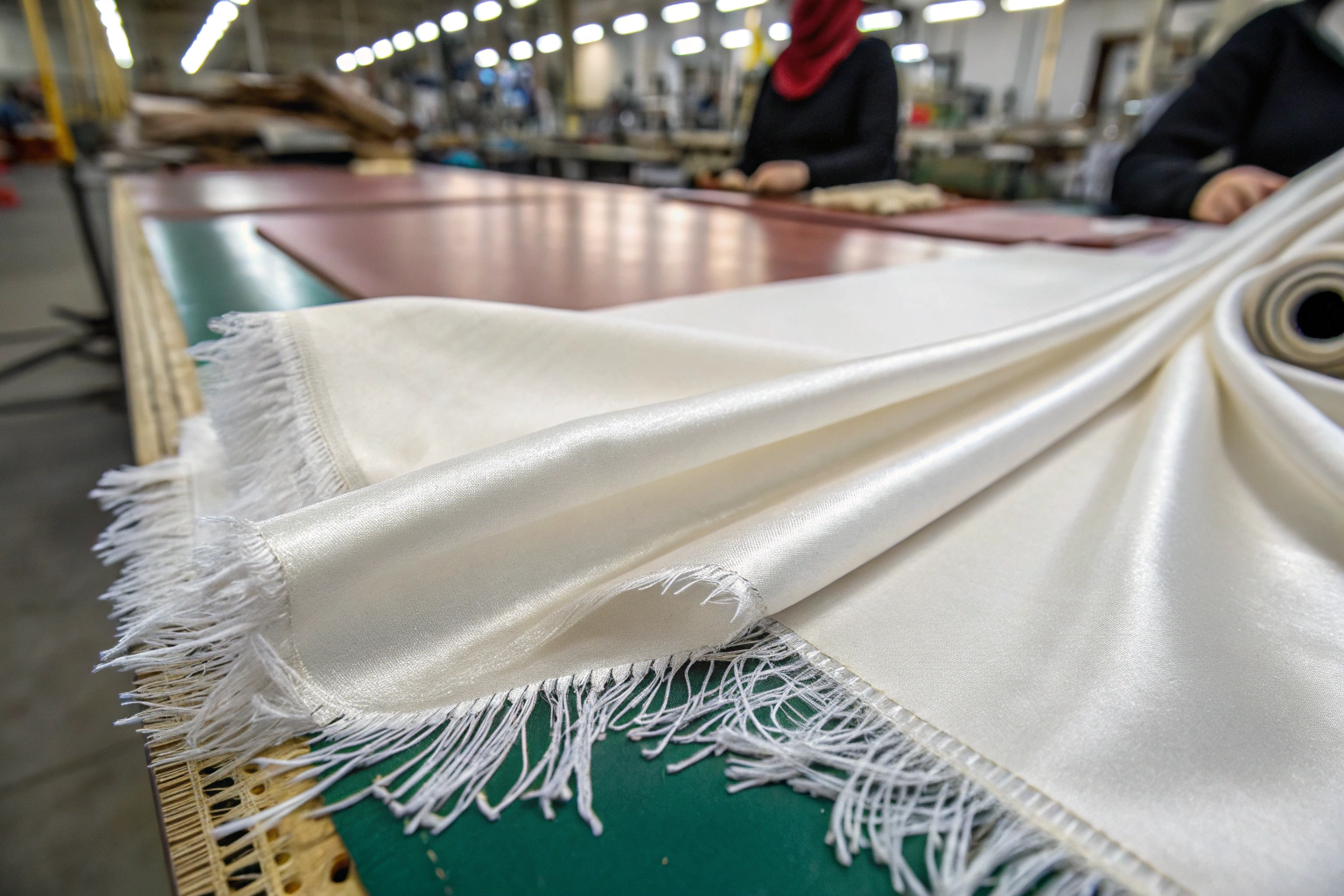
I’ve been in this business long enough to know that a scarf’s worst enemy isn’t stains or wrinkles. It’s fraying. Nothing ruins a beautiful design faster than a ragged, unraveling edge. It makes the entire product look cheap and poorly made, no matter how luxurious the fabric is. Buyers like Ron, who source for major brands and retailers, know that edge finishing is one of the first things they check when evaluating quality. A scarf with poorly finished edges will fail a quality control inspection every time.
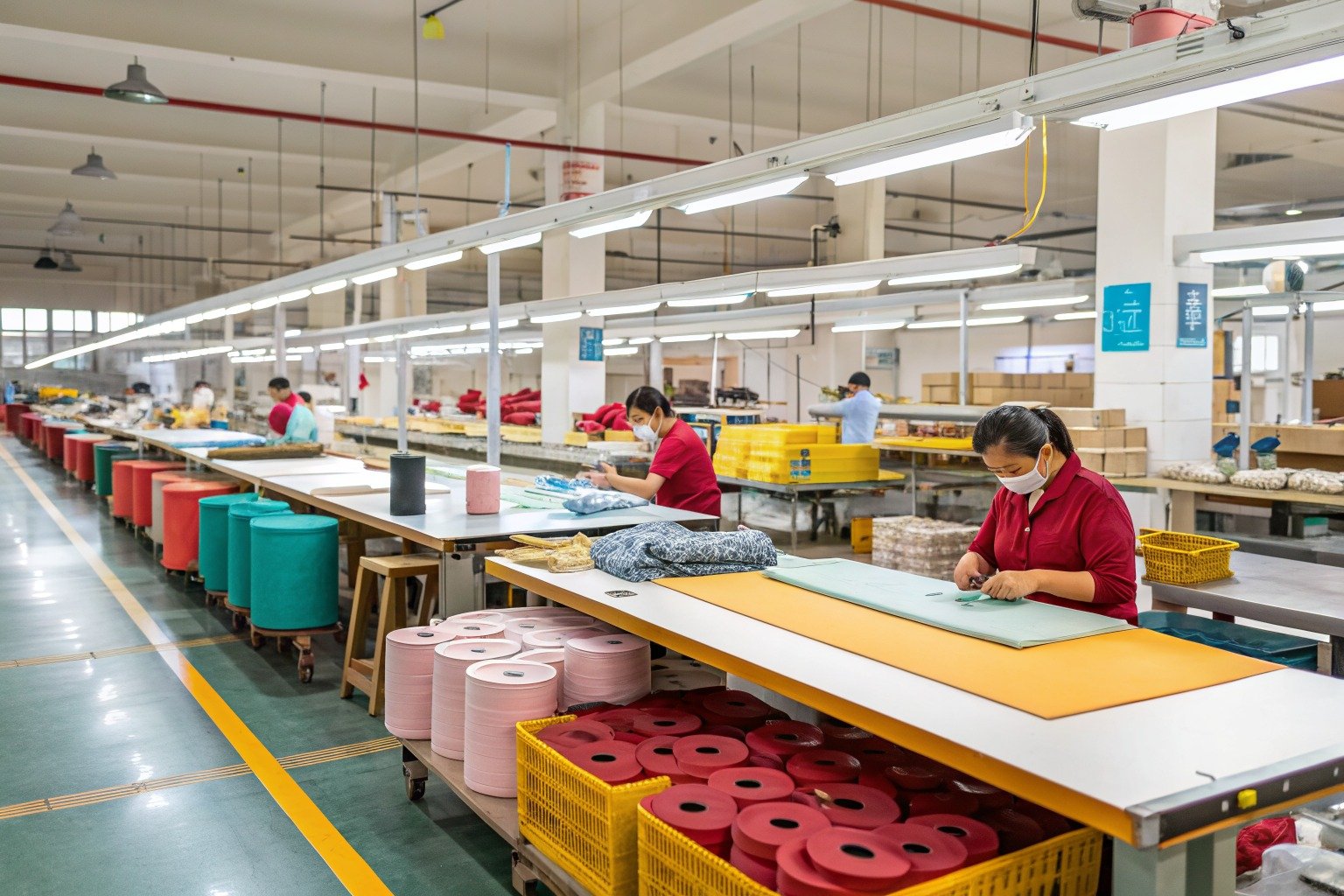
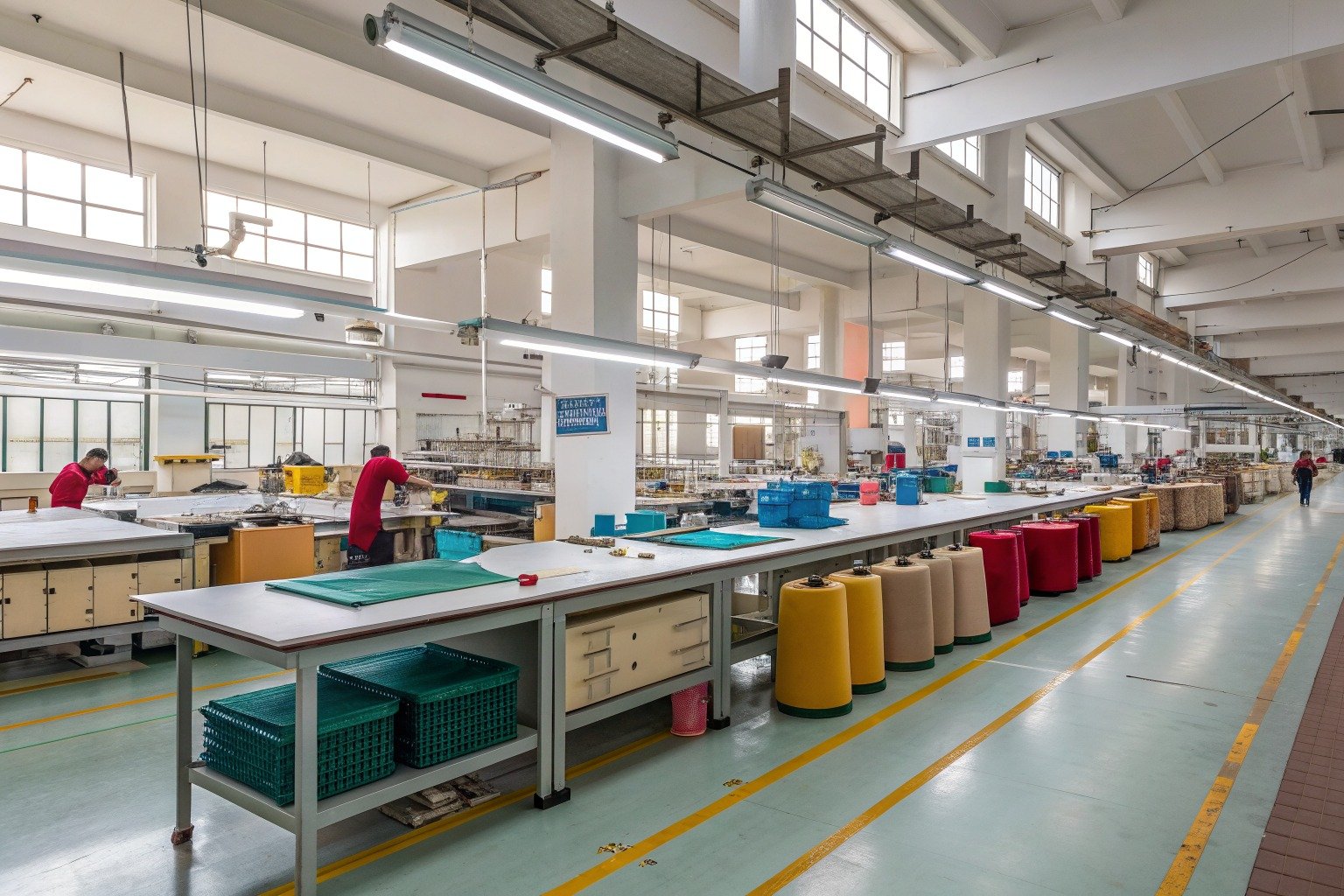
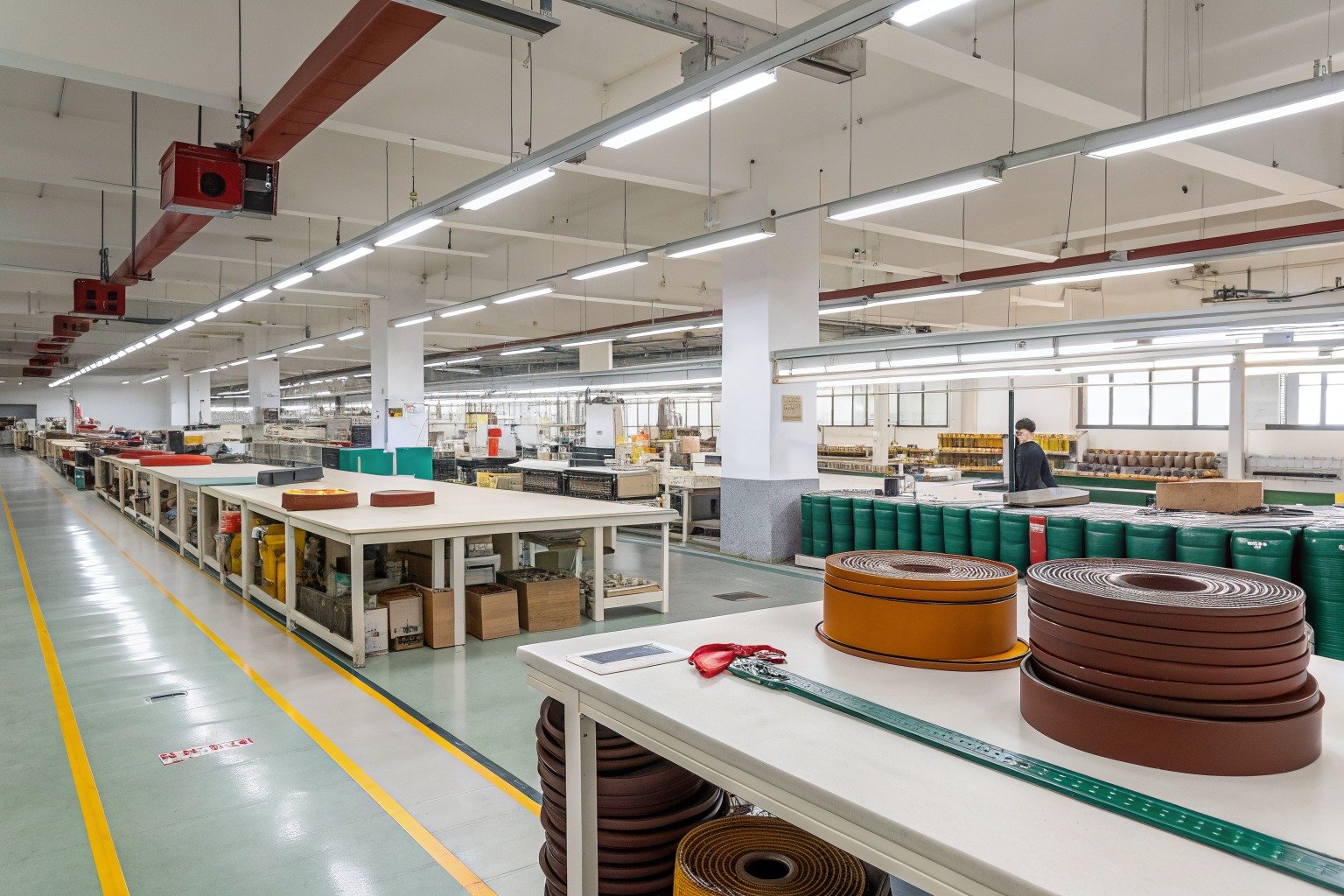
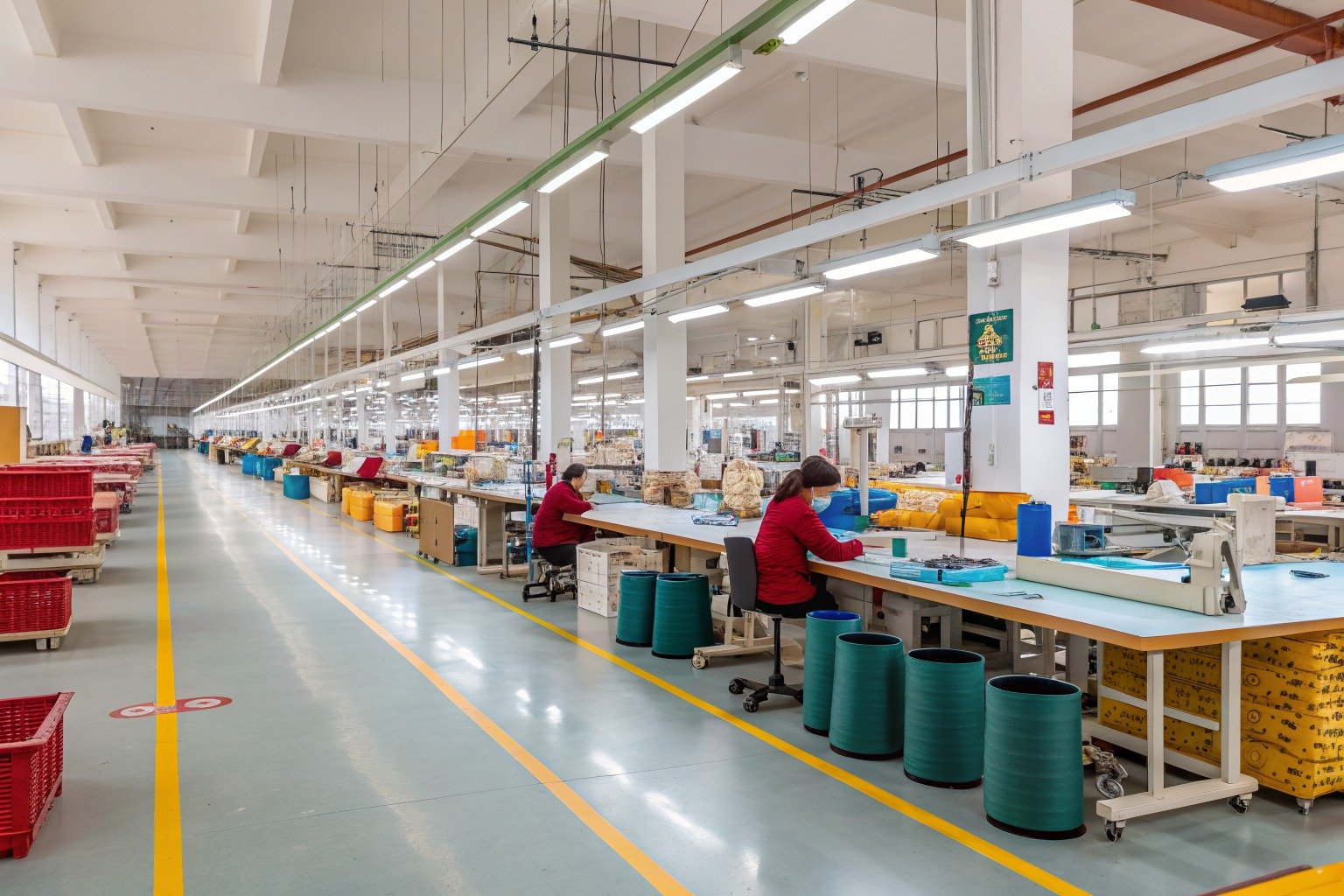
The truth is, preventing fraying is one of the biggest challenges in scarf manufacturing. Different fabrics fray in different ways, and they require different solutions. Silk, wool, cotton, synthetic blends—each one behaves differently when cut. At Shanghai Fumao Clothing, we’ve spent years perfecting our anti-fray techniques. Our quality control team tests every method on every new fabric we use. We want to ensure that the scarves we ship to you will stay beautiful through years of wear and washing.
In this post, I’ll walk you through the four most effective anti-fray treatments we use in our factory. We’ll look at traditional methods, modern technologies, and everything in between. If you’re sourcing scarves and you care about quality, this information is essential.
How Does Hemming Protect Scarf Edges From Fraying?
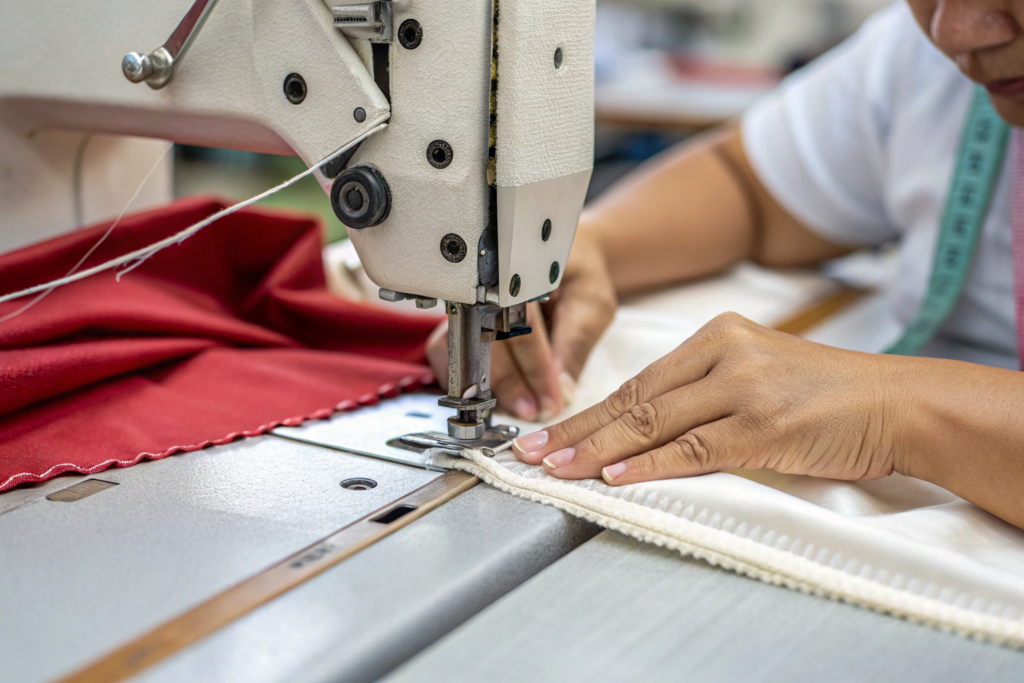
Hemming is the classic, time-tested solution for preventing fraying. It’s simple: you fold the raw edge of the fabric over and stitch it down, encasing the cut threads inside a protective layer of fabric. But simple doesn’t mean easy. A good hem, especially on a delicate fabric like silk or chiffon, requires immense skill and the right equipment. A poorly done hem can be bulky, uneven, or even cause the fabric to pucker.
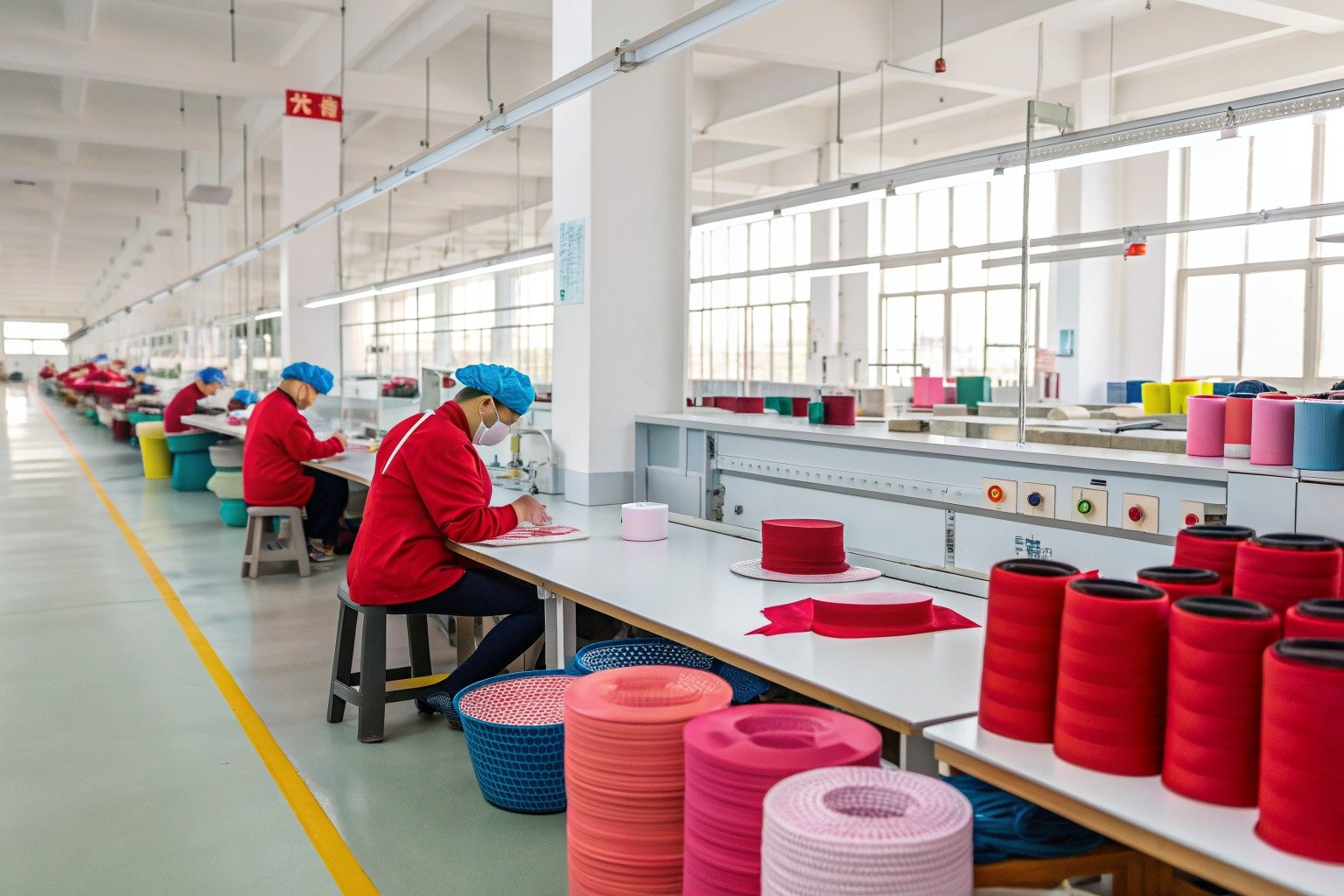
At our factory, hemming is an art form. We have seamstresses who have been doing this for decades. They know exactly how to handle different fabrics, how to adjust the tension, and how to create a hem that is both invisible and incredibly durable. The goal is to create a finish that looks like a natural part of the scarf, not an added-on afterthought. For the highest quality scarves, a hand-rolled hem is the gold standard. But for larger production runs, we use specialized machines that can create a very similar effect at high speed. For more on the fundamentals of garment construction, resources like The Craft Atlas offer excellent guides to different sewing techniques.
What is a hand-rolled hem and why is it so valued?
A hand-rolled hem is exactly what it sounds like. A skilled artisan rolls the very edge of the fabric between their fingers, creating a tiny, tight roll, and then stitches it in place by hand. This technique is incredibly labor-intensive. It takes years of practice to do it quickly and consistently. But the result is unparalleled.
A hand-rolled hem is almost invisible from the right side of the fabric. It’s incredibly soft and flexible, moving naturally with the fabric. It doesn’t add any bulk or stiffness. This is the finish you see on the world’s most luxurious silk scarves, from brands like Hermès. It signals the absolute highest level of quality and craftsmanship. While it’s too expensive for mass-market products, it’s the perfect choice for a premium, limited-edition collection. Our silk scarf artisans are masters of this technique, and we offer it to clients who want that ultimate level of luxury.
How does a machine-rolled hem compare to a hand-rolled one?
For most commercial production, a machine-rolled hem is the perfect balance of quality, speed, and cost. We use specialized machines called "hemming attachments" on industrial sewing machines. These attachments automatically fold the fabric edge into a tiny roll and feed it under the needle. The machine then stitches it in place.
A well-executed machine-rolled hem is very difficult to distinguish from a hand-rolled one, especially to the untrained eye. It’s neat, consistent, and durable. It’s slightly more visible than a hand-rolled hem, and it can be a tiny bit stiffer, but for the vast majority of scarves, it’s the ideal finish. It allows us to produce high volumes while maintaining excellent quality. The key is having skilled operators who know how to set up the machine correctly for each different fabric type. For insights into industrial sewing technology, publications like Textile World often cover the latest machinery and attachments.
What Is The Role Of Overlocking In Edge Finishing?
For fabrics that are prone to heavy fraying, or for scarves where a hem isn’t the desired look, overlocking is an excellent solution. An overlock machine, often called a serger, does three things at once: it trims the raw edge of the fabric, it encases that edge in thread, and it stitches it all together. The result is a very clean, professional-looking edge that is completely protected from fraying.
Overlocking is particularly effective for knit fabrics, like those used in winter scarves and pashminas, which tend to curl at the edges. It’s also great for adding a decorative element. By using contrasting thread colors, the overlock stitch can become a design feature in itself. We use overlocking on a huge range of products, from lightweight cotton scarves to heavy wool wraps. It’s fast, durable, and versatile. For technical information on stitch types and machine classifications, the American Apparel & Footwear Association (AAFA) provides useful resources on industry standards.

What is a 3-thread vs. a 4-thread overlock stitch?
The number of threads refers to how the stitch is constructed, and it affects the strength and appearance of the edge. A 3-thread overlock is the most common for finishing edges on scarves and other lightweight garments. It creates a narrow, flexible stitch that neatly encases the raw edge. It’s perfect for fabrics that don’t experience a lot of stress.
A 4-thread overlock is stronger and more durable. It uses an extra thread to create a second line of stitching, which is often called a "safety stitch." This is used on fabrics that will be under more stress, or where you need extra security. For example, if a scarf has a fringe that is attached by a seam, we might use a 4-thread overlock on that seam for extra strength. The choice depends on the fabric and the design of the scarf. Our production team selects the right stitch for each job.
Can overlocking be used on both woven and knit fabrics?
Yes, overlocking is extremely versatile and works beautifully on both woven and knit fabrics. However, the technique and the settings need to be adjusted. Woven fabrics are stable and don’t stretch much. The overlock stitch simply needs to encase the edge cleanly.
Knit fabrics are stretchy. If you use a standard overlock stitch on a knit, the thread might break when the fabric stretches. That’s why we use special differential feed settings on the overlock machine for knits. This mechanism stretches or gathers the fabric slightly as it feeds through, ensuring that the thread has enough give to stretch with the fabric. This prevents popped stitches when the scarf is worn or washed. It’s this kind of technical knowledge that ensures our finished products perform well for the end consumer.
What Modern Anti-Fray Solutions Use Heat Or Lasers?
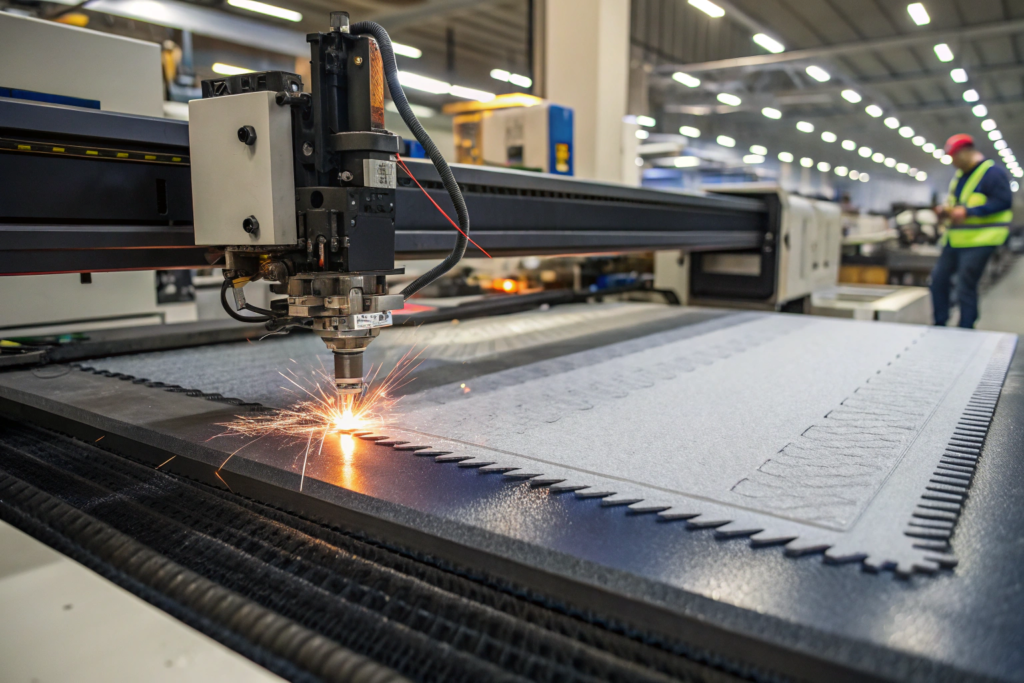
Technology has given us new tools to fight fraying. For certain types of fabrics, especially synthetics, we can use heat or lasers to create a perfectly sealed edge that will never fray. These methods work by melting the fabric fibers slightly, fusing them together into a solid, clean edge. It’s fast, precise, and creates a very modern look.
These techniques are particularly useful for scarves made from polyester, nylon, or other synthetic blends. They are also great for creating scarves with unusual shapes or laser-cut patterns, where a traditional hem would be impossible. The sealed edge is smooth, clean, and incredibly durable. It won’t fray, even after years of use and washing. At our factory, we’ve invested in both hot knife and laser cutting equipment to offer these advanced finishing options to our clients. For more on the technology behind laser cutting in textiles, the Laser Institute of America offers technical resources and safety information.
How does ultrasonic cutting work for synthetic fabrics?
Ultrasonic cutting is a fascinating technology. It uses high-frequency sound waves to vibrate a cutting blade or horn at an extremely fast rate. This vibration creates friction and heat, which melts the fabric as it cuts. The result is a perfectly sealed edge. There are no loose threads, no fraying, and no burning.
Ultrasonic cutting is incredibly precise. It can cut intricate patterns and very fine details that would be impossible with a traditional blade or scissors. It’s also very clean. There’s no dust or debris. This makes it perfect for high-end synthetic scarves and for technical fabrics used in performance wear. The sealed edge is smooth and slightly glossy, which can be a very attractive design feature. We use ultrasonic cutting for many of our clients who want a modern, high-tech look for their scarf collections.
What are the limitations of laser-cut edges on natural fibers?
Laser cutting is amazing for synthetics, but it has limitations with natural fibers like cotton, silk, and wool. These materials don’t melt cleanly. When hit with a laser, they tend to burn and char, leaving a blackened, singed edge that is not acceptable for a high-quality scarf. The burned edge can also be brittle and may still fray over time.
For this reason, we generally do not recommend laser cutting for 100% natural fiber scarves. The results are unpredictable and often unattractive. There are some experimental treatments that combine laser cutting with chemical sealants, but they are not yet widely used in commercial production. For natural fibers, the traditional methods of hemming or overlocking remain the best and most reliable options. We always advise our clients based on the specific properties of the fabric they have chosen.
How Do Fringes And Tassels Affect Anti-Fray Decisions?
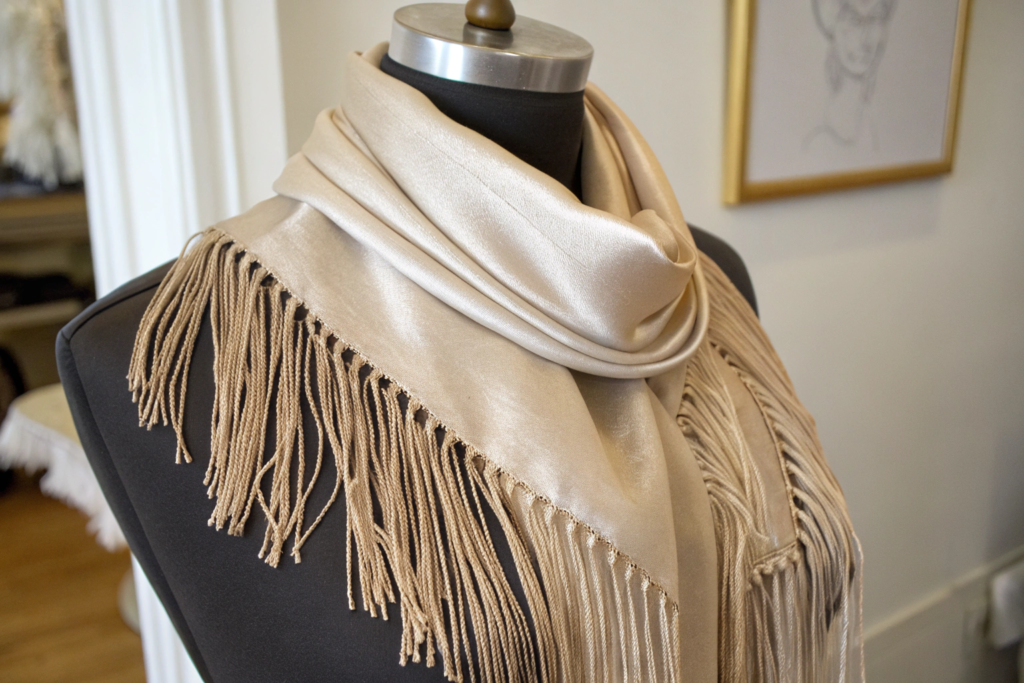
Many scarves, especially those with a bohemian or classic style, feature fringes or tassels on the ends. This presents a unique challenge. The fringe itself is made of cut threads. If those threads are not treated, they will fray and become fuzzy and unattractive over time. A beautiful fringe should remain clean and defined, not turn into a tangled, messy clump.
The key to a good fringe is how the fabric is prepared before it is cut. It’s not something you can fix after the fact. The anti-fray treatment must be applied to the fabric before the fringe is created. This ensures that each individual thread in the fringe is sealed and will not unravel. At our factory, we have specific techniques for creating fringes that are both beautiful and durable. For inspiration on different fringe styles, fashion and textile blogs like The Textile Blog often feature articles on decorative finishes.
How do you prevent fraying on knotted fringe scarves?
A knotted fringe is a classic and elegant finish. Individual groups of threads are tied into small knots, creating a decorative edge. The knots themselves help to prevent the fringe from unraveling, but they are not a complete solution. The threads above the knot are still raw and can fray.
The solution is to apply a stabilizing treatment to the fabric before the fringe is cut and knotted. We often use a narrow line of a clear, flexible anti-fray solution or a very fine line of fusible interfacing along the line where the fringe will begin. This creates a barrier that prevents fraying from traveling up into the body of the scarf. The knots are then tied below this barrier. This technique ensures that the fringe remains neat and the scarf body remains secure, even after many washes.
What is the best way to finish the ends of a tassel?
Tassels are another popular finish for scarves, especially on the corners. A tassel is made by wrapping yarn or thread around a form, tying it off at the top, and then cutting the bottom loops to create the fringe. The cut ends of the fringe, just like on any other fringe, are vulnerable to fraying.
The best way to prevent this is to use a high-quality, tightly twisted yarn for the tassel. The tighter the twist, the less likely the individual fibers are to unravel. For added security, we can also apply a tiny drop of a clear, flexible sealant to the very tip of each strand of the tassel. This is a very delicate, time-consuming process, so it’s reserved for the highest-end products. For most tassels, a well-made, tightly twisted yarn is sufficient. Our scarf artisans know how to select and prepare the right materials to create beautiful, durable tassels.
Conclusion
Preventing fraying on scarf edges is a fundamental part of creating a high-quality, durable product. As we’ve explored, there is no single "best" method. The right choice depends on the fabric, the desired aesthetic, the budget, and the production volume. Classic techniques like hand-rolled hems and overlocking remain the gold standard for many applications, while modern innovations like ultrasonic cutting offer exciting possibilities for synthetic materials. And for decorative finishes like fringes and tassels, specialized pre-treatments are essential.
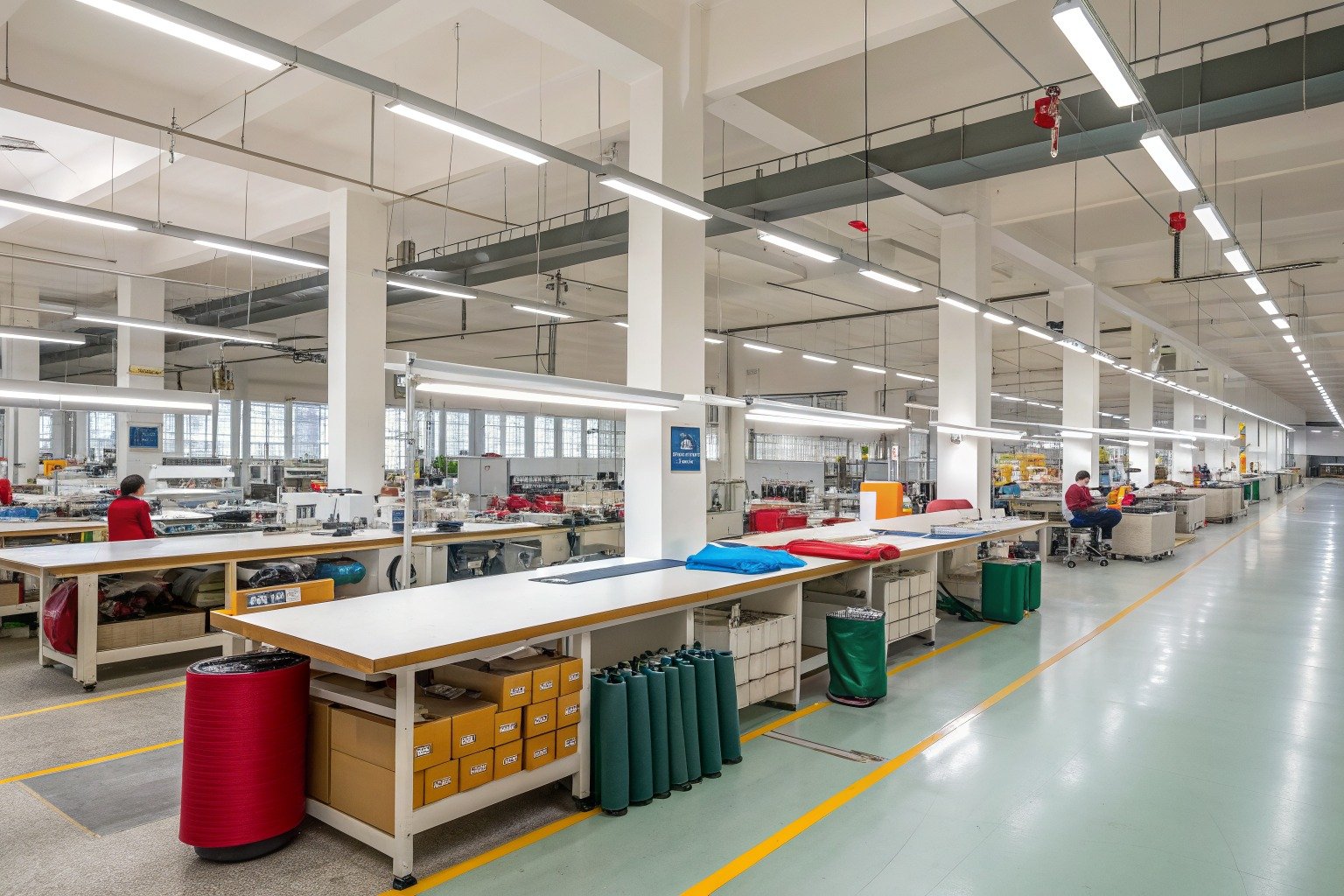
At Shanghai Fumao Clothing, we have mastered all of these techniques. Our factory in Zhejiang is equipped with both traditional sewing stations and modern laser and ultrasonic cutting machines. Our experienced quality control team tests every method on every new fabric to ensure the perfect finish. We work closely with our clients to understand their vision and their budget, and then we recommend and execute the best anti-fray solution for their specific scarf design.
If you’re developing a new scarf collection and you want to ensure the highest level of quality and durability, let’s talk. Please contact our Business Director, Elaine, at elaine@fumaoclothing.com. We’ll help you create scarves with edges that stay beautiful for years to come.