I’ve been in the accessory business long enough to remember when a knit hat was just a knit hat. You had wool, you had acrylic, and that was about it. But the world has changed. Buyers like Ron, who source for major brands and retailers, are now coming to us with a whole new set of questions. They ask about sustainability, about performance, about traceability. They want hats that not only look good but also align with the values of their customers and the demands of a changing climate.
The truth is, the materials we use in 2026 are light years ahead of what was available even five years ago. We are seeing an explosion of innovation in fibers, blends, and finishing techniques. These new materials are softer, warmer, more durable, and far more sustainable. At Shanghai Fumao Clothing, our design team is constantly exploring these new options. We work with our mill partners to source the latest yarns and bring them to our clients. We want to offer products that are not just fashionable, but also functional and responsible.
In this post, I’ll take you through the four biggest material innovations shaping the knit hat market in 2026. Whether you’re a buyer for a major supermarket chain or a boutique online store, understanding these trends will help you make smarter sourcing decisions and offer your customers the best products available.
What Sustainable Fibers Are Replacing Traditional Wool?
Sustainability is no longer a niche concern. It’s a mainstream demand. Consumers in North America and Europe are actively looking for products that have a lower environmental impact. This has driven a huge wave of innovation in sustainable fibers for knitwear. Traditional wool, especially from conventional sheep farming, has a significant carbon and water footprint. So, what are the alternatives? We are seeing three major categories emerge.
First, there are fibers made from rapidly renewable resources. Think TENCEL™ Lyocell, which is made from wood pulp sourced from sustainably managed forests. It’s incredibly soft, breathable, and biodegradable. Second, there are recycled fibers. We can now get high-quality yarns made from recycled cotton, recycled wool, and even recycled plastic bottles (rPET). These give new life to materials that would otherwise go to waste. Third, there are innovative plant-based fibers like hemp and linen, which require very little water and no pesticides to grow. They offer unique textures and inherent durability. For more on sustainable textile standards, organizations like Textile Exchange are the global leaders in defining and promoting preferred fibers.
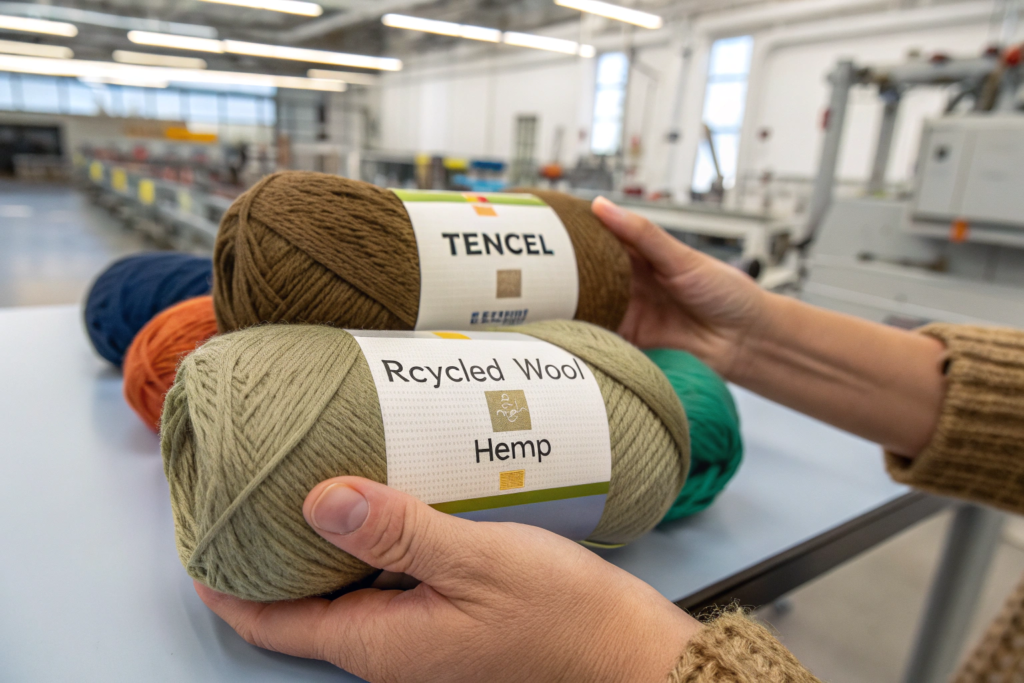
What is TENCEL and why is it good for knit hats?
TENCEL is a brand name for a specific type of lyocell fiber, and it has become a favorite among our design team. It’s made from wood pulp, typically from eucalyptus, beech, or spruce trees grown in certified, sustainable forests. The production process is a closed-loop system, meaning that over 99% of the water and solvents used are recycled and reused. This makes it incredibly eco-friendly.
But the benefits aren’t just environmental. TENCEL is also a fantastic material for knit hats. It’s naturally soft and smooth, with a beautiful drape. It’s also highly breathable and moisture-wicking, which means it helps regulate temperature. A knit hat made with TENCEL won’t make your head feel sweaty. It’s also naturally anti-bacterial and gentle on sensitive skin. For our clients who want a luxurious feel with a strong sustainability story, TENCEL blends are an excellent choice. You can learn more about the fiber and its certifications on the Lenzing Group website, the manufacturer of TENCEL.
How is recycled wool being processed for 2026 hats?
Recycled wool is another area of rapid innovation. In the past, recycled wool often had a bad reputation. It could be scratchy, uneven, and not very durable. That has completely changed. New mechanical and chemical recycling technologies allow us to break down post-industrial and post-consumer wool garments into high-quality fibers that can be spun into new yarns.
The process involves sorting, cleaning, and shredding the wool fabric. The resulting fibers are then blended with a small amount of virgin fiber or a binder to give them strength and consistency. The result is a yarn that looks and feels remarkably like virgin wool, but with a fraction of the environmental impact. It reduces the need for new sheep farming, saves water and energy, and keeps textile waste out of landfills. We use recycled wool in many of our casual, rustic-style hats. It has a wonderful, natural texture. For more on textile recycling technologies, the Fashion for Good initiative is a great resource for innovative projects in this space.
How Do Performance Yarns Enhance Comfort and Warmth?
The line between fashion and function is blurring. Consumers want accessories that look great but also perform. This is especially true for knit hats, which are often worn in harsh weather conditions. The latest performance yarns are engineered to provide superior warmth, moisture management, and comfort, all while maintaining a stylish appearance. These aren’t your grandfather’s scratchy wool socks.
These innovations come from fiber engineering at the molecular level. Brands are creating synthetic fibers with unique cross-sections that trap air more effectively for insulation, or that have channels to wick moisture away from the skin. They are also blending these high-tech synthetics with natural fibers to get the best of both worlds: the performance of synthetics with the softness and breathability of naturals. At our factory in Zhejiang, we work with mills that specialize in these advanced yarns, allowing us to offer our clients hats that perform as well as they look.

What is merino wool and why is it so popular?
Merino wool deserves a special mention because it’s a natural performance fiber. It comes from Merino sheep, and it has properties that are remarkably similar to high-tech synthetics. The key is the fineness of the fiber. Merino wool fibers are much thinner than traditional wool fibers. This makes them incredibly soft and non-itchy, even for people with sensitive skin.
Merino is also naturally temperature-regulating and moisture-wicking. It can absorb a significant amount of moisture vapor without feeling wet, keeping you dry and comfortable. And it’s naturally odor-resistant, which is a huge plus for travelers and outdoor enthusiasts. A Merino wool beanie can be worn for days without developing a smell. The demand for Merino has exploded, and we now offer a wide range of Merino blends that combine its natural benefits with other fibers for added durability or softness. For detailed information on wool grades and properties, The Woolmark Company is the definitive authority.
How do acrylic blends compare to natural fibers today?
Acrylic has been a workhorse of the knit hat industry for decades. It’s affordable, versatile, and easy to care for. But old acrylic had a bad reputation for being scratchy, pilling, and looking cheap. The acrylic of 2026 is a different animal. Modern acrylic fibers are engineered to be much softer, with a feel that can rival cashmere. They are also treated to resist pilling, which was a major complaint in the past.
The real innovation is in the blends. A hat made from a blend of high-quality acrylic with a small percentage of natural fiber, like wool or alpaca, can offer the best of both worlds. The acrylic provides durability, colorfastness, and shape retention. The natural fiber adds softness, warmth, and a luxurious hand feel. These blends allow us to offer hats at various price points that still feel premium. They are also often more affordable and easier to care for than pure natural fiber hats, making them a popular choice for major retailers. For a scientific perspective on synthetic fibers, The Textile Institute offers many publications and resources.
What Are Traceable and Ethical Sourcing Trends in 2026?
Beyond the material itself, how that material is sourced has become a major concern for buyers and consumers. The question is no longer just "What is it made of?" but "Where did it come from, and who made it?" In 2026, traceability and ethical sourcing are not just buzzwords. They are becoming baseline requirements, especially for brands selling into regulated markets like the US and EU. Buyers like Ron need to be able to tell a clear story about their supply chain.
This demand for transparency is driving real change. It’s pushing mills and farms to adopt certification standards. It’s forcing factories like ours to implement better record-keeping and segregation of materials. And it’s creating new marketing opportunities for brands that can prove their commitment to ethical practices. At Shanghai Fumao Clothing, we’ve invested in systems to help our clients navigate this complex landscape. We work with certified suppliers and provide the documentation needed to support their claims.

What certifications matter for wool and cotton sourcing?
For our clients, having recognized certifications is a huge advantage. It takes the guesswork out of the supply chain. For wool, the most important certification is the Responsible Wool Standard (RWS). It certifies that wool comes from farms that practice progressive animal welfare and land management. It also ensures that the wool is traceable through the supply chain. For cotton, we look for certifications like the Global Organic Textile Standard (GOTS) for organic cotton, or the Better Cotton Initiative (BCI) for cotton sourced with more sustainable farming practices.
These certifications aren’t just pieces of paper. They involve audits of farms and facilities. They provide a chain of custody that allows us to say with confidence where a material came from. When we offer a hat made with RWS-certified Merino wool, our client can pass that certification along to their customer, building trust and justifying a premium price. For a comprehensive list of textile certifications, the Textile Exchange website is the best place to start.
How can QR codes tell the story of a hat’s materials?
This is one of the most exciting developments in connecting consumers with the story behind their products. Imagine a customer buys one of our knit hats. Attached to the hat is a small hang tag with a QR code. They scan it with their phone, and they are taken to a custom webpage. That page might show a map of where the wool was grown, photos of the farm, information about the mill where the yarn was spun, and even images from our factory in Zhejiang where the hat was knitted and finished.
This level of transparency is incredibly powerful. It turns a simple hat into a product with a story. It builds an emotional connection with the customer and reinforces the brand’s commitment to ethical sourcing. It also provides a way to communicate the value of the materials and craftsmanship. We are working with several clients to implement these digital traceability solutions. The technology is becoming more accessible every day. For insights into digital supply chain solutions, resources like Supply Chain Dive cover the latest trends in traceability technology.
How Do Innovative Blends Combine Style and Function?
The most exciting work we do is in creating innovative blends. Rarely is a single fiber the perfect answer. By blending different fibers, we can create a yarn that has exactly the properties we want. We can combine the softness of cashmere with the durability of nylon. We can blend the warmth of wool with the sheen of silk. We can mix sustainable fibers with performance fibers to create a hat that is both eco-friendly and highly functional.
This is where our design team’s expertise really shines. We work with our yarn suppliers to develop exclusive blends for our clients. We test them for performance, washability, and pilling. We knit samples and evaluate the hand feel. We want to create something that not only looks beautiful but also performs beautifully for the end consumer. This ability to create custom blends is a key part of the value we offer. It allows our clients to offer truly unique products that stand out in a crowded market.

What are the benefits of an alpaca and nylon blend?
This is one of my favorite blends. Alpaca fiber is incredible. It’s warmer than wool, lighter in weight, and has a beautiful, silky luster. It’s also hypoallergenic because it doesn’t contain lanolin. But pure alpaca can be prone to stretching and losing its shape over time. That’s where nylon comes in.
By blending alpaca with a small percentage of nylon (typically 10-20%), we get a hat that has all the luxurious warmth and softness of alpaca, but with the added strength and elasticity of nylon. The nylon fibers act like a skeleton, helping the hat hold its shape and resist stretching. This blend is perfect for styles that need to maintain a specific fit, like a slouchy beanie or a fitted cuff hat. It’s a great example of how a small amount of a performance fiber can dramatically improve the functionality of a luxury natural fiber. For more on alpaca fiber, associations like the Alpaca Owners Association provide detailed information on its properties.
How does a cashmere and silk blend elevate a basic beanie?
If you’re looking for the ultimate in luxury, a cashmere and silk blend is hard to beat. Cashmere is prized for its incredible softness and warmth. Silk is known for its smoothness, strength, and beautiful natural sheen. When you blend them, you get a yarn that is unbelievably soft, with a subtle, elegant luster that catches the light.
A beanie made from a cashmere-silk blend feels incredibly luxurious against the skin. It’s lightweight but warm. It drapes beautifully. It elevates a simple accessory into a statement piece. This is the kind of hat that a customer might buy as a treat for themselves or as a special gift. It commands a higher price point and reinforces a brand’s image of quality and sophistication. While it’s a premium option, it’s one that we offer to clients looking to create a truly exceptional product. For a deep dive into luxury fibers, publications like Robb Report often feature articles on the finest materials in fashion.
Conclusion
The world of knit hat materials in 2026 is richer and more complex than ever before. From sustainable alternatives like TENCEL and recycled wool to performance powerhouses like Merino and high-tech acrylic blends, the options are vast. Add to that the growing demand for traceability and the endless possibilities of innovative blends, and it’s clear that a knit hat today is so much more than just a piece of fabric sewn together. It’s a product of advanced material science, ethical consideration, and sophisticated design.
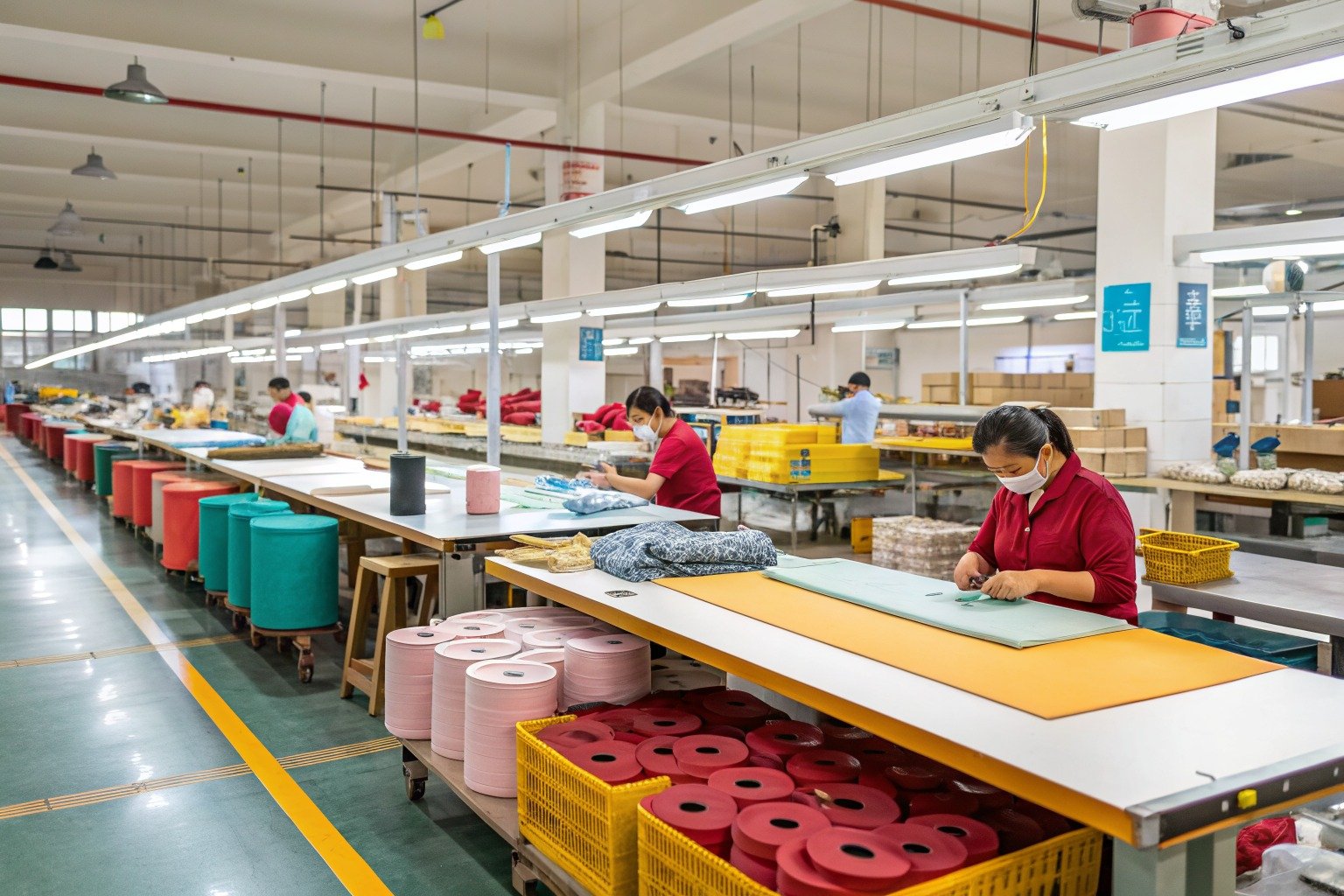
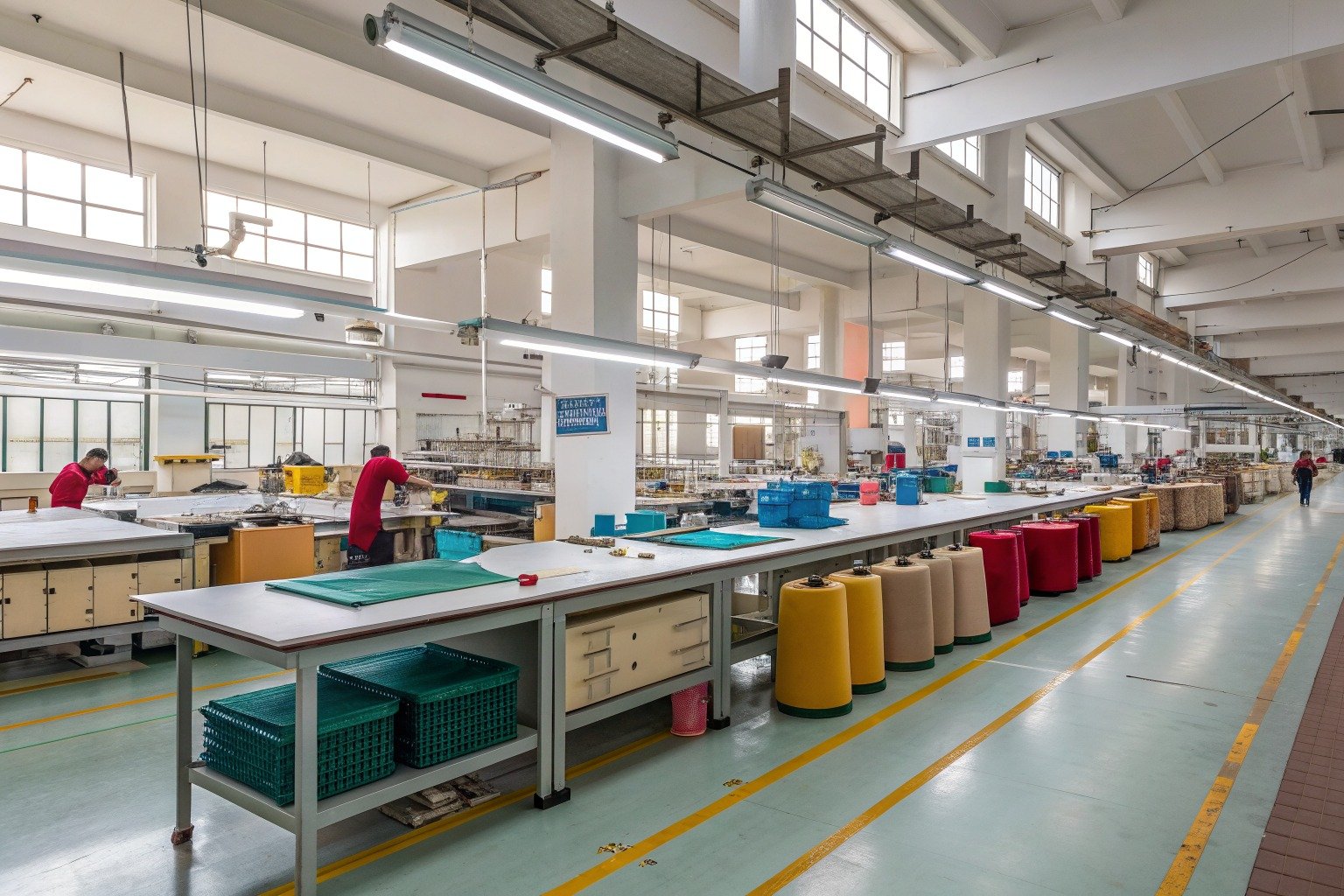
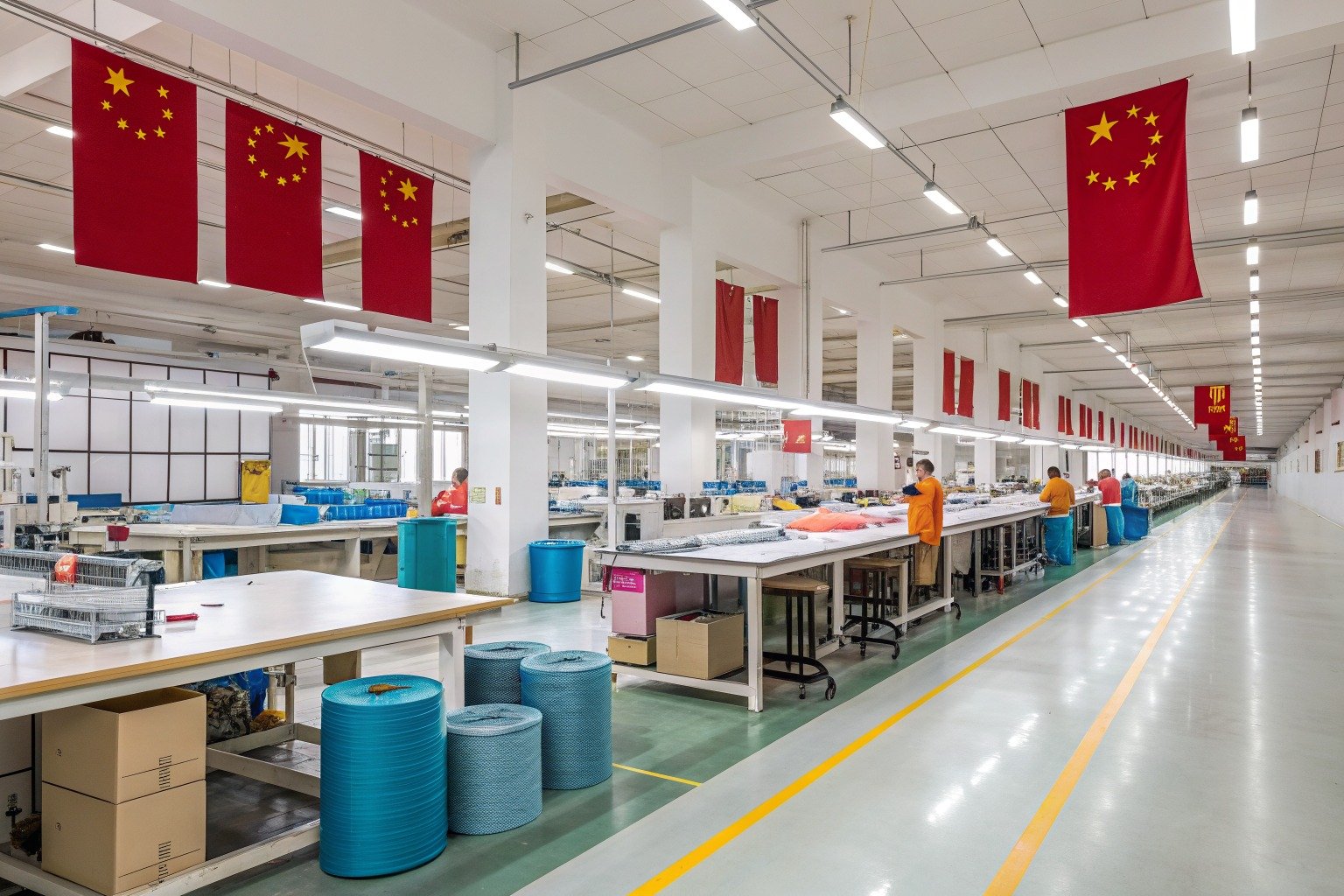
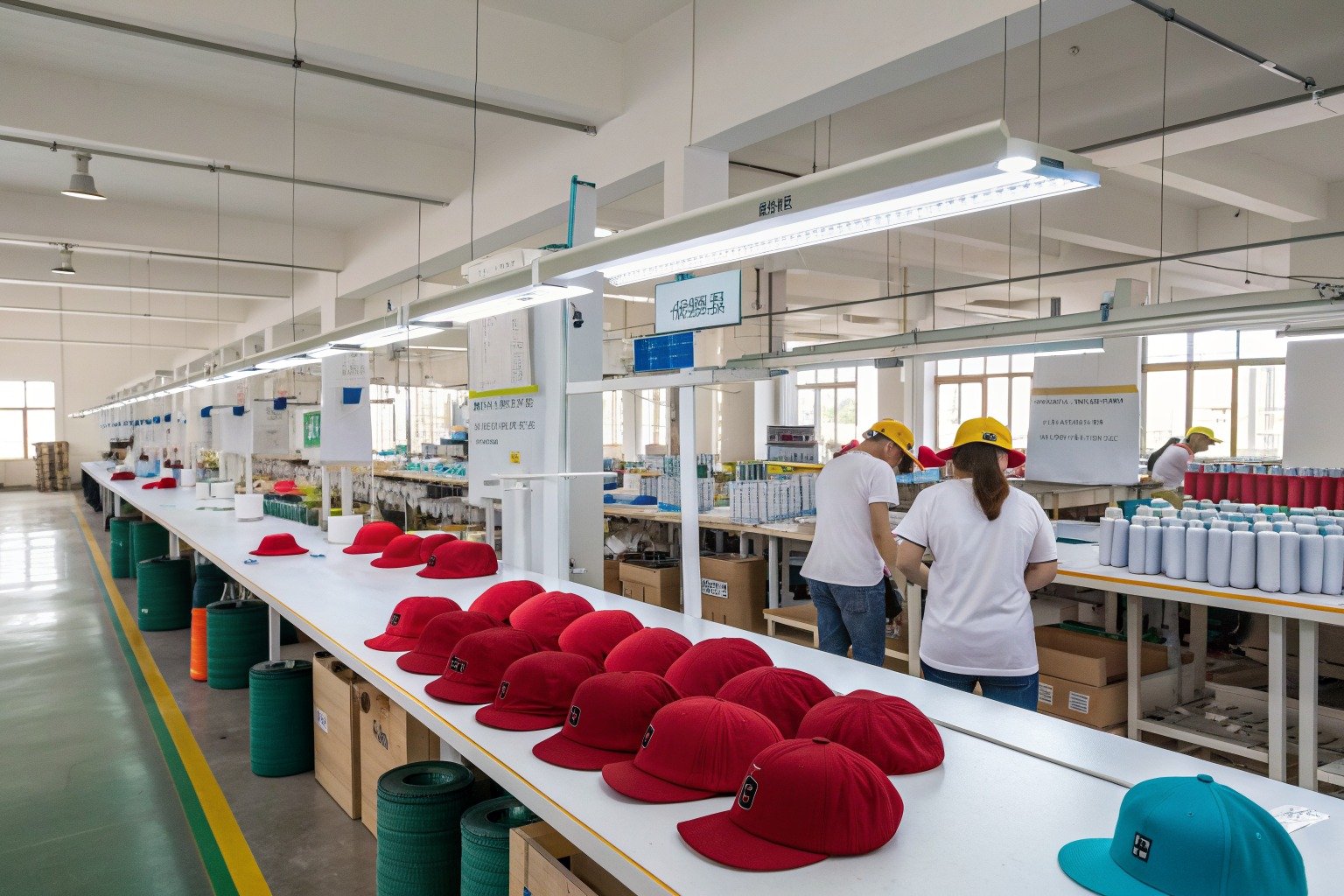
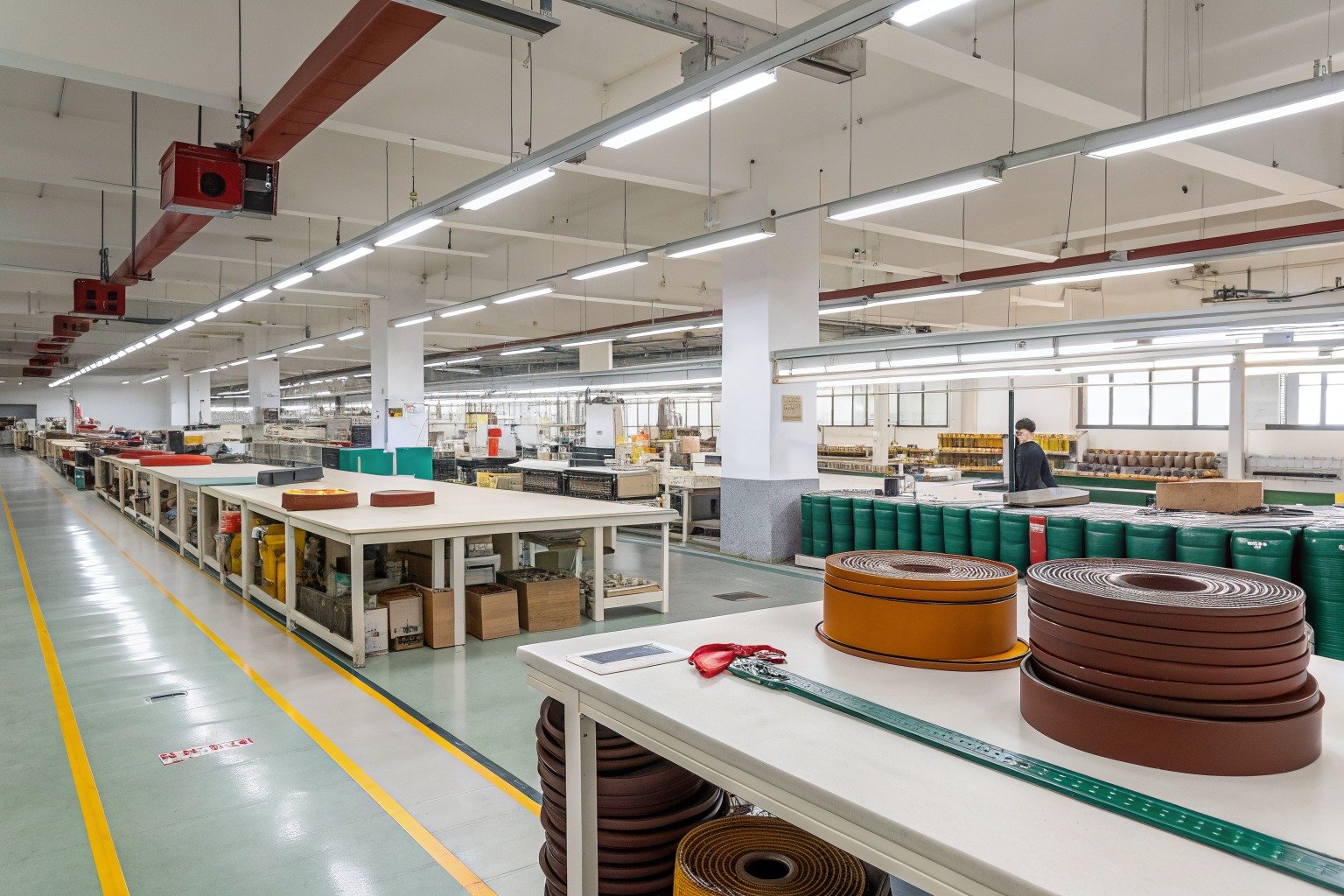
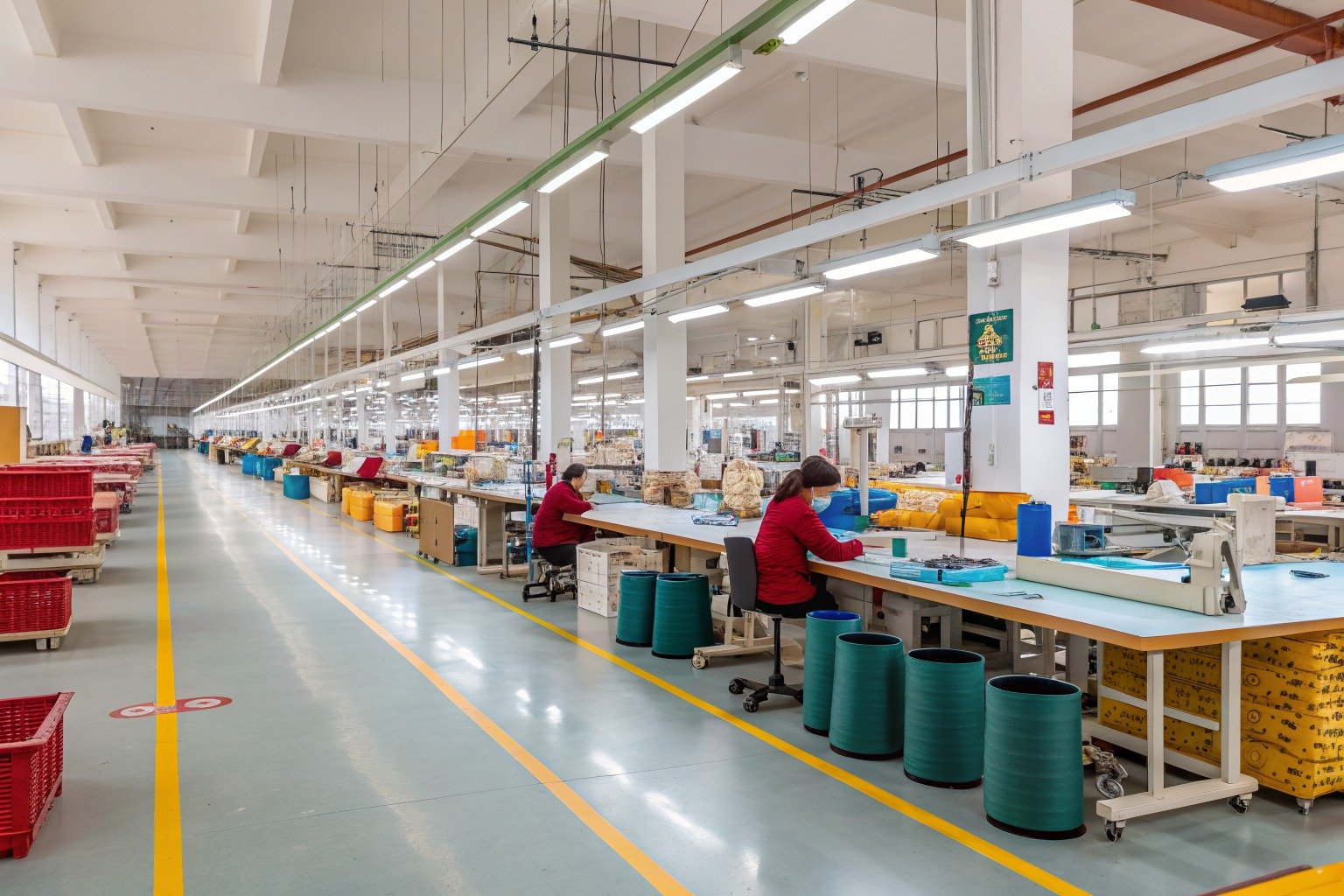
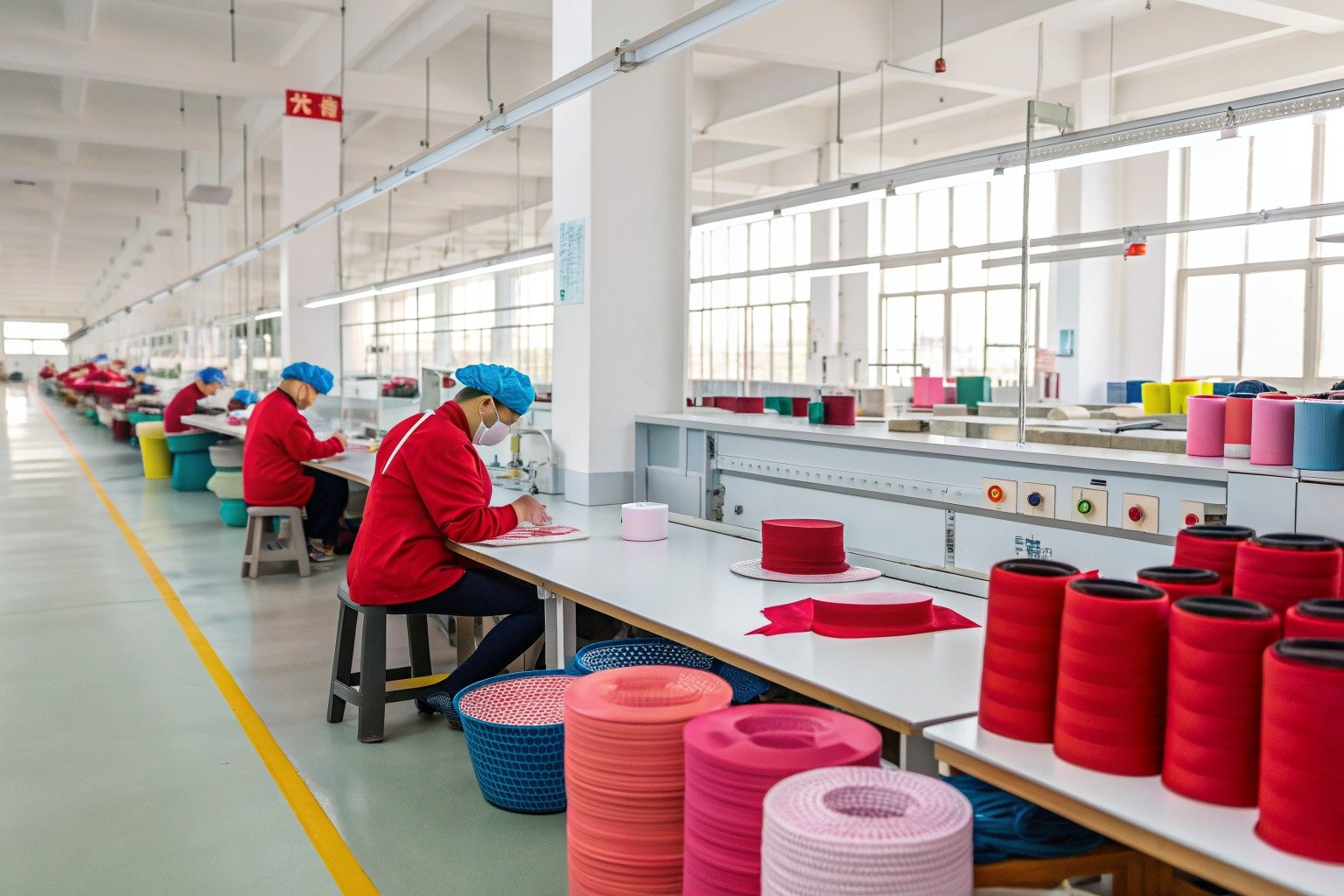
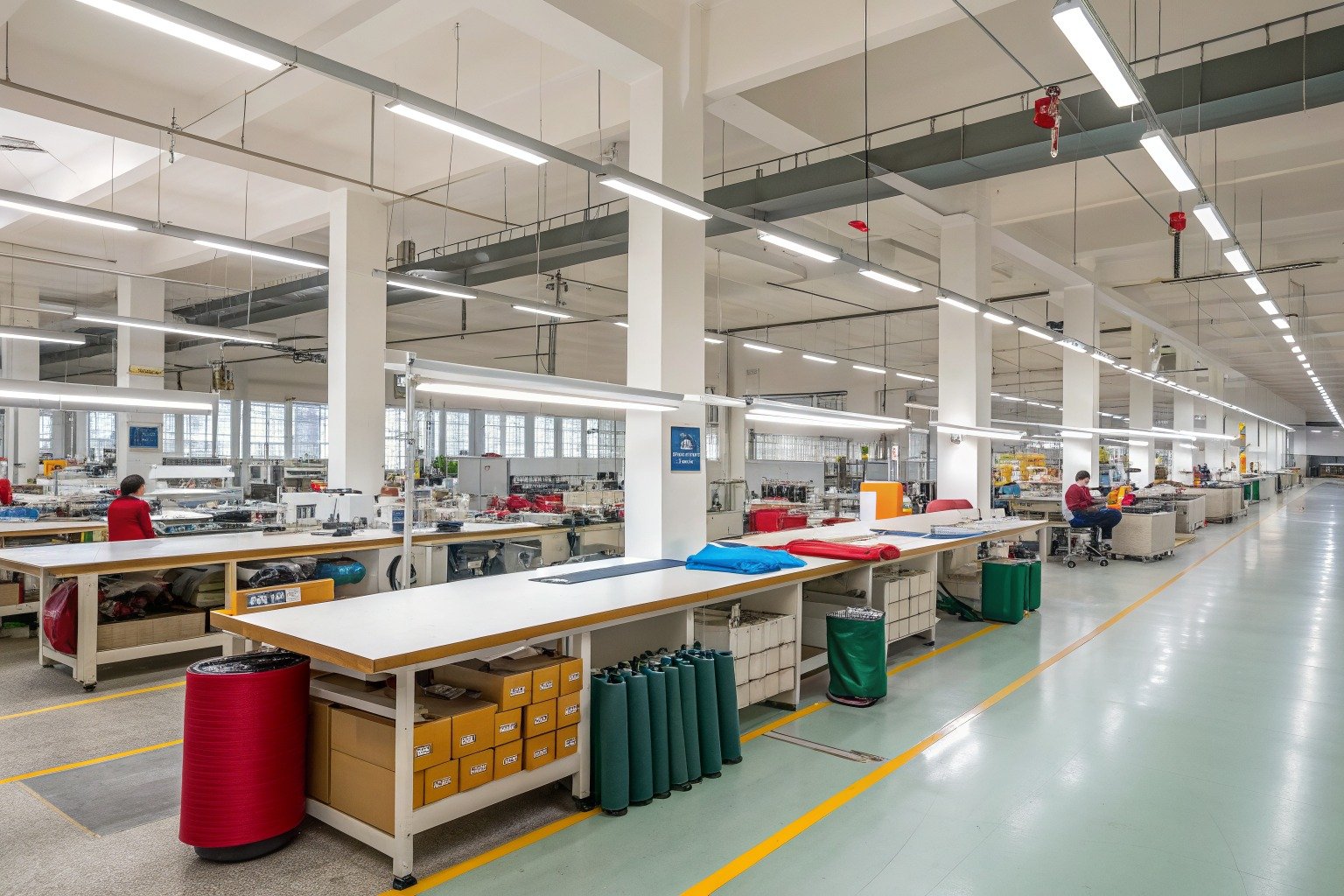
At Shanghai Fumao Clothing, we are passionate about these innovations. Our factory in Zhejiang is a hub of material exploration and development. Our design team and experienced project managers are here to guide you through this landscape. We help you select the perfect materials for your brand, your budget, and your customers. We manage the sourcing, the production, and the quality control, so you can focus on building your collection.
If you’re ready to explore the latest innovations in knit hat materials for your next season, let’s talk. Please contact our Business Director, Elaine, at elaine@fumaoclothing.com to start the conversation. We’ll help you create hats that are warm, stylish, and ready for the future.