The email arrived with a photo attachment. A customer had purchased one of our client’s acrylic scarves three months earlier. The photo showed a scarf covered in tiny balls of fuzz. It looked old and worn. The customer demanded a refund and accused the brand of selling cheap, defective merchandise. Our client was furious and confused. The scarf had passed all our quality tests.
The most common causes of pilling in acrylic scarves include fiber length variations, twist level inconsistencies, loose surface fibers, and abrasion during wear. Pilling occurs when short or loose fibers tangle into small balls on the fabric surface. Prevention requires selecting appropriate acrylic grades, optimizing yarn construction, controlling knitting tension, and proper finishing treatments that bind surface fibers.
At AceAccessory, we have studied pilling extensively. We produce thousands of acrylic scarves annually for clients ranging from fast-fashion brands to premium retailers. Pilling complaints damage brand reputation and increase costs through returns. Understanding the science behind pilling helps us prevent it before production. Let me walk you through what causes this frustrating problem and how to avoid it.
What Is Pilling And Why Does It Happen?
Pilling looks simple but involves complex physics. Fibers work loose from yarn, entangle with neighbors, and form balls. Understanding this process helps identify prevention points. The mechanism is consistent across all fabrics.
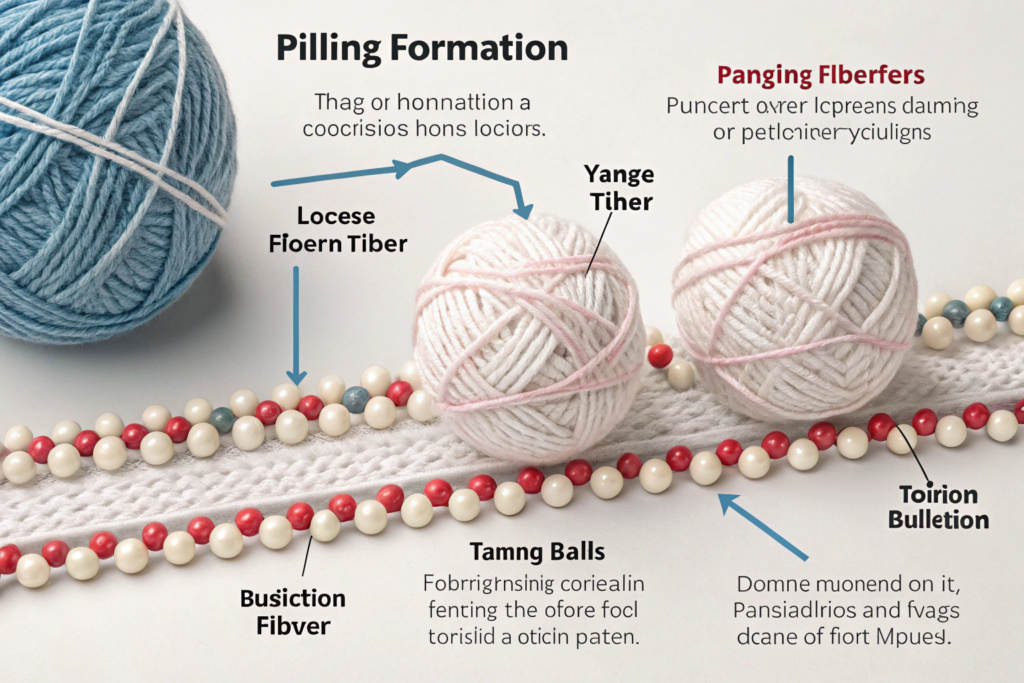
How do fibers escape from yarn structure?
Yarn consists of many short fibers twisted together. The twist holds fibers in place. When twist is insufficient or fibers are short, ends protrude from the yarn surface.
These protruding fibers catch on each other during wear. Abrasion from coats, bags, and seat belts pulls more fibers loose. The loose fibers then tangle into the small balls we call pills. Pills attached by a few fibers continue growing as more fibers join. Eventually they may detach, leaving a thinning area. Textile science resources explain fiber mechanics in detail. Shanghai Fumao Clothing applies this science to material selection.
What role does abrasion play in pilling formation?
Abrasion provides the mechanical energy that pulls fibers loose. Scarves rub against coat collars constantly. They rub against bags slung over shoulders. They rub against seat belts in cars.
Each rub creates friction that works fibers loose. Higher friction fabrics accelerate pilling. Rougher surfaces cause more abrasion. The combination of loose fibers and ongoing abrasion creates perfect conditions for pill formation. Friction and wear studies quantify abrasion effects.
How Does Yarn Construction Affect Pilling?
Yarn construction determines how well fibers stay put. Twist level, ply count, and spinning method all affect pilling. These factors are controllable during yarn production. Engineering the yarn properly prevents problems.
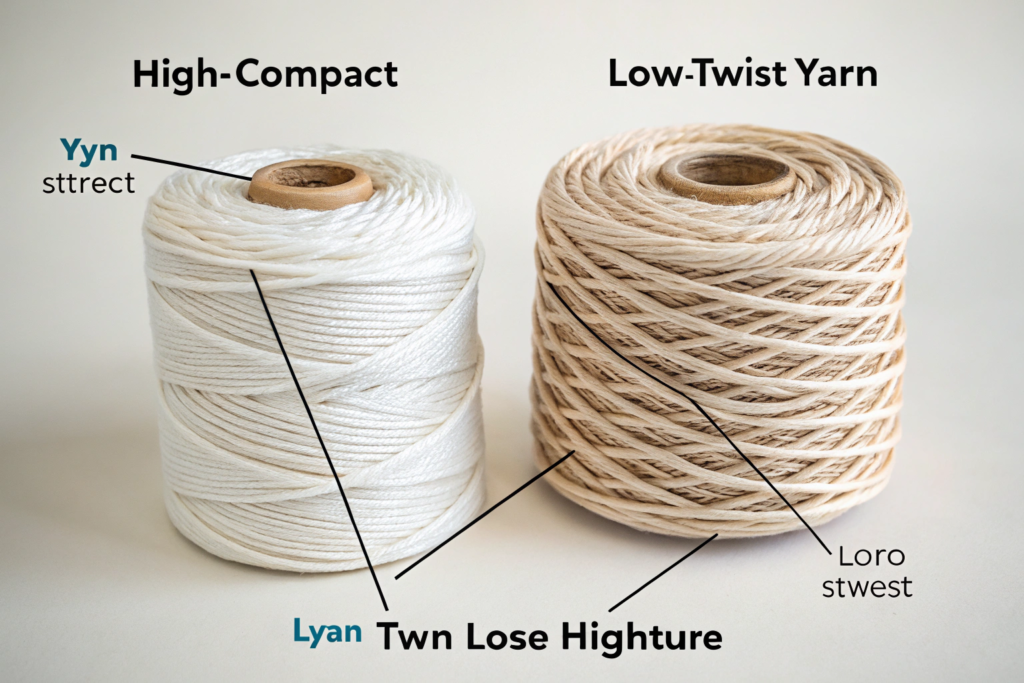
Why does twist level matter for pilling resistance?
Higher twist grips fibers tighter. More turns per inch means more fiber-to-fiber contact. Fibers have fewer opportunities to escape.
Low-twist yarns feel softer and drapier. They also pill more. The trade-off between soft hand and pilling resistance challenges designers. For applications where both matter, moderate twist with anti-pilling fiber treatments provides balance. Twist measurement standards guide specification.
What spinning methods produce different pilling behavior?
Ring-spun yarns align fibers parallel, creating smooth, strong yarns. They resist pilling well when properly constructed.
Open-end spun yarns have more random fiber orientation. Some fibers protrude more readily, increasing pilling tendency. Compact spinning further aligns fibers, reducing protruding ends. Each method produces different characteristics. Matching method to application optimizes performance. Spinning technology comparison guides method selection. Shanghai Fumao Clothing specifies spinning methods based on product requirements.
What Knitting Factors Influence Pilling?
Knitting, a delicate dance of thread and needle, transforms soft, loose yarn into warm, structured fabric, each loop a testament to the craftsperson’s touch. The very essence of this transformation lies in the interplay of stitch type, tension, and density—elements that dictate how individual fibers behave, intertwine, and ultimately bind together. A loose, slouchy garter stitch might allow fibers to shift and rub against one another, amplifying the inherent pilling tendency of certain yarns, while a tight, precise stockinette stitch could lock them in place, reducing such fraying.
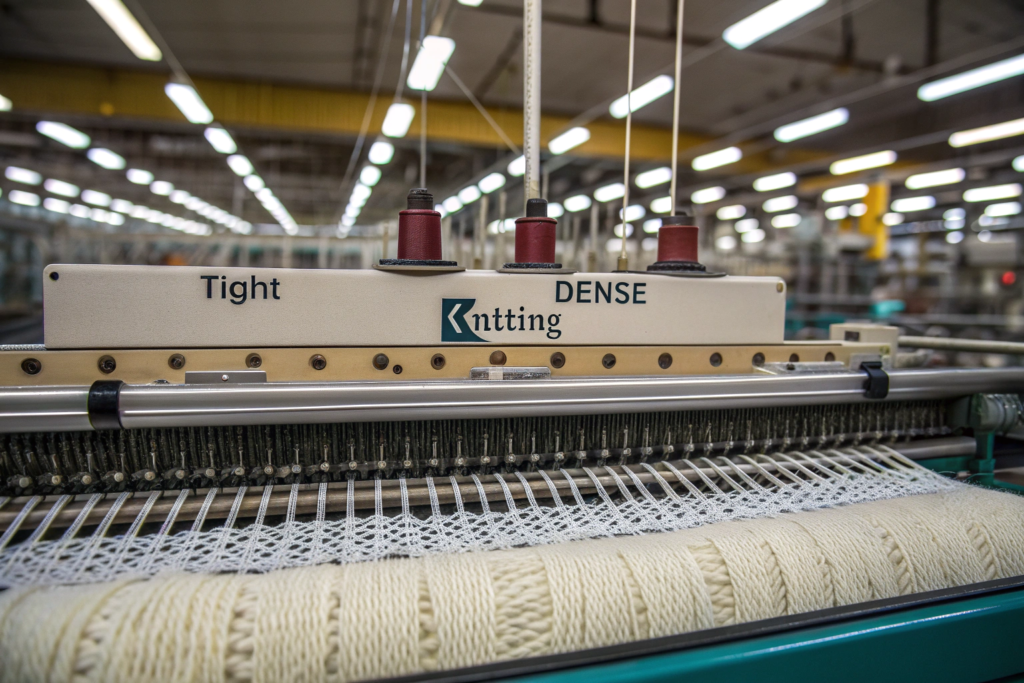
How does stitch tightness affect pilling?
Tighter knitting compresses yarns, increasing fiber-to-fiber contact. More contact means more friction holding fibers in place. Tighter knits generally pill less.
Loose knitting allows fibers more freedom to move. Stitches shift during wear, working fibers loose. The fabric may feel softer and drapier but pills faster. Finding optimal tightness balances comfort and durability. Knitting tension guidelines provide reference values.
What stitch patterns resist pilling best?
Plain knit (jersey) structures expose yarn surfaces uniformly. Pilling occurs evenly across the fabric.
Rib and interlock structures create more complex surfaces. Some areas protect yarns within the fabric. These structures may show less visible pilling even when fiber loss occurs. Cable and texture stitches add complexity that hides early pilling. The pattern itself doesn’t prevent pills but makes them less noticeable. Stitch pattern effects inform design choices.
What Finishing Treatments Prevent Pilling?
Finishing treatments, the final alchemists of fabric transformation, step into the fray after the knitting process has woven its intricate tapestry. These meticulous post-knitting processes, ranging from gentle brushing to precise heat-setting and chemical treatments, work tirelessly to smooth out imperfections and refine the textile’s character. Among their most celebrated feats is the significant reduction of pilling—the bane of many a cherished garment, where tiny balls of fiber rise to the surface, marring both appearance and comfort.
By carefully aligning fibers, strengthening weak points, and smoothing rough edges, these treatments transform a raw, slightly uneven knit into a fabric that feels luxuriously smooth against the skin and resists the formation of those unsightly pills. Yet, this pursuit of perfection comes with a price tag; each finishing step adds layers of cost to the production process, from specialized machinery to skilled labor and premium chemicals.
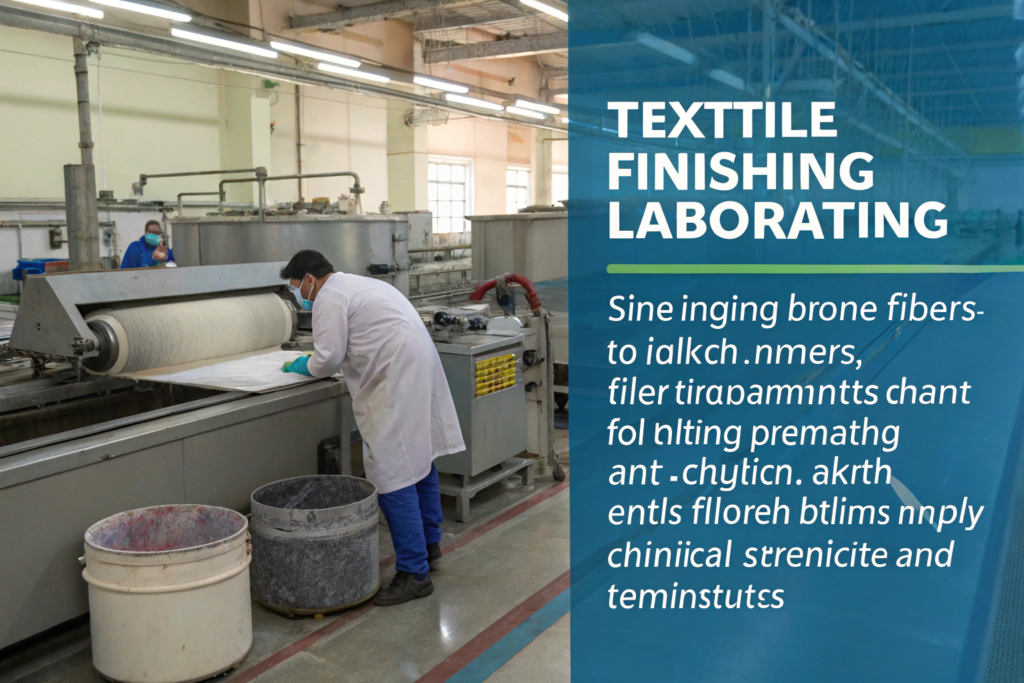
How does singeing remove loose fibers?
Singeing passes fabric over gas flames or heated plates. Loose surface fibers burn off instantly. The remaining fibers are anchored within the fabric.
The process removes fibers that would otherwise form pills. It does not prevent new fibers from emerging over time. But removing existing loose fibers provides a clean start. Singeing works best for smooth fabrics where surface appearance matters. Singeing process description explains equipment and parameters.
How does mechanical finishing affect pilling?
Shearing cuts surface fibers to uniform length. This removes longer fibers most likely to pill. It creates smooth surface that pills less.
Napping raises fibers for softness but increases pilling tendency. Brushing creates texture but may loosen fibers. Each mechanical finishing step affects pilling. Understanding these effects helps make informed choices. Mechanical finishing processes document typical results. We select finishing methods based on product requirements. Shanghai Fumao Clothing maintains finishing relationships for optimal results.
How Do You Test Pilling Resistance Before Production?
Testing is the silent guardian that turns uncertainty into certainty, preventing the jarring surprises that can derail even the most promising products. Pilling tests, with their meticulous simulation of everyday wear and tear—friction from a gentle brush against fabric, the subtle rubbing of elbows in crowded spaces, the persistent pressure of a well-loved garment—act as time machines, fast-forwarding through months of use to predict how materials will behave in the vibrant chaos of real-world life.
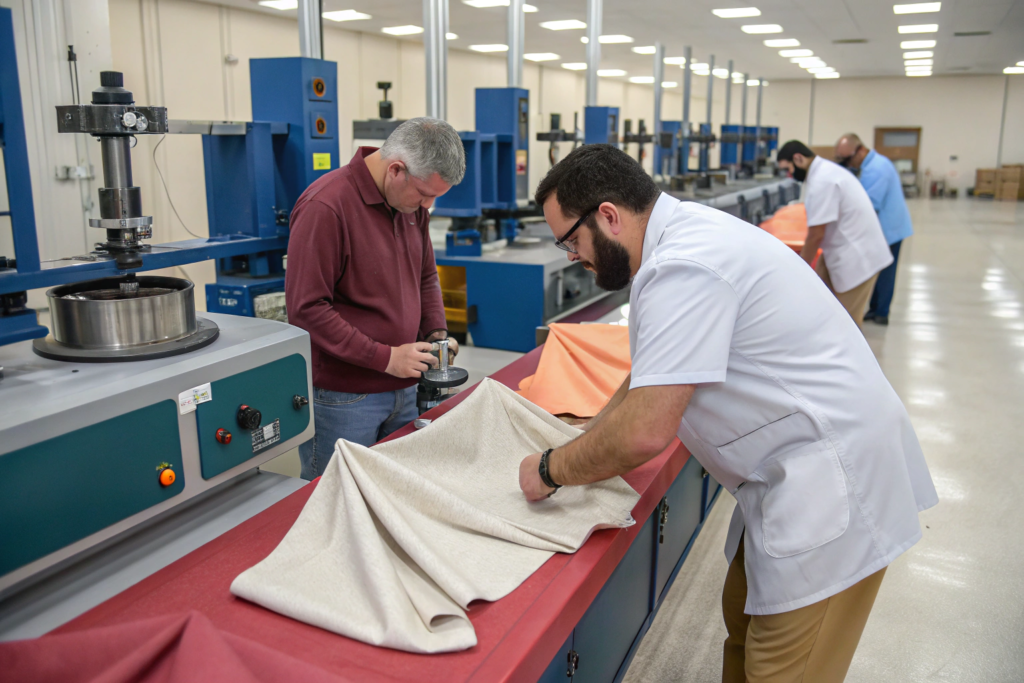
What is the Martindale abrasion test?
Martindale testers rub fabric samples against standard wool fabrics in circular motion. After specified cycles, samples are evaluated for pilling.
The test runs thousands of cycles, simulating months of wear. Results are compared to visual standards rating pilling from 1 (severe) to 5 (no pilling). Acceptable ratings depend on product positioning. Premium scarves target 4-5. Promotional items may accept 3-4. Martindale test standard specifies procedures.
What is the Random Tumble Pilling Test?
Random tumble testers place fabric samples in cork-lined chambers with rotating impellers. Samples tumble randomly against cork and each other.
This test simulates mixed-direction abrasion closer to real wear. It complements Martindale’s controlled motion. Results correlate well with actual wear experience. Many specifications require both tests. Random tumble standard provides protocol.
Conclusion
Pilling in acrylic scarves results from multiple factors. Fiber length and quality determine inherent tendency. Yarn construction controls how well fibers stay put. Knitting parameters affect fiber mobility. Finishing treatments remove loose fibers and bind others. Testing verifies performance before production. Care instructions preserve quality after purchase.
At Shanghai Fumao Clothing, we address pilling at every stage. We specify anti-pilling acrylic grades. We select yarn constructions optimized for pilling resistance. We control knitting parameters for durability. We apply appropriate finishing treatments. We test thoroughly before shipping. We provide care instructions that help customers maintain products. The result is scarves that look good longer and generate fewer complaints.
If you are sourcing acrylic scarves and want to avoid pilling problems, I invite you to reach out. Let us discuss your quality expectations, price points, and target markets. We can show you how to create scarves that customers love and keep loving. For new projects and inquiries, please contact our Business Director, Elaine, directly at elaine@fumaoclothing.com. We look forward to helping you create beautiful, durable acrylic scarves.