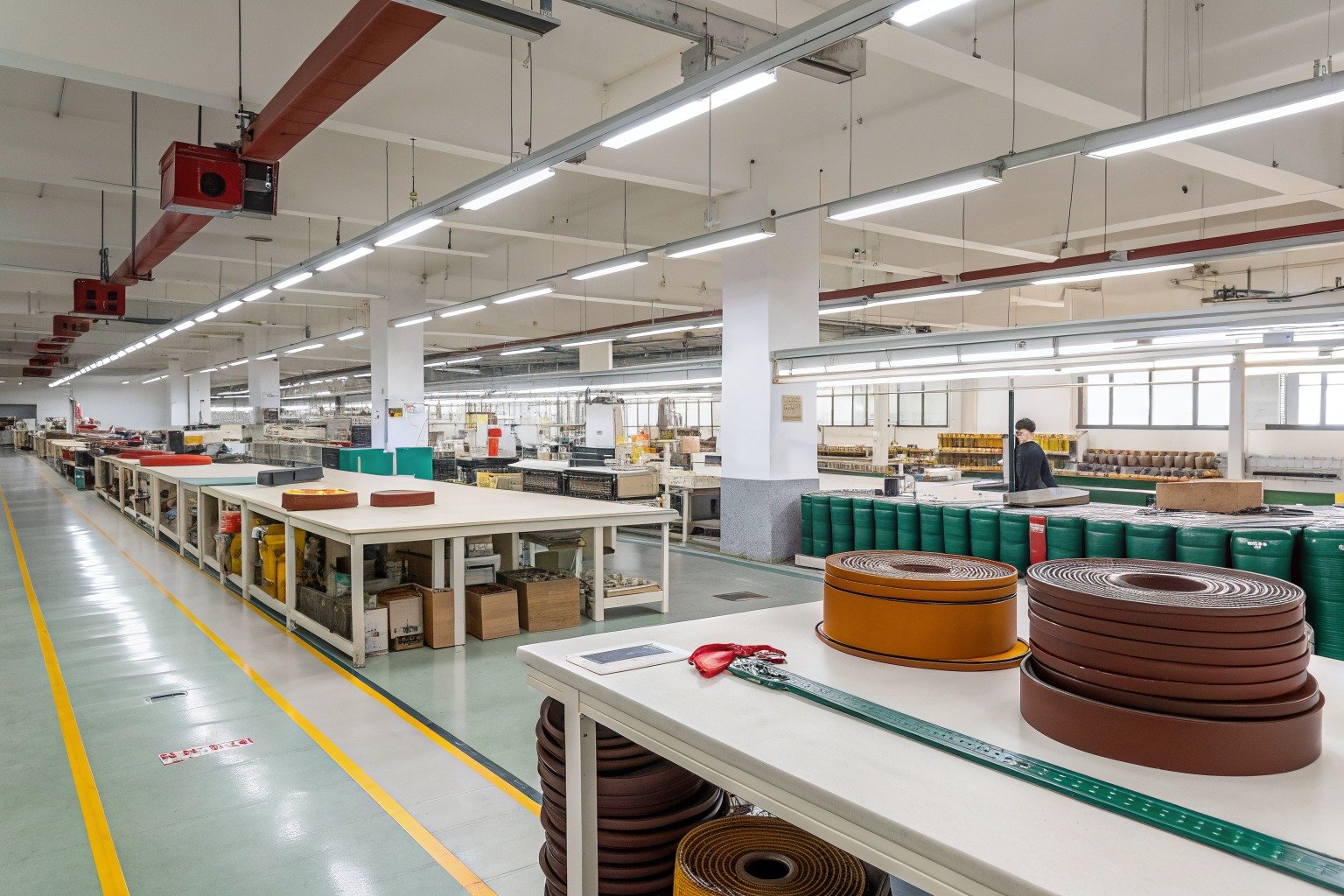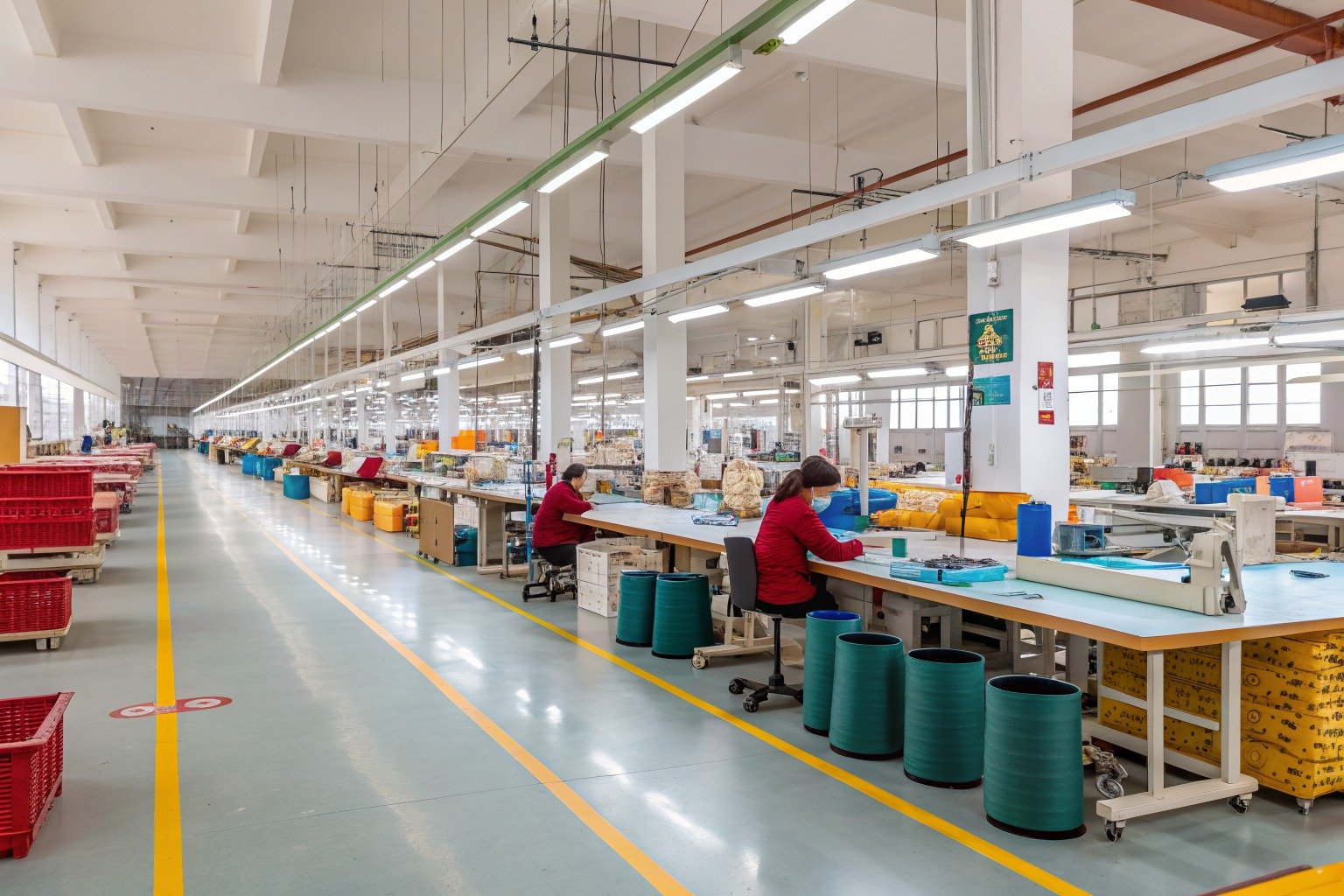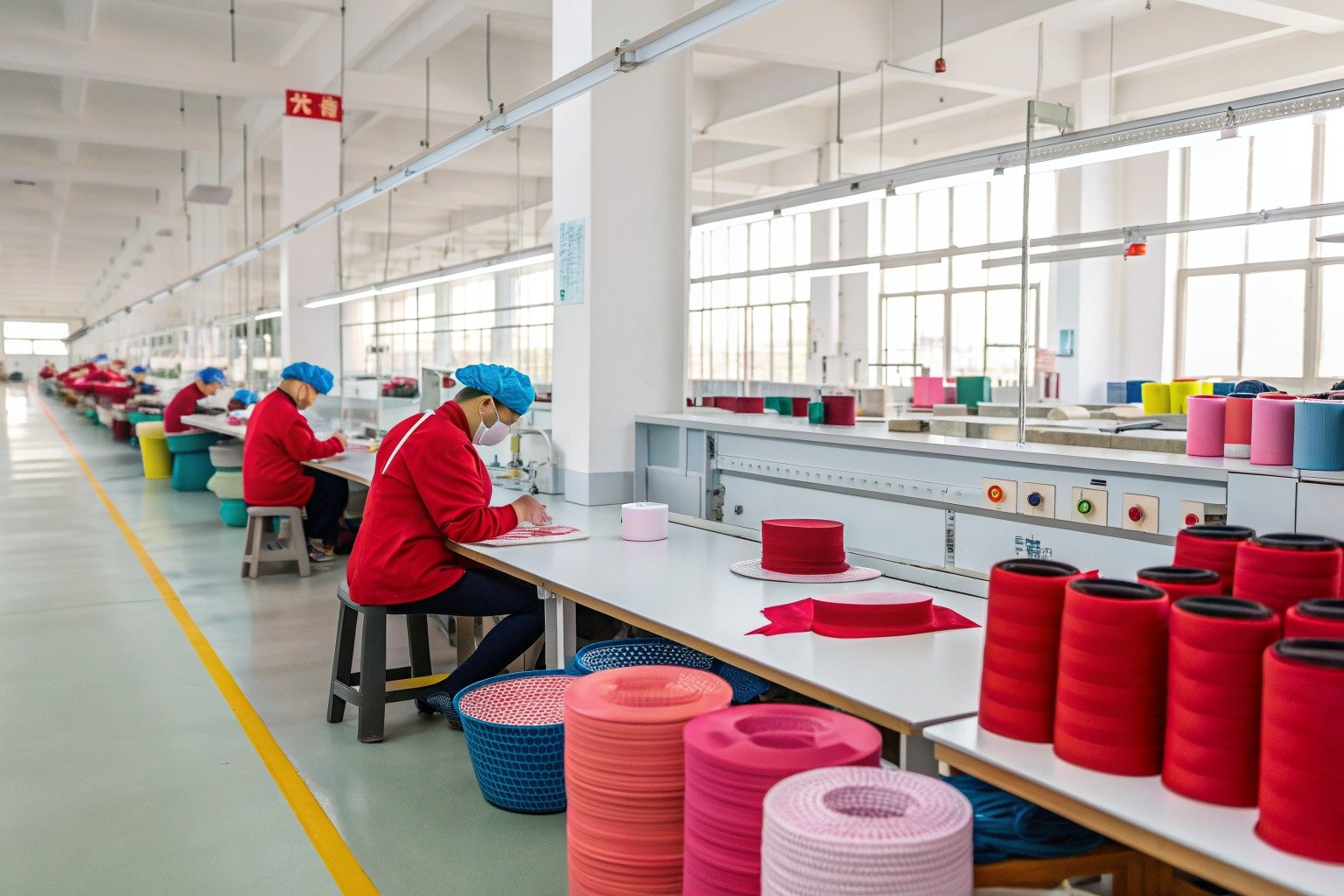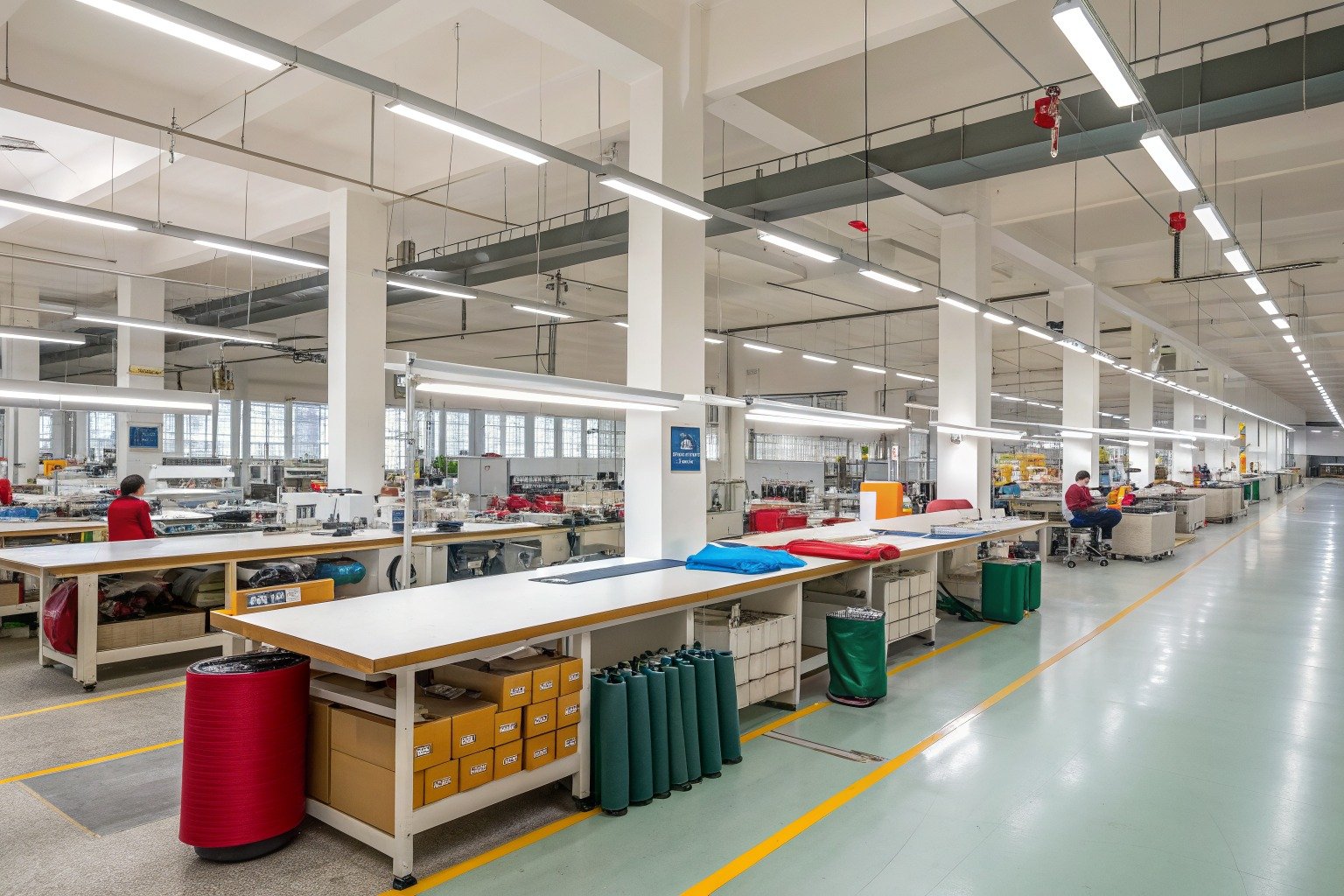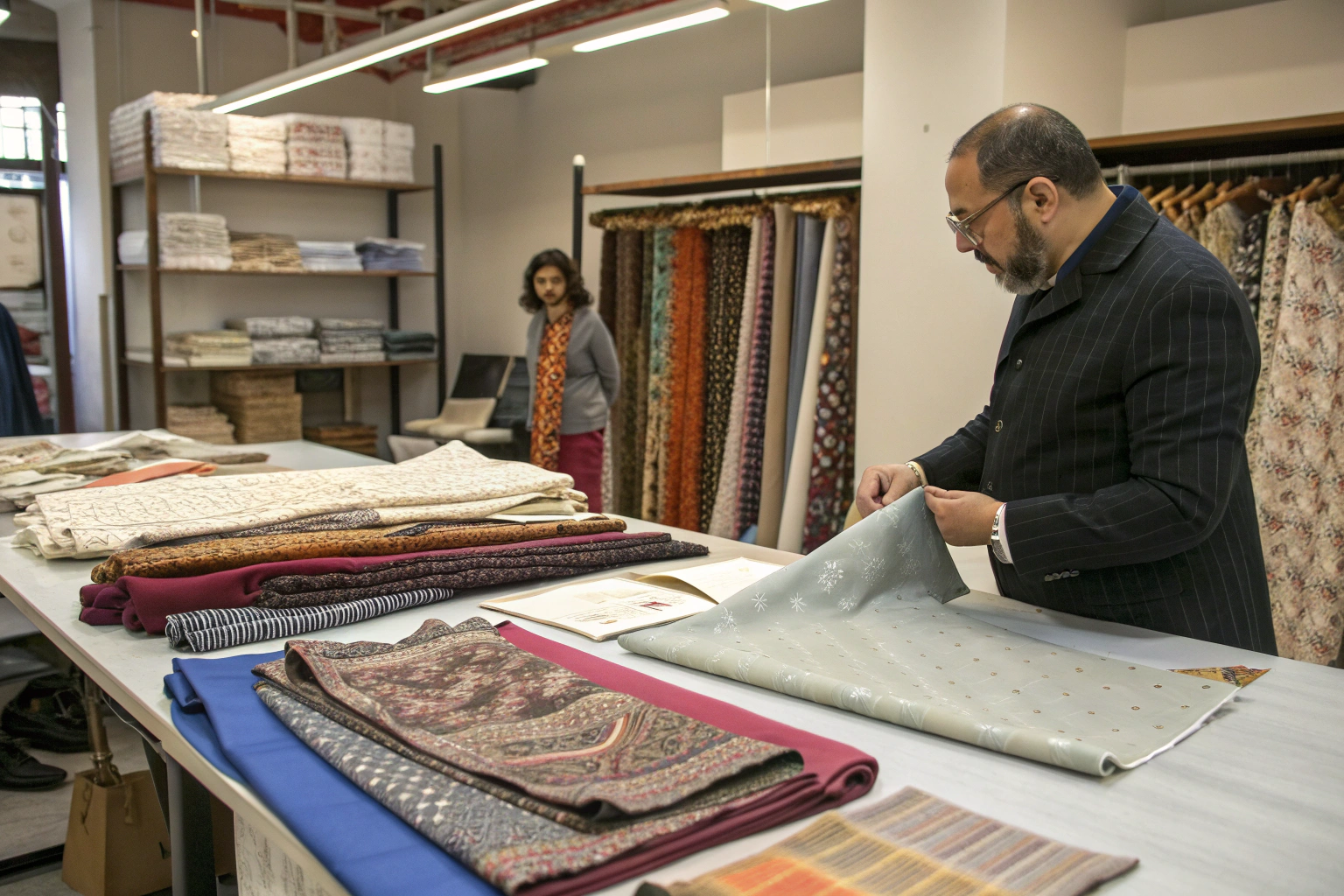
As a manufacturer of fashion accessories for over two decades, I’ve seen firsthand that the soul of a shawl is its fabric. A buyer like Ron from the US can come to me with a beautiful print and a perfect design, but if it’s executed on the wrong material, the entire project fails. The fabric dictates the shawl’s drape, its feel against the skin, its price point, and its perceived value. A common pain point for importers is being overwhelmed by choice and not knowing how to match a fabric to their market and design goals.
So, how do you choose the right fabric when sourcing custom shawl production in China? The key is to think strategically, balancing four critical factors: first, the Fiber Content, which determines the core properties; second, the Weave and Weight, which dictate the drape and structure; third, the Printability and Finish, which affect the final look; and finally, the Target Price Point and Perceived Value. It’s a systematic process of aligning the material with your brand’s promise.
This isn’t just about picking a pretty cloth; it’s about making an informed business decision. At my factory, we guide our clients through this process every day. In this article, I’ll share the framework we use to help you choose the perfect fabric for your next shawl collection.
What Are the Main Fiber Content Options?
The journey begins with the fiber itself—the raw material from which the yarn is spun. The fiber content is the DNA of your fabric, defining its fundamental characteristics like softness, warmth, and cost.
The fiber content is the most important decision you will make. For shawls, the main options fall into a few categories: Animal Fibers like wool and cashmere for warmth and luxury; Plant-Based Fibers like cotton and modal for breathability and a casual feel; and Synthetic Fibers like polyester for durability and affordability. At Shanghai Fumao Clothing, our sourcing team has deep expertise in the pros and cons of each fiber type, helping clients match the material to their brand identity.
What are the benefits of Animal Fibers?
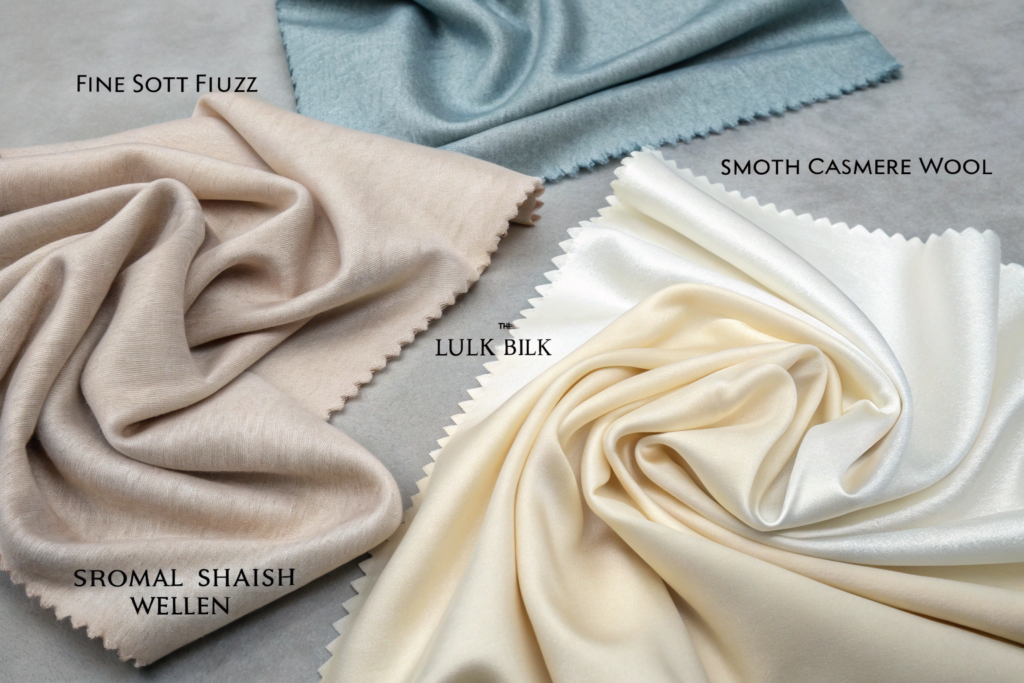
- Wool/Cashmere: These are the kings of warmth and luxury. Cashmere is exceptionally soft and lightweight for its insulating power, making it a premium choice. Merino wool is another excellent option, offering softness without the itchiness of traditional wool. These fibers are ideal for high-end autumn and winter collections.
- Silk: Silk is prized for its incredible softness, smooth feel, and beautiful, subtle luster. It’s lightweight and drapes beautifully, making it the perfect canvas for high-end, printed scarves for all seasons. Its history as a luxury good is well-documented by institutions like the Victoria and Albert Museum.
What about Plant-Based and Synthetic Fibers?
- Cotton/Modal: Cotton is breathable, soft, and has a casual, natural feel. Modal, a type of rayon made from beech trees, is often blended with cotton to add incredible softness and a smoother drape. A cotton/modal blend is a fantastic choice for a comfortable, versatile, and mid-priced spring/summer shawl.
- Polyester: Modern polyester is a highly versatile and affordable option. It is durable, wrinkle-resistant, and an excellent base for vibrant, sharp digital printing. High-quality "polyester twill" or "polyester chiffon" can mimic the feel of silk at a fraction of the cost, making it a smart choice for large-volume, price-conscious collections. This evolution of synthetics is a key topic in textile science.
How Do Weave and Weight Affect the Drape?
Once you’ve chosen your fiber, the next question is how those fibers are woven together. The weave structure and the fabric’s weight (measured in grams per square meter, or GSM) are what determine how the shawl will hang and move. This is known as the "drape."
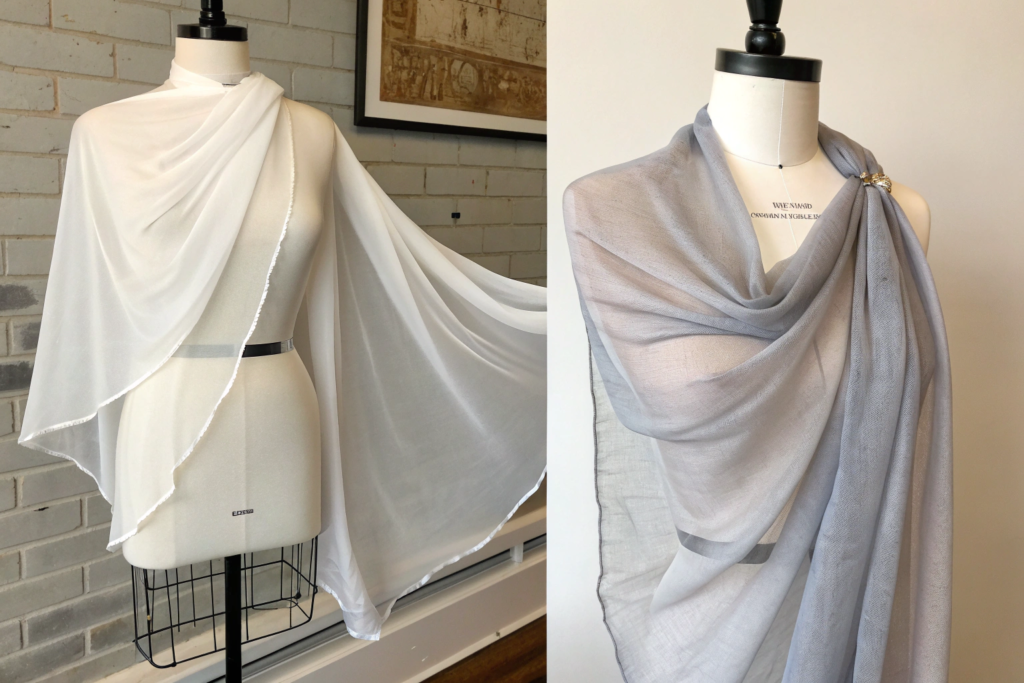
The weave and weight are critical for achieving the right silhouette and feel. A loose, open weave like a gauze or chiffon will be airy and transparent, creating a soft, ethereal drape. A tighter, denser weave like a twill or satin will be opaque and have a more structured, luxurious drape.
What is a Plain Weave vs. a Twill Weave?
- Plain Weave: This is the simplest weave structure, with yarns interlacing in a basic over-under grid. Fabrics like chiffon, voile, and gauze are plain weaves. They tend to be lighter and more delicate. A plain weave is a great choice for a breezy, casual summer shawl.
- Twill Weave: In a twill weave, the yarns are interlaced to create a subtle diagonal pattern on the fabric’s surface (like on a pair of denim jeans). This structure creates a stronger, more durable, and more opaque fabric with a beautiful drape. A silk twill or a polyester twill is a classic, high-end choice for printed scarves because it feels substantial and luxurious.
How does GSM affect the feel?
GSM (Grams per Square Meter) is the metric measurement of a fabric’s weight. A lower GSM (e.g., fifty GSM) indicates a very lightweight, sheer fabric like a chiffon. A higher GSM (e.g., one hundred fifty GSM or more) indicates a heavier, more substantial fabric, like a winter wool shawl. When you provide a factory with a target GSM, it gives them a precise technical specification to match. This is a fundamental concept in fabric sourcing.
How Does Fabric Choice Impact Printing?
If your shawl design includes a print, your fabric choice is even more critical. Not all fabrics are a good canvas for all types of prints. The fiber content and the surface texture of the fabric will dramatically influence how it accepts the ink.
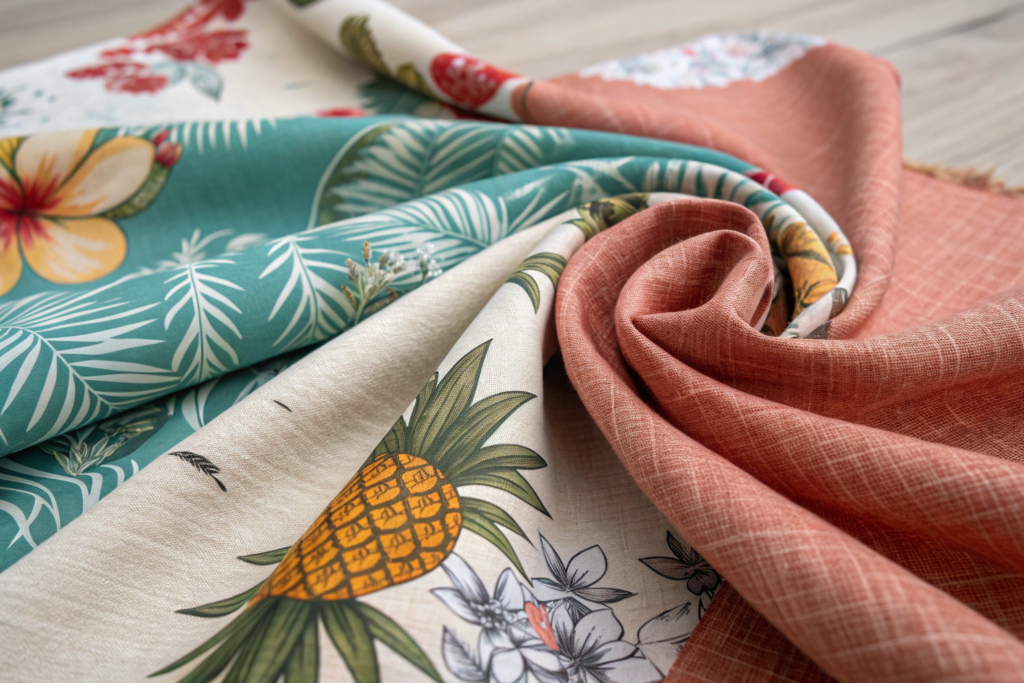
The fabric you choose must be compatible with your desired print aesthetic. Smooth, synthetic fabrics like polyester are the perfect canvas for sharp, vibrant, photorealistic digital prints. Natural fibers like cotton or linen have a more porous surface, which results in a softer, more muted print with a vintage feel. At Shanghai Fumao Clothing, our printing specialists work with clients to select a fabric that will enhance their artwork, not fight against it.
Why is polyester so good for digital printing?
Digital printing on textiles typically uses sublimation inks. In this process, the ink is printed onto a paper and then heat-pressed onto the fabric. The heat turns the ink into a gas, which then permanently bonds with the synthetic fibers. This process allows for incredible detail and color vibrancy. Because the ink becomes part of the fiber itself, the print is also extremely durable and has a very soft feel.
What should you expect when printing on natural fibers?
Printing on natural fibers like cotton, linen, or silk requires a different process, often using reactive or pigment inks. While the results can be beautiful, the nature of the fiber itself will affect the outcome. The ink tends to absorb into the natural fibers more, which can result in a slightly softer, less razor-sharp edge compared to polyester. This is not a flaw; it’s a characteristic. It’s perfect for creating a more "artistic" or "bohemian" look, but if you need hyper-sharp, saturated colors, polyester is often the better technical choice. The science behind these different textile printing methods is fascinating.
How Do You Balance Quality and Price Point?
This is the final and most important business decision. You might dream of creating a pure cashmere shawl, but if your target customer’s budget is much lower, it’s not a viable product. The key is to find the "sweet spot" of perceived value for your specific market.
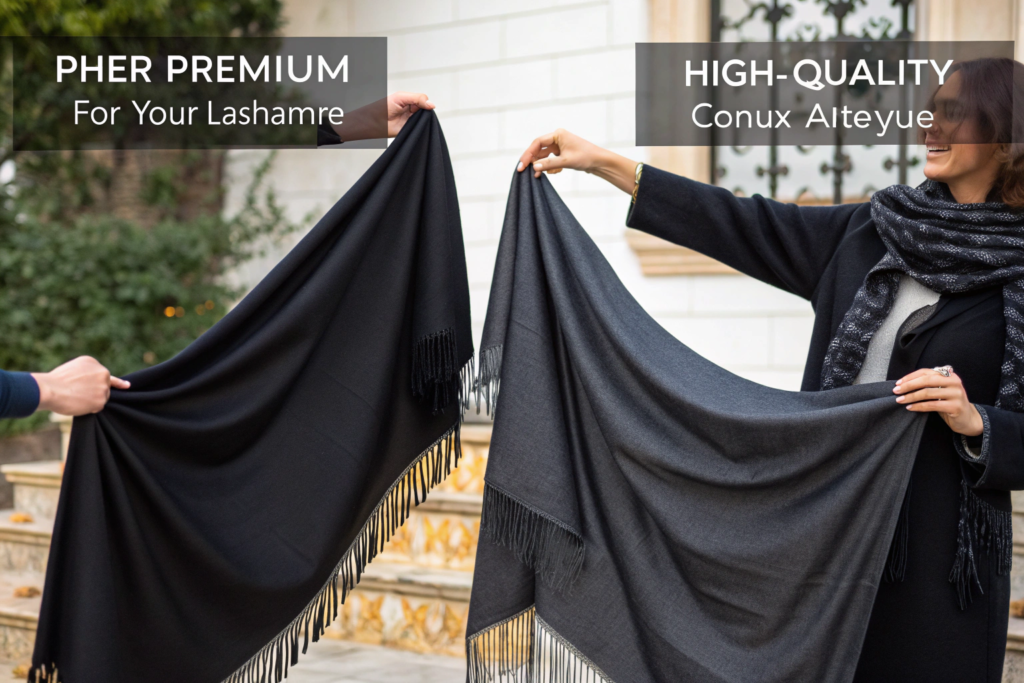
Balancing quality and price means making strategic choices to deliver the best possible product within your target budget. This often involves using smart blends—like a wool/acrylic blend to get warmth at a lower cost—or choosing a high-quality version of a more affordable material, like a premium polyester twill instead of silk. A good manufacturing partner can offer you these strategic alternatives. It’s a conversation we have with every client to ensure their product is not only beautiful but also commercially successful.
What are "smart blends"?
A "smart blend" combines a luxury fiber with a more affordable one to achieve a desired characteristic at a better price. For example:
- Wool/Acrylic: Blending wool with acrylic can create a shawl that is warm and soft, but significantly less expensive and easier to care for than pure wool.
- Silk/Modal: Blending silk with modal creates a fabric that has the beautiful drape and subtle sheen of silk, but is more affordable and often has a lovely, soft hand-feel.
- Cotton/Polyester: This classic blend offers the breathability of cotton with the durability and wrinkle-resistance of polyester.
How do you maximize "perceived value"?
Perceived value is about how luxurious a product feels relative to its price. You can maximize this by focusing on the details. A shawl made from a high-quality, heavy polyester twill with a beautiful, hand-rolled hem can have a higher perceived value than a shawl made from a low-grade, thin silk with a machine-stitched edge. Sometimes, investing in a better finish on a more affordable fabric is a smarter business decision than using a premium fabric with a cheap finish. This is a core concept in product marketing.
Conclusion
Choosing the right fabric for your custom shawl is a strategic process, not a game of chance. It requires a thoughtful analysis of your design, your brand, and your customer. By systematically considering the Fiber Content for its core properties, the Weave and Weight for the drape, the Printability for your artwork, and the final Price Point, you can navigate the vast world of textiles with confidence. This methodical approach ensures that the fabric you choose will not only create a beautiful product but will also align perfectly with your business goals, resulting in a shawl that your customers will love and value.
If you are looking for a manufacturing partner in China who can provide not just production, but also expert guidance through this critical fabric selection process, my team at Shanghai Fumao Clothing is here to help. We believe a great collection is built on a foundation of great material choices. Please contact our Business Director, Elaine, at her email: elaine@fumaoclothing.com to start the conversation.