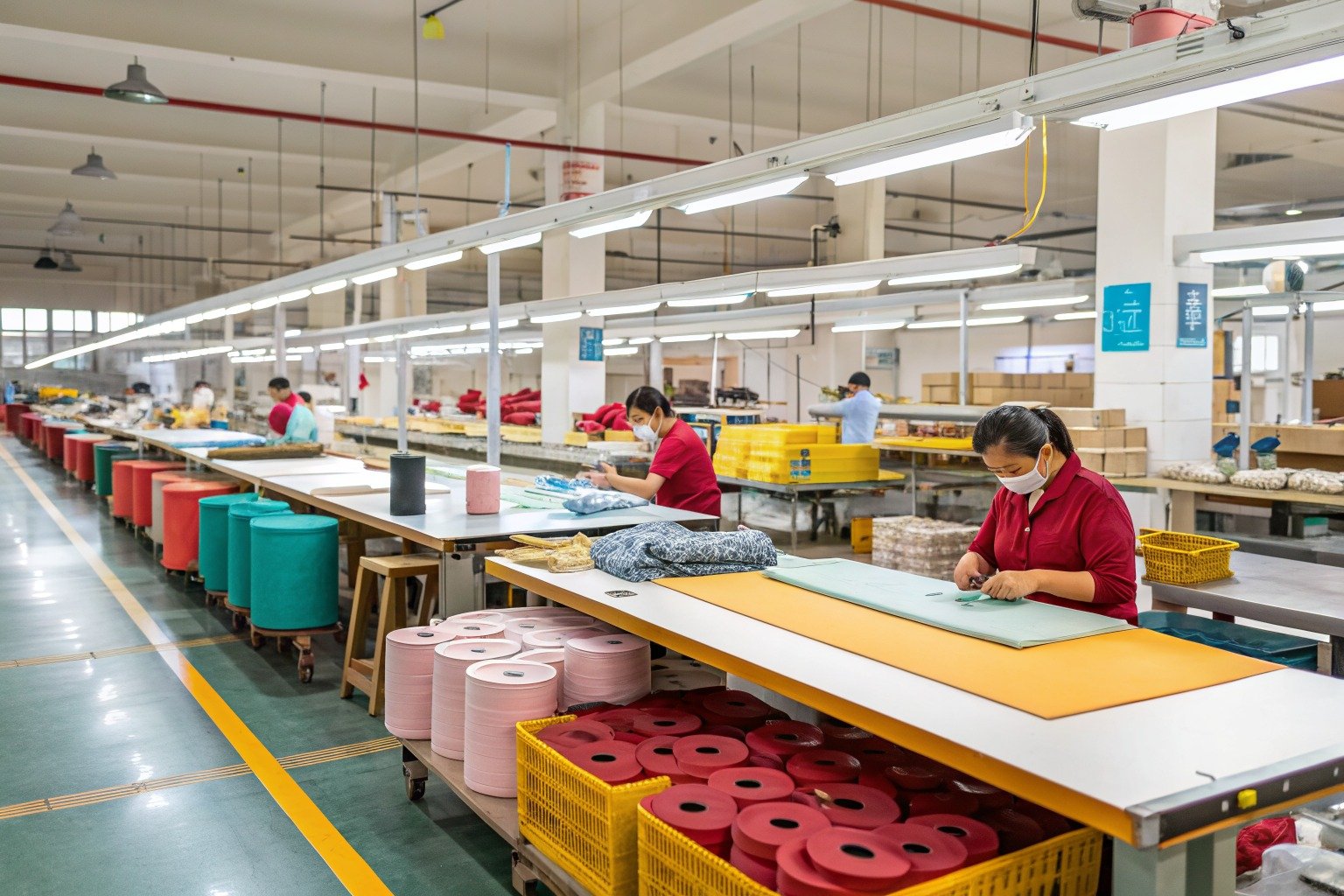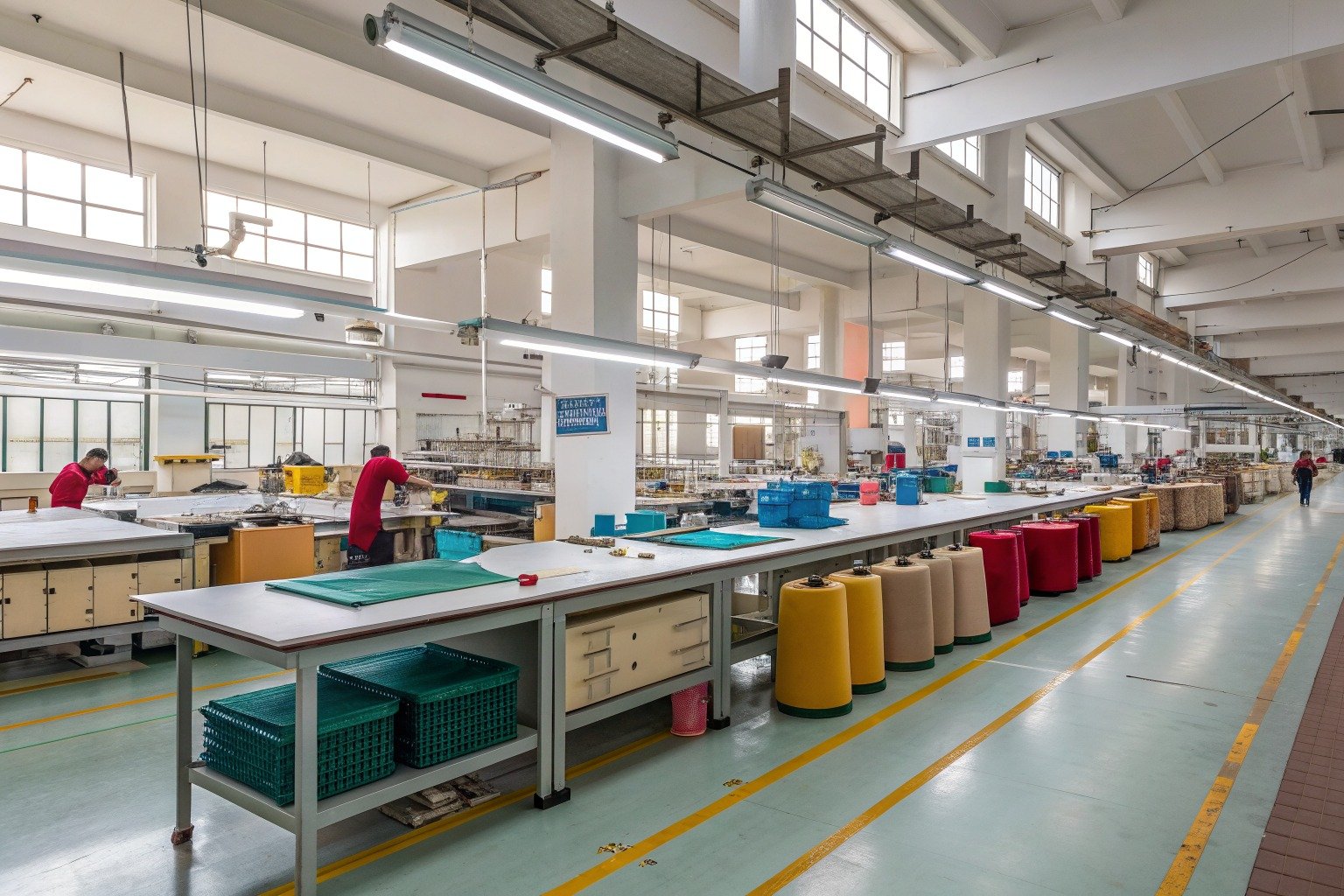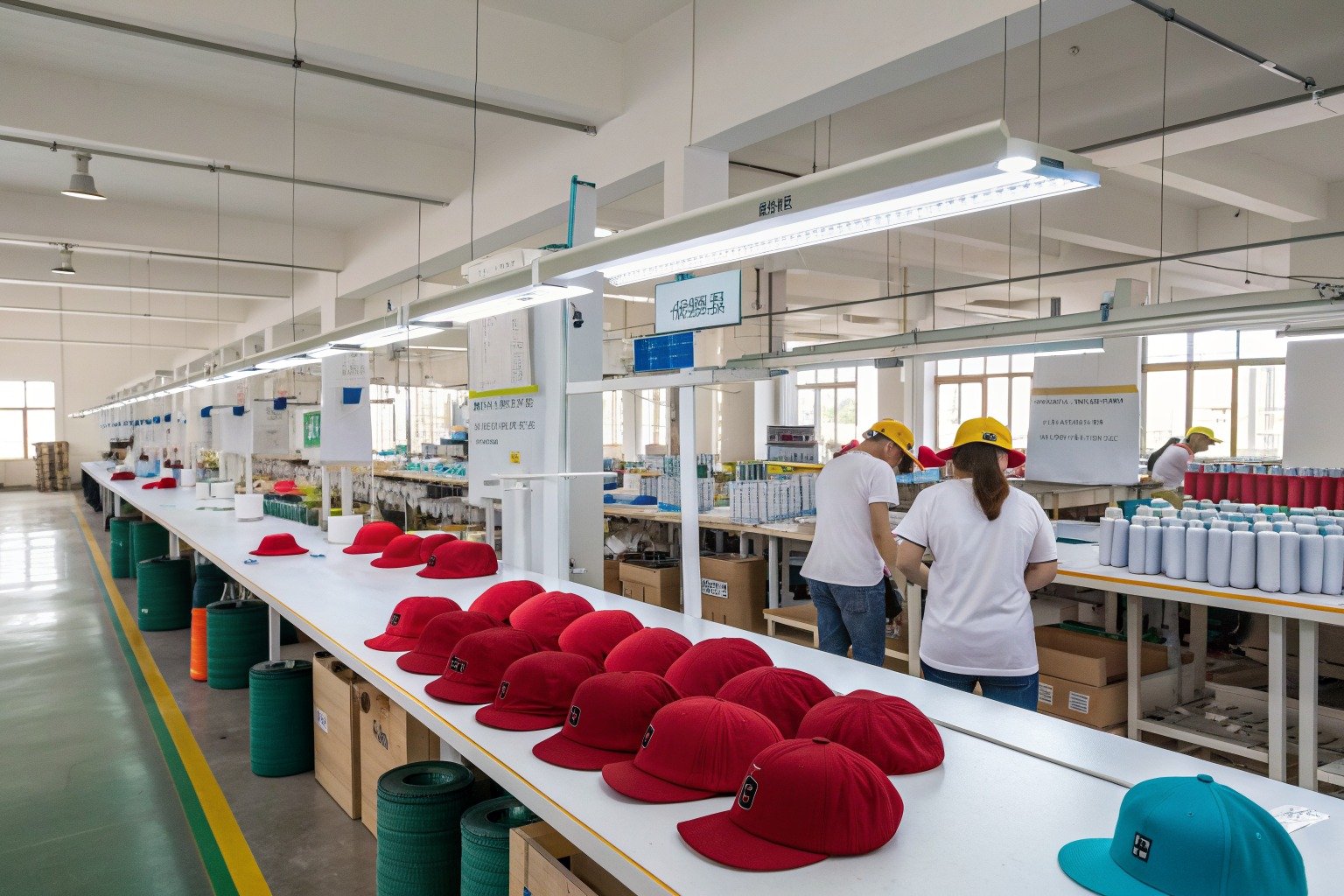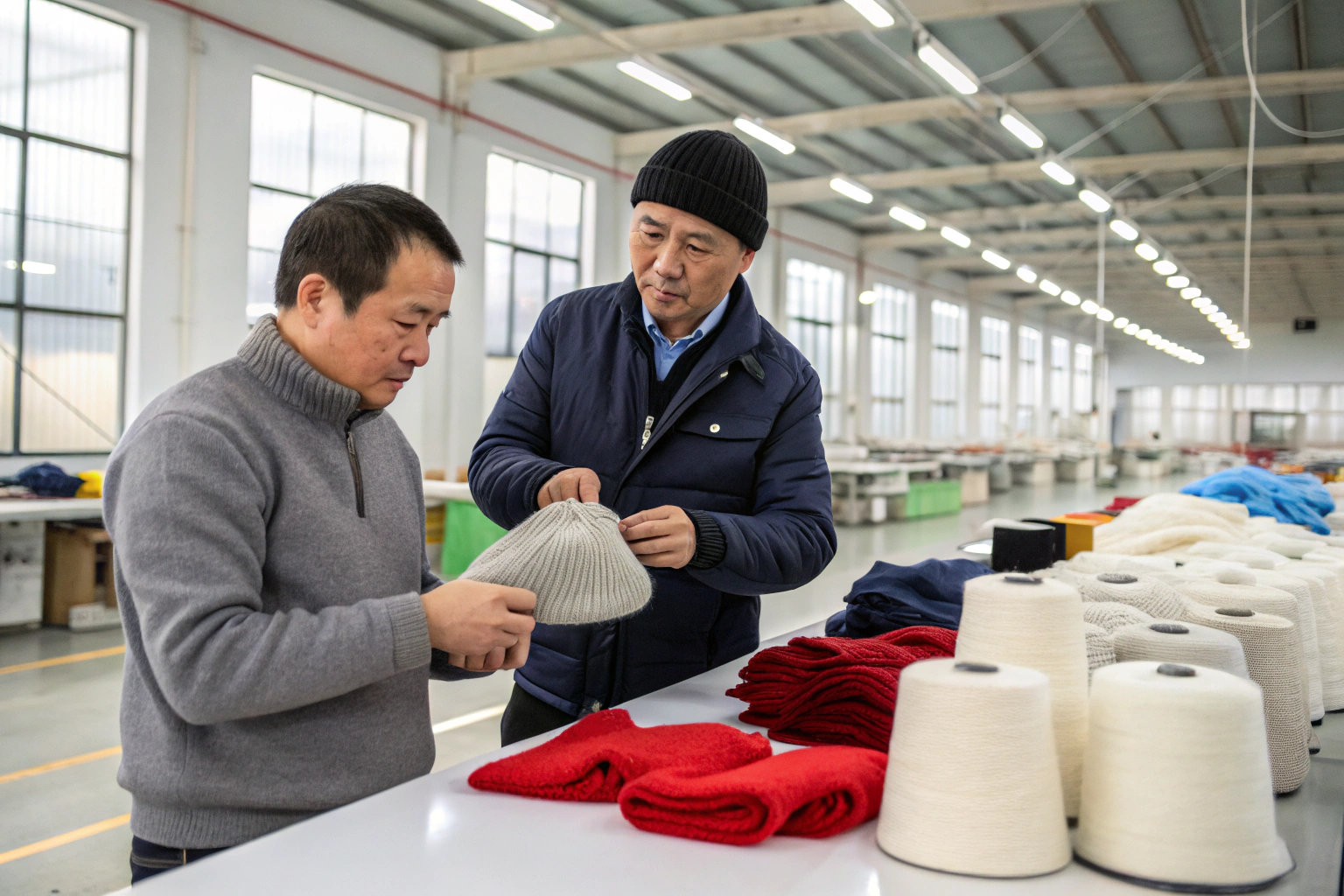
As a manufacturer of fashion accessories for over two decades, I’ve had countless conversations with buyers like Ron from the US about the fundamentals of a great product. When it comes to knit hats, the discussion always comes back to one critical factor: the material. A common pain point for buyers is a hat that looks good on the shelf but quickly loses its shape, becomes itchy, or pills after a few wears. This leads to customer dissatisfaction and damages the brand’s reputation for quality.
The key lies in blending a primary fiber, which provides the core characteristics like softness and warmth, with a small percentage of an elastic fiber, like spandex, to provide stretch and recovery. The most successful primary fibers are Merino Wool for premium warmth, Acrylic for cost-effective versatility, and Cotton for breathable comfort.
The secret to a perfect knit hat isn’t just choosing one material; it’s about creating the ideal blend. At my factory, we are experts in yarn sourcing and blending, and we guide our clients to the perfect combination for their target market and price point. In this article, I’ll break down the pros and cons of the best materials, so you can understand what makes a truly great stretchy knit hat.
Why is "Stretch and Recovery" So Important?
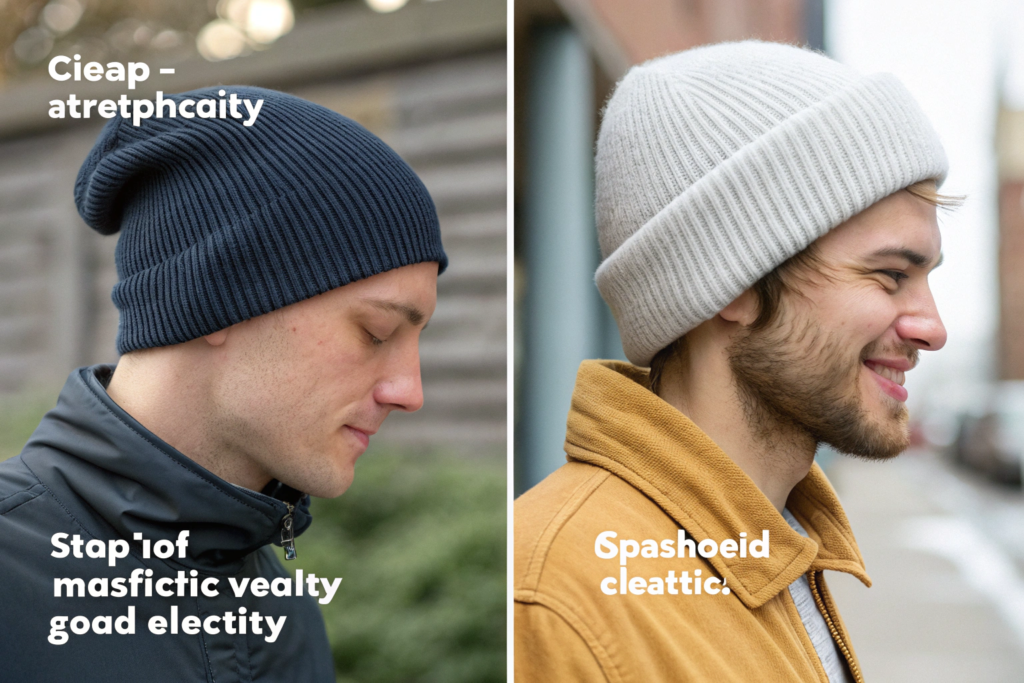
Why can’t you just make a hat out of 100% wool or cotton? The problem is that while these natural fibers have some mechanical give, they lack true elasticity. A hat made from 100% cotton, for example, will stretch out over time and won’t return to its original shape, resulting in a loose, sloppy fit.
"Stretch and recovery" is the most critical functional aspect of a knit hat. "Stretch" allows the hat to comfortably fit a wide range of head sizes, while "recovery" (or elasticity) is the material’s ability to snap back to its original shape after being stretched. Without good recovery, a hat quickly becomes unwearable. This is the first thing we explain to our clients at Shanghai Fumao Clothing. A great fit is not an accident; it’s a result of intelligent material science. Let’s explore the fiber that makes this possible.
What is the role of Spandex (Elastane)?
Spandex, also known by the brand name Lycra, is the unsung hero of almost every stretchy knit hat. It is a synthetic polymer known for its exceptional elasticity. A fiber of spandex can be stretched over 500% of its length and will return perfectly to its original size.
We typically blend a small amount of spandex—usually just 1% to 5%—with the primary fiber. This tiny percentage is all that’s needed to impart excellent stretch and recovery to the yarn. It gives the hat its snug, comfortable fit and ensures it will keep that fit for years to come. It’s a small addition that makes a massive difference in the final product’s quality and longevity.
How does the knit pattern contribute to stretch?
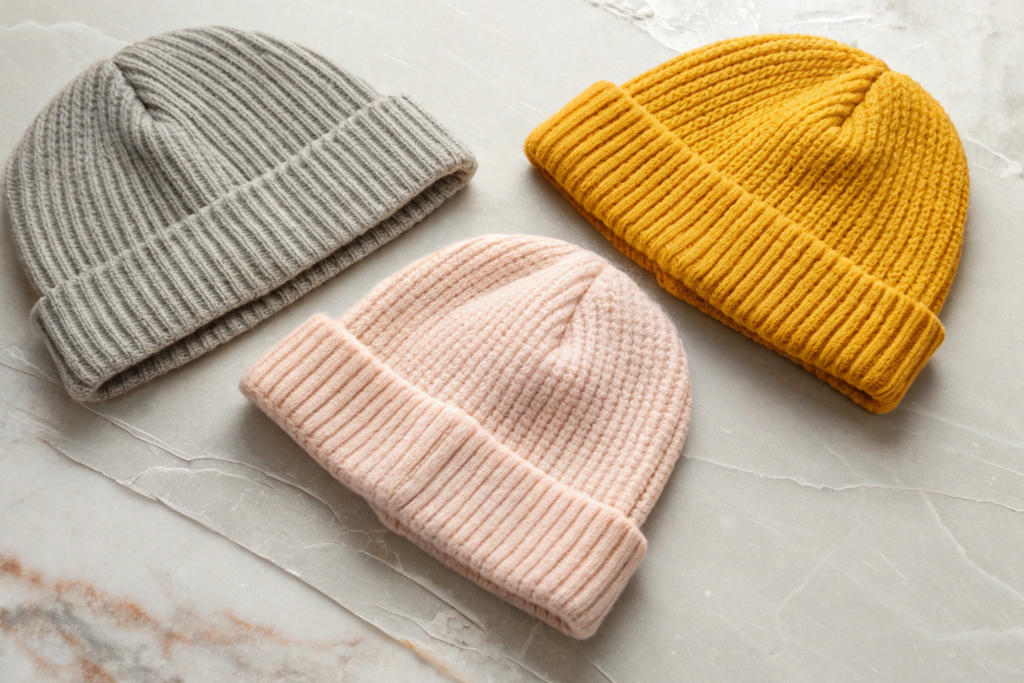
Beyond the material itself, the way the hat is knit also plays a huge role in its stretchiness. The most common stitch for knit hats is a rib knit. A rib knit is a pattern of alternating knit and purl stitches (e.g., 1×1 rib or 2×2 rib) that creates vertical "ribs" in the fabric.
This structure is inherently stretchy. The ribs can expand and contract like an accordion, providing a great deal of mechanical stretch. When you combine a stretchy rib knit pattern with a yarn that has spandex blended into it, you get the ultimate stretchy, comfortable, and form-fitting hat. This combination of material and structure is fundamental to good knitwear design, a topic covered extensively by resources like the Knitting Guild Association.
The Primary Fibers: Wool, Acrylic, and Cotton
Now that we understand the importance of spandex and knit structure, let’s look at the main ingredient: the primary fiber. This is what will determine the hat’s core characteristics—its warmth, its softness, its price, and its overall feel.
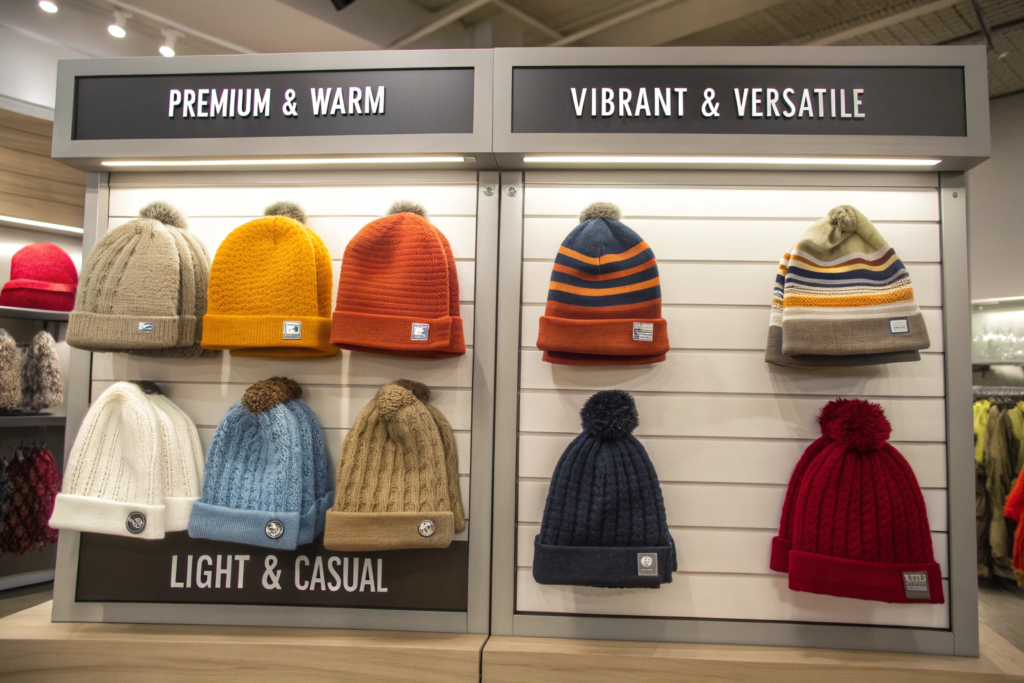
The three most common and effective primary fibers for stretchy knit hats are Merino Wool, Acrylic, and Cotton. Merino Wool is the premium choice for warmth and softness. Acrylic is the versatile, cost-effective workhorse. Cotton is the best option for lightweight, breathable, all-season wear.
Choosing the right primary fiber depends entirely on your brand’s target customer, desired price point, and intended use. As a manufacturer, we help our clients navigate this choice to create the perfect product. Let’s compare them.
Why is Merino Wool the premium option?
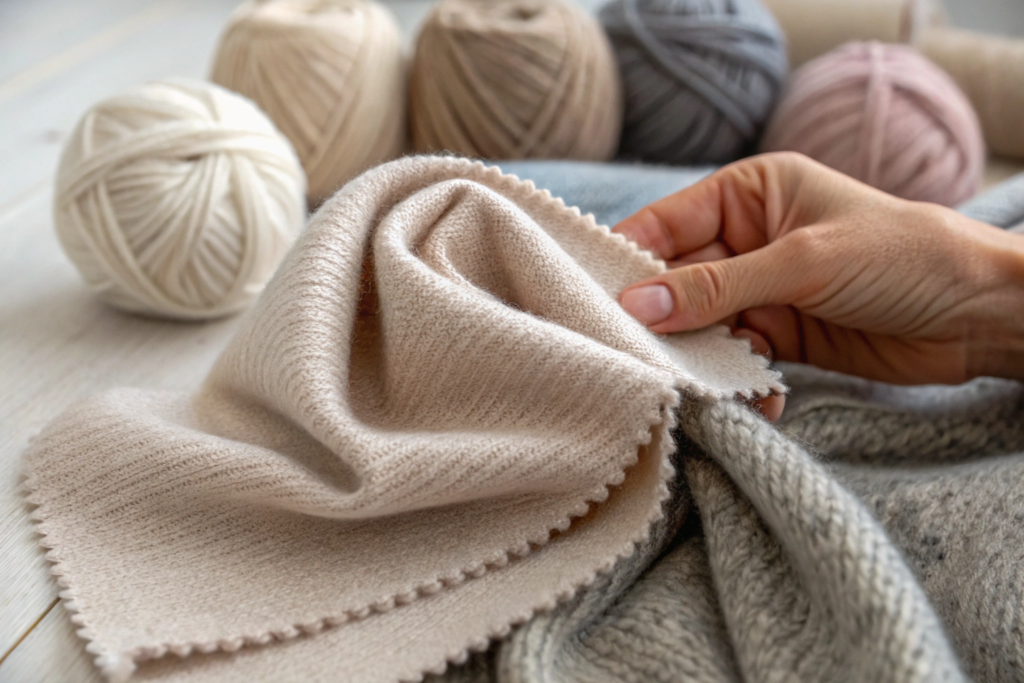
Merino wool comes from the Merino sheep and is prized for its incredibly fine and soft fibers. Unlike traditional, "itchy" wool, merino is soft enough to be worn directly against the skin. Its benefits are numerous:
- Exceptional Warmth: The natural crimp in wool fibers creates tiny air pockets that trap body heat, providing excellent insulation.
- Moisture-Wicking & Breathable: Wool can absorb up to 30% of its weight in moisture without feeling wet, wicking sweat away from the skin to keep you dry and comfortable.
- Odor-Resistant: It has natural antimicrobial properties that prevent the growth of odor-causing bacteria.
- Premium Feel: It has a luxurious, soft hand-feel and a beautiful drape that signals a high-quality product.
The main downside is cost. Merino wool is significantly more expensive than acrylic or cotton. It’s the perfect choice for high-end outdoor, athletic, or fashion brands.
What are the advantages of Acrylic?
Acrylic is a synthetic fiber that was developed as a man-made imitation of wool. Modern, high-quality acrylics are surprisingly soft and offer excellent performance at a much lower cost. Its advantages include:
- Cost-Effective: Acrylic is much less expensive than wool, making it ideal for creating affordable, mass-market hats.
- Vibrant Colors & Easy Care: It takes dye exceptionally well, allowing for bright, saturated colors that don’t fade. It’s also machine washable and resistant to shrinking.
- Hypoallergenic: For people with wool allergies, acrylic is a great, non-itchy alternative.
- Good Warmth: While not as warm as wool, it still provides good insulation.
The main con is that it is not as breathable as natural fibers. However, for its price and versatility, acrylic is the most popular material for fashion beanies.
What About Blends and Specialty Yarns?
Beyond the big three, the world of yarn is vast and full of exciting possibilities. For brands looking to create a truly unique product with a specific feel or story, exploring blends and specialty yarns is the next step.
To create a product with a unique selling proposition, we often work with specialty blends. This involves blending fibers to achieve the best properties of each, such as adding a small amount of Cashmere or Alpaca for ultra-softness, or using recycled fibers for a sustainability-focused story.This is where we can get really creative at Shanghai Fumao Clothing. By fine-tuning the blend, we can create a proprietary fabric for a brand that no one else has. Let’s look at a few popular options.
How are luxury fibers like Cashmere and Alpaca used?
Fibers like cashmere (from goats) and alpaca are known for their incredible softness, warmth, and lightweight feel. They are also very expensive. It’s rare to see a hat made from 100% cashmere.
Instead, we create a luxury blend. For example, we might create a yarn that is 85% Merino Wool, 10% Cashmere, and 5% Spandex. That small percentage of cashmere dramatically increases the softness and perceived value of the hat, creating a super-premium product without the astronomical cost of pure cashmere. This is a common strategy for high-end fashion brands.
What are the options for sustainable materials?
Sustainability is no longer a niche request; it’s a major trend. For brands with an eco-conscious customer base, the material story is everything. We have a growing number of options in this space:
- Recycled Polyester: This is made from post-consumer plastic bottles. It’s a durable and cost-effective fiber that helps to reduce plastic waste. It’s often blended with cotton or wool.
- Recycled Cotton: This is made from post-industrial or post-consumer cotton waste, which reduces water and energy consumption compared to virgin cotton.
- Organic Cotton: This is cotton grown without the use of synthetic pesticides or fertilizers, which is better for the soil and farmers.
Using these materials allows a brand to build a powerful marketing story around its commitment to the environment, a story that resonates deeply with many modern consumers. Organizations like the Textile Exchange are excellent resources for learning about these certified sustainable materials.
How Do Blends Create Unique Products?
Beyond the big three, the world of yarn is vast and full of exciting possibilities. For brands looking to create a truly unique product with a specific feel or story, exploring blends and specialty yarns is the next step.
To create a product with a unique selling proposition, we often work with specialty blends. This involves blending fibers to achieve the best properties of each, such as adding a small amount of Cashmere or Alpaca for ultra-softness, or creating a performance blend of wool and polyester for technical outerwear. This is where we can get really creative. By fine-tuning the blend, we can create a proprietary fabric for a brand that no one else has. Let’s look at a few popular options.
How are luxury fibers like Cashmere and Alpaca used?
Fibers like cashmere (from goats) and alpaca are known for their incredible softness, warmth, and lightweight feel. They are also very expensive. Instead of making a 100% cashmere hat, we create a luxury blend. For example, we might create a yarn that is 85% Merino Wool, 10% Cashmere, and 5% Spandex. That small percentage of cashmere dramatically increases the softness and perceived value of the hat, creating a super-premium product without the astronomical cost of pure cashmere. This is a common strategy for high-end fashion brands found at retailers like Nordstrom.
What is a performance blend?
A performance blend is designed for a specific technical function, usually for athletic or outdoor use. A classic example is a wool/polyester blend. For instance, a yarn of 60% Merino Wool, 35% Recycled Polyester, and 5% Spandex. In this blend, the merino wool provides warmth, breathability, and odor control. The polyester adds significant durability and speeds up drying time. This creates a fabric that is perfect for a high-performance running or hiking beanie, a category where brands like Smartwool have built their entire business.
Conclusion
The secret to a perfect stretchy knit hat lies in the intelligent combination of materials. It starts with a foundation of 1-5% spandex to provide the crucial stretch and recovery that ensures a lasting, comfortable fit. This is then blended with a primary fiber that defines the hat’s character: luxurious Merino Wool for premium warmth, versatile Acrylic for accessible fashion, or breathable Cotton for casual comfort. By understanding the unique properties of each fiber and partnering with a manufacturer who has deep expertise in yarn blending and knit construction, you can create a product that not only looks great on the shelf but also delivers the quality, comfort, and performance that will earn you loyal customers for years to come.
If you are looking to develop a collection of high-quality knit hats and need a partner to help you navigate the world of materials, my team at Shanghai Fumao Clothing is here to help. We have the expertise to guide you to the perfect blend for your brand’s vision and budget. Please feel free to contact our Business Director, Elaine, at her email: elaine@fumaoclothing.com to start the conversation.