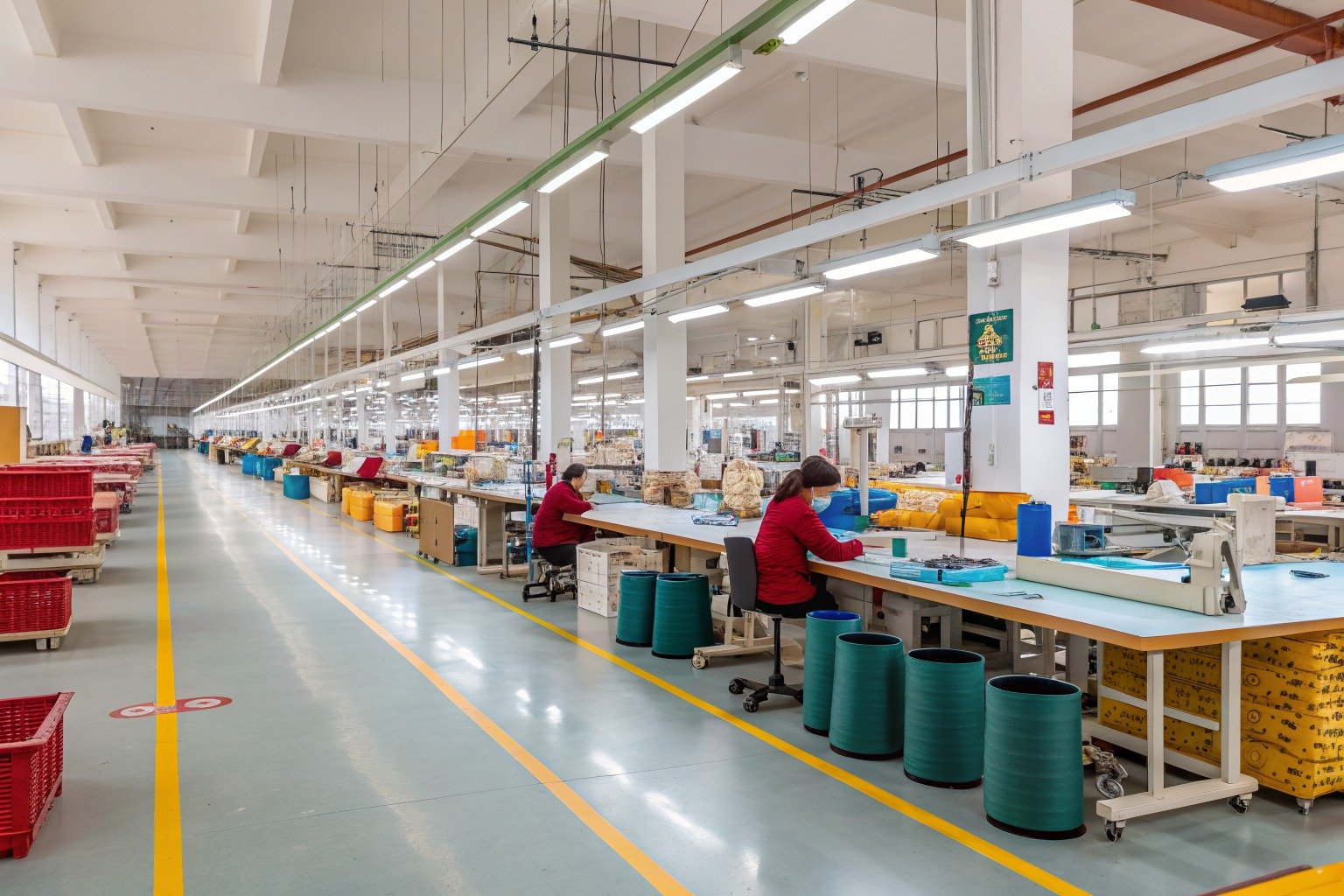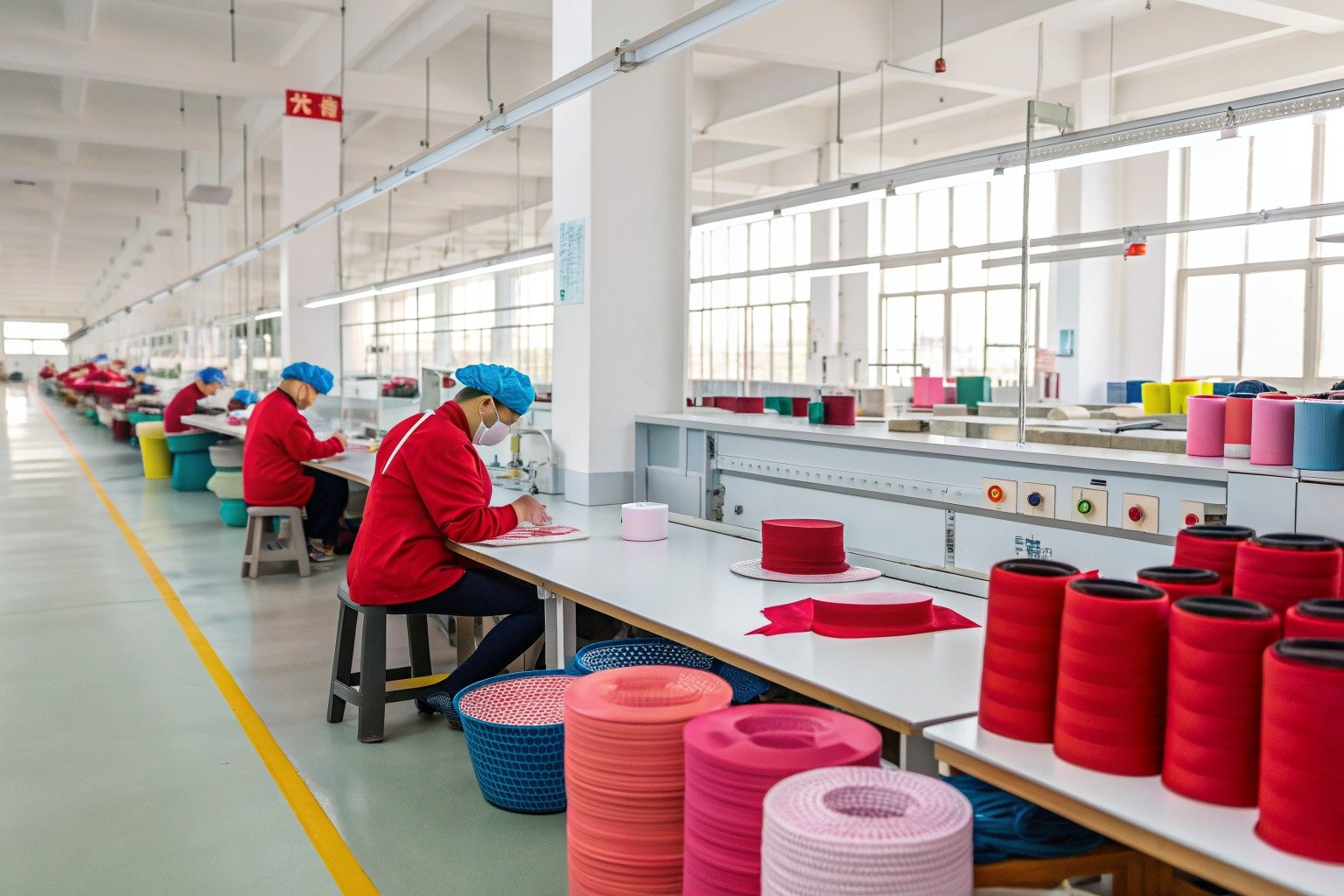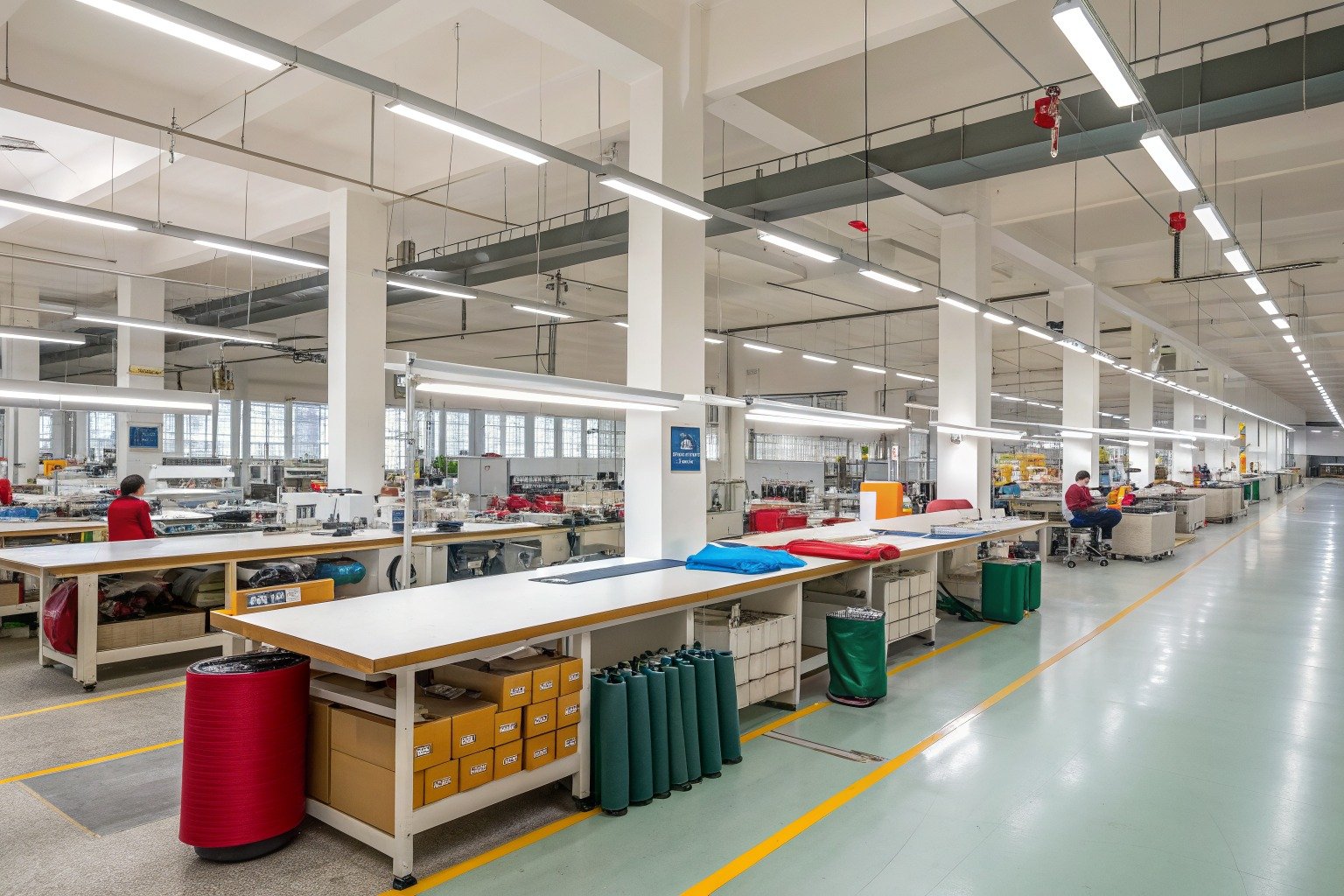
As a manufacturer for over two decades, I’ve seen marketing evolve from print catalogs to today’s immersive digital world. I often talk with buyers like Ron from the US, and a major pain point they face is bridging the gap between their online audience and their physical products. Customers hesitate to buy an accessory like a hat or a pair of earrings online because they can’t answer a simple question: "How will this look on me?" This uncertainty leads to abandoned carts and lost sales.
So, how can you solve this problem and create an exciting, interactive shopping experience? The answer lies in leveraging Augmented Reality (AR) filters on social media platforms like Instagram and TikTok. You can use AR to create a "virtual try-on" experience that allows users to see your accessories on their own faces in real-time, driving engagement, building brand awareness, and ultimately boosting sales.
This isn’t futuristic science fiction; it’s a practical and increasingly essential marketing tool. At my factory, we’re not just making physical products; we’re thinking about how they will live and thrive in the digital world. In this article, I’ll break down how you can use this powerful technology to promote your accessory line.
What is a "Virtual Try-On" AR Filter?
Before we dive into strategy, it’s important to understand what we’re talking about. A "virtual try-on" filter is not just a silly sticker of a hat that floats near your head. It’s a sophisticated piece of technology.
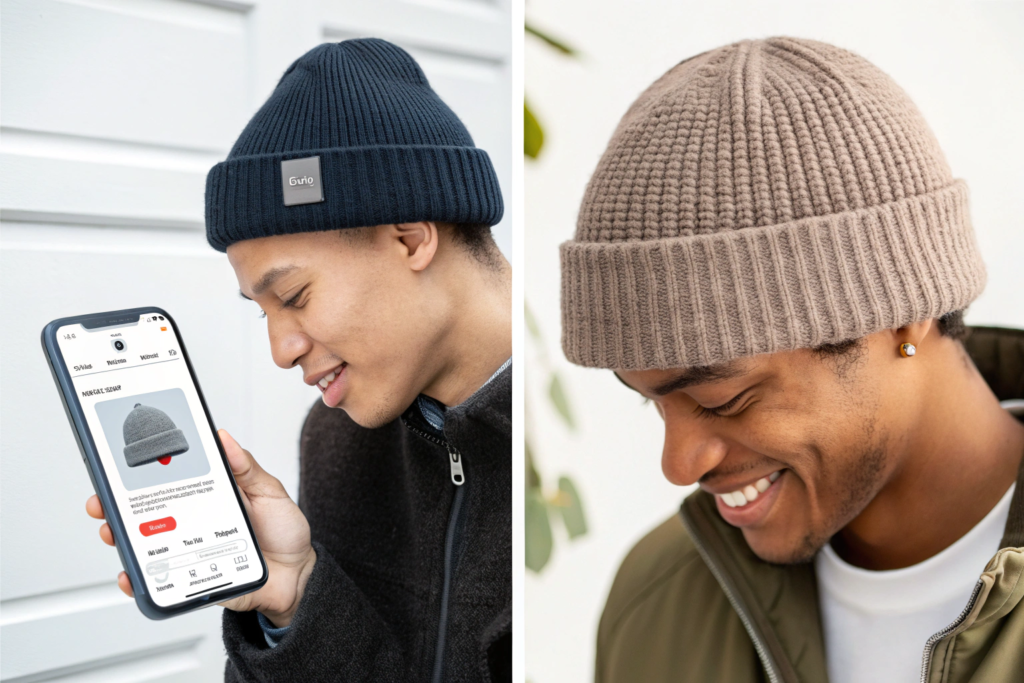
A virtual try-on AR filter is a social media effect that uses a phone’s camera to detect a user’s face and head, then realistically overlays a three-dimensional model of your product onto them. The key is realism: the filter tracks the user’s movements, so the virtual accessory moves with them, and it can even react to lighting changes, creating a convincing illusion that they are actually wearing the product. This technology transforms passive scrolling into an active, engaging brand interaction. It takes the product off the "shelf" of your feed and puts it directly onto your customer.
How does the technology work?
These filters are built using platforms like Meta’s Spark AR (for Instagram and Facebook) or TikTok’s Effect House. The technology uses the phone’s camera to identify key facial feature points—eyes, nose, chin, and the outline of the head. It then uses these points as anchors to place and scale a three-dimensional digital model of your accessory. As the user turns their head or moves closer to the camera, the software adjusts the model’s position and size in real-time.
Why is this more powerful than a simple photo?
A standard photo shows how an accessory looks on a professional model in perfect lighting. A virtual try-on filter answers a much more personal and important question: "How does it look on me, right now, in my environment?" This personal context is incredibly powerful. It removes a major barrier to purchase by giving the customer the confidence that the product will suit them. This shift from passive to active engagement is a core principle of modern digital marketing.
How Do AR Filters Drive Sales and Engagement?
Creating a filter is one thing; understanding how it translates into business results is another. An AR filter is not just a fun gimmick; it’s a powerful marketing engine with multiple benefits.
AR filters drive business results by creating a viral loop of engagement that boosts brand awareness and leads directly to sales. The process works in a few ways: first, it dramatically increases user engagement and content creation; second, it provides a direct path to purchase through "Shop Now" integrations; and third, it generates valuable data on product popularity.
This is a full-funnel marketing tool, from initial awareness right down to conversion.
How do they create viral engagement?
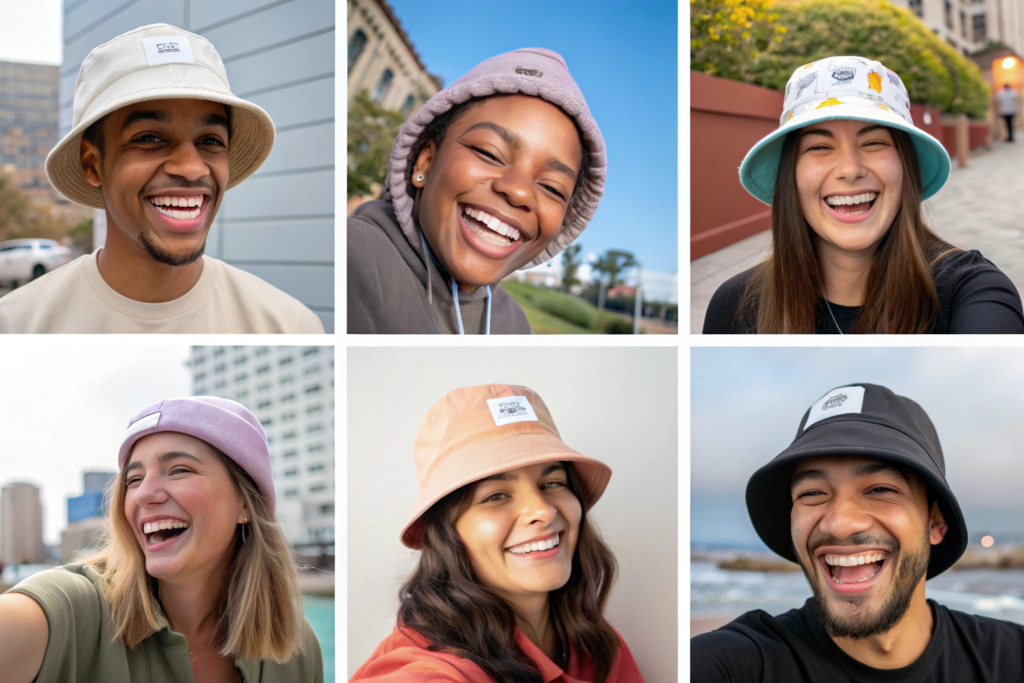
When a user tries on your virtual hat and loves how it looks, what do they do? They take a selfie or a video and share it with their friends or post it to their Stories. Their followers then see the post, which includes a link to "Try this effect." Now, their followers are trying on your virtual hat and sharing it with their followers. This creates an exponential, organic reach that is far more authentic and trusted than a traditional ad. This user-generated content (UGC) is the holy grail of social media marketing, a topic covered extensively by resources like the Sprout Social blog.
How do they lead to a direct purchase?
Platforms like Instagram and TikTok allow you to link your AR filter directly to your product catalog. This means that while a user is virtually trying on your accessory, a "Shop Now" or "View Product" button can appear on the screen. With a single tap, they can be taken directly to the product page on your website to make a purchase. This seamless transition from "trying" to "buying" is incredibly effective at converting interest into sales. This integration of AR and e-commerce is a major focus for platforms like Meta for Business.
What Makes a "Good" Accessory Filter?
Not all filters are created equal. A poorly made filter that is glitchy, unrealistic, or ill-fitting can do more harm than good, making your product look cheap. A "good" filter is one that is both technically excellent and creatively engaging.
A successful accessory filter must be realistic enough to be useful and fun enough to be shareable. The key elements of a high-quality filter are: first, a high-fidelity three-dimensional model of your product; second, accurate and stable tracking to the user’s head; and third, a simple, intuitive user experience. Quality in the digital world reflects on the quality of your physical product. At Shanghai Fumao Clothing, we encourage our clients to invest in high-quality digital assets that match the quality of the accessories we produce for them.
Why is the 3D model so important?
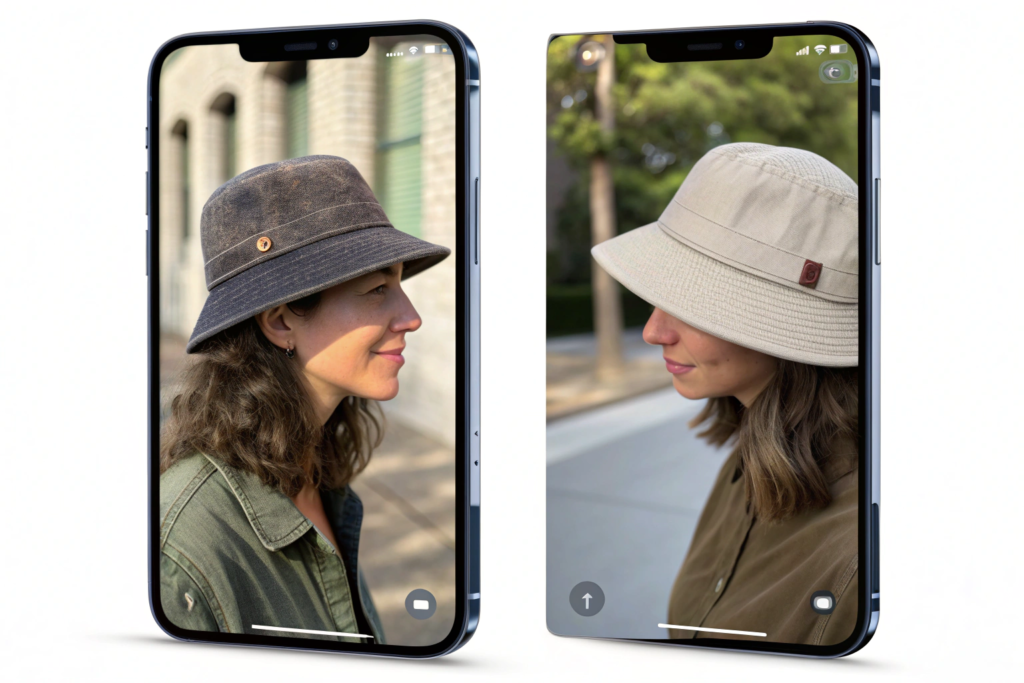
The three-dimensional model is the digital version of your product. To look realistic, it needs to be created by a professional 3D artist. It should have accurate textures that mimic the real material—the knit of a beanie, the twill of a cap, the sheen of a silk scarf. It also needs realistic lighting and shadows to make it look like it truly exists in the user’s environment. A flat, cartoonish model will not convince anyone.
What does "accurate tracking" mean?
Accurate tracking means the virtual accessory "sticks" to the user’s head correctly as they move. If they turn their head, the hat should turn with them, not float away. If they nod, it should move naturally. This requires the AR developer to properly rig and anchor the 3D model to the facial tracking points. A filter with poor tracking feels broken and frustrating to use. The technical specifications for this are detailed in the developer guides for platforms like Spark AR.
How Do You Get Started with AR Filter Development?
For a brand owner or buyer, the world of 3D modeling and AR development can seem intimidating. The good news is that you don’t have to become an expert yourself. You can partner with specialists to bring your vision to life.
Getting started involves finding the right creative partner and providing them with a clear brief. The process typically involves: first, finding a specialized AR developer or agency; second, providing them with high-quality reference photos of your product; and third, engaging in an iterative review and feedback process. Think of it like commissioning any other creative work. Your role is to provide the vision and the product details; their role is to handle the technical execution.

Where do you find AR developers?
There is a growing global community of freelance developers and creative agencies that specialize in creating social media AR filters. You can find them on freelance platforms like Upwork by searching for "Spark AR" or "TikTok Effect" developers. Many of these creators also showcase their work on Instagram or LinkedIn, and you can often reach out to them directly. The official Spark AR Partner Network is also a great place to find vetted agencies.
What do you need to provide to a developer?
To create a realistic 3D model, the developer will need a clear "turnaround" of your product. This means taking a series of high-resolution photos of your accessory from all angles: front, back, sides, top, and bottom, all in good, even lighting. You should also provide the product’s exact dimensions. The more detailed your reference material is, the more accurate the final 3D model will be. This is why having a high-quality physical sample from a manufacturer like us, Shanghai Fumao Clothing, is a crucial first step.
Conclusion
In today’s crowded social media landscape, simply posting beautiful photos of your accessories is no longer enough. You need to create interactive, memorable experiences that capture your audience’s attention. AR filters offer a powerful and accessible way to do just that. By creating a "virtual try-on" experience, you can solve a major customer pain point, empower users to become brand ambassadors through user-generated content, and create a direct, seamless path from discovery to purchase. By focusing on a high-quality, realistic filter and partnering with a skilled developer, you can effectively use this technology to bring your products to life in the digital world, driving engagement and growing your business.
If you are developing an accessory line and are thinking about how to market it in the modern digital age, you need a manufacturing partner who understands the entire lifecycle of a product, from physical production to digital promotion. We are ready to create the high-quality physical samples you’ll need to build your digital experiences. Please contact our Business Director, Elaine, at her email: elaine@fumaoclothing.com to discuss how we can help.