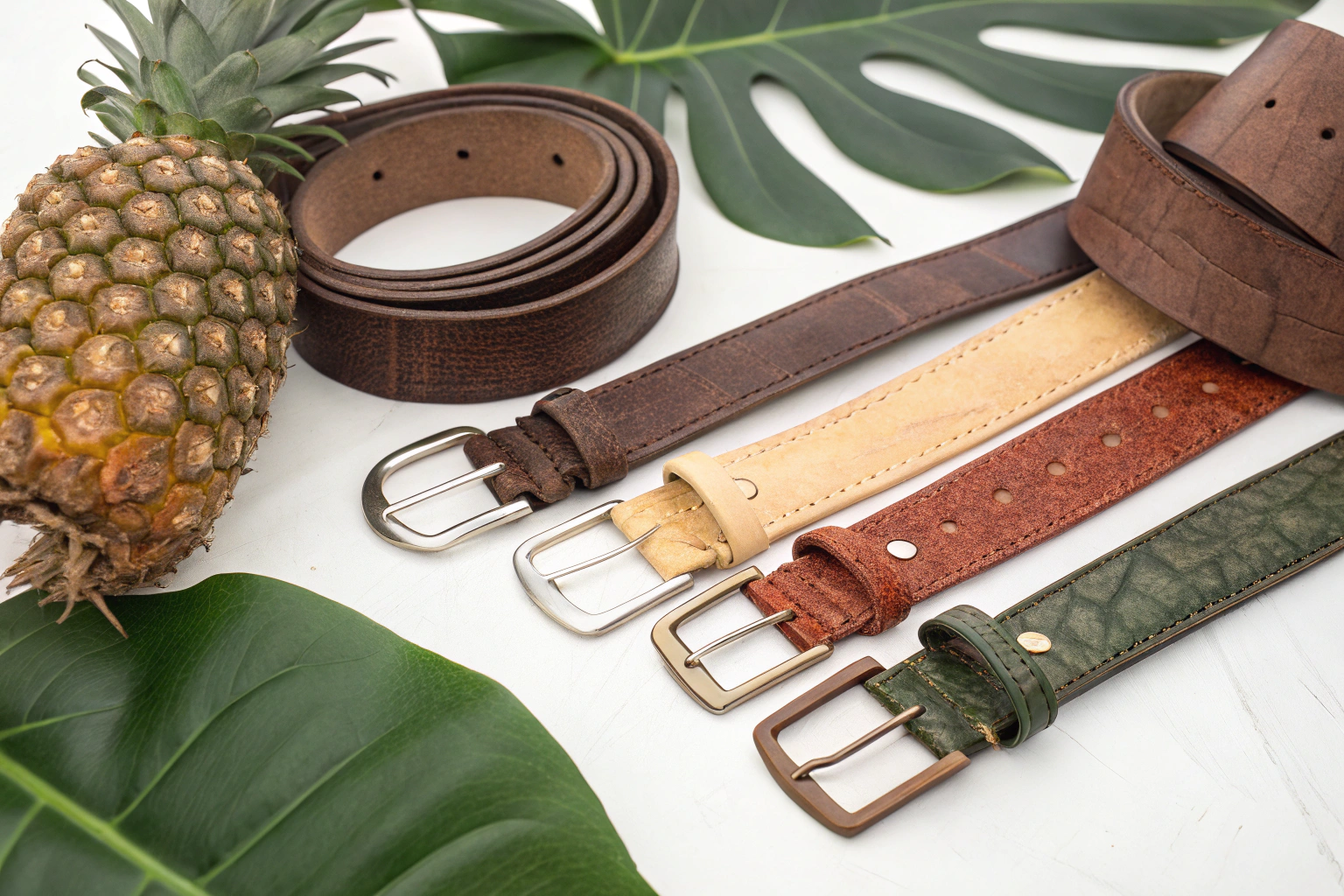
I remember the first time a client asked for belts made from something other than animal leather. This was maybe fifteen years ago. We struggled to find options that met their quality standards. The available plant-based materials were stiff, inconsistent, or simply unattractive. Today, the situation has transformed completely.
The latest developments in plant-based leather alternatives for belts include fruit-based materials like pineapple and apple leather, mycelium leather grown from mushroom roots, cactus leather with its low water footprint, and advanced bio-based polyurethanes with significant renewable content. These materials now offer durability, flexibility, and appearance that rival traditional leather while dramatically reducing environmental impact.
At Shanghai Fumao Clothing, we have watched this category evolve from niche curiosity to mainstream option. We now produce belts from multiple plant-based materials for clients ranging from eco-conscious startups to major fashion houses. Each material has unique characteristics that suit different applications. Let me share what we have learned about this rapidly advancing field.
What Innovations Are Happening With Cactus And Other Plant Leathers?
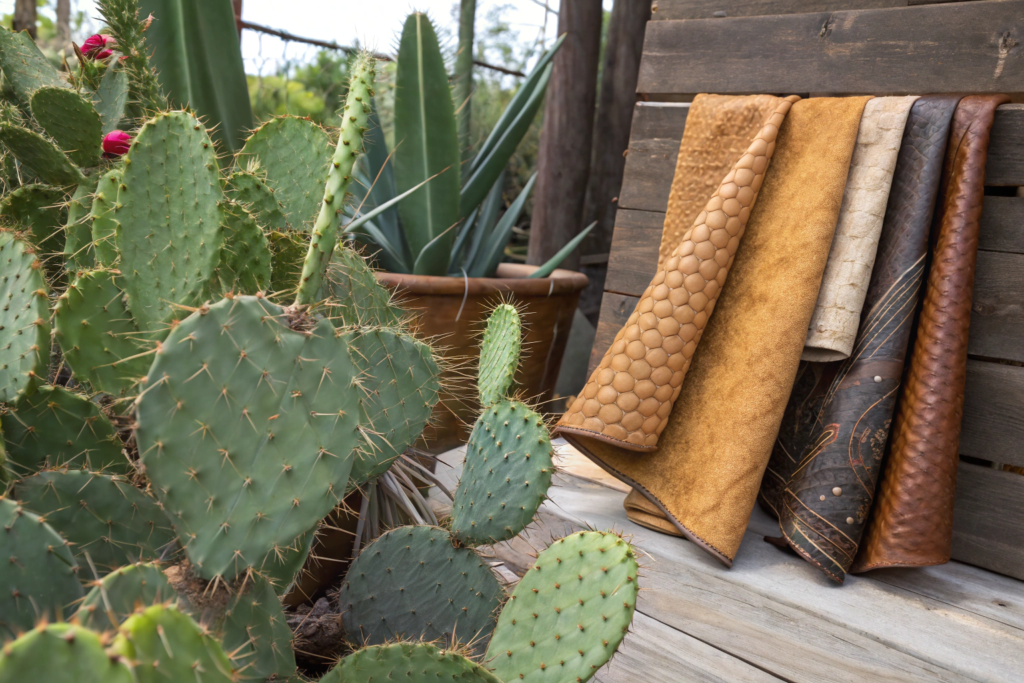
Beyond the vibrant tapestry of fruits and the earthy allure of fungi, a diverse array of plants emerges as unexpected yet promising sources for leather alternatives, each offering unique textures and sustainable potential. Among these, the resilient cactus stands out, capturing the imagination with its remarkable ability to thrive in arid landscapes with minimal water and care, making it a beacon of eco-conscious innovation. At the forefront of this green revolution is Desserto, a pioneering brand that has harnessed the tough, fibrous pads of the nopal cactus to craft a supple, durable leather-like material.
How does cactus leather achieve its low environmental footprint?
Cactus leather comes from prickly pear cactus, primarily grown in Mexico. These plants thrive in arid conditions where other crops cannot survive. They require minimal water and no irrigation in many regions.
The mature cactus pads get harvested, cleaned, and processed into a raw material. This material combines with bio-based polyurethane to create finished leather. The cactus content varies by manufacturer. Higher cactus content increases sustainability but may affect performance. The finished material has a soft, supple hand that works well for fashion belts. Desserto cactus leather information details their process and properties.
What other plant sources are entering the market?
Innovation accelerates constantly. Grape leather uses waste from wine production. Grape skins and seeds become raw material for leather-like sheets. This gives value to waste streams while reducing landfill.
Tea leaf leather explores using waste from tea production. The fibers create materials with interesting textures and natural colors. Corn-based leathers use polylactic acid (PLA) from corn, though these are technically bioplastics rather than plant-fiber materials. Each new source brings different properties and environmental profiles. We track emerging materials to offer clients the latest options. Material innovation database tracks these developments.
How Do These Materials Perform For Belt Manufacturing?
Belt manufacturing demands materials with precise, unwavering properties. The rhythmic dance of cutting—sharp blades slicing through fibers with a satisfying snick—edging, where rough edges are smoothed into neat, uniform profiles, stitching that weaves threads into durable seams with steady, even tension, and the careful attaching of hardware—brass buckles glinting, leather holes punched with pinpoint accuracy—all hinge on consistent performance.
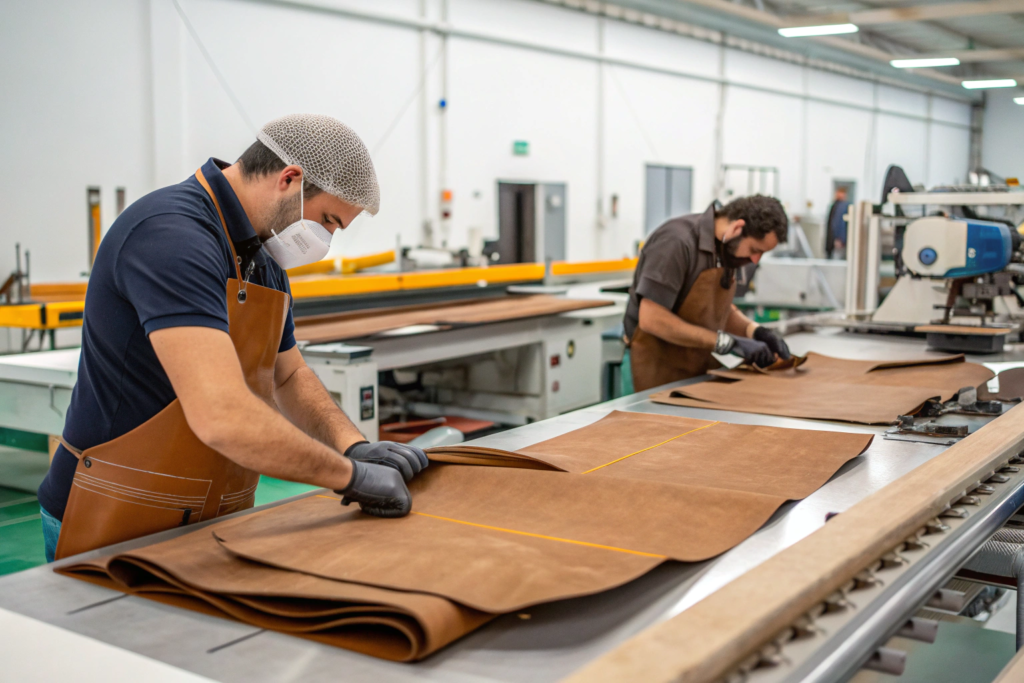
How do plant-based leathers cut and edge compared to animal leather?
Cutting behavior differs from animal leather. Plant-based materials are more uniform, lacking the natural variations that can complicate cutting. This consistency reduces waste and speeds production.
Edging requires attention. Some plant materials burnish beautifully, taking a smooth, polished edge. Others require edge painting or binding. We test each material to determine optimal finishing methods. The right technique produces edges that look professional and resist fraying over time. Stitching behaves similarly to animal leather with appropriate needle and thread selection. Leather working techniques adapted for plant-based materials guide our production methods.
What hardware attachment methods work best?
Belt hardware attachment must be secure regardless of material. Rivets, screws, and stitching all work with plant-based leathers.
The key is matching attachment method to material properties. Softer materials may need reinforcing behind rivets. Stiffer materials accept screw posts readily. We test each combination to verify pull-out strength exceeds belt requirements. For critical applications like heavy-use belts, we may recommend reinforcement layers at stress points. Hardware attachment standards guide our testing protocols.
What Sustainability Certifications Apply To These Materials?
Sustainability claims, often bold and promising, require rigorous verification to ensure they are not mere marketing ploys. Certifications, those trusted badges of honor, provide that crucial verification, acting as a bridge between vague assertions and tangible proof. Understanding which specific certifications apply to your products or practices is not just a formality; it is the cornerstone of communicating credibly with customers, transforming empty promises into a language of trust and transparency.
Third-party validation, the impartial stamp of approval from independent experts, builds an unshakable trust that resonates deeply with conscious consumers, who seek assurance that their choices align with genuine environmental and ethical values. This trust, forged through verified credentials, creates a warm, reassuring atmosphere where businesses and customers connect on a foundation of shared responsibility and integrity.
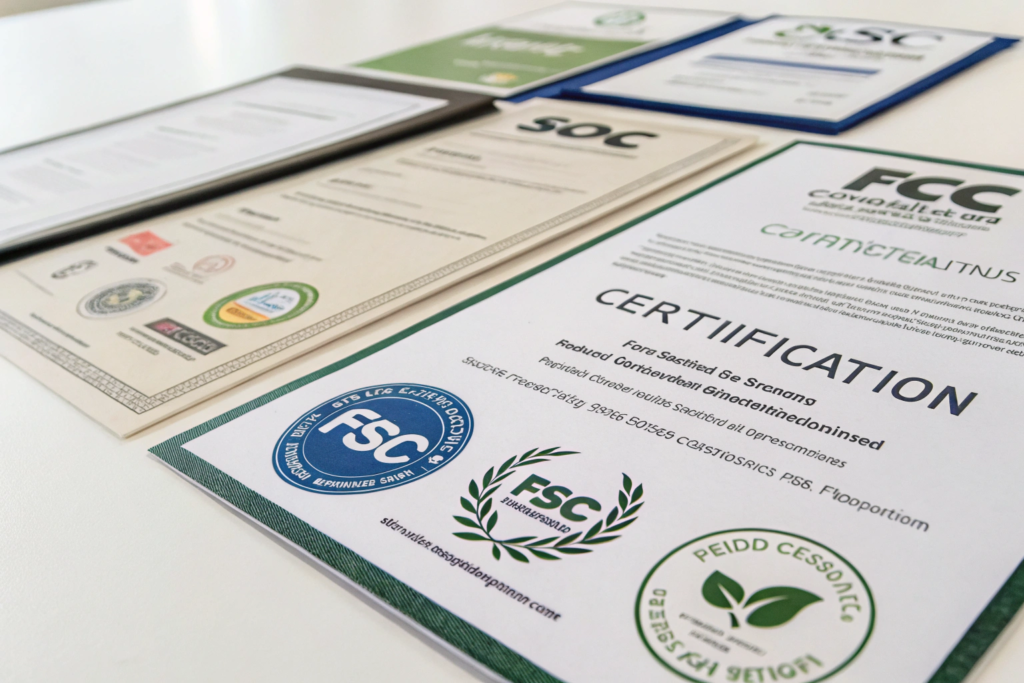
What certifications verify plant-based content?
Plant-based content claims require definition. "Made from plants" could mean 10 percent or 90 percent plant material. Certifications clarify the actual composition.
USDA BioPreferred certification verifies bio-based content percentages. Products meeting thresholds can display the certification label. This provides third-party verification of plant-based content claims. For materials combining plant fibers with synthetic binders, this certification quantifies the renewable portion. Some certifications focus on specific materials. FSC certification applies when materials use wood or paper-based components. BioPreferred program lists certified products and requirements.
What broader sustainability certifications matter?
Beyond material origin, broader certifications address manufacturing impacts. Global Organic Textile Standard (GOTS) covers processing standards for organic materials. OEKO-TEX certifications verify absence of harmful substances.
Cradle to Cradle certification evaluates circular economy aspects. Materials that can be safely recycled or composted earn recognition. B Corp certification for companies considers overall environmental and social performance. Each certification provides different information. We help clients understand which certifications matter for their markets and customers. Textile Exchange maintains certification comparison resources. Shanghai Fumao Clothing holds multiple relevant certifications.
How Do You Ensure Consistency Across Production Batches?
Plant-based materials, harvested from the vibrant tapestry of biological sources—from sun-dappled fields of golden wheat to mist-kissed forests of aromatic herbs and the lush canopies of fruit-bearing trees—exhibit a rich spectrum of natural variation. This variation manifests in subtle yet profound ways: the texture of a leaf might shift from velvety softness to crisp resilience, the hue of a seed could deepen from pale ivory to warm amber, and the scent of a root might evolve from earthy musk to zesty brightness, all influenced by the unique interplay of soil nutrients, rainfall patterns, sunlight exposure, and seasonal rhythms. Managing this inherent variability is paramount to ensuring that the finished products derived from these materials maintain a consistent quality and character, meeting the expectations of discerning consumers.
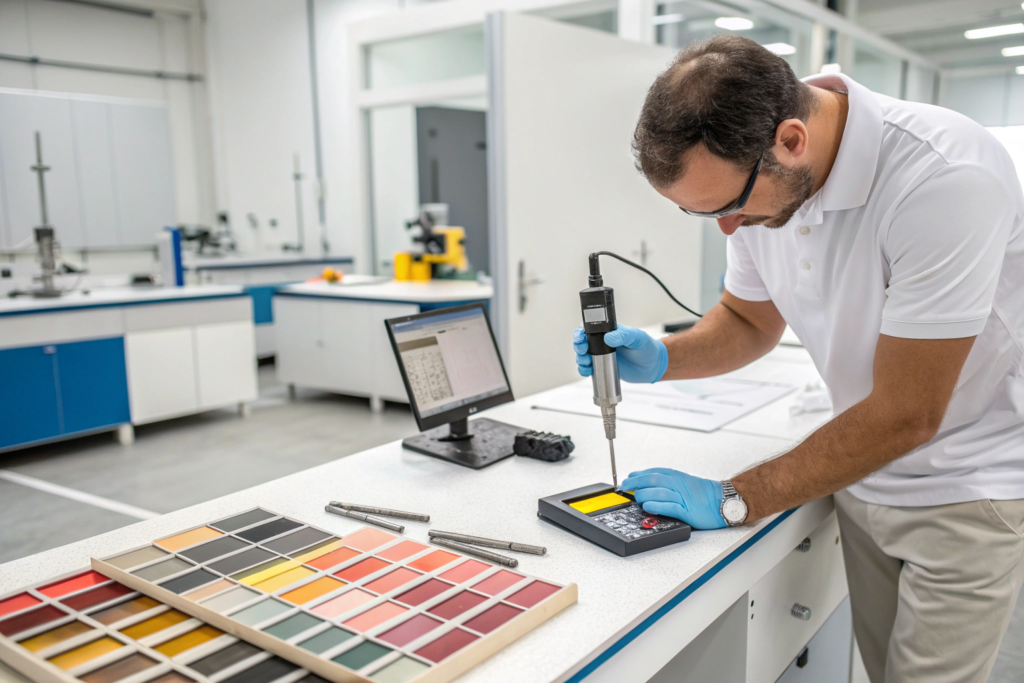
What quality parameters require monitoring?
Thickness variation affects belt construction. We measure incoming materials and sort by thickness ranges when necessary. Belts requiring precise specifications may need material selected for consistency.
Color matching challenges arise with natural materials. Dye lots can vary. We maintain master color standards and verify each production batch against them. Flexibility and drape affect both manufacturing and final use. We test these properties and adjust cutting or assembly methods when needed. Documentation tracks each material batch through production, enabling traceability if issues arise. Statistical process control methods maintain quality.
How do you handle material defects unique to plant-based leathers?
Plant-based materials have different defect patterns than animal leather. Understanding these helps inspectors identify acceptable versus rejectable quality.
Surface inconsistencies may appear from fiber distribution variations. Some are acceptable aesthetic features. Others indicate quality problems requiring rejection. Edge quality during cutting reveals material uniformity. Stitching behavior indicates consistent density. We train inspectors specifically on plant-based material characteristics. Experience with each material type improves defect recognition and reduces false rejects. Quality inspection standards adapted for plant-based materials guide our acceptance criteria.
Conclusion
Plant-based leather alternatives have matured dramatically. Fruit leathers from pineapple and apple offer beautiful, consistent materials. Mycelium leather grows in days with minimal environmental impact. Cactus leather thrives in arid conditions where other crops cannot. Each material brings unique properties to belt manufacturing.
At Shanghai Fumao Clothing, we have integrated these materials into our production capabilities. We understand their handling characteristics, performance limits, and optimal applications. We maintain relationships with leading material innovators to offer clients the latest options. The result is belts that satisfy both aesthetic and sustainability requirements.
If you are exploring plant-based leathers for belt collections, I invite you to reach out. Let us discuss your design vision, performance requirements, and sustainability goals. We can show you what these remarkable materials can achieve. For new projects and inquiries, please contact our Business Director, Elaine, directly at elaine@fumaoclothing.com. We look forward to helping you create beautiful, responsible belts for today’s conscious consumers.