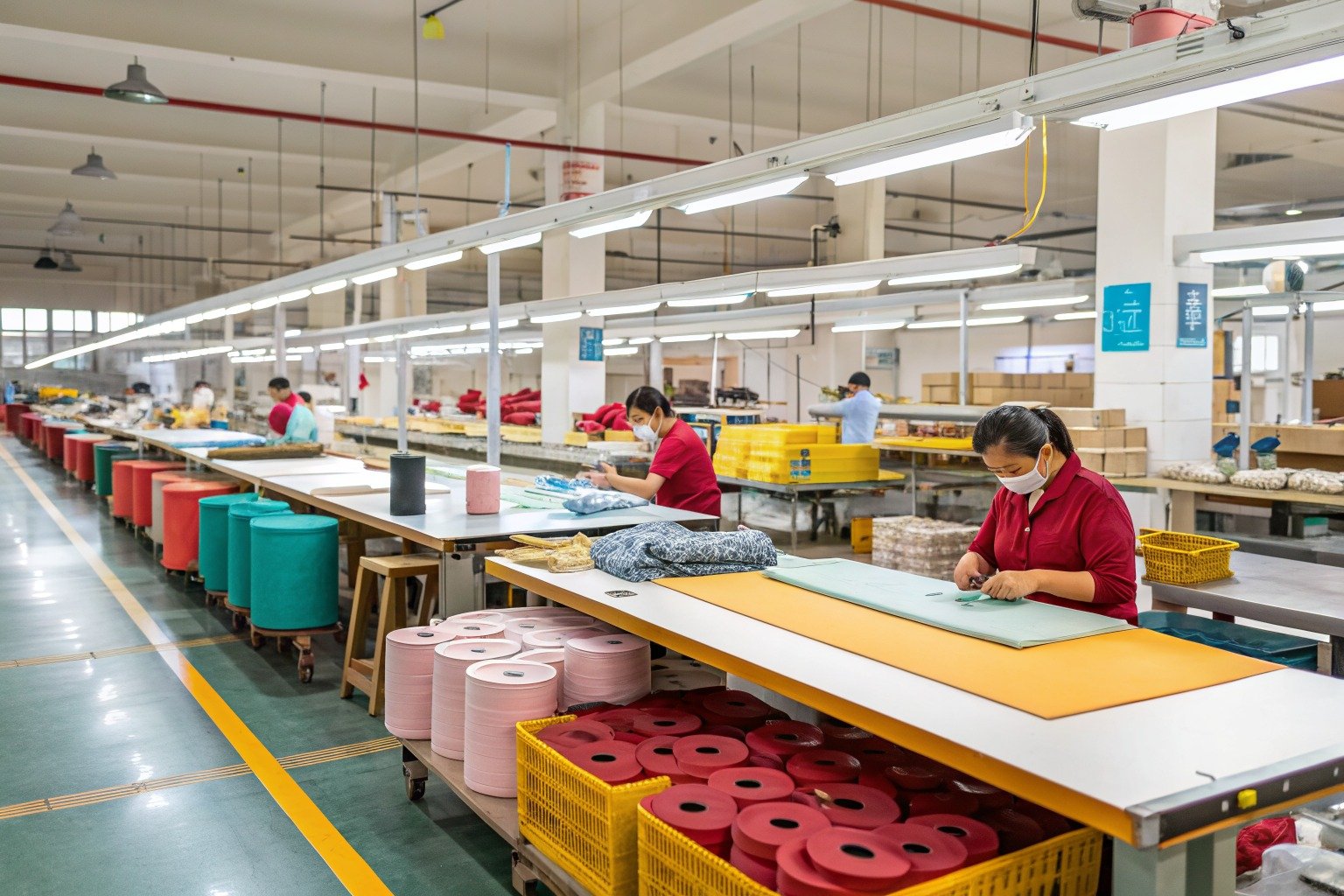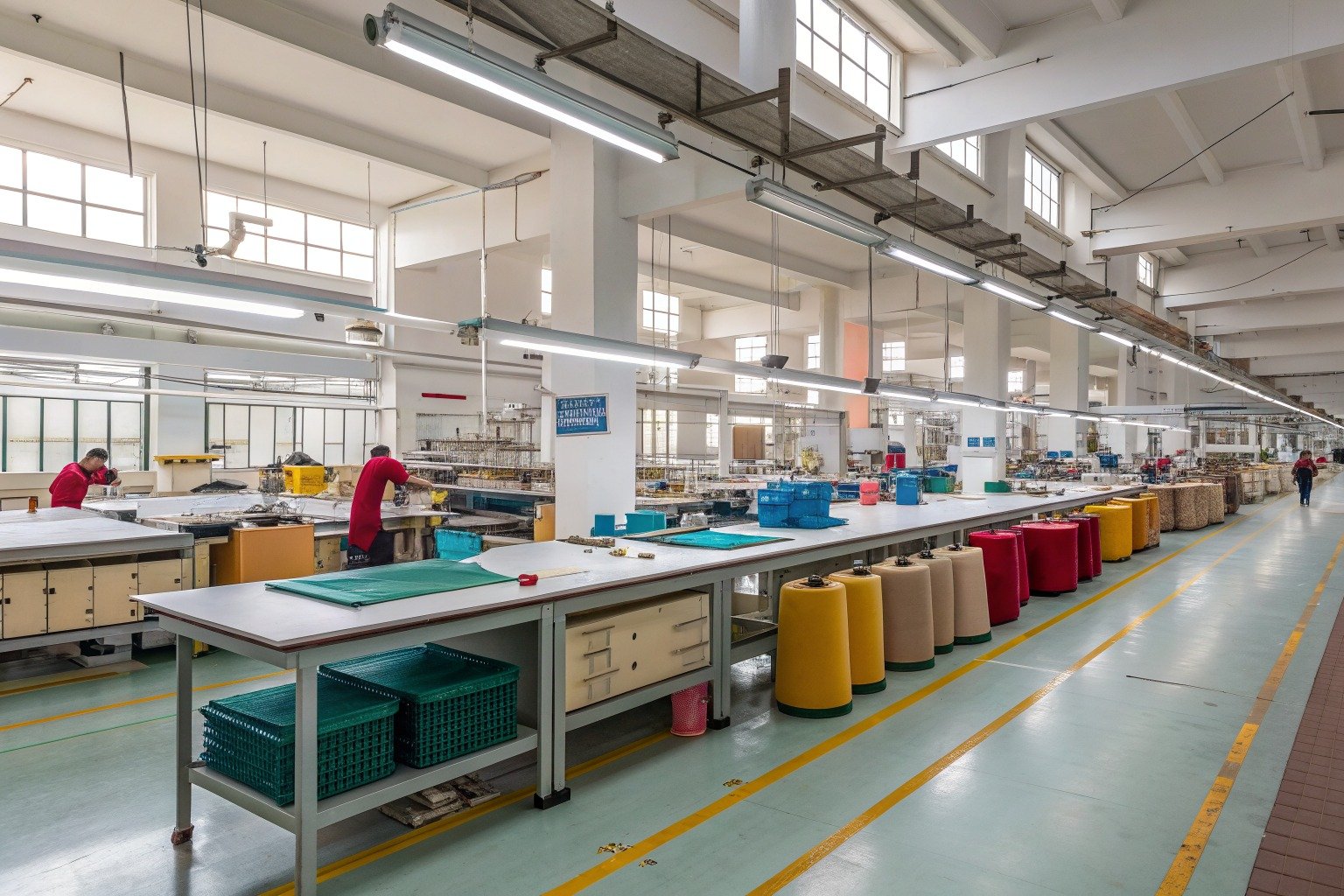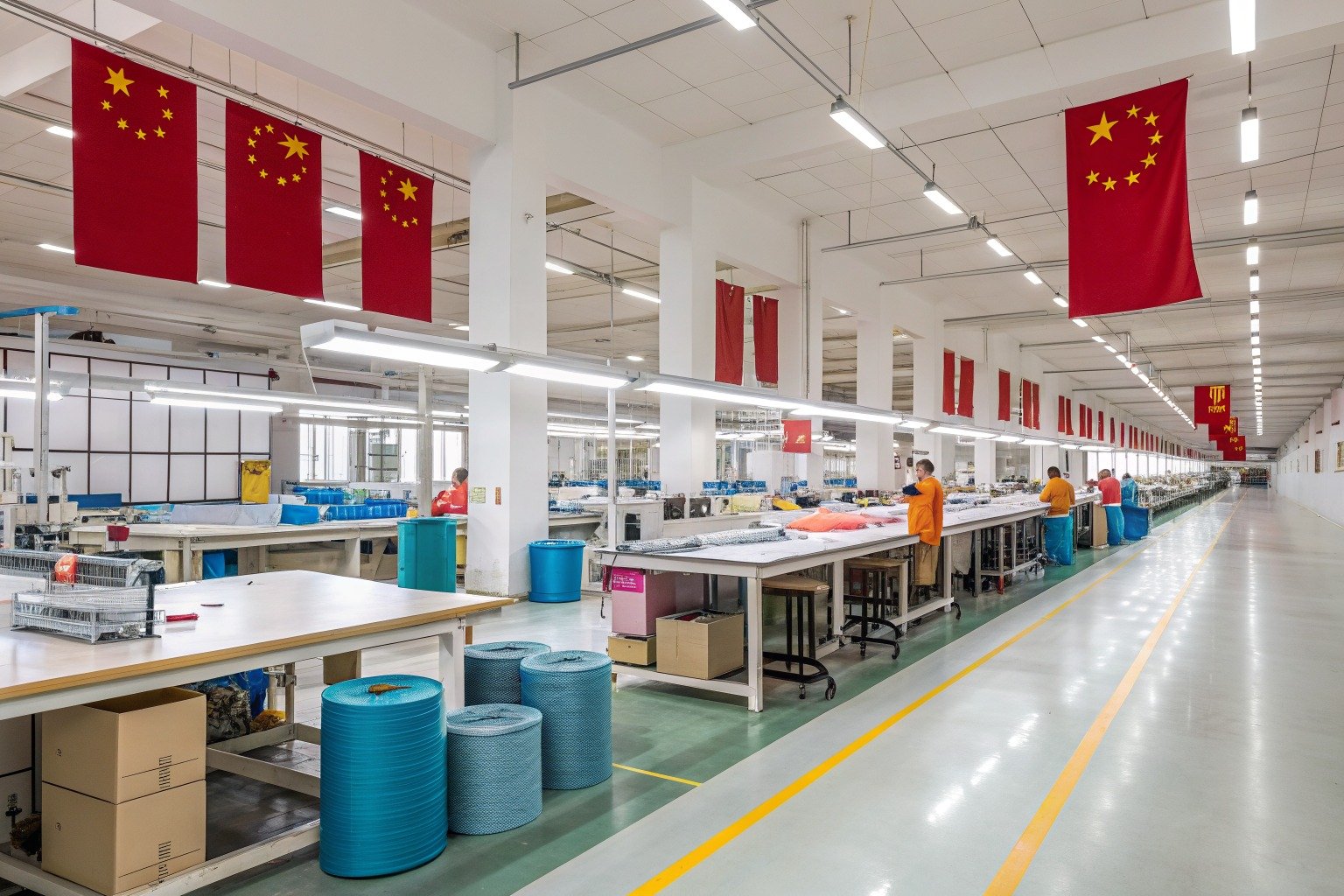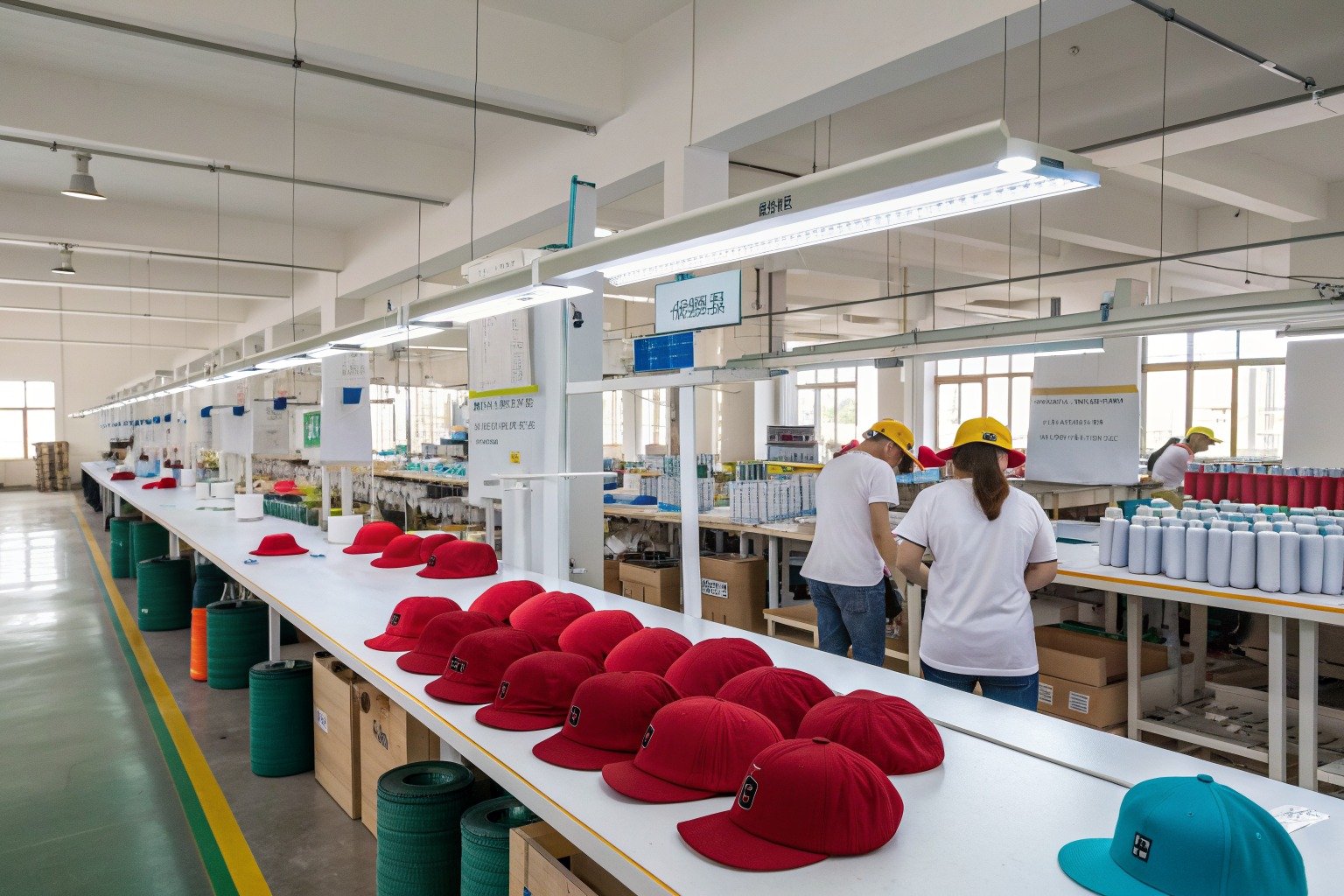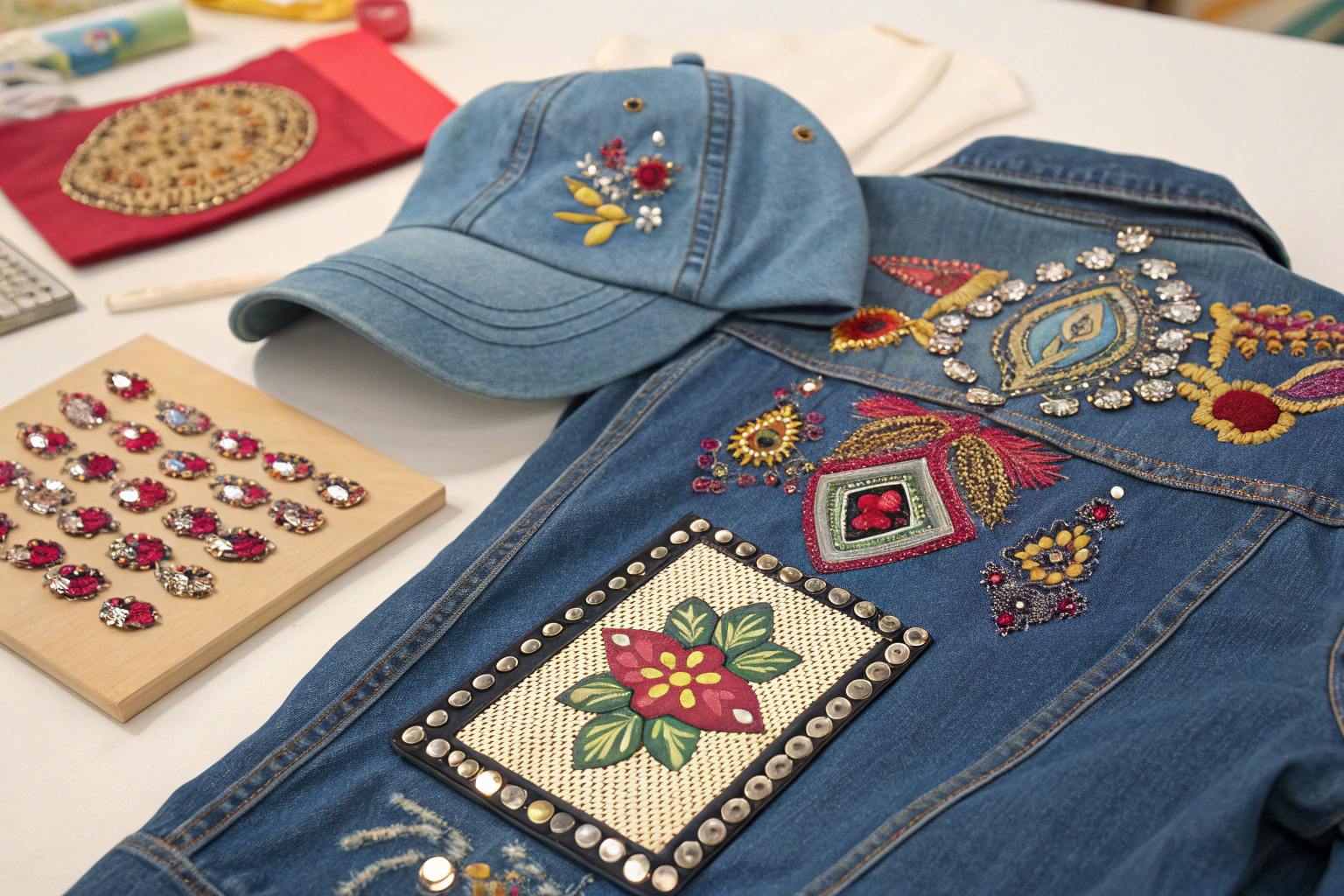
I’ve been making accessories for a long time, and I can tell you that denim is a material that people have a special relationship with. It’s durable, it’s comfortable, and it only gets better with age. But what really makes a denim jacket or hat stand out is the embellishment. That’s where personality comes in. That’s where a plain garment becomes a statement piece. Buyers like Ron, who source for brands and retailers, know that the right embellishment can turn a basic item into a bestseller.
The world of denim embellishment is incredibly diverse. You can go for a tough, rock-and-roll look with metal studs and chains. You can create a soft, feminine feel with floral patches and rhinestones. You can make a bold statement with painted artwork or a powerful slogan. Each technique has its own look, its own cost structure, and its own production considerations. At Shanghai Fumao Clothing, we’ve worked with all of them. Our team of skilled artisans can apply everything from a simple embroidered logo to a complex, multi-layered design.
In this post, I’ll walk you through the four most popular embellishment techniques for denim jackets and hats in 2026. We’ll look at what each technique involves, what it costs, and what it’s best for. If you’re planning a denim collection, this guide will help you choose the right look for your brand and your budget.
Why Is Embroidery The Timeless Favorite For Denim?
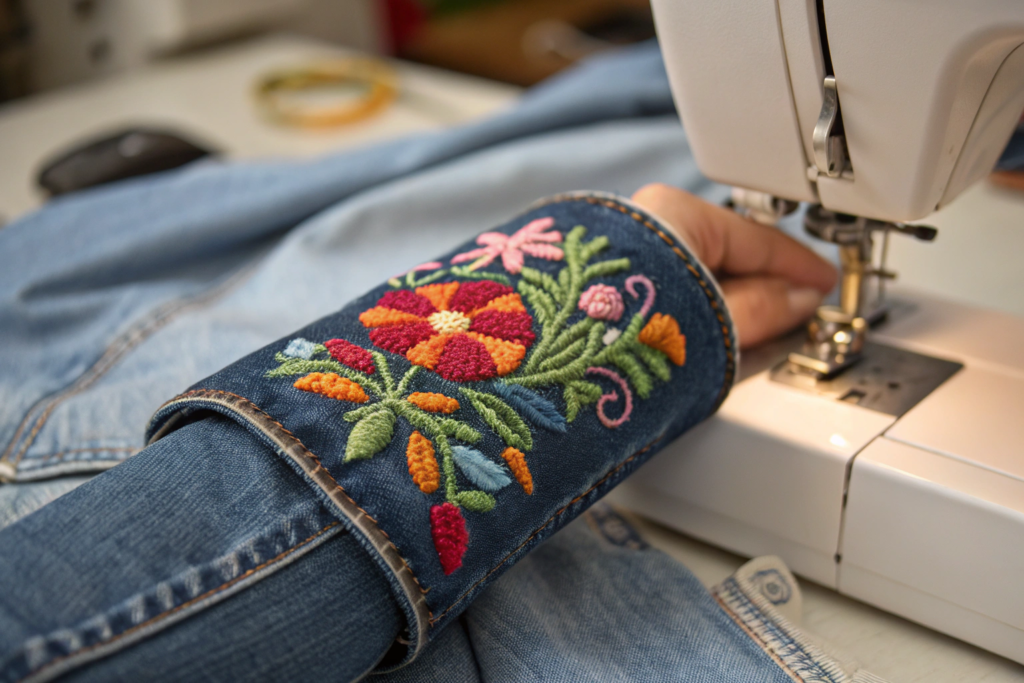
Embroidery and denim are a match made in heaven. They’ve been together for over a century, and the relationship only gets stronger. There’s something about the texture of stitched thread on the rugged surface of denim that just works. It’s durable, it’s beautiful, and it can be as simple or as complex as you want. From a small logo on a hat to a full back-piece on a jacket, embroidery is the go-to choice for many of our clients.
The reason for its enduring popularity is simple: embroidery lasts. Unlike a print that can crack or fade over time, embroidery is physically part of the garment. The threads are stitched through the fabric, creating a bond that can withstand years of wear and washing. It also adds a tactile, three-dimensional quality that you just can’t get with other techniques. A well-embroidered design looks and feels premium. For a deep dive into the history of embroidery, resources like the Embroidery Trade Association offer a wealth of information.
What types of embroidery work best on denim?
Denim is a thick, sturdy fabric, so it can handle heavier embroidery techniques that might overwhelm a lighter material. The most popular choice is flat embroidery, where the stitches lie flush with the fabric. This is perfect for logos, text, and detailed designs. It’s clean, classic, and professional.
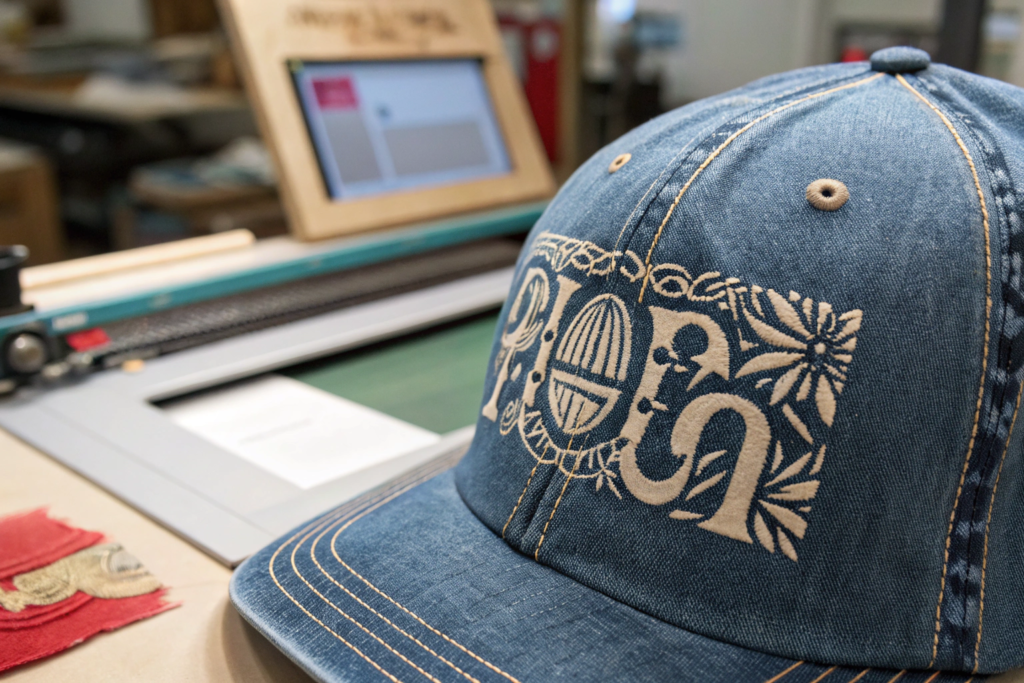
For a more dimensional look, 3D puff embroidery is incredibly popular, especially on hats. A soft foam layer is placed under the embroidery, raising the design off the surface of the fabric. This creates a domed, embossed effect that really pops. It’s perfect for bold logos and lettering. Another technique is chenille embroidery, which uses a thick, soft yarn to create a textured, vintage-style patch. This is often seen on varsity jackets and has a very distinct, retro feel. Our custom denim jackets can feature any of these techniques.
How does embroidery hold up on denim after multiple washes?
This is one of the biggest advantages of embroidery. It is incredibly durable. The key is to use high-quality thread and to ensure the embroidery density is correct for the fabric. If the design is too dense, it can cause the denim to pucker. If it’s too loose, the threads can snag.
We use industrial embroidery machines and set the tension perfectly for denim. We also recommend using polyester thread, which is colorfast and won’t shrink or fade. After embroidery, the garment goes through a final quality check where we examine the stitching from the front and the back. A well-executed embroidery design on denim will easily outlast the garment itself. It will still look great after years of washing and wearing, developing its own character along with the denim.
How Do Patches Create A Custom Look?
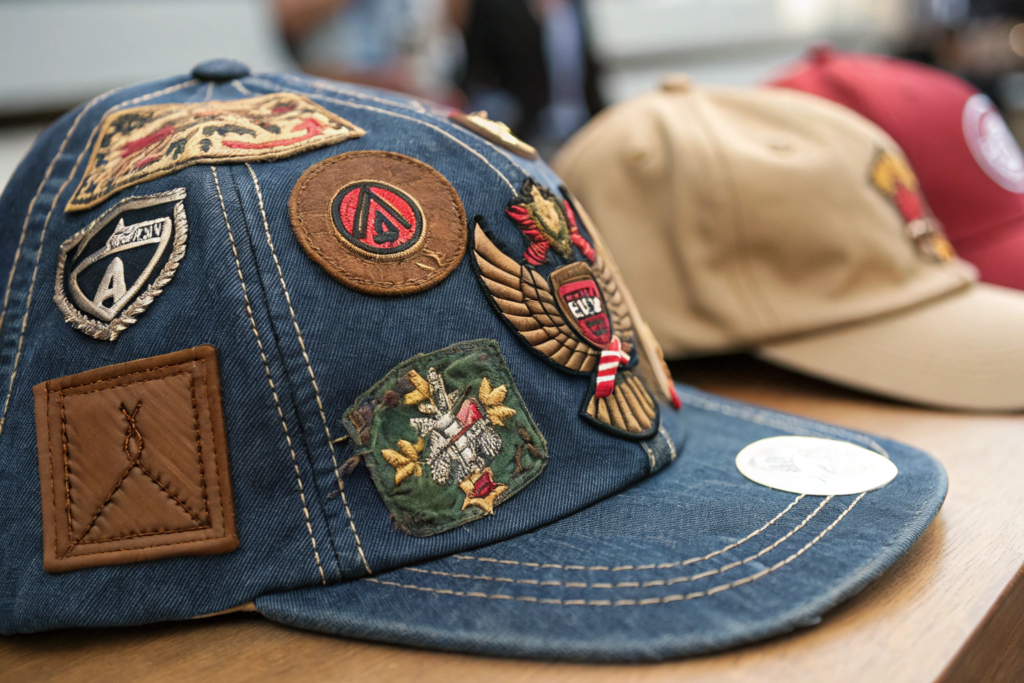
Patches are another classic embellishment for denim, and they’ve seen a massive resurgence in popularity. They offer a level of flexibility that other techniques can’t match. You can add a single, statement patch to the back of a jacket. You can cover a hat with a collection of smaller patches for a "collected" look. You can even sell patches separately, allowing customers to customize their own garments at home. This interactivity is a huge selling point.
Patches come in many forms. There are embroidered patches, which are like a piece of embroidery on a fabric backing. There are woven patches, which are made on a loom and can capture incredibly fine detail, like photographs. There are leather patches, which have a rugged, premium feel. And there are PVC or rubber patches, which are 3D, durable, and perfect for outdoor or sports brands. At our factory, we can create any type of patch you can imagine. For inspiration on patch design, sites like Pinterest are endless sources of ideas.
What is the best way to attach patches to denim?
The best attachment method depends on the look you want and whether you want the patch to be permanent or removable. The most common and durable method is sewing. The patch is stitched onto the garment, either by machine or by hand. A machine-sewn patch is very strong and looks clean and professional. A hand-sewn patch, using techniques like a blanket stitch, can add a rustic, artisanal feel.
Another popular option is iron-on patches. These have a heat-activated adhesive on the back. The customer can attach them at home using a household iron. This is a great option for DIY products or for selling patches separately. However, iron-on attachment is not as permanent as sewing. Over time, the edges can peel up, especially with washing. For a truly permanent attachment, we always recommend sewing, even on top of an iron-on backing. For more on patch attachment, craft blogs like The Spruce Crafts have excellent tutorials.
Can we create custom-shaped patches for unique designs?
Absolutely. In fact, custom shapes are one of the biggest advantages of patches. Unlike embroidery, which is confined to the rectangular shape of the machine’s field, patches can be cut into any shape imaginable. We call these die-cut patches.
We can create a patch in the exact shape of your logo, a product, or any other design element. The patch is embroidered or woven on a sheet of fabric and then cut out using a steel rule die that matches the shape of the design. The edges are often finished with a merrowed border (a tight, overlock stitch) or a heat-cut edge that seals the fabric. This allows for incredibly creative and unique designs that stand out from the crowd. A die-cut patch on the back of a denim jacket is a powerful statement.
What Impact Do Studs, Rhinestones, And Hardware Have?
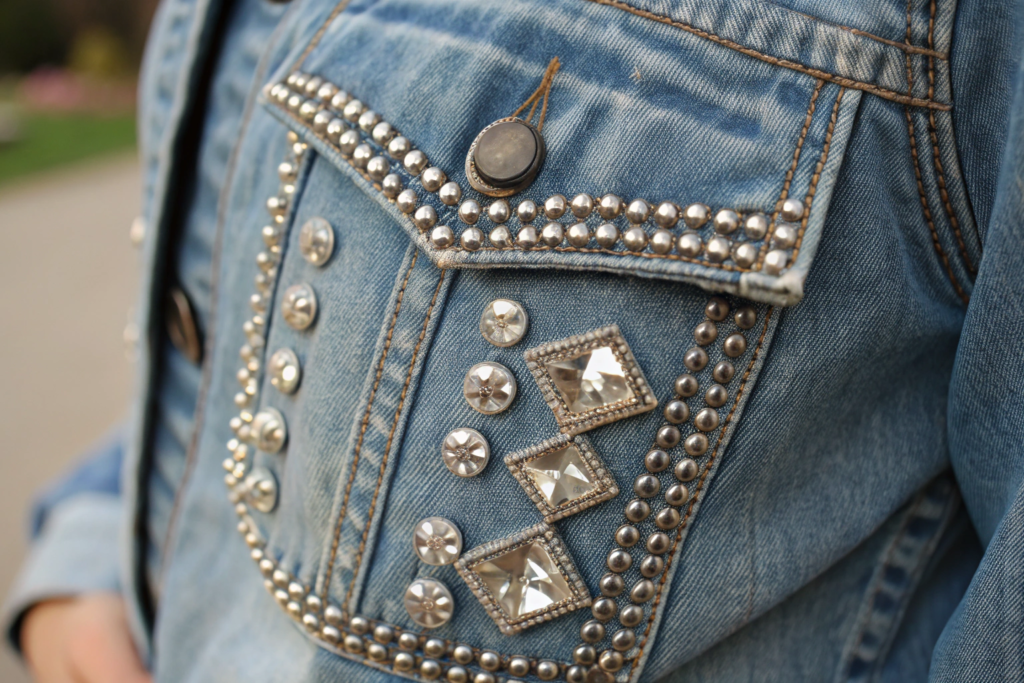
If you want to add some serious attitude or glamour to your denim, nothing beats metal studs, rhinestones, and other hardware. This is the territory of rock stars, bikers, and high-fashion runways. Studs can create a tough, rebellious look. Rhinestones add sparkle and luxury. Zippers, chains, and grommets add functional and decorative hardware. These elements transform the fabric itself.
Applying hardware to denim is a skilled job. It’s not something you can do quickly. Each stud or rhinestone must be placed individually, either by hand-setting with a tool or by using a specialized press. The placement must be precise, and the attachment must be secure. A loose stud is a lost stud, and a lost rhinestone ruins the design. At our factory, we have artisans who specialize in this work. They can create intricate patterns and ensure every piece is firmly attached. For more on the history of studded fashion, museums like the Metropolitan Museum of Art’s Costume Institute have fascinating collections.
What types of studs and rhinestones are available?
The variety is almost endless. Studs come in many shapes: cones, pyramids, rounds, spikes, and stars. They come in different finishes: shiny silver, antique brass, matte black, and even colored enamel. They can be single-prong or multi-prong for different levels of hold.
Rhinestones also come in a huge range of sizes, colors, and finishes. The most common are flat-back rhinestones, which are glued onto the fabric. For a more secure attachment, we use hot-fix rhinestones, which have a heat-activated glue on the back and are applied with a special heat press. There are also sew-on rhinestones with holes for stitching. The choice depends on the design and the desired durability. For a jacket that will be worn hard, sew-on or hot-fix stones are better. For a one-off event piece, flat-back glue might be sufficient. We can guide you through the options.
How do you ensure hardware stays attached during wear?
This is all about quality control and the right application technique. For studs with prongs, the prongs must be bent over securely on the inside of the fabric. We use special tools to ensure they are crimped tightly without damaging the fabric or the stud itself. For rhinestones, we use high-quality adhesives that are flexible and durable. We test the attachment strength by trying to pry them off with a fingernail. If they move at all, they fail.
We also consider the placement. Hardware placed in high-stress areas, like pocket edges or sleeve cuffs, needs to be extra secure. We might use a combination of methods, like a stud with a screw-back post, for areas that will get a lot of abrasion. After application, every piece of hardware is inspected. This meticulous attention to detail is what ensures your customer receives a jacket that will keep its sparkle and attitude for years.
How Is Screen Printing And Puff Ink Used On Denim?
Screen printing on denim is a classic technique for bold graphics, logos, and text. It allows for vibrant colors and crisp lines. But in recent years, a special type of printing has become incredibly popular for denim, especially on hats and jackets: puff ink. This is a special additive mixed with screen printing ink that causes the design to rise and expand when heat is applied, creating a soft, 3D, rubbery texture.
Puff ink printing has a fantastic retro, streetwear aesthetic. It’s often used for bold, chunky lettering and simple graphic shapes. The raised texture adds a tactile element that you just can’t get with flat printing. It’s durable, flexible, and stands out beautifully against the texture of the denim. At our factory, we have extensive experience with puff ink and can achieve very consistent, high-quality results. For more on screen printing techniques, resources like Screen Printing Magazine are excellent.
What is puff ink and why is it so popular for hats?
Puff ink is a standard plastisol screen printing ink mixed with a "puff additive." This additive contains microspheres that expand when heated. After the design is printed onto the fabric, the garment goes through a dryer or heat press. The heat causes the microspheres to expand, making the printed design rise up off the surface of the fabric.
The result is a soft, spongy, 3D texture. It’s incredibly popular for hats because it creates a bold, eye-catching logo that really stands out. It has a distinct, almost nostalgic feel that appeals to the streetwear and skate cultures. It’s also very durable. The ink bonds with the fabric and the raised texture is surprisingly tough. A puff print on a denim hat can withstand a lot of wear and tear.
How does screen printing on denim differ from printing on cotton tees?
Denim is a much heavier, more textured fabric than a standard t-shirt. This presents some challenges for screen printing. The rough surface can make it harder to get a crisp, clean print. The ink can also sink into the weave, making the color look less vibrant.
To overcome this, we often use a technique called a base print. We print a layer of white or clear ink first to create a smooth, flat surface. Then we print the colored design on top. This ensures the colors are bright and the lines are sharp. We also use different mesh screens and different ink formulations designed for heavy fabrics. The pressure on the printing press also needs to be adjusted. It’s a more complex process than printing on a tee, but the results are worth it. A well-printed denim jacket or hat has a bold, professional look.
Conclusion
Denim jackets and hats are the perfect canvases for self-expression, and the embellishment techniques available today are more diverse and exciting than ever. Whether you choose the timeless durability of embroidery, the customizable flexibility of patches, the bold attitude of studs and rhinestones, or the modern, textured look of puff ink, each technique brings its own unique personality to the garment. The key is to choose the technique that best tells your brand’s story and resonates with your customers.
At Shanghai Fumao Clothing, we are masters of all these techniques. Our factory in Zhejiang is equipped with the latest machinery for embroidery, patch-making, hardware application, and screen printing. But more importantly, we have the skilled artisans and experienced project managers who know how to use these tools to create beautiful, durable products. We will work with you to understand your vision and your budget, and then we will bring that vision to life on denim.
If you’re ready to create a custom denim collection with the perfect embellishments, let’s talk. Please contact our Business Director, Elaine, at elaine@fumaoclothing.com. We’ll help you make something truly unforgettable.