
I grew up in a cold climate before moving to China. I remember walking to school on winter mornings with ears burning from the cold. My mother always insisted I wear a hat. I usually refused because they looked silly. If only those hats had looked like the ones we make today. Maybe I would have listened to her.
Knit hats with ear flaps remain popular for winter because they combine essential protection from cold with versatile style options. The ear flaps shield the most frostbite-vulnerable areas, while modern designs incorporate fashion elements like braids, pom-poms, and color blocking. This fusion of function and fashion appeals to everyone from outdoor workers to style-conscious consumers.
At Shanghai Fumao Clothing, we produce thousands of knit hats with ear flaps every year. Our clients range from outdoor equipment brands to fashion labels to promotional product distributors. Each market segment values different aspects of the design. But they all agree on one thing: customers want hats that keep ears warm without sacrificing style. Let me explore why this classic design continues to dominate winter accessory sales.
What Makes Ear Flaps Essential For Cold Weather Protection?
The human ear has minimal fat and muscle tissue. It consists mainly of cartilage covered by thin skin. Blood flow to the ears decreases in cold temperatures as the body prioritizes core organs. This combination makes ears extremely vulnerable to frostbite. Protection is not optional in severe cold.
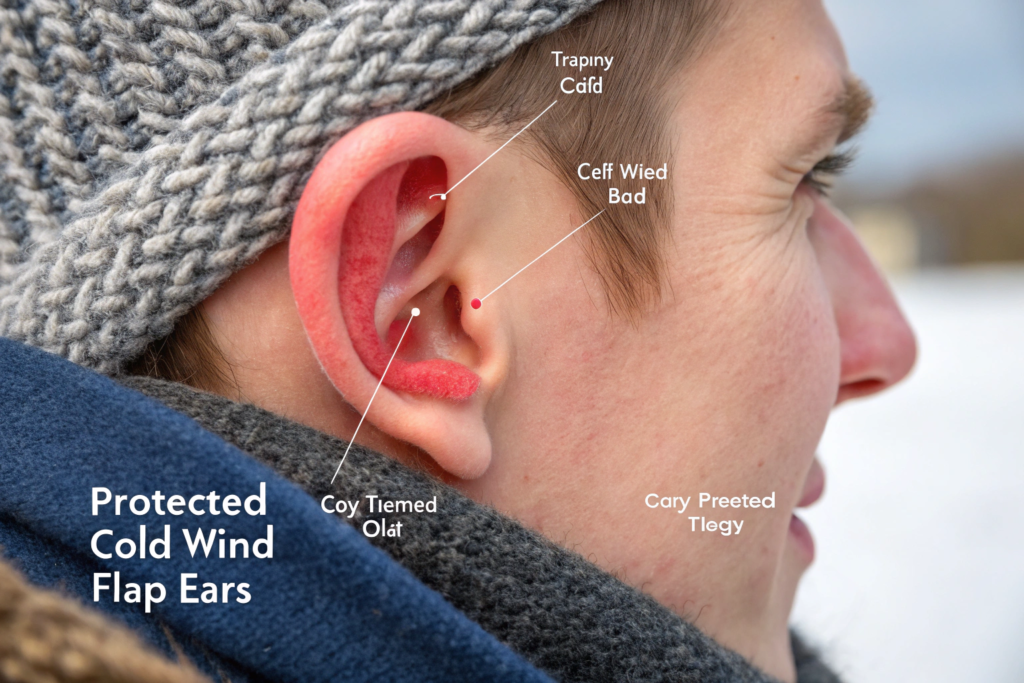
Why are ears more susceptible to cold than other body parts?
Ears stick out from the head. They have a large surface area relative to their mass. They lack the insulating fat layer that protects other body parts. Cold wind strikes them directly.
Frostbite can occur on exposed ears in temperatures as mild as -6°C with wind. The thin skin freezes quickly. The cartilage underneath can sustain permanent damage. Once damaged, ears remain sensitive to cold forever. For people who work outdoors, ski, or simply live in cold climates, ear protection is not optional. It is medical necessity. Mayo Clinic frostbite guidelines emphasize ear protection as critical for cold weather safety. Shanghai Fumao Clothing incorporates this medical knowledge into our thermal protection designs.
How do ear flaps provide better protection than standard hats?
Standard beanies cover the top of the head and pull down over ears. This works but has limitations. Movement can pull the hat up, exposing ears. The fit must be tight enough to stay put, which some find uncomfortable.
Ear flaps solve these problems. The extended flaps cover ears completely and stay covered regardless of head movement. The hat can fit more loosely on the crown while flaps remain secure. Some designs add adjustable ties that cinch flaps snugly against ears. This customizable fit provides better protection for more people. For extreme cold, flaps lined with fleece or faux fur add insulation without bulk. Outdoor industry cold weather standards recommend ear flaps for anyone spending extended time in freezing conditions. We offer multiple insulation options for different cold levels.
How Have Ear Flap Hats Evolved From Function To Fashion?
Ear flap hats originated as pure utility. Trappers, farmers, and outdoor workers needed protection. They wore whatever kept them warm. Style did not matter. Over decades, these utilitarian garments transformed into fashion statements. The journey from necessity to accessory is fascinating.
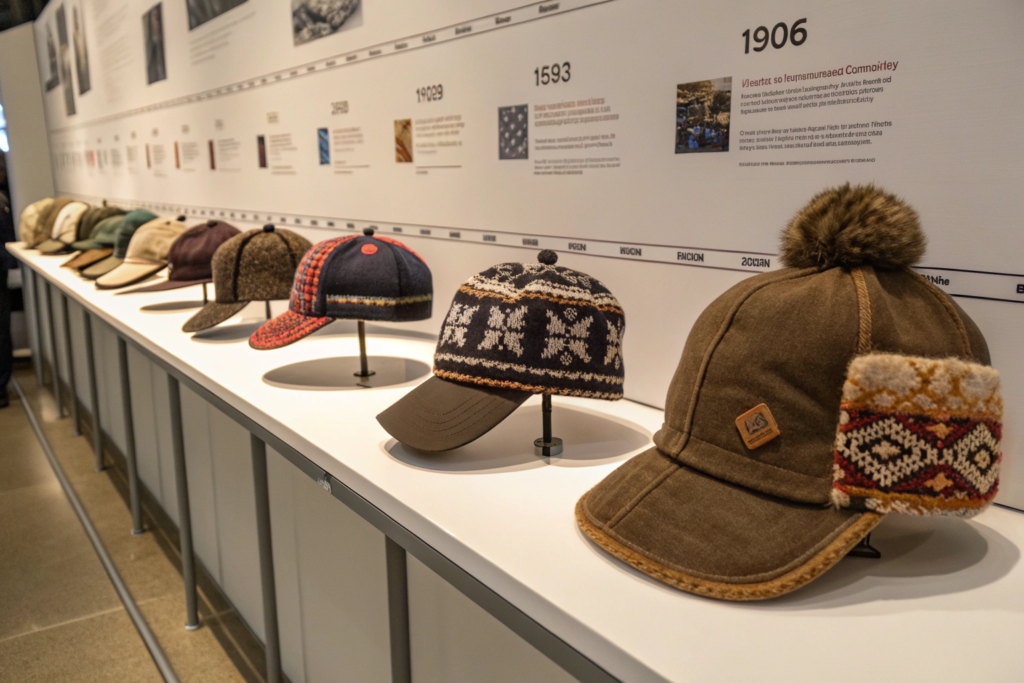
What traditional cultures influenced modern ear flap designs?
Indigenous Arctic peoples developed some of the earliest ear flap designs. Their fur hats with extended side panels protected against extreme cold. Russian ushanka hats brought the concept to European audiences. The folding ear flaps could be tied up when temperatures moderated or down when cold struck.
Scandinavian knitting traditions contributed patterned designs with ear flaps. Norwegian and Icelandic sweaters influenced hat patterns that remain popular today. Trapper hats from North American frontiers combined leather or canvas with fur lining. Each tradition contributed elements to the modern ear flap hat. Today’s designs borrow freely from all these sources. Textile history resources document these evolutionary paths.
When did ear flap hats become fashionable beyond utility?
The shift began in the 1960s and 1970s as outdoor recreation grew popular. Skiers and winter sports enthusiasts needed warm gear but wanted to look good. Manufacturers responded with better materials and more attractive designs.
The 1990s brought grunge and alternative fashion that embraced utilitarian styles. Ear flap hats appeared in music videos and fashion magazines. By the 2000s, major fashion houses featured ear flap designs in winter collections. Today, the style appears everywhere from luxury boutiques to fast-fashion retailers. The functional design proved adaptable to countless aesthetic treatments. Fashion history archives track this progression from utility to style. Shanghai Fumao Clothing produces both traditional and fashion-forward versions for different clients.
What Design Variations Keep Ear Flap Hats Fresh Each Season?
Designers continuously reinvent the ear flap hat. New yarns, new patterns, new embellishments appear each season. The basic form remains constant. The details change endlessly. This variety keeps the category fresh.
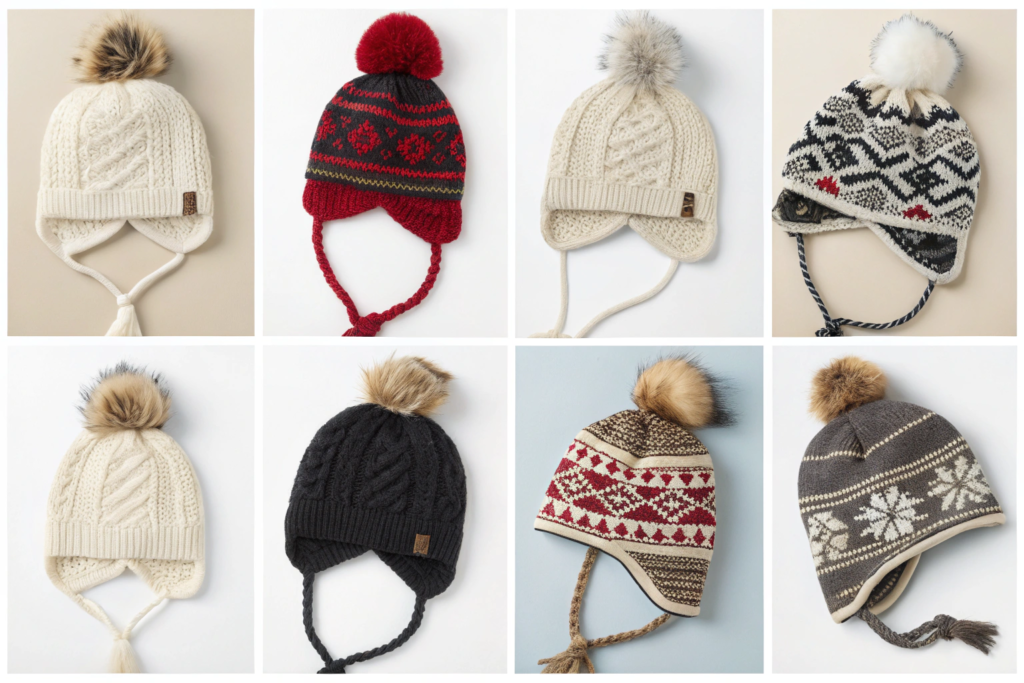
How do yarn choices affect style and function?
Bulky weight yarns create chunky, textured hats that look cozy and feel warm. They knit up quickly and have substantial presence. Superwash merino wool offers softness without itch, appealing to luxury markets.
Acrylic blends dominate the mid-market for good reasons. They wash easily, resist pilling, and cost less than natural fibers. Color options are virtually unlimited. Novelty yarns add interest. Fuzzy mohair blends create halo effects. Metallic threads add sparkle for holiday collections. Tape yarns create flat, ribbon-like textures. Each yarn choice shifts the hat’s personality. Yarn standards help specify appropriate weights for different designs.
What role do patterns and colors play in seasonal appeal?
Fair Isle patterns bring traditional winter appeal. Multiple colors knit into geometric designs create visual interest that sells year after year. Norwegian snowflake patterns remain perennial favorites.
Color trends shift each season. Pantone’s color of the year influences requests. Current seasons favor earth tones and muted naturals alongside bright accent colors. Ombre effects using graduated color yarns add modern appeal. Stripes in contrasting colors offer simple but effective design. Solid colors in interesting textures appeal to minimalist tastes. We track these trends closely to advise clients on seasonal collections. WGSN provides trend forecasting we incorporate into design consultations.
What Materials Work Best For Ear Flap Hats?
Material selection determines warmth, comfort, durability, and price. Different applications demand different materials. Understanding options helps match hats to customer needs. The right material makes all the difference.
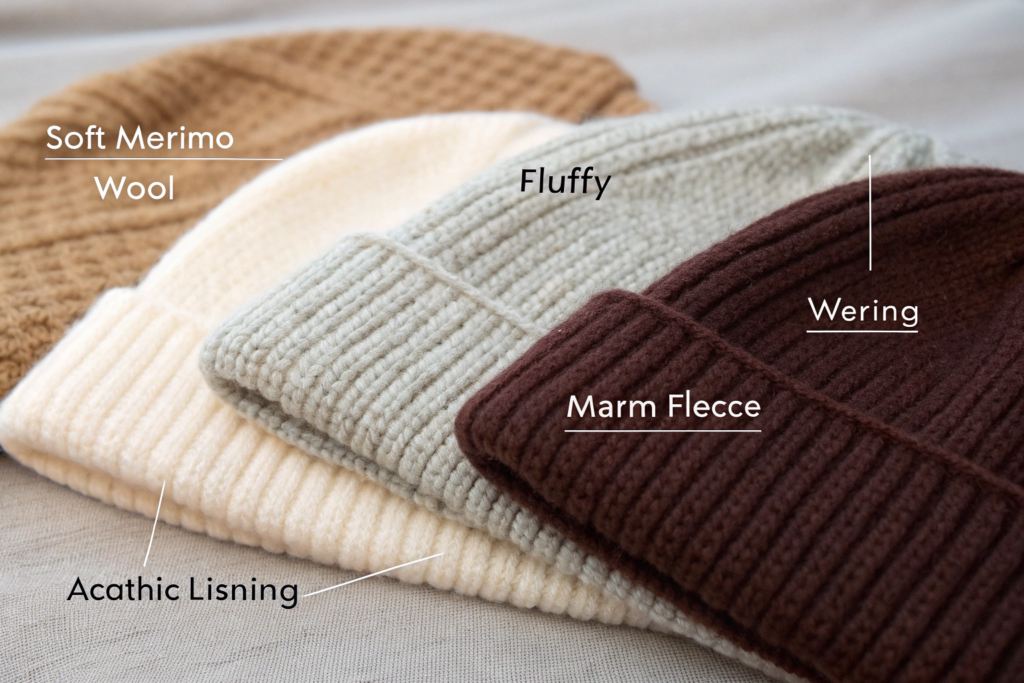
Why does wool remain the premium choice for cold weather?
Wool’s natural properties make it ideal for cold weather. It insulates even when wet. It wicks moisture away from skin. It breathes, preventing overheating during activity. It resists odors naturally.
Merino wool leads the premium segment. Fine fibers feel soft against skin, eliminating the itch associated with traditional wool. Different weights suit different climates. Lightweight merino works for cool fall days. Heavyweight merino protects against deep winter cold. Blends with synthetic fibers add durability and reduce cost while retaining wool benefits. Wool marketing resources provide technical information on wool properties. Shanghai Fumao Clothing sources certified wool from ethical suppliers.
When do synthetic fibers make more sense?
Acrylic dominates the volume market for practical reasons. It costs significantly less than wool. It washes easily without special care. It takes color brilliantly and resists fading.
Polyester blends add performance features. Moisture-wicking properties benefit active users. Quick-drying characteristics help when hats get wet from snow. Fleece linings add warmth without bulk. For promotional products and high-volume retail, synthetic fibers deliver acceptable performance at accessible prices. The key is quality. Good acrylic performs well. Cheap acrylic pills and looks terrible quickly. We source from reputable yarn suppliers who maintain quality standards. Synthetic fiber technology continues advancing, narrowing the performance gap with natural fibers.
How Do You Ensure Proper Fit Across Different Head Sizes?
Fit determines comfort. A hat that fits poorly will not be worn, regardless of how beautiful it is—its vibrant colors may dazzle, its intricate embroidery may captivate, but the persistent itch of an ill-fitting brim, the crushing pressure of a too-tight crown, or the slouching sag of a too-loose band will render it abandoned on the shelf, gathering dust as a forgotten dream.
Proper sizing requires understanding human head variation and designing accordingly: the gentle curve of a child’s skull, the broad expanse of an adult male’s brow, the delicate contours of an elder’s temples—all demand meticulous attention to detail, from the precise measurement of circumference to the subtle adjustment of padding and structure. Fit is fundamental to success; it is the silent handshake between garment and wearer, the unspoken promise of harmony that transforms a mere object into a companion, a statement, a source of quiet confidence that lingers in the memory long after the first wear.
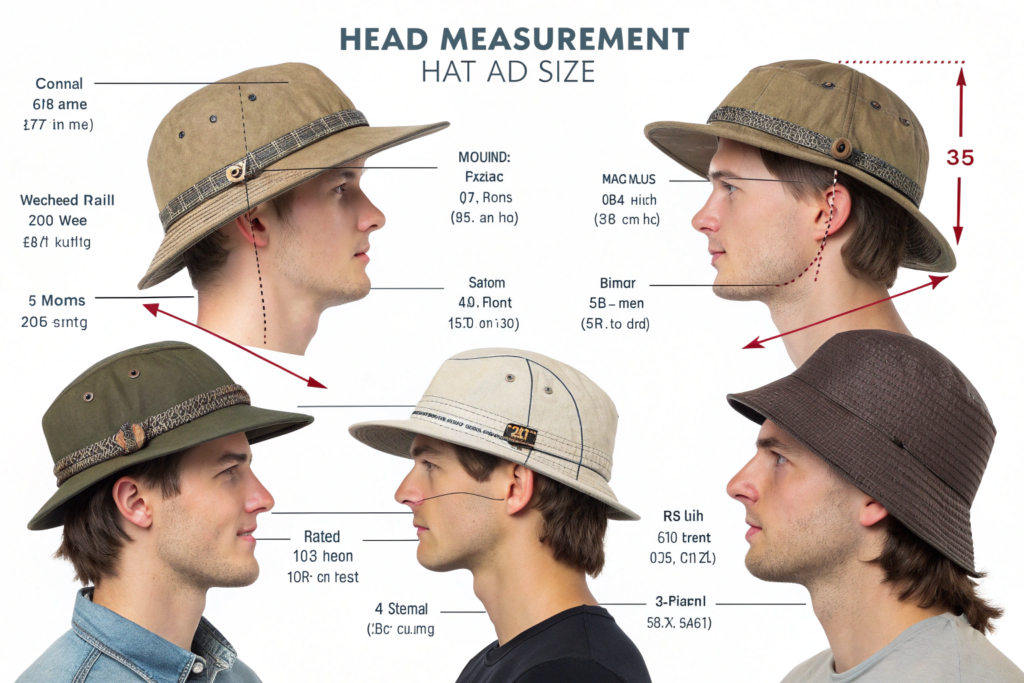
What measurements matter for ear flap hat sizing?
Head circumference is the primary measurement. Measure around the head at forehead level, just above ears. This determines the hat body size.
Depth measurement matters for ear flap placement. Distance from crown to ear lobe determines where flaps should sit. Hats that are too shallow leave ears exposed. Hats too deep look odd and may slip over eyes. Ear flap length itself must cover ears completely without extending too far. We maintain size charts based on thousands of actual head measurements. These inform our standard sizing and custom development. Head measurement guidelines provide useful references.
How do you accommodate one-size-fits-all requirements?
Most retail hats use one-size-fits-all approach. This requires designs that adjust to fit different heads. Ribbed knit construction stretches naturally, accommodating various circumferences. The stretch must return to original shape without permanent deformation.
Adjustable features help. Drawstrings through the crown allow fit customization. Ties on ear flaps let wearers tighten as needed. Internal elastic panels add stretch without changing external appearance. We test one-size designs on multiple head forms representing different sizes. Hats must fit the smallest and largest intended wearers comfortably. This range typically covers adult sizes from small to large. Fit testing protocols guide our evaluation process.
Conclusion
Knit hats with ear flaps endure because they solve a real problem effectively. Cold ears are uncomfortable and vulnerable to damage. Ear flaps provide targeted protection that standard hats cannot match. Designers have taken this functional solution and transformed it into something beautiful.
Today’s ear flap hats serve everyone from mountain guides to fashion influencers. Chunky wool versions protect skiers. Angora blend styles grace fashion magazines. Promotional versions carry corporate logos to winter events. The basic design adapts to countless variations while maintaining its essential purpose.
At Shanghai Fumao Clothing, we produce ear flap hats for all these markets. We understand the technical requirements of cold weather protection. We track the fashion trends that drive style preferences. We deliver quality that meets client expectations across every segment.
If you are planning winter hat programs and want expertise in ear flap designs, I invite you to reach out. Let us discuss your target market, your design preferences, and your quality requirements. We can show you what real experience in knit headwear looks like. For new projects and inquiries, please contact our Business Director, Elaine, directly at elaine@fumaoclothing.com. We look forward to helping you create hats that keep ears warm and customers happy.