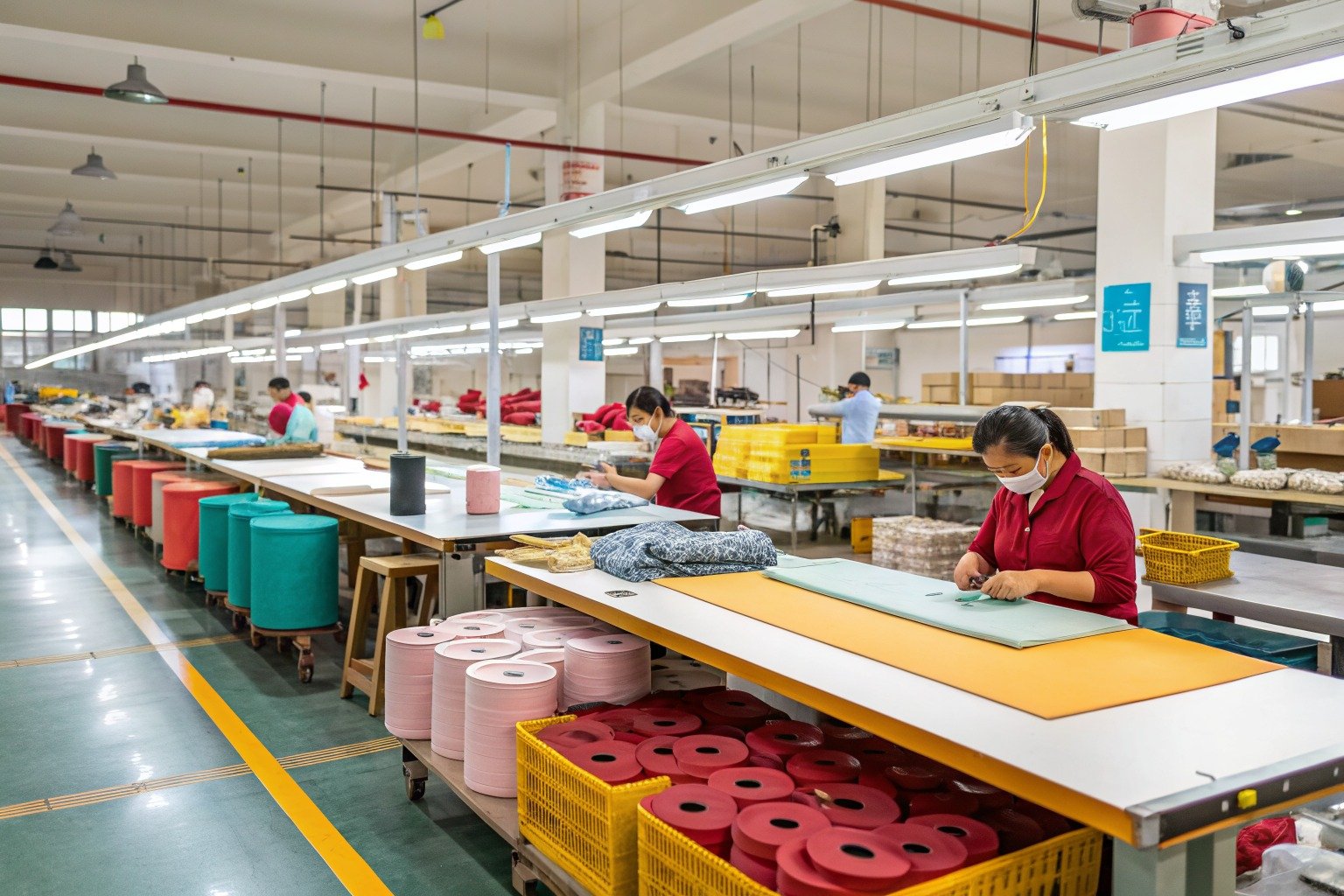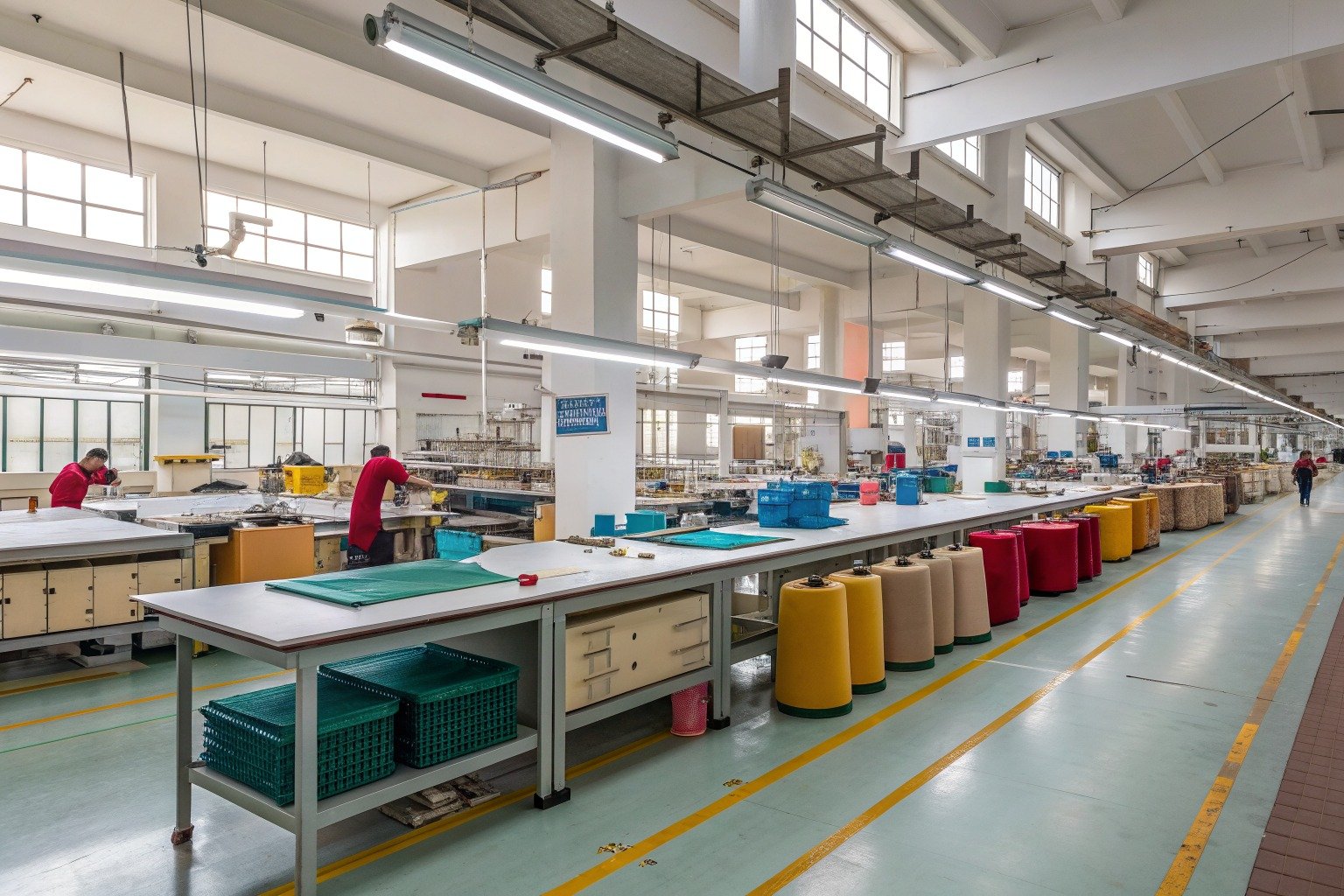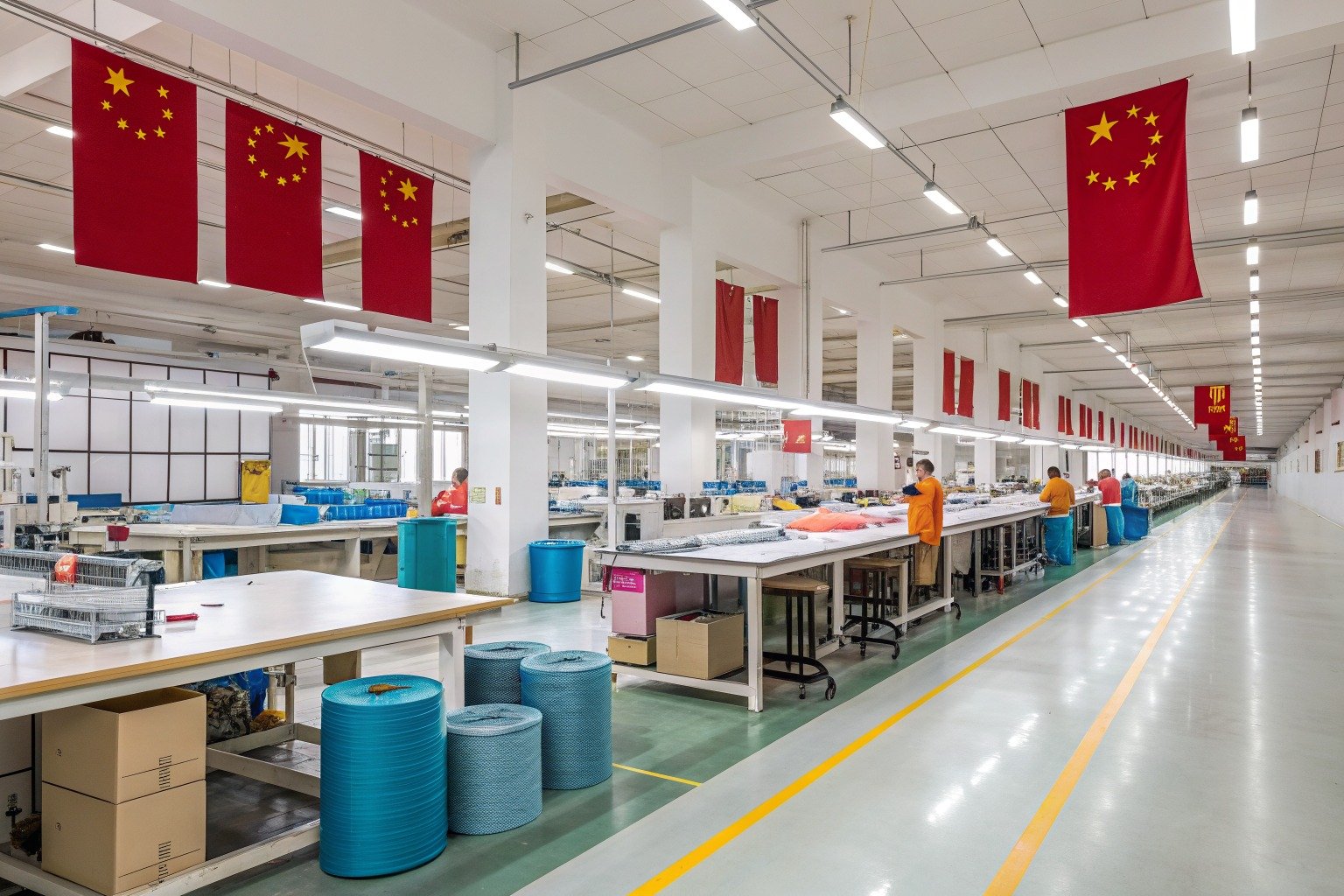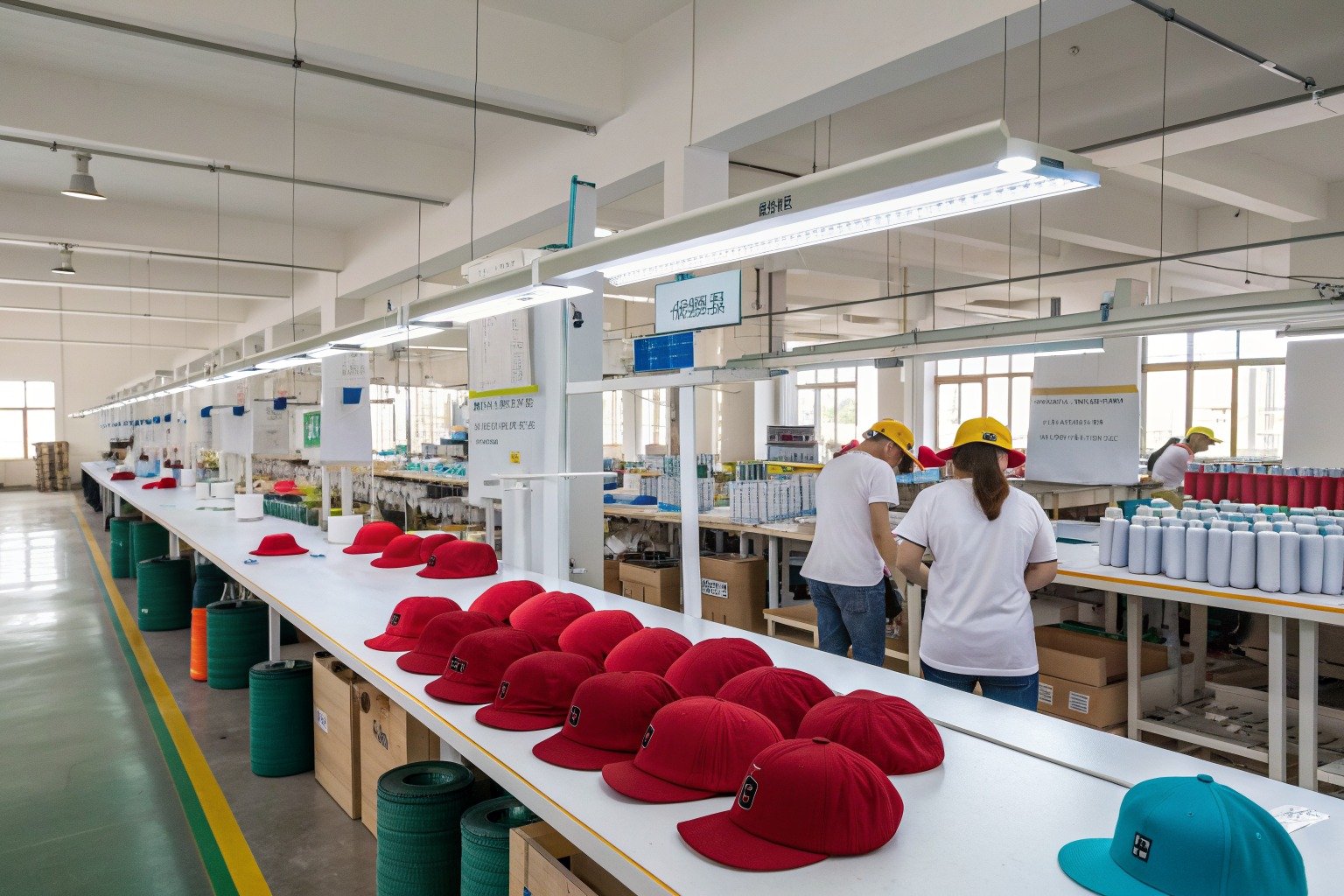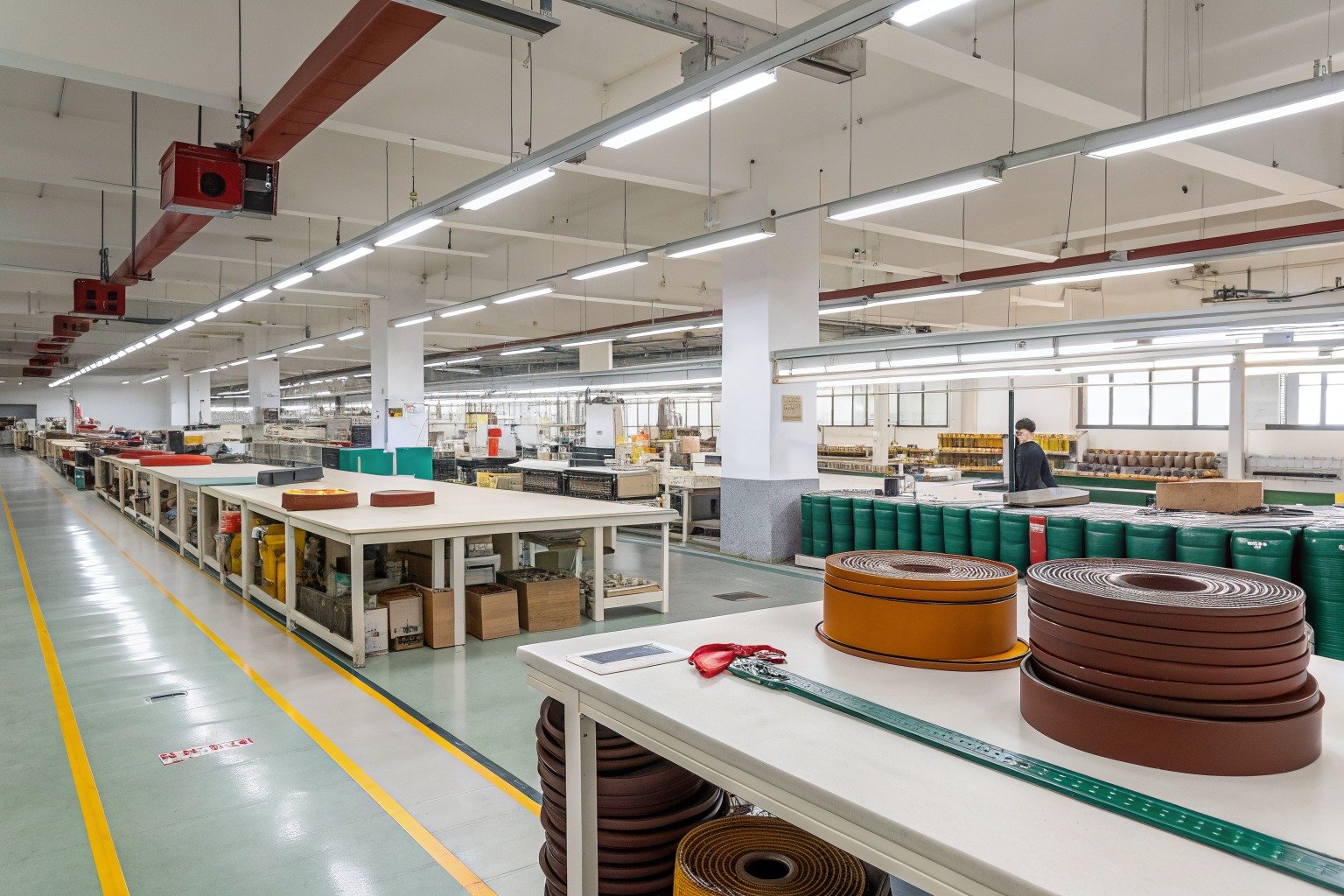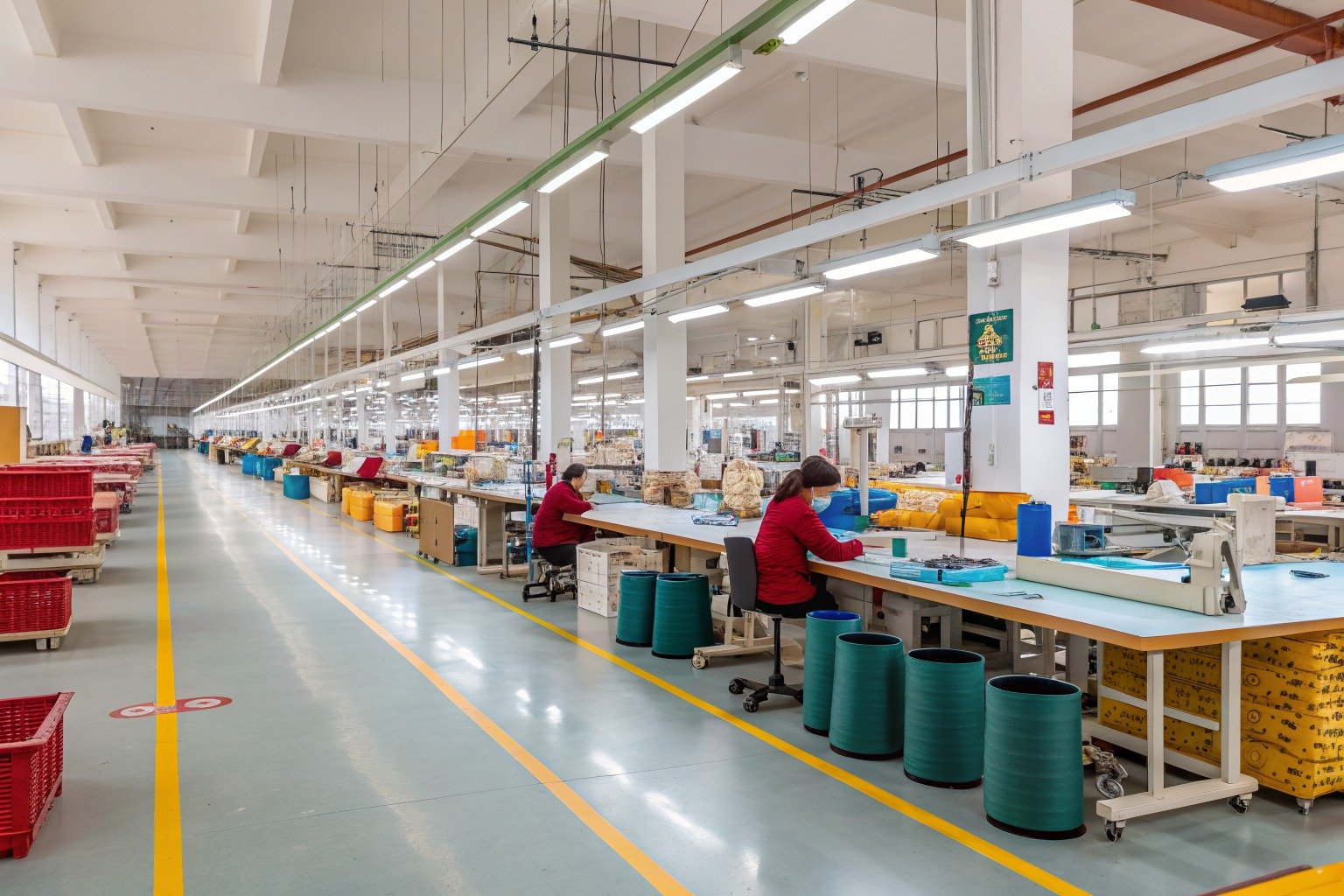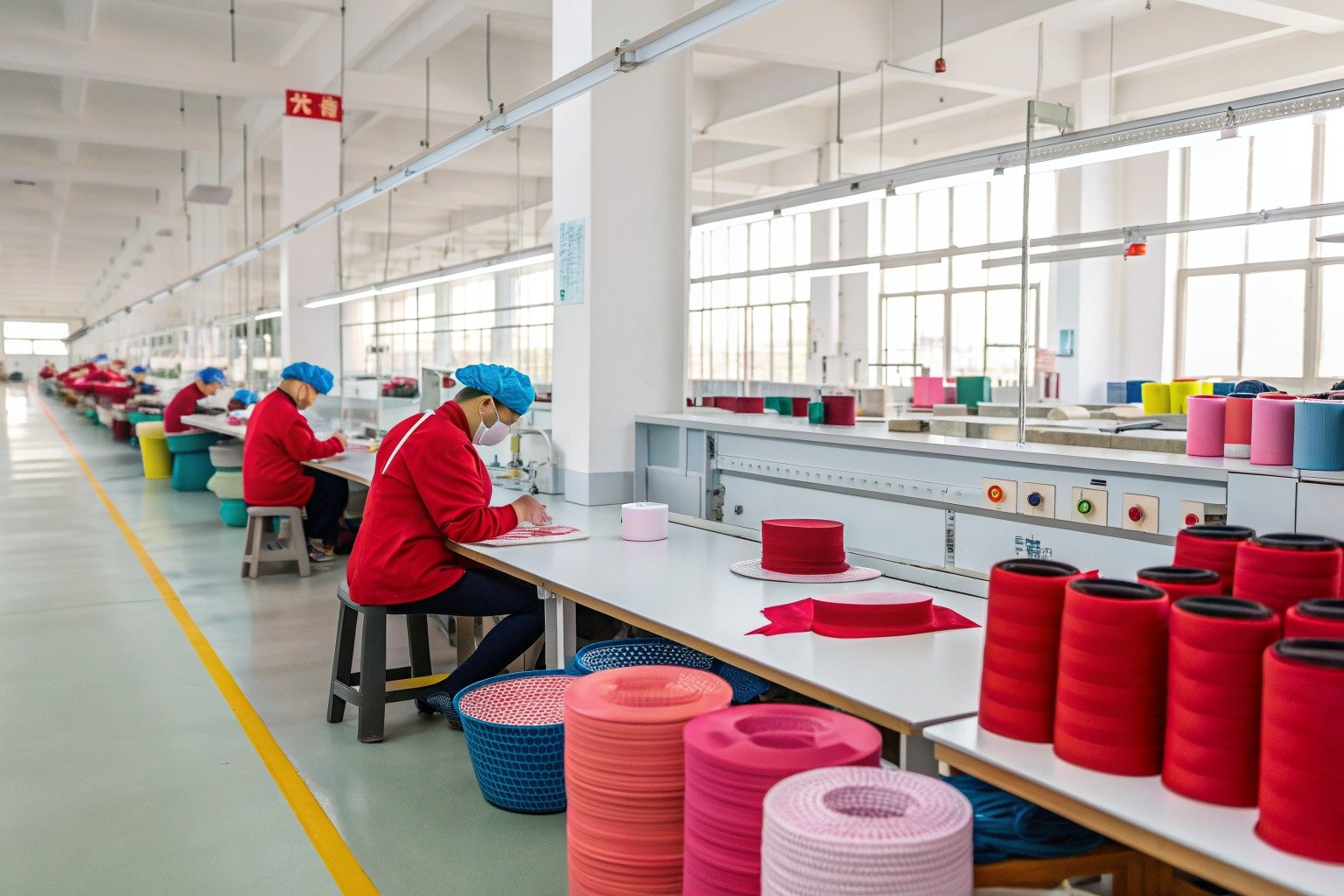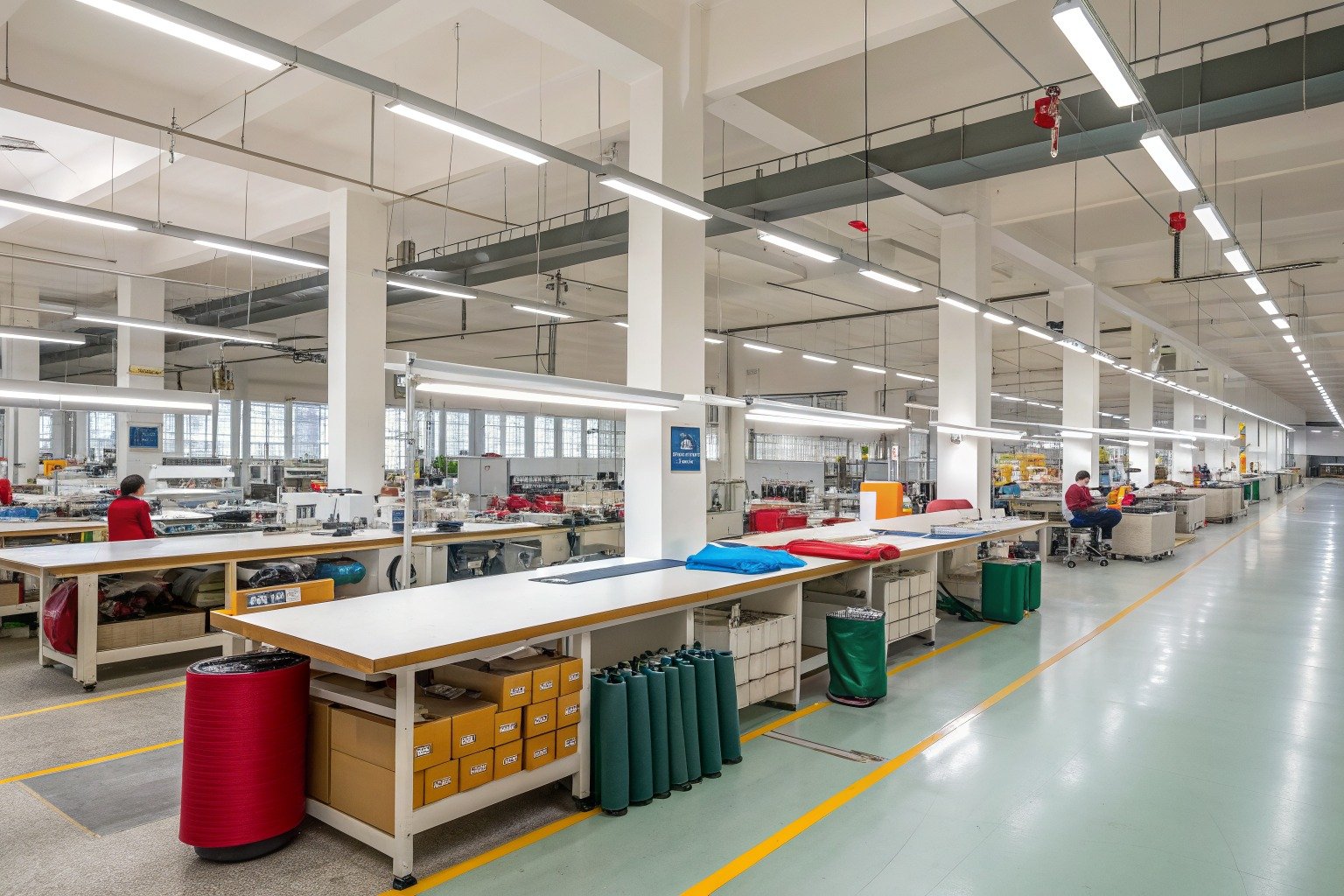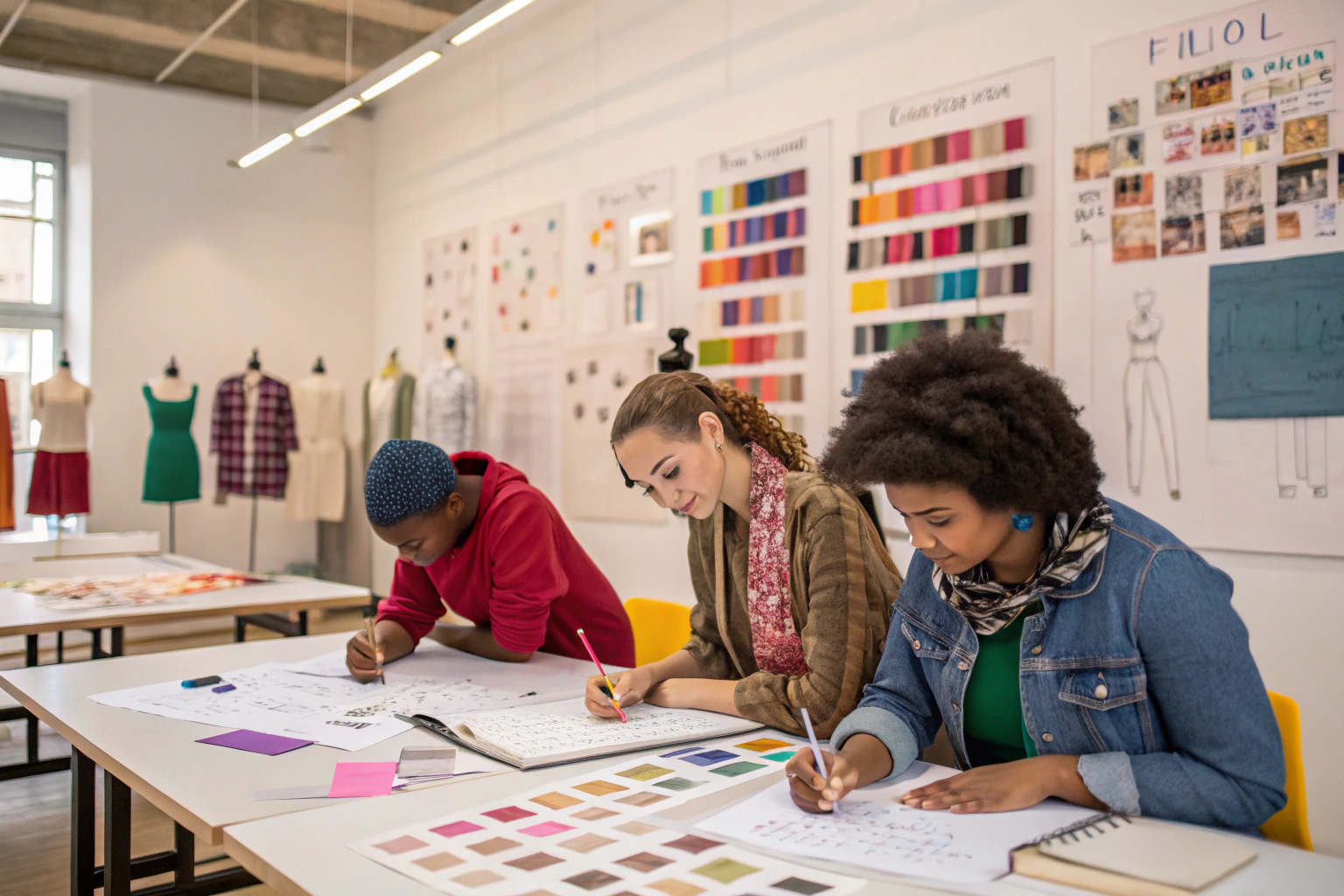
I still remember the first time a design student toured our factory. She was maybe twenty-two years old. She looked at our sample room with wide eyes. She picked up materials we had used for years and saw possibilities we had missed. "What if we combined this leather with that mesh?" she asked. "And added these crystals here?" In five minutes, she sketched something fresh. Something none of our experienced team had imagined.
Collaborating with fashion design schools provides access to emerging talent, fresh perspectives, and innovative concepts without the commitment of full-time hiring. Effective partnerships involve sponsored projects, guest lectures, internship programs, and competition sponsorships that connect students with real-world manufacturing constraints while exposing your company to new ideas.
At AceAccessory, we have built relationships with several design schools over the years. These partnerships have generated product ideas, recruited talented graduates, and kept our thinking current. Young designers see the world differently. They have not yet learned what is "impossible." Sometimes that naivety leads to breakthroughs. Let me share how we make these collaborations work.
Why Should Accessory Manufacturers Partner With Design Schools?
The fashion industry changes constantly. What sold last year may not sell next year. Design schools sit at the leading edge of change. Students study trends before they reach mainstream. Their ideas reflect where fashion is going, not where it has been. This forward-looking perspective is invaluable.
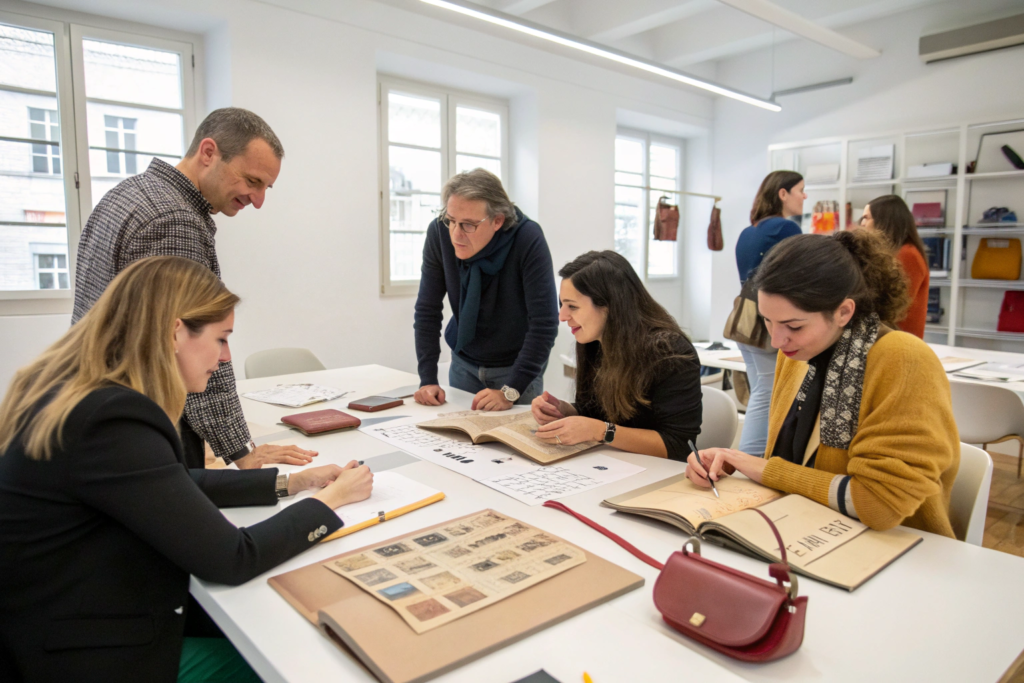
What fresh perspectives do students bring to accessory design?
Students have not yet internalized industry constraints. They do not know that "we have always done it this way." They ask questions that experienced designers stopped asking years ago.
This freshness manifests in material combinations, color choices, and silhouette explorations. A student might combine unexpected textures because they have not learned which combinations "shouldn’t work." Sometimes they do not work. Sometimes they create something entirely new. We have developed commercial products from student experiments that initially seemed impractical. The students’ lack of manufacturing knowledge forced us to find new production methods. Those methods now benefit our entire operation. Business of Fashion regularly features student work that later influences mainstream trends. Shanghai Fumao Clothing has incorporated several student-inspired techniques into our standard offerings.
How do schools benefit from industry partnerships?
Students need real-world experience to complement classroom learning. They need to understand how designs translate into products. They need exposure to manufacturing realities.
When we partner with schools, students gain access to our materials library, our production knowledge, and our market insights. They see what works at scale and what remains boutique. They learn about costing, sourcing, and quality control. This knowledge makes them better designers and more employable graduates. Schools value partners who prepare students for actual industry careers. Council of Fashion Designers of America emphasizes industry-education connections in their programming.
What Forms Can School Collaborations Take?
Collaborations come in many forms, each a unique thread woven into the rich tapestry of shared purpose. From casual brainstorming sessions over steaming mugs of coffee to formal partnerships spanning months of dedicated effort, the spectrum is vast and varied. The right approach, that golden key to unlocking potential, hinges deeply on your goals—whether they are to spark innovation, bridge gaps in resources, or foster a sense of community—and your capacity, the energy and bandwidth you can realistically invest.
Equally vital is an acute understanding of the school’s needs, those unspoken and spoken desires that pulse through its corridors, from upgrading outdated facilities to nurturing student creativity.
How do sponsored design projects work?
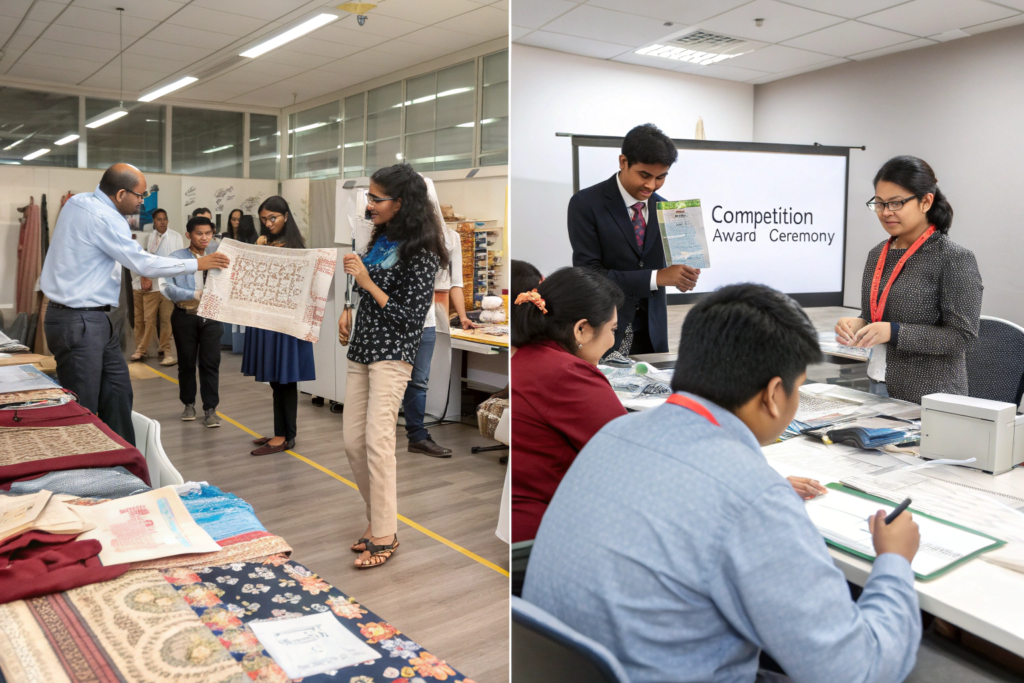
Sponsored projects represent the most common collaboration form. We provide a design brief to a class. Students spend a semester developing concepts around our brief. At the end, they present their work.
Our briefs focus on real business needs. "Design a sustainable accessory collection using recycled materials." "Create hair accessories for the festival market." "Develop belt concepts for young professionals." Students work within these parameters but bring their own creativity. We review final presentations, provide feedback, and sometimes select concepts for development. Winners receive recognition and sometimes small prizes. The real value is the dozens of fresh ideas we could not have generated internally. Fashion school project examples show how these collaborations work at leading institutions.
What makes a successful internship program?
Internships provide deeper engagement than projects. Students spend weeks or months embedded in our operation. They see daily reality. They contribute to ongoing work.
The key to successful internships is meaningful work. Students should not just fetch coffee and file papers. They should assist designers, research trends, help with samples. They learn more. We get more from their contributions. A structured program with rotating assignments exposes interns to different aspects of our business. Design, production, quality control, sales. This breadth benefits both parties. Many of our best permanent hires started as interns. Internship best practices from educational associations guide our program design. Shanghai Fumao Clothing maintains an active internship program year-round.
How Do You Structure A Design Brief For Students?
The design brief stands as the cornerstone upon which collaboration success is built, a silent architect shaping the journey from concept to creation. Vague briefs, like mist-shrouded landscapes, leave teams adrift in ambiguity, spawning work that feels disjointed, misaligned, and ultimately unusable—pieces that fail to resonate, solve, or inspire. Overly specific briefs, in contrast, act as tight-fitting cages, stifling the wild, imaginative spark that fuels innovation, resulting in work that feels formulaic, lifeless, and lacking in soul.
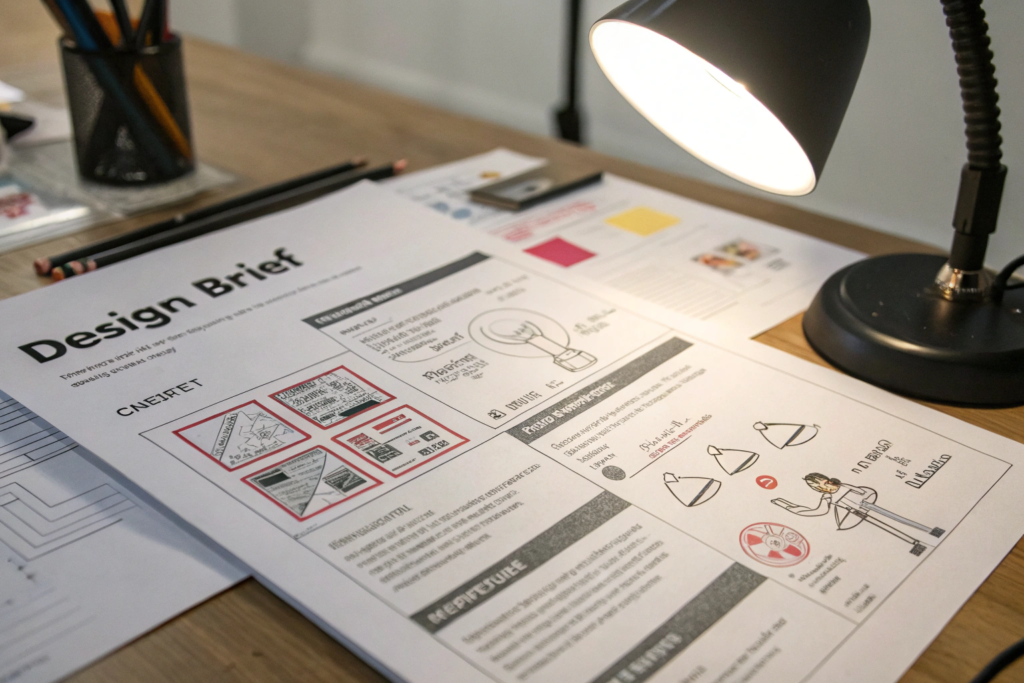
What elements should every design brief include?
Start with target customer. Who will use these accessories? Age, lifestyle, spending habits, values. Students need this context to design appropriately.
Include practical parameters. Price points guide material choices. Production methods guide design complexity. Timeline expectations influence design ambition. A brief that ignores manufacturing reality produces concepts that cannot be made. A brief that overemphasizes constraints produces boring work. We share enough information to ground designs without killing creativity. Material suggestions help without mandating. Color direction inspires without dictating. Design brief templates provide starting points we adapt for student projects.
How do you balance creativity with commercial viability?
This balance challenges every designer, student or professional. We want fresh ideas. We also need products that sell.
Our briefs encourage both. We ask students to push boundaries while considering market realities. "Design something innovative that a 25-year-old professional would actually buy." This framing encourages creativity within commercial constraints. During reviews, we discuss both elements. What makes this design fresh? Would someone spend money on it? These conversations teach students more than either pure creativity or pure commerce alone. We use this balanced approach in all student collaborations.
What Resources Should You Provide To Support Student Designers?
Students cannot design effectively without understanding available materials. They need exposure to real options, not just textbook knowledge. Providing resources improves outcomes. Investment in resources pays off in design quality.
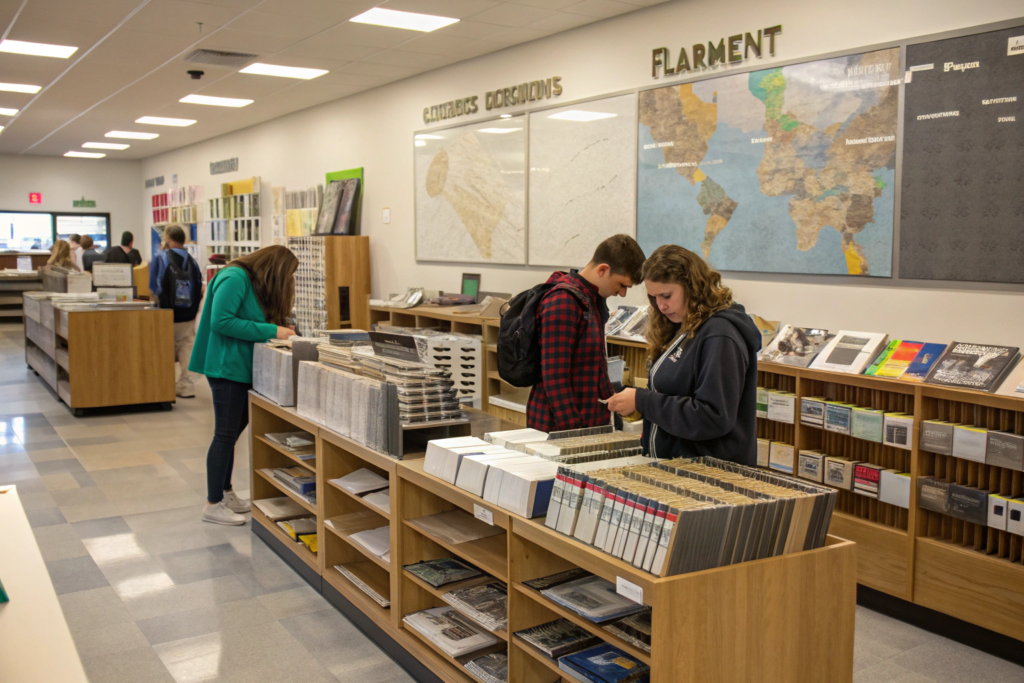
What material samples help students understand possibilities?
Our material library travels to partner schools for project periods. Leather samples in every color and finish. Fabric swatches showing textures and weights. Hardware displays demonstrating options.
Students touch and feel real materials. They understand differences between patent leather and matte. They feel weight differences between zinc and brass hardware. This tactile knowledge informs their designs. A student who has never held quality leather cannot design effectively for it. Material access transforms abstract concepts into concrete possibilities. Material sample libraries demonstrate professional approaches we adapt for educational settings. Shanghai Fumao Clothing maintains extensive sample sets for student use.
How do factory visits enhance student understanding?
Nothing replaces seeing production firsthand. Students who tour our factory understand scale and process. They see cutting, sewing, finishing. They understand why certain designs cost more to produce.
These visits demystify manufacturing. Students realize that design decisions have production consequences. A small change in shape might require entirely new tooling. A material choice might add days to production time. This understanding makes them better designers regardless of where they eventually work. We host regular factory tours for partner schools and always come away impressed by student questions. Educational tour guidelines help structure these visits for maximum learning.
What Legal Considerations Protect Both Parties?
Intellectual property concerns loom like silent shadows over student collaborations, casting uncertainty over the fruits of shared creativity. Who truly owns the spark of an idea, the intricate thread woven into a collective project? What happens when that collaborative design, born from late-night brainstorming and shared whiteboards, transforms into a tangible product destined for commercial shelves? The air thickens with tension as questions of ownership and profit swirl, threatening to unravel the bonds of teamwork if left unaddressed.
Clear agreements, forged in the calm of pre-project planning, act as sturdy anchors, preventing the storm of later disputes from tearing through the fabric of trust. Planning, meticulous and intentional, is not merely a formality but a shield—crafting a roadmap where each contributor’s role, contribution, and potential rights are laid bare, ensuring that the joy of collaboration remains untainted by the bitterness of conflict. It is the difference between a harmonious symphony of minds and a discordant clash of claims, preserving the integrity and passion that first ignited the collaborative journey.
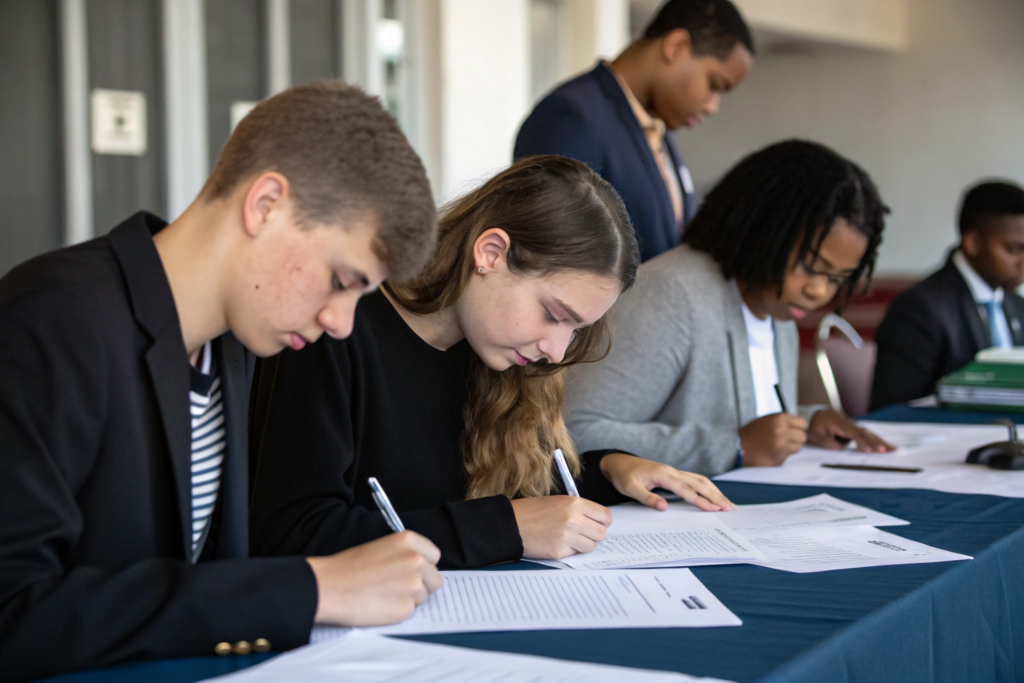
How do you handle intellectual property rights?
We address ownership before projects begin. Standard agreements clarify that students retain rights to their designs unless they enter separate development agreements. For sponsored projects, schools often have their own IP policies we must respect.
When we want to develop a student concept commercially, we negotiate separately. The student receives compensation, typically a combination of upfront payment and royalties. They also receive credit for their contribution. This fair treatment encourages continued collaboration and positive word-of-mouth among students. Schools appreciate partners who respect student rights. WIPO guidelines on intellectual property provide frameworks for educational collaborations.
What agreements should be in place before starting?
Written agreements prevent misunderstandings. At minimum, they should address confidentiality, intellectual property, and publicity rights.
Confidentiality provisions protect our manufacturing information that students might see. Intellectual property provisions clarify ownership of student work. Publicity provisions allow us to use project images in marketing. Schools typically have standard agreements for industry partnerships. We work within these frameworks while ensuring our interests are protected. Legal review ensures agreements serve both parties fairly. Model agreements for industry-education partnerships provide useful starting points. Shanghai Fumao Clothing uses standardized templates reviewed by education law specialists.
Conclusion
Fashion design schools offer access to creativity that cannot be purchased any other way. Students bring fresh eyes, emerging trends knowledge, and unconstrained thinking. They ask questions that experienced designers have stopped asking. They propose combinations that more cautious minds would not attempt.
At AceAccessory, our school partnerships have generated products, recruited talent, and kept our thinking current. We have learned as much from students as they have learned from us. The investment in these relationships pays returns that extend far beyond individual projects.
If you are interested in exploring school collaborations, I invite you to reach out. Let us discuss your goals, your capacity, and the right partnership model for your needs. We can share what we have learned about making these relationships work. For new projects and inquiries, please contact our Business Director, Elaine, directly at elaine@fumaoclothing.com. We look forward to helping you connect with the next generation of design talent.